
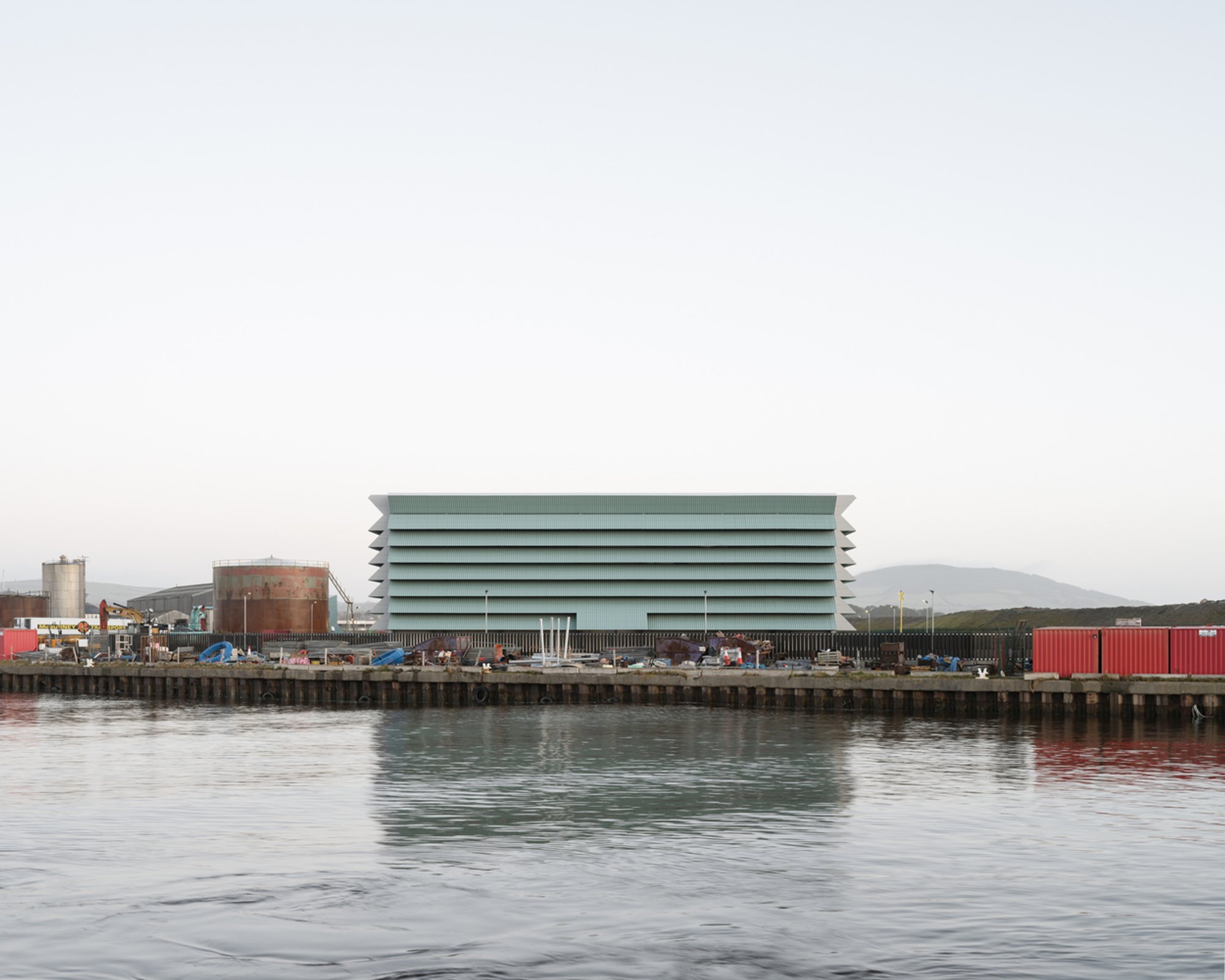
Arklow Waste Water Treatment Plant: A Model of Sustainable Civic Infrastructure Architecture
A sustainable civic infrastructure project in Arklow redefines wastewater treatment through innovative architectural and ecological design.

Reimagining Infrastructure Through Architecture
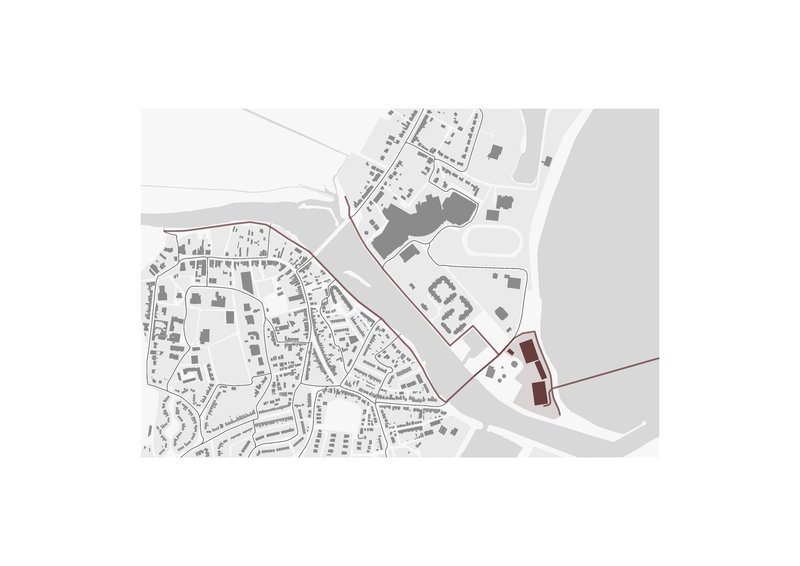
The Arklow Waste Water Treatment Plant by Clancy Moore Architects is a groundbreaking example of sustainable civic infrastructure architecture in Ireland. Situated in Arklow, a town that had never before possessed wastewater treatment capabilities, this project represents not only a significant environmental intervention but also a new architectural typology—where functionality meets civic identity. For the first time in Ireland, an architect was invited as a core member of the design team for such a facility, leading to a design that prioritizes public engagement, environmental performance, and urban integration.
Addressing a Historical Environmental Crisis
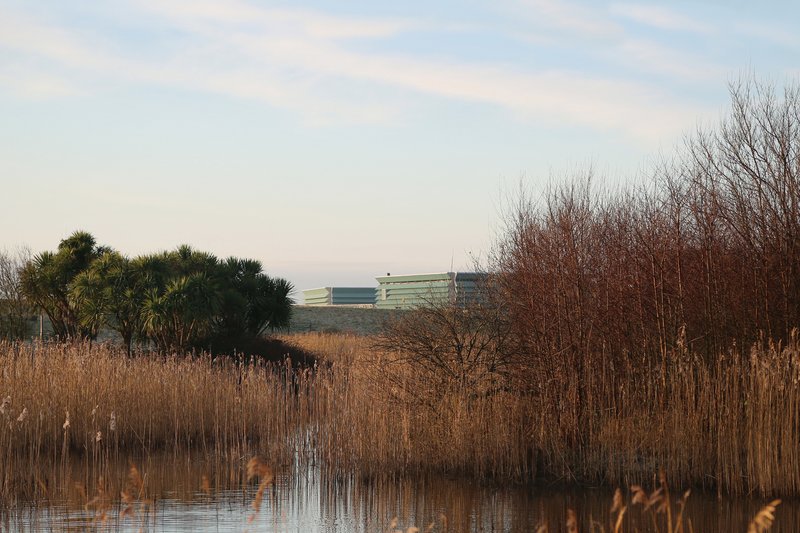
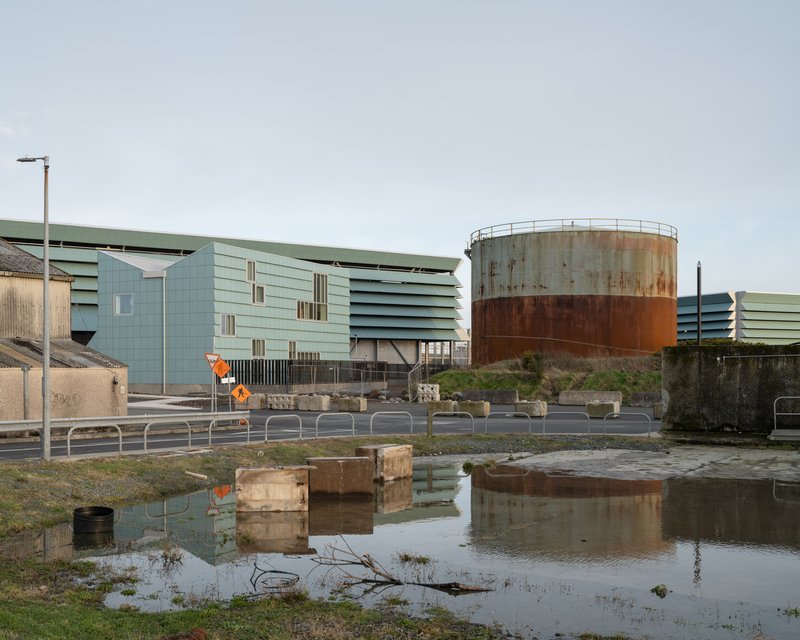
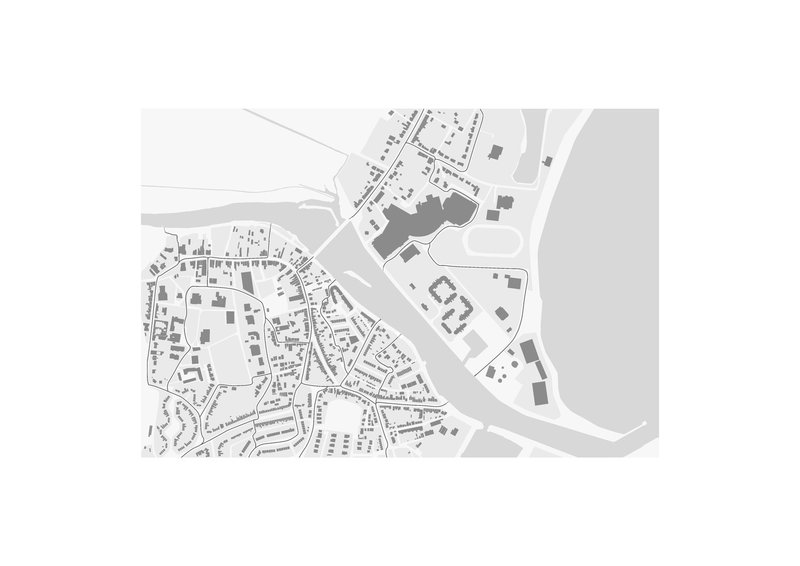
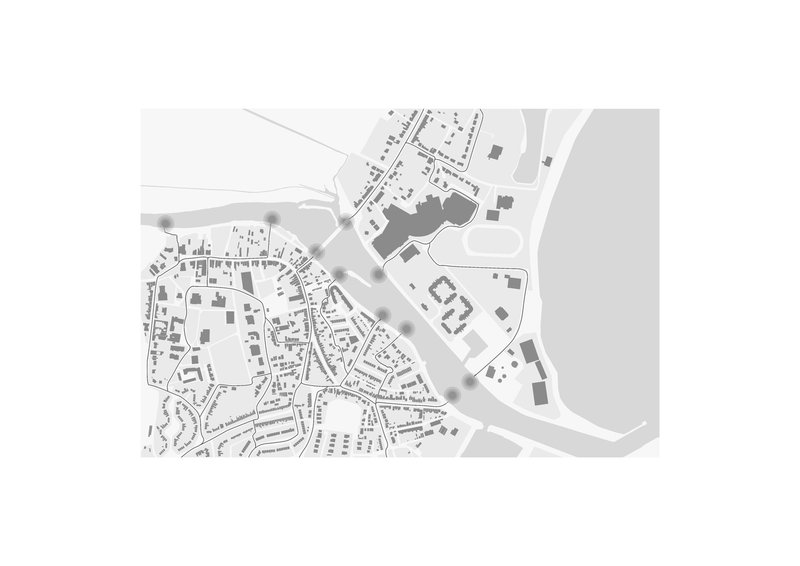
Historically, Arklow had discharged untreated wastewater into the Avoca River and the Irish Sea, significantly impairing local ecologies and stifling urban growth. Previous attempts to build treatment facilities failed due to planning constraints and environmental concerns. Clancy Moore’s approach turned this challenge into an opportunity to produce a facility that harmonizes with the sensitive landscape while offering robust ecological benefits. The design team selected a central site with a low carbon footprint, visible to the community and adjacent to protected ecological zones, which demanded a nuanced and integrated design response.
A Civic Expression of Sustainability
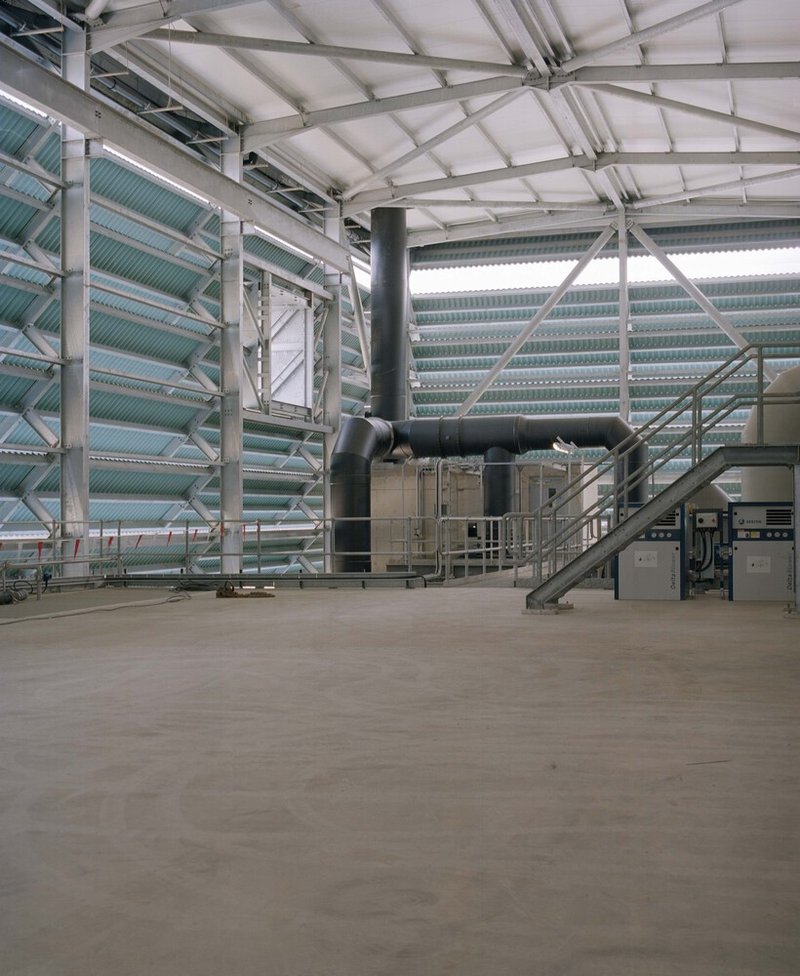
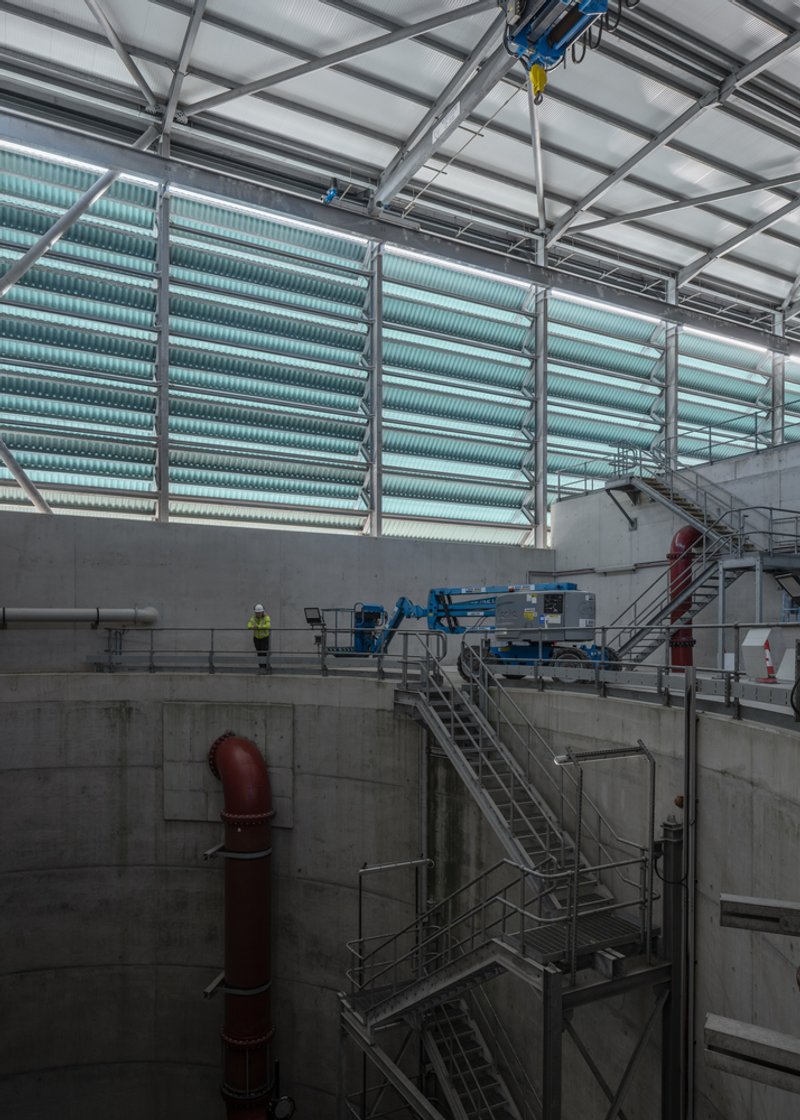
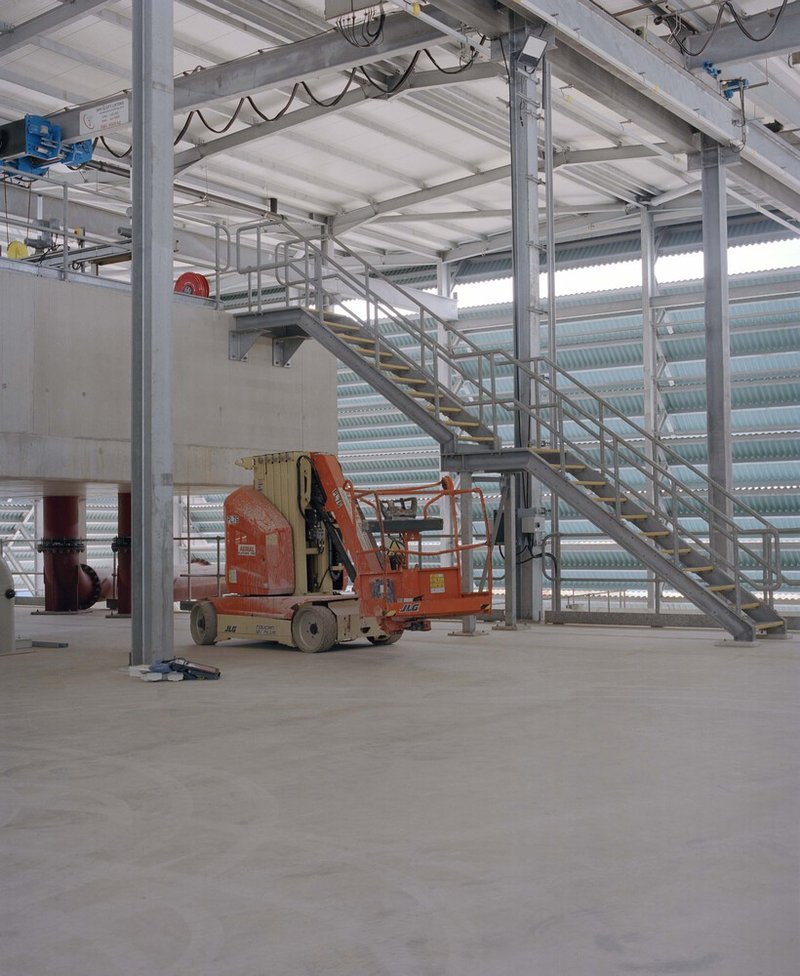
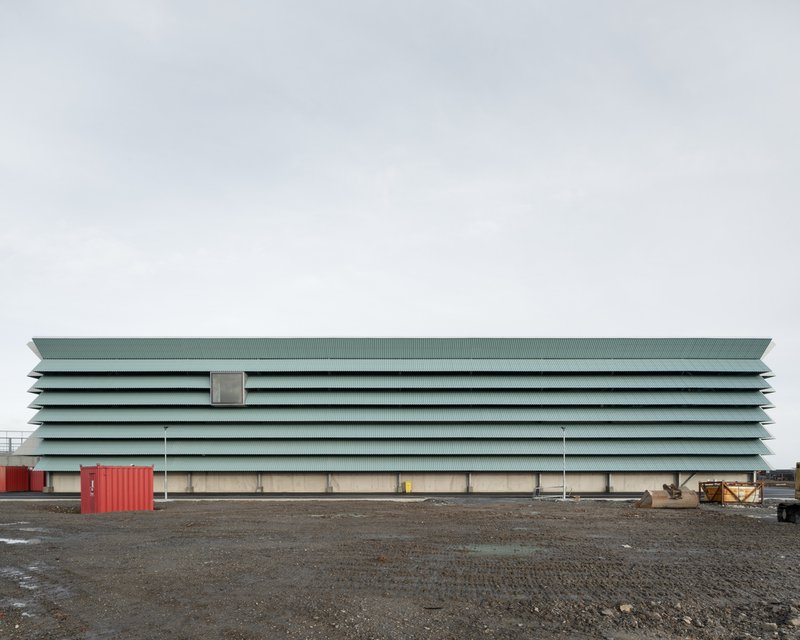
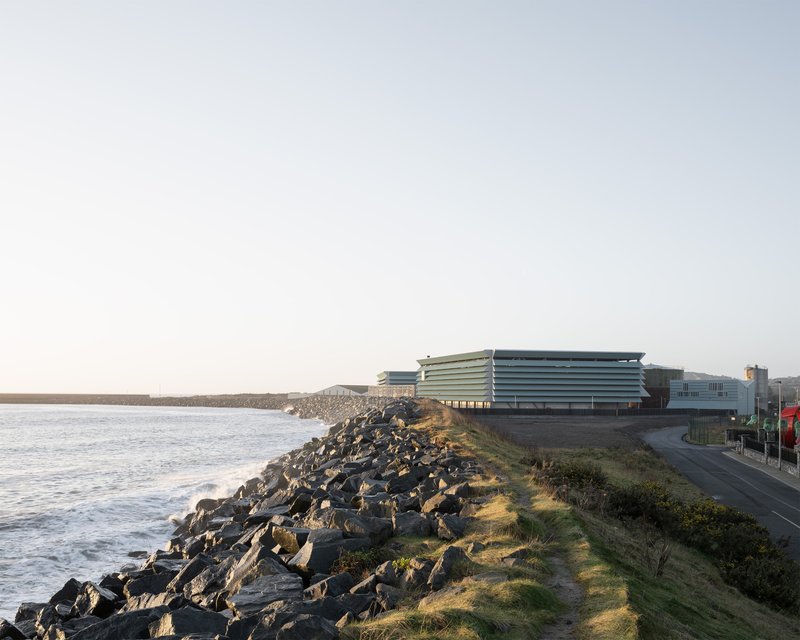
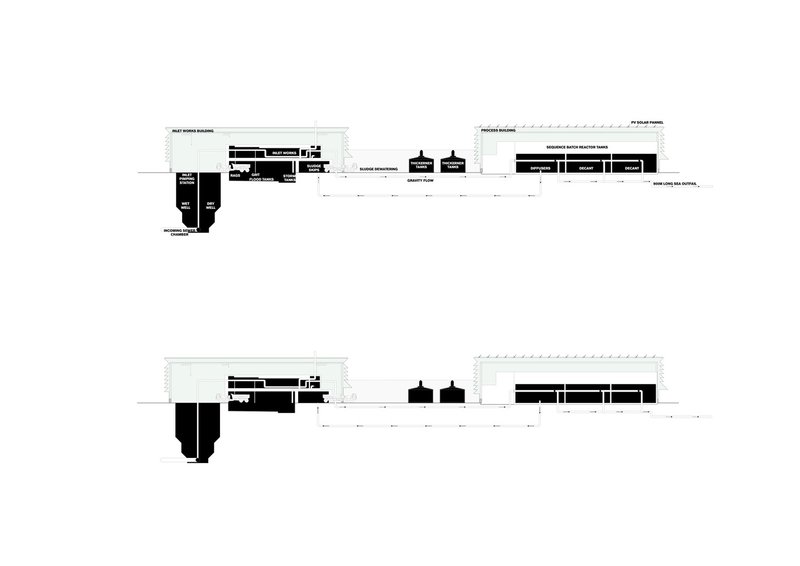
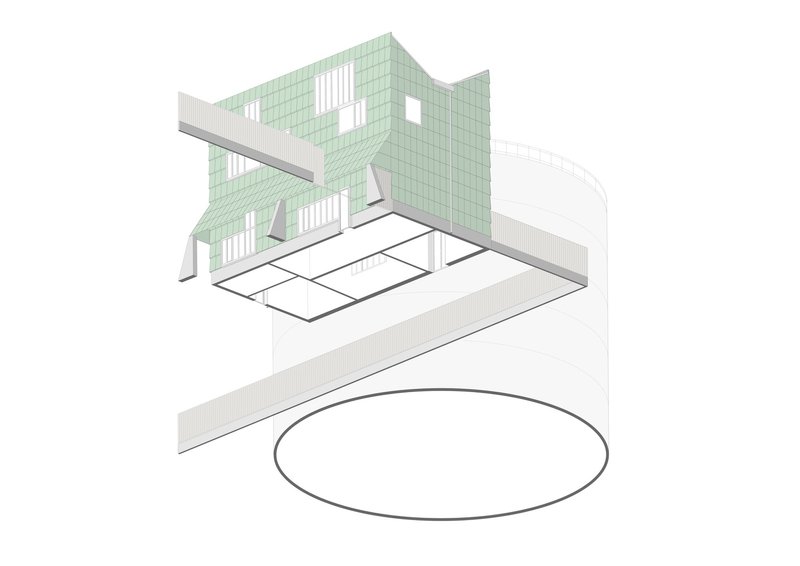
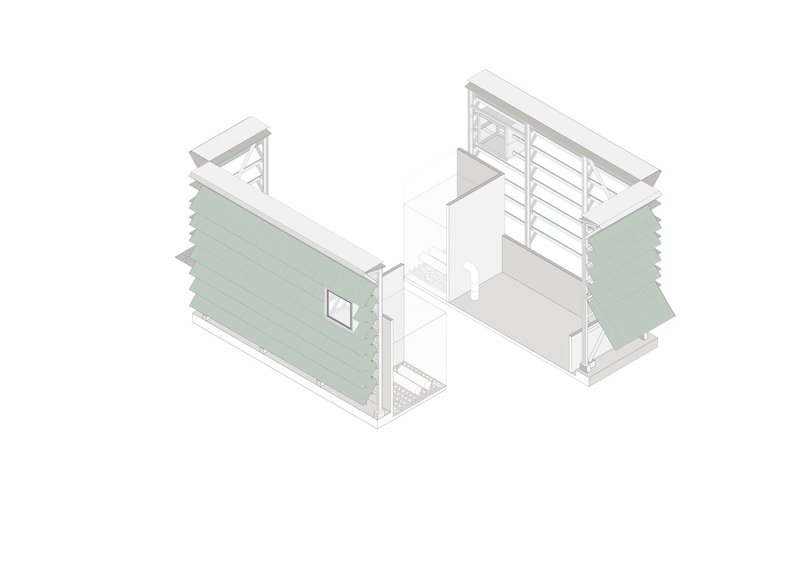
Rather than the typical industrial layout, the architects devised a compact, above-ground plant, avoiding excavation and soil removal—essential due to the site’s legacy of industrial pollution. The wastewater treatment processes were vertically stacked, minimizing site coverage and reducing the need for energy-intensive pumping. The layout operates primarily through gravity, requiring just one main pump, significantly lowering operational energy consumption.
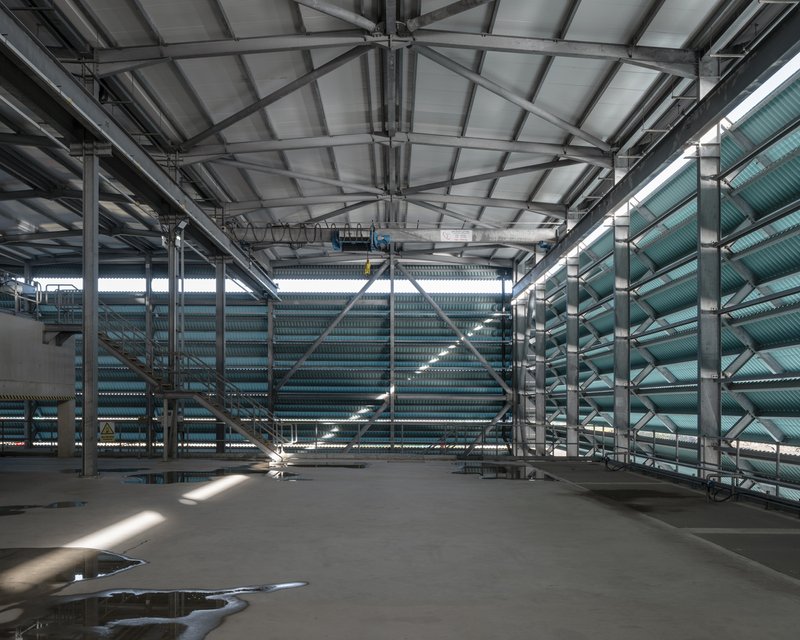
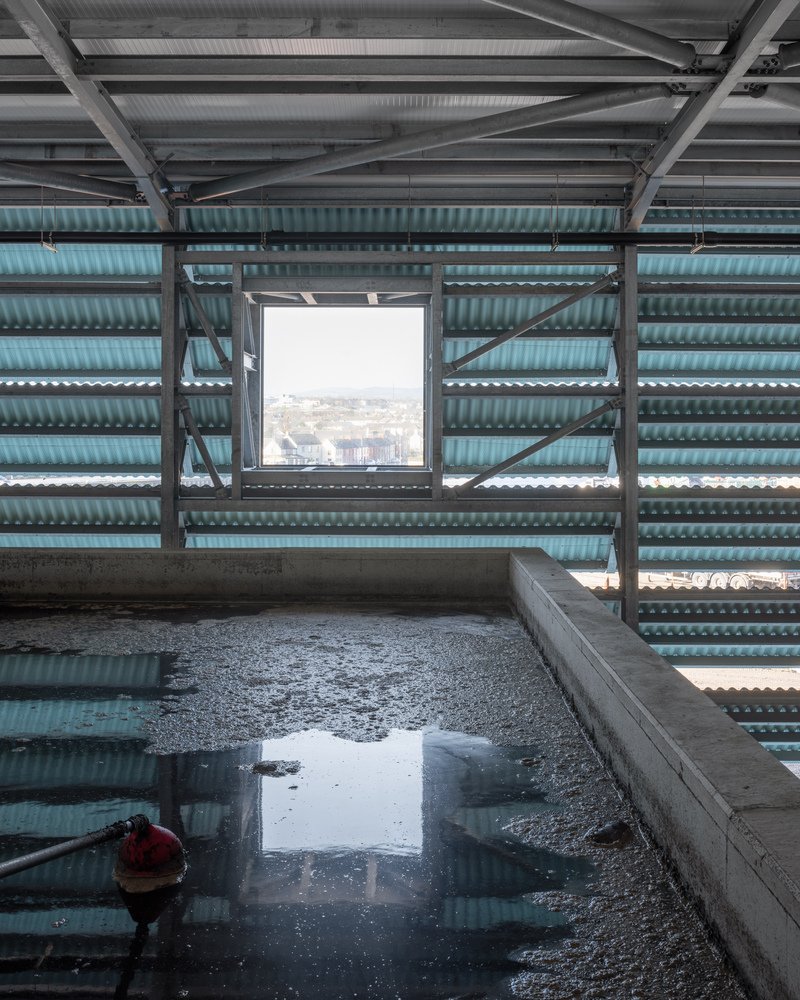
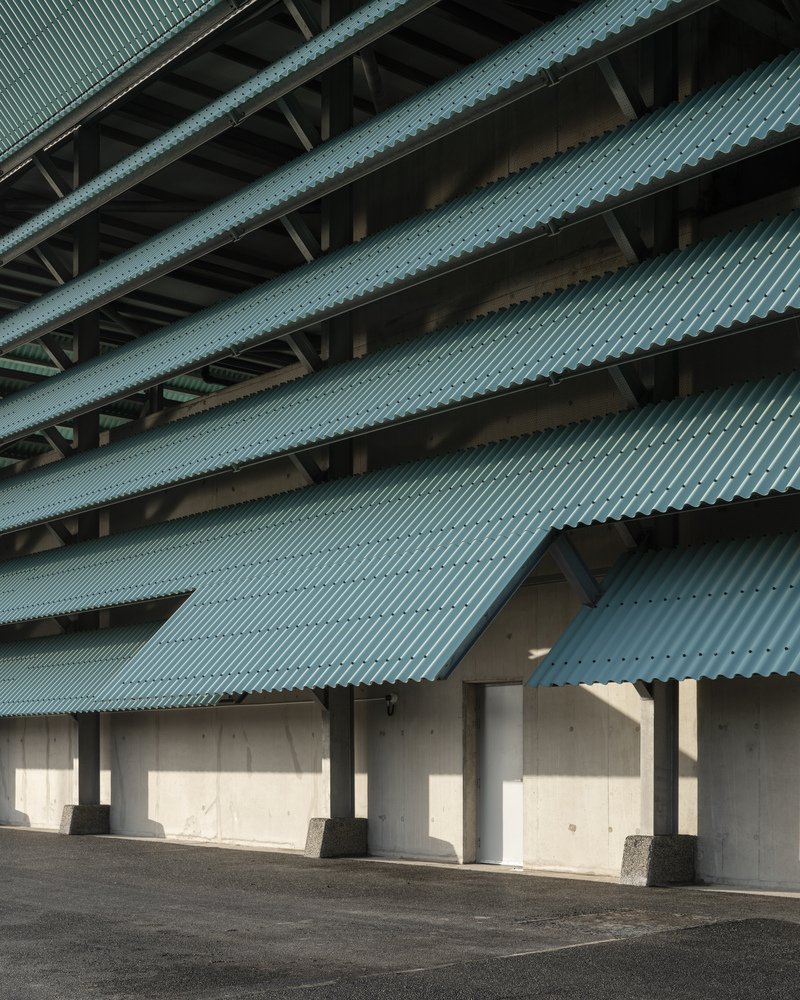
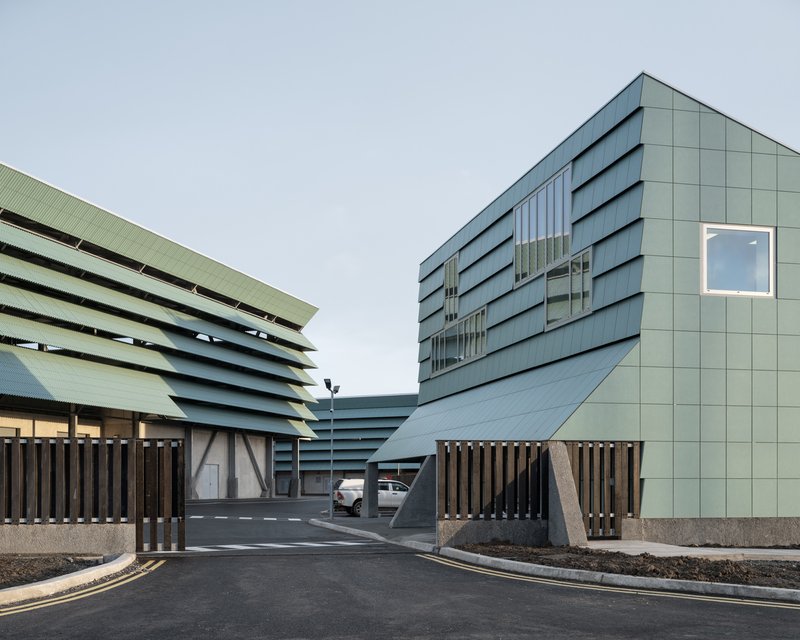
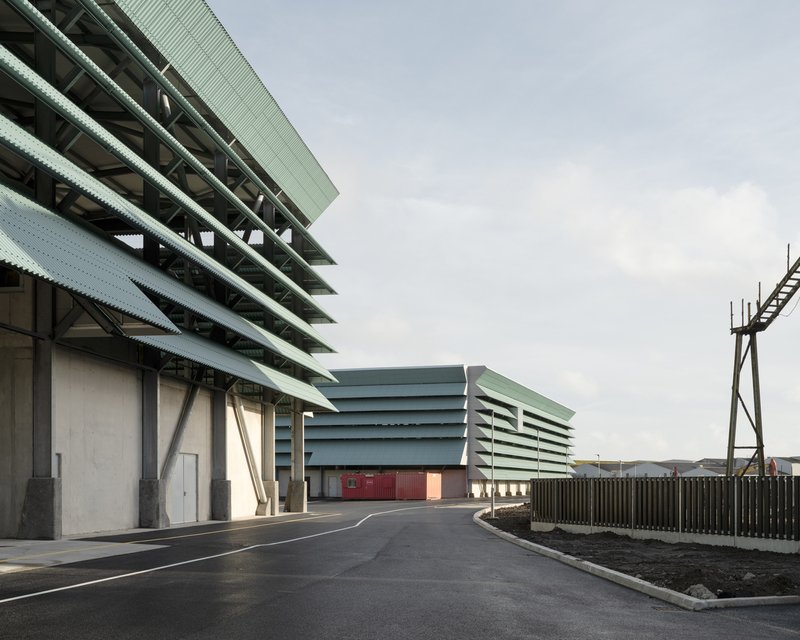
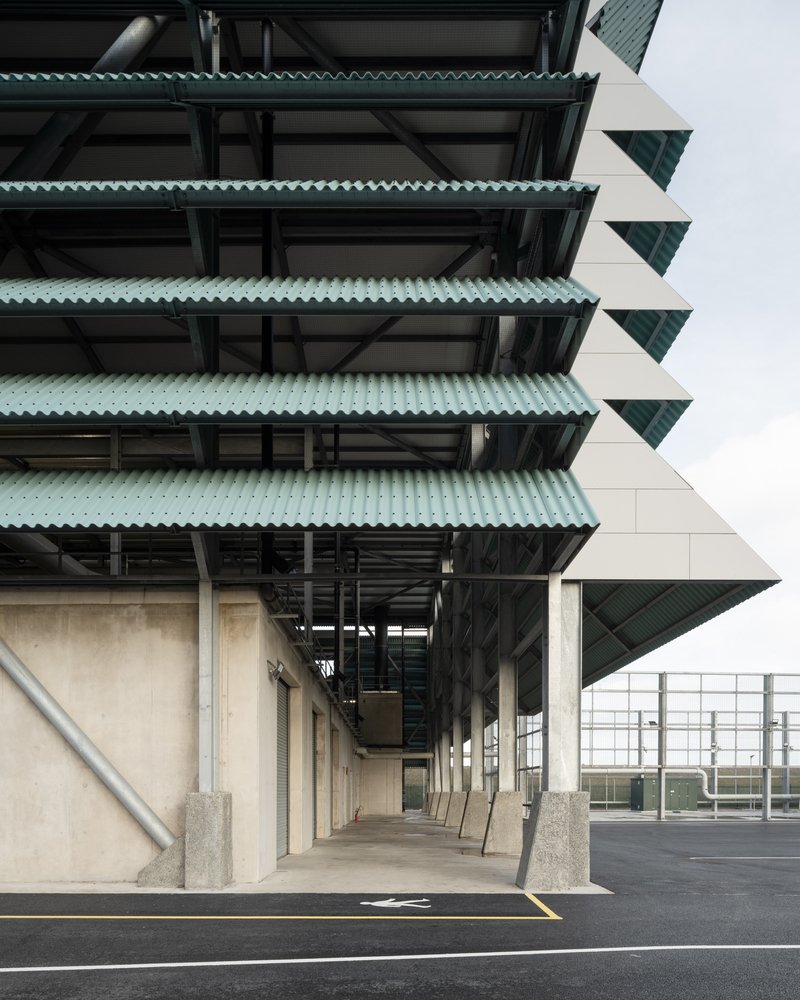
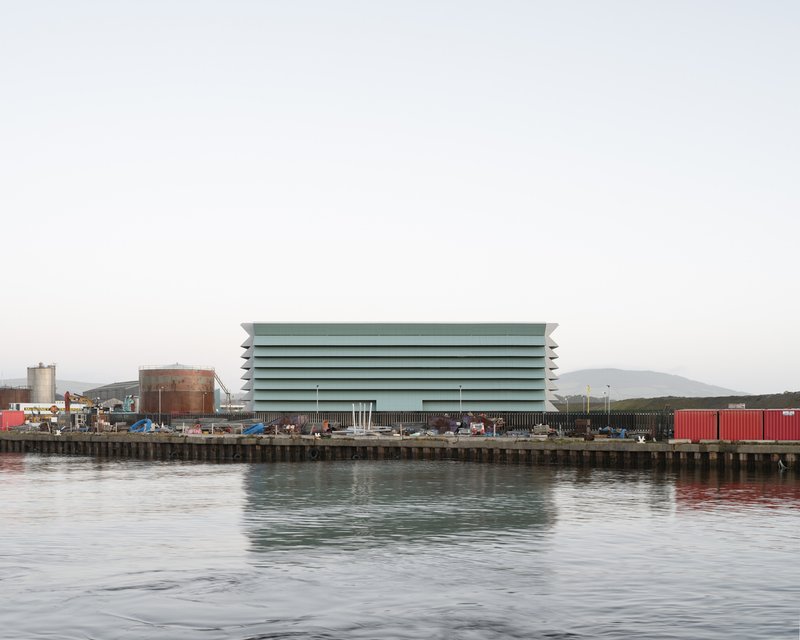
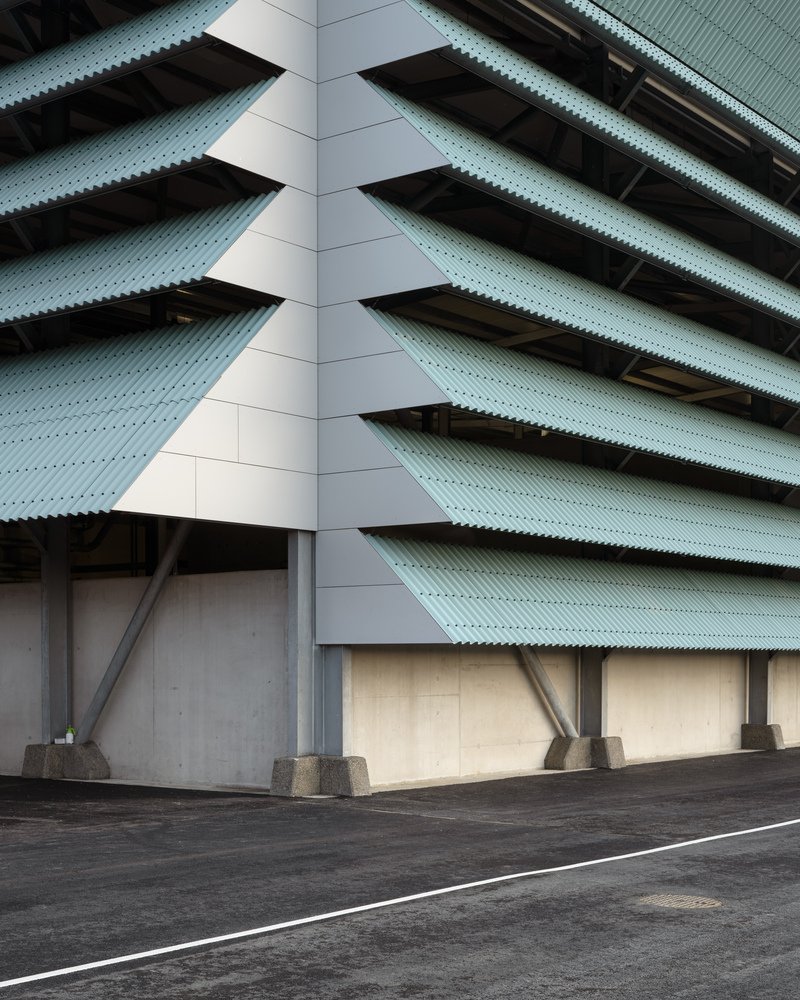
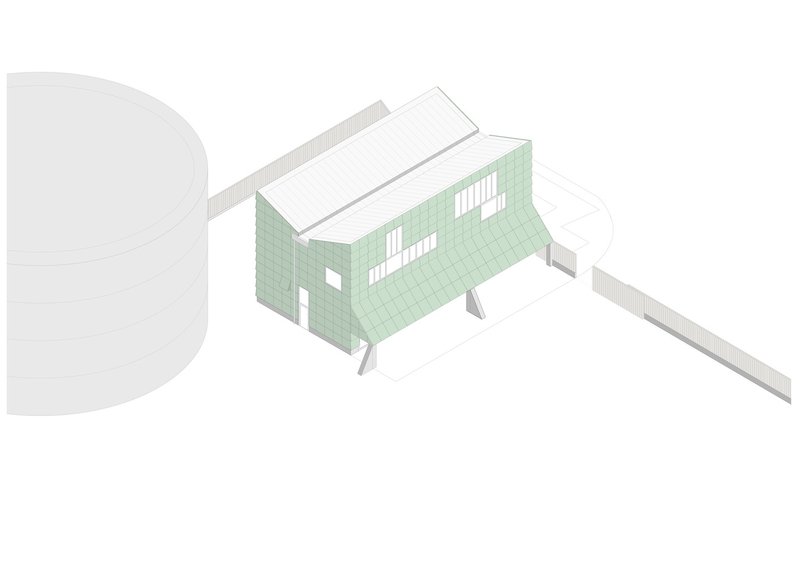
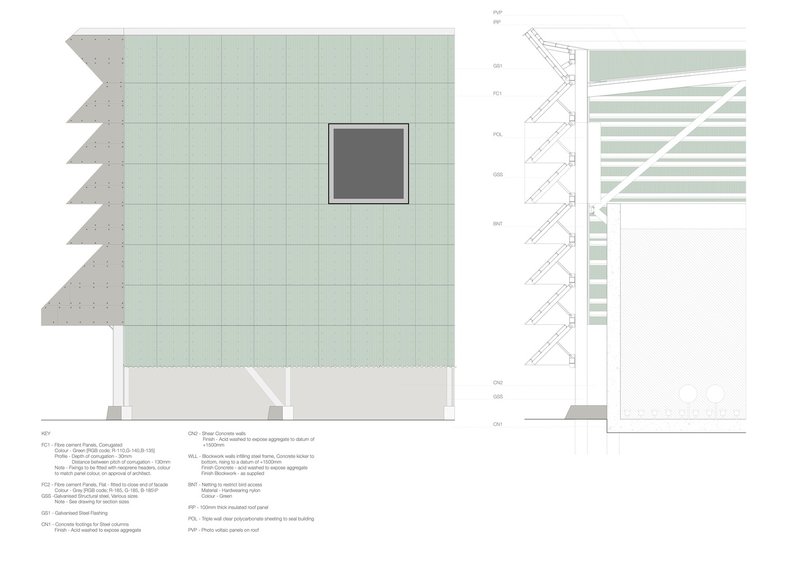
A dynamic louvred skin wraps the facility’s twin primary volumes, providing ventilation, odor control, and visual discretion. These louvres are also designed to support biodiversity, offering nesting habitats for birds and bats. The facility’s roof incorporates solar panels, enabling the plant to partially offset its own energy use, and features a gantry crane system for maintenance, reflecting the plant’s thoughtful integration of mechanical functionality and architectural expression.
Contextual Design Rooted in Place
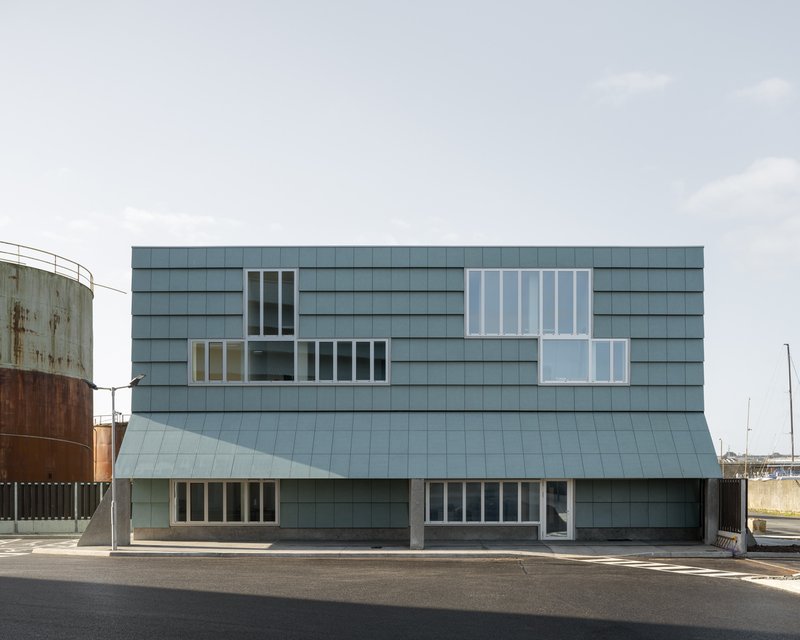
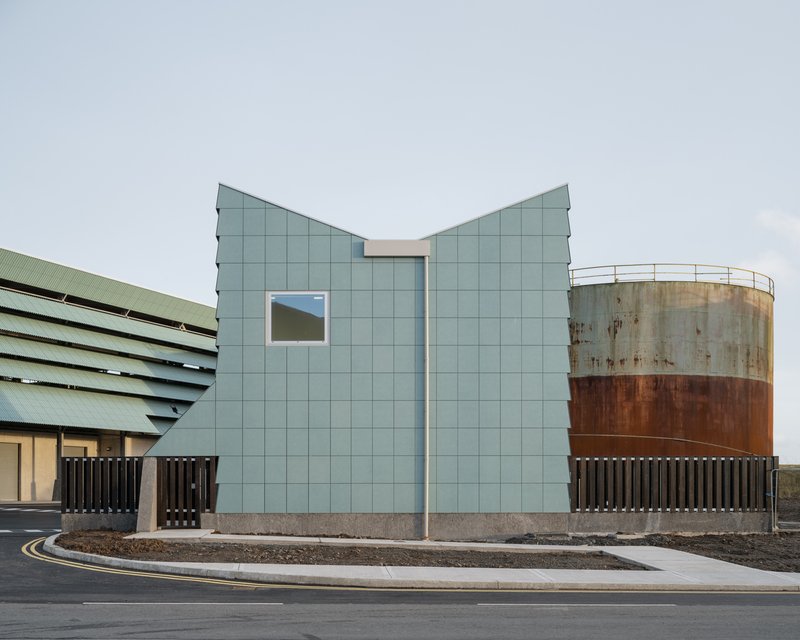
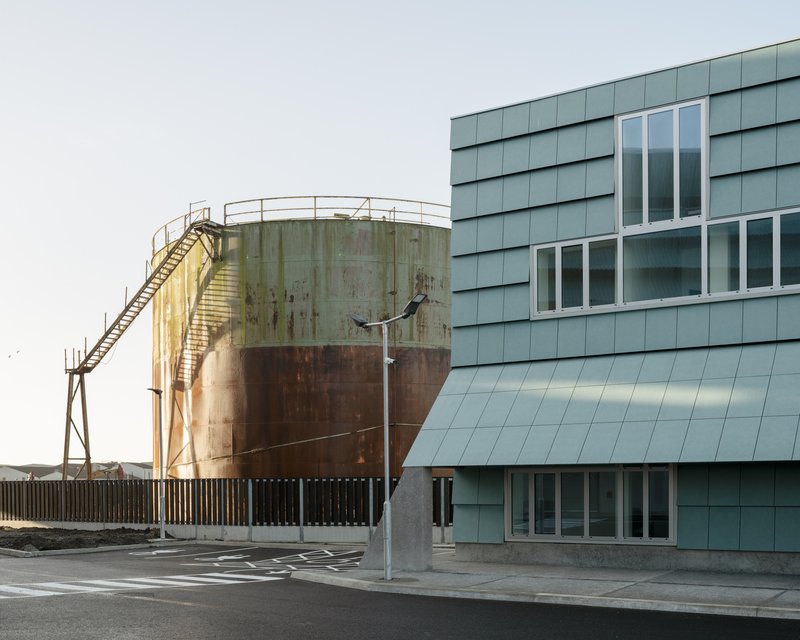
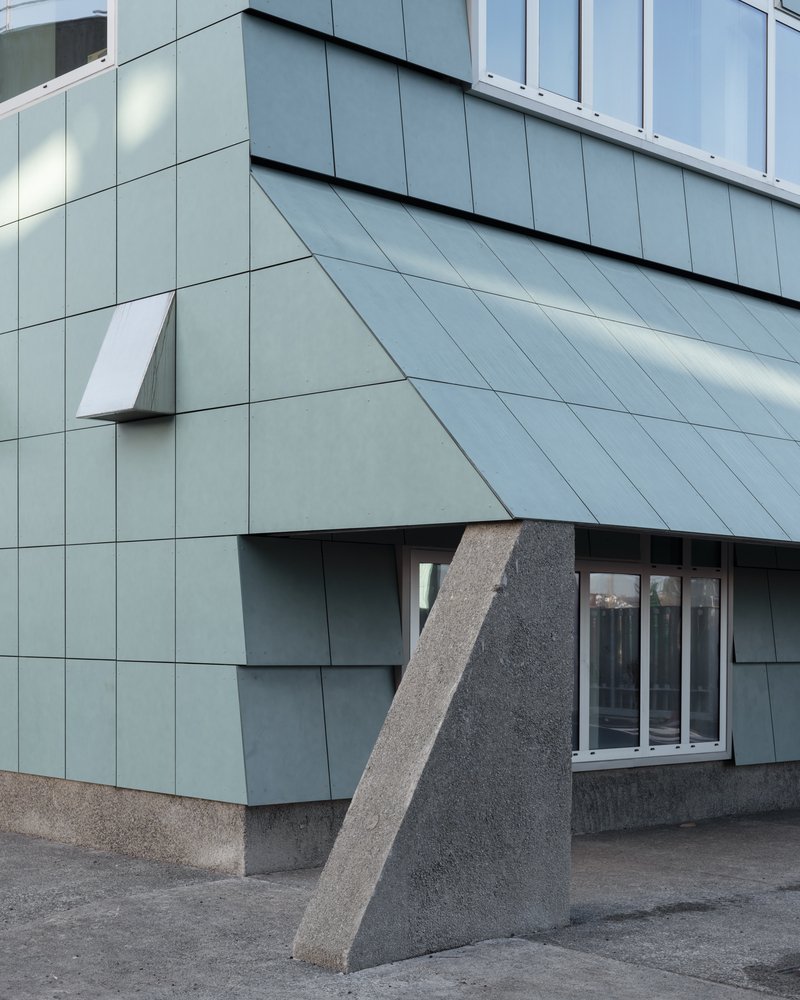
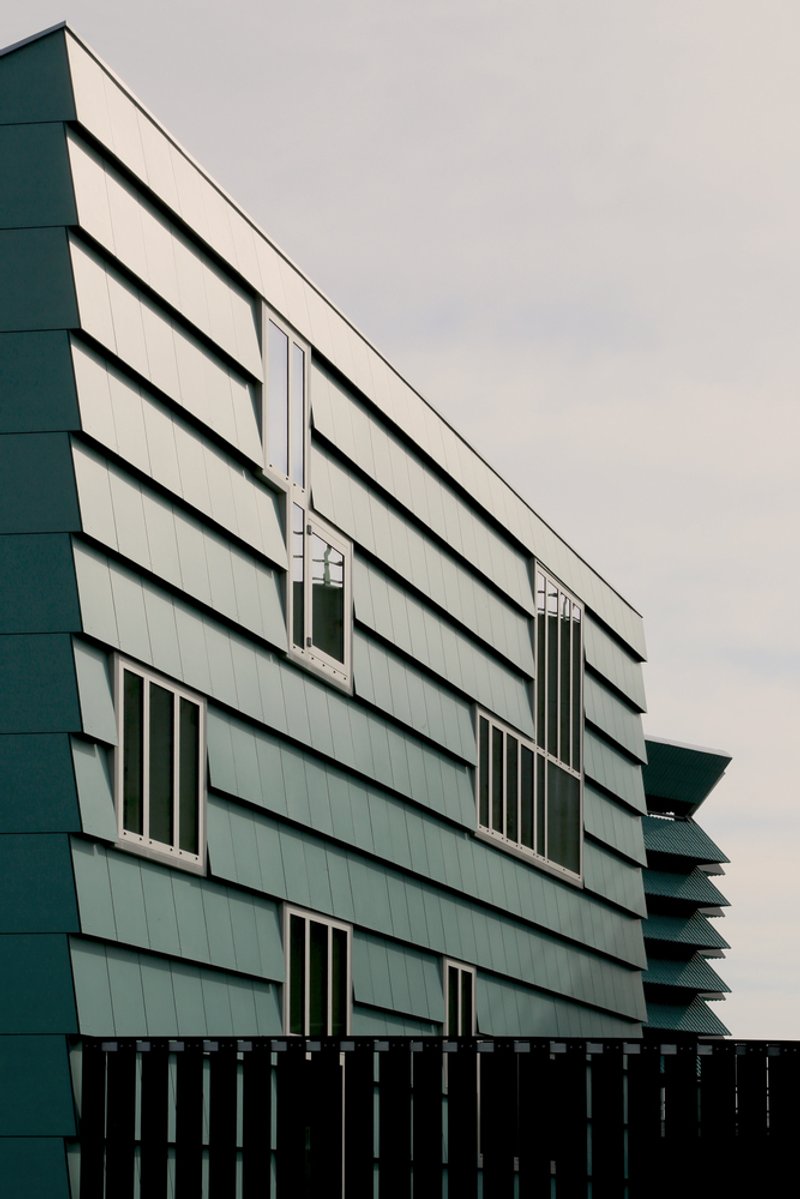
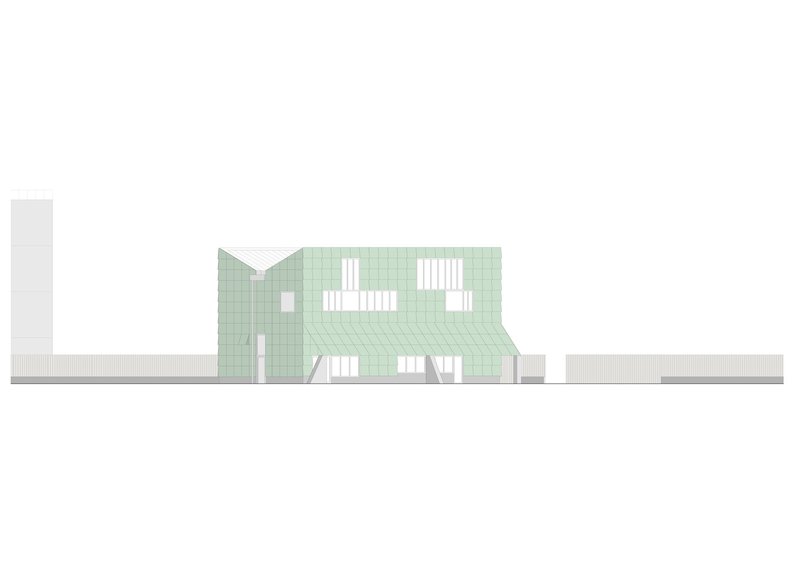
The architectural language is rooted in the memory and materiality of Arklow’s industrial past. Reinforced concrete forms the basis of the plant’s walls, while steel portal frames rise from decorative concrete bases. The facade is clad in Swisspearl Ondapress 57 panels, specially customized in color to resonate with the local landscape and cultural heritage. This visual strategy ensures the facility changes in character throughout the day and across seasons, offering a shifting presence within the landscape.
The entrance is marked by a smaller laboratory building, constructed with flat Swisspearl Carat panels in the same custom hue. This element engages the public realm and sets the tone for future urban development in the area, blending infrastructural necessity with architectural elegance.
Enabling a Sustainable Urban Future
By embedding architectural intention into civic infrastructure, the Arklow Waste Water Treatment Plant offers far more than environmental remediation—it embodies a public good. The project allows for the regeneration of Arklow's coastline and river, offering long-term health, ecological, and recreational benefits. It sets a precedent for Irish urban infrastructure that champions innovation, sustainability, and cultural expression.
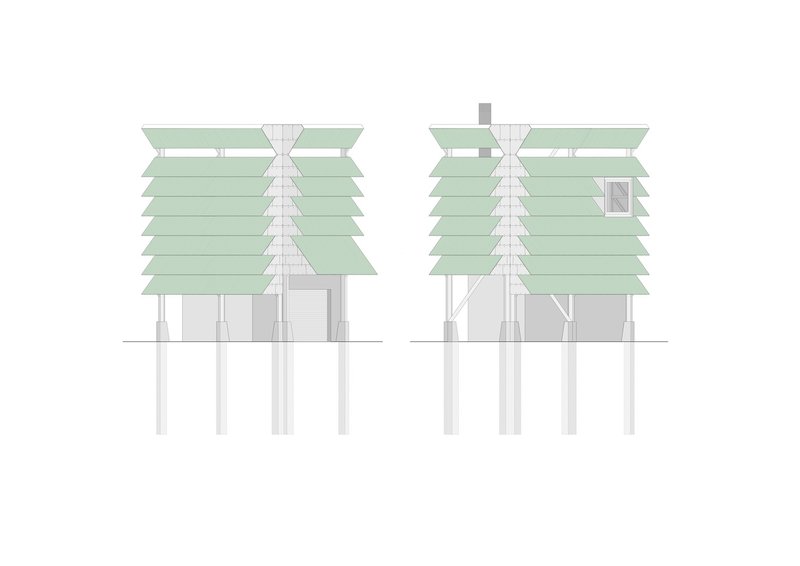
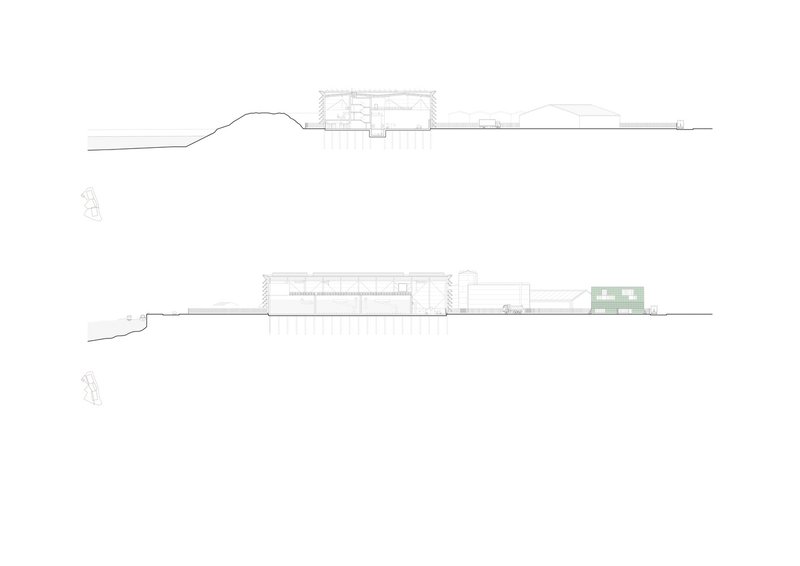
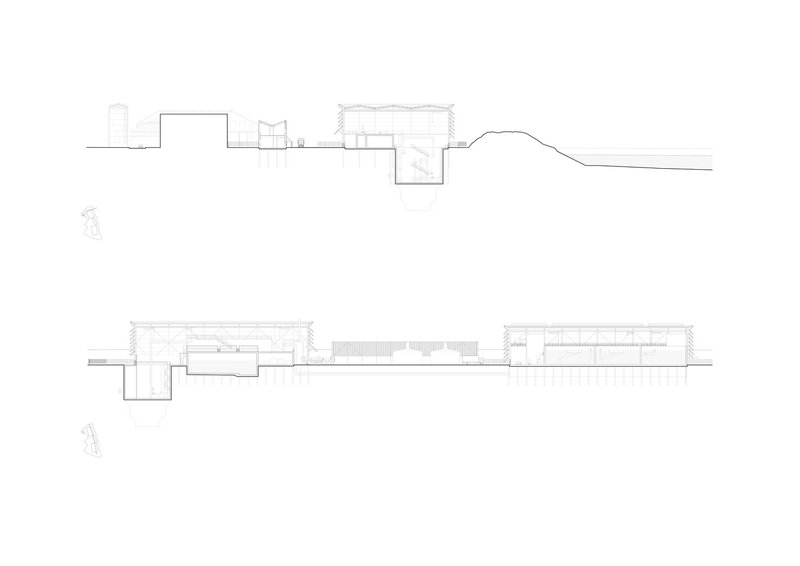
Clancy Moore Architects have created a new civic archetype—where engineering meets public dialogue, environmental urgency meets material craft, and infrastructure becomes a site of architectural possibility. As the town now plans for future growth, this plant supports a population capacity three times greater than its current size, affirming its role as a foundation for sustainable urban development.
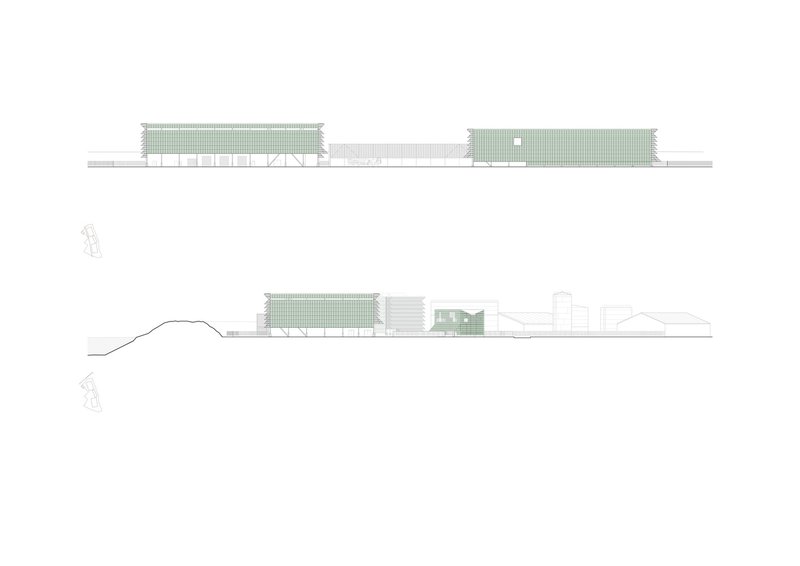
All the photographs are works of Johan Dehlin, Noreile Breen, Piera Bedin, Camilla Crafa




Popular Articles
Popular articles from the community

Fifth NRE Jazz Club – De Bever Architecten: Eindhoven’s Revitalized Cultural Hub
Historic gas factory transformed into Fifth NRE Jazz Club blending modern sustainability, jazz culture, dining, and heritage architecture seamlessly.


The Ken Roberts Memorial Delineation Competition (Krob)
As the most senior architectural drawing competition currently in operation anywhere in the world, it draws hundreds of entries each year, awarding the very best submissions in a series of medium-based categories.
Inverted Architecture Installation by Studio Link-Arc: Exploring the Intersection of Architecture and Living Organisms
Inverted Architecture Installation by Studio Link-Arc blends mycelium, sustainability, inverted design, ecological cycles, and urban adaptive architecture in Shenzhen.
A Contemporary Take on Iranian Residential Architecture
A modern interior design in Mashhad that reinterprets brick, light, and spatial flow to create a warm, contemporary residential architecture.


Similar Reads
You might also enjoy these articles


Top 15 Architecture Competitions to Enter in 2026
From student-friendly idea competitions to prestigious international awards, here are the best architecture competitions open for entries in 2026. Updated regularly.

DIY & Engineering in Computational Design : Enter the BeeGraphy Design Awards
Showcase Your Creativity with Computational Design and Open Source Projects
Innovative Design Solutions: Award-Winning Projects from Recent Architecture Competitions
Exploring award-winning architectural projects shaping the future of design, sustainability, and community.



Explore Architecture Competitions
Discover active competitions in this discipline




The International Standard for Design Portfolios


The Global Benchmark for Architecture Dissertation Awards


The Global Benchmark for Graduation Excellence


Challenge to reimagine the Iron Throne
Comments (0)
Please login or sign up to add comments
No comments yet. Be the first to comment!