
AYDC Public Art Center by Atelier XI: Sculptural Public Art Architecture in Nature
Sculptural pavilions by Atelier XI redefine public art architecture in nature, blending community, culture, and landscape in Guiyang.

Redefining Public Space Through Sculptural Design
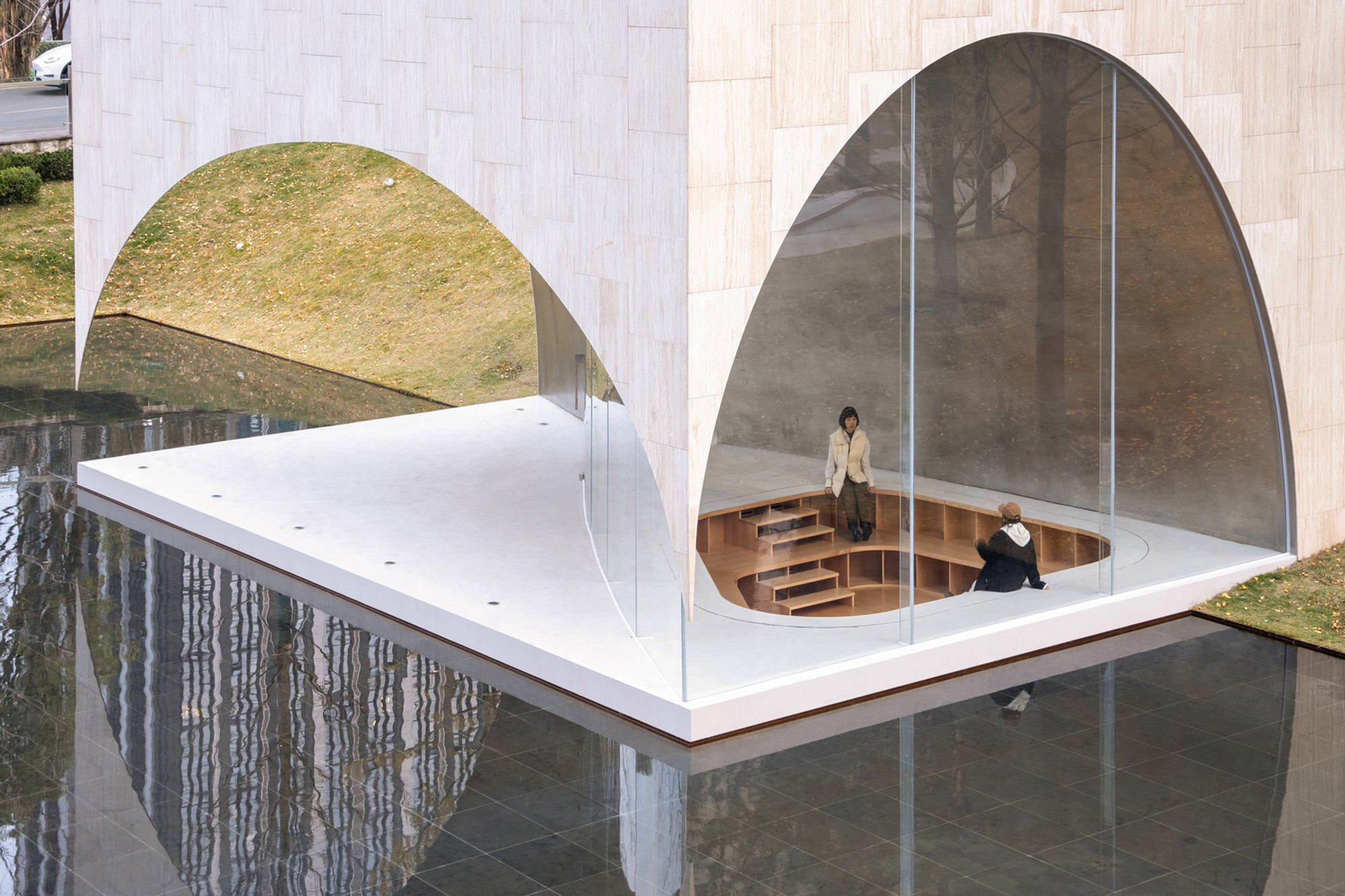
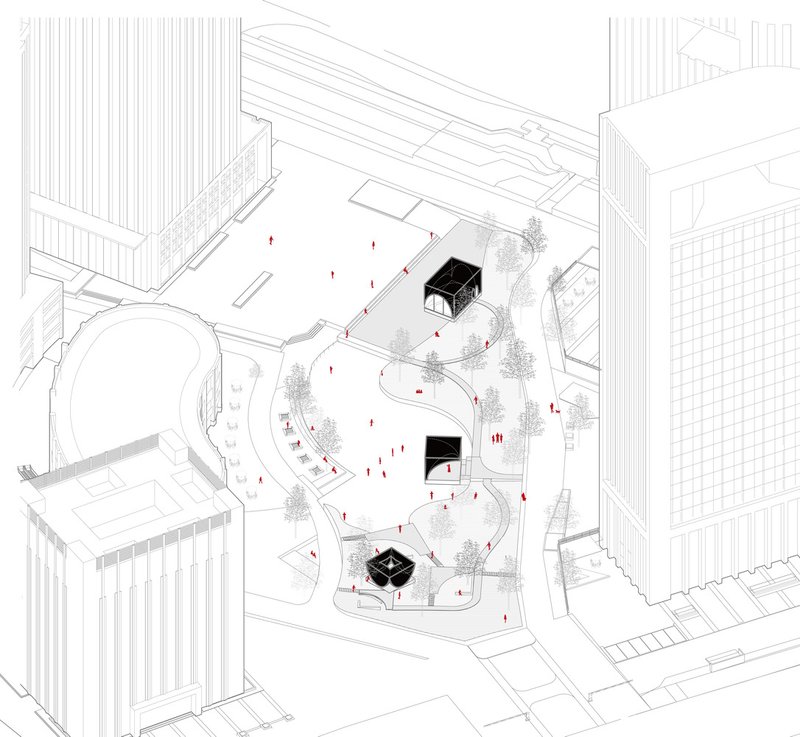
Located in Guiyang, China, the AYDC Public Art Center by Atelier XI is a visionary project that explores the intersection of art, architecture, and nature. Short for “A Yun Duo Cang,” meaning our land of dreams in the Yi language of Guizhou, AYDC is a cultural landmark shaped as a decentralized constellation of pavilions nestled within the natural topography of southwest China. Far from a traditional civic complex, it introduces a new typology of public art architecture in nature—where sculptural forms create intimate encounters between people, space, and landscape.
A Cultural Ecosystem Rooted in Landscape
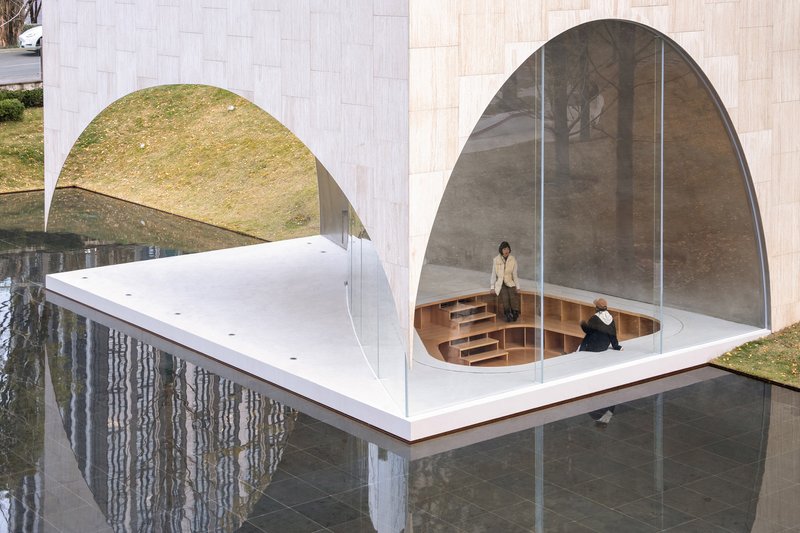
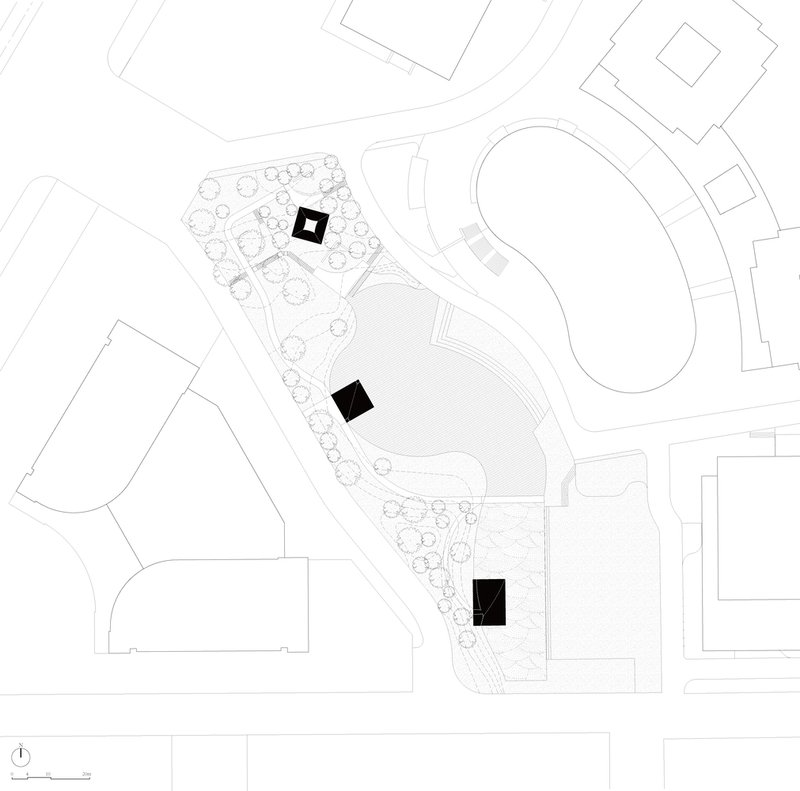
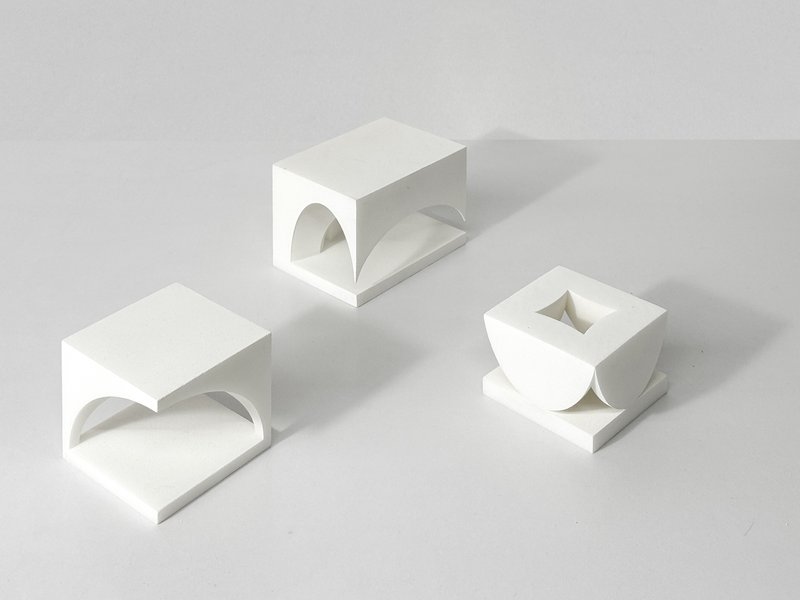
Curated as a culture-driven experimental hub, AYDC integrates community, innovation, and the natural environment. Instead of a monolithic building, Atelier XI envisioned a series of public art pavilions scattered across the site, allowing creativity and human interaction to organically coexist with the landscape. These pavilions—Xima Library, Ginkgo Chapel, and Dali Stage—act as architectural interventions that both celebrate and protect the spirit of the terrain.
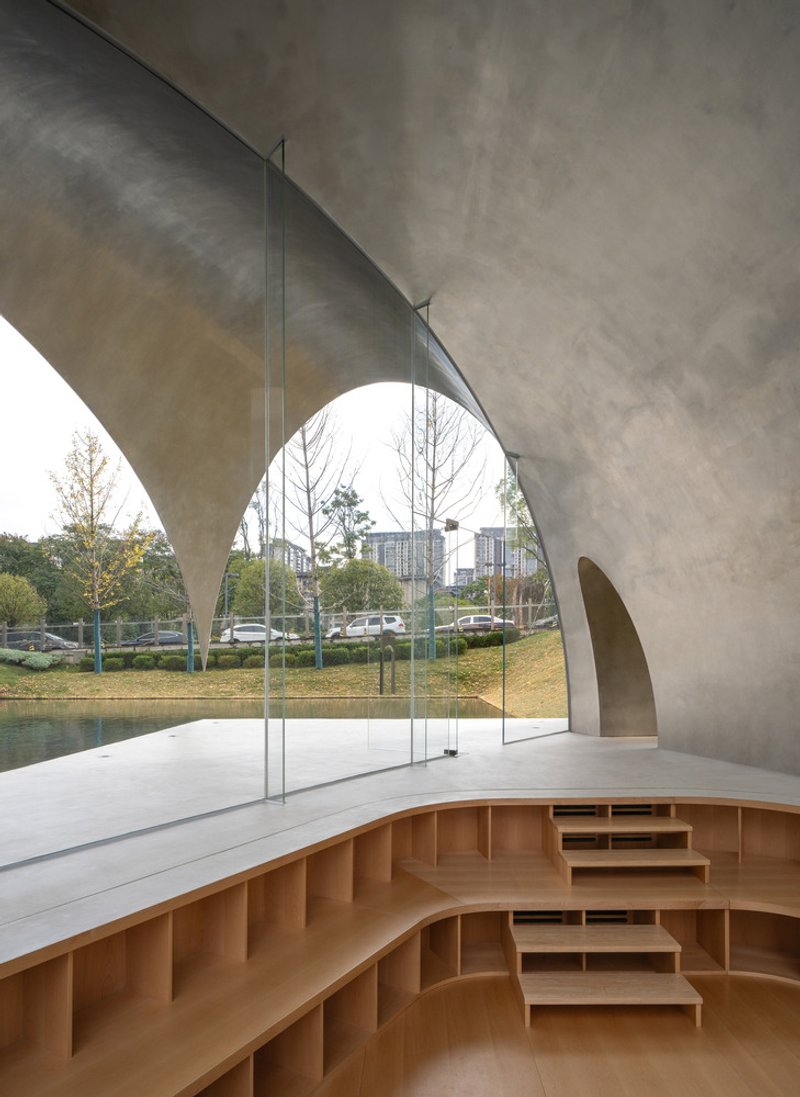
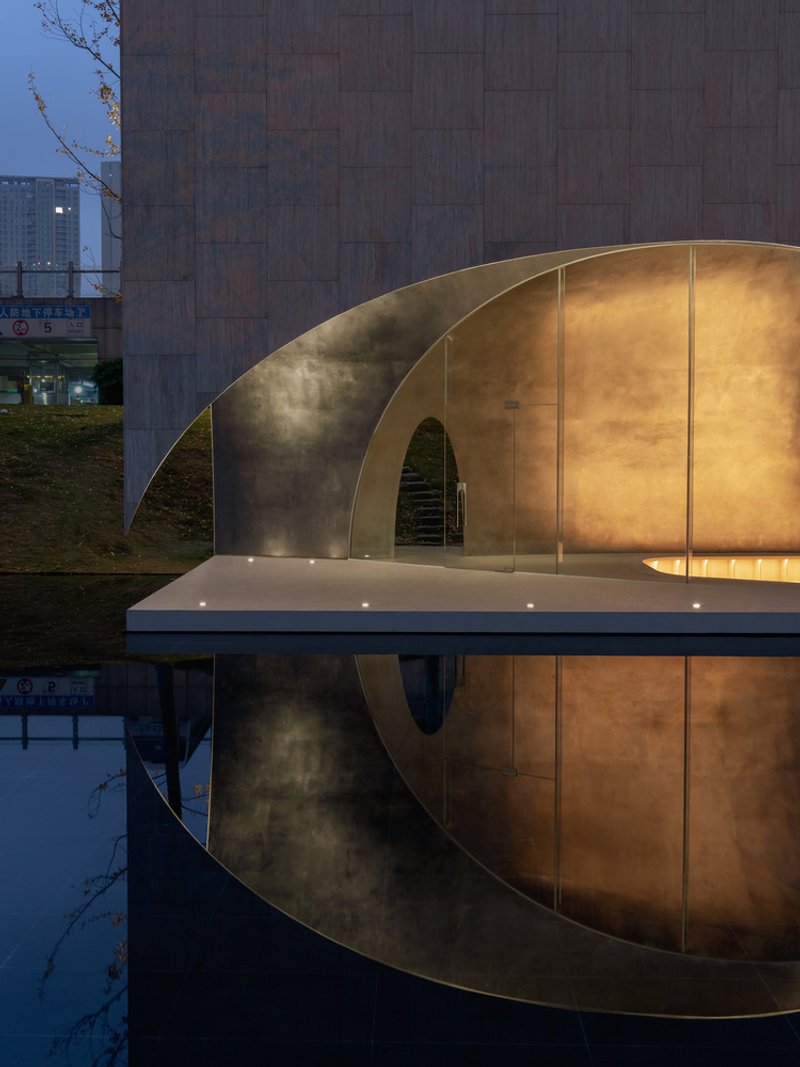
Drawing inspiration from the region’s karst caves and mountainous forms, each structure reflects a unique relationship to the surrounding natural elements. The architecture not only embraces the physical landscape but amplifies its spiritual and cultural resonance.
Sculptural Pavilions: Architecture as Experience
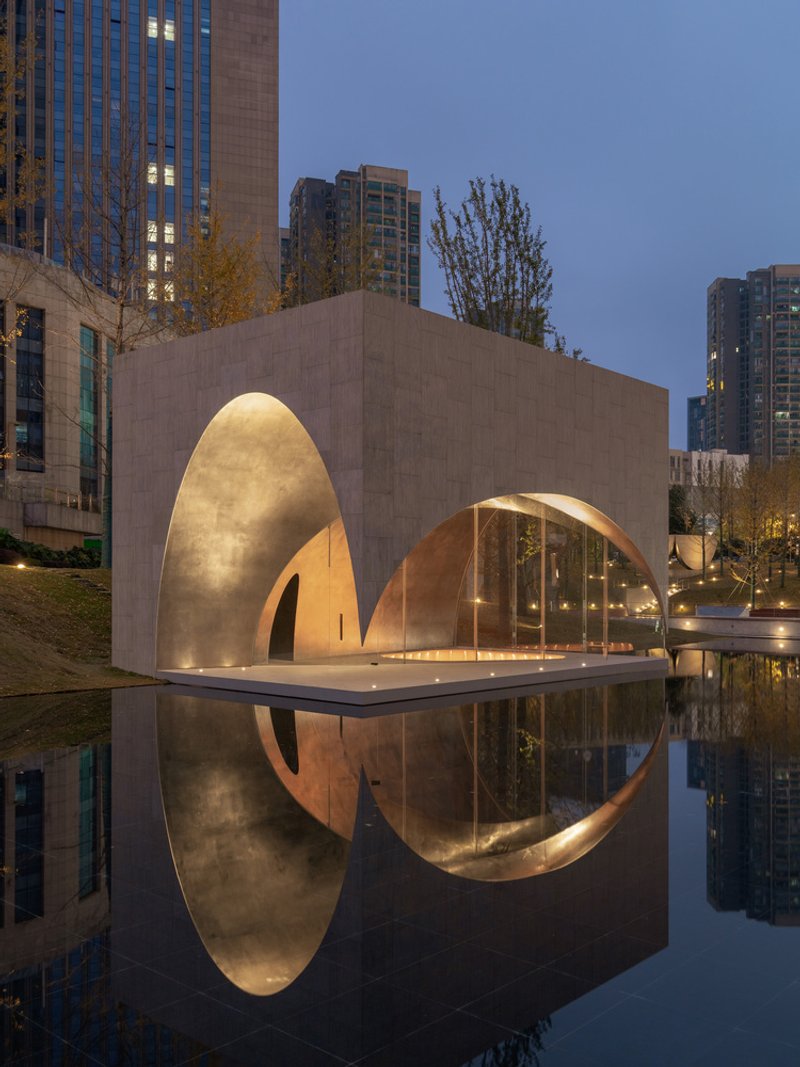
Each of the three primary structures serves a distinct function yet speaks a shared design language rooted in poetic form and spatial dialogue. Together, they create a network of immersive environments for public gathering, art, and reflection.
Xima Library
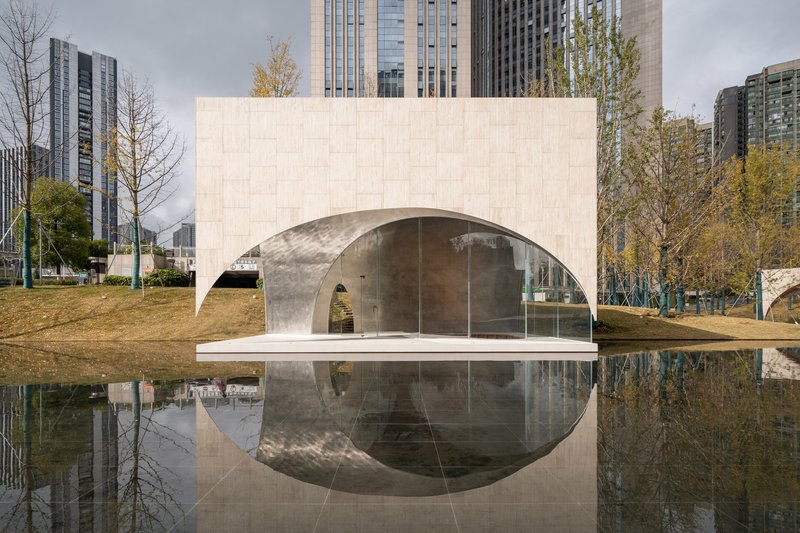
Set gently beside a tranquil body of water and surrounded by a forest of ginkgo trees, the Xima Library features a rectilinear outer volume enclosing a luminous, metallic dome. The reflective surface of the dome creates an illusion of a moonlit shadow on the rippling water, transforming the structure into an ephemeral sculpture that responds to light and breeze.
Ginkgo Chapel
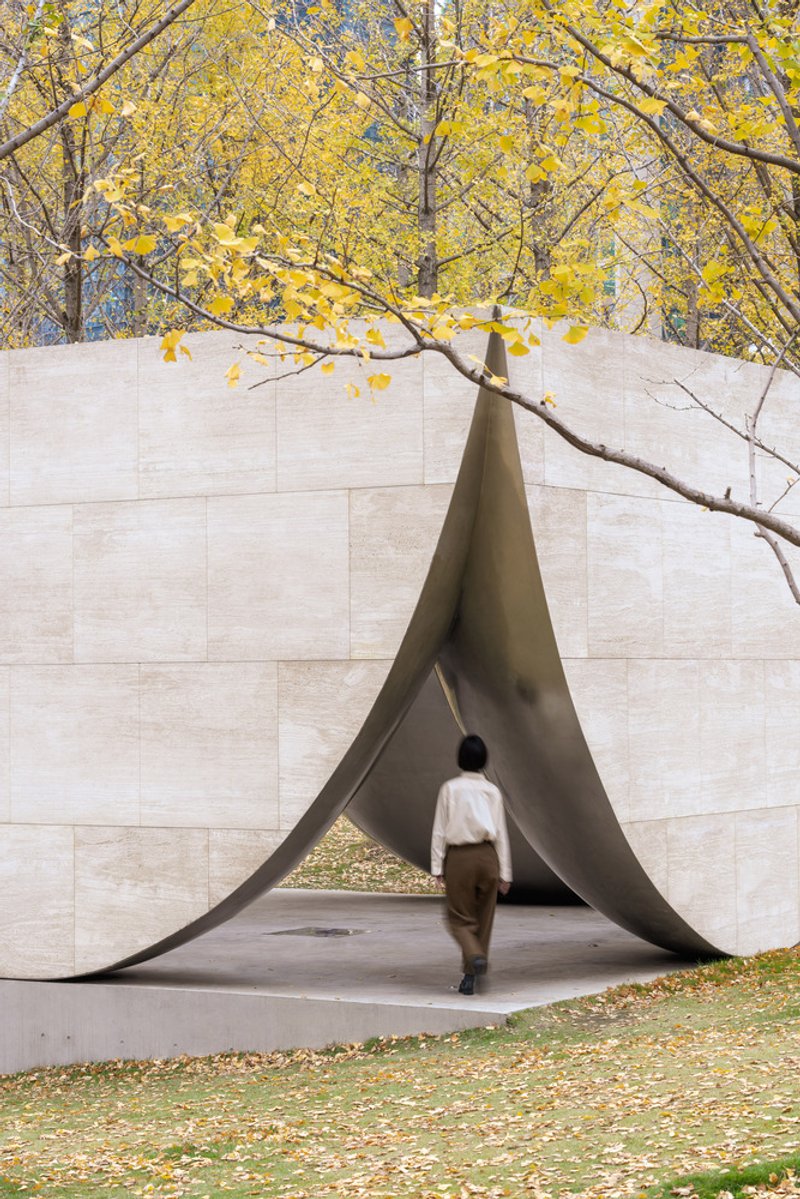
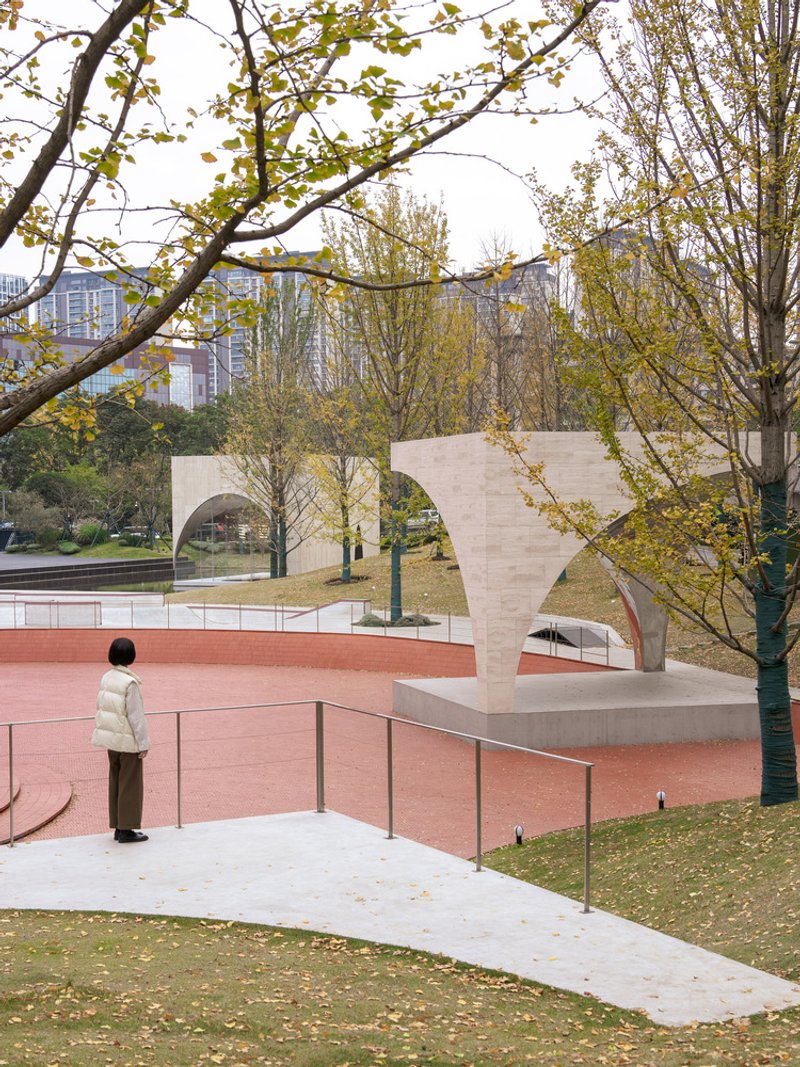
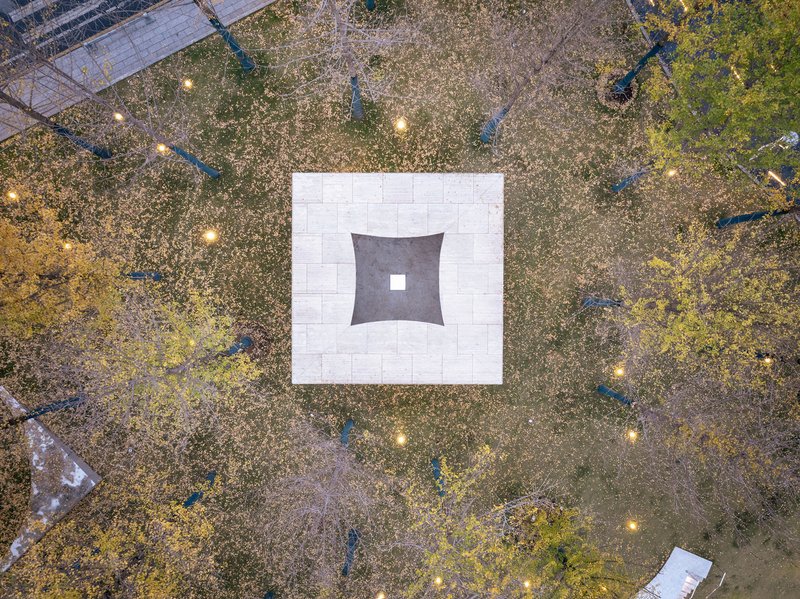
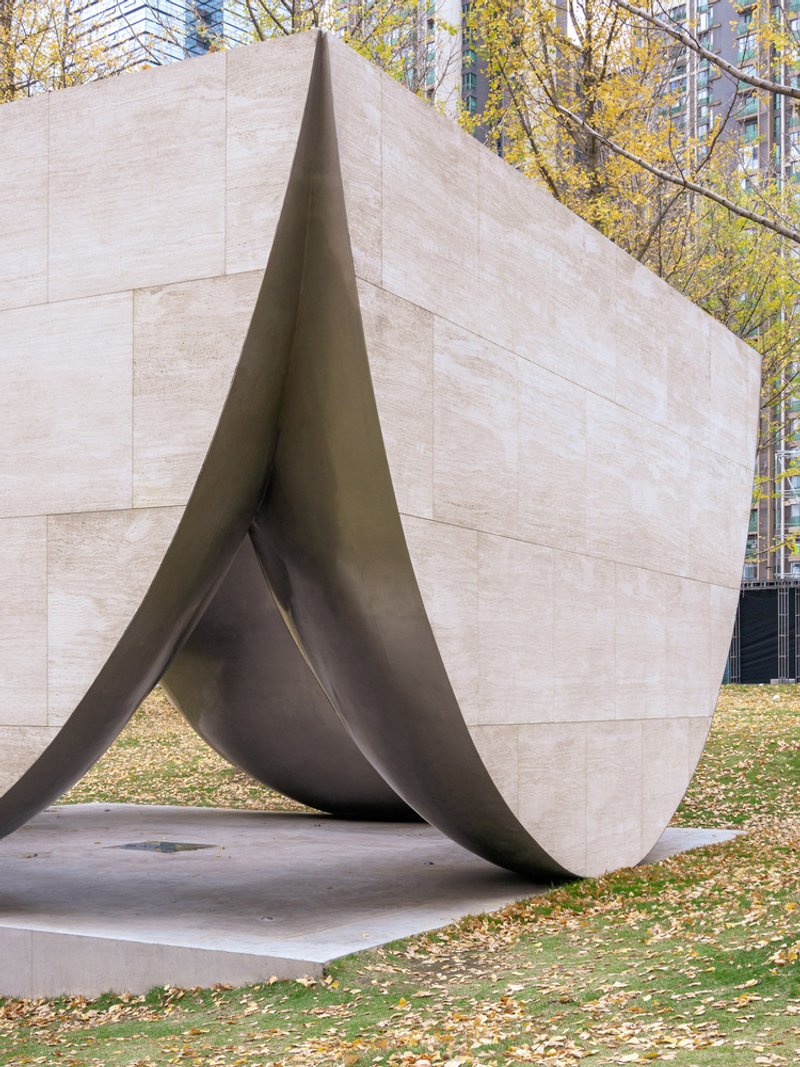
Nestled on a wooded hillside, the Ginkgo Chapel is supported by four monumental stone elements shaped like ginkgo leaves. Visitors enter through a narrow passage between two curved steel shells to find a quiet interior void. Light filters gently through the open top, creating a contemplative space for meditation. The interplay between wind, leaves, and the structure offers an ever-evolving sensory experience.
Dali Stage
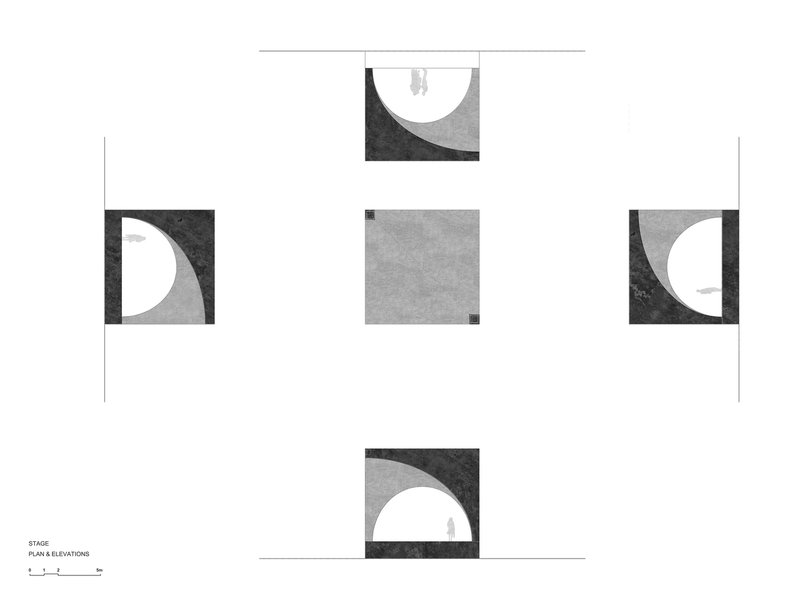
The Dali Stage faces a public square and emerges from an invisible arch form, creating a powerful focal point for gatherings and performances. Fiber optic lighting embedded beneath the floor mimics starlight, transforming the space into an atmospheric venue that connects audiences to both spectacle and sky.
Materiality and Light as Architectural Expression
While each pavilion has its own identity, all are united through a carefully curated palette of materials and a shared architectural philosophy. The outer shells are built from modular porous white travertine panels, which provide both visual texture and environmental responsiveness. Inside, curved stainless-steel plates define the inner forms—sandblasted for softness in the library and chapel, and polished to a mirror finish in the stage.
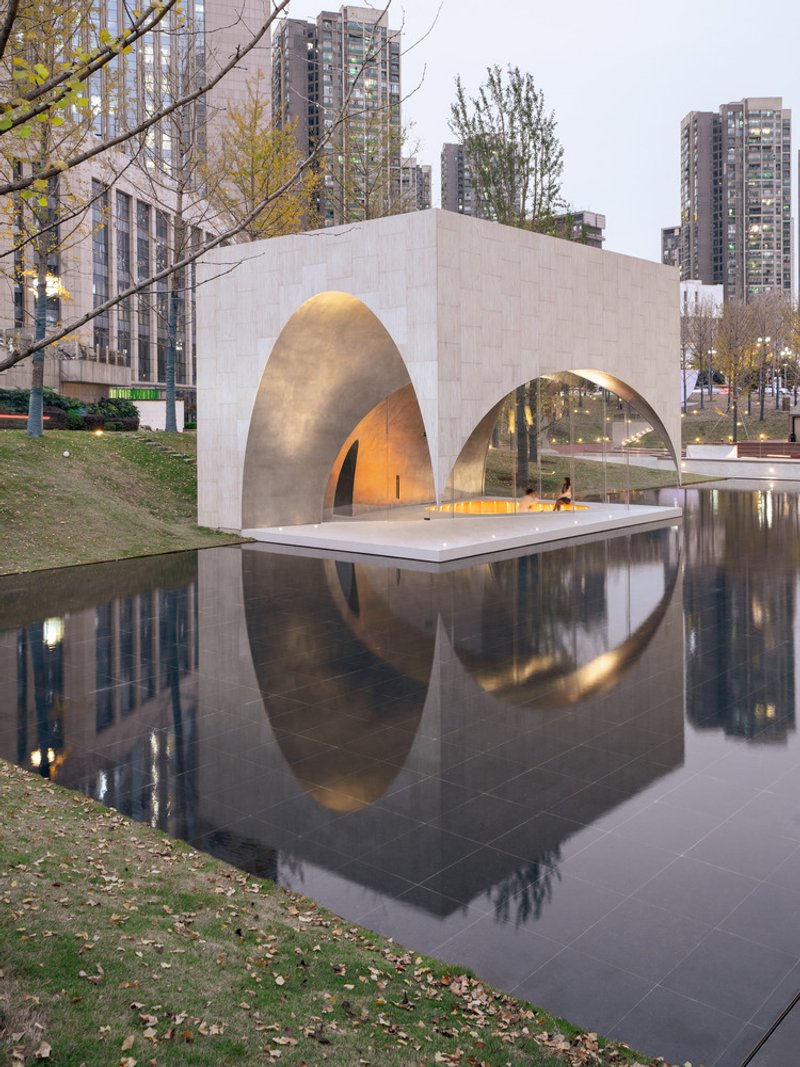
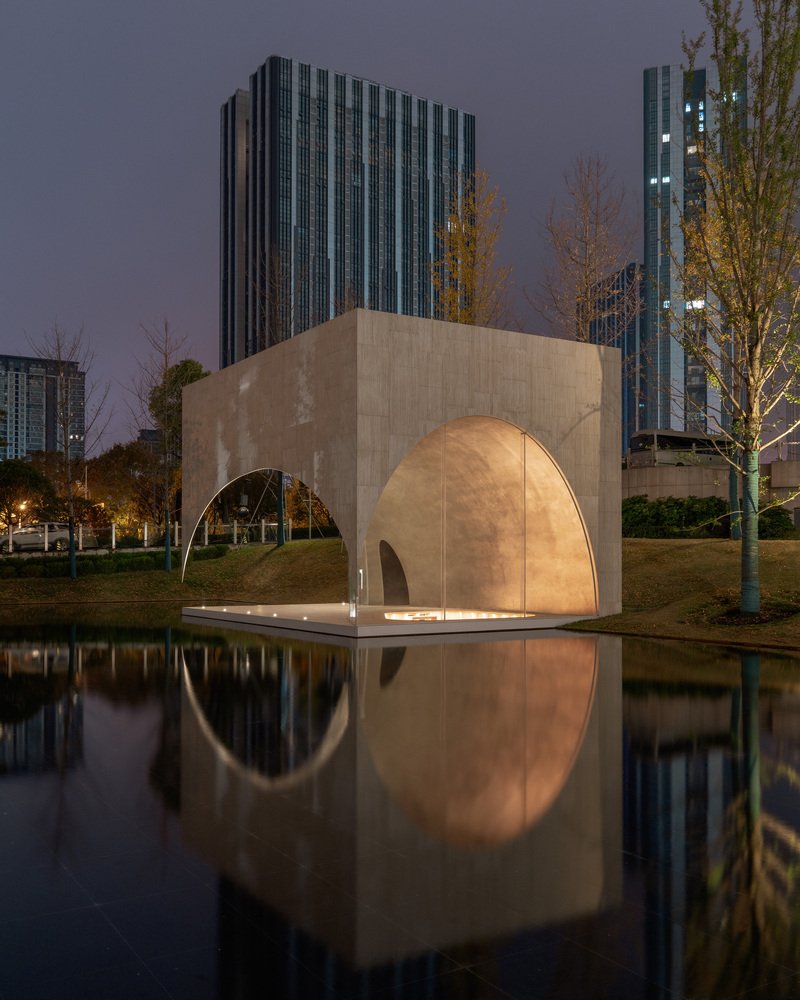
This contrast between tactile and reflective surfaces not only differentiates the function of each space but also intensifies the dialogue between built form and natural phenomena. Wind and light are allowed to pass through freely, engaging visitors in a multisensory journey shaped by both architecture and environment.
Nature as Co-Author of Design
What sets the AYDC Public Art Center apart is its seasonal adaptability and sensitivity to the changing landscape. The ginkgo forest surrounding the site transforms throughout the year—vivid greens in spring, golden hues in autumn—echoing the evolving character of the architecture. The pavilions, rather than dominating the site, appear to emerge from it, allowing public art architecture in nature to thrive without imposition.
These gentle, sculptural gestures elevate everyday public interaction into a poetic, place-based ritual. In this setting, architecture becomes more than shelter or spectacle—it becomes a vessel for shared memory, cultural continuity, and collective imagination.
A Vision for Public Art Architecture in Nature
The AYDC Public Art Center exemplifies how architectural minimalism, when coupled with contextual sensitivity and sculptural expression, can transform a public space into a living cultural landscape. It reflects a growing trend in contemporary design: moving beyond functionality to create immersive, resonant experiences that anchor people to place.
By weaving together architectural form, natural context, and community engagement, Atelier XI has crafted a landmark that redefines public space—not as a fixed structure, but as a fluid ecosystem of ideas, art, and belonging.
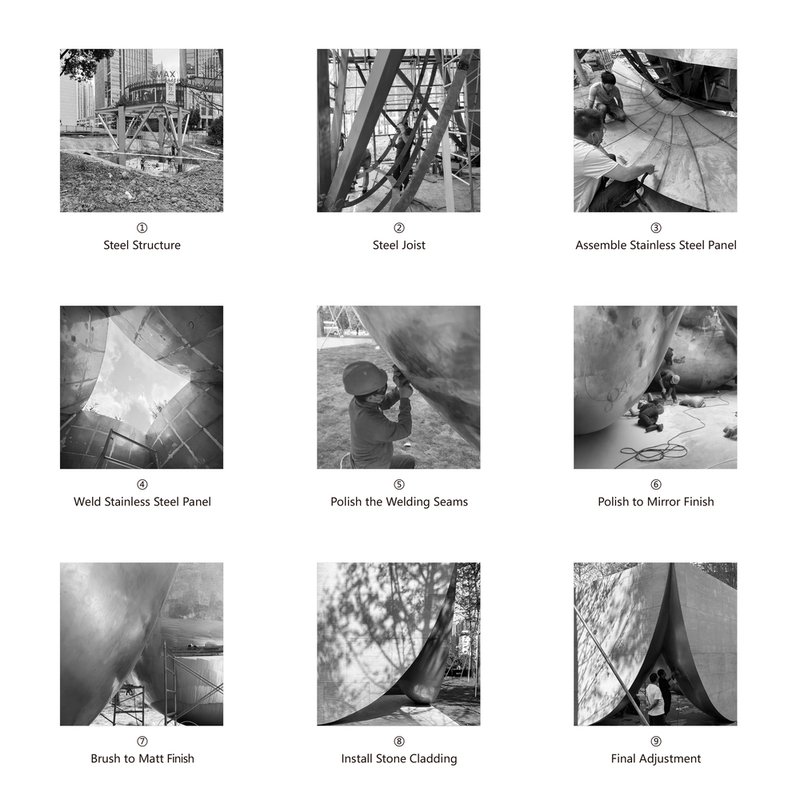
All Photographs are works of Chao Zhang




Popular Articles
Popular articles from the community

Gads Hill Early Learning Center by JGMA: Adaptive Reuse Shaping Community-Focused Educational Architecture
Adaptive reuse transforms fragmented structure into vibrant early learning center with playful façade, natural light, and community-focused sustainable design.
Split House: A Compact Urban Home Blending Privacy, Light, and Flexible Living in Japan
Compact Japanese home featuring DOMA space, flexible café potential, passive lighting, privacy zoning, and sustainable urban living design.
Alton Cliff House: A Harmonious Retreat by f2a Architecture in Lake Country, Canada
Alton Cliff House blends corten steel, prefabrication, and sustainable design, creating a luxurious, energy-efficient retreat perched on Canadian cliffs.

Solar Steam: A Climate-Responsive Architecture That Redefines the Monument
A climate-responsive memorial architecture that transforms heat, decay, and time into a living system reflecting humanity’s ecological impact.

Similar Reads
You might also enjoy these articles

Free Architecture Competitions You Can Enter Right Now
No entry fees, real prizes. Here are the best free architecture competitions open for submissions in 2026.
Top 15 Architecture Competitions to Enter in 2026
From student-friendly idea competitions to prestigious international awards, here are the best architecture competitions open for entries in 2026. Updated regularly.

DIY & Engineering in Computational Design : Enter the BeeGraphy Design Awards
Showcase Your Creativity with Computational Design and Open Source Projects
Innovative Design Solutions: Award-Winning Projects from Recent Architecture Competitions
Exploring award-winning architectural projects shaping the future of design, sustainability, and community.


Explore Architecture Competitions
Discover active competitions in this discipline




The International Standard for Design Portfolios


The Global Benchmark for Architecture Dissertation Awards


The Global Benchmark for Graduation Excellence


Challenge to reimagine the Iron Throne
Comments (0)
Please login or sign up to add comments
No comments yet. Be the first to comment!