
Bharat Bhavan 2020 – A Cultural Architecture Manifesto for Modern India
A reimagined cultural campus that blends heritage, community, and learning—Bharat Bhavan 2020 celebrates India’s artistic legacy through cultural architecture.

Bharat Bhavan 2020 is envisioned as a transformative platform where art, culture, and collective memory converge. Situated in Kozhikode—one of Kerala’s most historically rich and socially expressive regions—the project revitalizes community gathering through a bold reinterpretation of cultural architecture. Designed as a contemporary campus for exchange, expression, and learning, the proposal reasserts the role of shared spaces in shaping identity and public life.
Conceived by Vishnu Prakash, the project positions architecture not merely as a built artefact, but as a cultural medium that shapes social behaviour, reinforces heritage, and nurtures emerging talent. Through an interplay of natural materials, contextual forms, and community‑centric spatial planning, Bharat Bhavan 2020 stands as a testament to how architecture can revive cultural ecosystems in modern India.
Site Context: A Landscape Rooted in History and Social Culture
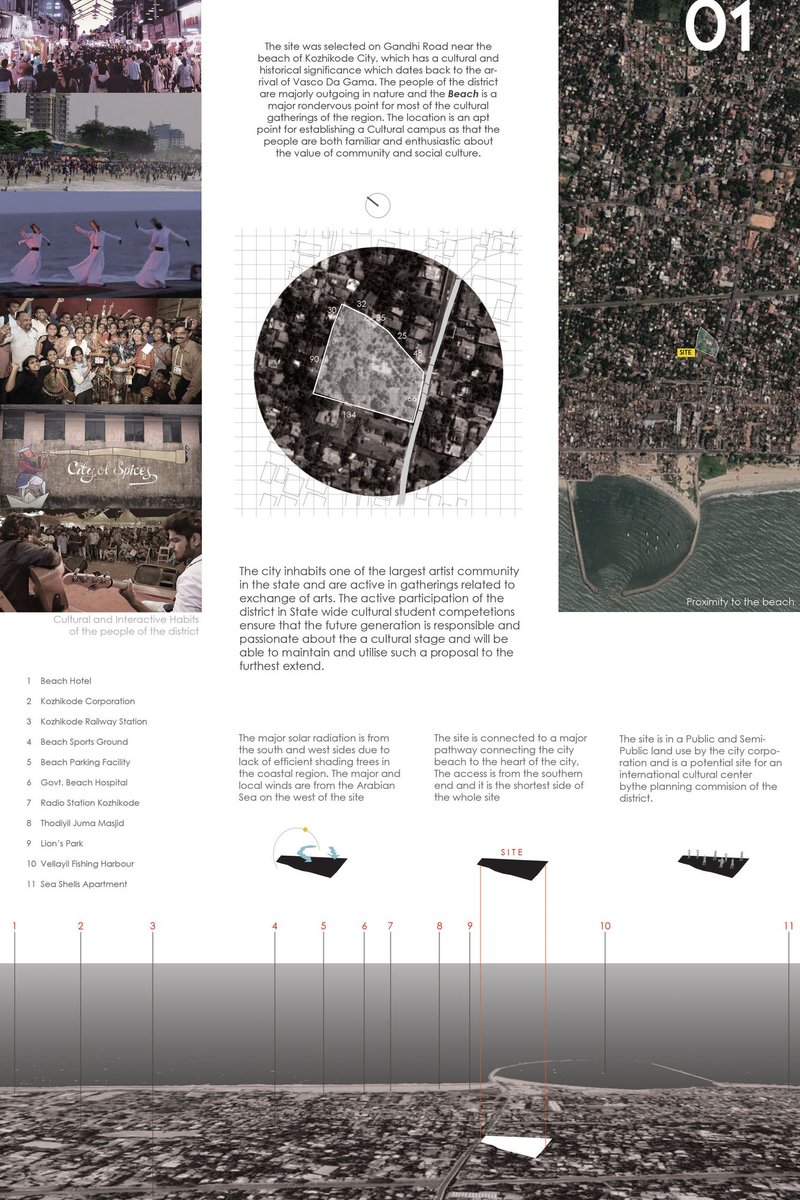
The site sits along Gandhi Road near the Kozhikode beach—a place rich with cultural significance dating back to the arrival of Vasco Da Gama. The beach serves as an iconic social and cultural meeting point, shaping the city’s vibrant identity. Its proximity provides a powerful narrative anchor for the creation of a cultural campus that embraces the district’s inherently outgoing, expressive communities.
Kozhikode is home to one of the state’s largest artist populations. Local communities actively participate in cultural festivals, public events, and student competitions, creating an environment where arts are deeply valued. This unique socio‑cultural landscape makes the site ideal for an international cultural center envisioned by the regional planning commission.
Environmental factors—including strong Arabian Sea winds from the west, coastal light patterns, and a natural north‑south access axis—further shaped the design’s orientation and open spatial composition. The shortest southern entry route connects city life directly into the campus, reinforcing its public accessibility.
Design Intent: Architecture as a Canvas for Cultural Exchange
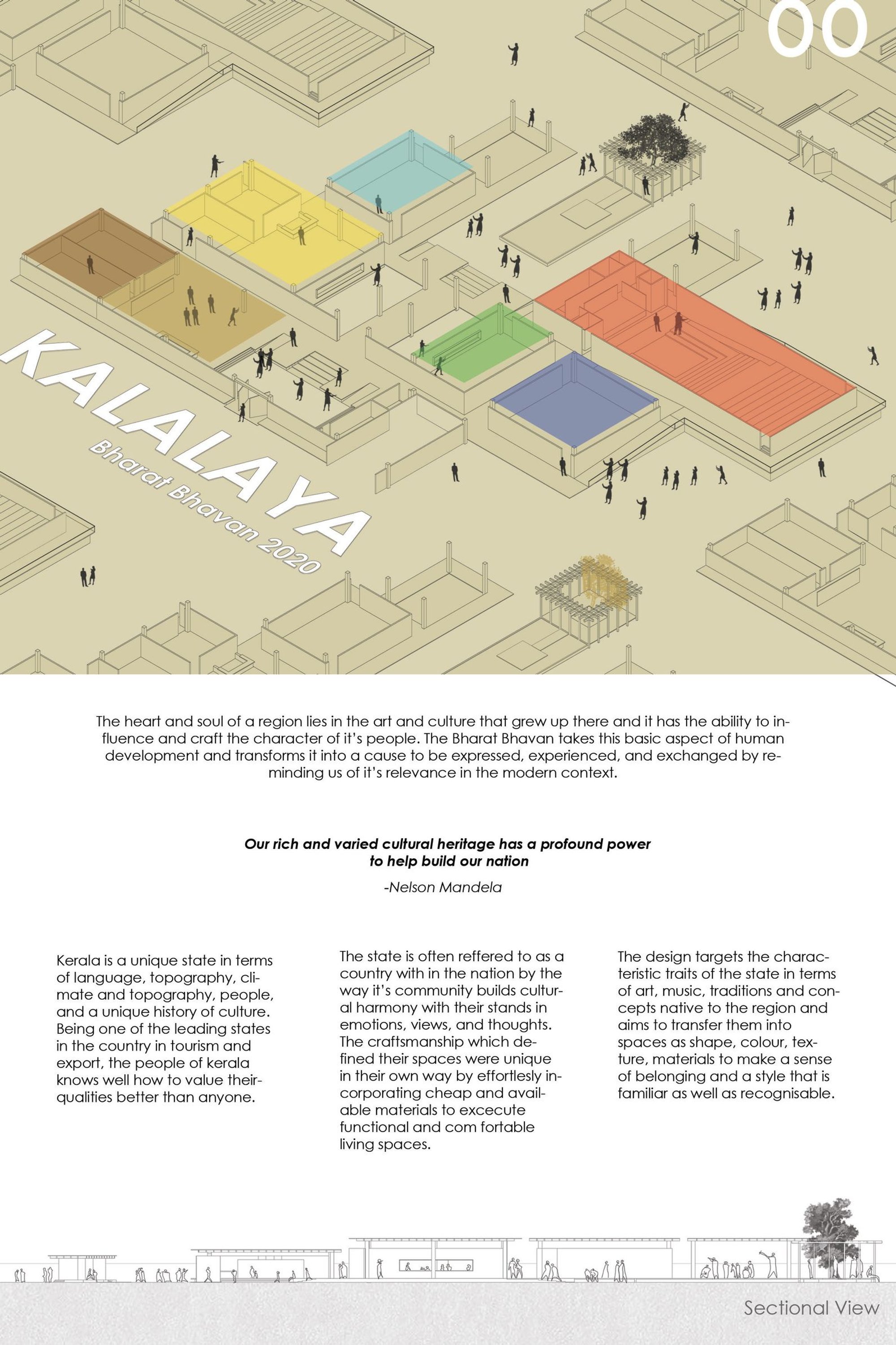
The Malayalam word Kalalaya—meaning “the place where knowledge is transferred”—informs the conceptual foundation of Bharat Bhavan. Here, architecture acts as a canvas for interaction between knowledge keepers and knowledge seekers.
The campus is envisioned as:
- A platform for performing and visual arts
- A space to celebrate local talent
- A hub that reconnects people with heritage and collective identity
- A setting where cultural learning becomes a shared experience
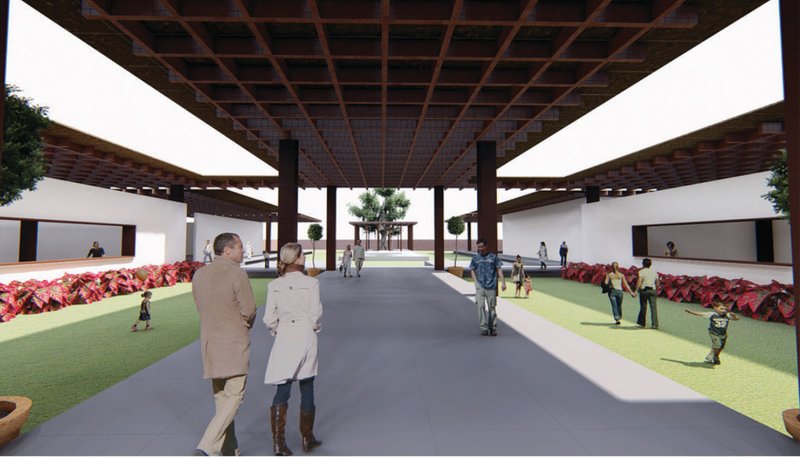
Natural stone, clay tiles, and timber evoke regional craft traditions while fostering a comforting sense of familiarity. These materials ground the design in Kerala’s vernacular identity, reinforcing the essence of cultural architecture—an architecture that emerges from people, place, and memory.
Spatial Strategy: Movement, Interaction, and Cultural Flow
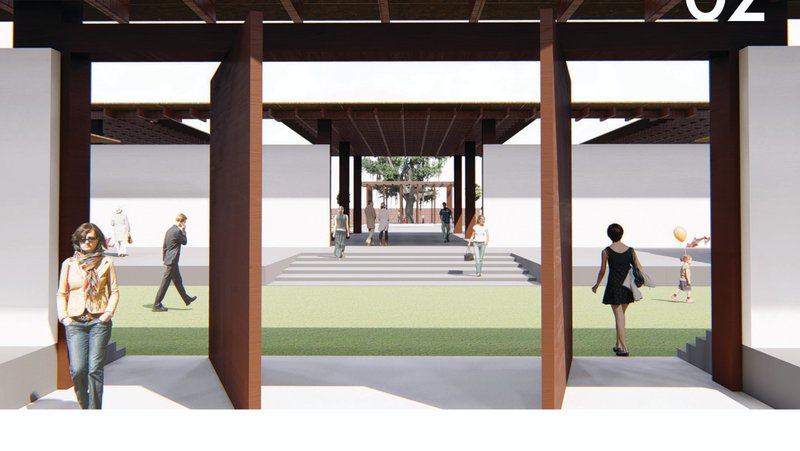
The masterplan is an interplay of courtyards, raised platforms, open stages, and framed views. Circulation is intentionally porous, encouraging exploration and dialogue while dissolving the boundary between built and unbuilt spaces.
Key Architectural Features
1. Timber Framework and Traditional Craftsmanship
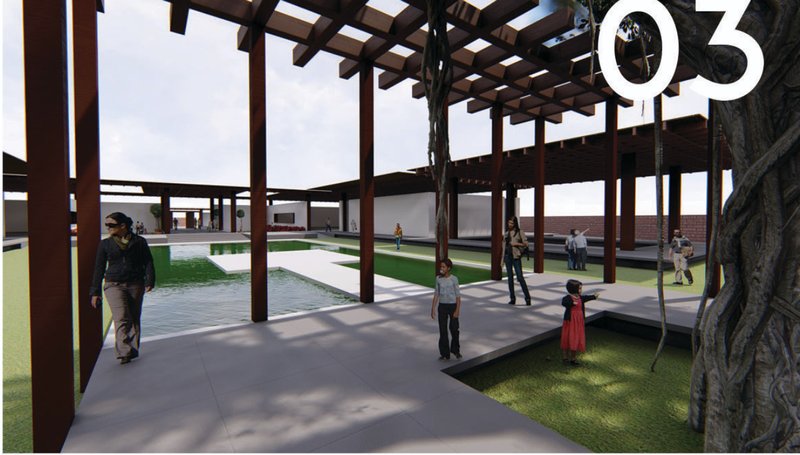
The roof structure pays homage to Kerala’s thachushastra traditions—showcasing skilled wooden joinery and evocative craftsmanship. While inspired by heritage, the execution is modern and minimal.
2. Naturally Cooling Clay Tile Roofs
Locally sourced clay tiles provide passive cooling and contextual coherence, deepening the project’s relationship with climate-responsive cultural architecture.
3. Raised Platforms as a Symbolic Gesture
The elevated platforms metaphorically represent the ascension achieved through learning, art appreciation, and creative growth.
4. Campus-Type Arrangement for Social Connectivity
Spaces are arranged to increase circulation and foster organic interactions. This reinforces the idea that people—not buildings—are the true cultural resource of the region.
5. Open Structural Boundaries
Large columns lift the roof away from the walls, creating permeable transitions that connect interior spaces with landscape and natural elements.
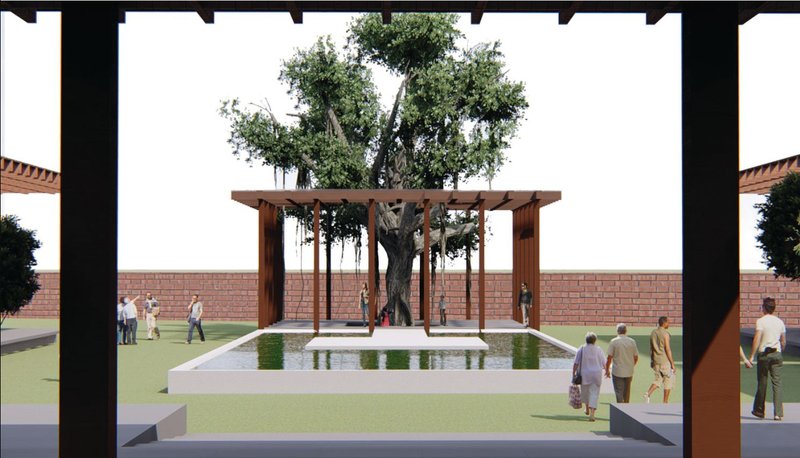
6. The Banyan Pavilion
A centuries-old banyan tree becomes the spiritual nucleus of the campus. A pavilion frames its presence, creating a contemplative anchor within the busy cultural landscape.
Programmatic Layout: A Living Cultural Ecosystem
The master plan includes thoughtfully organised spaces that support learning, artistic performance, public gathering, and community engagement:
- Art Gallery for curated exhibitions
- Theatre and Stage for performing arts
- Workshops for hands-on training and skill development
- Library for cultural research
- Healing Garden that integrates nature into the learning experience
- Courtyard Lobby as a central social heart
- Open Stage for community performances
- Cafe, Dining, and AV Facilities for event support
- Banyan Tree Pavilion as the spiritual and visual focus
Each component contributes to a holistic cultural infrastructure where tradition and innovation coexist.
Materiality and Expression: A Dialogue with Heritage
Material choices serve as a cultural narrative tool. Timber evokes the warmth of craftsmanship; clay tiles recall Kerala’s vernacular roofs; natural stone anchors the project in tactile authenticity. These choices reinforce the ethos of cultural architecture by:
- Celebrating regional building practices
- Embedding sustainability through climate-responsive materials
- Enhancing the sensory qualities of space
- Creating emotional resonance between community and architecture
A Vision for the Future: Reviving India’s Cultural Spirit
Bharat Bhavan 2020 redefines how cultural infrastructure can shape the emotional and intellectual life of a city. By blending tradition with contemporary needs, the project positions itself as a living framework for future artists, learners, and cultural custodians.
In an era where values are rapidly overlooked, this proposal renews the purpose of cultural architecture—reminding us that built environments can nurture identity, encourage participation, and bring people together through shared heritage.
Bharat Bhavan 2020 is not just a building. It is an evolving cultural landscape, a community stage, and a testament to the enduring power of architecture to strengthen the social fabric of India.




Popular Articles
Popular articles from the community


Solar Steam: A Climate-Responsive Architecture That Redefines the Monument
A climate-responsive memorial architecture that transforms heat, decay, and time into a living system reflecting humanity’s ecological impact.
Inverted Architecture Installation by Studio Link-Arc: Exploring the Intersection of Architecture and Living Organisms
Inverted Architecture Installation by Studio Link-Arc blends mycelium, sustainability, inverted design, ecological cycles, and urban adaptive architecture in Shenzhen.
Fifth NRE Jazz Club – De Bever Architecten: Eindhoven’s Revitalized Cultural Hub
Historic gas factory transformed into Fifth NRE Jazz Club blending modern sustainability, jazz culture, dining, and heritage architecture seamlessly.




Similar Reads
You might also enjoy these articles

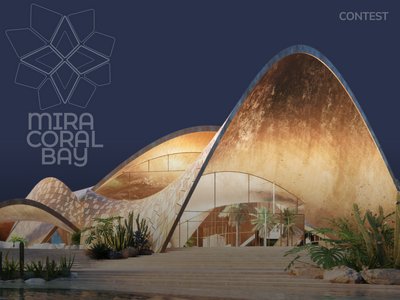
Architectural Competition: Create a Luxury Waterfront Community in the UAE!
Mira Developments announces an open competition for the pre-concept design of Mira Coral Bay in Ras Al Khaimah, UAE

Parametric Design: What Can You Learn from the 1st Workshop of Beegraphy?
Discover the Fundamentals and Advanced Techniques of Parametric Design

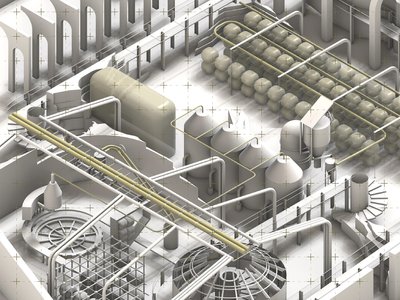
Feast of flight factory
A new ecological order with sustainable food resources-insects
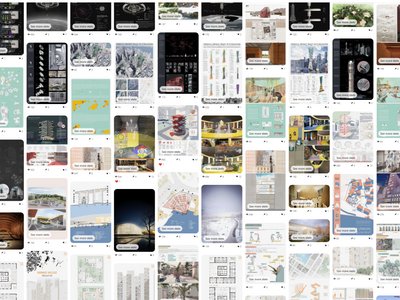
Beyond Blueprints : How Architecture Presentation Boards Define The Design Narratives?
Unveiling the Art and Strategy Behind Architectural Storytelling

Explore Architecture Competitions
Discover active competitions in this discipline




The International Standard for Design Portfolios


The Global Benchmark for Architecture Dissertation Awards


The Global Benchmark for Graduation Excellence


Challenge to design an urban locus of culture and heritage
Comments (0)
Please login or sign up to add comments
No comments yet. Be the first to comment!