
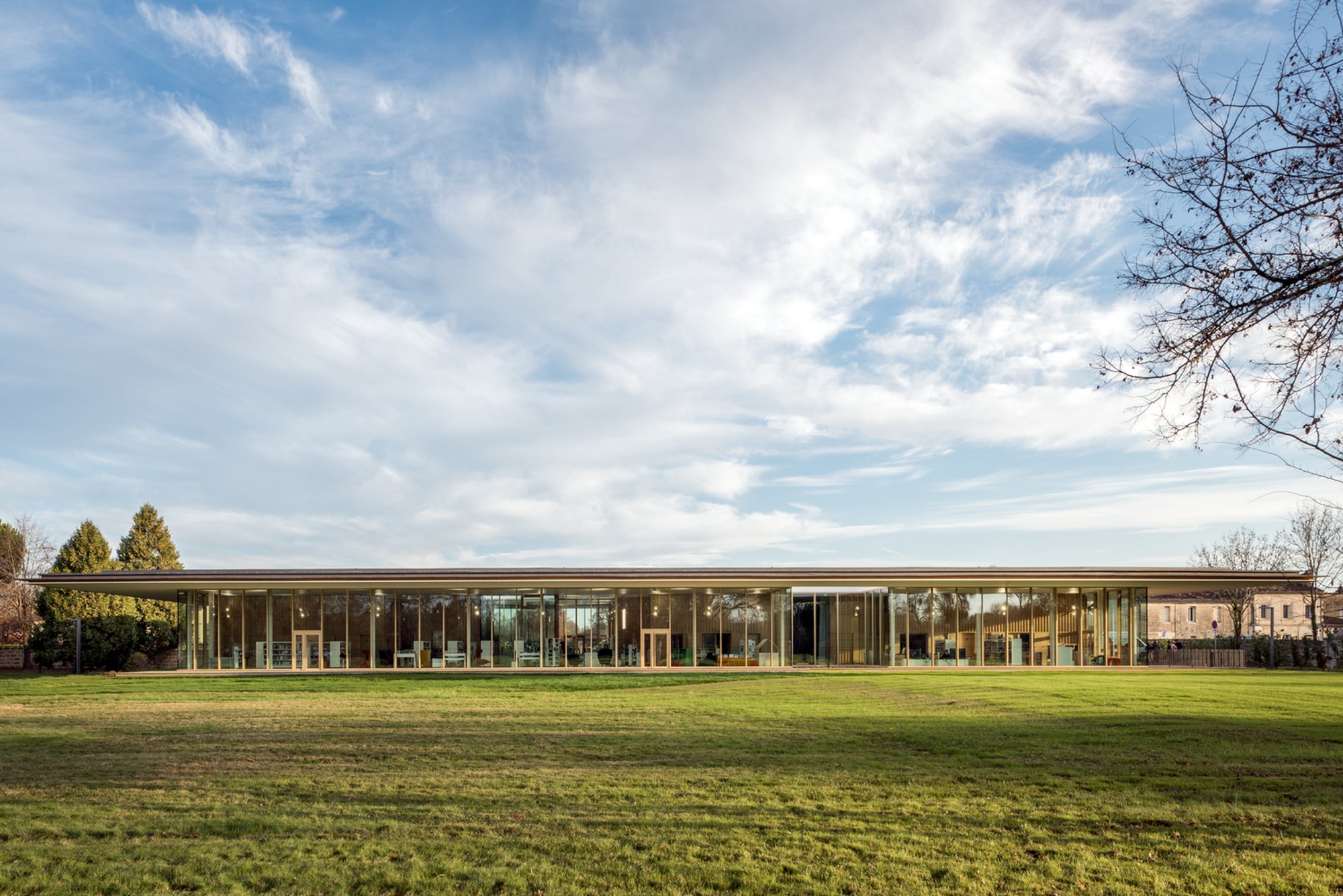
BOMA Cultural Center: Modern Architectural Excellence Rooted in Nature
BOMA Cultural Center blends modern architecture with nature, featuring a media library, performance hall, and restored historic chartreuse.

Located in the picturesque Domaine de Bômale in Saint-Denis-de-Pile, France, the BOMA Cultural Center, designed by Marjan Hessamfar & Joe Vérons architectes associés, exemplifies contemporary architecture seamlessly integrated with its natural landscape. Completed in 2021, this 1,586-square-meter cultural hub serves as a multi-functional facility designed to promote community engagement, cultural exchange, and sustainable design.
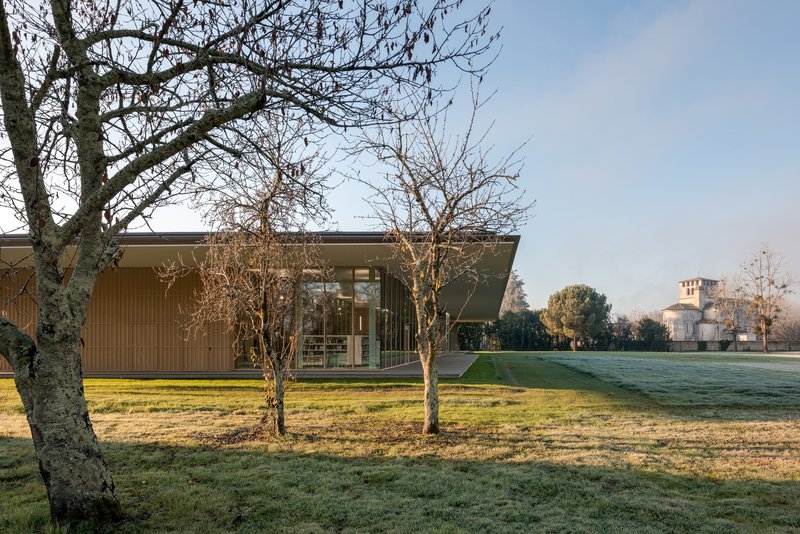
Architectural Vision and Landscape Integration
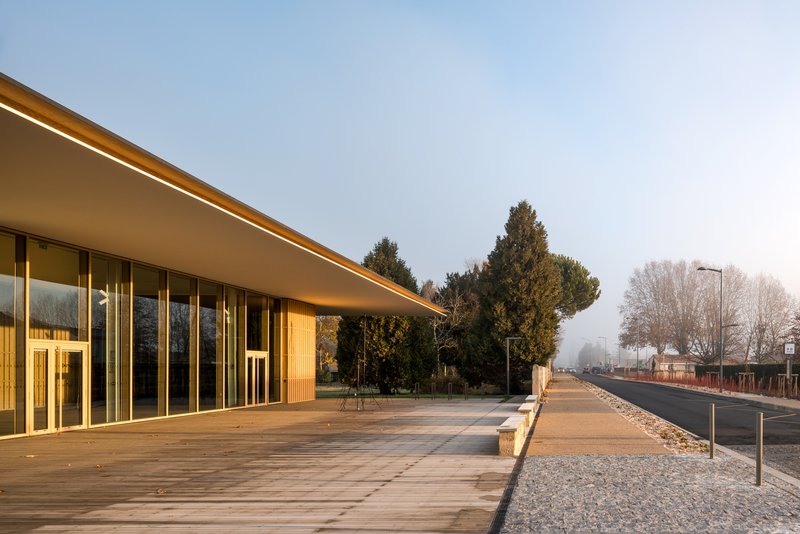
The BOMA Cultural Center was envisioned as an architectural structure that harmonizes with its environment. Situated along the estate's historic stone perimeter wall, the media library marks the entrance to the park with a refined and minimalist design. The low-profile structure is defined by two horizontal lines: a wooden terrace and a six-meter-wide cantilevered roof overhang encircling the building. These design elements frame the landscape, fostering a visual connection between the architectural form and the natural surroundings.
Transparency and Open Design
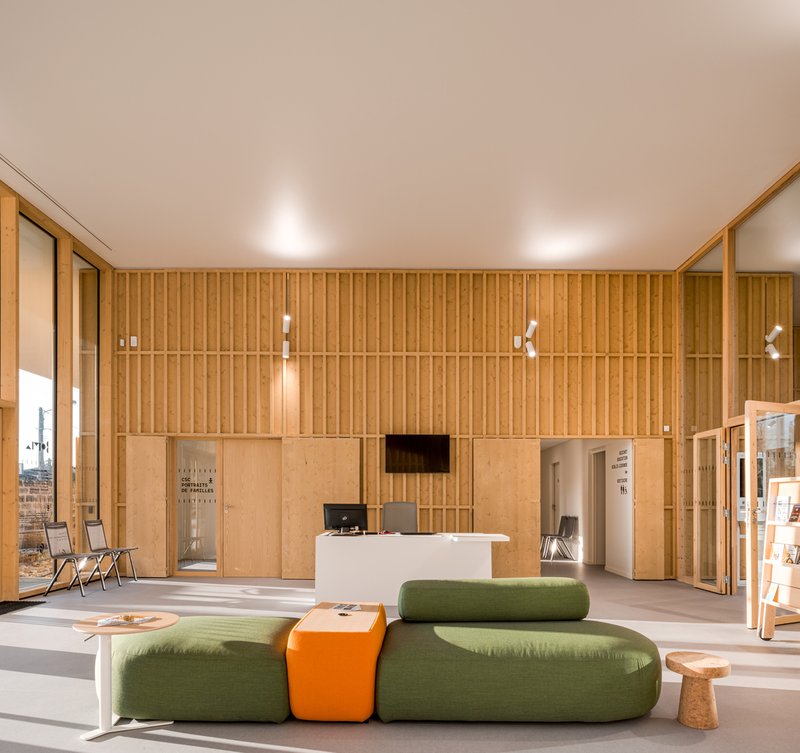
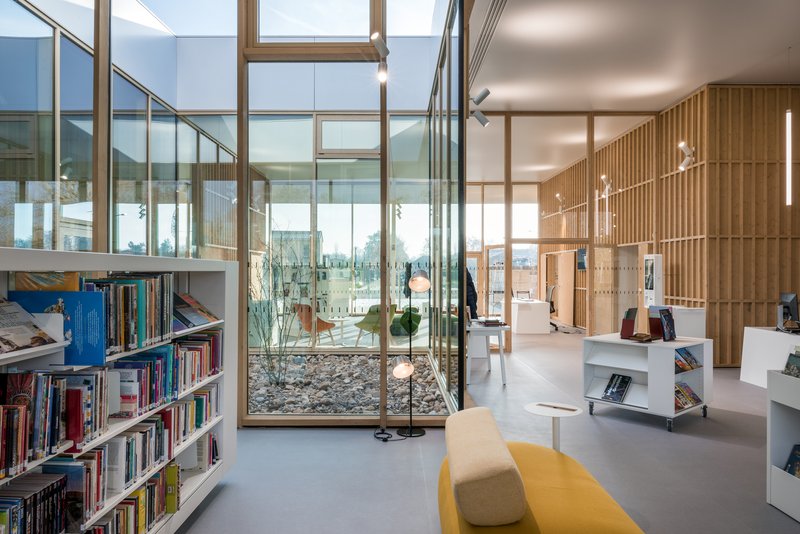
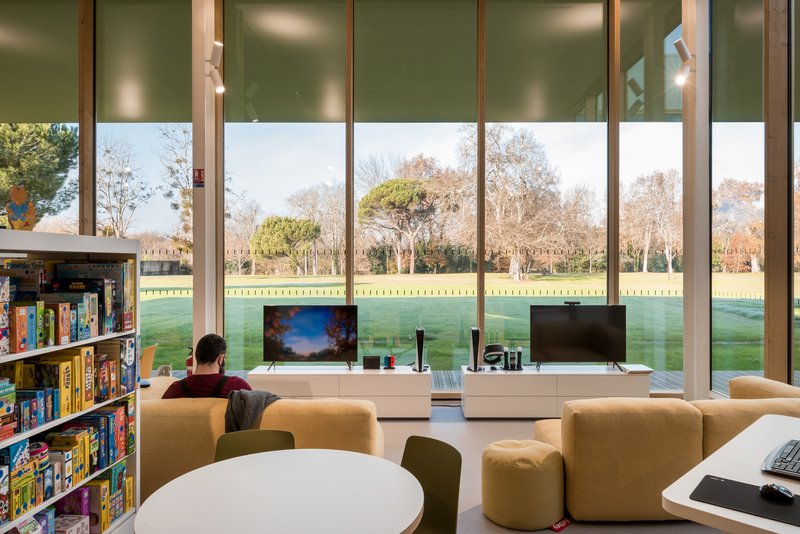
A key feature of the cultural center is its emphasis on transparency. Floor-to-ceiling glass walls create a seamless relationship between the interior and exterior spaces, allowing ample natural light to flood the interiors. The transparent façade at the main entrance provides a clear view through the building, establishing a fluid transition between the public street and the park beyond. This open design enhances the accessibility and welcoming nature of the center.
Functional Interior Spaces
The BOMA Cultural Center houses a diverse range of facilities, including a media library, toy library, digital resource center, and a 130-seat performance hall. Offices for social and cultural services, such as legal aid and administrative support, further contribute to the center’s community-oriented purpose. Additionally, a restored historic chartreuse hosts a municipal council hall, reception area, workshop rooms, and meeting spaces.
The interior layout is centered around two landscaped patios, creating pockets of greenery within the building. These courtyards improve natural ventilation and offer tranquil spaces for visitors. Dedicated zones such as the children’s storytelling area and quiet workspaces cater to varied user needs while maintaining visual connectivity with the outdoor environment. A reading terrace extends the library's functionality into the park, enhancing the user experience with nature.
Sustainable Materials and Construction
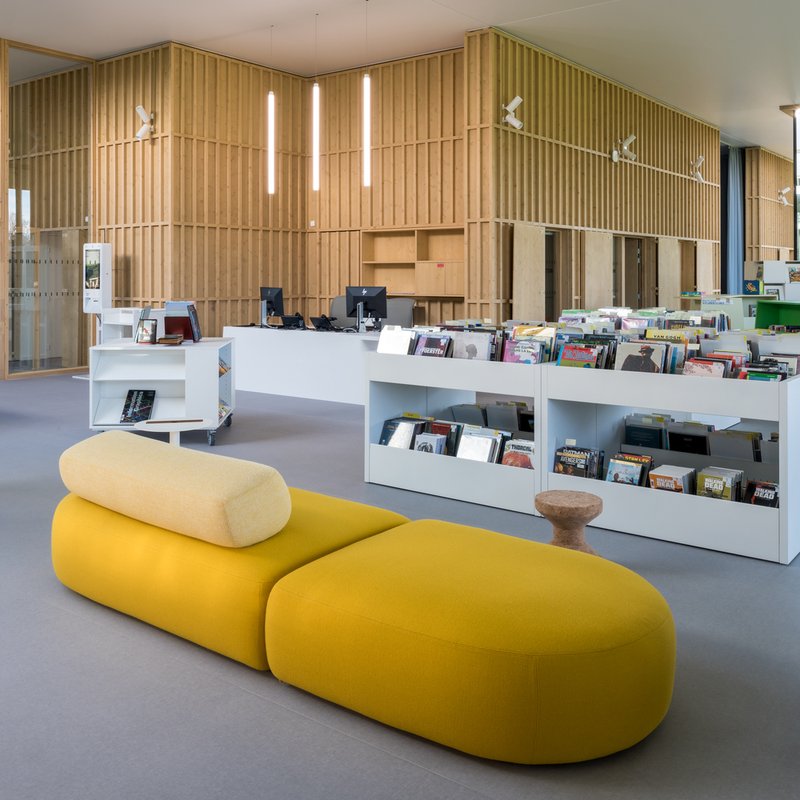
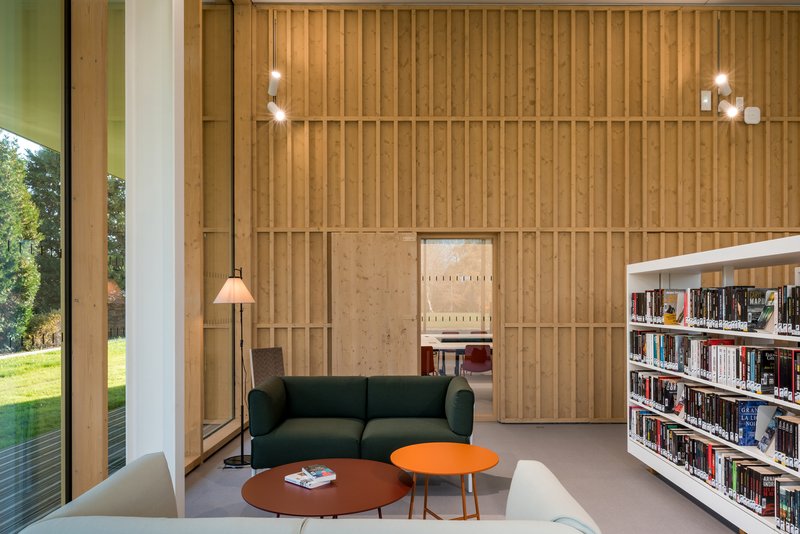
Material selection played a crucial role in achieving the center’s environmental harmony. The media library features a blend of glass and warm wooden finishes, ensuring the structure blends organically into the surrounding greenery. Public areas are sheltered beneath a lightweight metal frame with aluminum and spruce curtain walls. Staff zones incorporate concrete walls clad with three-ply wood panels and spruce battens. Custom wooden shutters further unify the façade, allowing windows and doors to be concealed when closed, resulting in a sleek, cohesive exterior.
Heritage Preservation and Modern Adaptation
The project also emphasizes the preservation of the estate’s historic chartreuse. The architects maintained the authenticity of the structure by retaining original materials and architectural features. A pedestrian pathway links the new media library with the renovated chartreuse, symbolizing the harmonious integration of tradition and modernity.
The BOMA Cultural Center stands as a beacon of modern architectural design interwoven with nature and cultural heritage. Through its transparent façade, eco-conscious material choices, and versatile spatial configuration, the center fosters community engagement while celebrating the timeless beauty of Domaine de Bômale.
All Photographs are works of Jean-François Tremege




Popular Articles
Popular articles from the community


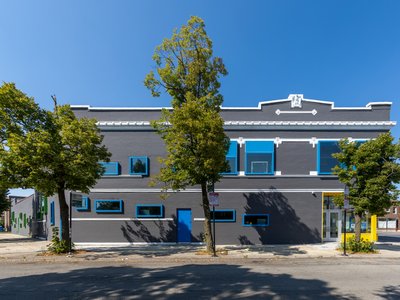
Gads Hill Early Learning Center by JGMA: Adaptive Reuse Shaping Community-Focused Educational Architecture
Adaptive reuse transforms fragmented structure into vibrant early learning center with playful façade, natural light, and community-focused sustainable design.


The Ken Roberts Memorial Delineation Competition (Krob)
As the most senior architectural drawing competition currently in operation anywhere in the world, it draws hundreds of entries each year, awarding the very best submissions in a series of medium-based categories.
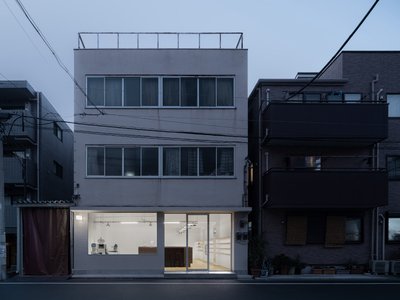
Atelier Macri Concept Store Interior Design by CASE-REAL
Atelier Macri store features a "ko" counter, walnut wood details, cork displays, blending retail, gallery, and seamless customer experiences.


Similar Reads
You might also enjoy these articles
The Ken Roberts Memorial Delineation Competition (Krob)
As the most senior architectural drawing competition currently in operation anywhere in the world, it draws hundreds of entries each year, awarding the very best submissions in a series of medium-based categories.


Waterfront Redevelopment and Urban Revitalization in Mumbai: Forging a New Dawn for Darukhana
A transformative waterfront redevelopment project reimagining Darukhana’s shipbreaking heritage into an inclusive urban future.

OUT-OF-MAP: A Call for Postcards on Feminist Narratives of Public Space
Rhizoma Design and Research Lab invites artists, designers, architects, researchers, and students to reflect on how feminist perspectives can reshape public space. Selected works will be exhibited in Barcelona, October 2026. Submissions open until 15 April 2026.

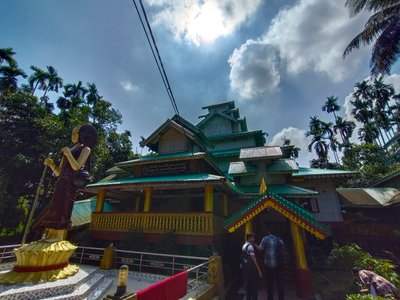
Documentation Work on Buddhist Wooden Temple
Architectural syncretism and cultural hybridity: A comparative study of the Buddhist temples in Chattogram Hill tracks


Explore Architecture Competitions
Discover active competitions in this discipline




The International Standard for Design Portfolios


The Global Benchmark for Architecture Dissertation Awards


The Global Benchmark for Graduation Excellence


Challenge to design an urban locus of culture and heritage
Comments (0)
Please login or sign up to add comments
No comments yet. Be the first to comment!