
ChunYangTai Arts and Cultural Centre by Atelier FCJZ: A Contemporary Tribute to Lingnan Heritage
ChunYangTai Arts and Cultural Centre blends traditional Lingnan architecture with sustainable design, creating a cultural hub in historic Langtou.

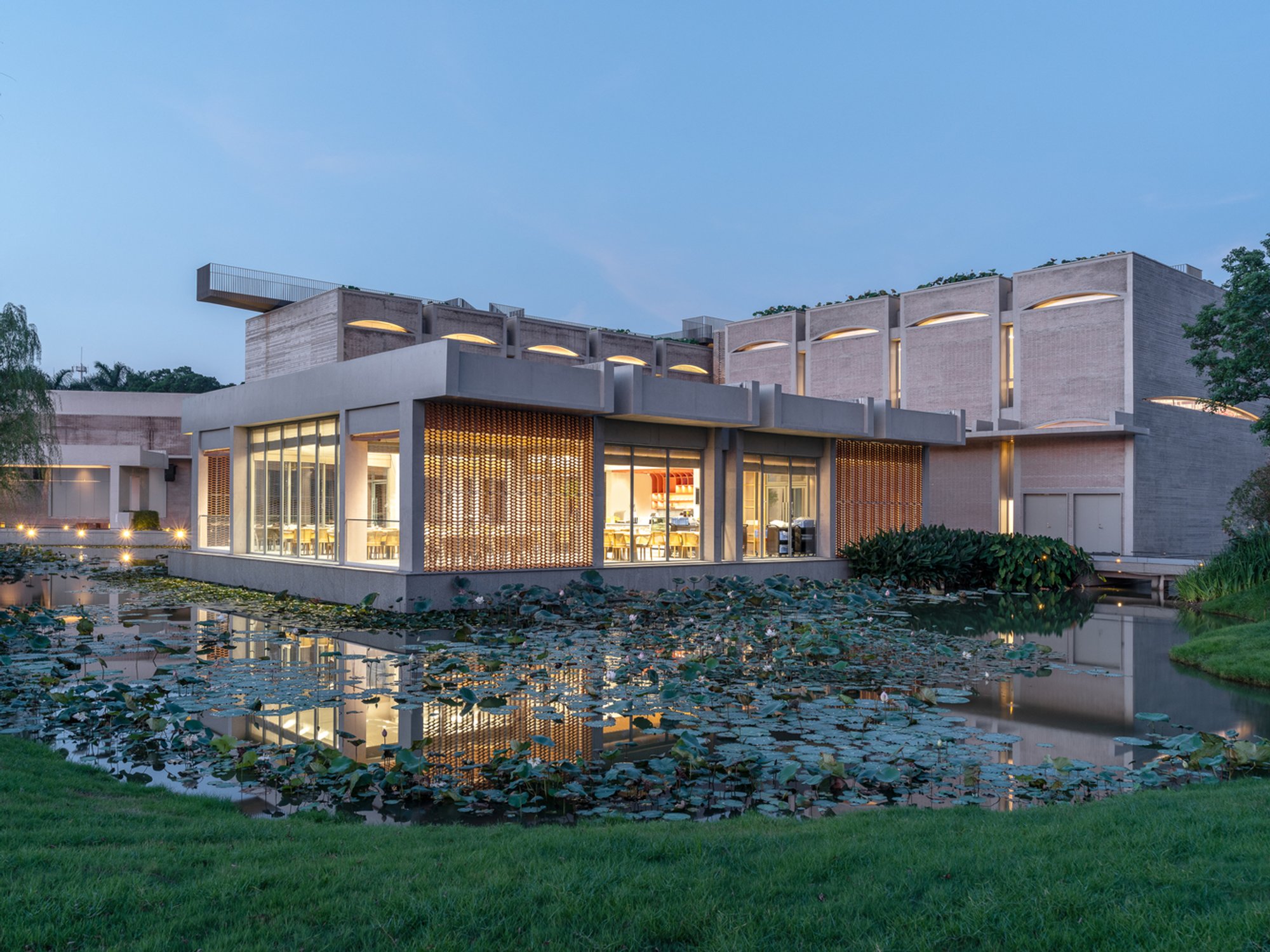
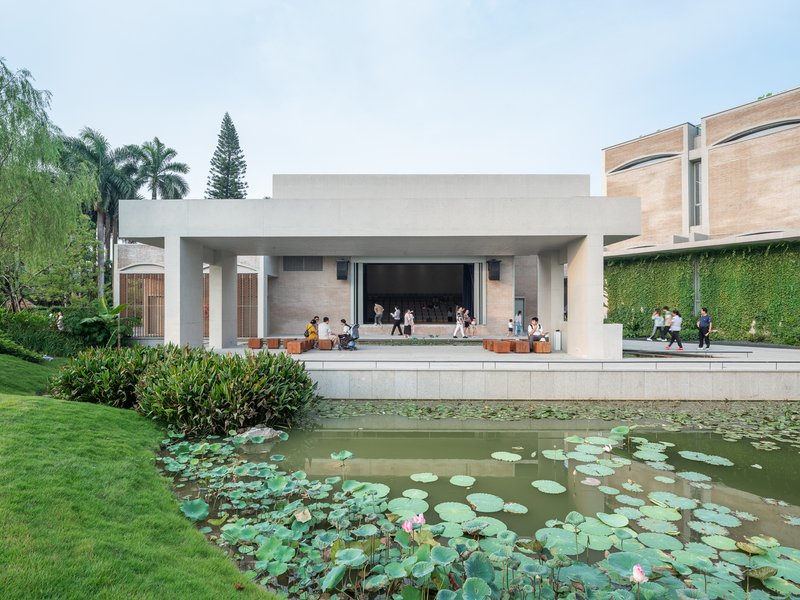
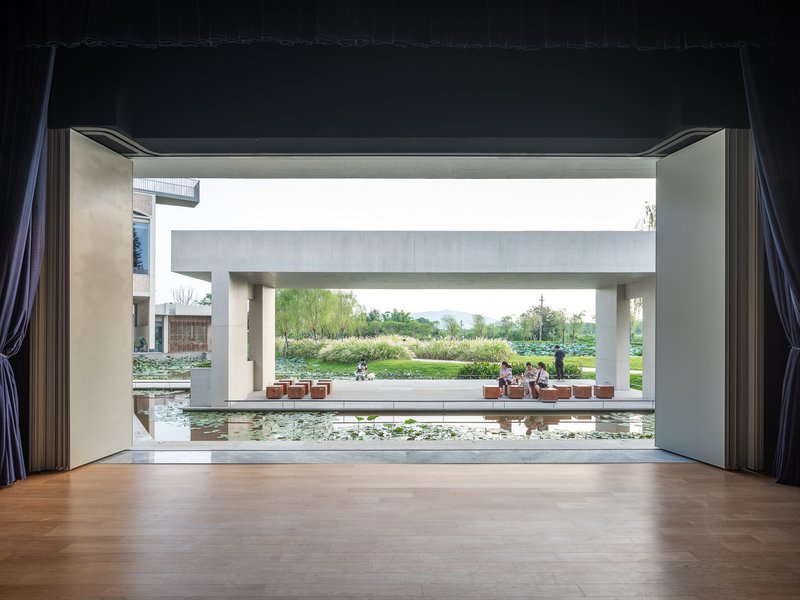
Nestled on the edge of a lotus pond in the 600-year-old Langtou Village in Guangzhou, the ChunYangTai Arts and Cultural Centre by Atelier FCJZ is a stunning blend of contemporary design and historical reverence. This thoughtfully designed cultural complex offers a modern interpretation of traditional Lingnan architectural language, while honoring the site’s deep academic and spiritual heritage.
A Cultural Oasis Amidst Historic Waterscapes
Langtou, known as the “Accomplished Scholars Village,” is rich in historical architecture—ancestral temples, classical academies, vernacular houses, and intricate alleyways speak to its cultural legacy. Positioned just outside the ancient village and surrounded by Feng Shui, fish, and lotus ponds, ChunYangTai enhances the village’s identity as a cultural and ecological haven in southern China.
The name "Lang" once referred to riverside marshlands and later extended to include ponds and lakes. It is only fitting that ChunYangTai embraces its location through a multi-layered water landscape, allowing architecture and nature to merge fluidly.
Architectural Strategy: Small Units, Big Connections
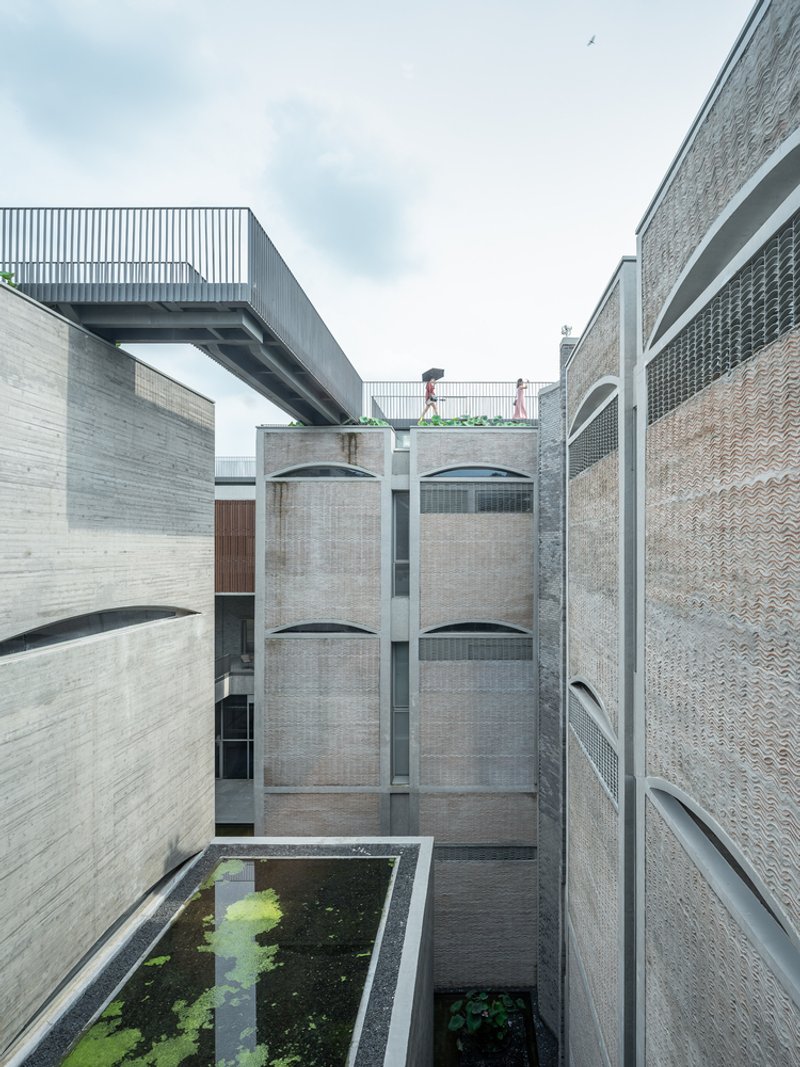
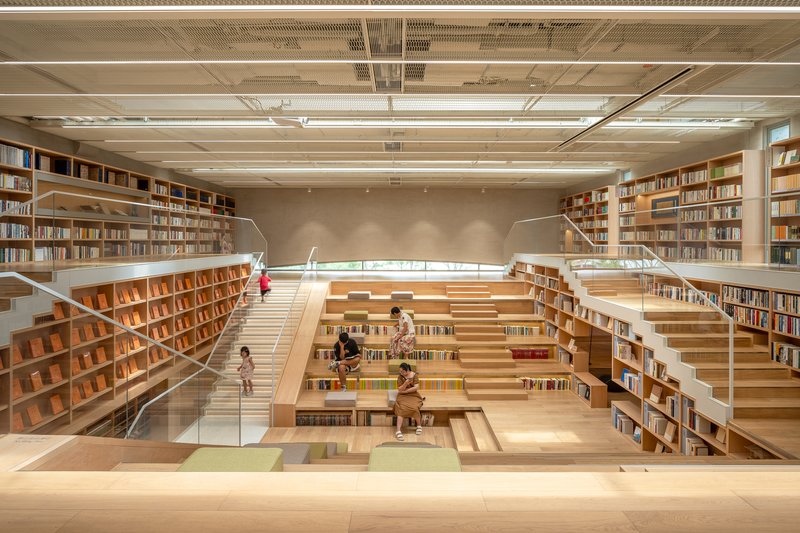
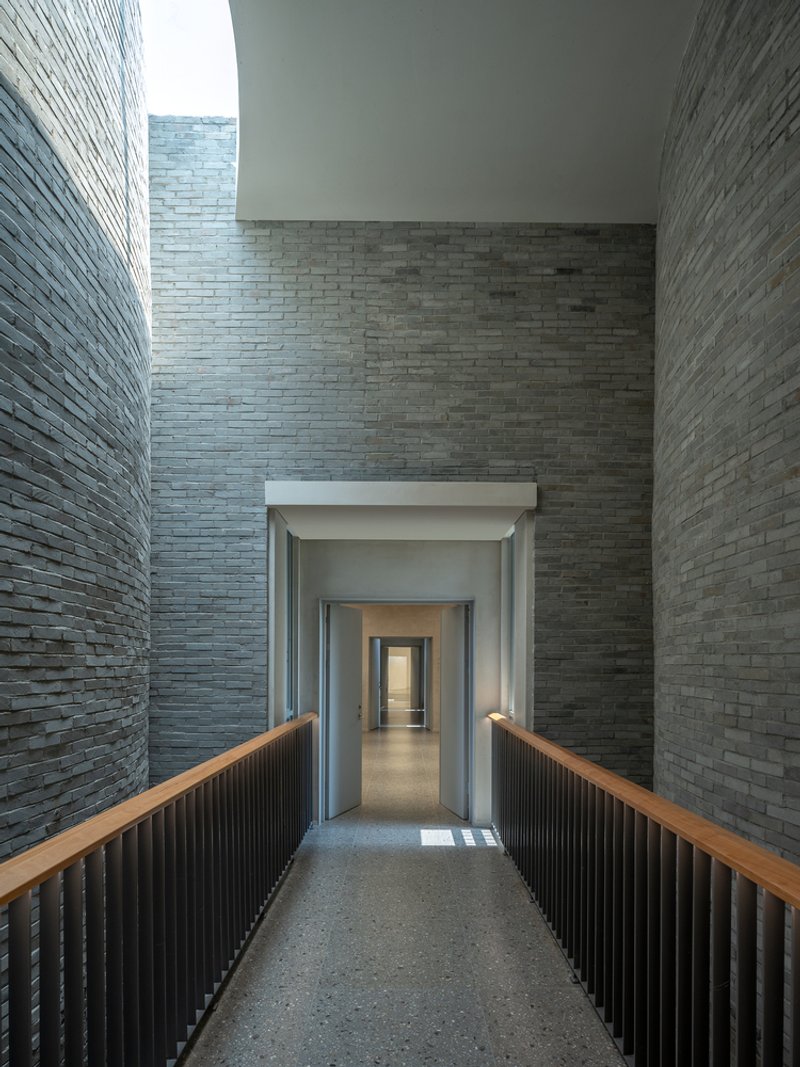
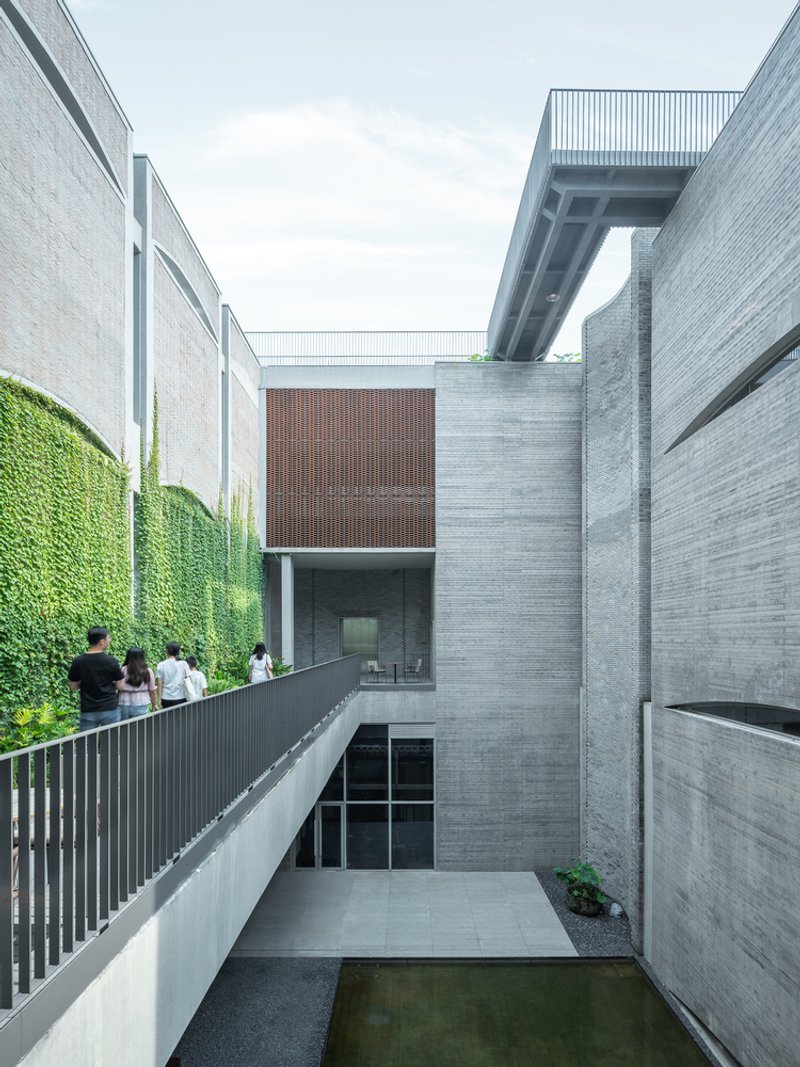
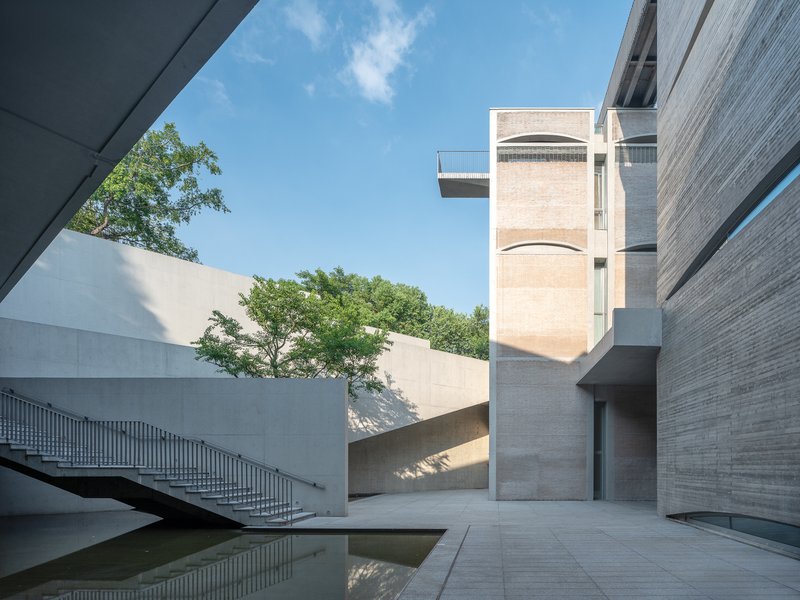
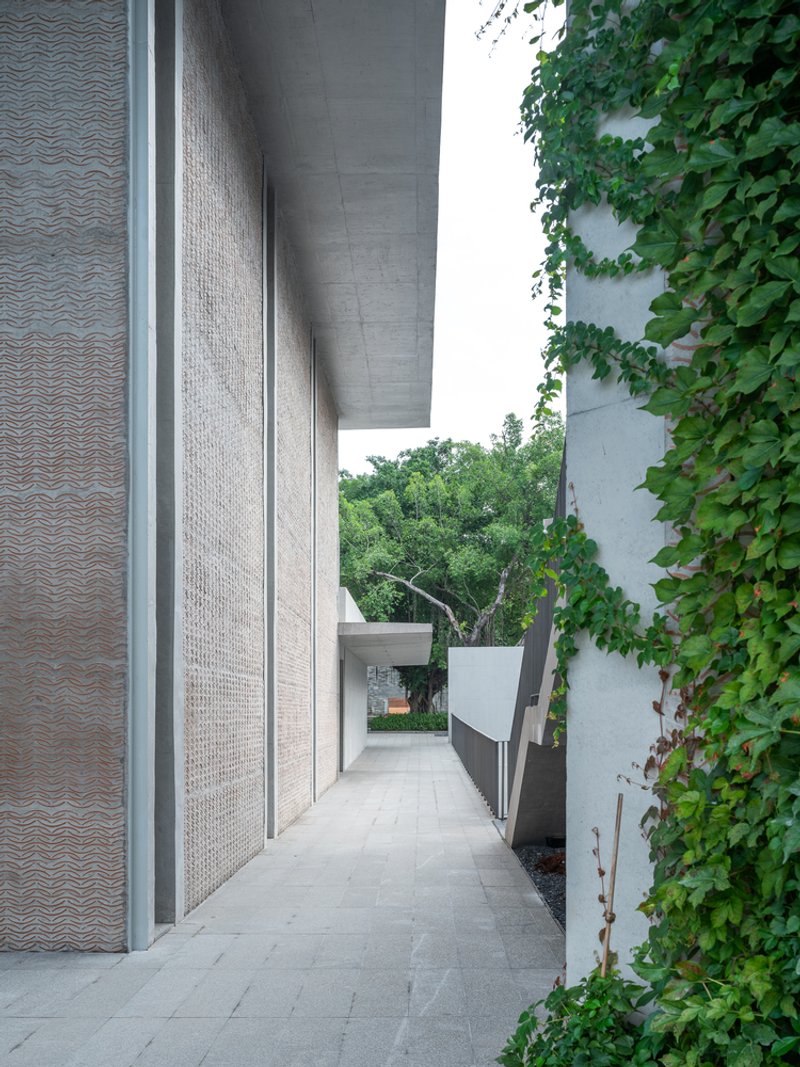
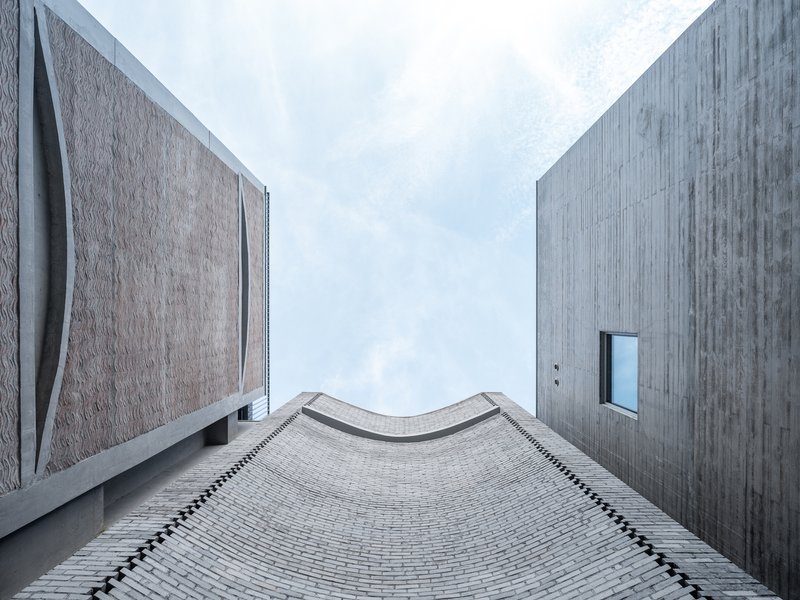
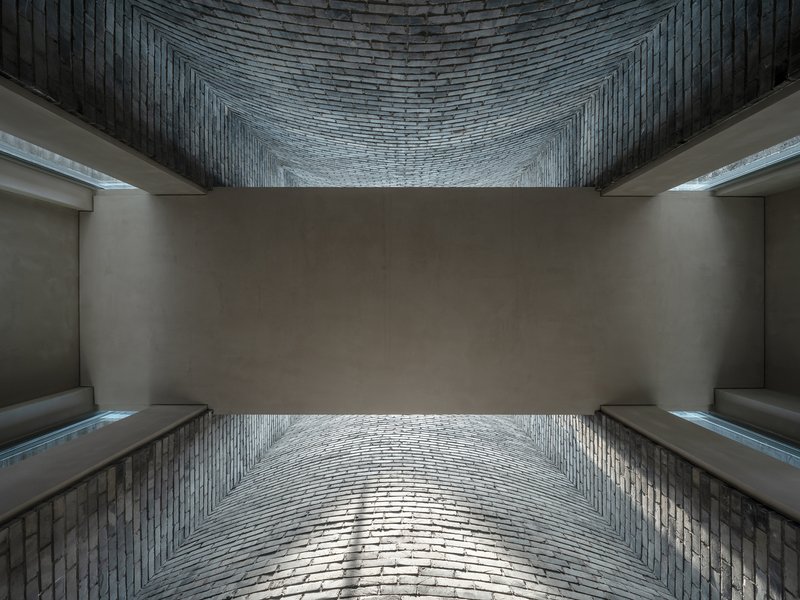
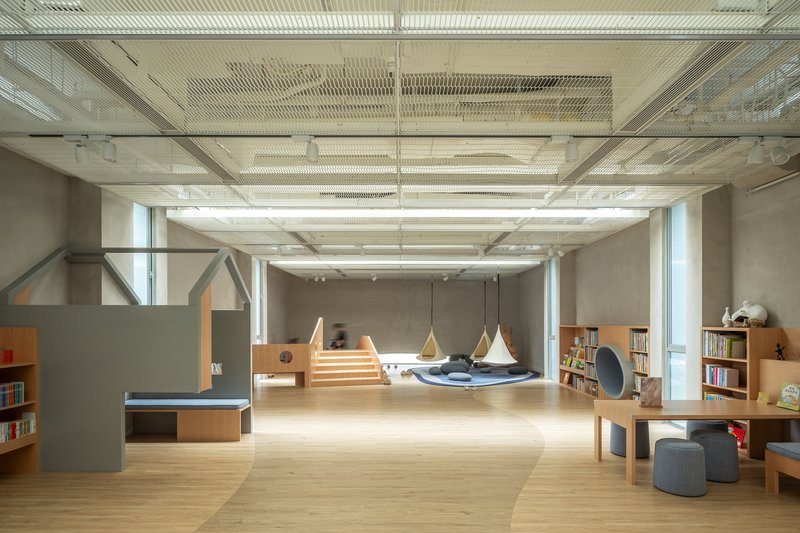
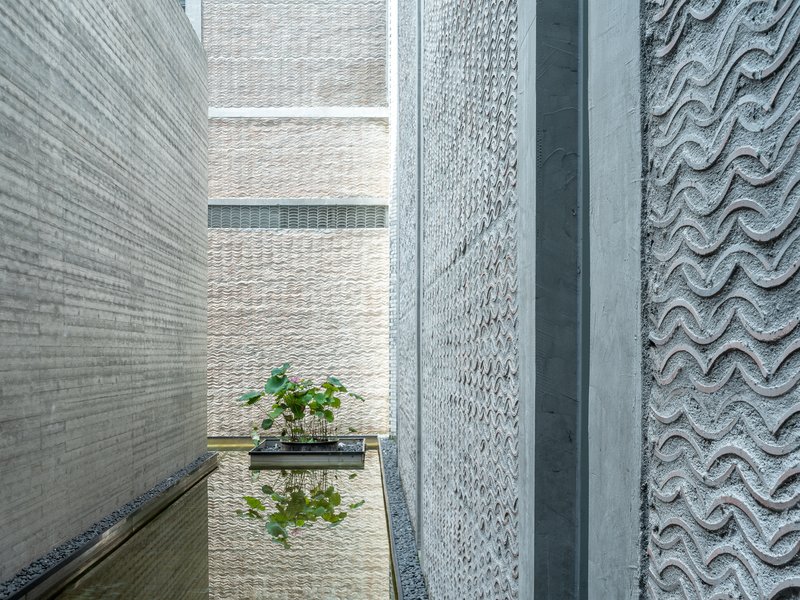
To reflect the intimate scale and fragmented fabric of the village, the cultural center is composed of ten individual buildings—each housing different functions such as exhibition halls, a library, a theater, research studios, and a café. These distinct units are woven together through curved “tower” connectors with undulating brick walls, forming narrow alleys and cozy courtyards that echo the spatial dynamics of Langtou.
This layout not only respects the historical urban pattern, but also creates a human-centered experience reminiscent of wandering through ancient village lanes.
Green Roof Ponds: A Multi-Level Ecological System
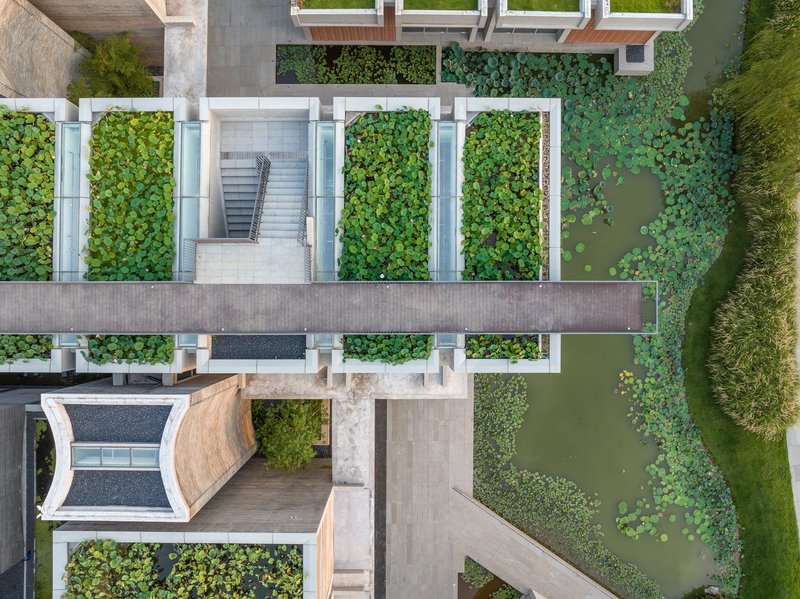
What sets ChunYangTai apart is its multi-tiered lotus pond system, a masterstroke of environmental integration and sustainability. Nearly 30 rooftop water gardens—planted primarily with water lilies—cool the buildings passively while offering a striking visual identity. Elevated walkways wind through these aquatic gardens, linking the rooftops with the sunken courtyards below.
These rooftop ponds, along with natural and man-made water features at ground level, create an immersive aquatic landscape that invites reflection, relaxation, and environmental awareness.
Materiality and Memory: Building with Local Soul
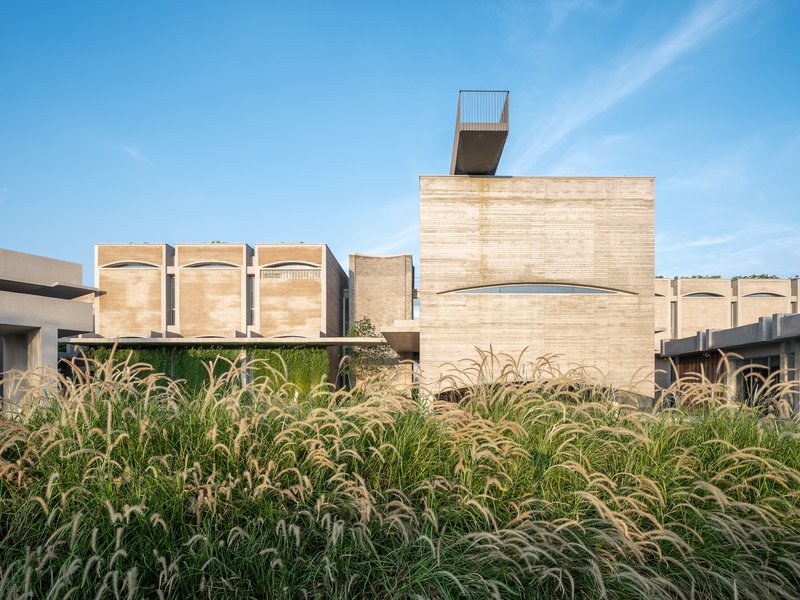
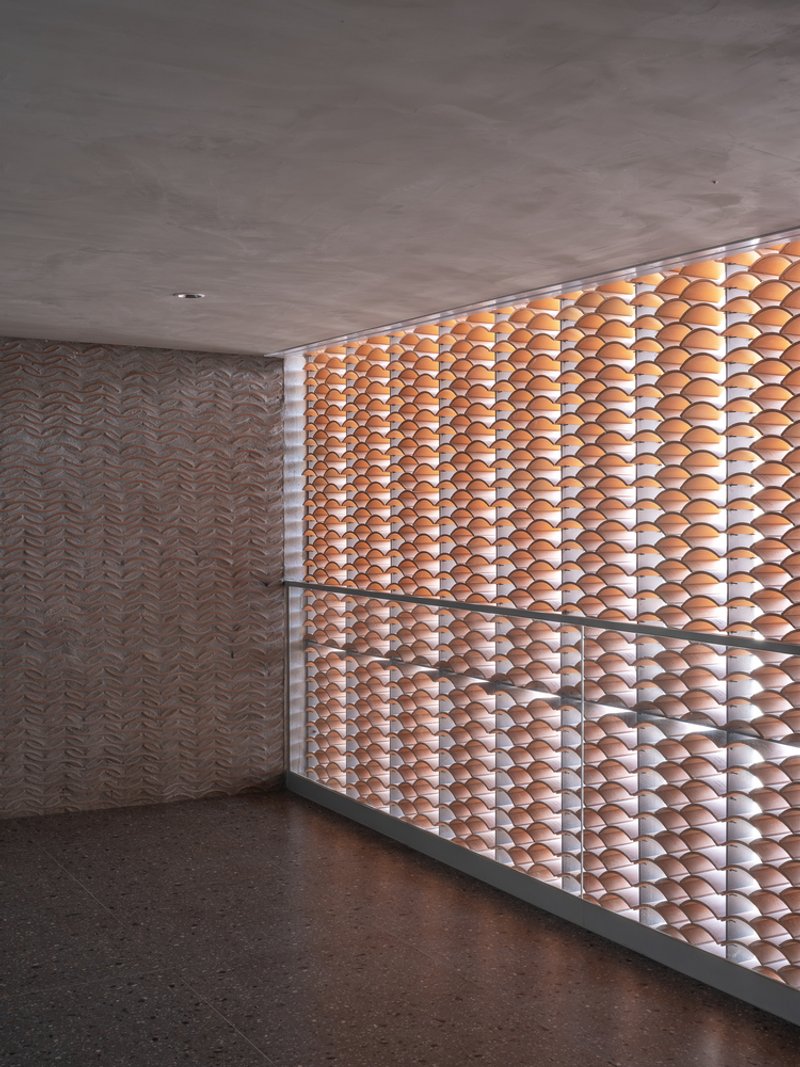
ChunYangTai draws from the rich material palette of traditional Lingnan architecture, incorporating local red clay tiles, grey bricks, and exposed concrete. These elements ground the project in the cultural and material history of Langtou, giving it an identity that is both rooted and forward-looking.
One of the center’s most distinctive features is its crescent-shaped “moonbeam” windows, inspired by traditional design motifs. These sculptural openings softly filter daylight into the interiors and offer poetic frames of the surrounding ponds and village skyline. The crescent form has since become an iconic symbol of the project, embodying both cultural memory and architectural innovation.
A Living Dialogue Between Past and Future
With ChunYangTai Arts and Cultural Centre, Atelier FCJZ has crafted more than a building—it is a living, breathing cultural organism that celebrates community, history, and environment. The center serves as a space for creativity and contemplation, fostering artistic expression and cultural continuity in an ever-evolving urban landscape.
This project exemplifies how architectural design can be both contextual and contemporary, sustainable and symbolic, inviting users into a meaningful dialogue between the old and the new.
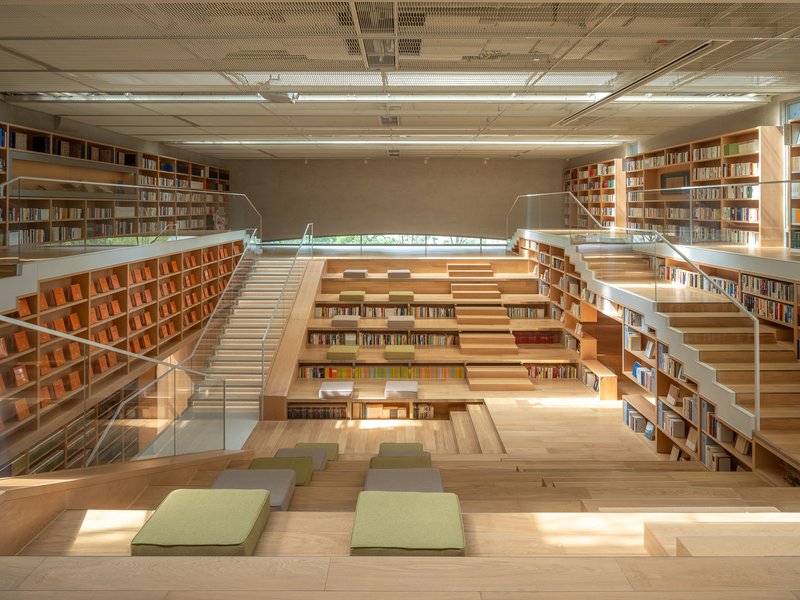
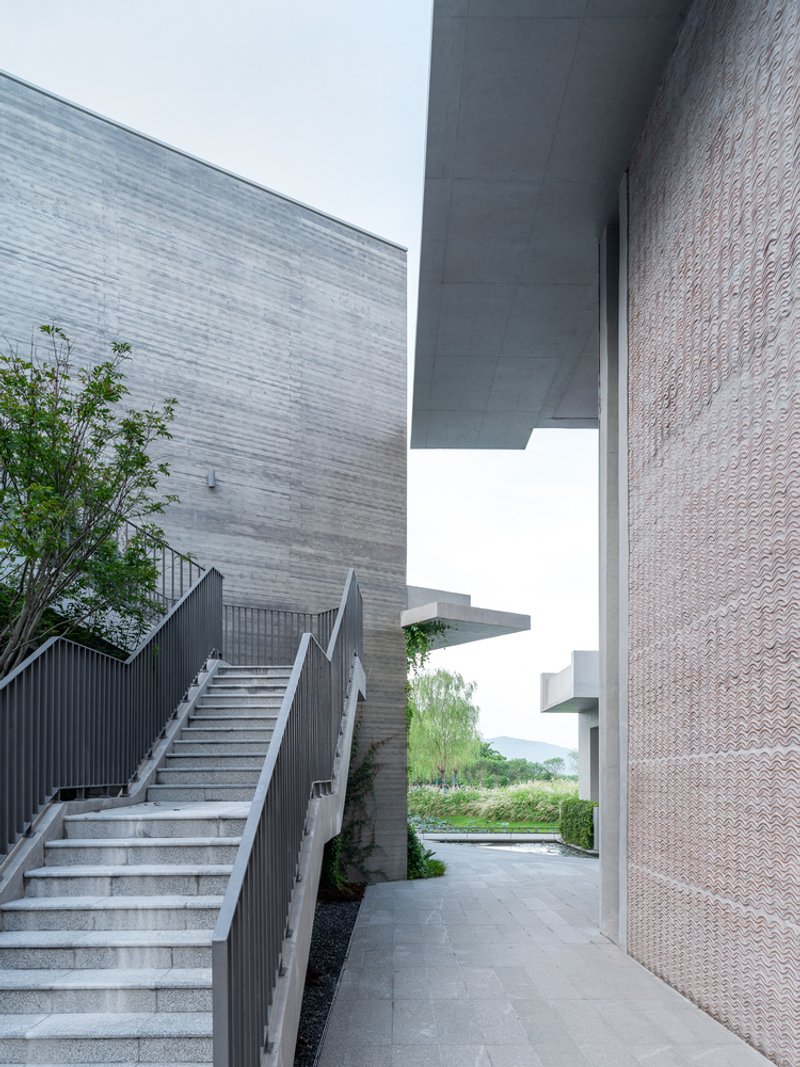
All Photographs are works of Fangfang Tian.



Popular Articles
Popular articles from the community

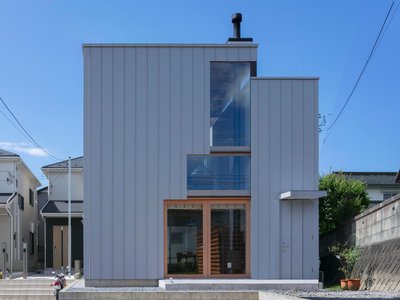
Split House: A Compact Urban Home Blending Privacy, Light, and Flexible Living in Japan
Compact Japanese home featuring DOMA space, flexible café potential, passive lighting, privacy zoning, and sustainable urban living design.
Atelier Macri Concept Store Interior Design by CASE-REAL
Atelier Macri store features a "ko" counter, walnut wood details, cork displays, blending retail, gallery, and seamless customer experiences.
Alton Cliff House: A Harmonious Retreat by f2a Architecture in Lake Country, Canada
Alton Cliff House blends corten steel, prefabrication, and sustainable design, creating a luxurious, energy-efficient retreat perched on Canadian cliffs.
Inverted Architecture Installation by Studio Link-Arc: Exploring the Intersection of Architecture and Living Organisms
Inverted Architecture Installation by Studio Link-Arc blends mycelium, sustainability, inverted design, ecological cycles, and urban adaptive architecture in Shenzhen.


Similar Reads
You might also enjoy these articles


The Ken Roberts Memorial Delineation Competition (Krob)
As the most senior architectural drawing competition currently in operation anywhere in the world, it draws hundreds of entries each year, awarding the very best submissions in a series of medium-based categories.


Waterfront Redevelopment and Urban Revitalization in Mumbai: Forging a New Dawn for Darukhana
A transformative waterfront redevelopment project reimagining Darukhana’s shipbreaking heritage into an inclusive urban future.

OUT-OF-MAP: A Call for Postcards on Feminist Narratives of Public Space
Rhizoma Design and Research Lab invites artists, designers, architects, researchers, and students to reflect on how feminist perspectives can reshape public space. Selected works will be exhibited in Barcelona, October 2026. Submissions open until 15 April 2026.


Documentation Work on Buddhist Wooden Temple
Architectural syncretism and cultural hybridity: A comparative study of the Buddhist temples in Chattogram Hill tracks

Explore Architecture Competitions
Discover active competitions in this discipline




The International Standard for Design Portfolios


The Global Benchmark for Architecture Dissertation Awards


The Global Benchmark for Graduation Excellence


Challenge to design an urban locus of culture and heritage
Comments (0)
Please login or sign up to add comments
No comments yet. Be the first to comment!