

Cultural Architecture in Urban China
This article explores the architectural transformation of Shanghai Book City by Wutopia Lab into a cultural landmark in urban China.


Transforming Shanghai Book City: A Beacon of Cultural Architecture in Urban China
The Concept Behind the Renovation
Wutopia Lab's approach to the renovation of Shanghai Book City was guided by a need to attract not just habitual readers but also those who are less inclined towards reading. With an insightful strategy, the architects aimed to draw in visitors by offering unique attractions that cannot be found online. This approach reflects a broader trend in cultural architecture in urban China, where spaces are designed not just for their primary function but also to serve as social and cultural hubs.


Architectural Innovations and Challenges
The renovation of Shanghai Book City faced several architectural challenges, including adhering to strict fire safety regulations and maintaining the original structure due to historical preservation requirements. Wutopia Lab cleverly navigated these challenges by incorporating new evacuation routes, fire safety systems, and subtle structural modifications that did not exceed 10% of the total structure. This careful balance of innovation within constraints is a hallmark of effective urban cultural architecture.

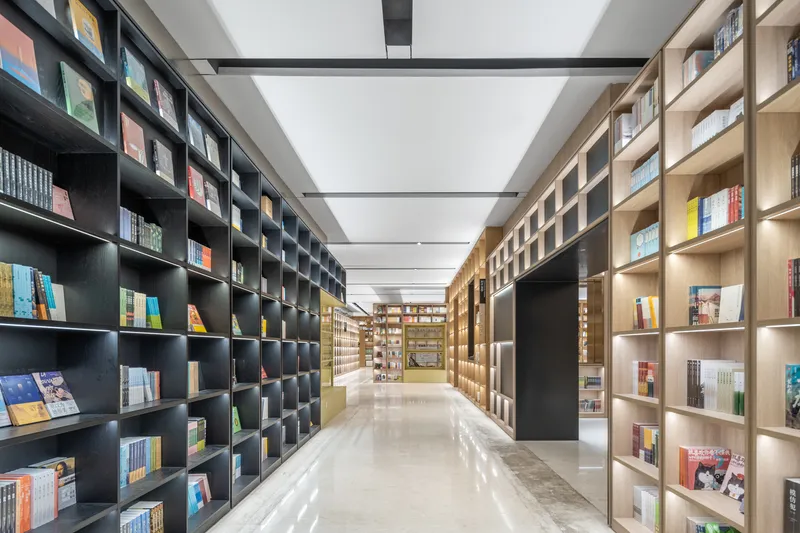
Design Features that Enhance Cultural Interaction
One of the standout features of the renovated Shanghai Book City is the "Book Mountain," a terraced platform within the bookstore that serves multiple functions—from book launches to cultural performances. This design not only utilizes the vertical space effectively but also creates a focal point that attracts visitors. The use of red as an accent color enhances visibility and draws the eye, making it a vibrant center of activity.


Integrating Commercial and Cultural Spaces
Understanding the economic realities of maintaining a large urban bookstore, Wutopia Lab integrated various commercial spaces into the bookstore without disrupting its cultural essence. This blending of commercial and cultural functions is essential in sustaining urban cultural sites in modern China. The design accommodates shops, cafes, and other businesses, all woven into the fabric of the bookstore, thus ensuring a vibrant and financially viable cultural space.

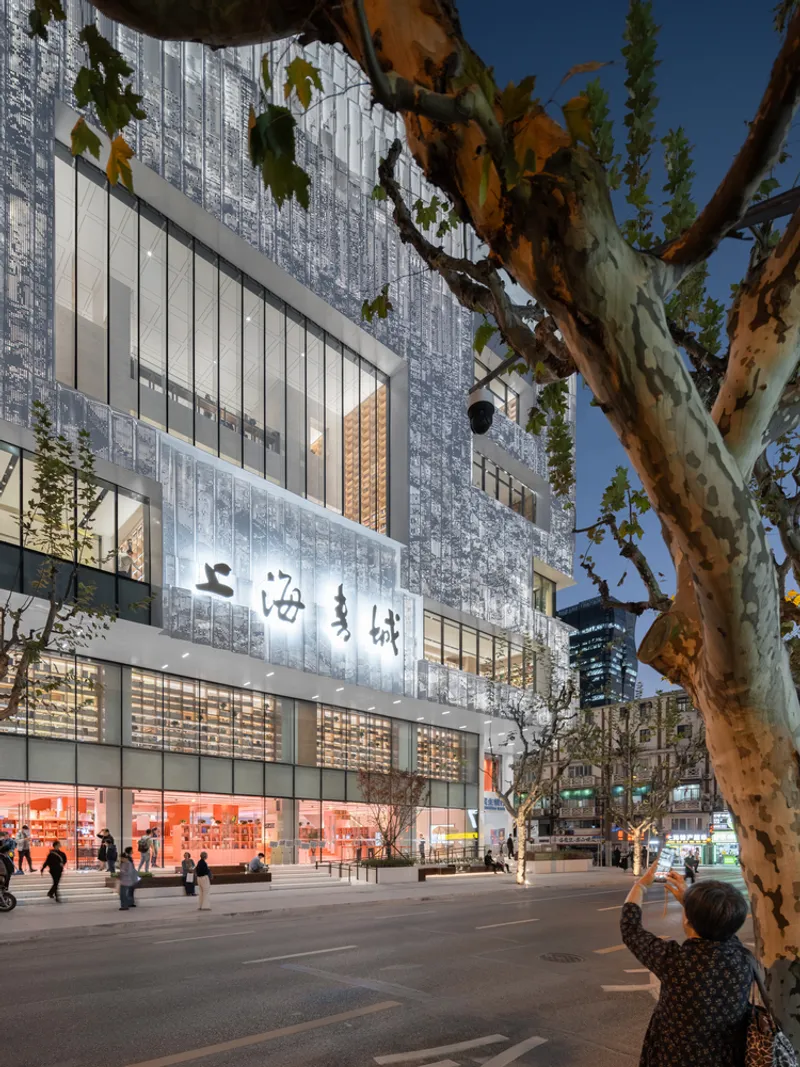

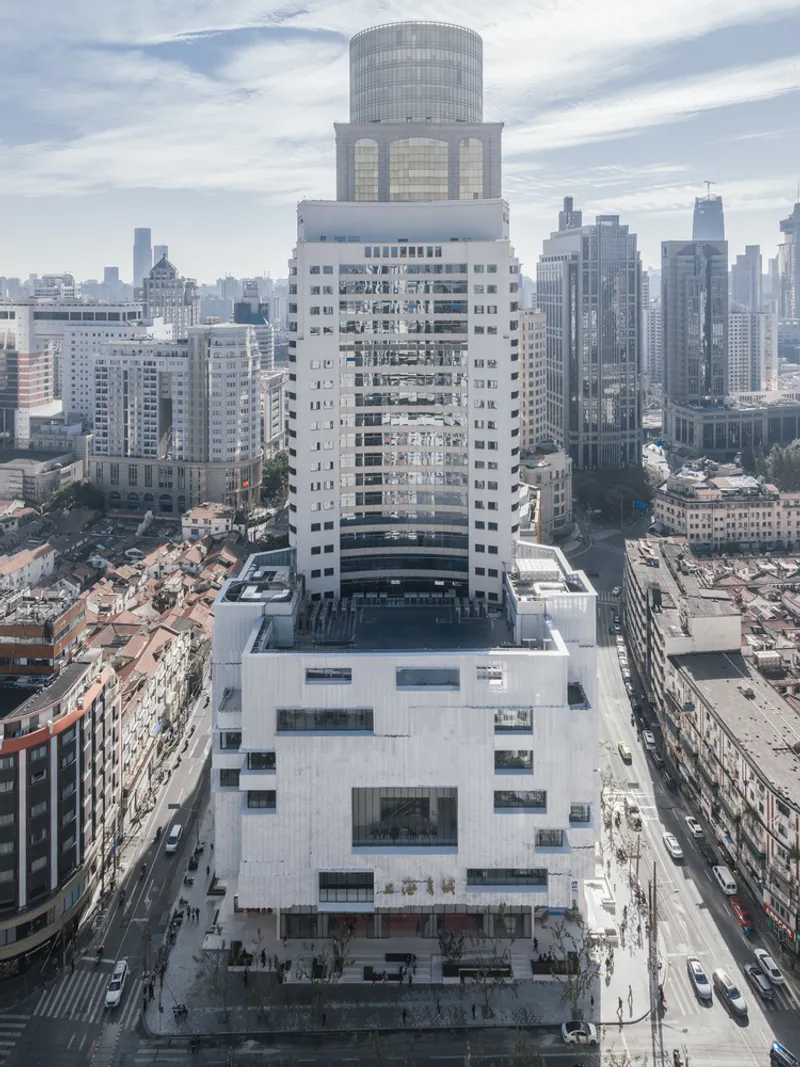
Accessibility and Inclusivity in Design
A key aspect of the renovation was making the space accessible to all, reflecting the inclusivity that is vital for modern cultural architecture. Features such as disability-friendly ramps and handrails were thoughtfully designed to ensure that everyone, regardless of physical ability, could enjoy all that the bookstore has to offer.
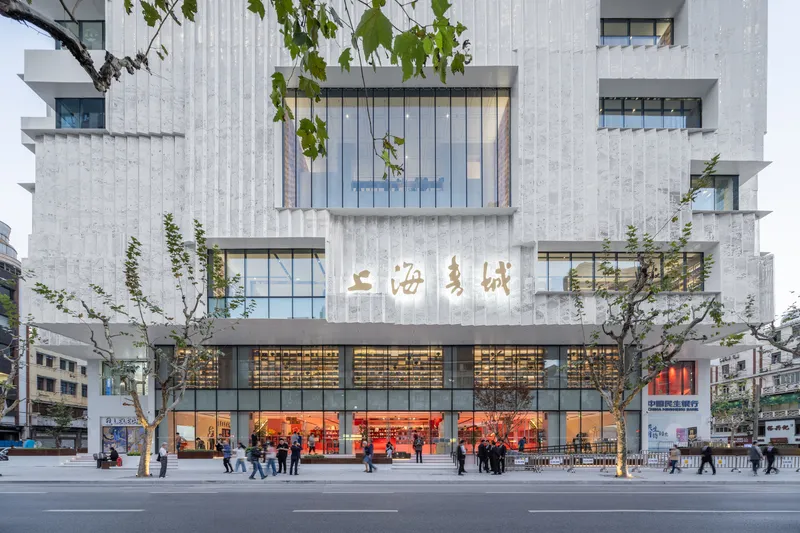
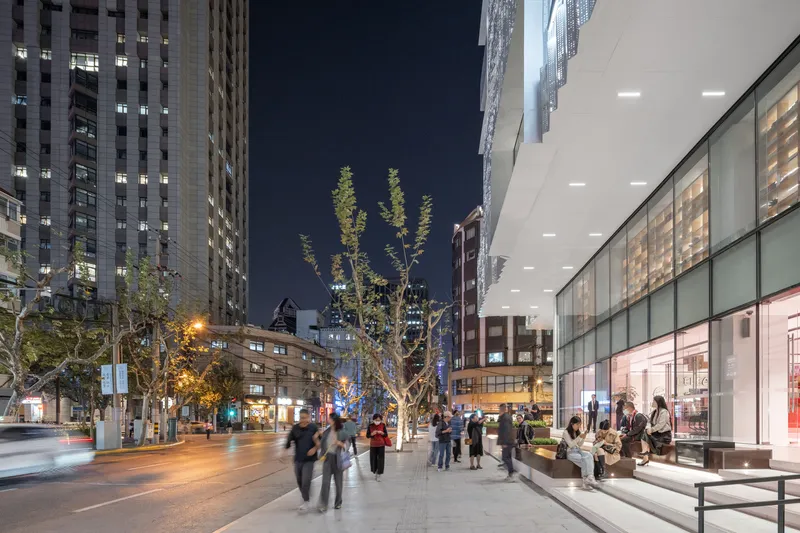
The Role of Architecture in Cultural Preservation and Innovation
Shanghai Book City by Wutopia Lab is a prime example of how cultural architecture in urban China is evolving. It preserves the legacy of a traditional bookstore while transforming it into a dynamic space that meets the needs of today's urban dwellers. This project not only revitalizes a physical space but also reinvigorates the cultural landscape of Shanghai, demonstrating the power of architecture to shape community and culture in urban environments.
This comprehensive overview highlights how Shanghai Book City has set a new standard for cultural architecture in urban China, serving as a model for other cities looking to revitalize their cultural landmarks.


All the photographs are work of CreatAR Images


Popular Articles
Popular articles from the community


David Macias Steps a Doorless Stone and Plaster House Down a Tropical Colombian Hillside
In the humid hills of Colombia, Threshold House replaces the front door with an open void and terraces its 850 m² down the slope instead of fighting it.

Cube Design Draws an Ecological Corridor Between Two Shenzhen Hills with the Nankai Building
Beside Shenzhen's container docks, the Nankai Building pairs stacked balconies with a climbing green screen to connect two hillsides across its height.

Juan García Correa, John González and Claudia Rueda Sink a Circular Amphitheater into a Manizales Engineering Building
On the La Nubia campus in Manizales, Colombia, the S1 Building folds labs and offices into a hillside of ramped lawns that double as a campus route.

longwave studio Reorganizes a 112 m² Tainan Apartment Around the Daily Routines of a Family and Two Cats
In Tainan, Taiwan, birch plywood, rust-red furniture and a freestanding plaster wall link arrival, storage, work and family life in one apartment.

Similar Reads
You might also enjoy these articles


Hodi-Mandai Geram
Project Function: Preservation and revitalization of the Intangible heritage and socio-spatial identity of the Hodi by Housing, Cultural Memory Center, Sacred Grove, landscape, local tourism economy


Olio Towers: A Mid-Rise for Performers That Fuses Housing, Rehearsal, and Stage
Located blocks from Houston's Theater District, this modular tower stacks living units around a central performance atrium.

Oasis: Modular Green Housing Carved into Dhaka's Urban Fabric
A shortlisted Plugin Housing entry reclaims unauthorized settlements in Dhaka with stepped concrete volumes, green roofs, and ventilation-driven design.

Black Hole: A Floating Megastructure for the Post-Physical Era
Emiliano Mazzarotto envisions a spherical, self-scaling arena where e-sports, digital hotels, and holographic stadiums replace traditional public space.

Explore Cultural Architecture Competitions
Discover active competitions in this discipline

Challenge to reimagine the Iron Throne

Photograph architecture without architects

Illustrate the lost glory of Angkor Wat - Render Challenge

Bring back Drive In's
Comments (0)
Please login or sign up to add comments
No comments yet. Be the first to comment!