Green Prison: Redefining Incarceration Through Sustainable Design
Transforming incarceration with sustainable architecture—where rehabilitation, reintegration, and security meet a future-focused design.


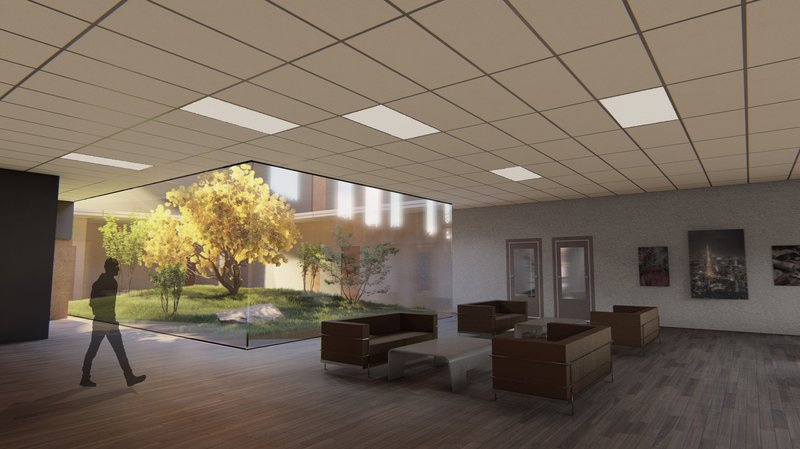
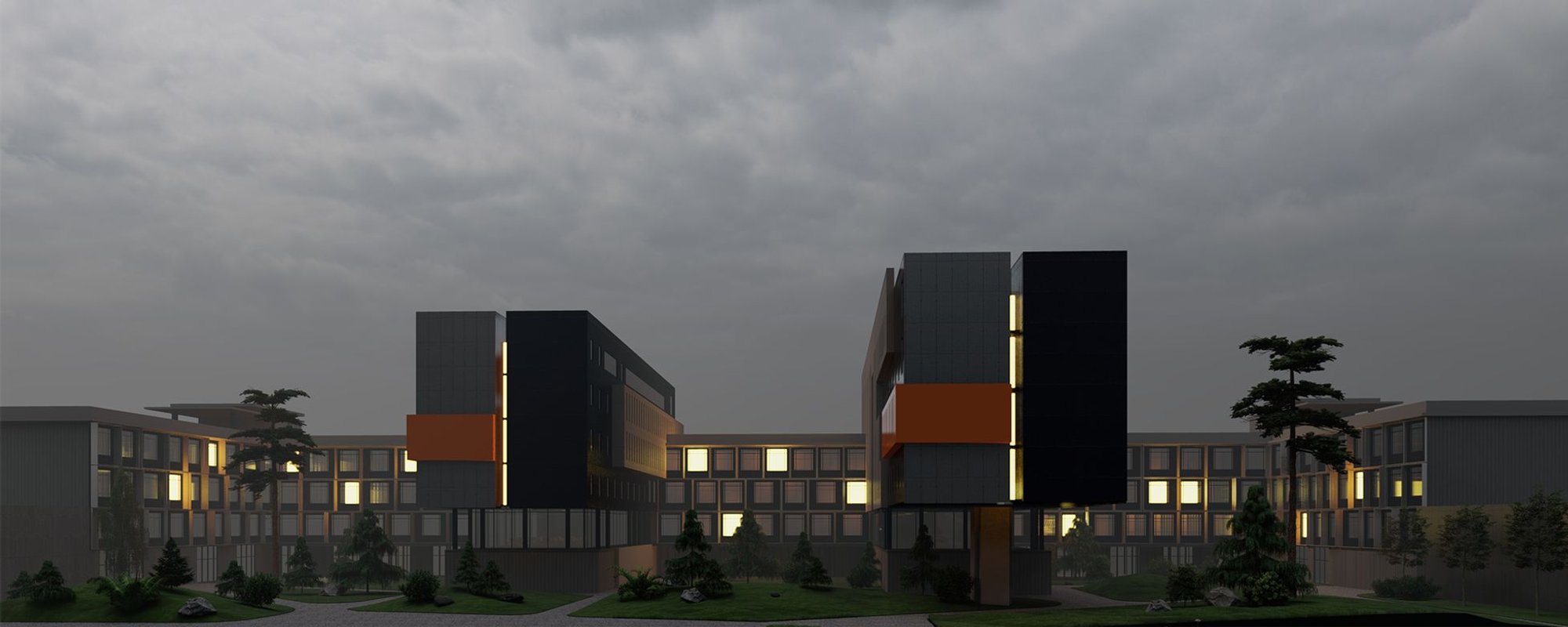
The concept "Green Prison "of the modern prison revolves around creating a sustainable and rehabilitative environment, forming a green island of salvation that helps individuals reintegrate into society. It is evident that prison architecture reflects society’s attitude towards convicts and the penitentiary system in general. Our goal is to shift this perception—both in the eyes of citizens and prisoners—by introducing a design that fosters positive transformation.
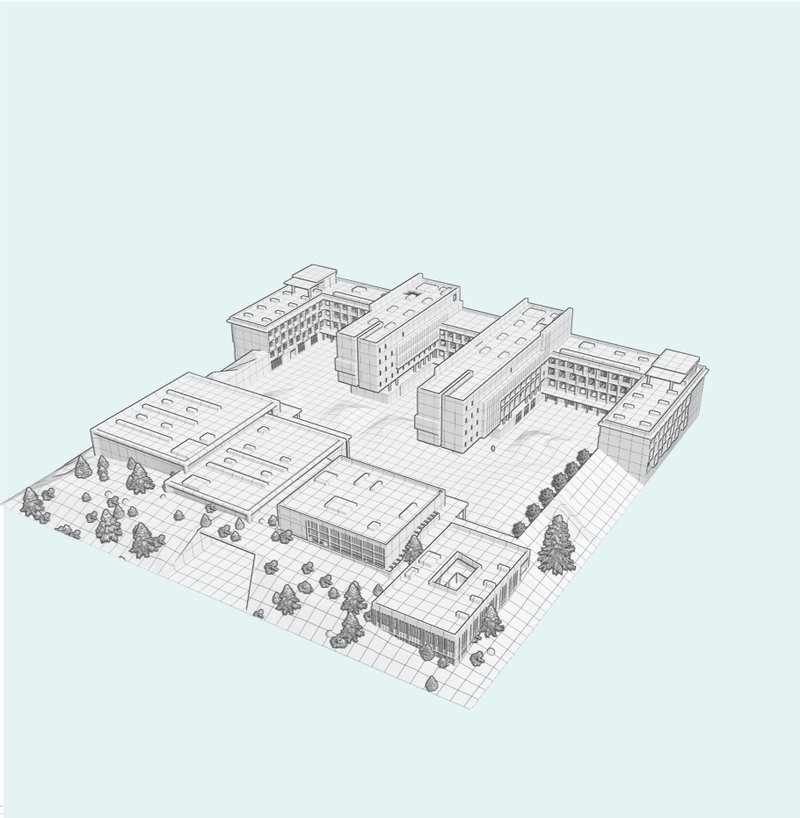
A Vision for Future Prisons
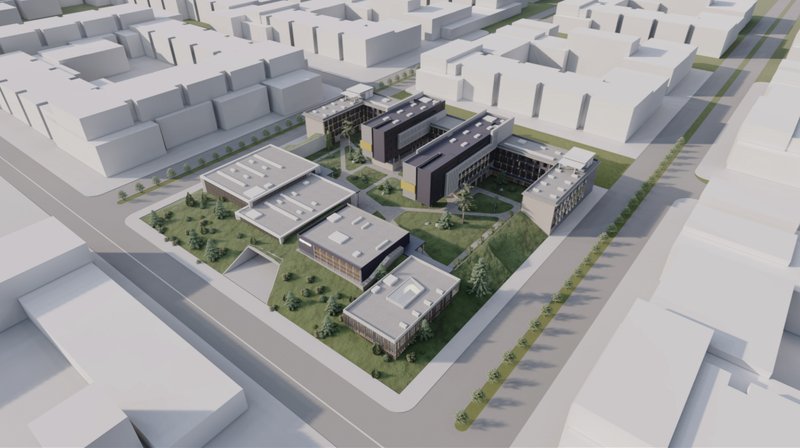
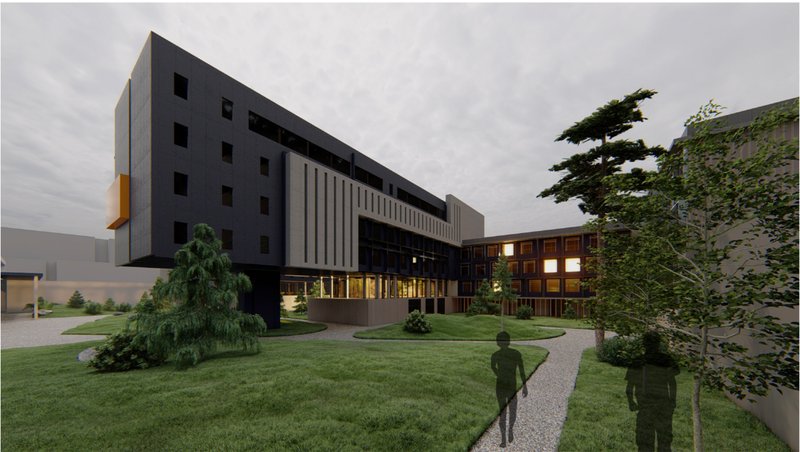
- A Prison You Don’t Want to Escape – The design aims to create a self-sustaining mini-town with several blocks and ample green spaces for walking and reflection.
- A Human-Centric Approach – The future of prisons should not feel like confinement. The design prioritizes spaces that cater to sports, creative expression, and education, including swimming pools, libraries, and art areas.
- Sustainable and Cost-Effective Construction – Reinforced concrete constructions reduce costs while plaster and wood strip finishing enhance aesthetics, making sustainability an integral part of prison design.
- Enhanced Security with Smart Solutions – Security measures include biometric identification at all prison gates, replacing traditional fences with advanced systems.
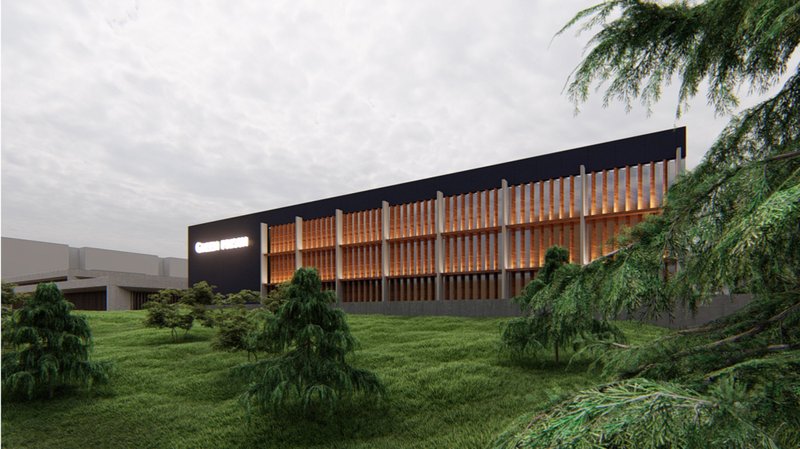
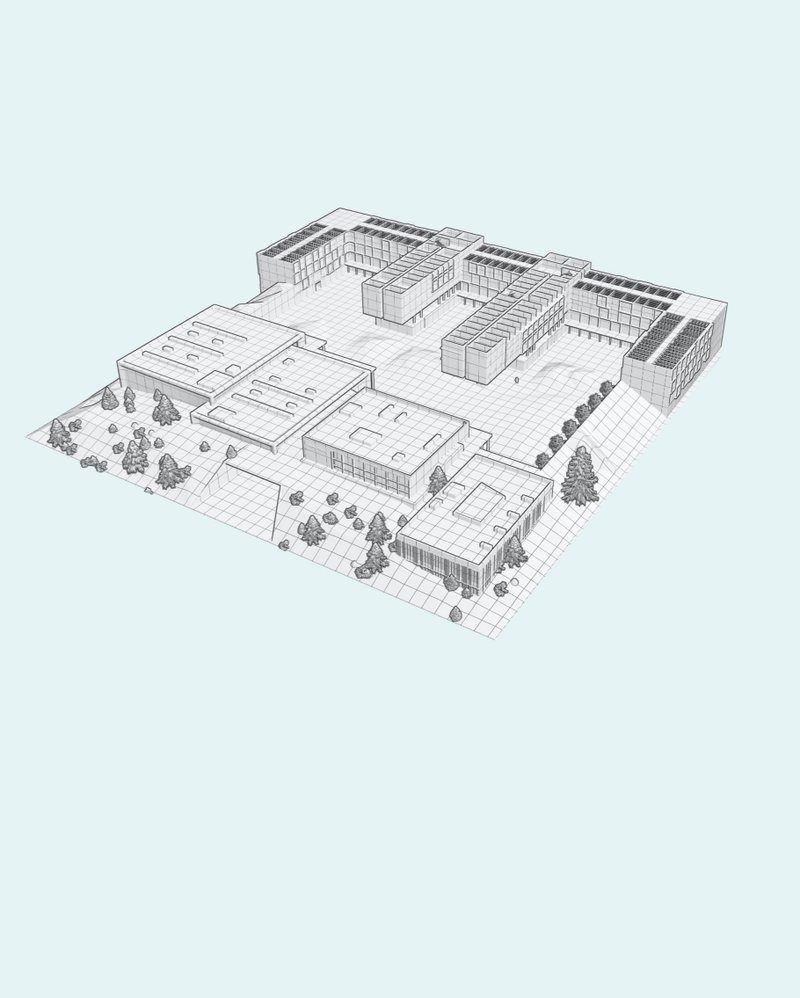
Correction Through Knowledge and Employment
Rehabilitation is not only about confinement but also about growth. This concept integrates future employment opportunities with creative and educational development. Therapists and mentors will be accessible to prisoners throughout their correctional journey, ensuring a more constructive reformation process.
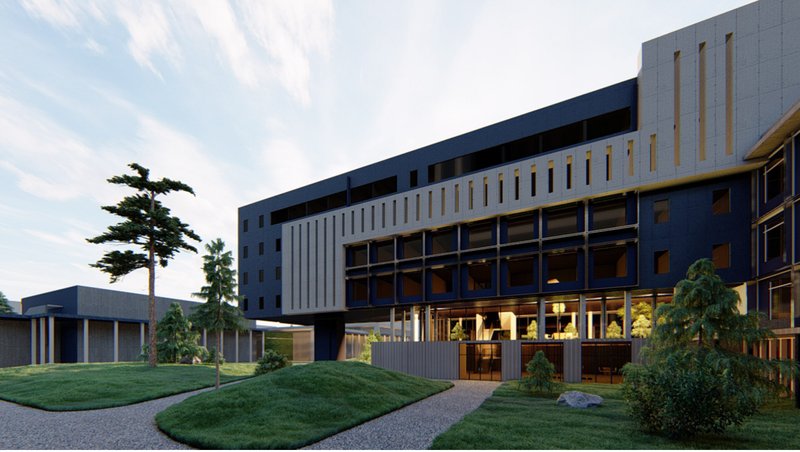
This project is a shortlisted entry for Switching Prisons, designed by Kirill Sidorenko, Liza Simpson, and Daniel Evans. It stands as an innovative step in the field of sustainable architecture in correctional facilities—promoting reintegration, rehabilitation, and a future-focused approach to incarceration.