
Joyous Spring Wellness Center by Soong Lab+: Adaptive Reuse Wellness Architecture in Beijing
Joyous Spring Wellness Center in Beijing by Soong Lab+ redefines wellness architecture through adaptive reuse, water-centered design, and sensory restoration.

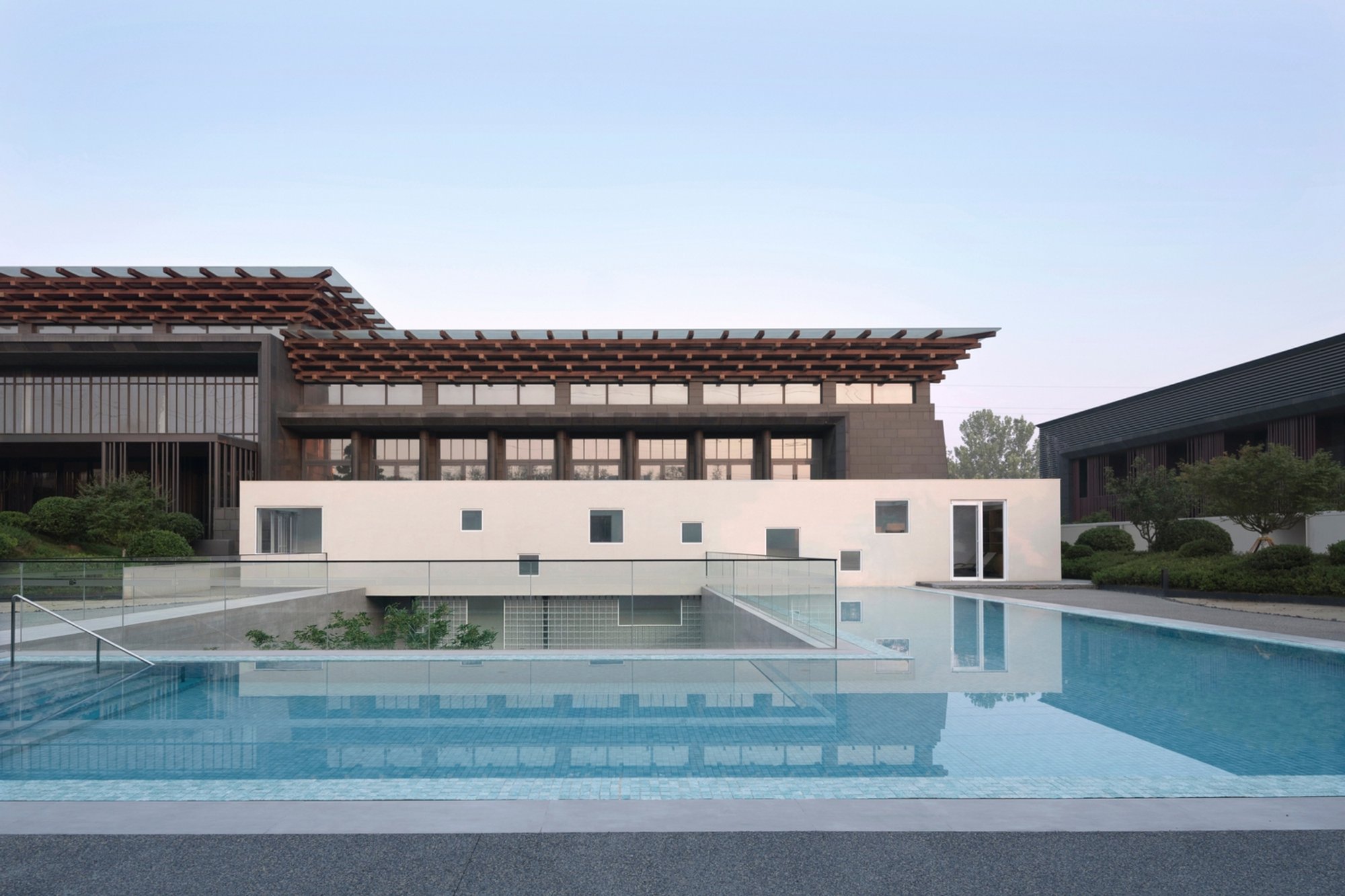
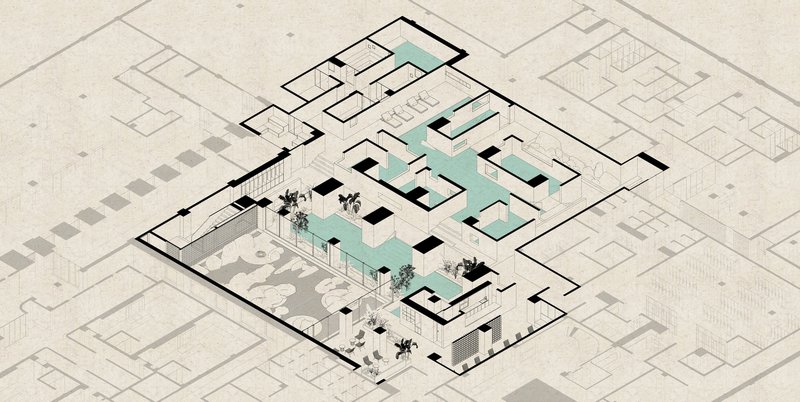
The Joyous Spring Wellness Center by Soong Lab+ transforms an abandoned structure beyond Beijing’s Fifth Ring Road into a world-class destination for holistic health and relaxation. Completed in 2024, the 13,000 m² project demonstrates the potential of wellness architecture to revive underutilized spaces while creating immersive environments centered on water, light, and sensory experience.
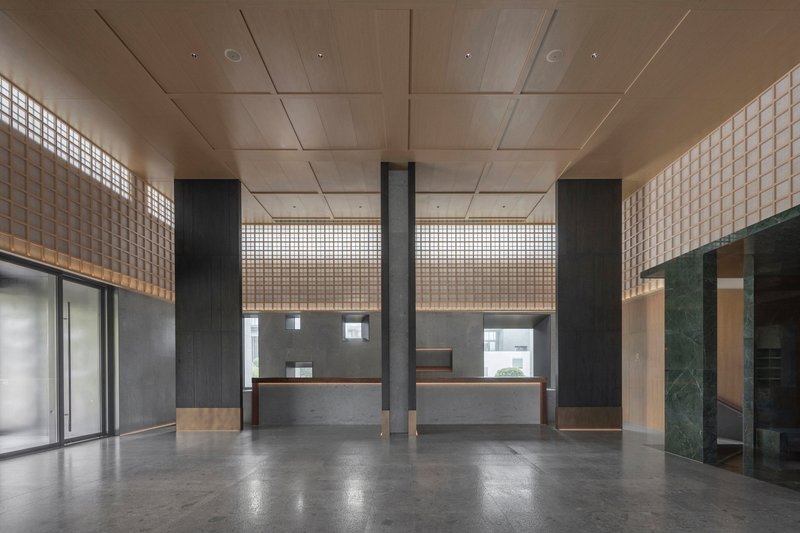
Adaptive Reuse and Conceptual Transformation
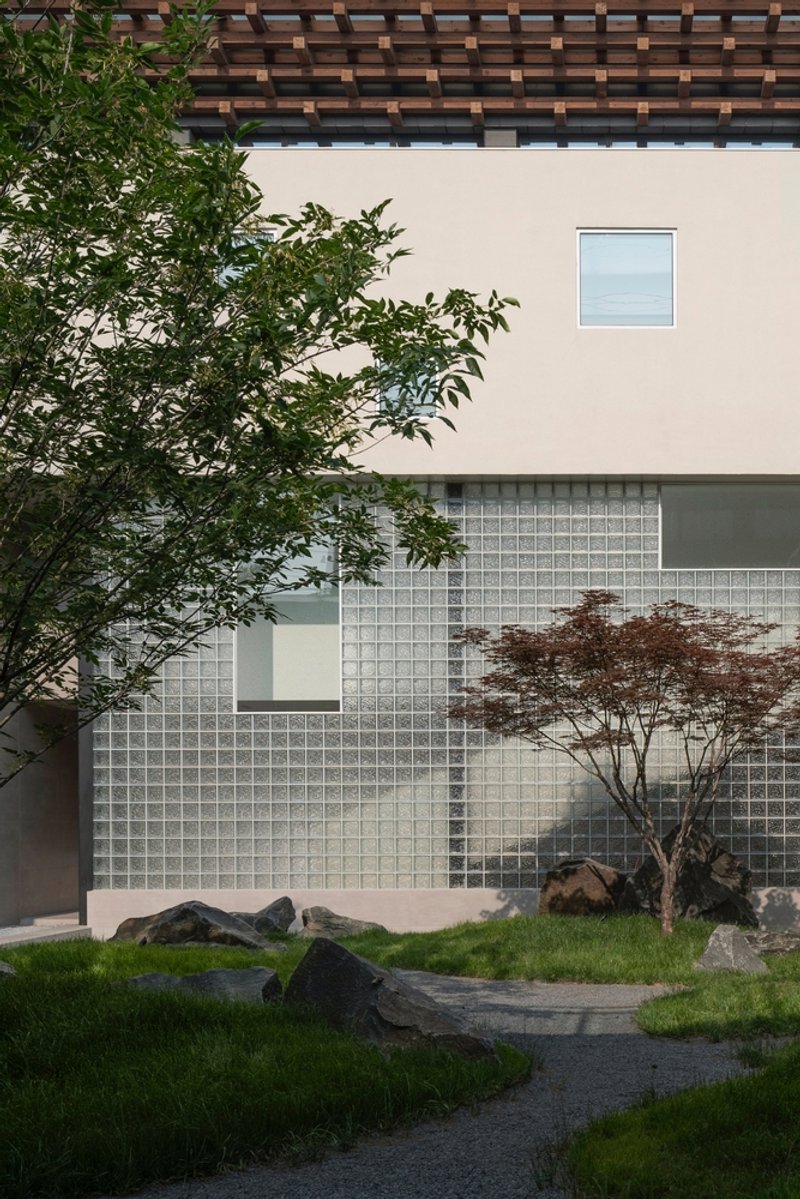
Originally built as a swimming facility, the structure had fallen into disuse before its revitalization. The architects, led by Wang Songtao, approached the project as an exercise in adaptive reuse, reshaping the building through structural modification, spatial subtraction, and reprogramming. By removing the pitched glass roof over the central pool, the design reconnects the building with the sky, transforming a dark underground space into a luminous sunken courtyard filled with natural light.
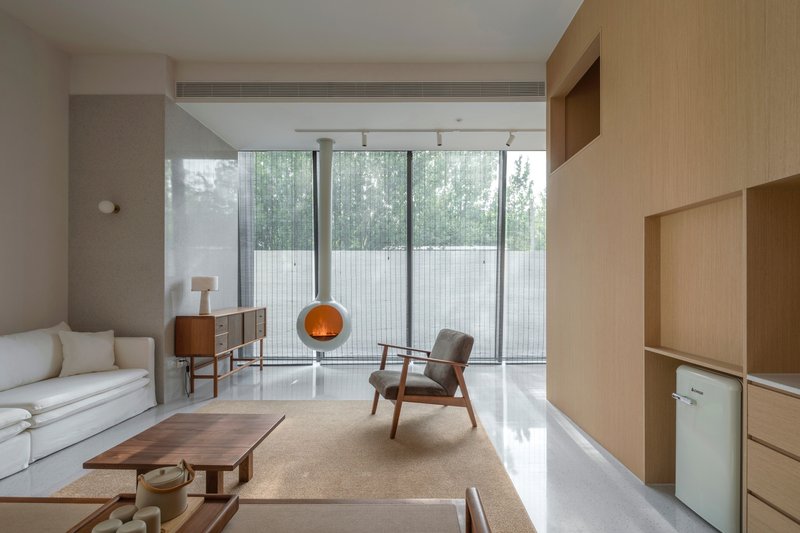
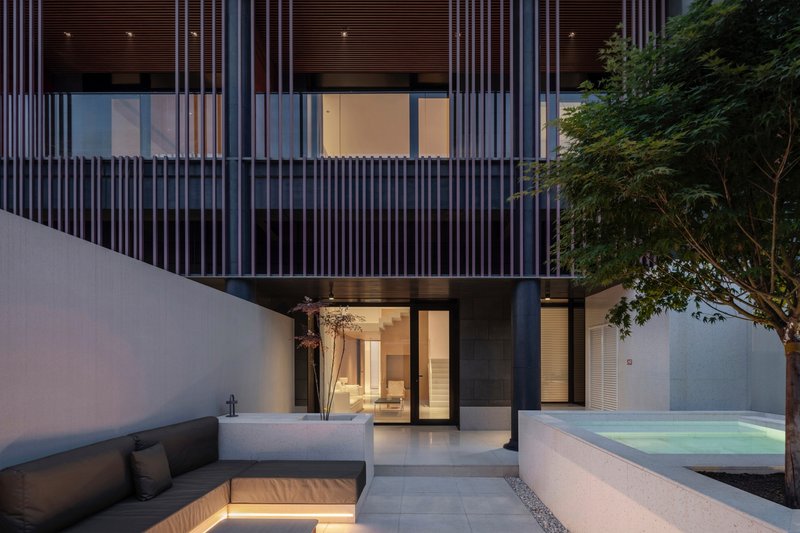
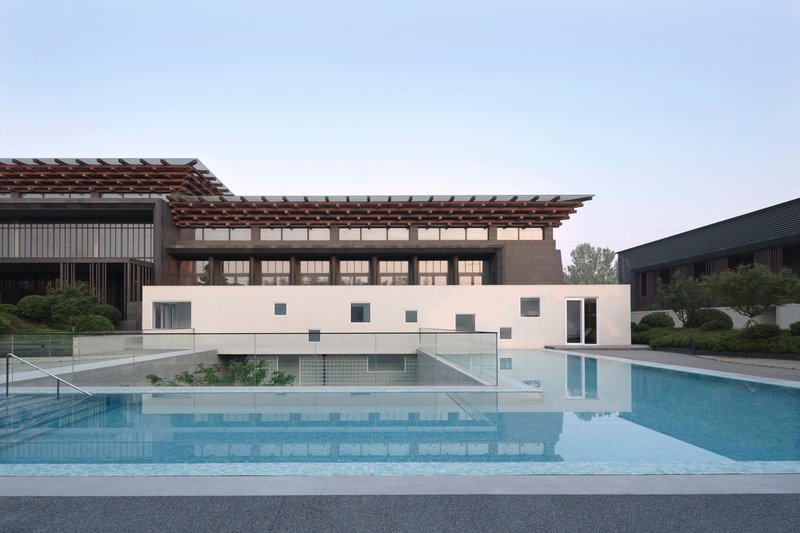
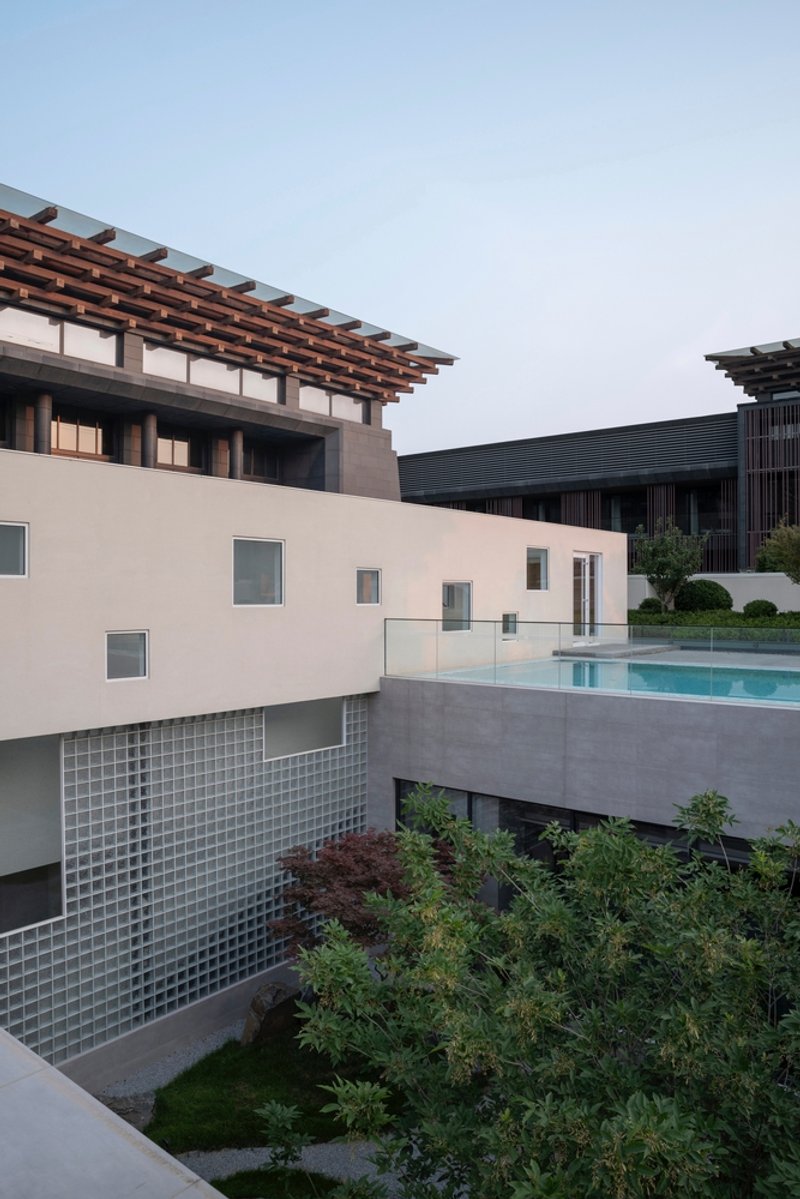
Water as the Core Element
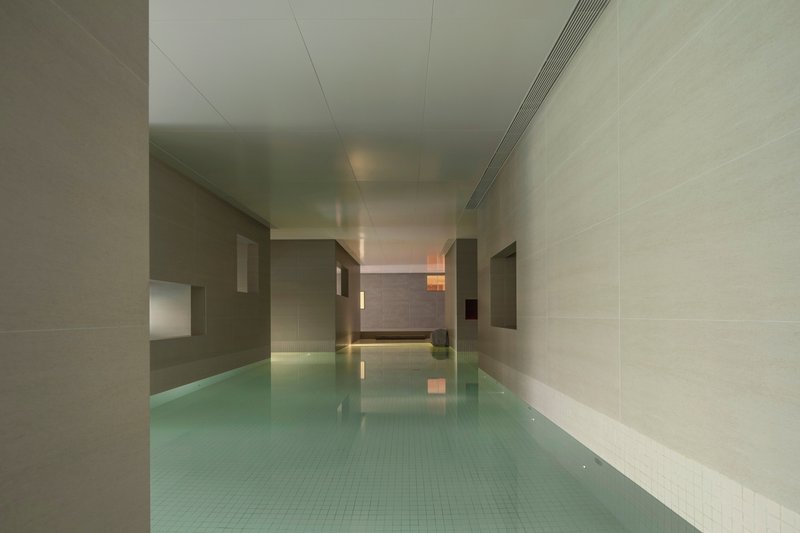
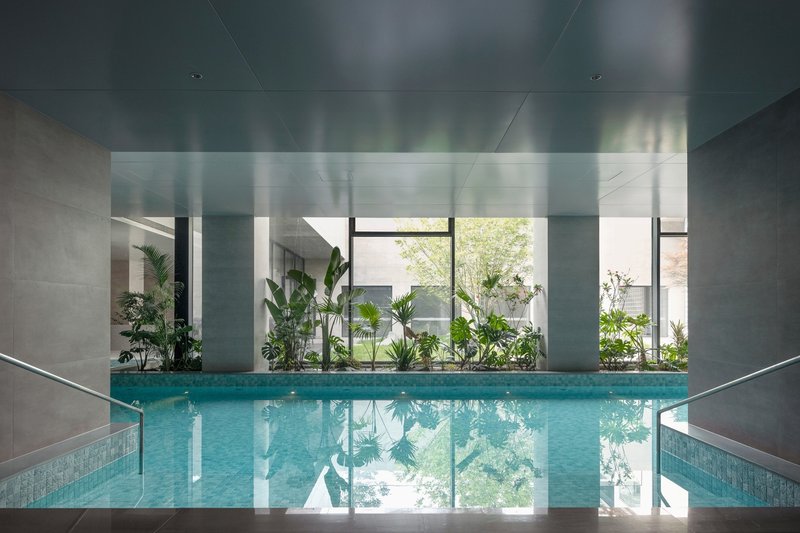
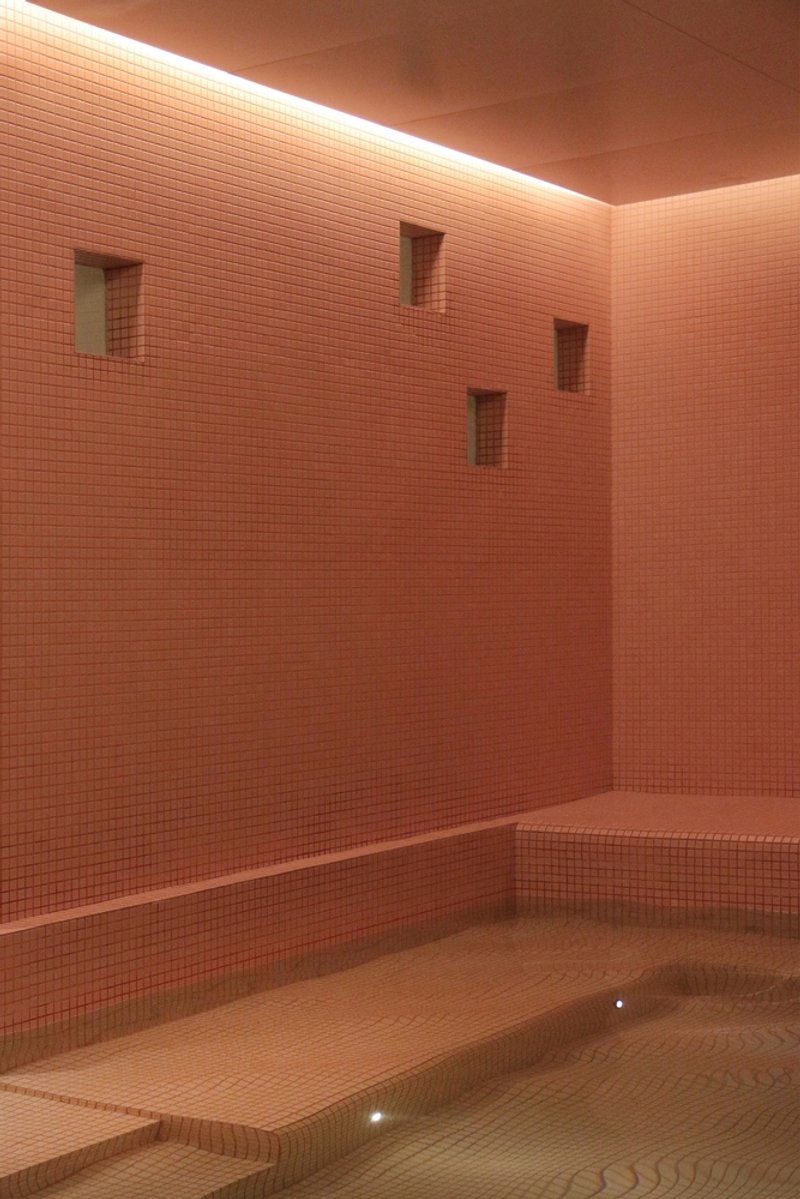
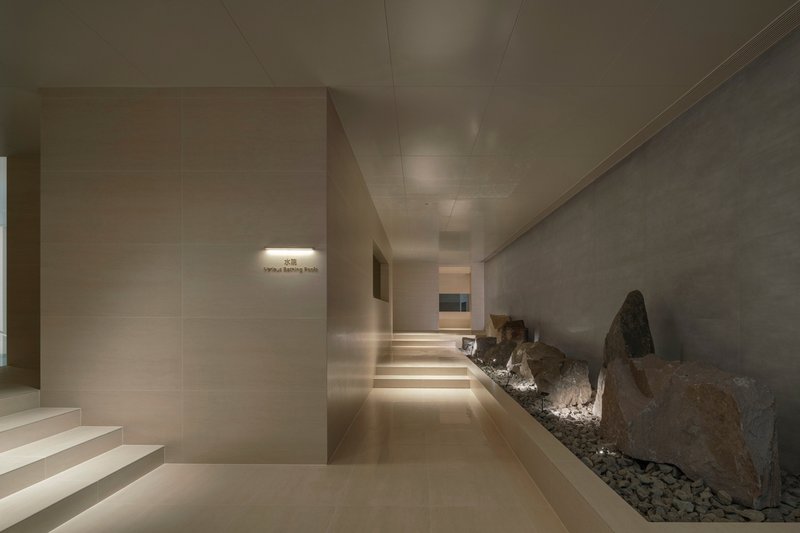
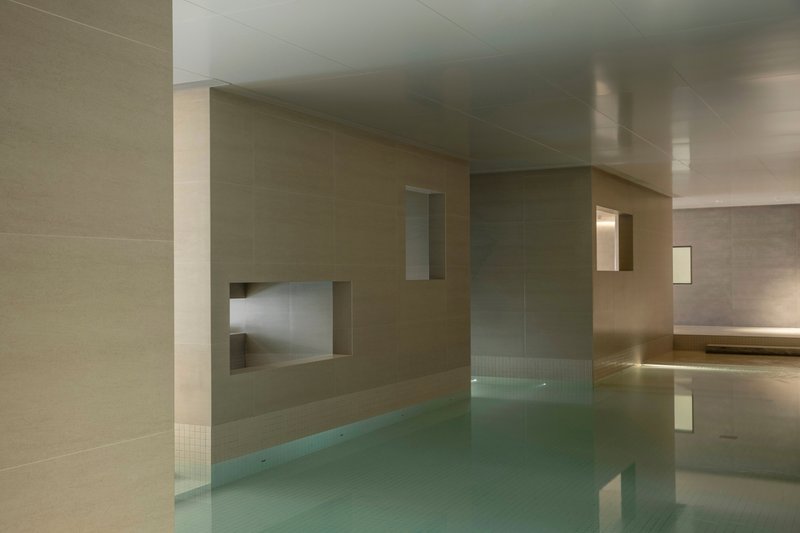
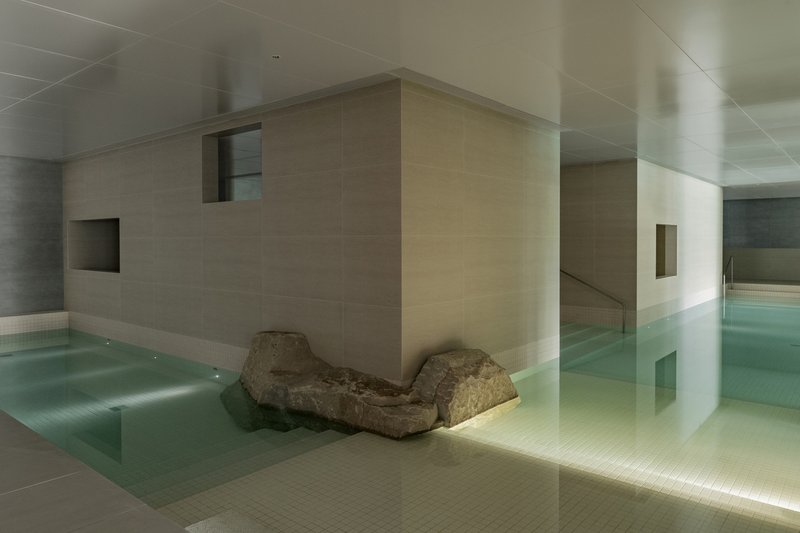
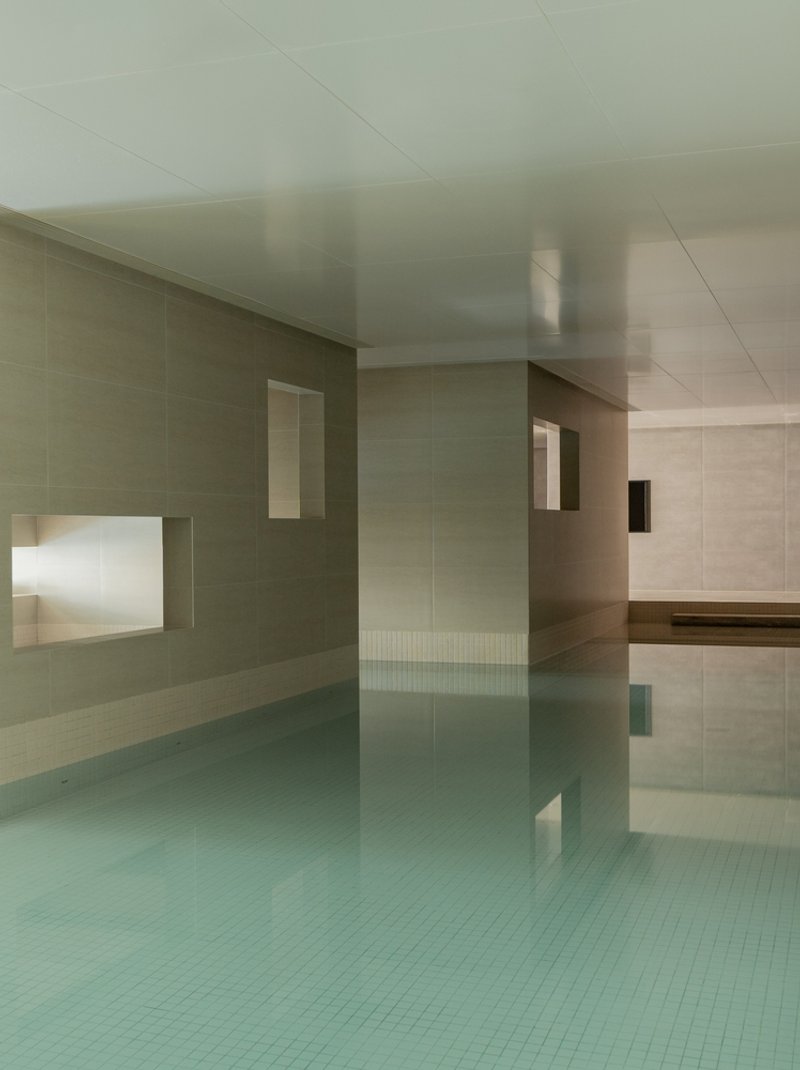
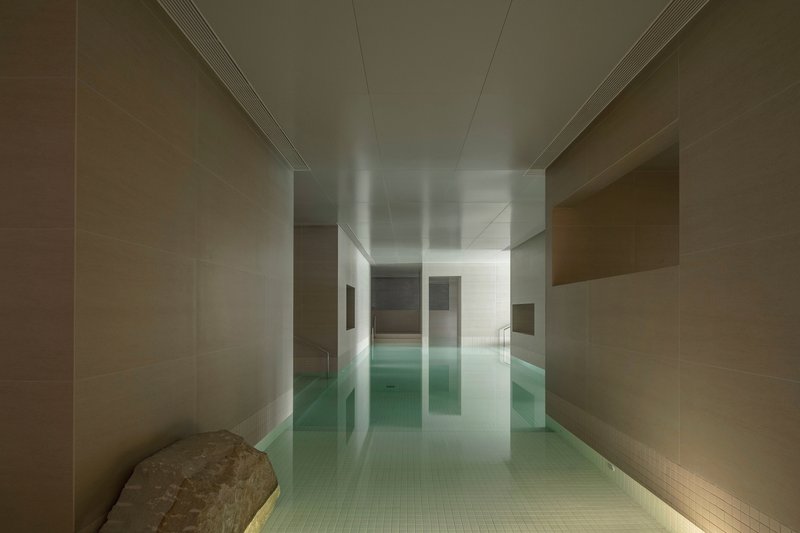
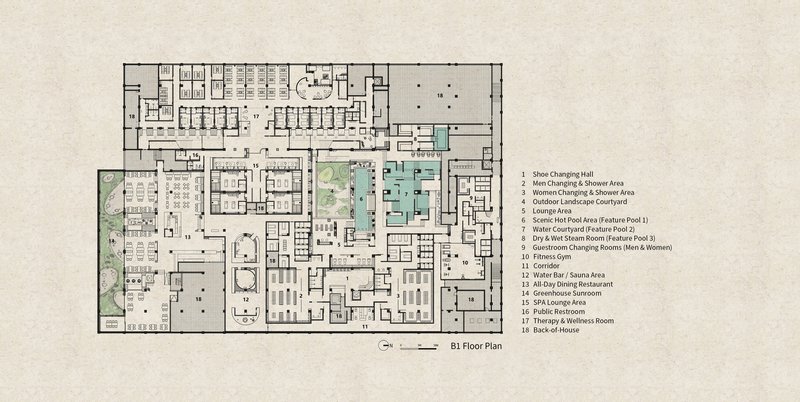
Water anchors the design, guiding the sensory journey through the center. From hot spring bathing to therapy pools, the project choreographs a sequence of experiences where water is encountered in multiple forms. Near the central courtyard, sunlight and water merge to create uplifting landscapes; further inside, water becomes still and contemplative, culminating in secluded steam rooms and intimate soaking areas. This layered approach defines the essence of wellness architecture, where atmosphere, light, and materiality combine to heal and restore.
Spatial Experience and Flow
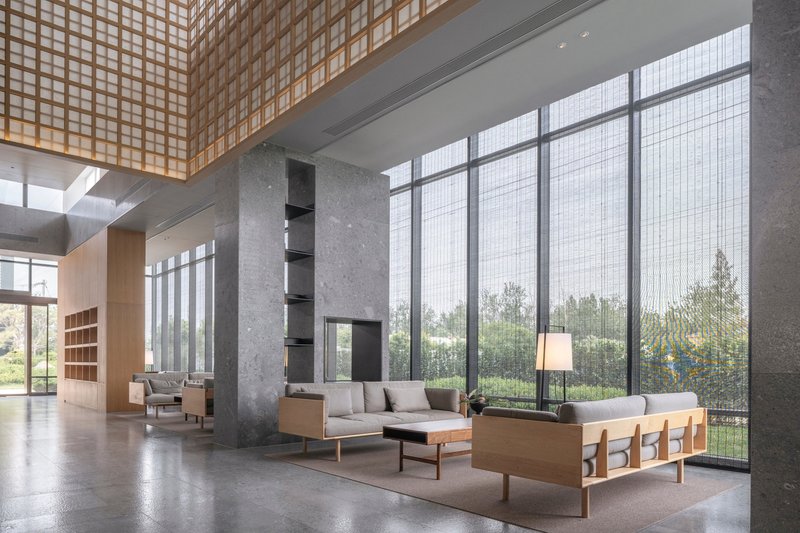
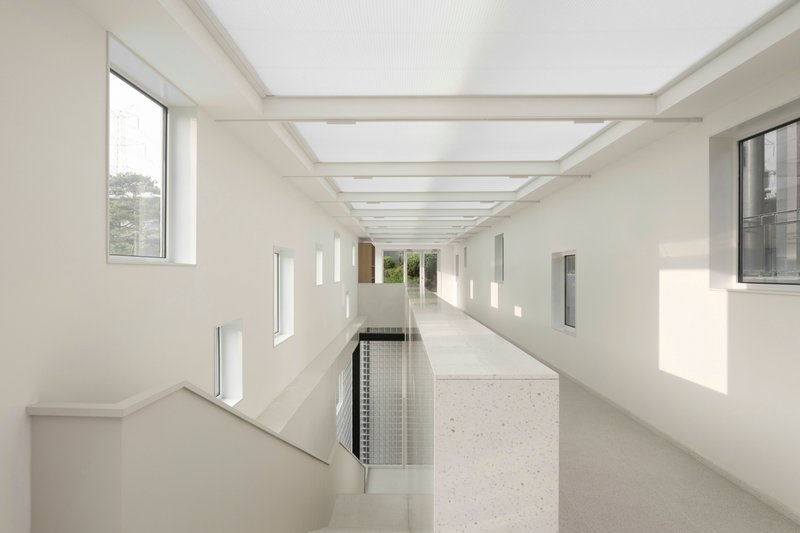
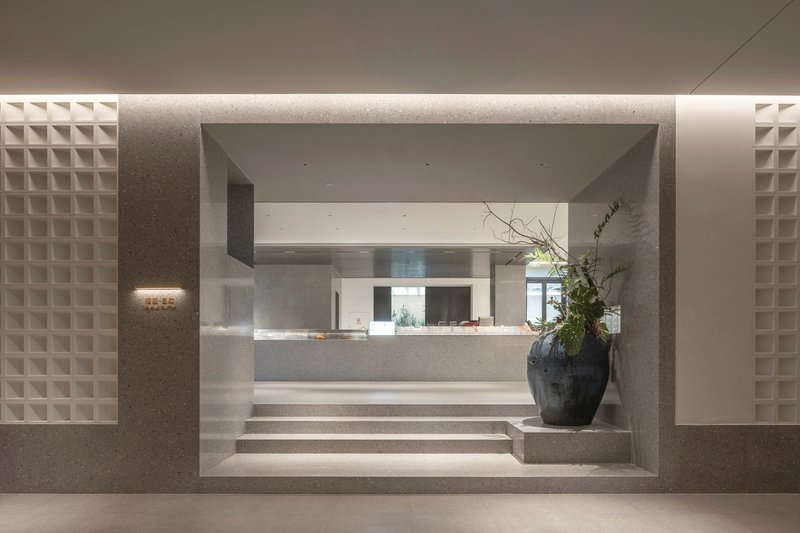
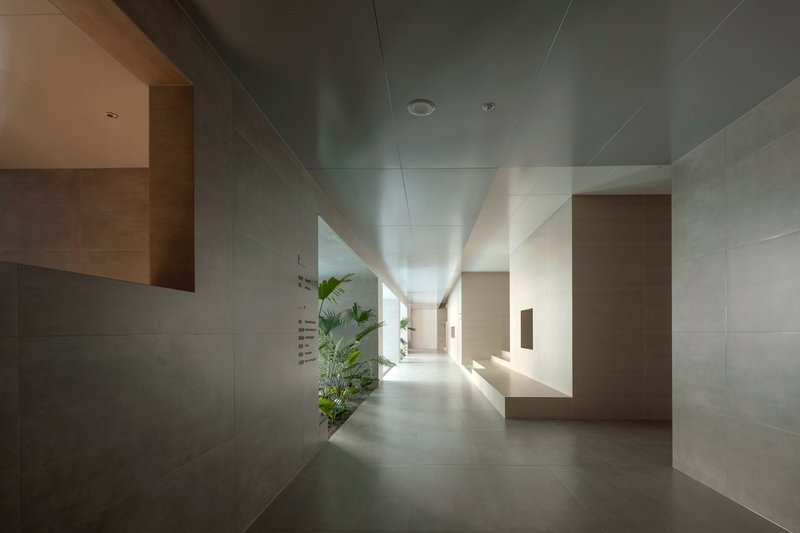
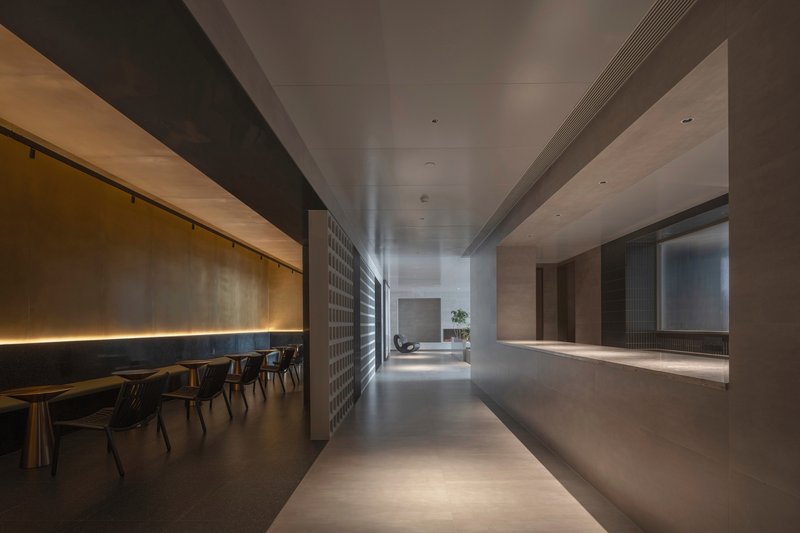
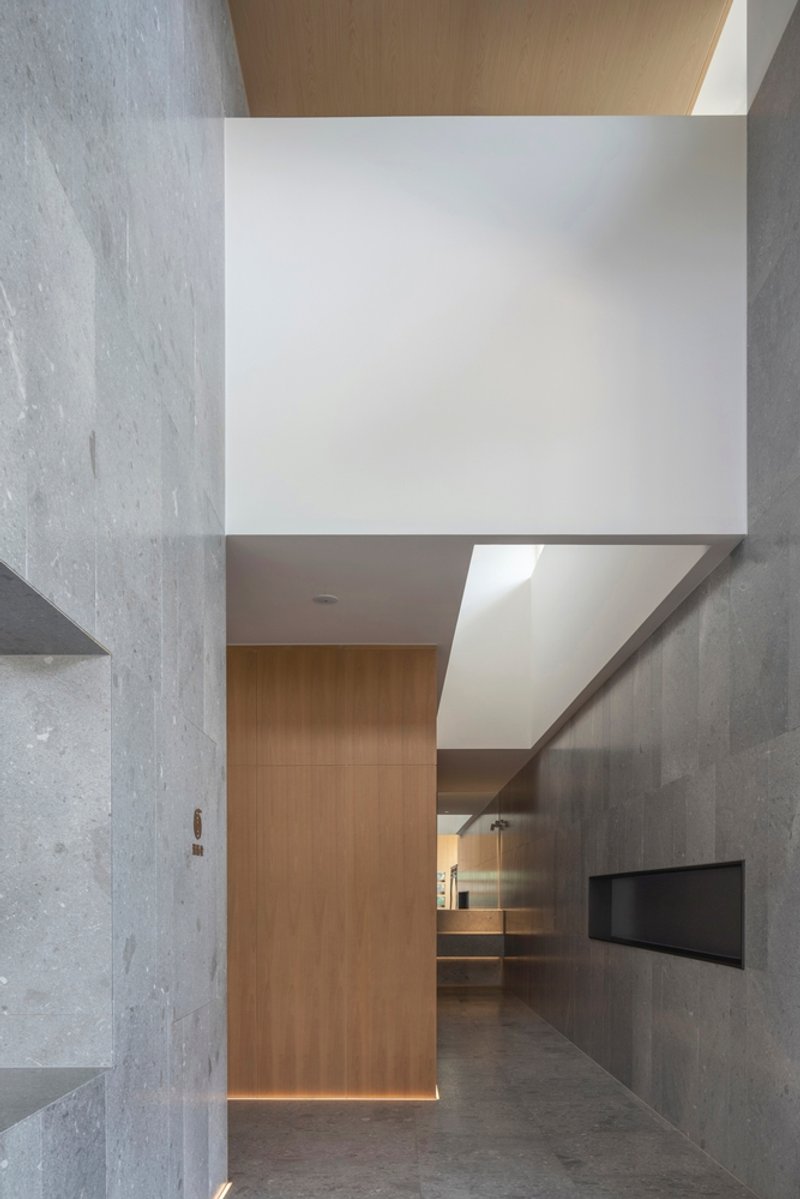
The reconfigured building unfolds as a sequence of thresholds between interior and exterior. Garden windows frame light-filled views, circulation corridors blur the boundary between open air and enclosure, and courtyards extend spatial depth. Visitors experience a gradual transition from openness to intimacy—public pools leading to semi-private baths, and finally, enclosed steam chambers. Each zone creates distinct atmospheres, designed to align with the body’s shifting rhythms of relaxation and renewal.
Light as a Design Material
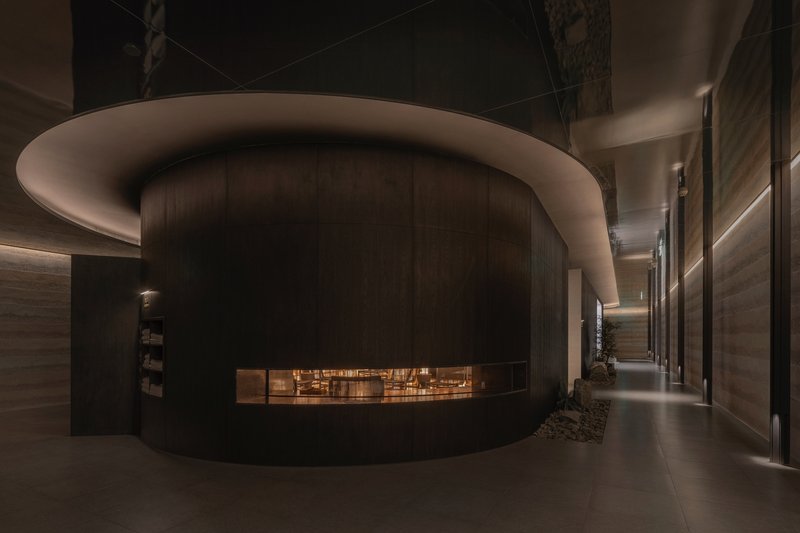
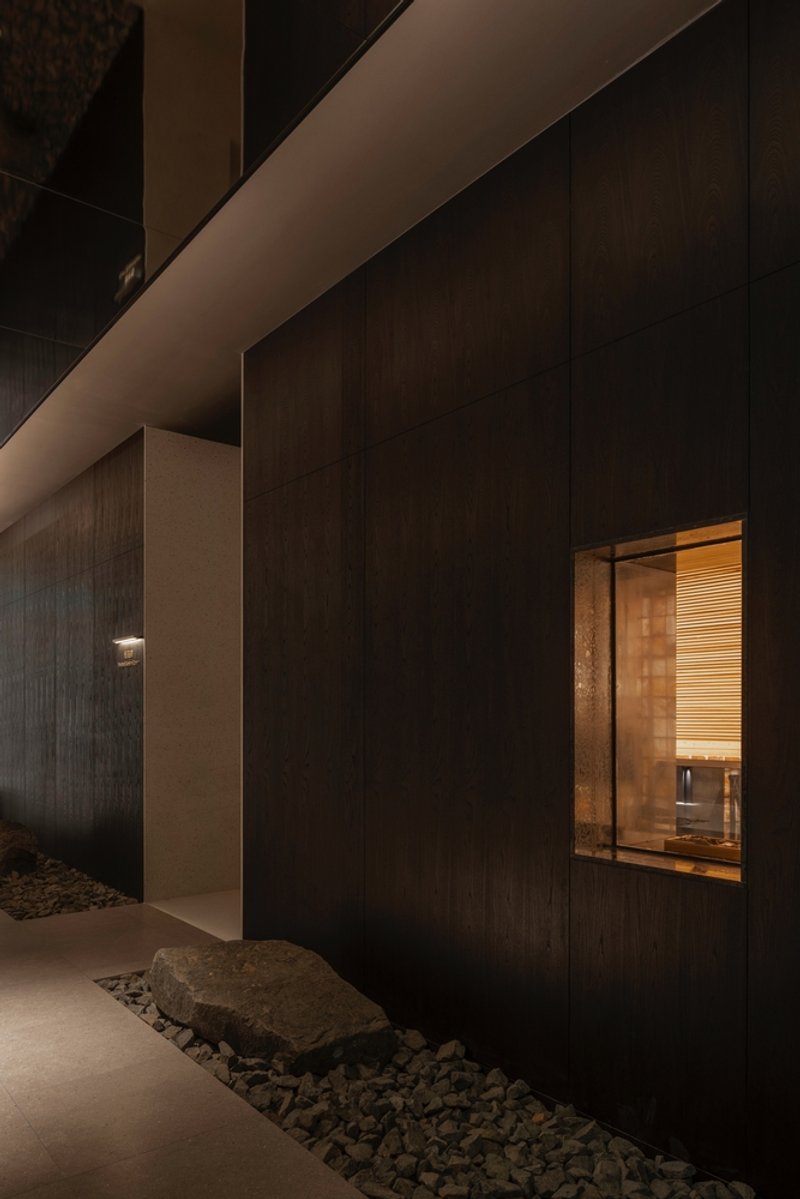
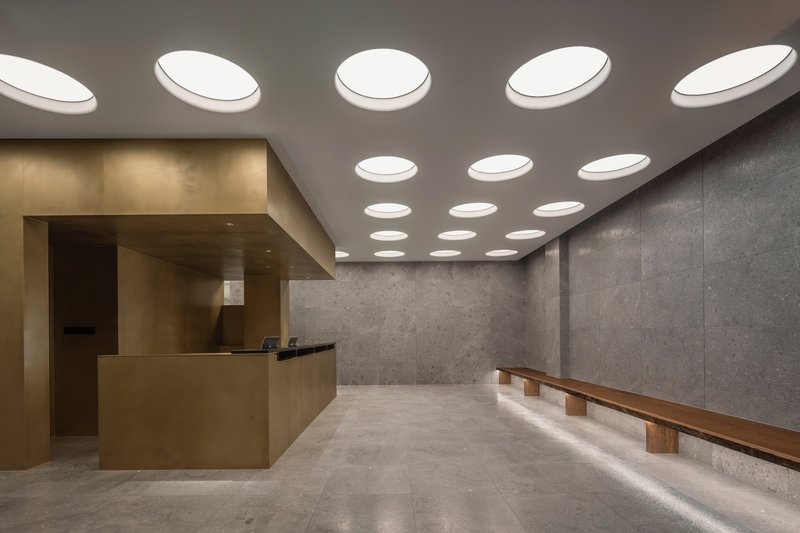
The project masterfully employs natural light to activate space. The central sunken courtyard acts as a light well, drawing daylight into the subterranean interior. As one moves deeper into the complex, light softens, shifting from vibrant brightness to gentle twilight, before fading into shadowed, secluded bathing chambers. This controlled interplay of light and darkness emphasizes the transformative capacity of wellness architecture, turning the passage of light into a meditative journey.
Reimagining Wellness Architecture in Beijing
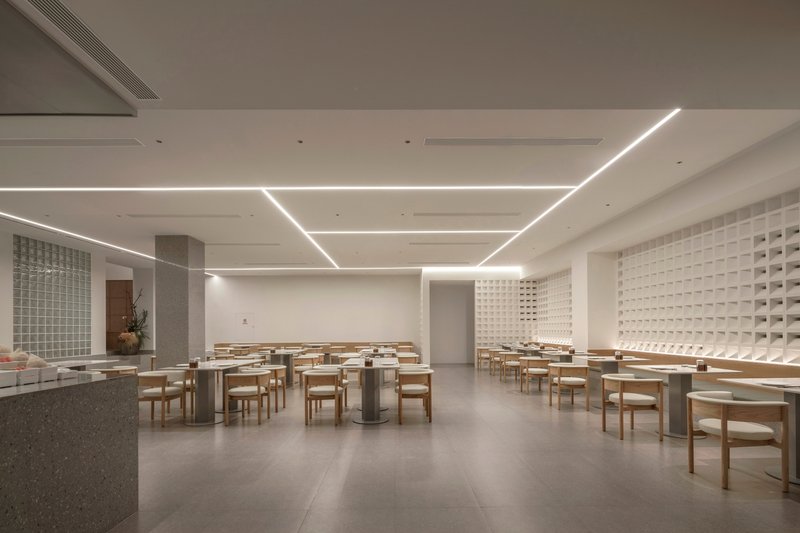
The Joyous Spring Wellness Center stands as a model for future urban retreats, where architecture itself becomes a medium of healing. By transforming an idle structure into a destination for hot spring therapy, spa services, dining, and short-stay accommodations, the project positions wellness as a cultural and architectural priority within Beijing’s urban framework. It demonstrates how adaptive reuse and wellness architecture can work together to restore both buildings and human experience.
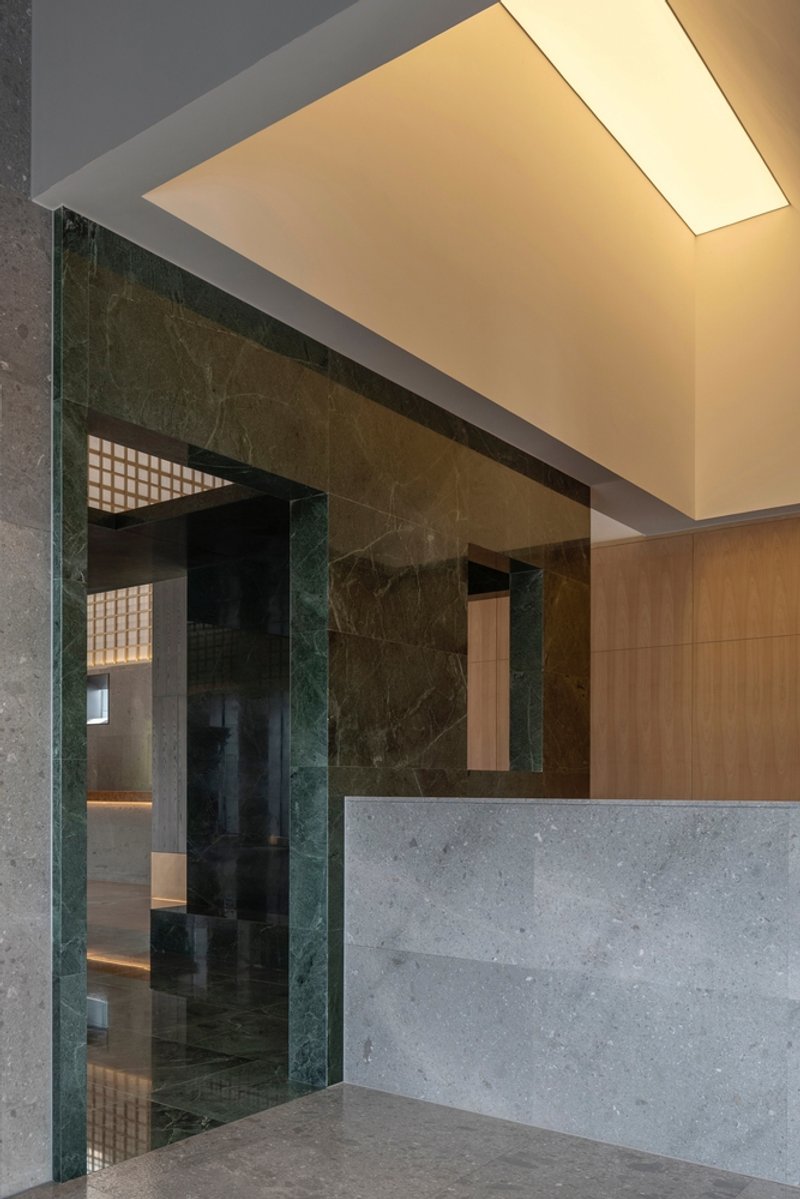
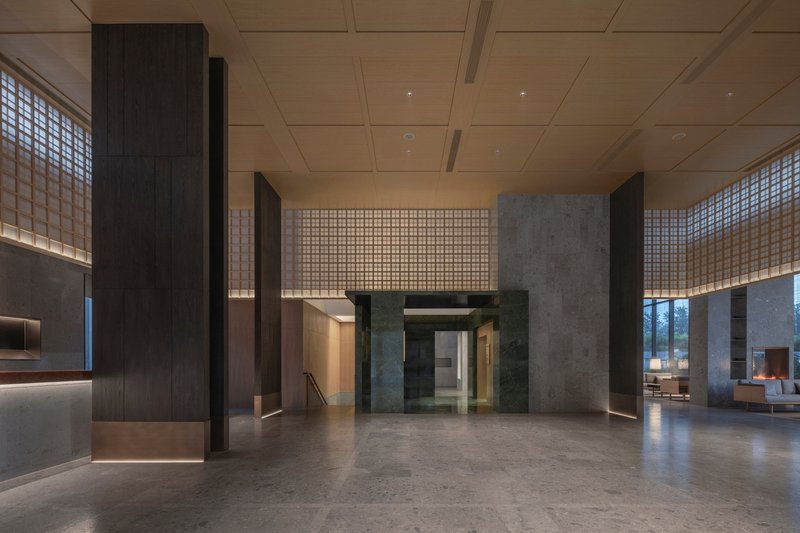
Through the integration of water, light, and adaptive reuse, the Joyous Spring Wellness Center by Soong Lab+ exemplifies the power of wellness architecture. More than a spa, it is an architectural retreat that blurs the boundaries of interior and exterior, transforming disuse into vitality and creating spaces where body, mind, and environment are renewed in harmony.
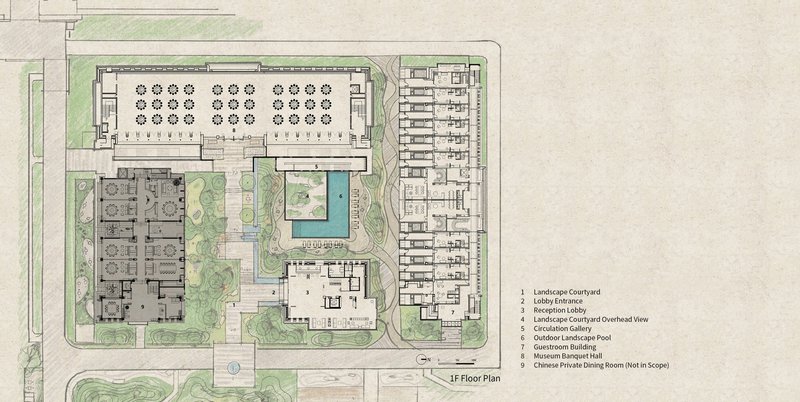
All Photographs are works of Weiqi Jin




Popular Articles
Popular articles from the community

Inverted Architecture Installation by Studio Link-Arc: Exploring the Intersection of Architecture and Living Organisms
Inverted Architecture Installation by Studio Link-Arc blends mycelium, sustainability, inverted design, ecological cycles, and urban adaptive architecture in Shenzhen.

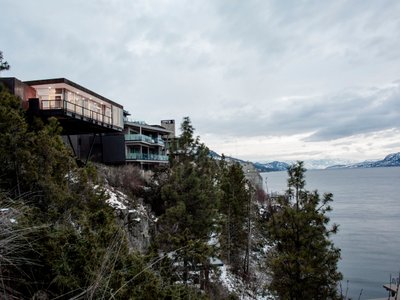
Alton Cliff House: A Harmonious Retreat by f2a Architecture in Lake Country, Canada
Alton Cliff House blends corten steel, prefabrication, and sustainable design, creating a luxurious, energy-efficient retreat perched on Canadian cliffs.

Solar Steam: A Climate-Responsive Architecture That Redefines the Monument
A climate-responsive memorial architecture that transforms heat, decay, and time into a living system reflecting humanity’s ecological impact.


Similar Reads
You might also enjoy these articles

Free Architecture Competitions You Can Enter Right Now
No entry fees, real prizes. Here are the best free architecture competitions open for submissions in 2026.

Top 15 Architecture Competitions to Enter in 2026
From student-friendly idea competitions to prestigious international awards, here are the best architecture competitions open for entries in 2026. Updated regularly.

DIY & Engineering in Computational Design : Enter the BeeGraphy Design Awards
Showcase Your Creativity with Computational Design and Open Source Projects
Innovative Design Solutions: Award-Winning Projects from Recent Architecture Competitions
Exploring award-winning architectural projects shaping the future of design, sustainability, and community.


Explore Architecture Competitions
Discover active competitions in this discipline




The International Standard for Design Portfolios


The Global Benchmark for Architecture Dissertation Awards


The Global Benchmark for Graduation Excellence


Challenge to reimagine the Iron Throne
Comments (0)
Please login or sign up to add comments
No comments yet. Be the first to comment!