
Lost Villa · Huanglong Island Lighthouse Hotel by WJ STUDIO: A Landmark of Island Hotel Architecture in Zhoushan
Lost Villa Lighthouse Hotel by WJ STUDIO redefines island hotel architecture, merging natural landscapes, cultural heritage, and rural revitalization in Zhoushan.

Redefining Tourism Through Island Hotel Architecture
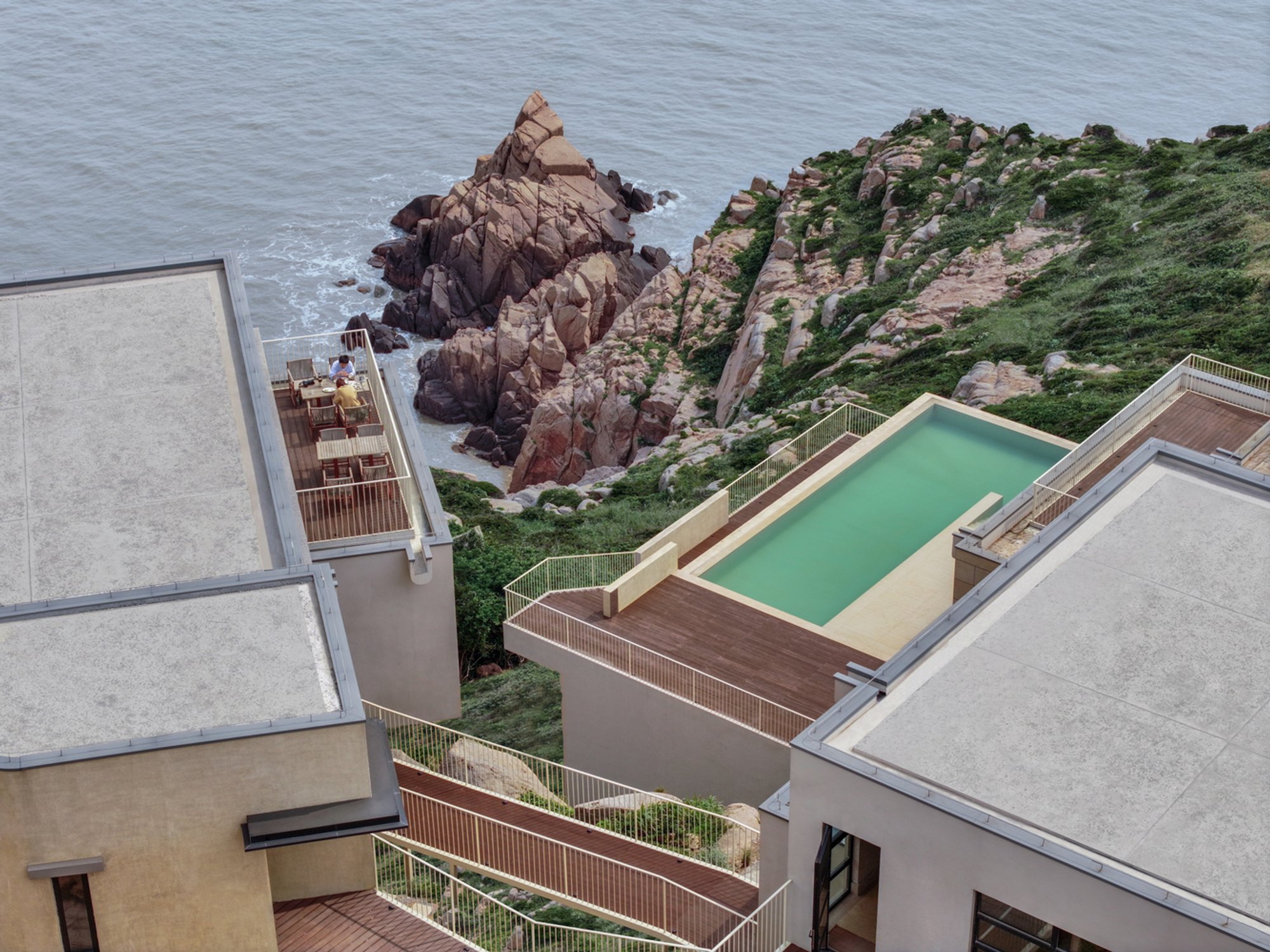
Located in the Zhoushan Archipelago of China, the Lost Villa · Huanglong Island Lighthouse Hotel by WJ STUDIO redefines the relationship between hospitality, nature, and culture. Completed in 2025, the 5,000 m² project was led by architect Hu Zhile with interiors designed by SZ-ARCHITECTS.
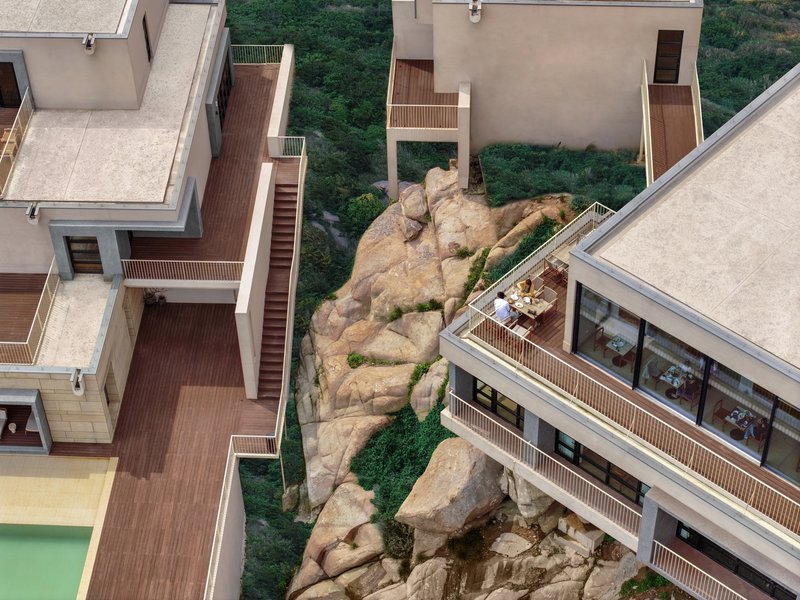
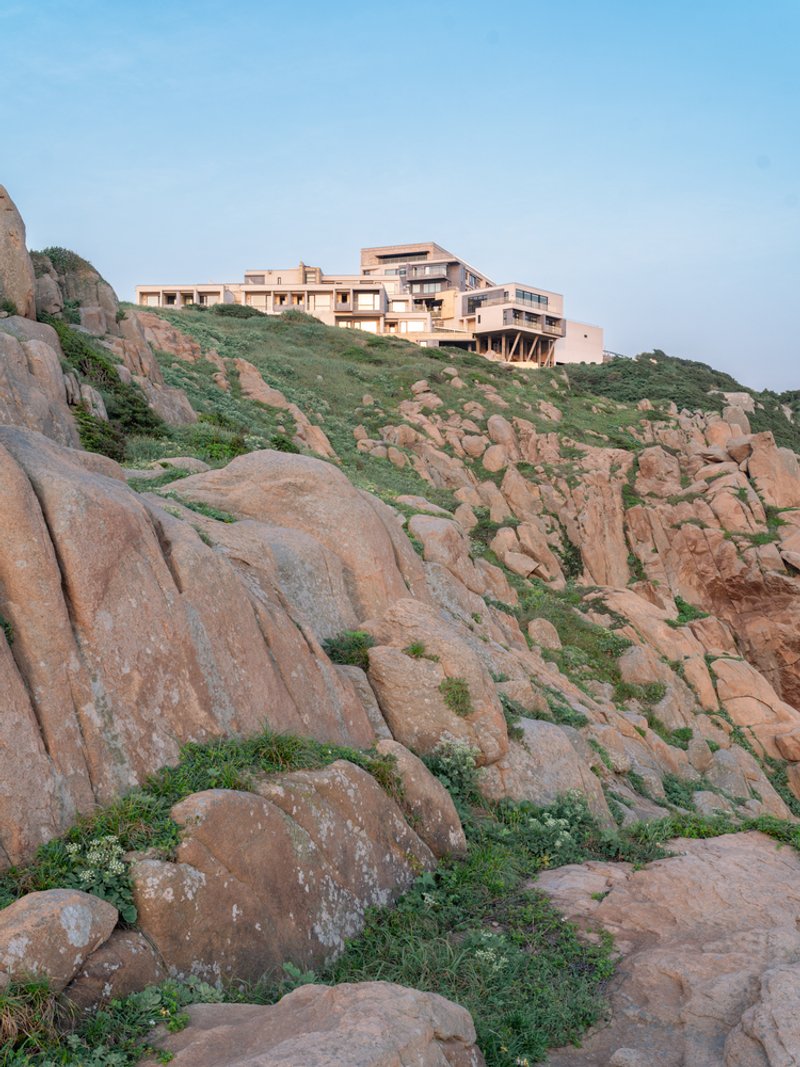
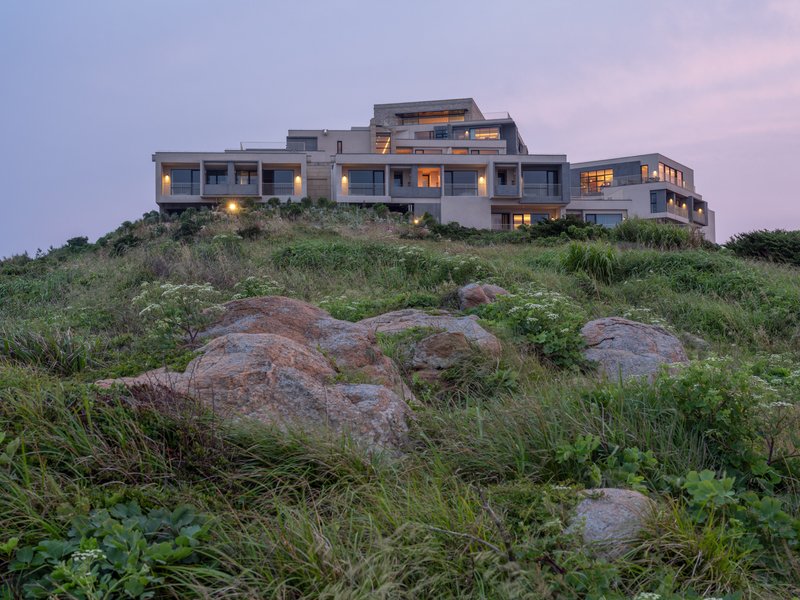
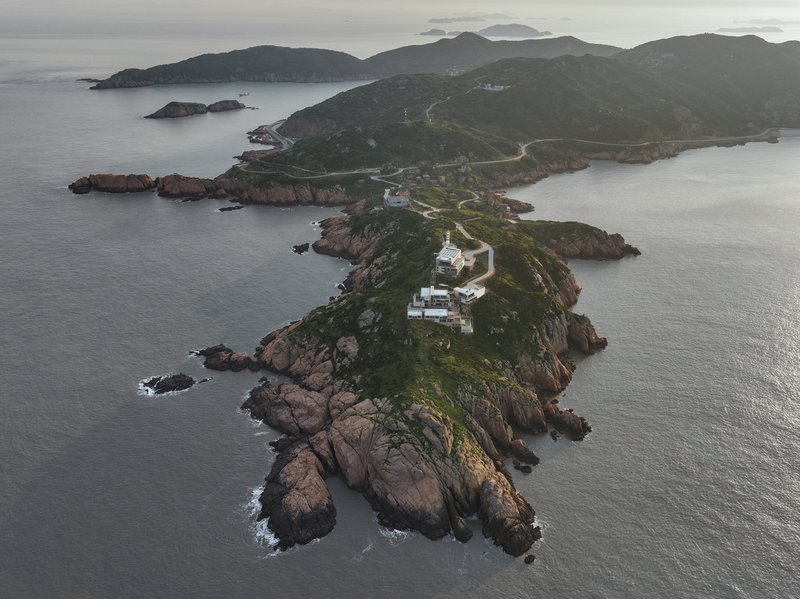
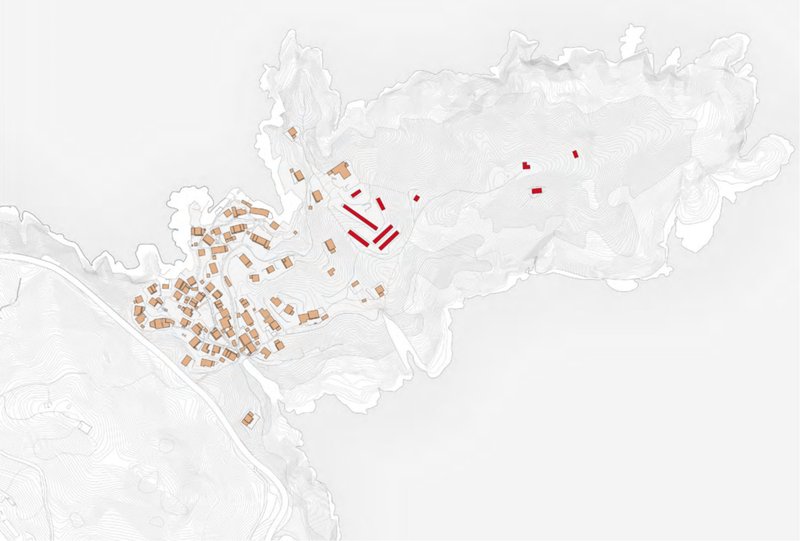
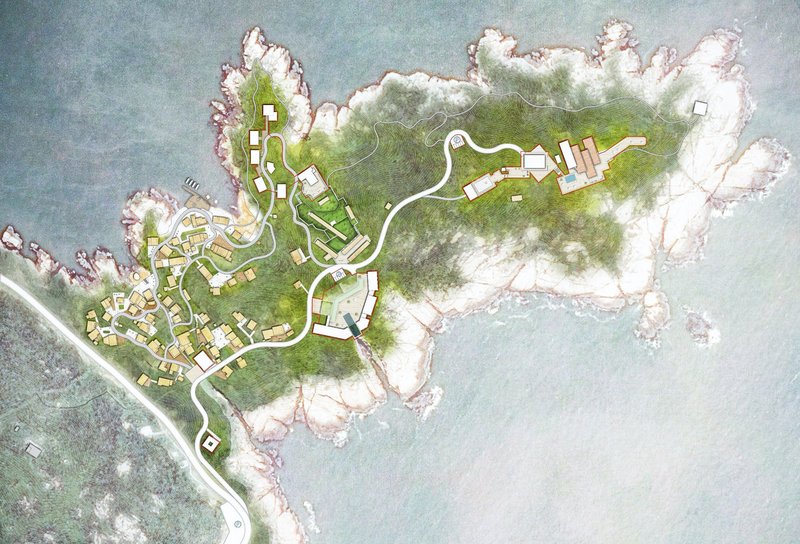
The hotel responds to the geographical seclusion of Huanglong Island, which remains difficult to access despite its proximity to major cities like Shanghai, Hangzhou, and Ningbo. This remoteness, instead of being a drawback, became the defining inspiration for the project, setting the foundation for a design approach rooted in island hotel architecture.
Time as the Core Concept
The design unfolds around the three dimensions of time, weaving natural, historical, and human layers into the architectural narrative.
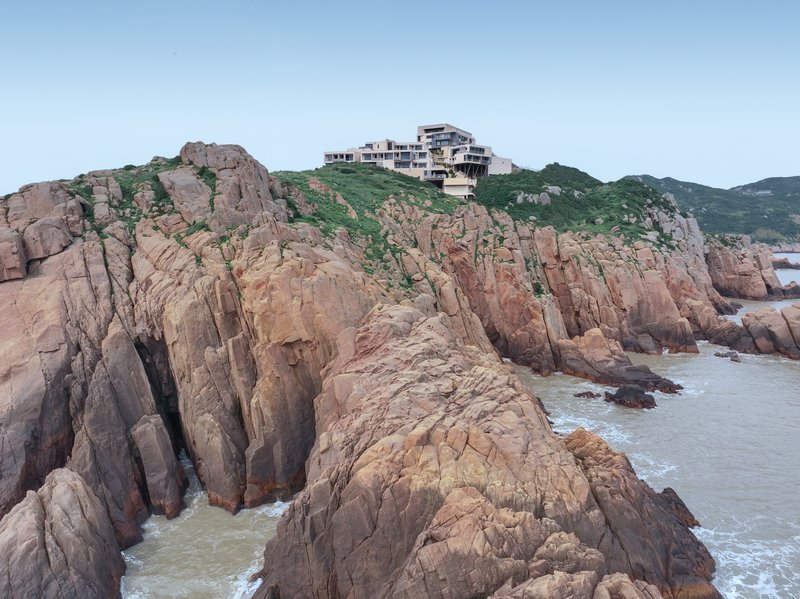
- Natural Time is expressed through the preservation of reefs, rocky terrain, and topographical elevations that anchor the hotel.
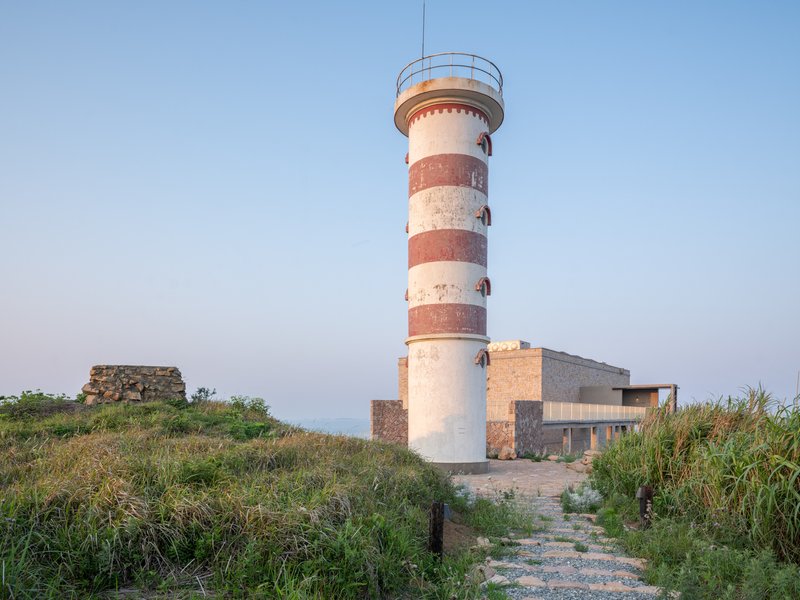
- Historical Time acknowledges the fishing villages and traditional life of Huanglong Island, embedding their spatial patterns into the new design.
- Human Time allows visitors to engage in deeply personal experiences where pauses, framed views, and sensory immersion shape perception.
This temporal framework ensures that the hotel is not just a place to stay, but an embodiment of the island’s evolving identity.
Architecture Shaped by Landscape and Culture
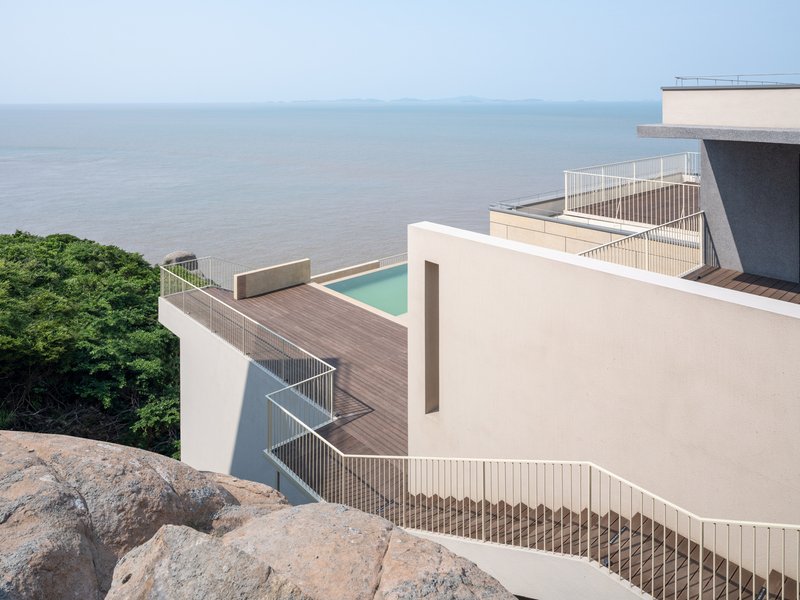
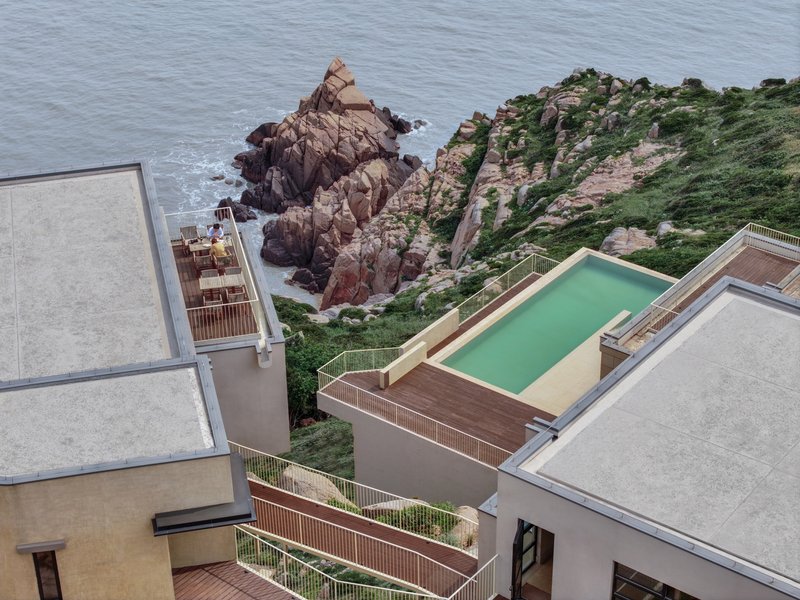
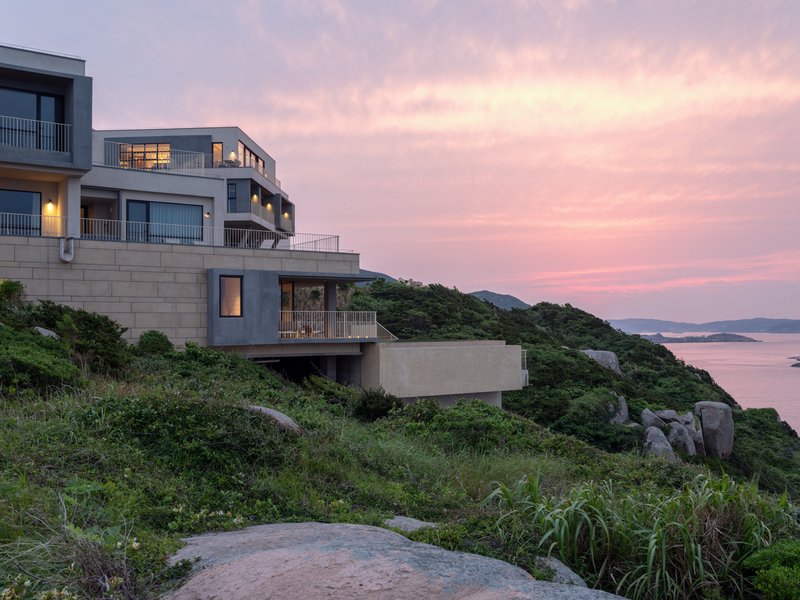
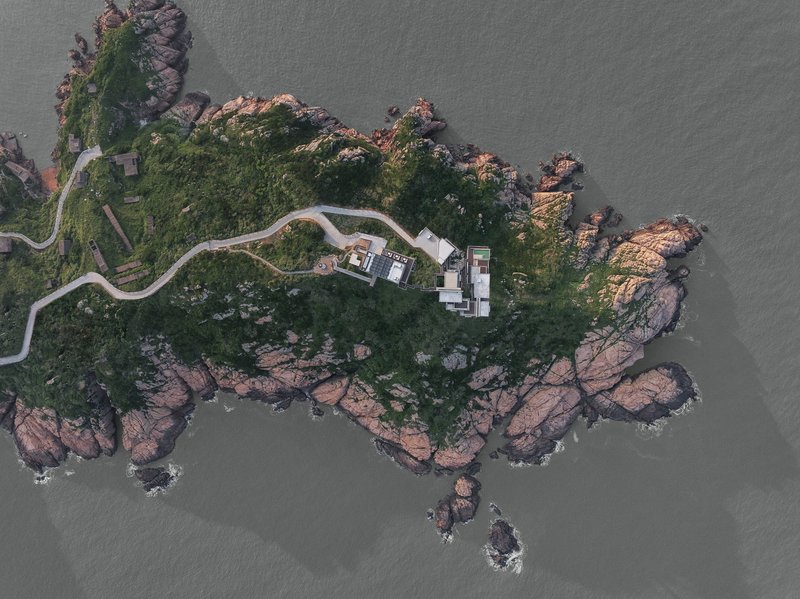
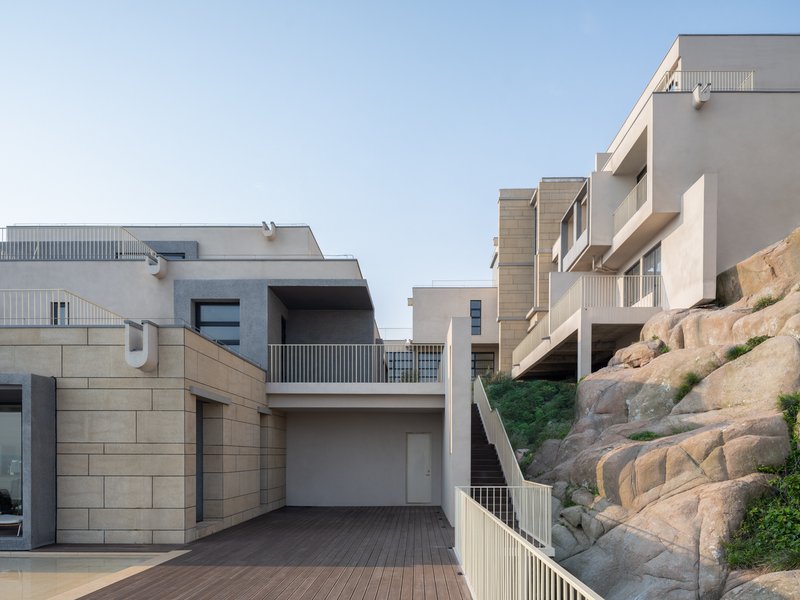
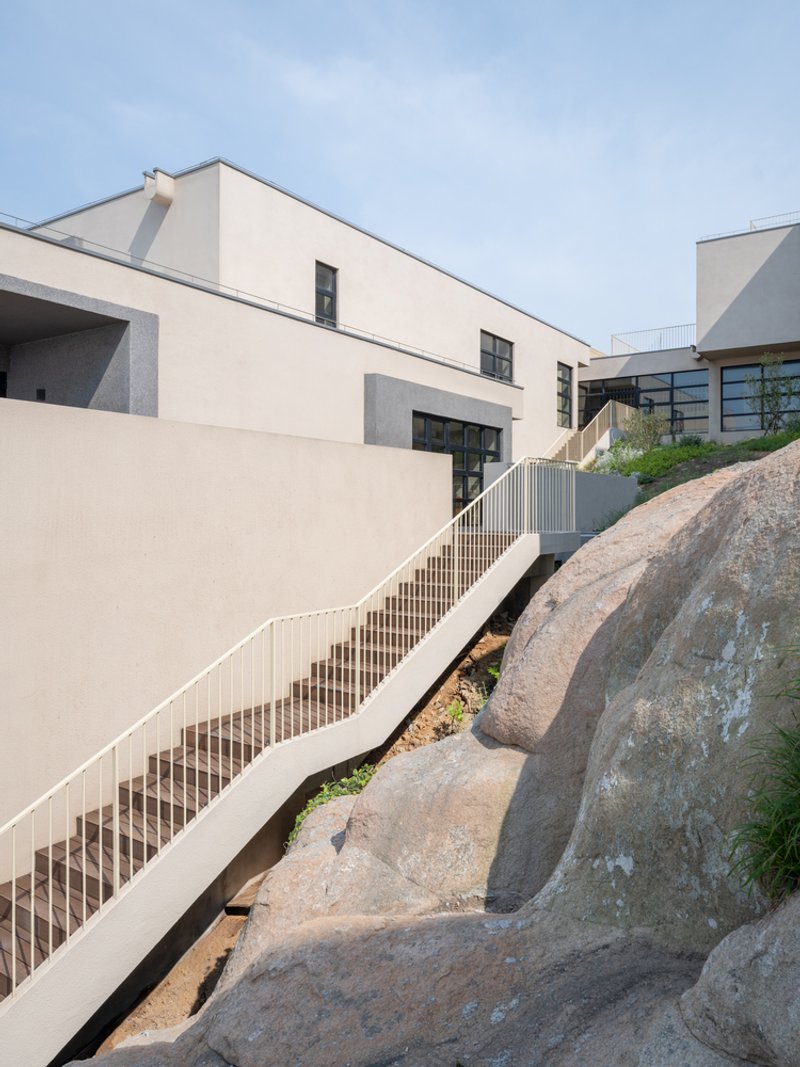
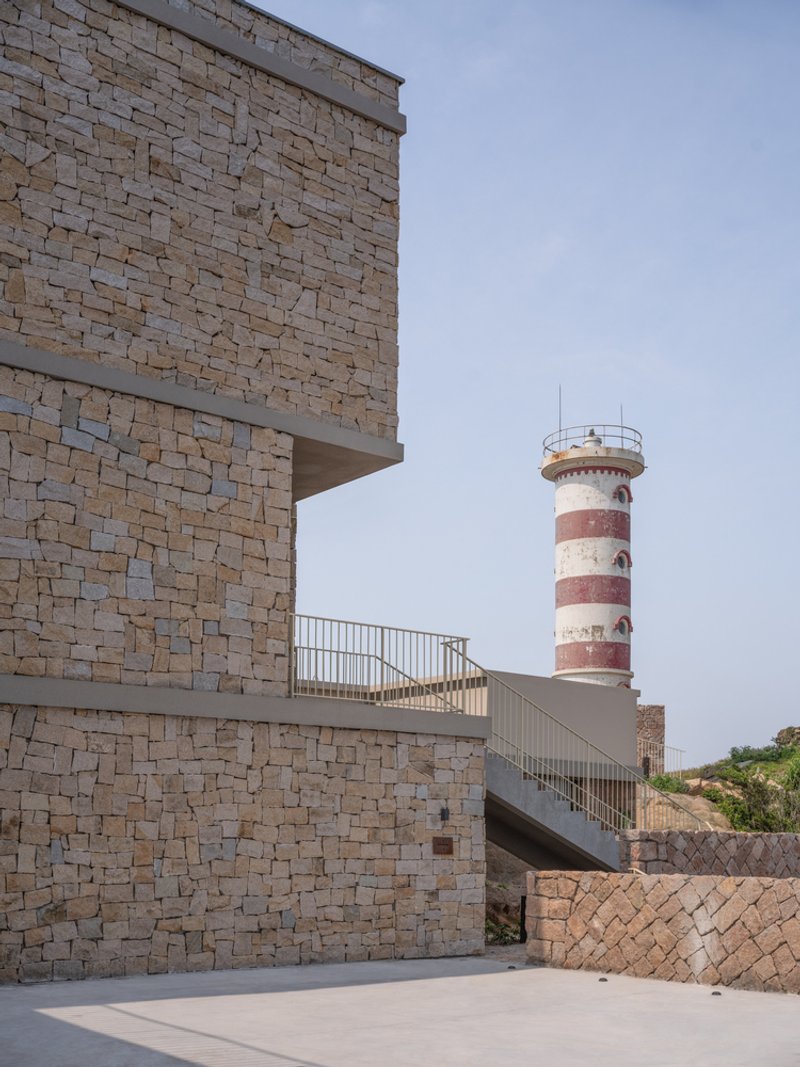
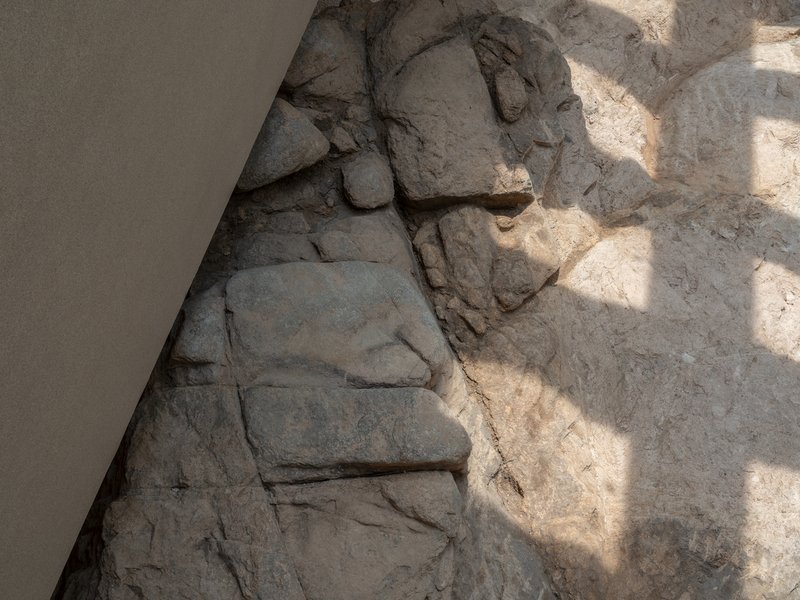
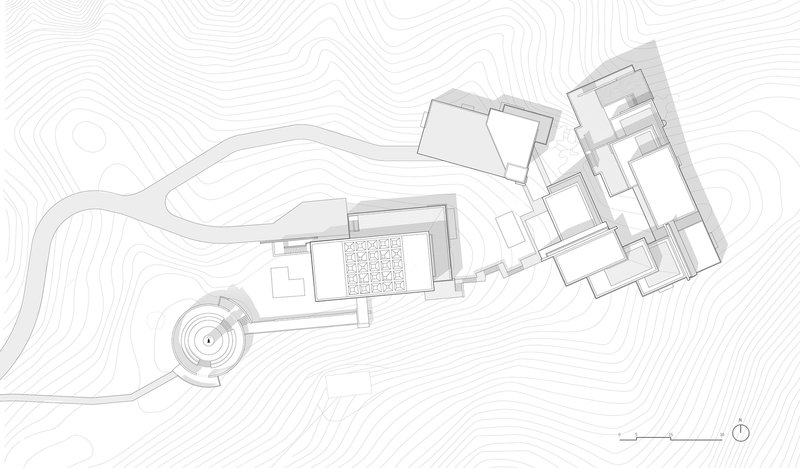
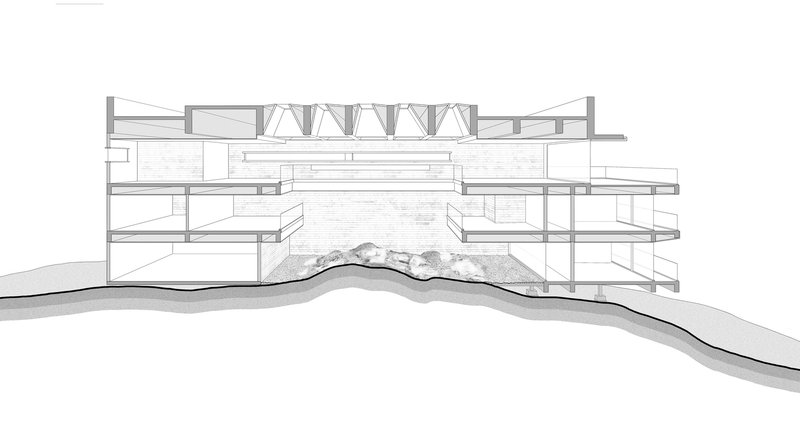
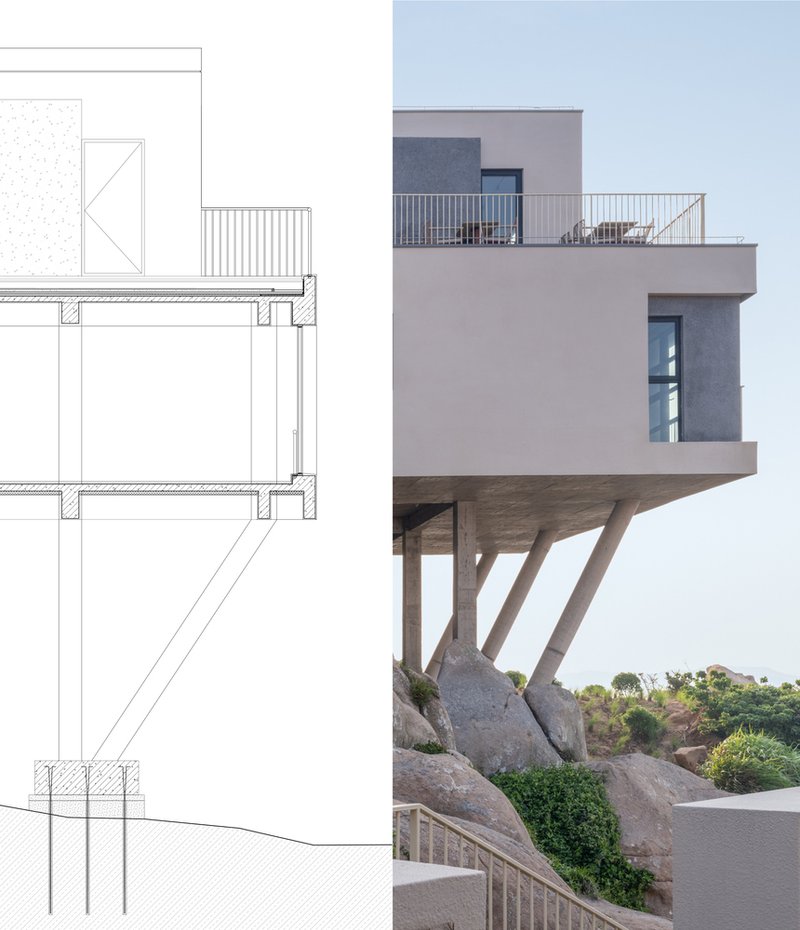
The form of the Lighthouse Hotel integrates directly with the steep mountain terrain and village scale. Built around protected reefs, the volumes are suspended on isolated foundations, reducing structural weight while creating a dynamic contrast between the smooth under-surfaces of the buildings and the rugged textures of the rocks.
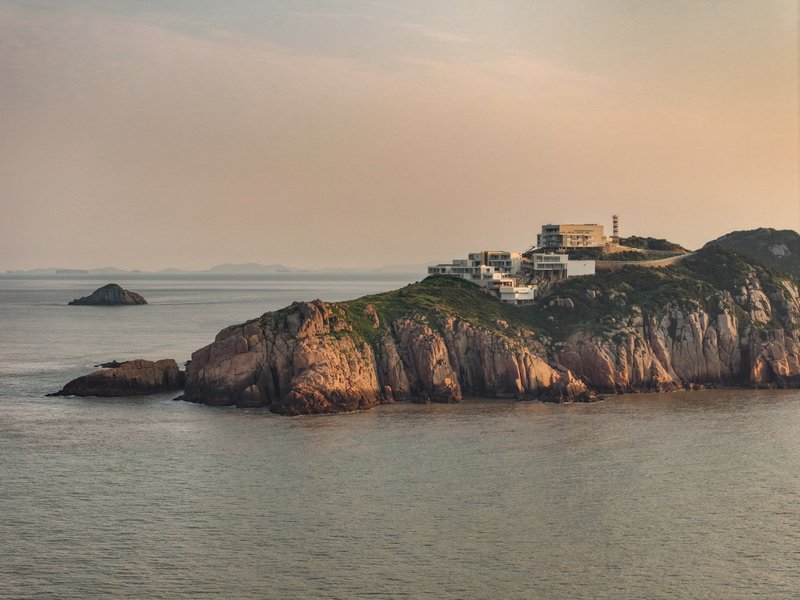
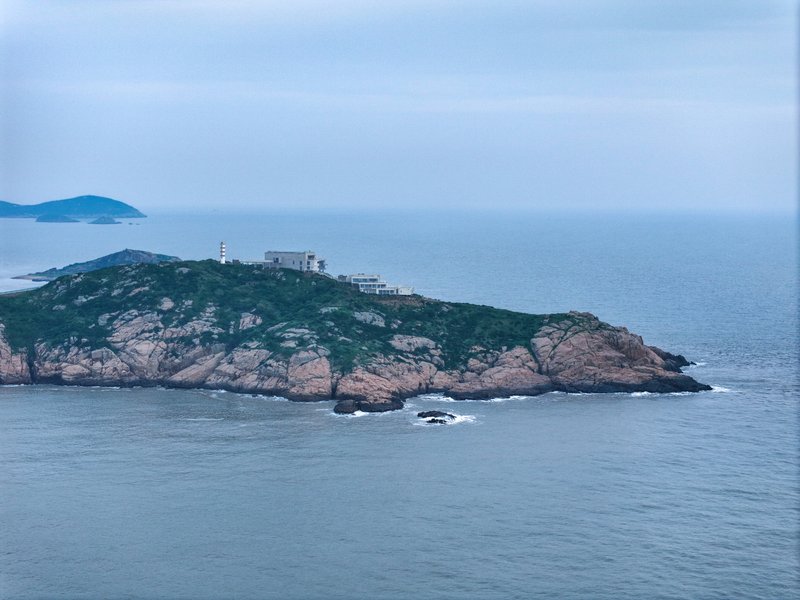
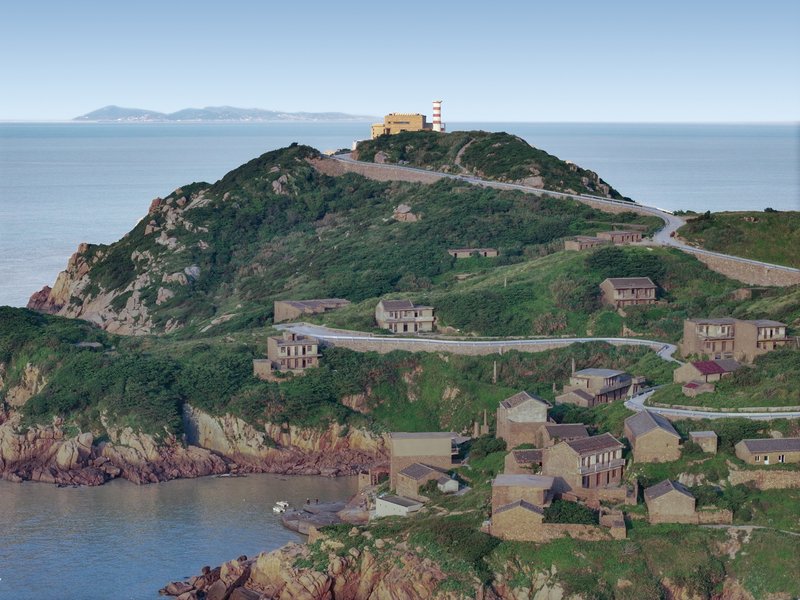
The spatial rhythm follows a sequence of "hidden-peek-open," echoing the journey of moving across the island itself. Outdoor walkways descend naturally along ridges, blurring the thresholds between indoor and outdoor living.
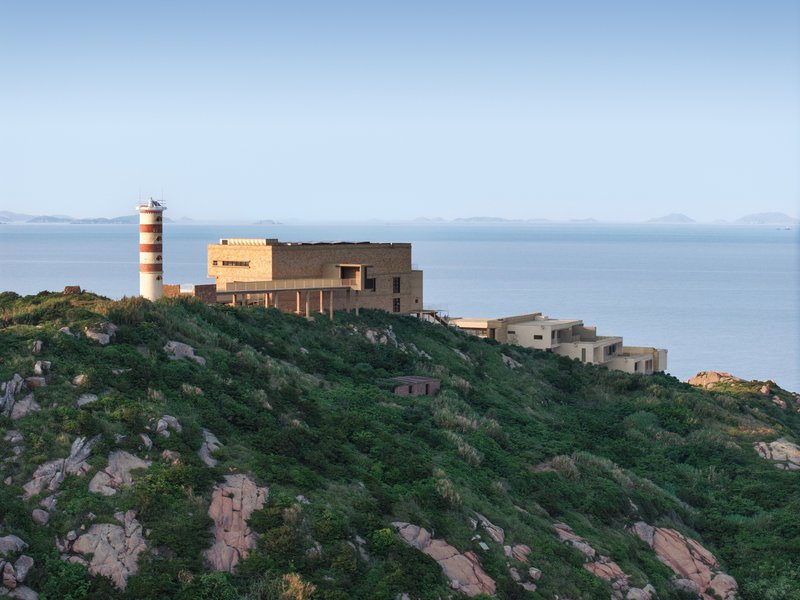
Block A: Rocks, Light, and Immersion
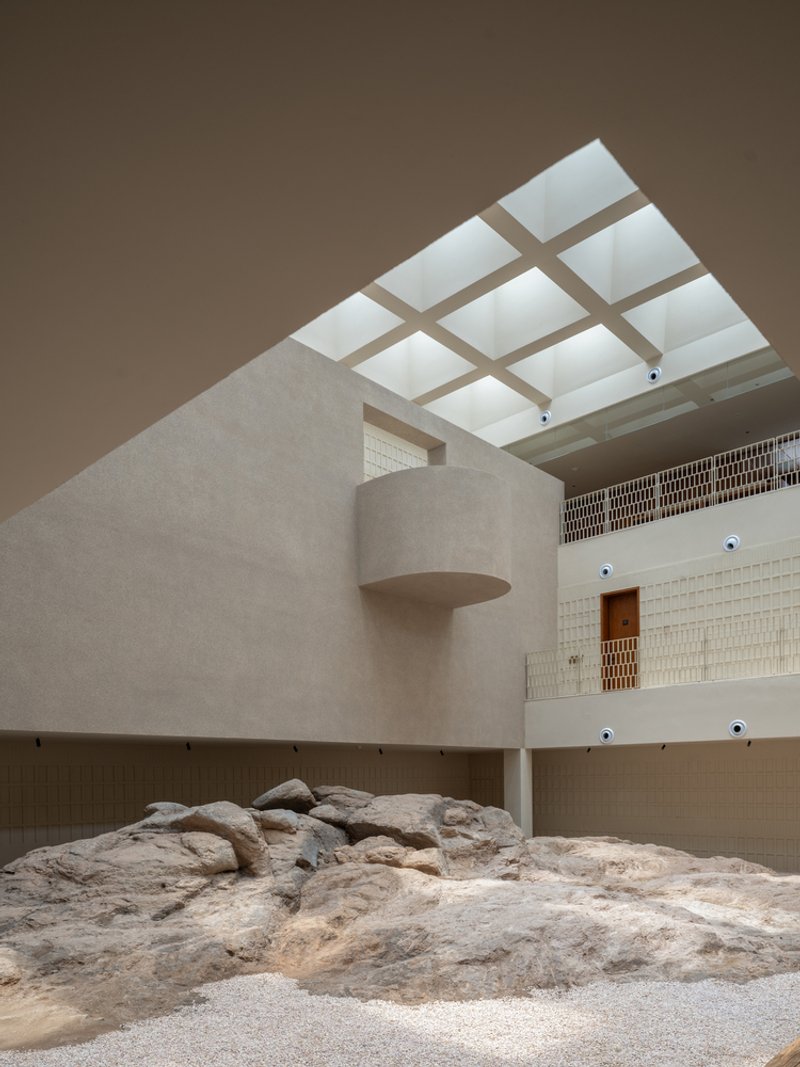
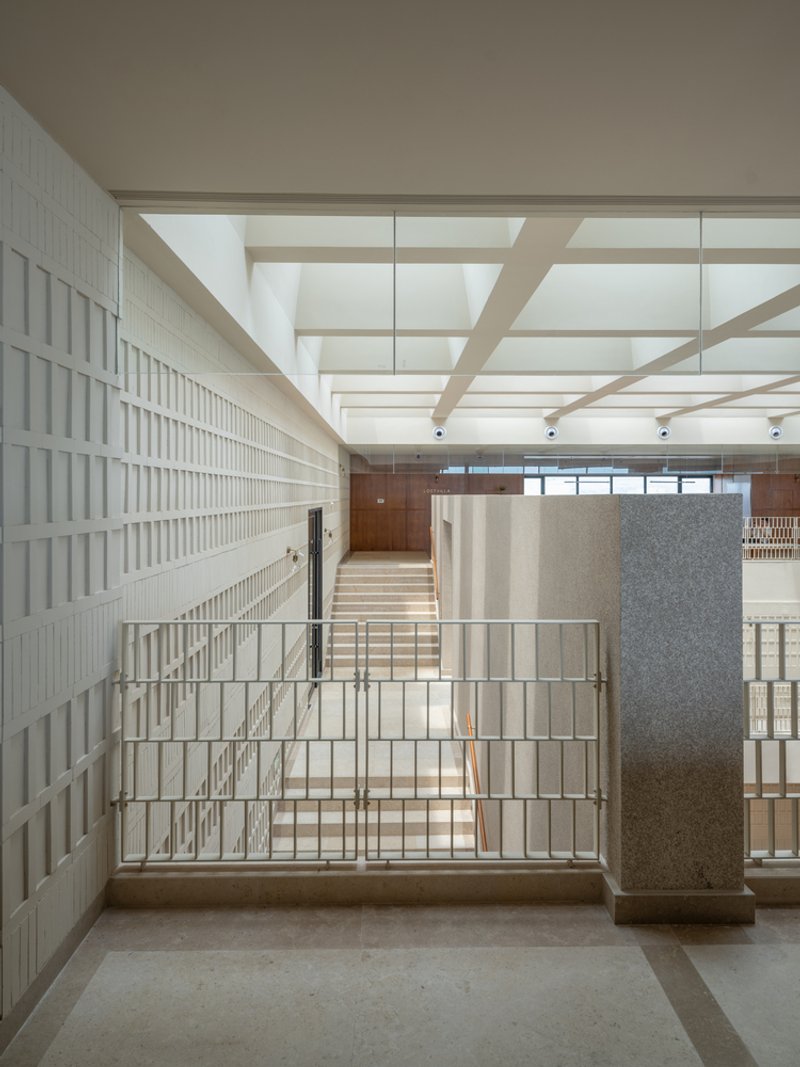
At the heart of Block A is a monumental rock hall, where weathered reef stones are preserved under a protective canopy-like structure. Here, natural sunlight filters through skylights, casting shifting patterns of light across the stones. Visitors encounter the raw textures of geological time, reinforcing the dialogue between architecture and nature.
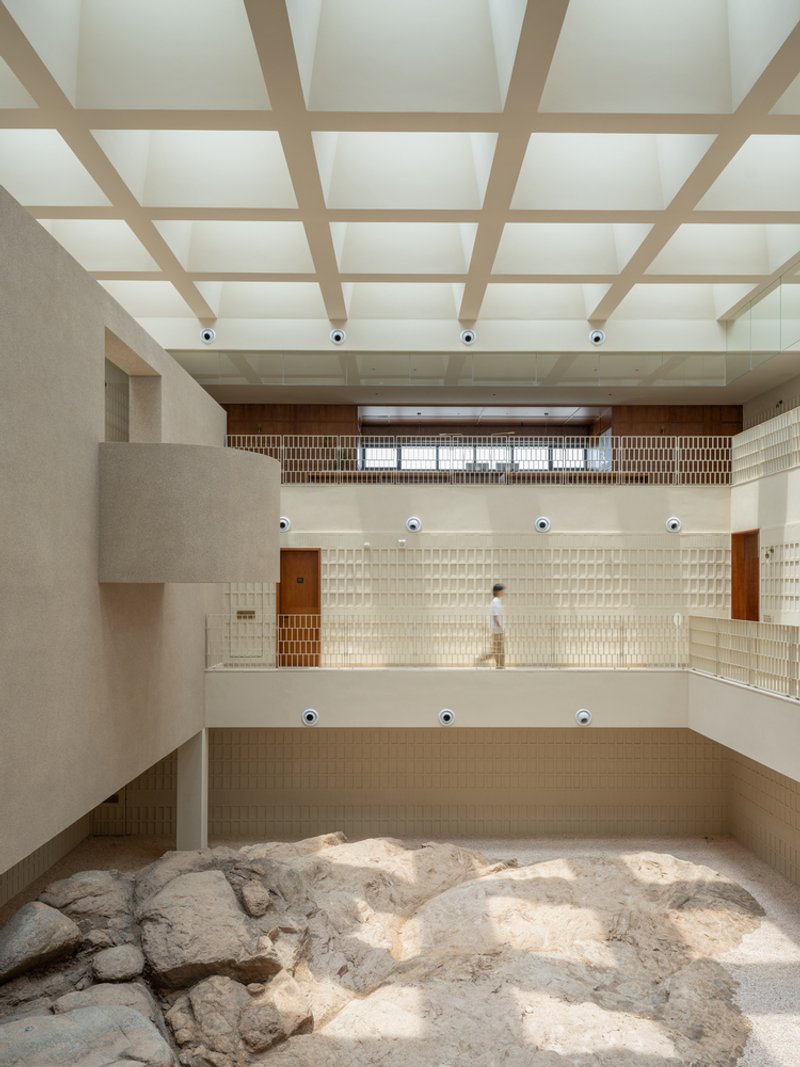
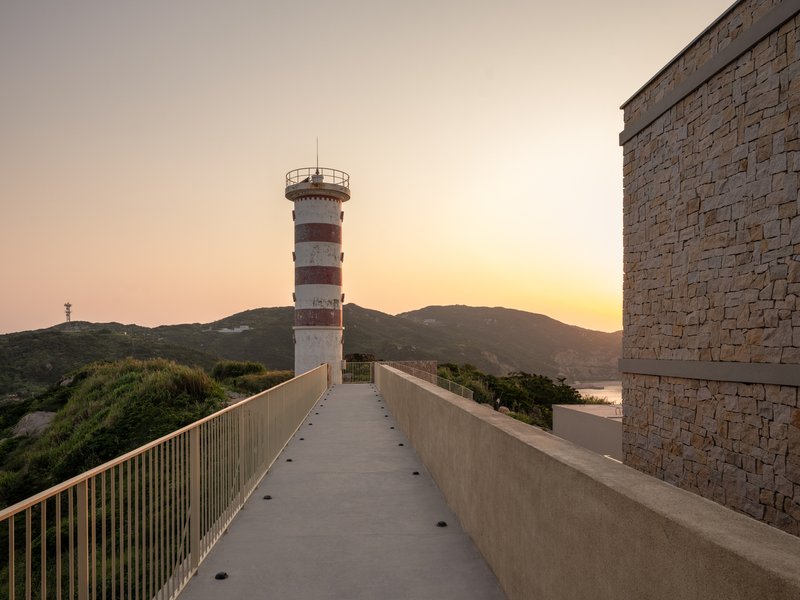
This design decision turns the building into a medium of perception, guiding visitors to experience the timeless beauty of the island landscape.
Block B: Guest Rooms and Human Scale
Block B interprets the traditional patterns of island villages. Guest rooms are arranged as three distinct volumes, oriented to capture shifting sunlight and seasonal views of the sea.
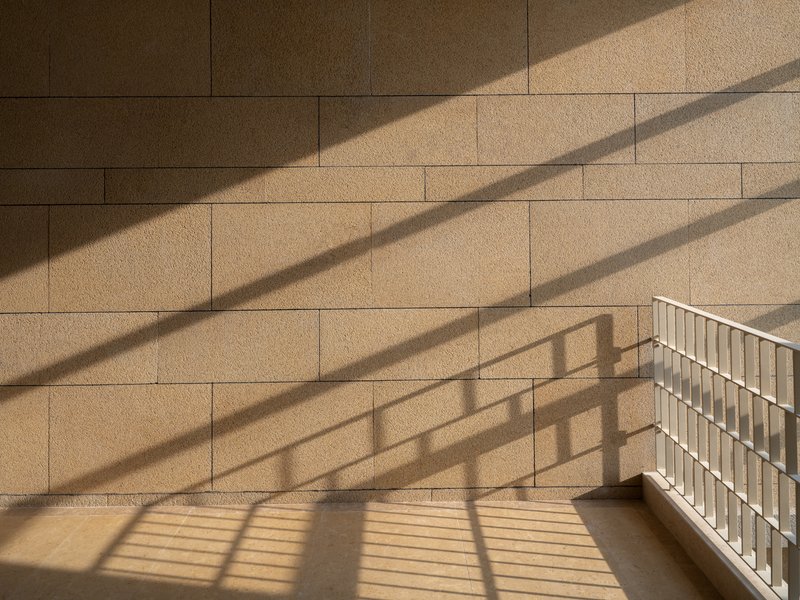
Large, clean windows frame uninterrupted views of the ocean, allowing sea breezes, waves, and light to define the sensory environment. The rooms embody the design principle of pausing time—where each gaze out of the window transforms the act of looking into an intimate, timeless moment.
Rural Revitalization Through Island Hotel Architecture
Beyond hospitality, the Lost Villa Lighthouse Hotel is a statement about rural revitalization. Huanglong Island, like many remote rural communities in China, faces depopulation and the decline of traditional livelihoods. By reinterpreting local culture, architecture, and natural landscapes into an immersive hotel experience, WJ STUDIO transforms crisis into opportunity.
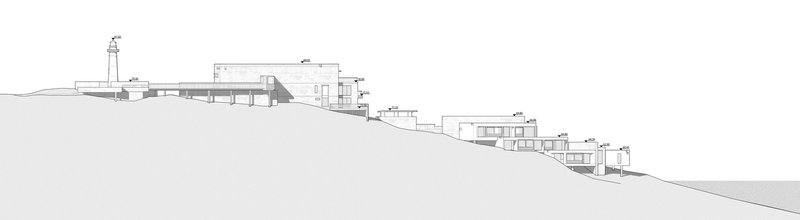
Instead of erasing history with steel and glass, the design weaves memory, culture, and natural identity into a sustainable tourism model. This project offers a blueprint for how island hotel architecture can become a catalyst for ecological tourism and cultural renewal.
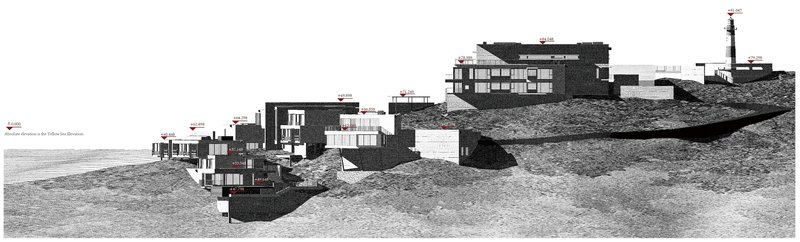
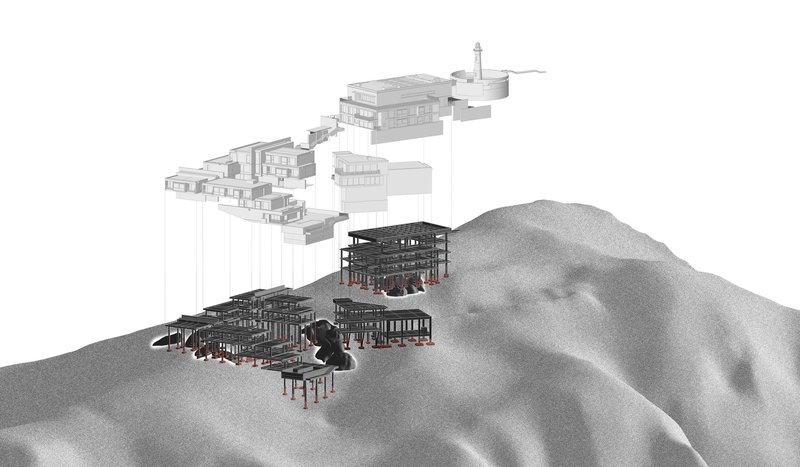
The Lost Villa · Huanglong Island Lighthouse Hotel by WJ STUDIO exemplifies the evolving potential of island hotel architecture. It fuses natural geology, cultural traditions, and human experience into an immersive retreat that not only provides comfort but also restores meaning to a depopulated island community. By embracing time as an architectural element, the hotel ensures that Huanglong Island remains a living landscape where memory, nature, and modern hospitality converge.



Popular Articles
Popular articles from the community

An Miên Lumière Cafe by xưởng xép, Ho Chi Minh City, Vietnam
An industrial-inspired café where layered steel and warm light create a dynamic, immersive environment shaped by reflection, depth, and perception.
A Contemporary Take on Iranian Residential Architecture
A modern interior design in Mashhad that reinterprets brick, light, and spatial flow to create a warm, contemporary residential architecture.
Atelier Macri Concept Store Interior Design by CASE-REAL
Atelier Macri store features a "ko" counter, walnut wood details, cork displays, blending retail, gallery, and seamless customer experiences.
Treehouse Apartment: A Warm Timber Interior Blending Craft, Play, and Contemporary Living
Warm timber apartment with integrated treehouse, combining natural materials, craftsmanship, and playful design to create a flexible, family-oriented living environment.


Similar Reads
You might also enjoy these articles


Top 15 Architecture Competitions to Enter in 2026
From student-friendly idea competitions to prestigious international awards, here are the best architecture competitions open for entries in 2026. Updated regularly.

DIY & Engineering in Computational Design : Enter the BeeGraphy Design Awards
Showcase Your Creativity with Computational Design and Open Source Projects
Innovative Design Solutions: Award-Winning Projects from Recent Architecture Competitions
Exploring award-winning architectural projects shaping the future of design, sustainability, and community.



Explore Architecture Competitions
Discover active competitions in this discipline




The International Standard for Design Portfolios


The Global Benchmark for Architecture Dissertation Awards


The Global Benchmark for Graduation Excellence


Challenge to reimagine the Iron Throne
Comments (0)
Please login or sign up to add comments
No comments yet. Be the first to comment!