
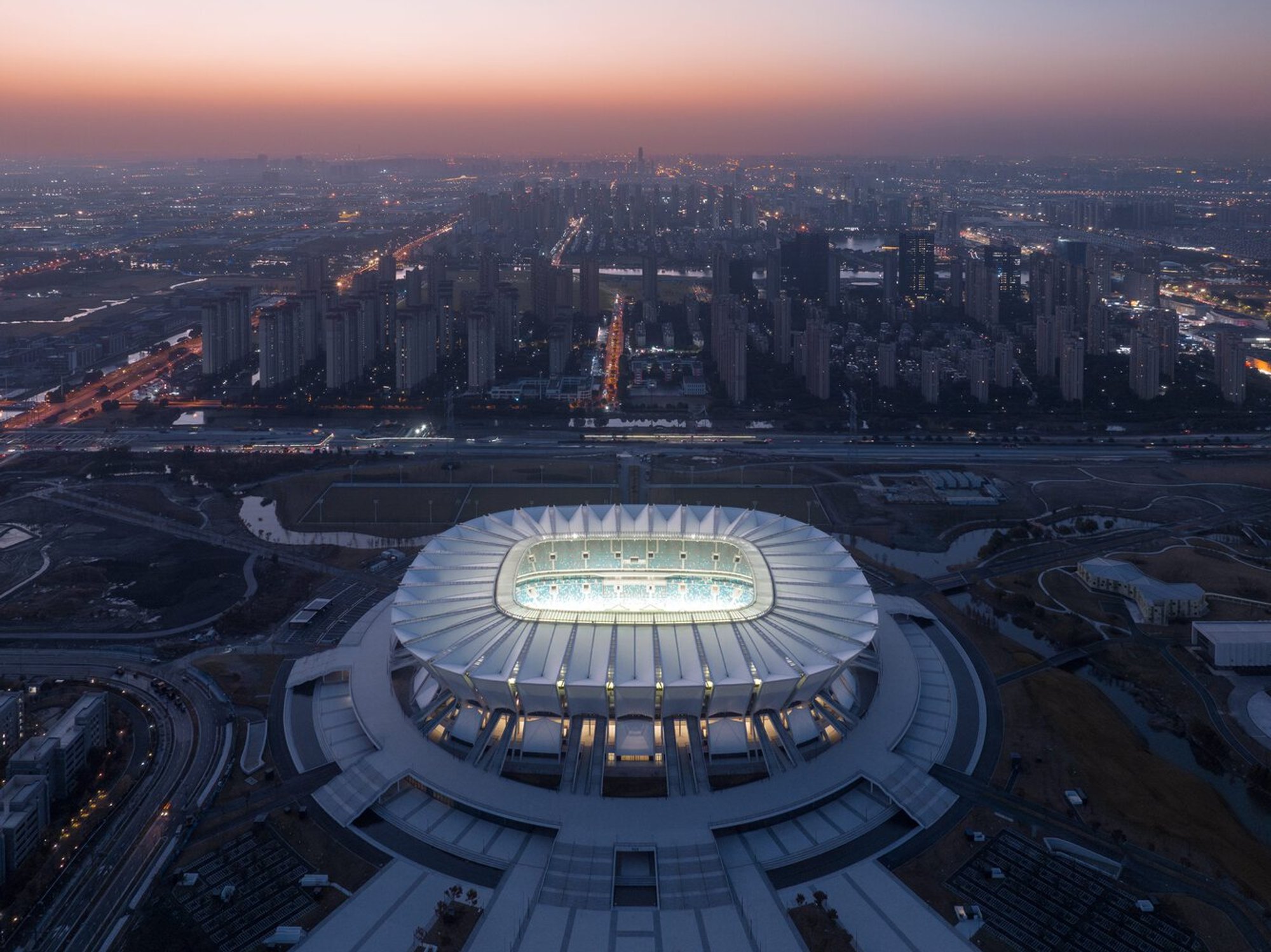
Modern Stadium Architecture in China: Kunshan Olympic Sports Center by gmp Architects
A modern stadium in Kunshan that blends cutting-edge design, public integration, and world-class sports architecture in China.

A Landmark in Contemporary Sports Design
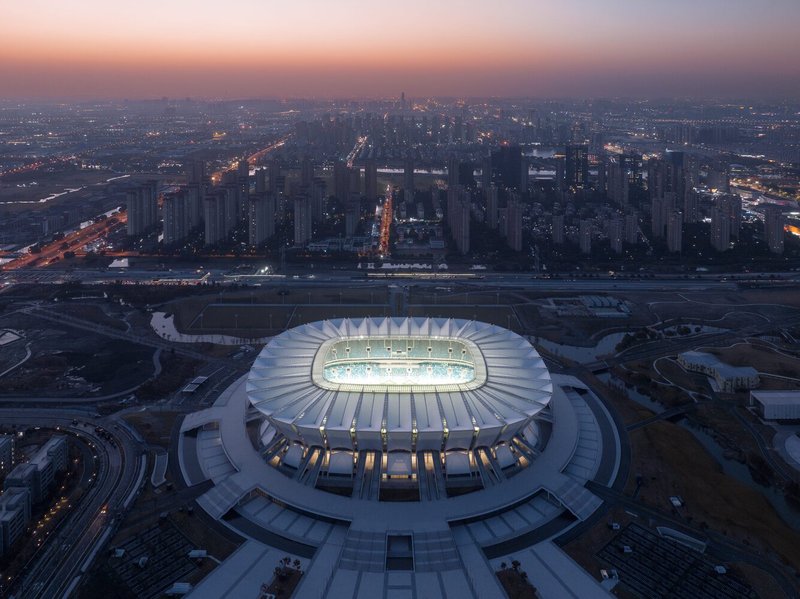
The Kunshan Olympic Sports Center, designed by renowned firm gmp Architects in collaboration with the Architectural Design and Research Institute of Tongji University, sets a new benchmark for modern stadium architecture in China. Located in Kunshan, this expansive 130,000-square-meter facility opened its doors in 2025 with a grand debut—the Chinese FA Super Cup—welcoming over 30,000 fans to a thrilling local derby. Designed to FIFA Category 1 standards, the stadium's capacity of 45,000 seats positions it as a premier venue for international-level football events and multi-functional cultural gatherings.
Sculptural Design Meets Structural Innovation
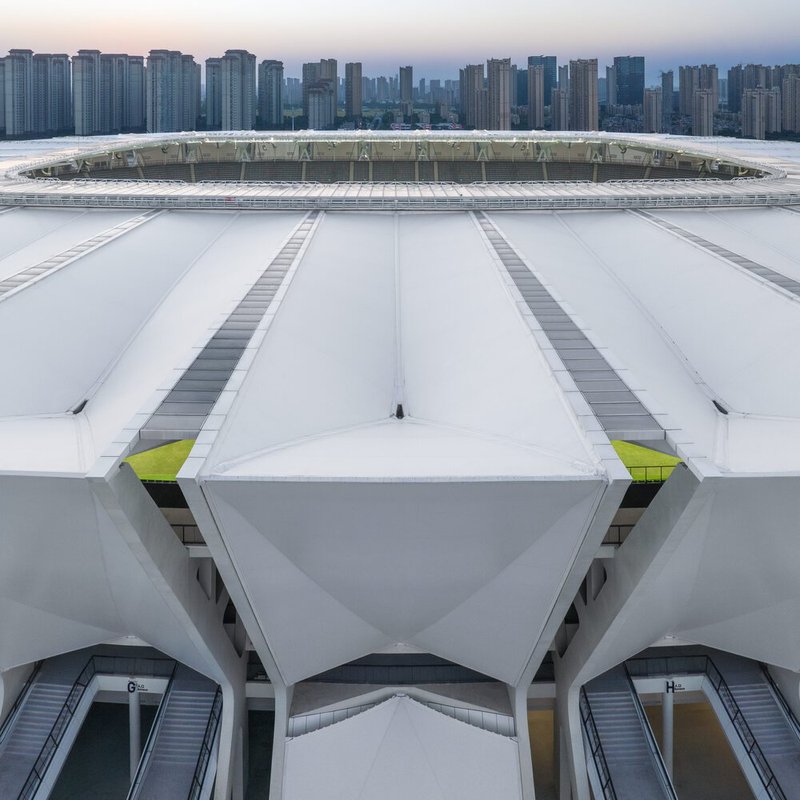
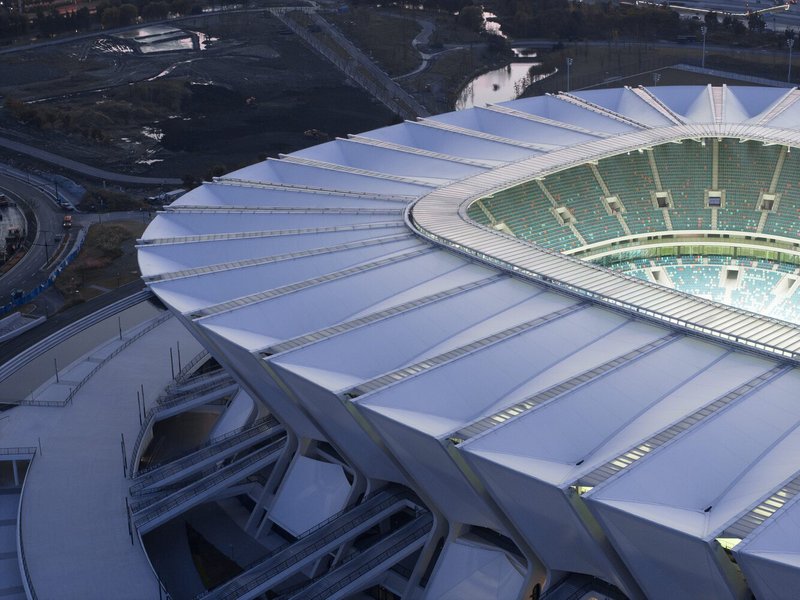
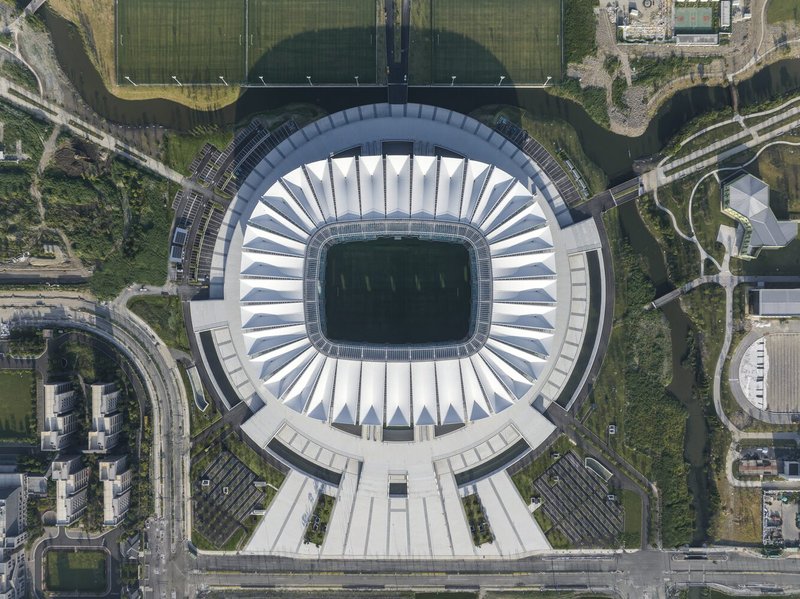
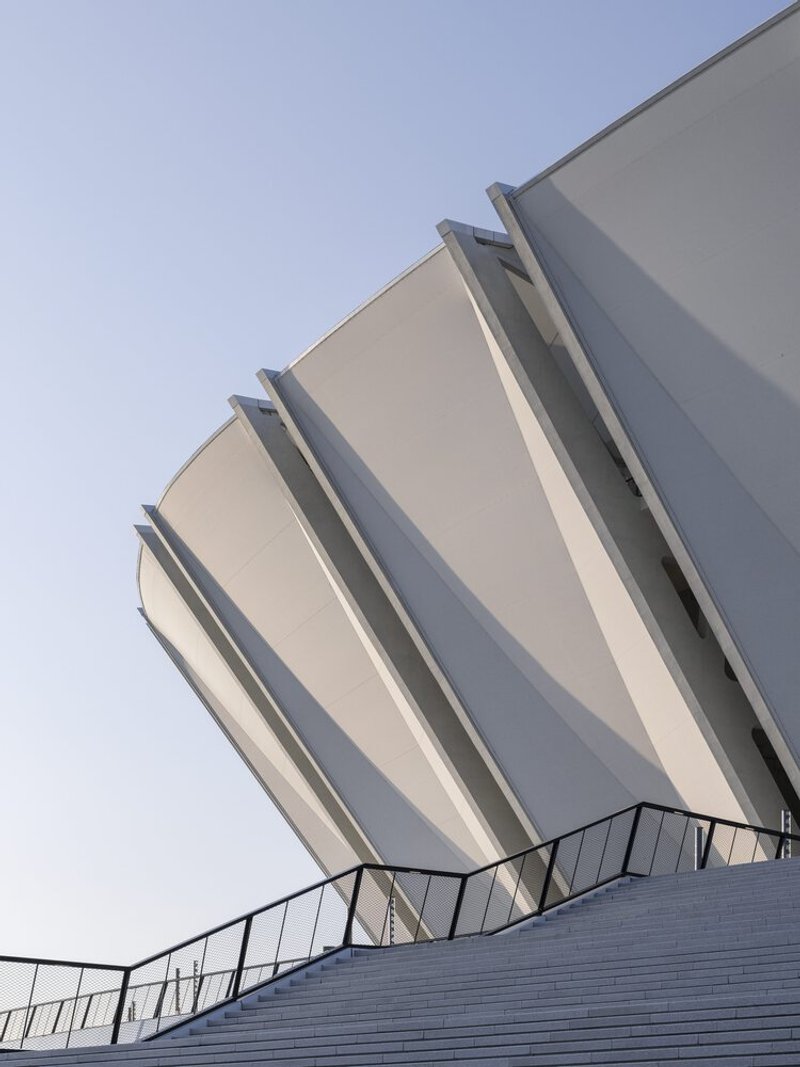
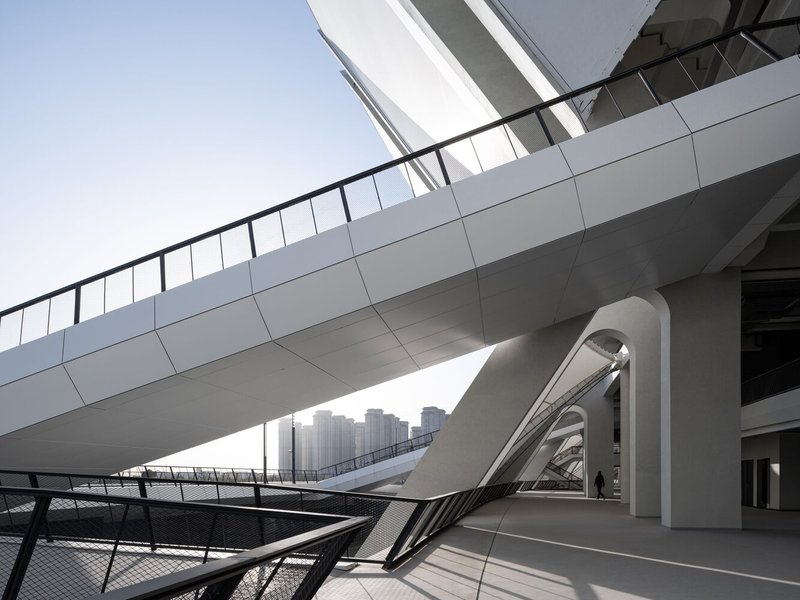
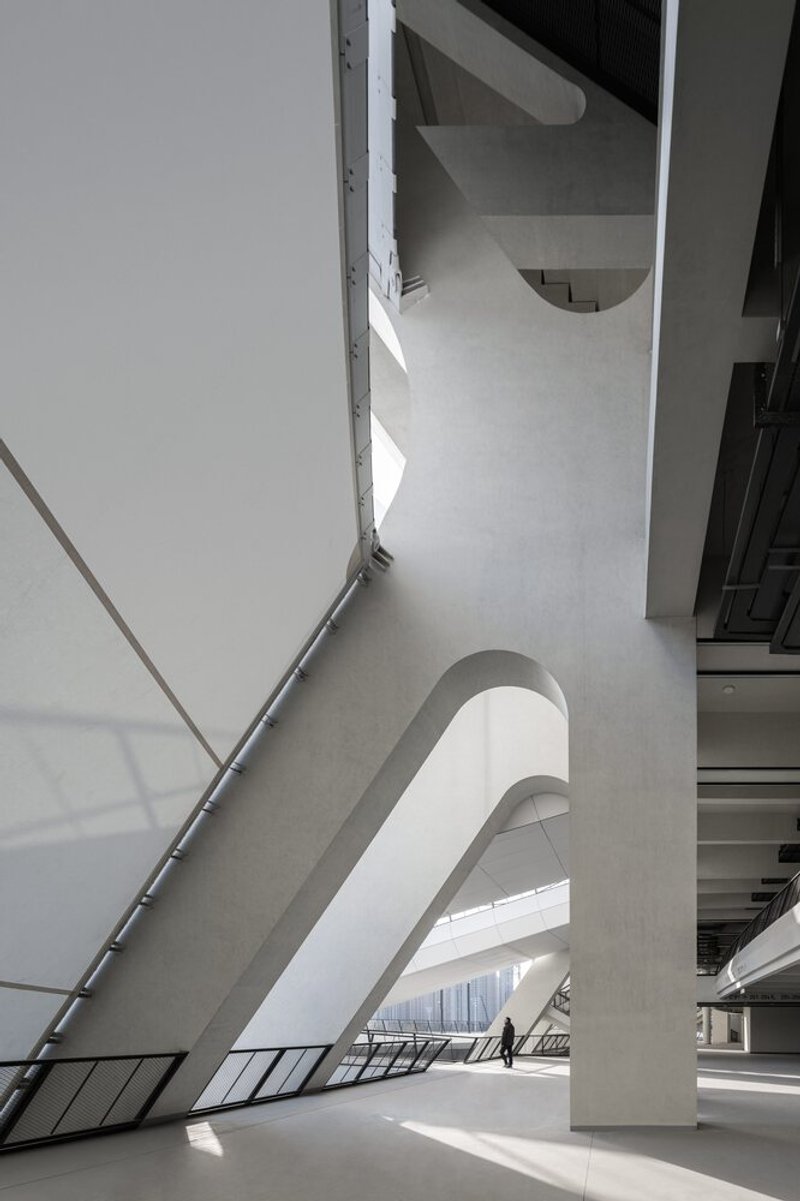
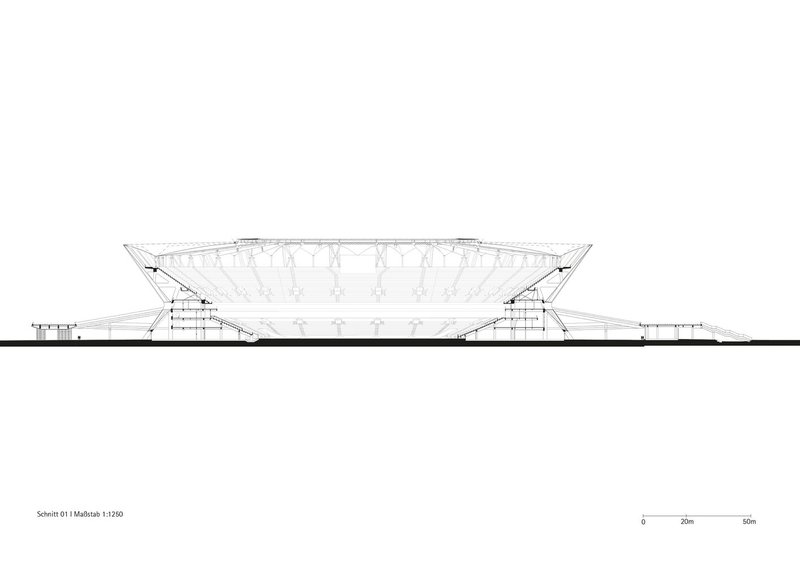
The stadium’s dynamic form emerges from a rhythmic sequence of 36 double frames made of in-situ concrete. These sculptural structural elements are spanned by elegant lattice steel trusses, forming a cohesive oval silhouette that commands attention from every angle. The design collaboration with schlaich bergermann partner (sbp) brought forward a technical masterpiece: translucent membranes, each covering approximately 600 square meters, stretch across the frame, forming both the facade and roof. This is now the largest single-layer membrane structure in China, blending engineering prowess with architectural clarity.
Light, Space, and Spectator Experience
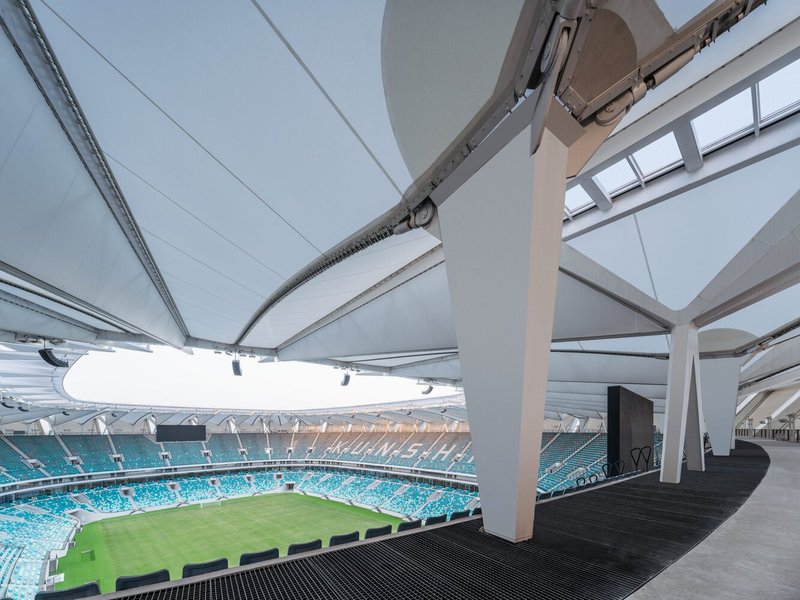
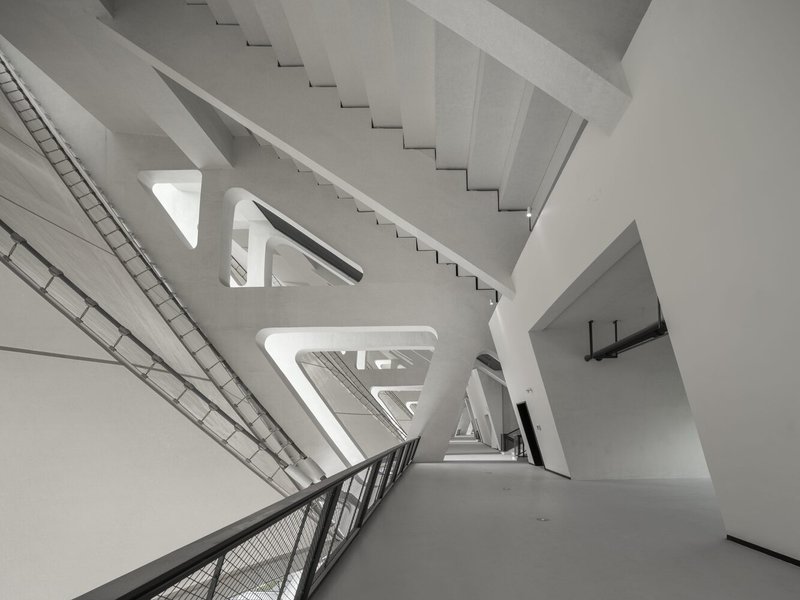
The translucent membrane not only lends the stadium its ethereal glow but also ensures generous daylighting within the arena. Its dual function as a roof and facade enables a seamless envelope that adapts to changing weather and light conditions. The stadium’s circulation is equally efficient and forward-thinking. Visitors approach via a surrounding podium, ascending wide staircases that lead to 48 bridges connecting upper and lower seating tiers. This configuration facilitates smooth crowd movement and reduces congestion, a design decision validated during the successful hosting of the stadium's inaugural match.
Integration into Urban and Natural Context
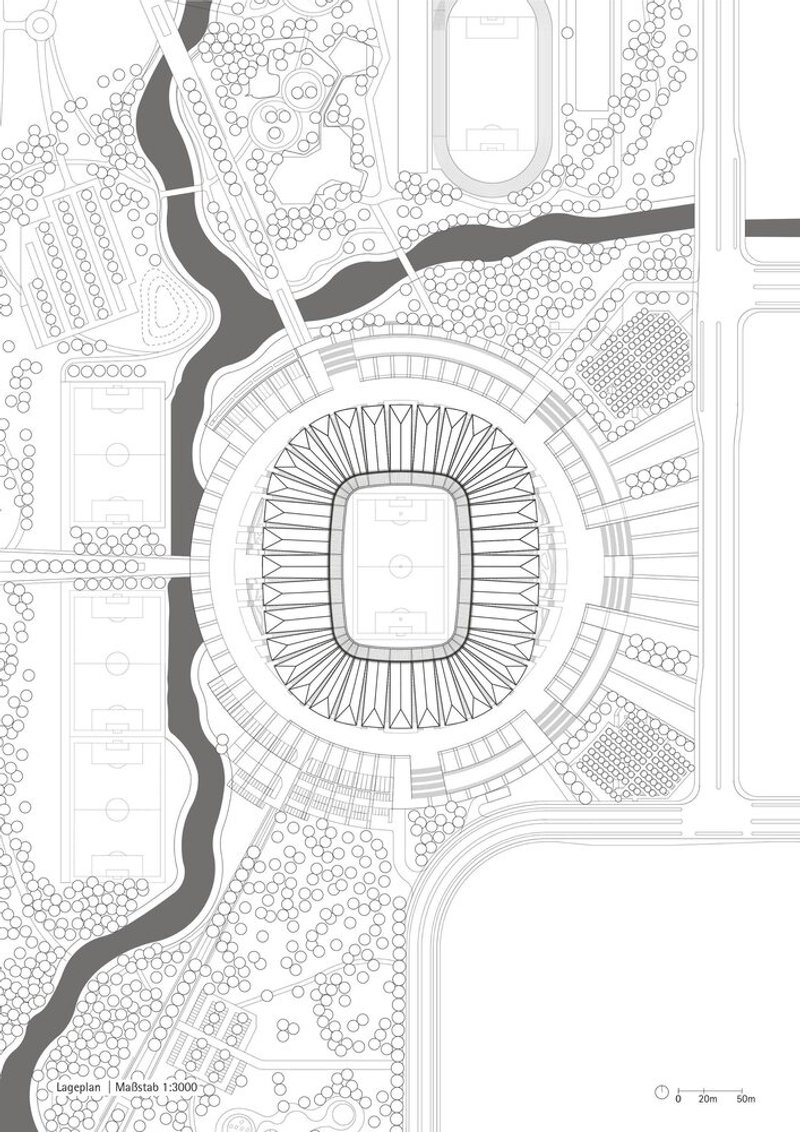
The Kunshan Olympic Sports Center is not just a venue—it is a vital part of the city’s urban fabric and ecological network. Developed in partnership with WES LandschaftsArchitektur, the stadium is embedded within a public park that serves as a recreational and cultural hub. Meandering paths radiate from the stadium to link up with additional sports facilities, community gathering areas, retail spaces, and dining establishments. A watercourse weaves through the site, visually and functionally integrating landscape and architecture, reinforcing the stadium's role as a public asset.
A Multidimensional Public Venue
Beyond its core function as a sports arena, the Kunshan Olympic Sports Center is conceived as a multifunctional civic space. It hosts cultural events, public festivals, and community activities, ensuring year-round use. Its architectural presence is both monumental and accessible, designed to engage residents while elevating the city’s identity on the global sports map. Through its thoughtful blend of structure, sustainability, and public amenity, the stadium exemplifies the evolution of modern stadium architecture in China.
A Model for Future Sports Infrastructure
The Kunshan Olympic Sports Center reflects a vision for the future where sports infrastructure is deeply integrated into the cultural and environmental life of the city. gmp Architects, together with a talented team of engineers and landscape designers, have created a landmark that is as innovative in its function as it is in form. This is not just a stadium—it is a symbol of how architecture can bring people together, inspire pride, and support vibrant urban living.
All photographs are works of CreatAR Images




Popular Articles
Popular articles from the community

Milan Crossover: Sustainable Architecture for a New Fashion Culture in Milan
Milan Crossover transforms fashion culture through sustainable architecture, linking material libraries, remake studios, and public runways.

Stanton Architects Sculpts a Curving Family Home into Sydney's Inner West Fabric
Five Dock House uses cantilevers, curved concrete, and layered courtyards to carve out privacy on a tight suburban lot in Sydney.
IKC de Geluksvogel: Sustainable School Architecture Designed for Free Movement and Digital Learning
IKC de Geluksvogel turns sustainable school architecture into a flexible Maastricht campus for digital learning, nature, and free movement.
Reincarnation Weaves a Three-Story Retreat into the Green Landscape of Rural Bangladesh
Ara Manor in Narsingdi dissolves the line between domestic architecture and its lush surroundings through screens, courtyards, and planted rooftops.

Similar Reads
You might also enjoy these articles

Bamboo Housing Challenge 2026: Design Affordable, Sustainable Homes Using Bamboo
An international design competition by Bamboo U and IBUKU inviting architects and designers to reimagine affordable housing using bamboo — with the winning design built full-scale in Bali.

Computational Design & Education: Beegraphy Design Awards Introduces 7th Category (Featuring Jiyun's Innovative Approach)
Dive into Beegraphy’s 7th Design Awards category, where computational design meets education to create immersive, interactive learning tools, inspired by Jiyun’s work.

From Parametric Lighting to Urban Furniture: Join the 2nd Workshop in Beegraphy’s Computational Design Series
Dive into Cutting-Edge Design Techniques and Practical Applications with Industry Experts

Introducing Sphere by UNI: Pioneering a New Era in AEC Industry
Unlocking Global Potential with BIM and Agile Management


Explore Architecture Competitions
Discover active competitions in this discipline




The International Standard for Design Portfolios


The Global Benchmark for Architecture Dissertation Awards


The Global Benchmark for Graduation Excellence


Challenge to reimagine the Iron Throne
Comments (0)
Please login or sign up to add comments
No comments yet. Be the first to comment!