
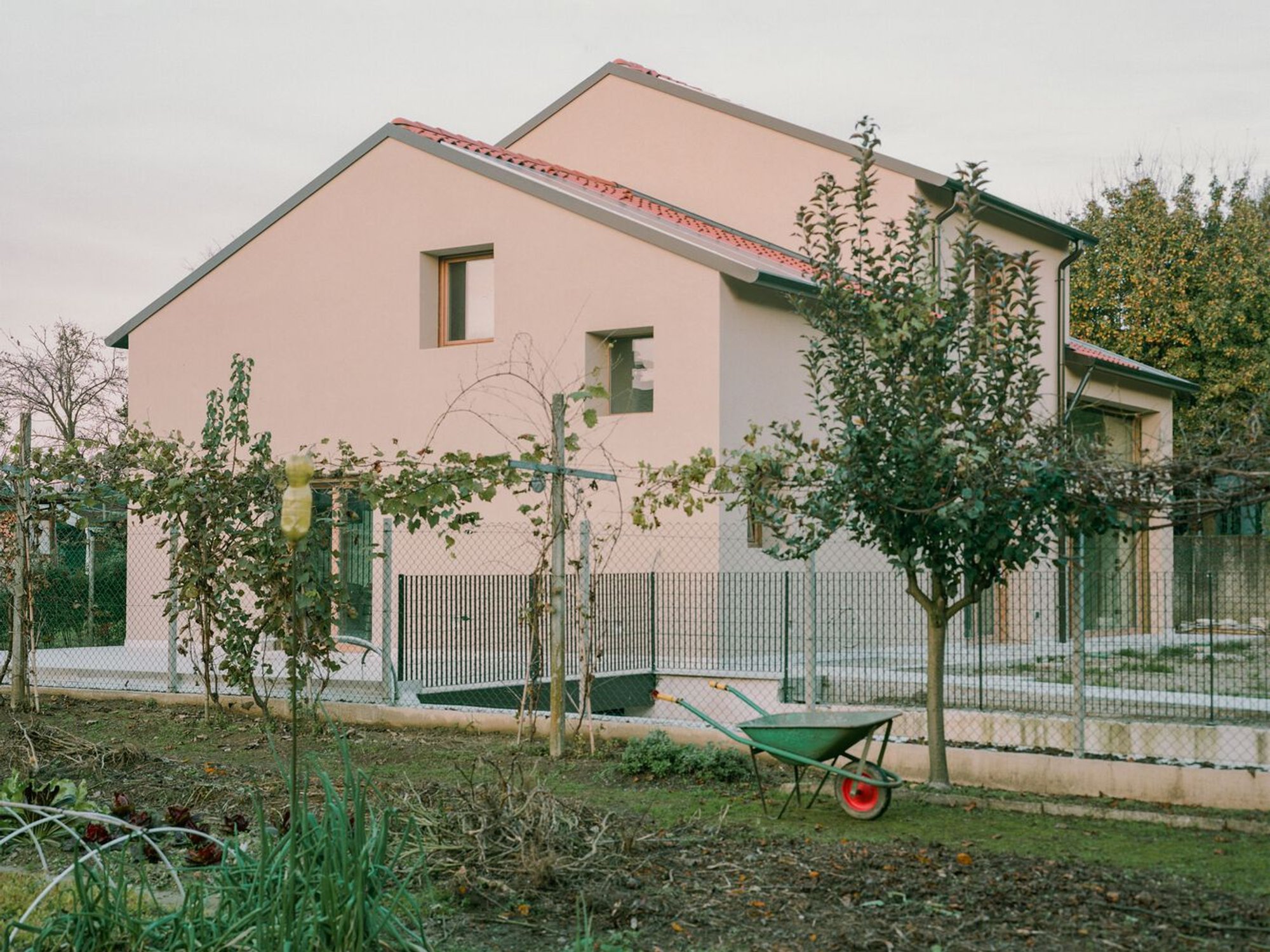
Not a Rural House: Redefining Contemporary Rural Architecture
Not a Rural House redefines contemporary rural architecture, blending historic preservation requirements with modern design elements to challenge traditional notions of authenticity.

Not a Rural House challenges traditional notions of contemporary rural architecture, presenting a modern reinterpretation of vernacular design. Created by AACM - Atelier Architettura Chinello Morandi, the project responds to strict Italian building regulations that dictate the retention of historical building forms, even when structures are newly constructed.
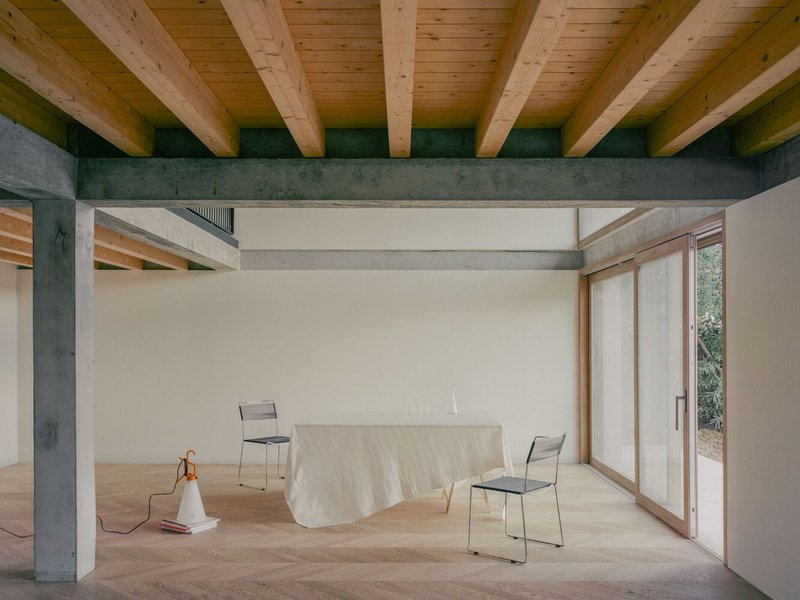
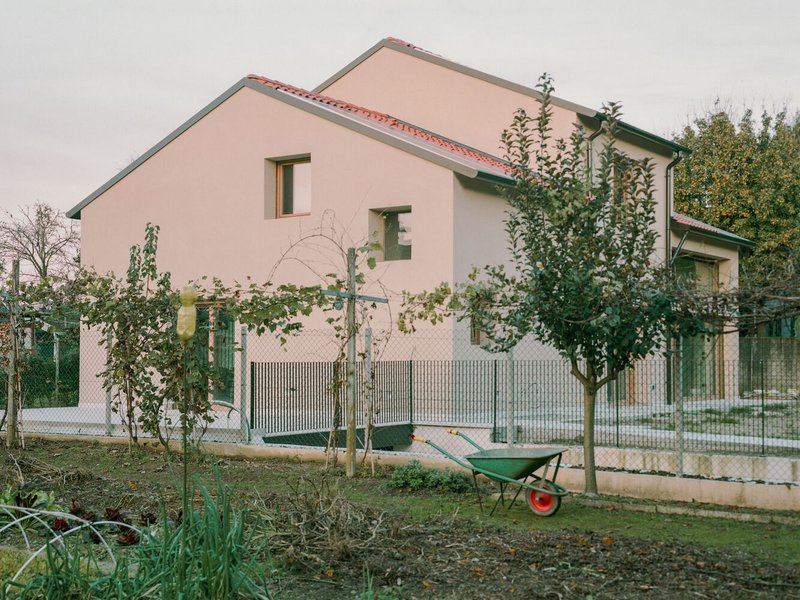
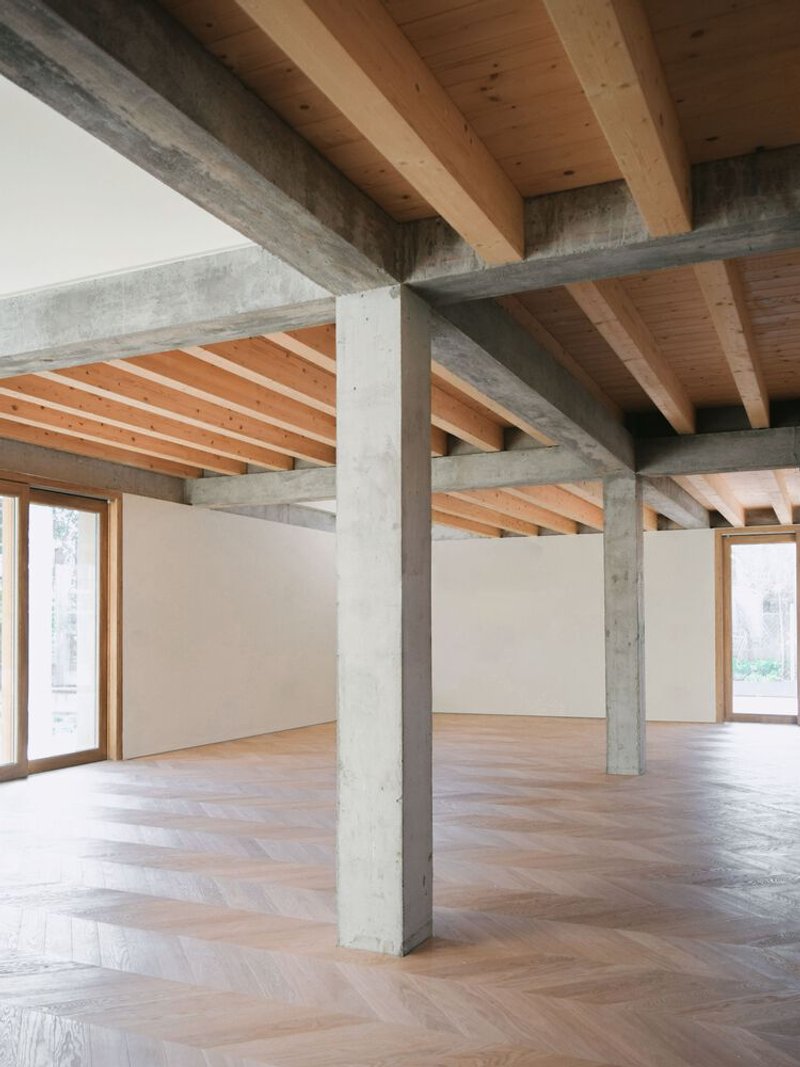
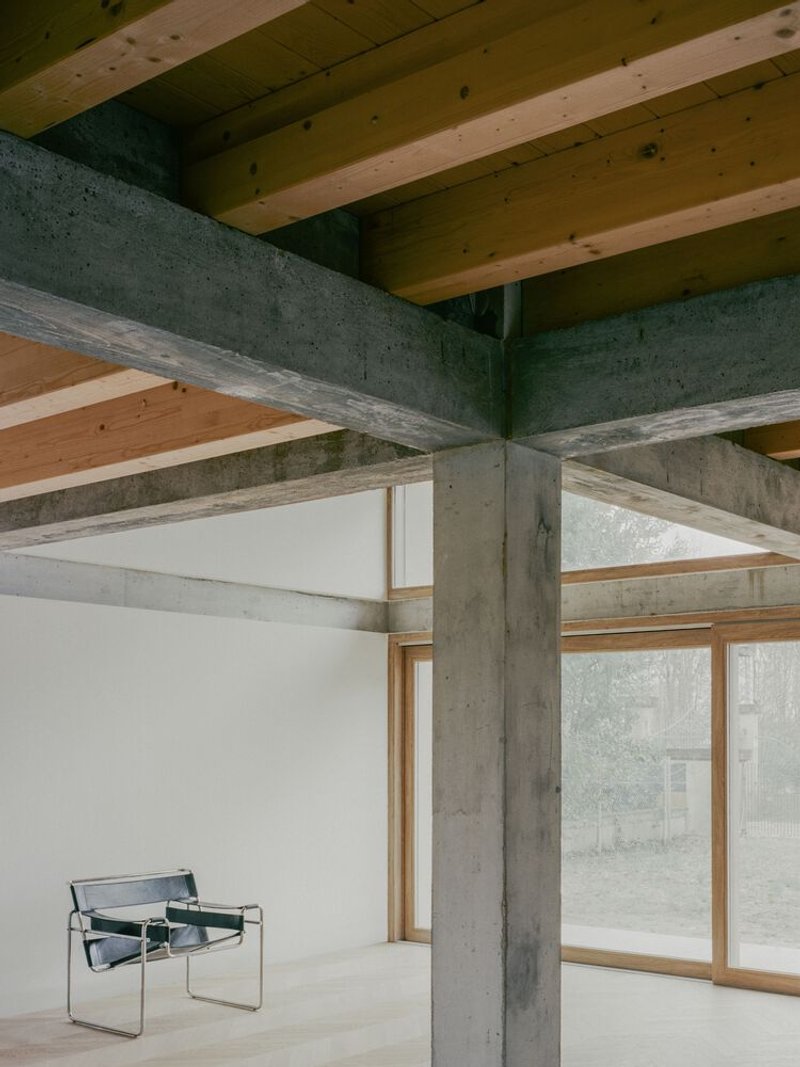
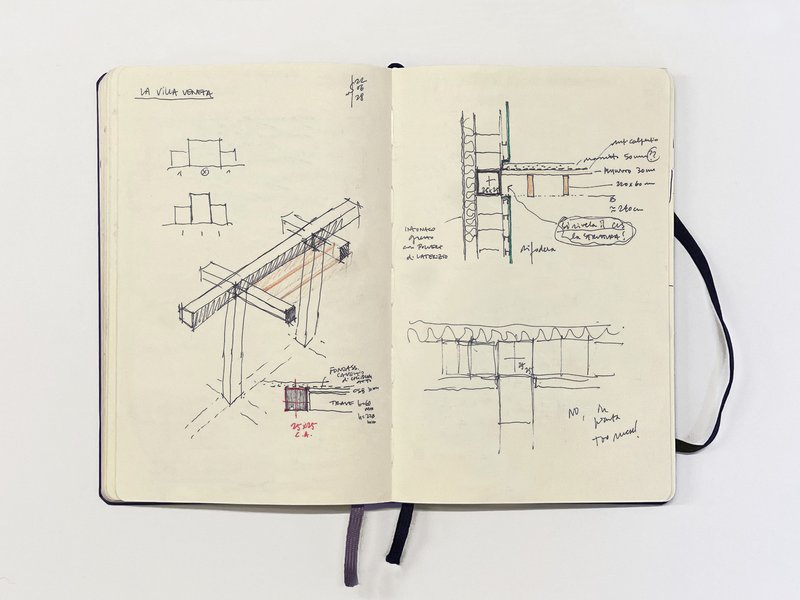
Faced with the requirement to replicate the outline of a demolished barn, the architects subverted the intent by crafting a home that externally resembles a traditional rural house, but internally exposes its true contemporary essence. Through the use of reinforced concrete, timber framing, and Palladian spatial principles, the house asserts its identity as a modern intervention within a historic framework.
Architectural Paradox: The Illusion of Tradition
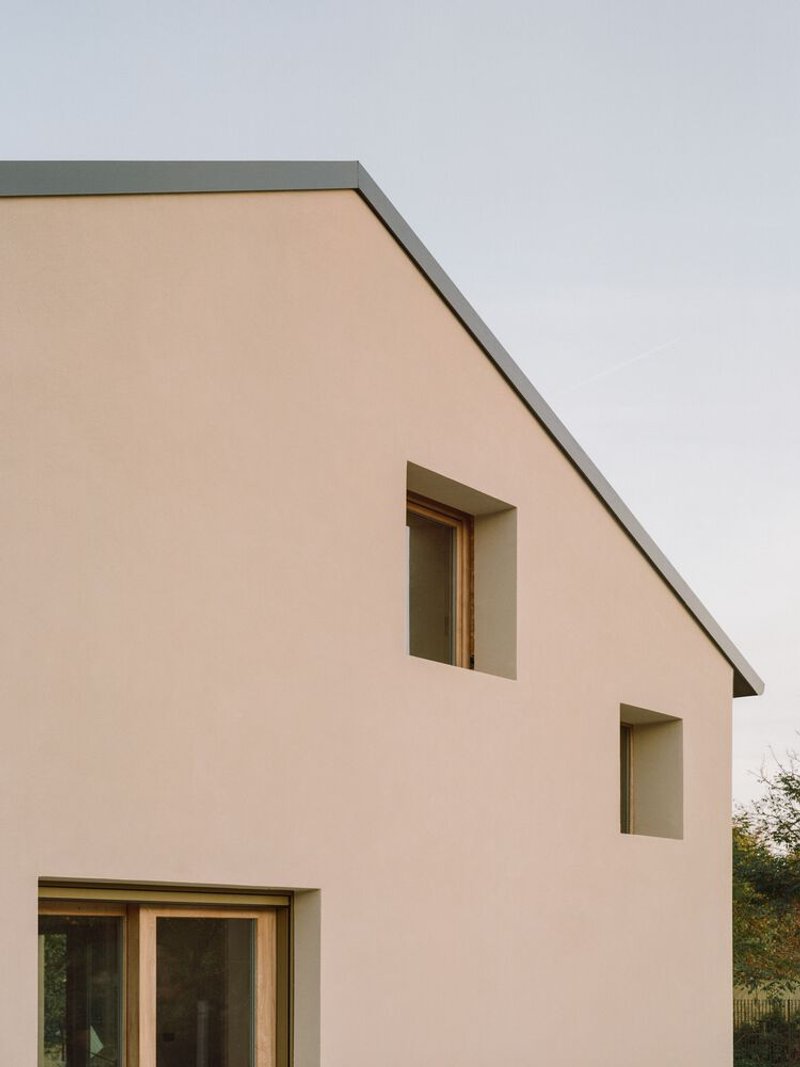
Italian regulations governing rural architectural preservation required the new residence to fit within the exact footprint, volume, and shape of the original crumbling barn. This legislative constraint led to a visually deceptive structure—one that appears historical on the outside yet reveals a modern soul within.
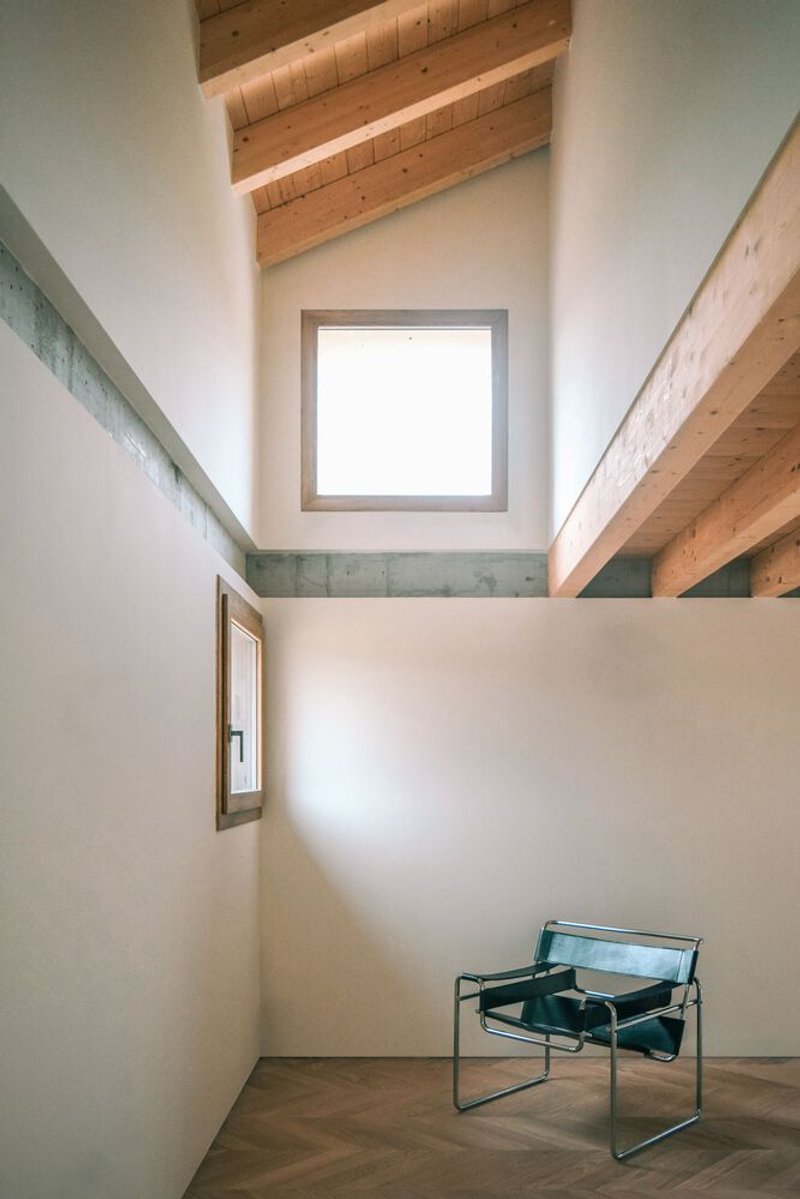
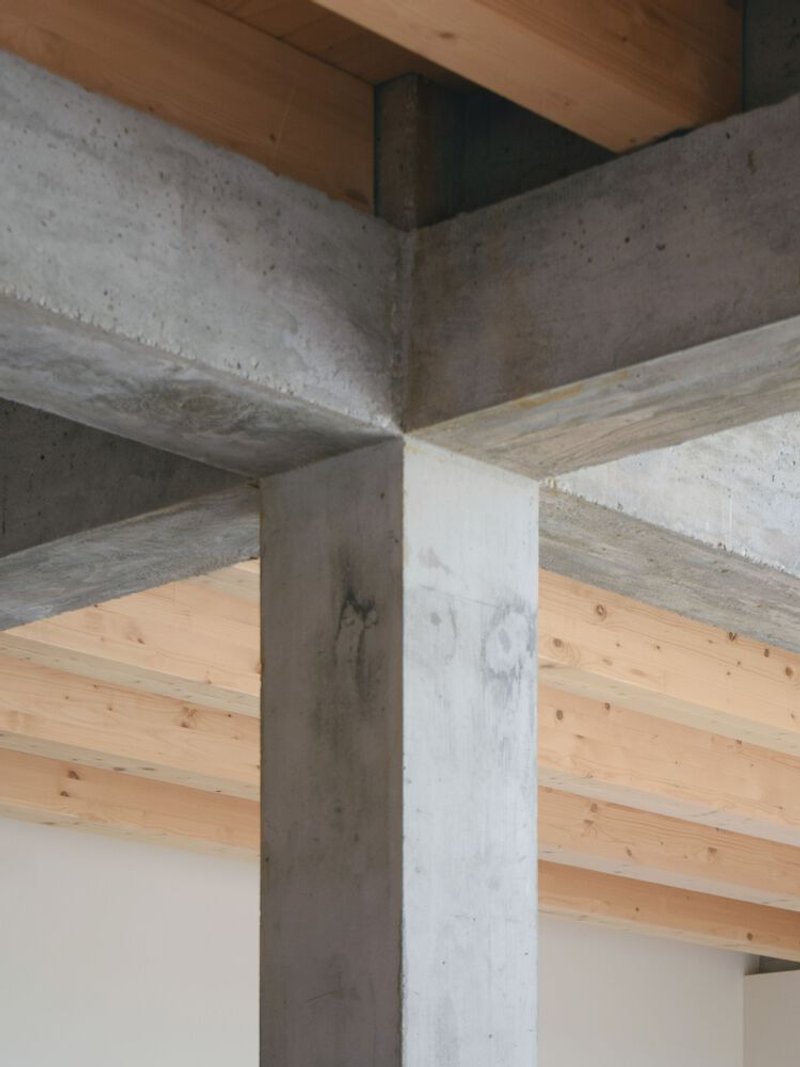
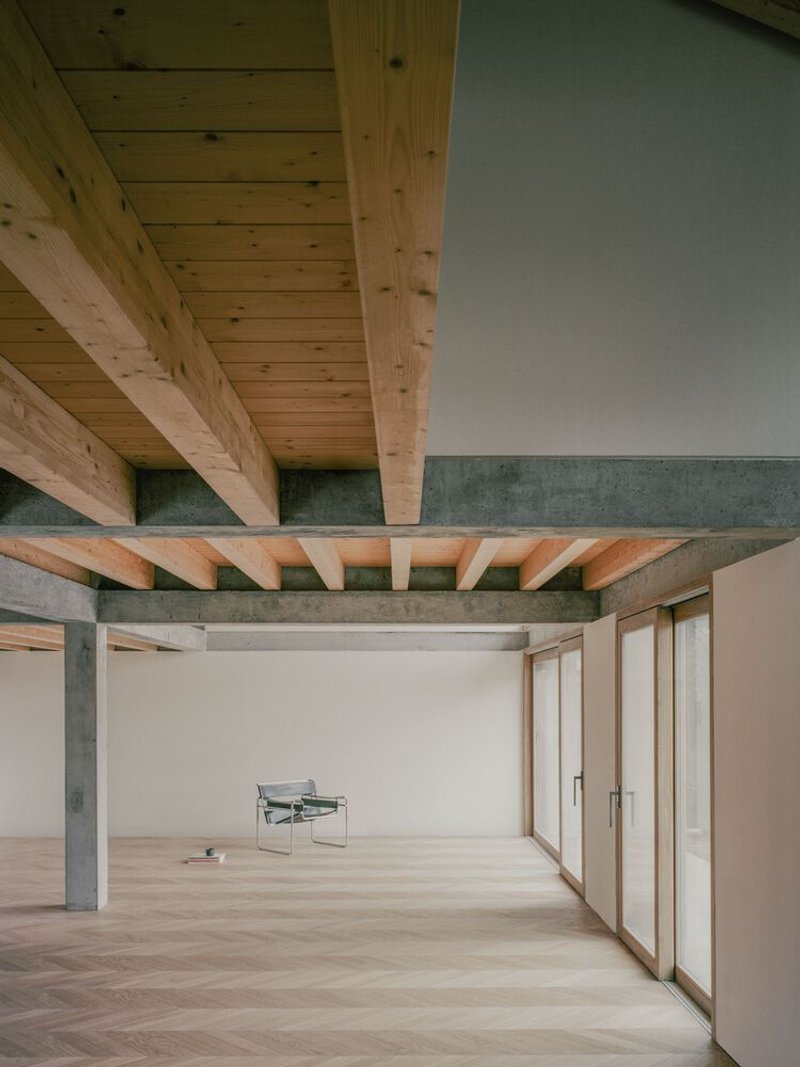
Rather than resisting the imposed framework, the architects embraced the paradox and exposed the contrast. The exterior respects the historic façade ratios and material finishes dictated by rural preservation laws, but the interior tells a different story. The concrete skeleton, timber frame, and minimalist spatial configuration stand in deliberate opposition to the nostalgic exterior. This approach transforms the regulatory limitations into an architectural critique, questioning the meaning of authenticity in contemporary rural architecture.
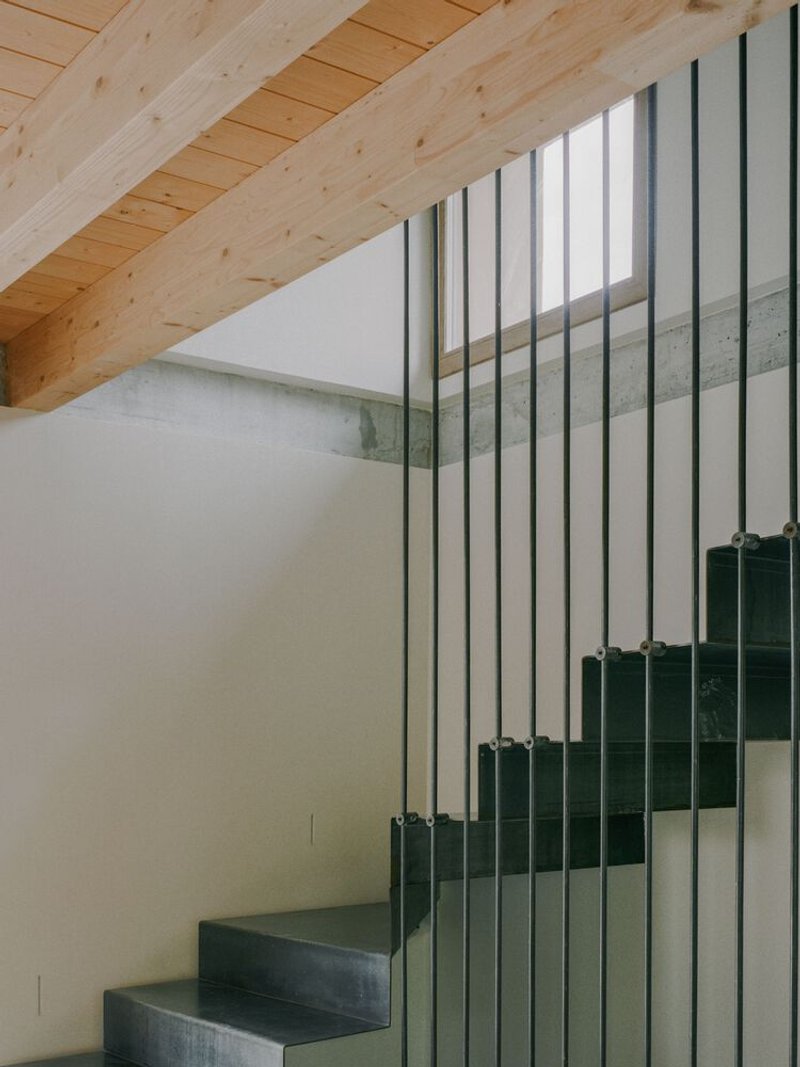
Spatial Composition: A Modern Take on Palladian Proportions
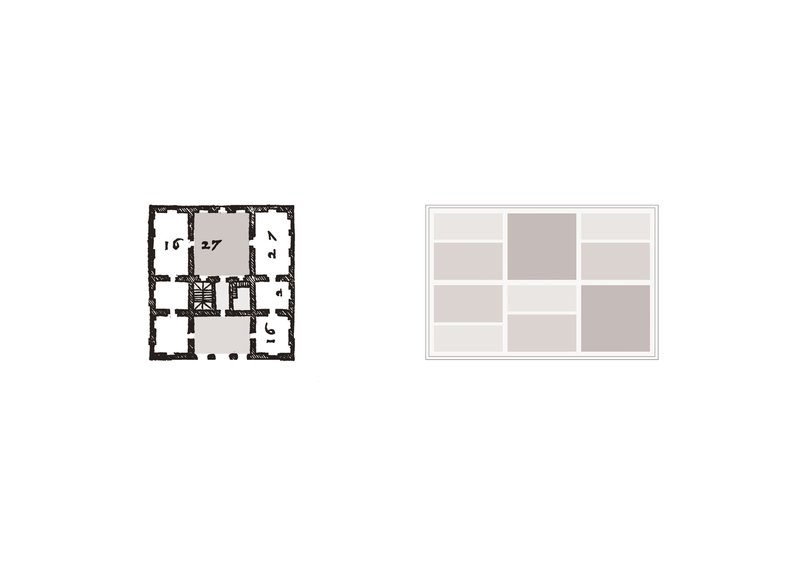
The internal layout of Not a Rural House references the Palladian spatial traditions seen in Venetian Villas, aligning with classic 2+3=5 proportional systems. While the structure embraces modularity and rhythmic repetition, it fosters a dynamic interaction between solid and void, openness and enclosure.
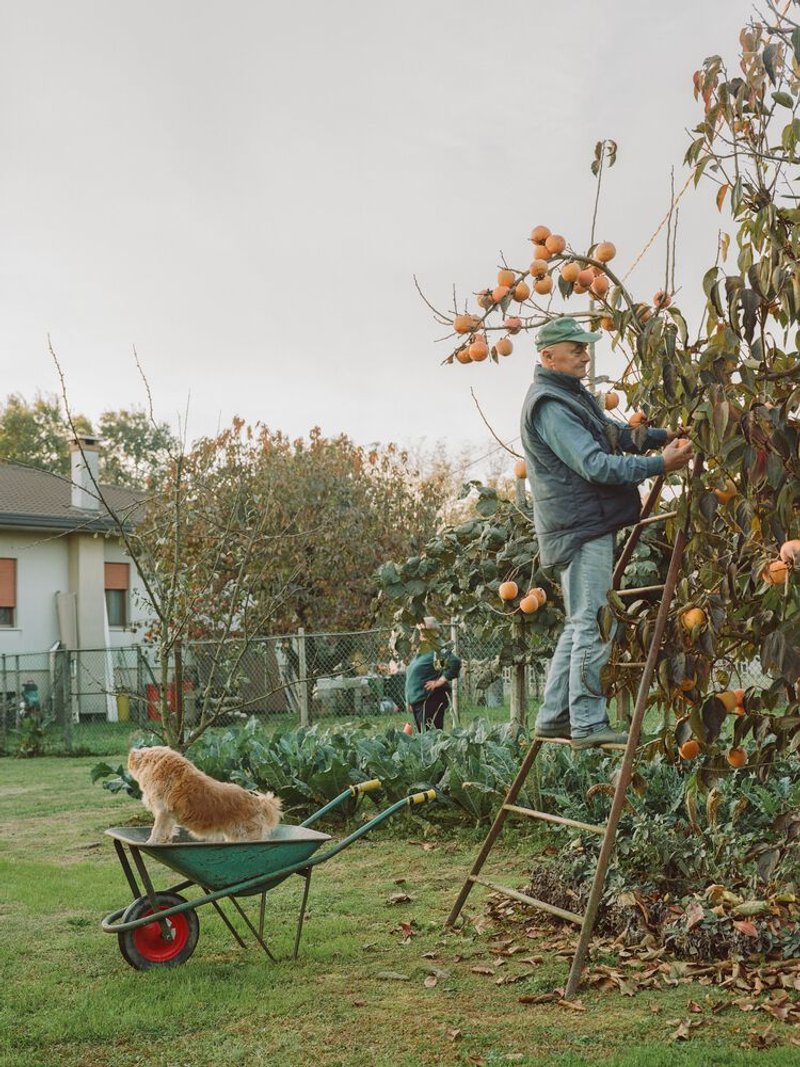
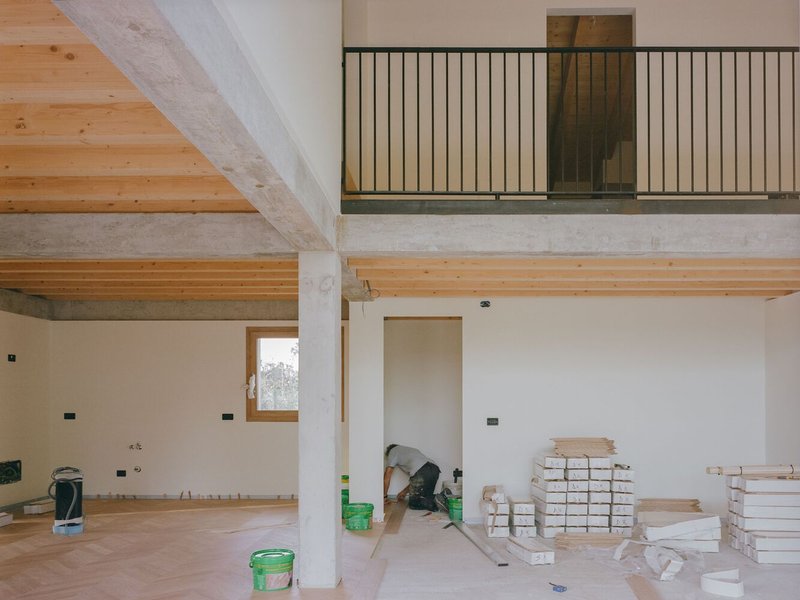
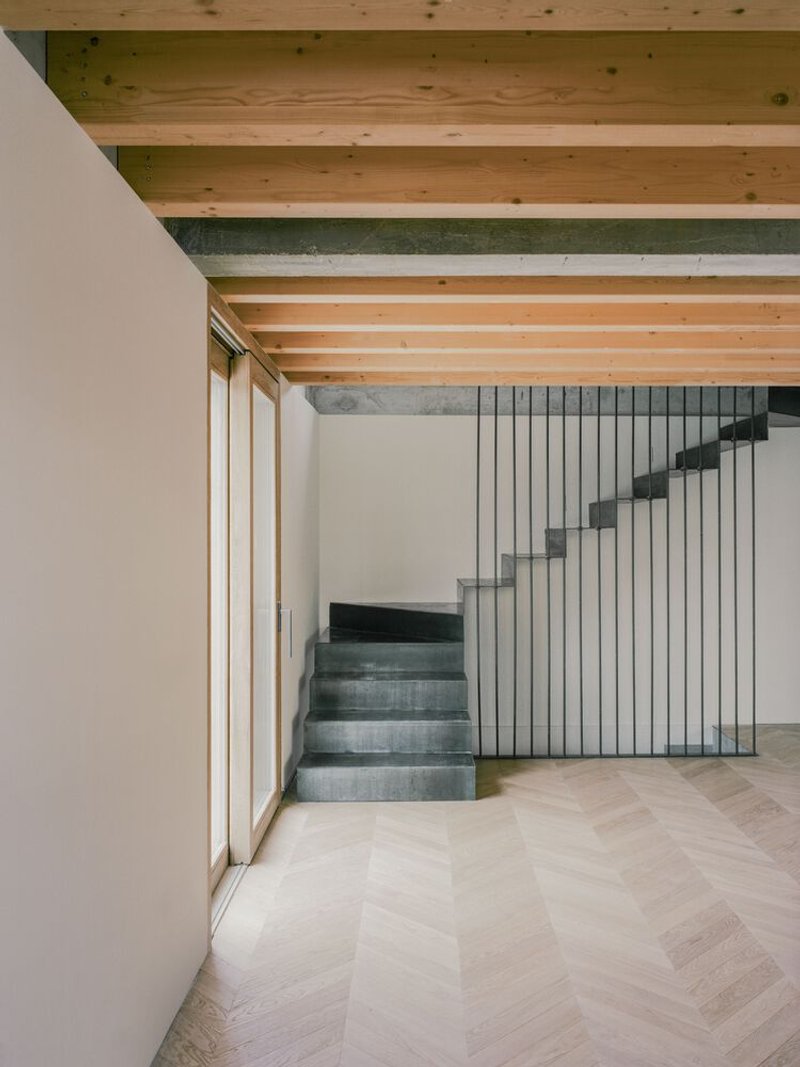
From the living room to the stairwell, the house is designed to engage with the surrounding rural landscape through carefully framed views and visual axes. These openings create a dialogue between architectural geometry and nature, reinforcing the house’s dual identity as both a rural homage and a modern statement.
Materiality: A Dialogue Between Past and Present
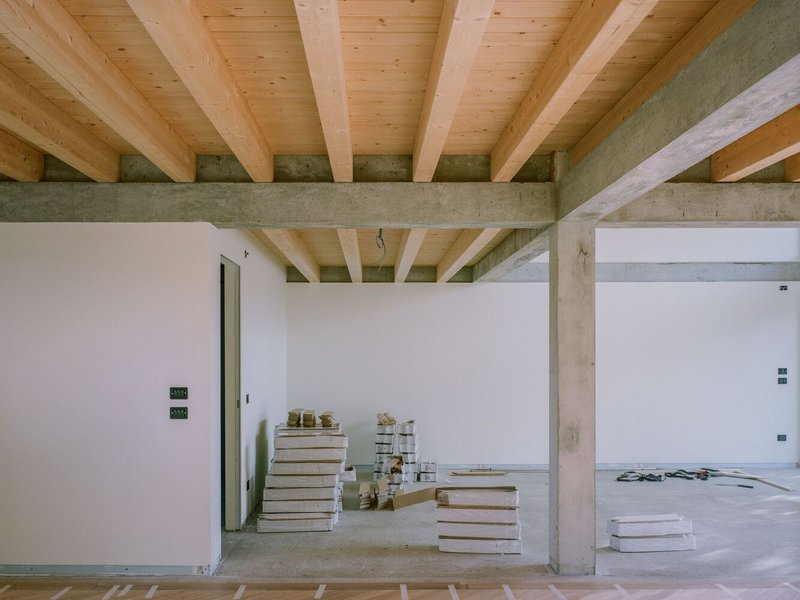
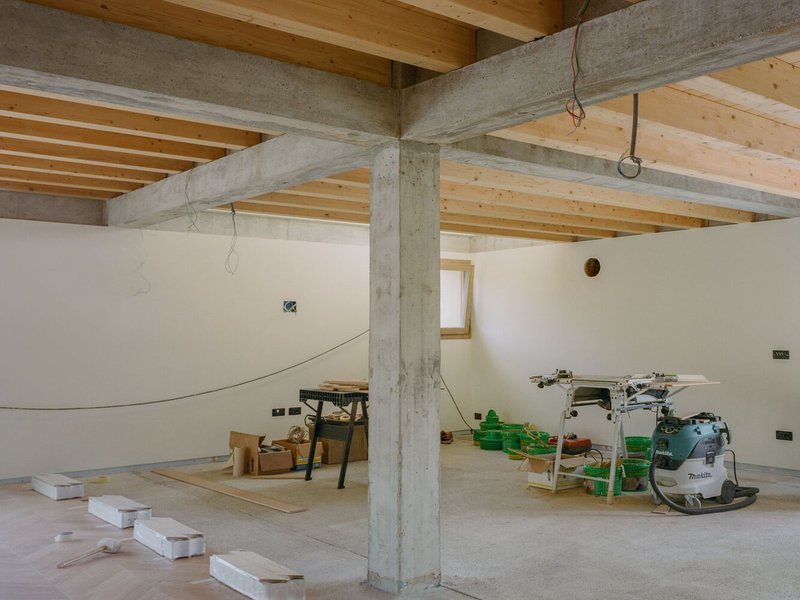
Material selection in Not a Rural House reflects the tension between history and modernity. The interplay between the “finished” and the “unfinished” is evident in the juxtaposition of exposed concrete, raw structural elements, and refined herringbone parquet flooring.
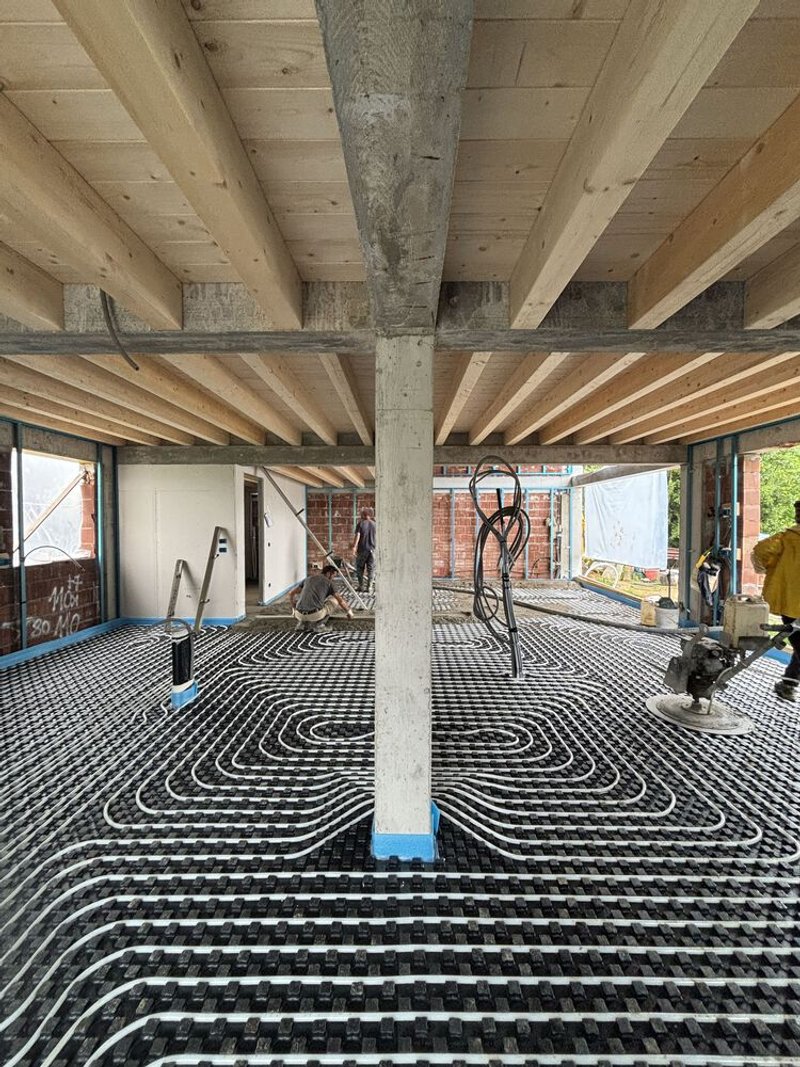
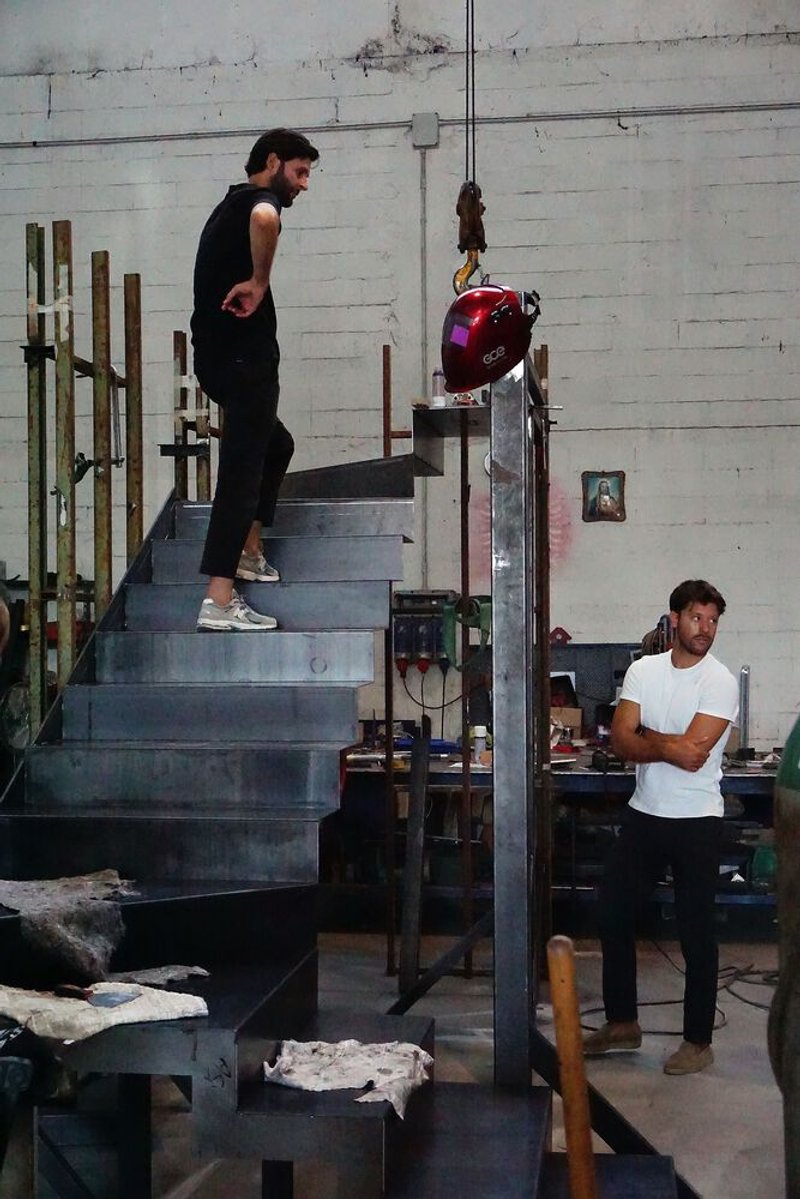
The warm tones of timber and the soft glow of grazing light contribute to an atmosphere of slow living, emphasizing the house’s connection to seasonal rhythms and the natural world. This fusion of raw and refined materials enhances the project's thematic contrast—where the surface pays tribute to the past, but the core belongs to the present.
A Critical Statement on Rural Preservation Laws
Beyond its architectural merits, Not a Rural House serves as a provocative commentary on Italy’s rural preservation policies. By complying with regulatory demands while simultaneously challenging their relevance, the project questions the authenticity of imposed historicism.
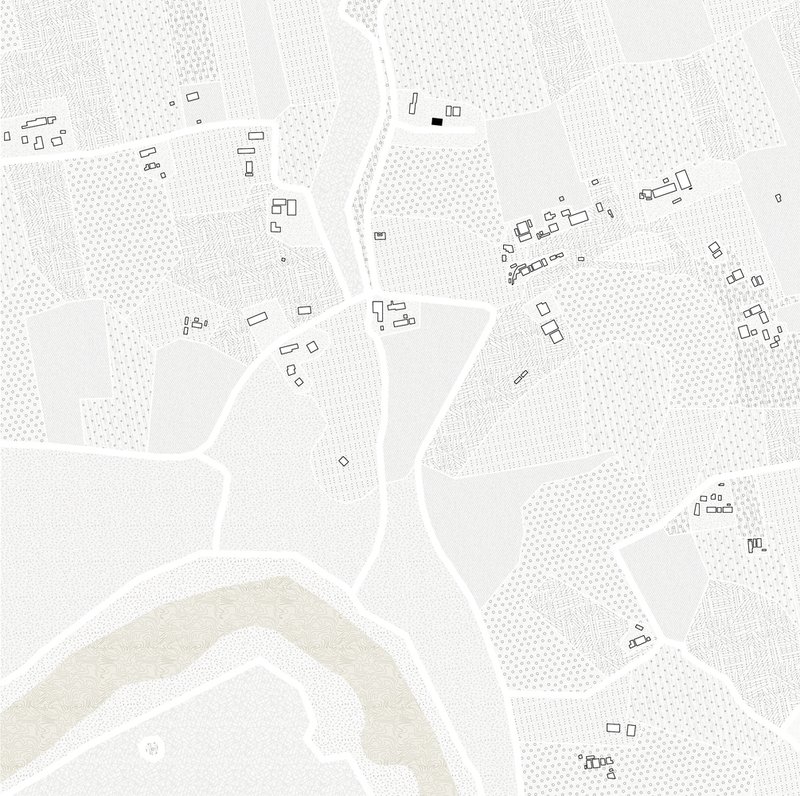
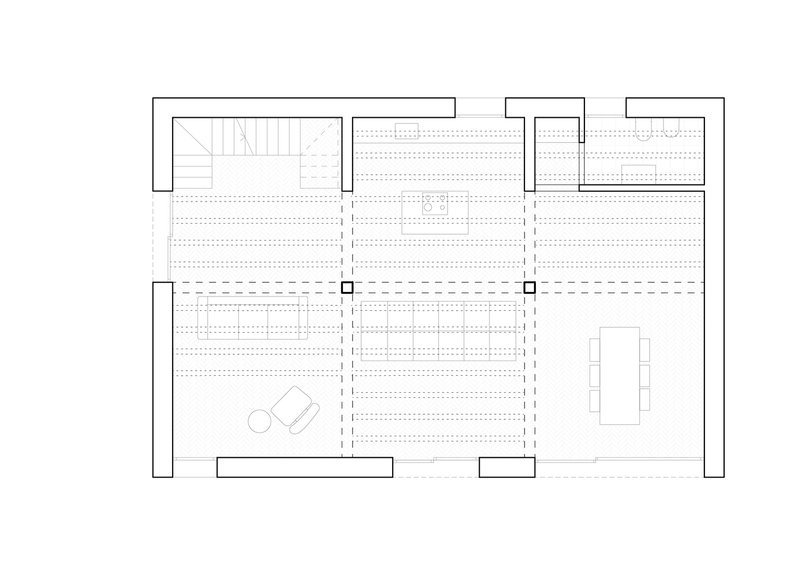
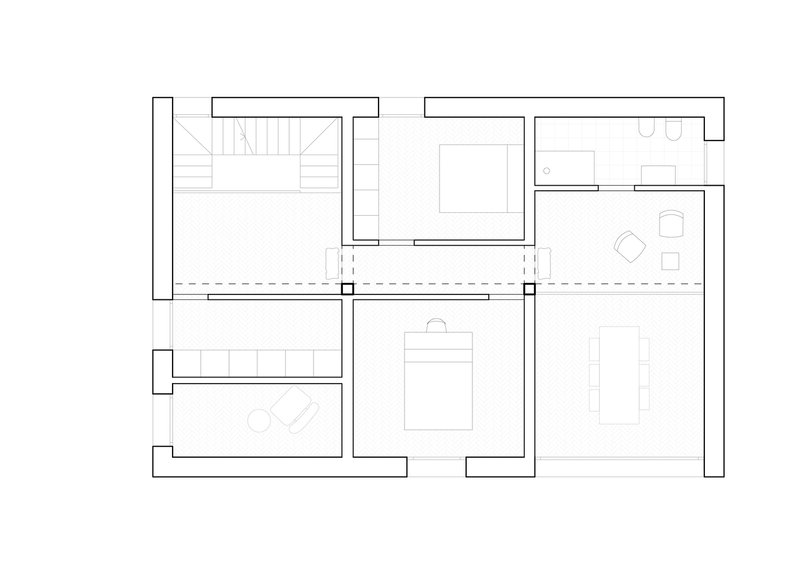
This project does not reject rural traditions but instead reinterprets them through contemporary design principles. The architects demonstrate how strict building codes, often intended to preserve history, can instead lead to the creation of architectural fictions—where structures appear traditional yet function in an entirely modern way.
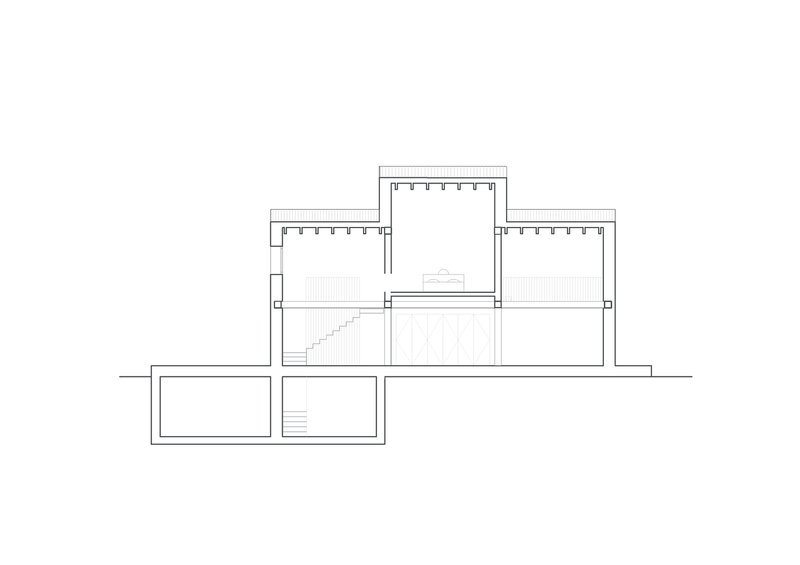
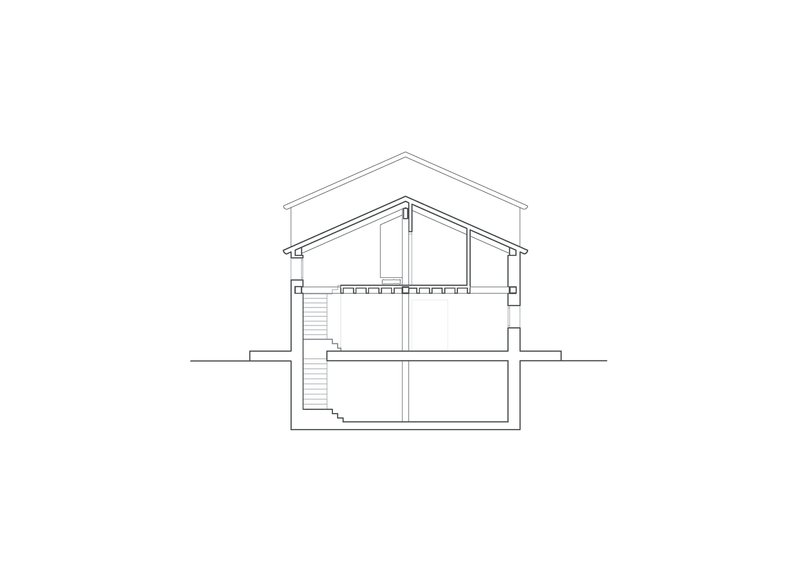
Not a Rural House is a defining example of contemporary rural architecture, demonstrating how constraints can inspire innovative design solutions. By embracing and exposing the contradictions between regulation and authenticity, the architects have crafted a residence that blends the past and present, using materiality, proportion, and spatial sequencing to create a truly unique living experience.
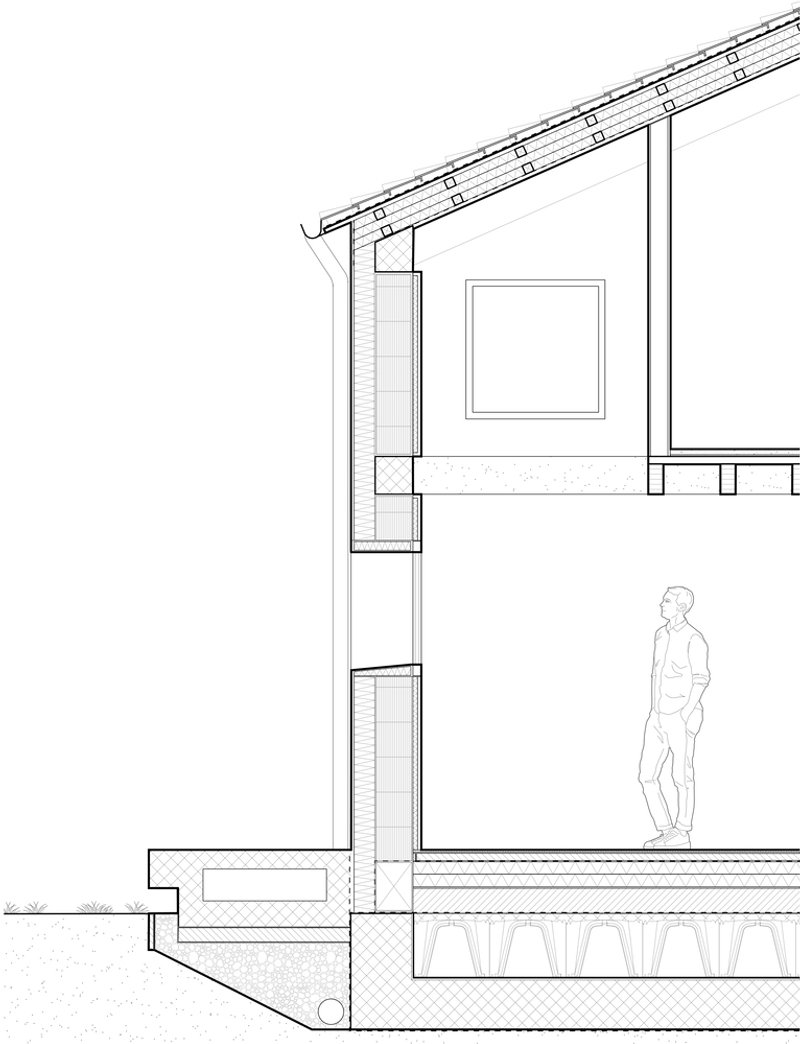
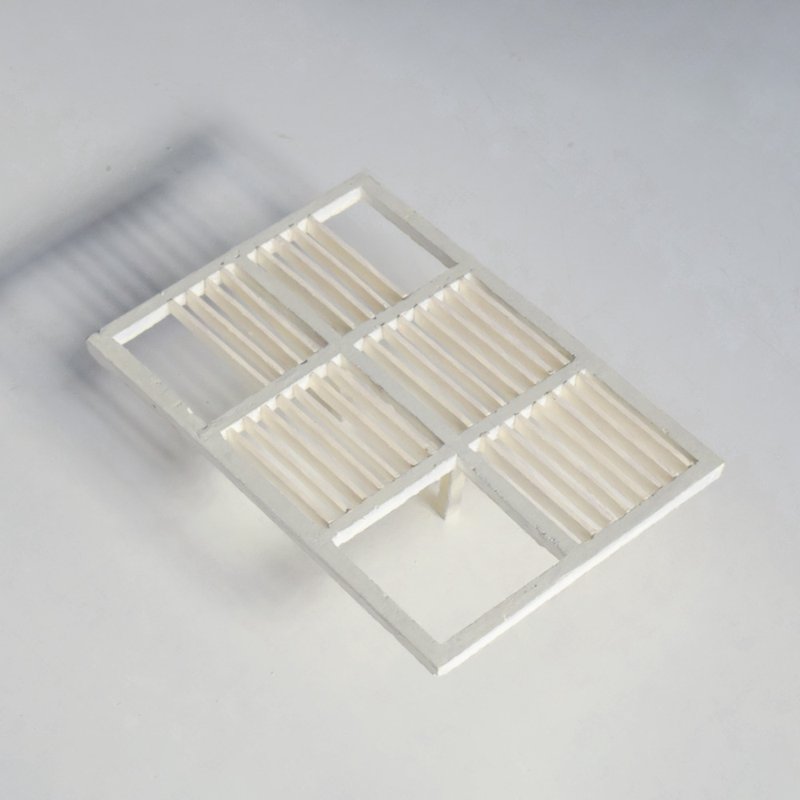
This house is more than a home; it is a critical dialogue between legislation and creativity, proving that even within the strictest architectural frameworks, there is room for innovation, critique, and modern reinterpretation.
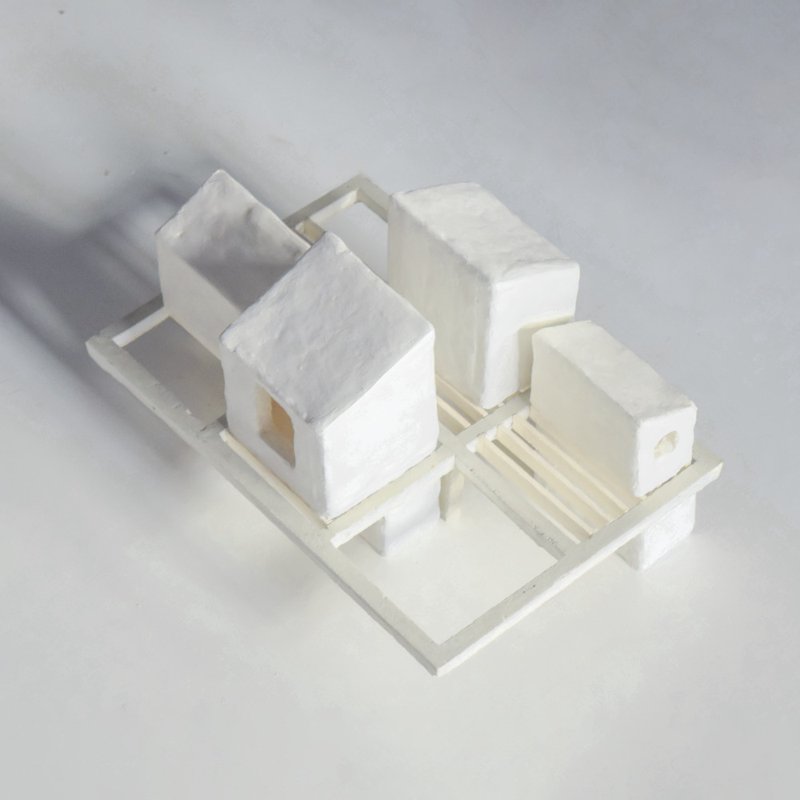
All Photographs are works of Lorenzo Zandri, AACM - Atelier Architettura Chinello Morandi


Popular Articles
Popular articles from the community

Inverted Architecture Installation by Studio Link-Arc: Exploring the Intersection of Architecture and Living Organisms
Inverted Architecture Installation by Studio Link-Arc blends mycelium, sustainability, inverted design, ecological cycles, and urban adaptive architecture in Shenzhen.
Gads Hill Early Learning Center by JGMA: Adaptive Reuse Shaping Community-Focused Educational Architecture
Adaptive reuse transforms fragmented structure into vibrant early learning center with playful façade, natural light, and community-focused sustainable design.
Solar Steam: A Climate-Responsive Architecture That Redefines the Monument
A climate-responsive memorial architecture that transforms heat, decay, and time into a living system reflecting humanity’s ecological impact.

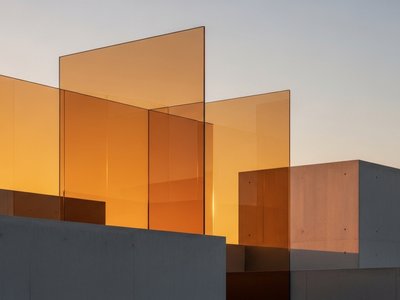
Free Architecture Competitions You Can Enter Right Now
No entry fees, real prizes. Here are the best free architecture competitions open for submissions in 2026.

Similar Reads
You might also enjoy these articles
Free Architecture Competitions You Can Enter Right Now
No entry fees, real prizes. Here are the best free architecture competitions open for submissions in 2026.
Top 15 Architecture Competitions to Enter in 2026
From student-friendly idea competitions to prestigious international awards, here are the best architecture competitions open for entries in 2026. Updated regularly.

DIY & Engineering in Computational Design : Enter the BeeGraphy Design Awards
Showcase Your Creativity with Computational Design and Open Source Projects
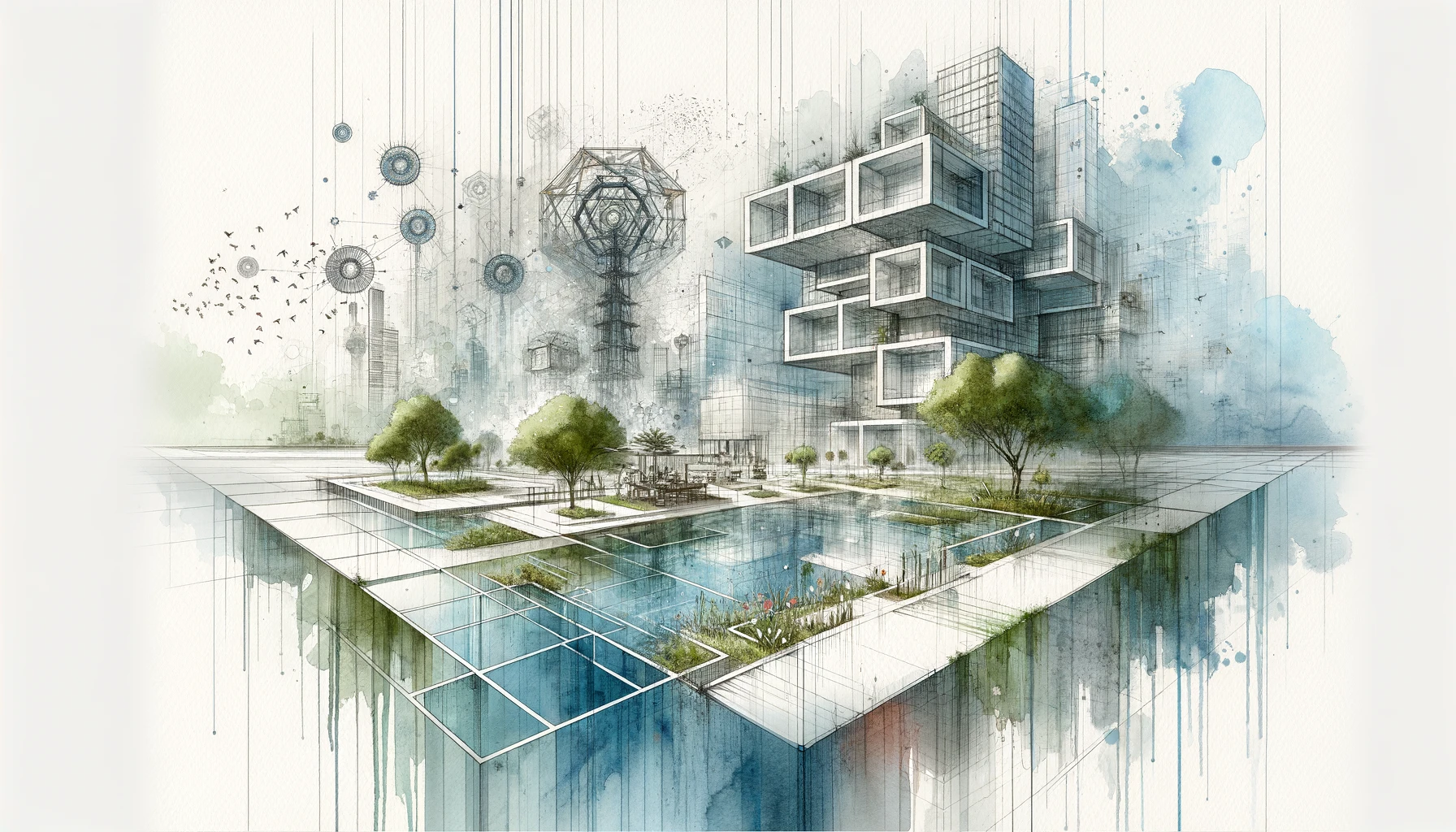
Innovative Design Solutions: Award-Winning Projects from Recent Architecture Competitions
Exploring award-winning architectural projects shaping the future of design, sustainability, and community.

Explore Architecture Competitions
Discover active competitions in this discipline




The International Standard for Design Portfolios


The Global Benchmark for Architecture Dissertation Awards


The Global Benchmark for Graduation Excellence


Challenge to reimagine the Iron Throne
Comments (0)
Please login or sign up to add comments
No comments yet. Be the first to comment!