
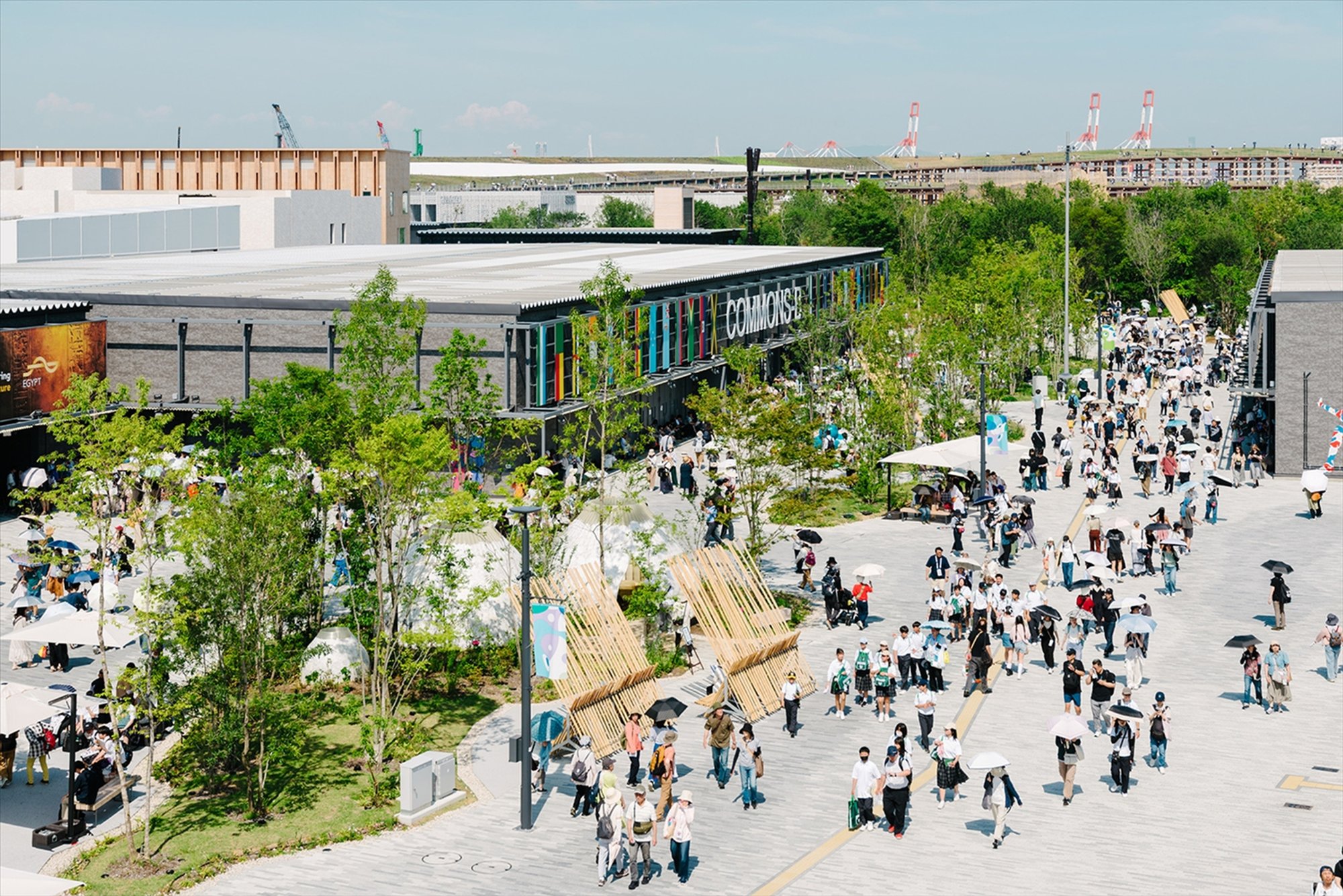
Osaka Expo 2025: Foresting Architecture Pavilion by Takenaka Corporation
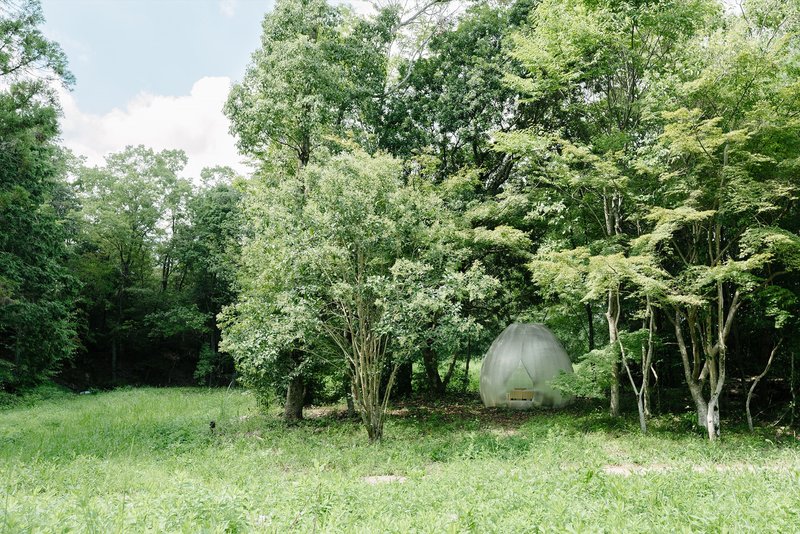
The Foresting Architecture Pavilion at Osaka Expo 2025 is a biodegradable, 3D-printed, sustainable structure transforming land into a seasonal forest.

A Pavilion That Grows Back to Nature
The Foresting Architecture Pavilion at Osaka Expo 2025 is not just a temporary structure; it’s a vision of sustainable, regenerative architecture. Designed by Takenaka Corporation, this innovative pavilion transforms the concept of an event building. Instead of creating waste after the Expo’s six-month duration, the pavilion is designed to be cared for, used thoughtfully, and eventually returned to the soil to grow into a forest.
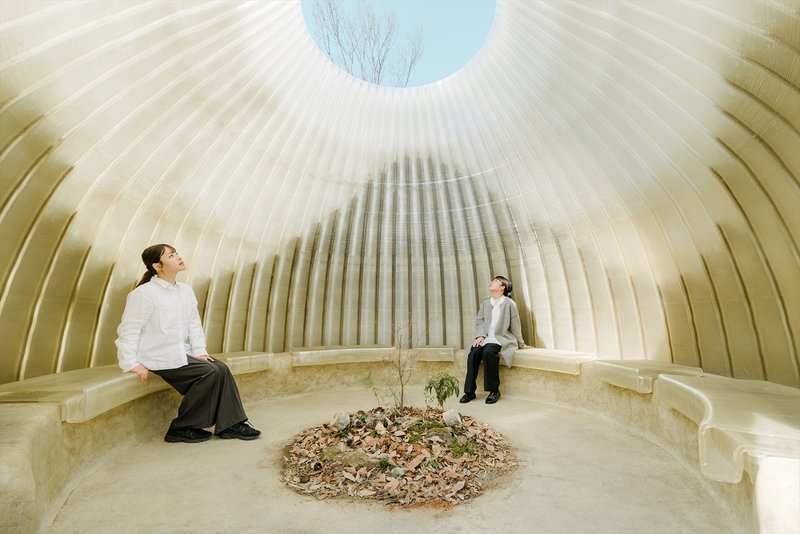
This approach embodies a new philosophy in architecture: buildings can leave behind a legacy rather than debris, emphasizing a harmonious relationship between humans and nature.
Inspiration Behind the Design
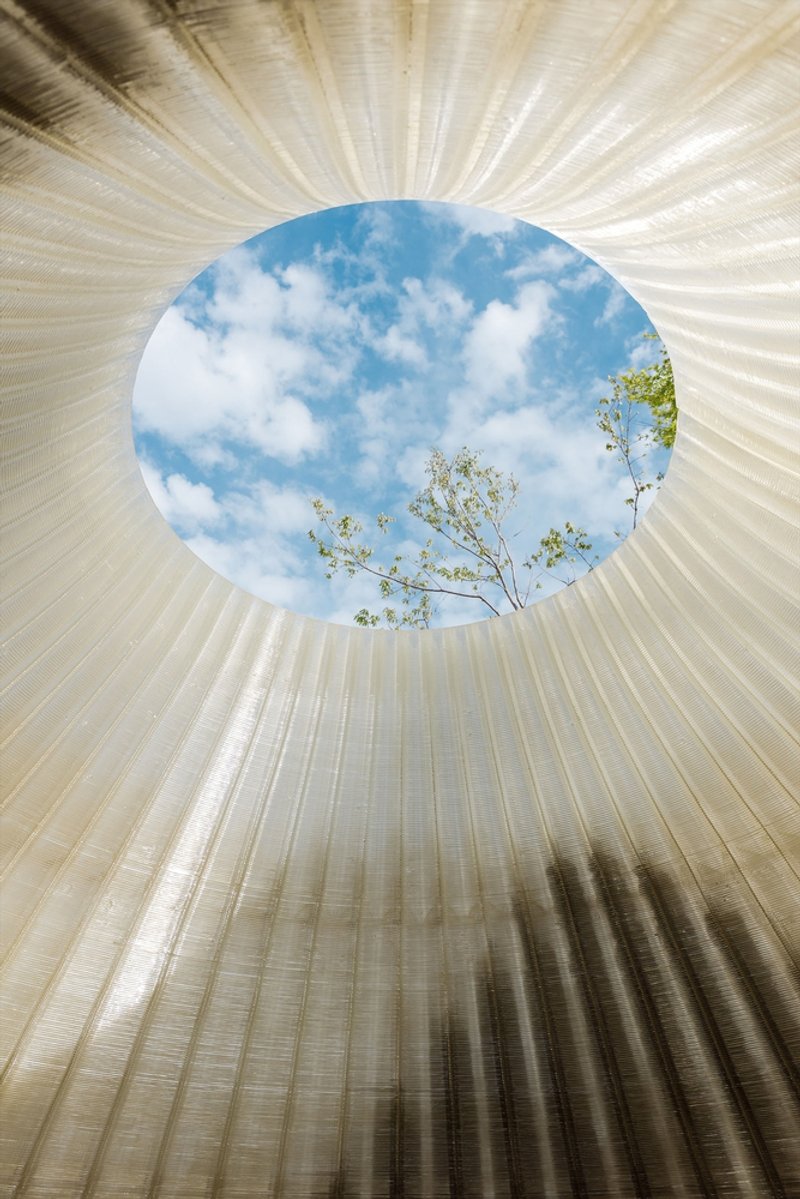
The design process of Foresting Architecture draws inspiration from animal nests and traditional Japanese architecture. The aim is to create a sense of attachment for participants while leveraging cutting-edge technology to allow public involvement in its construction.
Built on Yumeshima, a former landfill site, the pavilion demonstrates regenerative architecture—it not only serves visitors during the Expo but will eventually help restore a forest on reclaimed land.
Innovative Biodegradable Materials
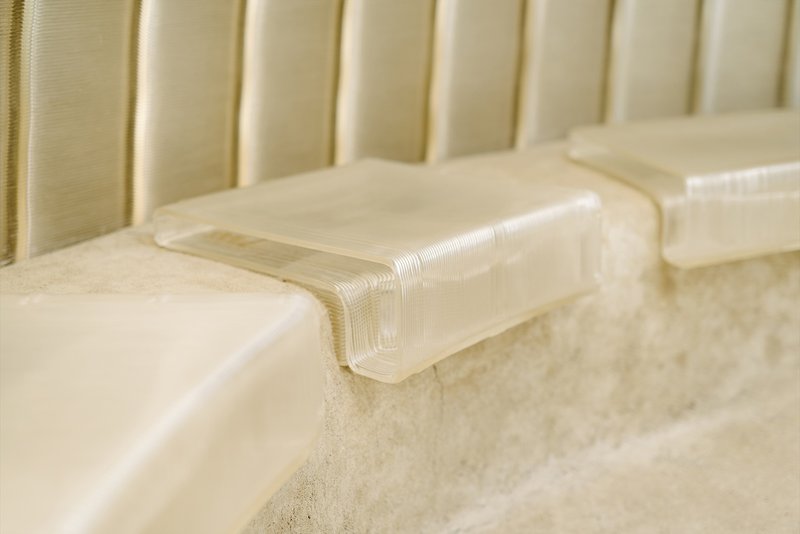
Foresting Architecture is constructed entirely from natural and biodegradable materials. The structure uses cellulose acetate, a wood-derived material commonly found in eyeglass frames and medicine capsules.
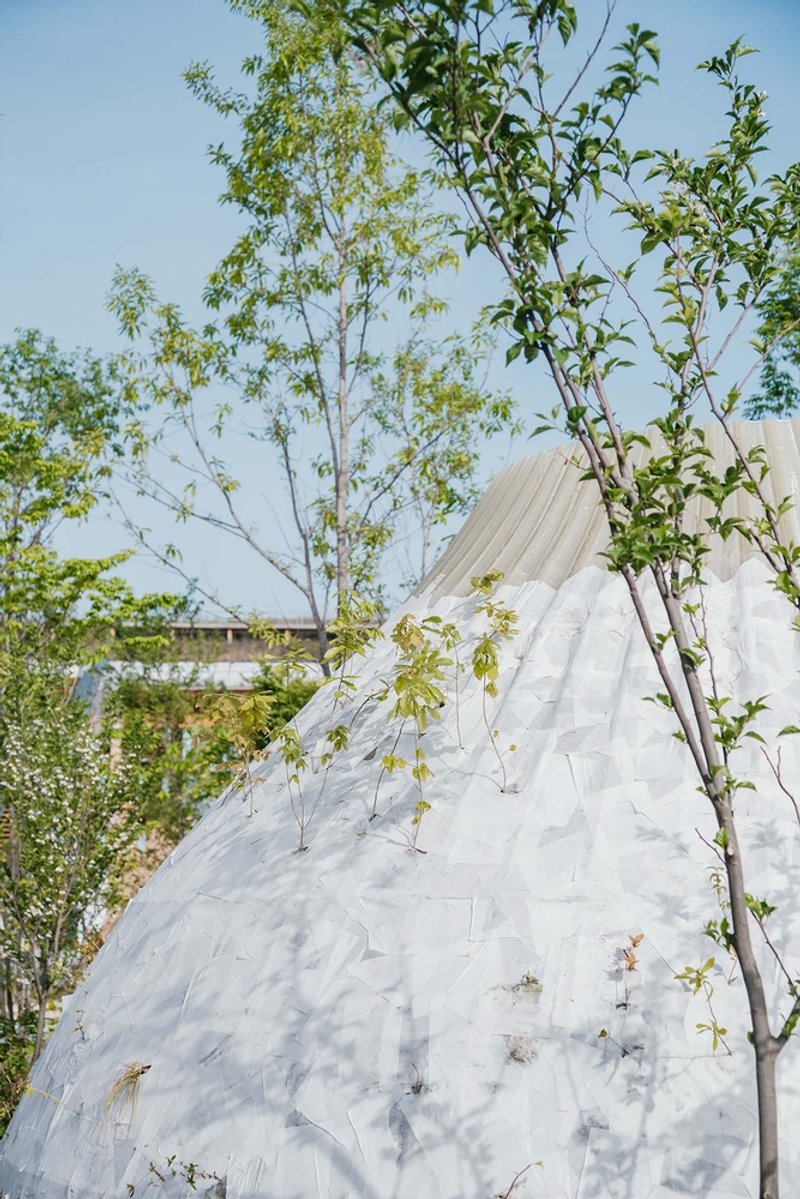
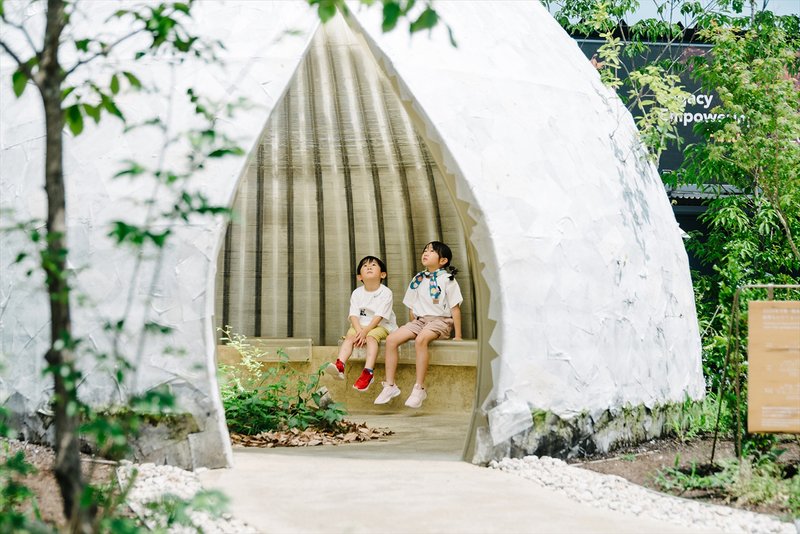
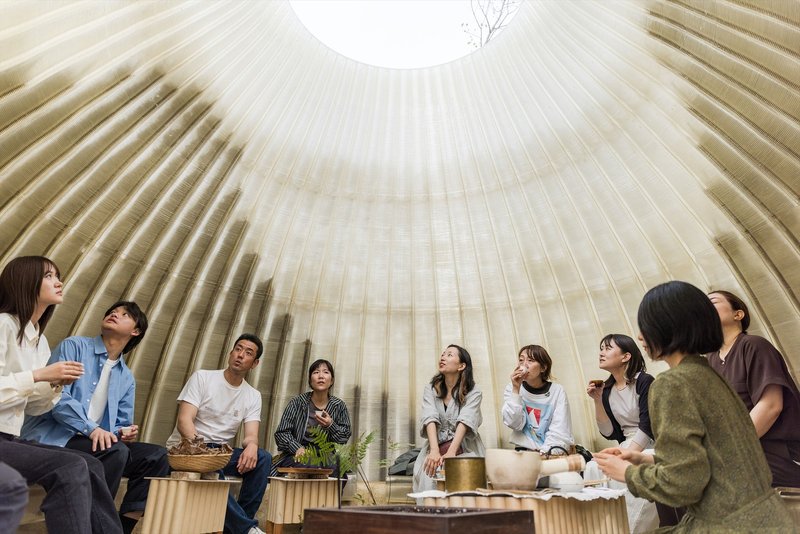
Through continuous 24-hour 3D printing over three weeks, the team created a 4.65m diameter and 2.95m high structure, earning a Guinness World Record™ as the world’s largest biodegradable 3D-printed architectural structure. The truss-like cross-section evokes the sensation of being inside a plant stem or fruit, blending natural forms with cutting-edge construction techniques.
Community Engagement and Participation
A key element of the pavilion is public involvement. Handmade paper embedded with plant seeds was created by:
- Workshop participants
- Welfare facility members
- Traditional washi artisans
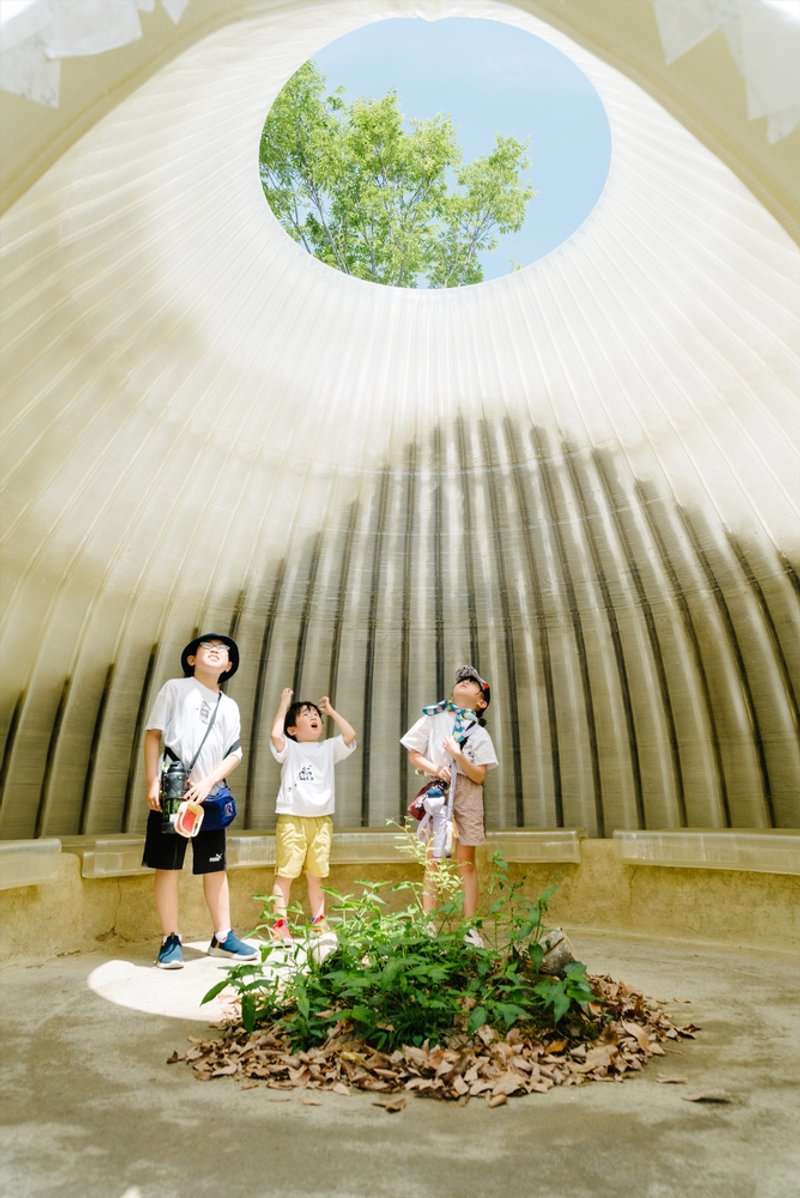
This paper was then applied to the exterior using cellulose-derived adhesive. The seeds originate from plants native to Kawanishi City, Hyogo Prefecture, where the pavilion will eventually be relocated. As the seeds grow, the pavilion transforms with the seasons, creating a living, evolving space during the Expo.
A Legacy Beyond the Expo
Though it is the smallest pavilion on site, Foresting Architecture exemplifies how collaboration between technology, community, and design can create architecture that leaves a lasting impact. After the Expo closes, the pavilion will be moved to Kawanishi City to grow into a forest, demonstrating the potential for buildings to return to nature rather than become waste.

This project challenges conventional architecture by asking: “What can we leave behind?” It encourages society to reconsider the relationship between humans, nature, and the built environment, proving that architecture can be both temporary and transformative.
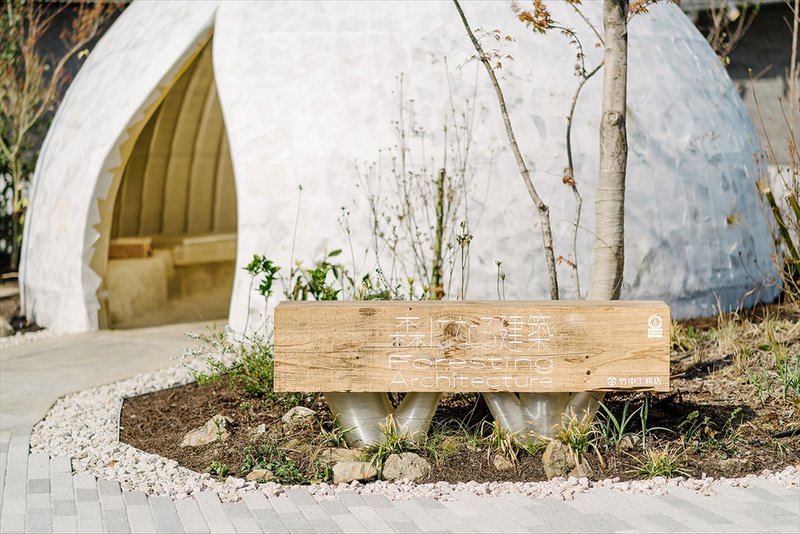
All photographs are works of Yoshiro Masuda, Natsumi Kinugasa, Yosuke Ohtake, Ami Harita




Popular Articles
Popular articles from the community

Inverted Architecture Installation by Studio Link-Arc: Exploring the Intersection of Architecture and Living Organisms
Inverted Architecture Installation by Studio Link-Arc blends mycelium, sustainability, inverted design, ecological cycles, and urban adaptive architecture in Shenzhen.


The Ken Roberts Memorial Delineation Competition (Krob)
As the most senior architectural drawing competition currently in operation anywhere in the world, it draws hundreds of entries each year, awarding the very best submissions in a series of medium-based categories.

Free Architecture Competitions You Can Enter Right Now
No entry fees, real prizes. Here are the best free architecture competitions open for submissions in 2026.



Similar Reads
You might also enjoy these articles
The Ken Roberts Memorial Delineation Competition (Krob)
As the most senior architectural drawing competition currently in operation anywhere in the world, it draws hundreds of entries each year, awarding the very best submissions in a series of medium-based categories.
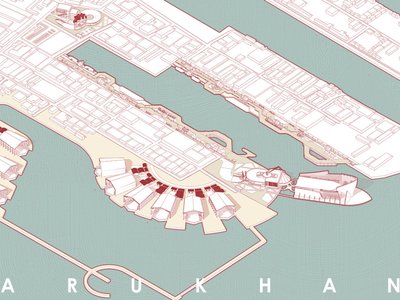
Waterfront Redevelopment and Urban Revitalization in Mumbai: Forging a New Dawn for Darukhana
A transformative waterfront redevelopment project reimagining Darukhana’s shipbreaking heritage into an inclusive urban future.
OUT-OF-MAP: A Call for Postcards on Feminist Narratives of Public Space
Rhizoma Design and Research Lab invites artists, designers, architects, researchers, and students to reflect on how feminist perspectives can reshape public space. Selected works will be exhibited in Barcelona, October 2026. Submissions open until 15 April 2026.

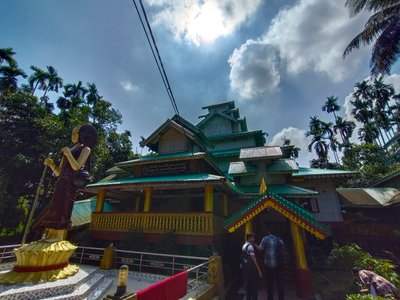
Documentation Work on Buddhist Wooden Temple
Architectural syncretism and cultural hybridity: A comparative study of the Buddhist temples in Chattogram Hill tracks


Explore Architecture Competitions
Discover active competitions in this discipline




The International Standard for Design Portfolios


The Global Benchmark for Architecture Dissertation Awards


The Global Benchmark for Graduation Excellence


Challenge to reimagine the Iron Throne
Comments (0)
Please login or sign up to add comments
No comments yet. Be the first to comment!