
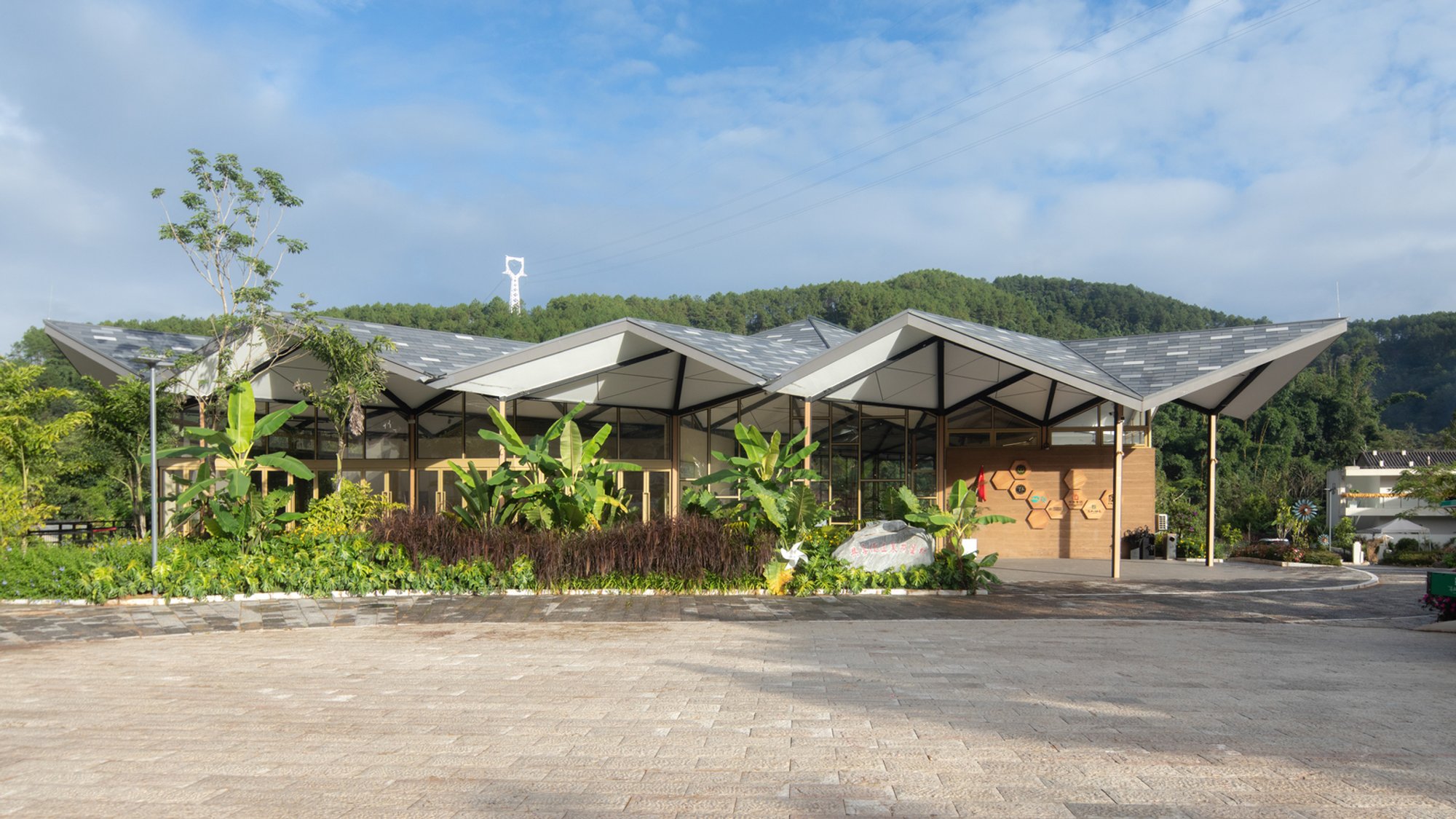
Pu'er Beautiful Star Village Coffee Experience Center: A Landmark in Tropical Architecture Design
Pu'er Beautiful Star Village Coffee Experience Center redefines tropical architecture design by merging climate-responsive strategies with cultural and community-driven spatial experiences.

An Architectural Fusion of Climate, Culture, and Community in Yunnan
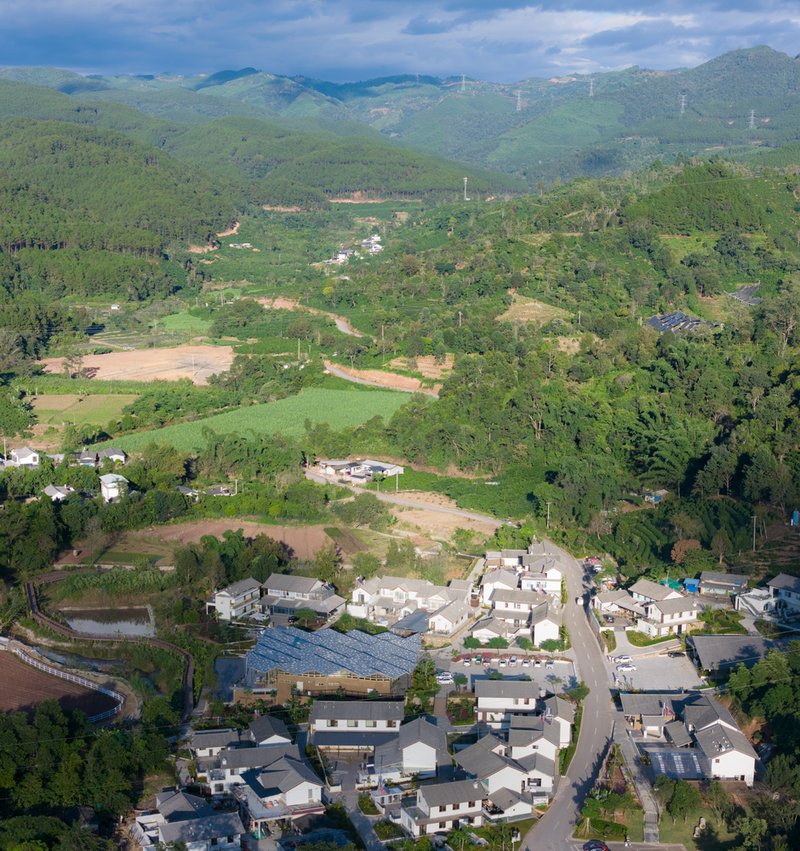
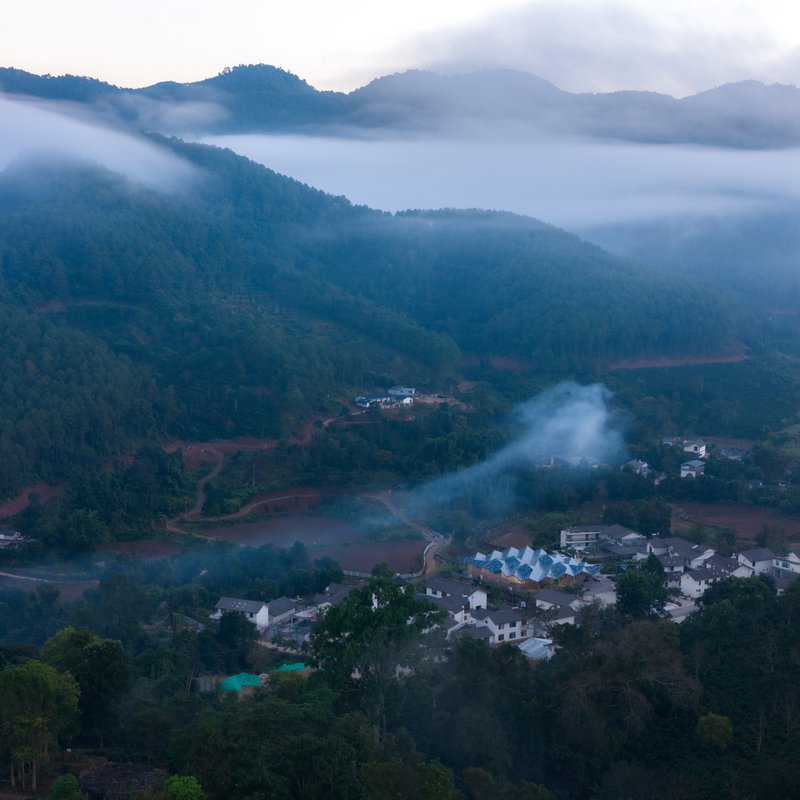
The Pu'er Beautiful Star Village Coffee Experience Center, designed by Studio Dali Architects, is an exemplary project showcasing tropical architecture design in the lush valleys of southern Yunnan. Known for its abundant coffee production and temperate climate, the region offers an ideal setting for a cultural and commercial hub that bridges local heritage with modern spatial experiences.
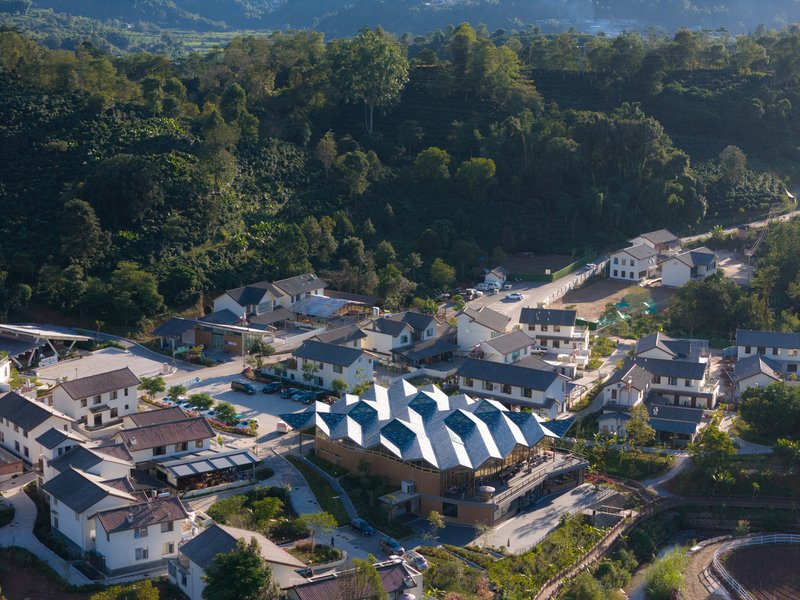
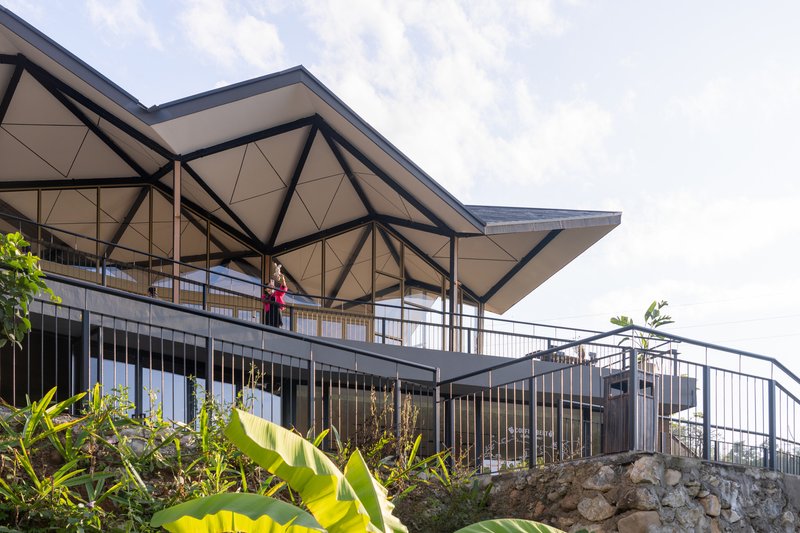
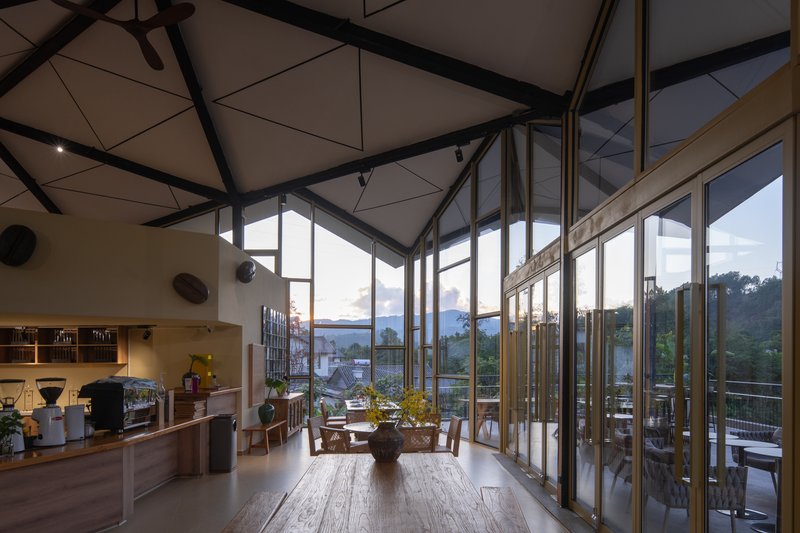
As a key initiative aimed at revitalizing the local economy and promoting coffee culture, the project serves as an interactive platform for local coffee farmers and visitors alike. Through innovative design strategies—including tree-inspired structures, flexible spatial layouts, and an expansive folded-plate roof—the architecture responds to environmental conditions while fostering a strong connection between people, nature, and tradition.
Climate-Responsive Design for a Tropical Rainforest Setting
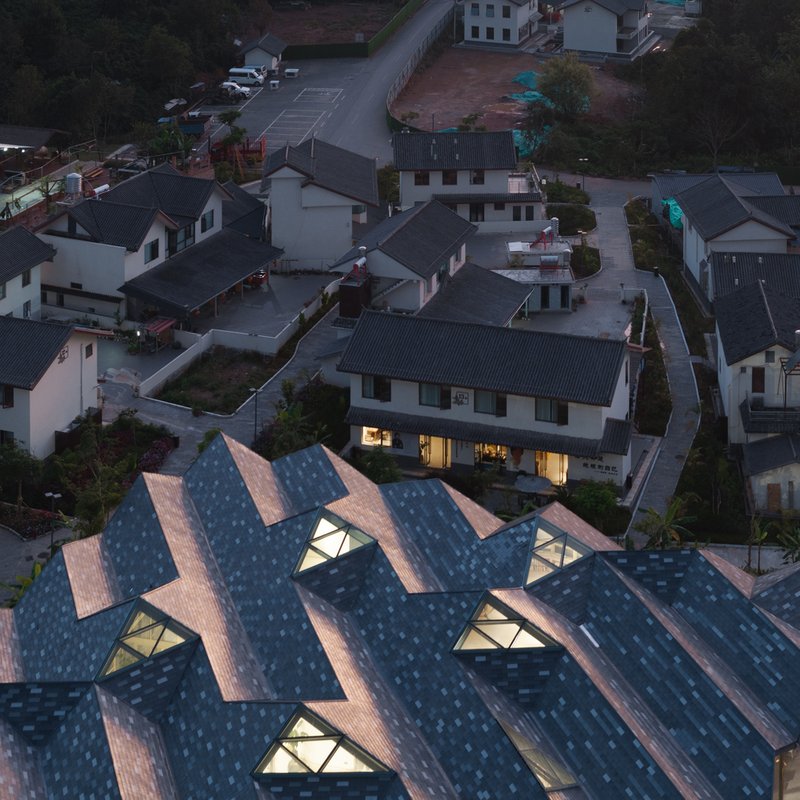
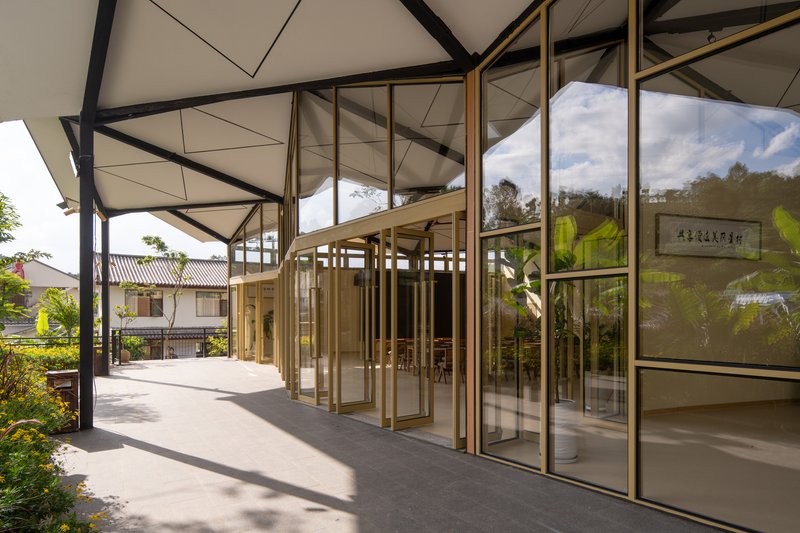
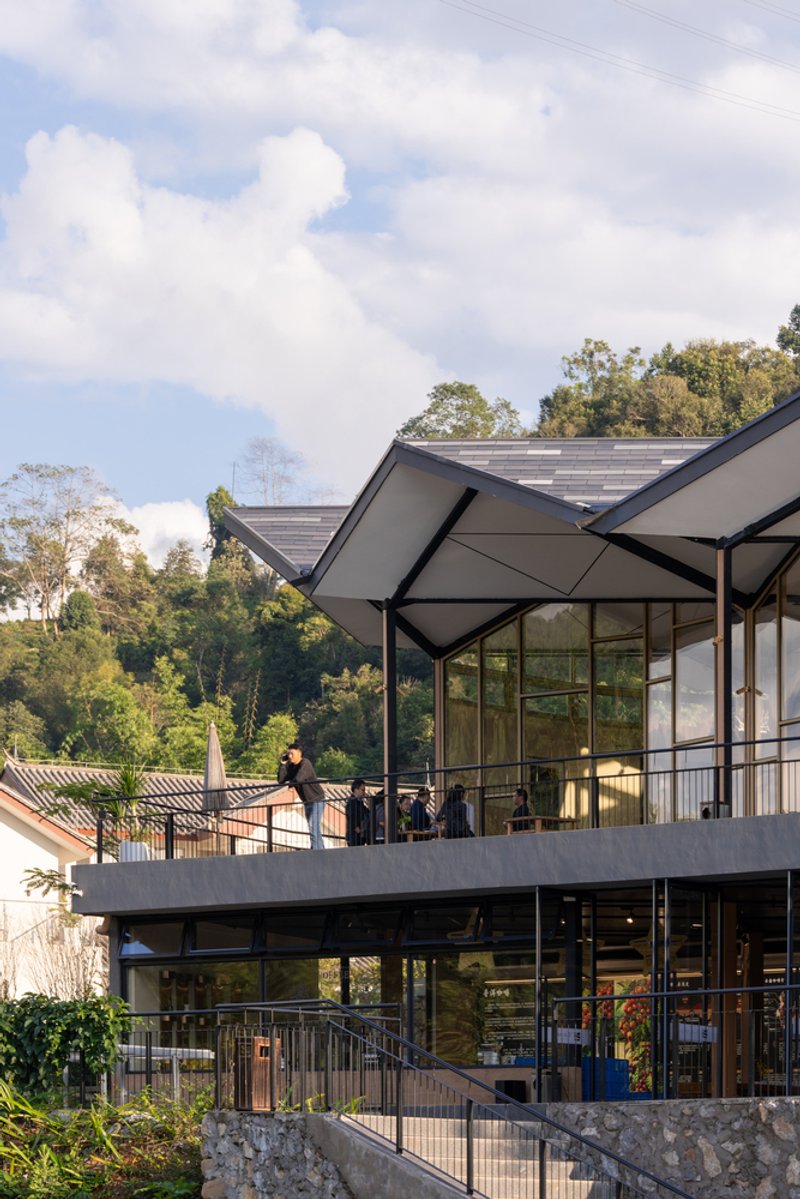
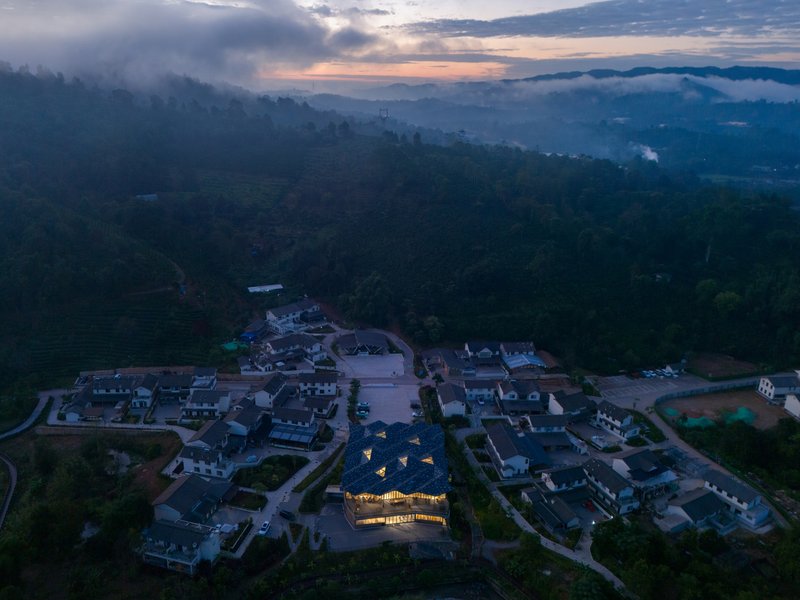
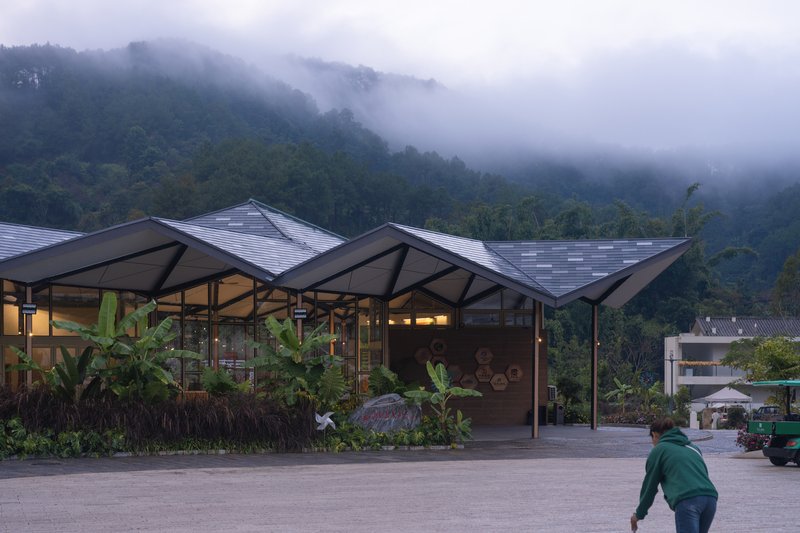
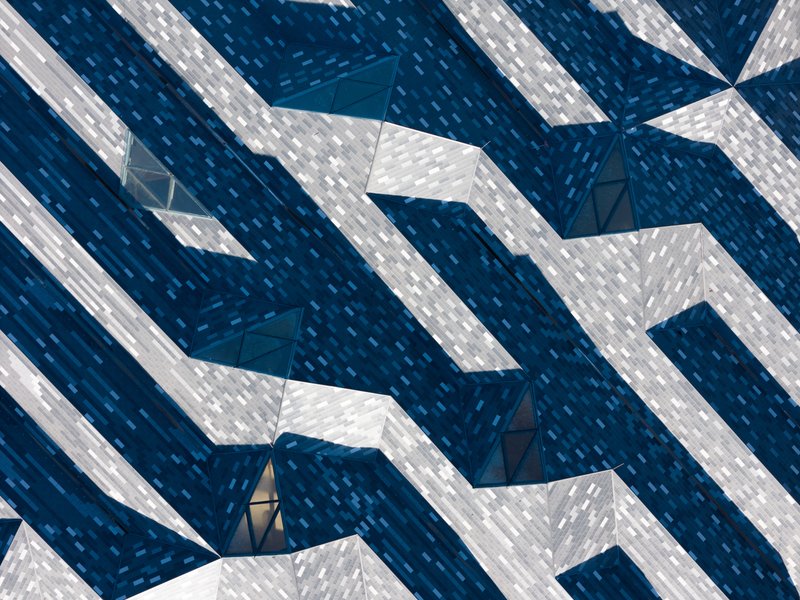
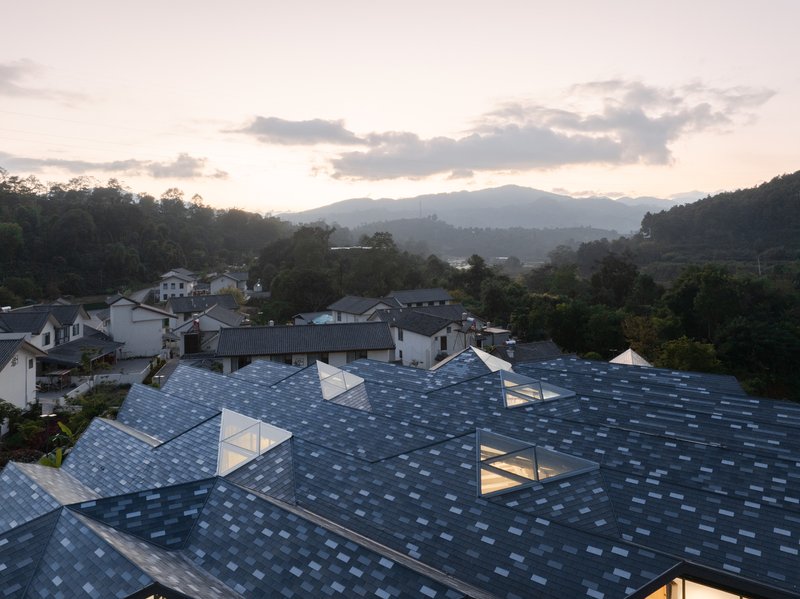
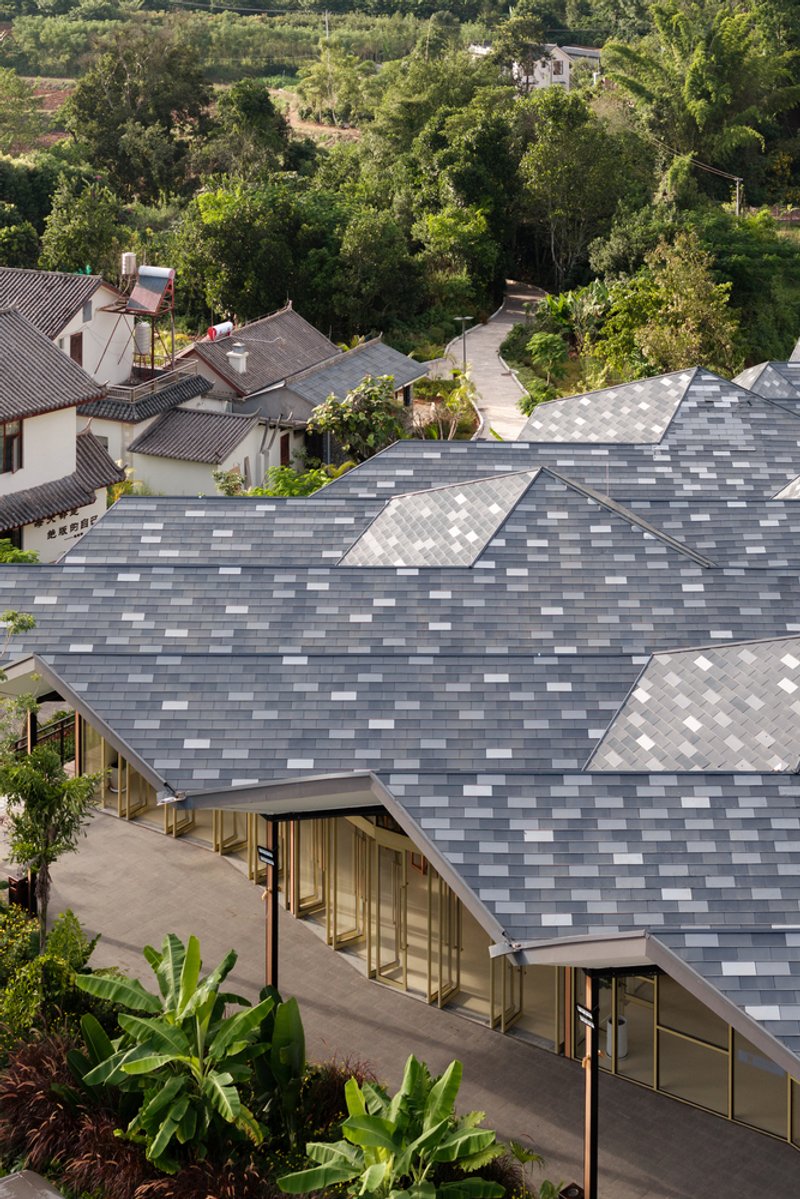
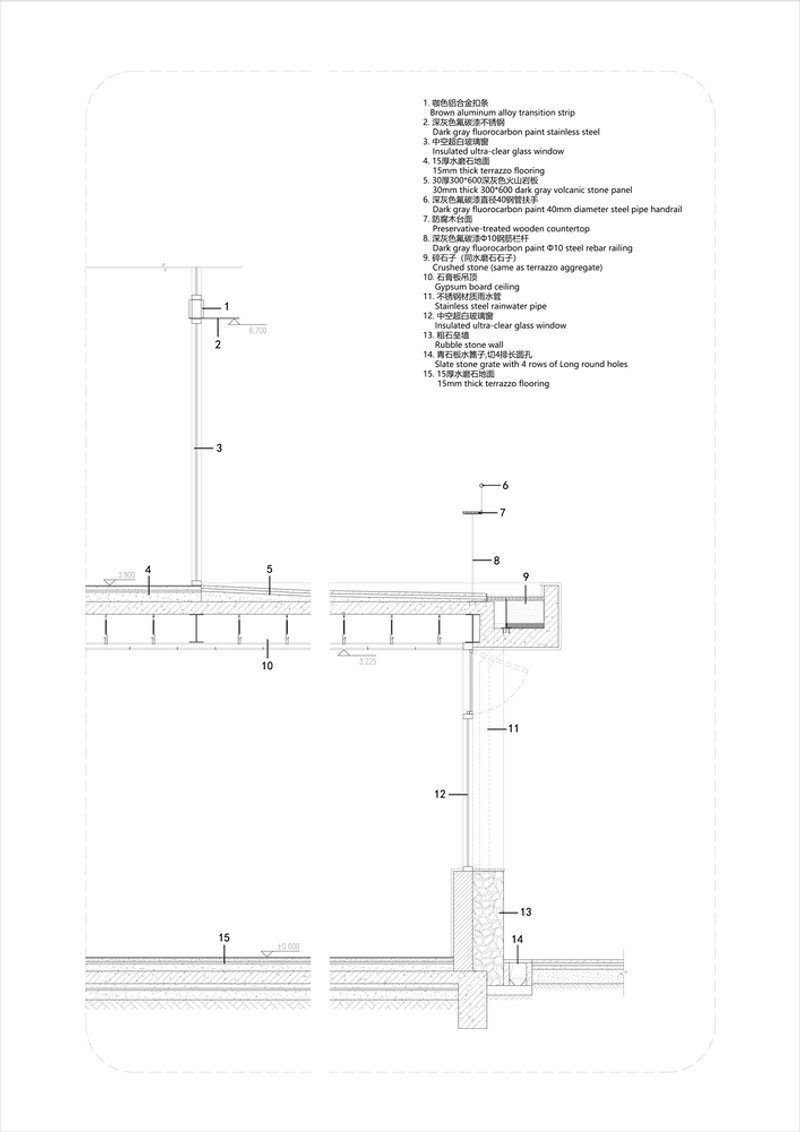
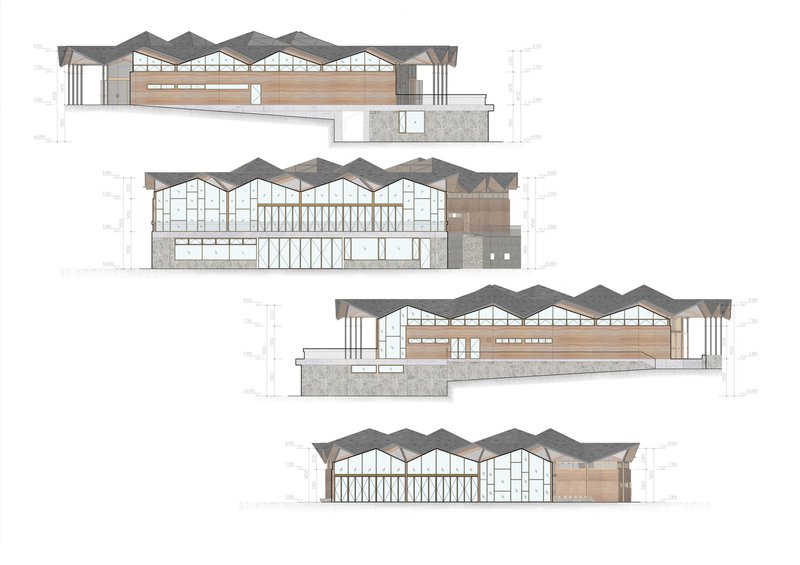
Southern Yunnan’s tropical rainforest climate presents unique architectural challenges, including intense sunlight and high rainfall levels. To address these conditions, the building features a prominent folded-plate roof that extends well beyond the structure, offering both shade and rain protection. This angular roof form is not only an aesthetic statement but also a functional element that enhances drainage while mitigating excessive heat gain.
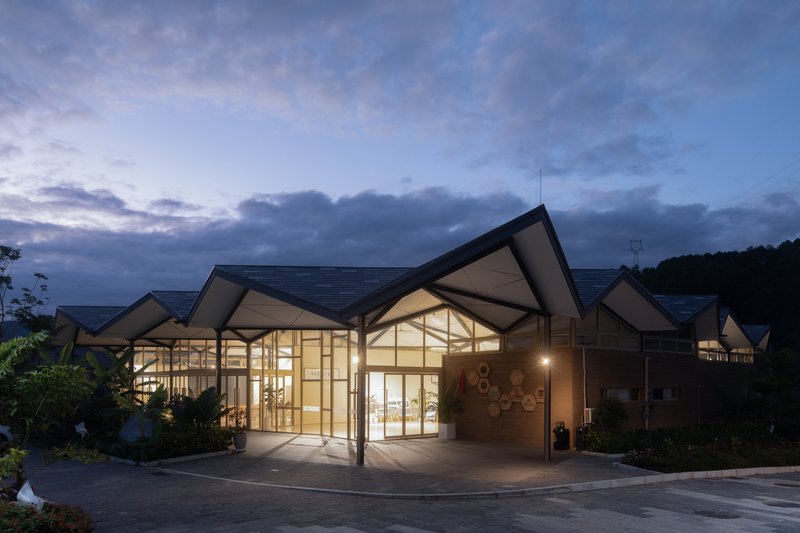
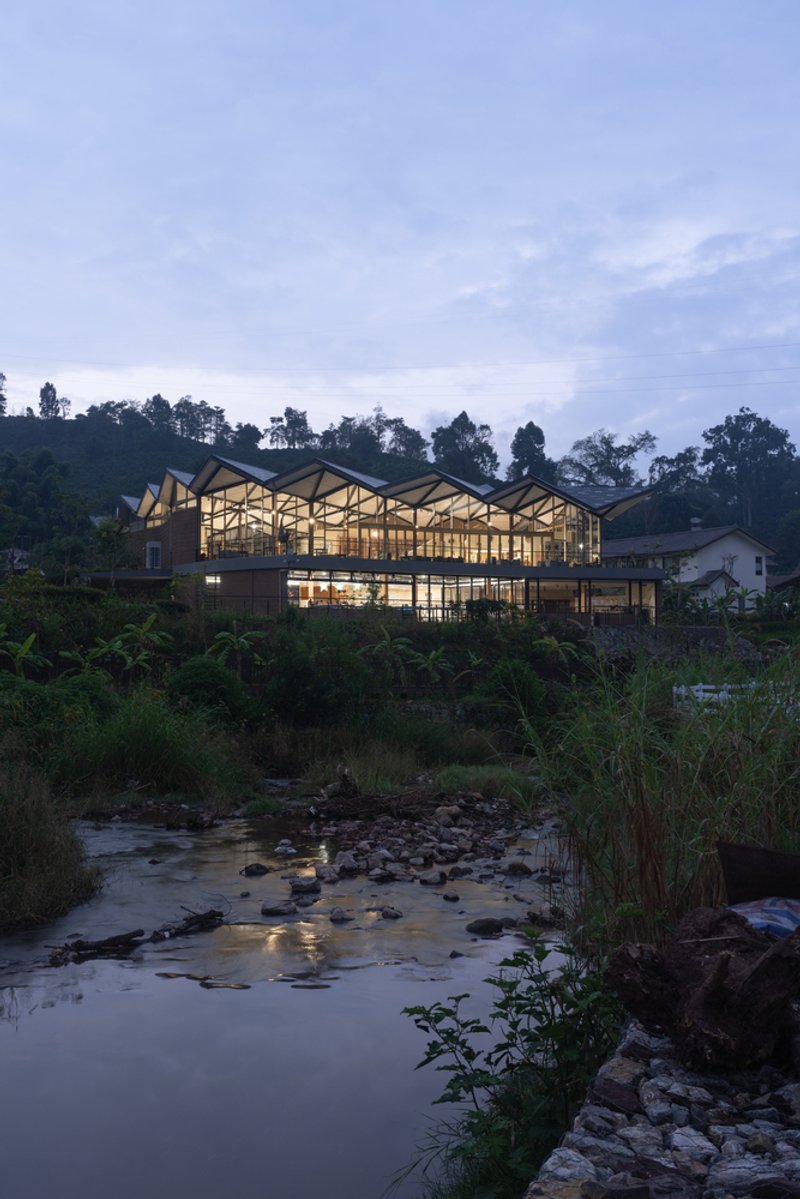
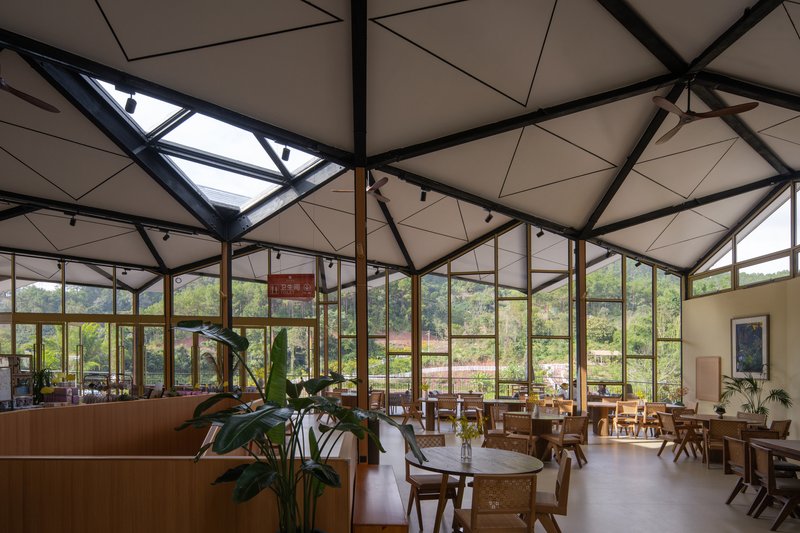
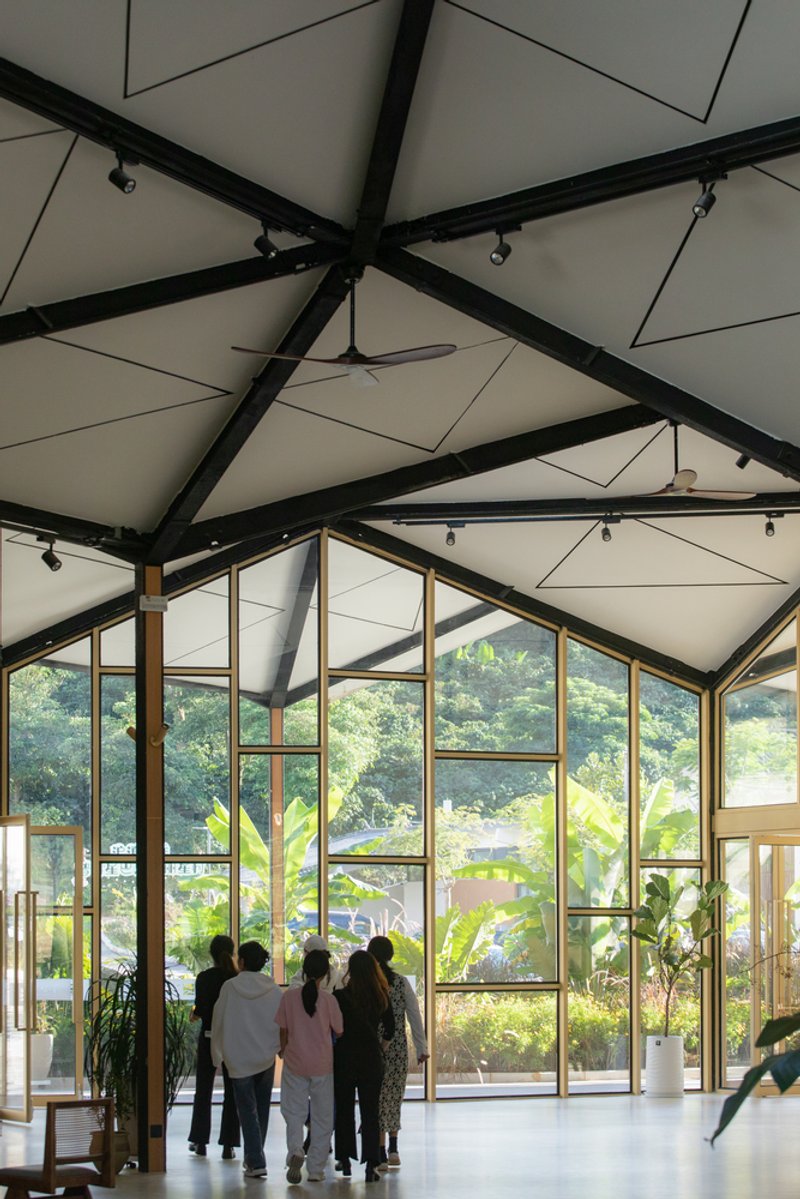
Skylights punctuate the roof at strategic points, ensuring that natural daylight filters into the interiors without overheating the space. This design approach mimics the dappled light effect found in the dense rainforest canopy, creating a natural and immersive atmosphere within the center. By harnessing passive cooling techniques and prioritizing ventilation, the building operates efficiently within its climatic context while reducing its reliance on mechanical cooling systems.
Spatial Concept Inspired by the Rainforest Ecosystem
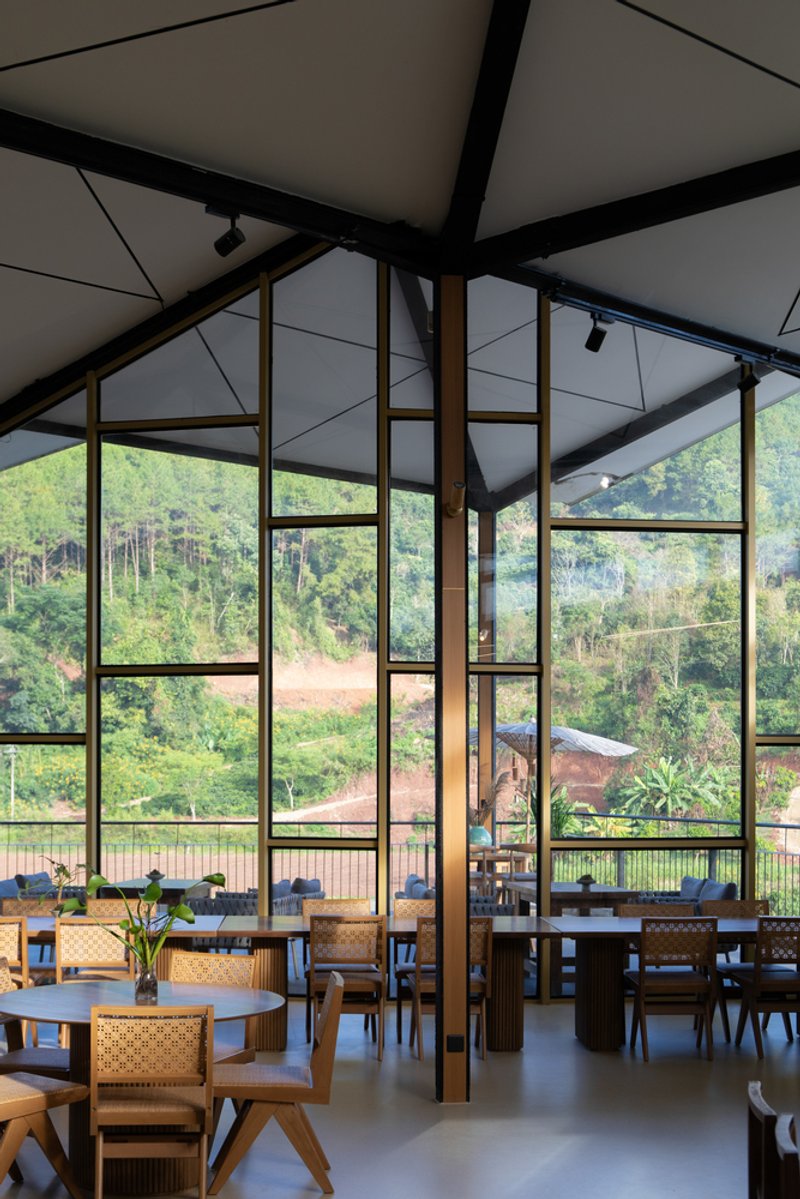
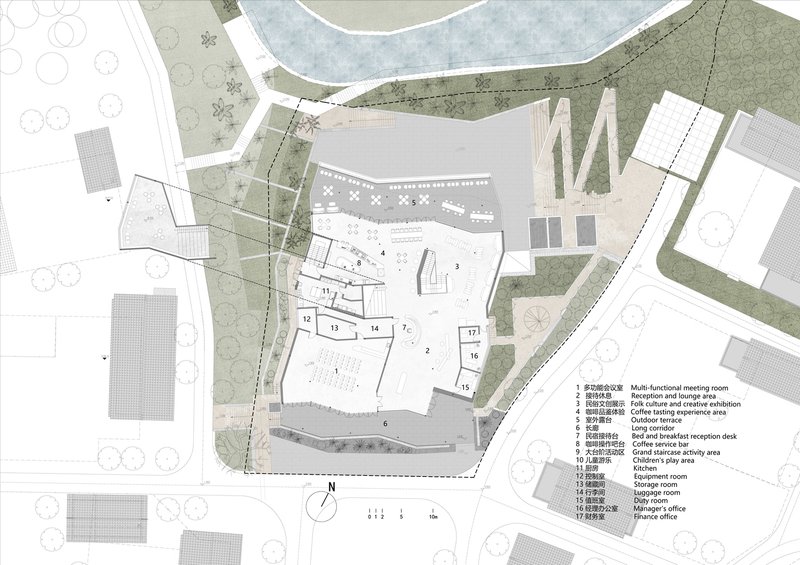
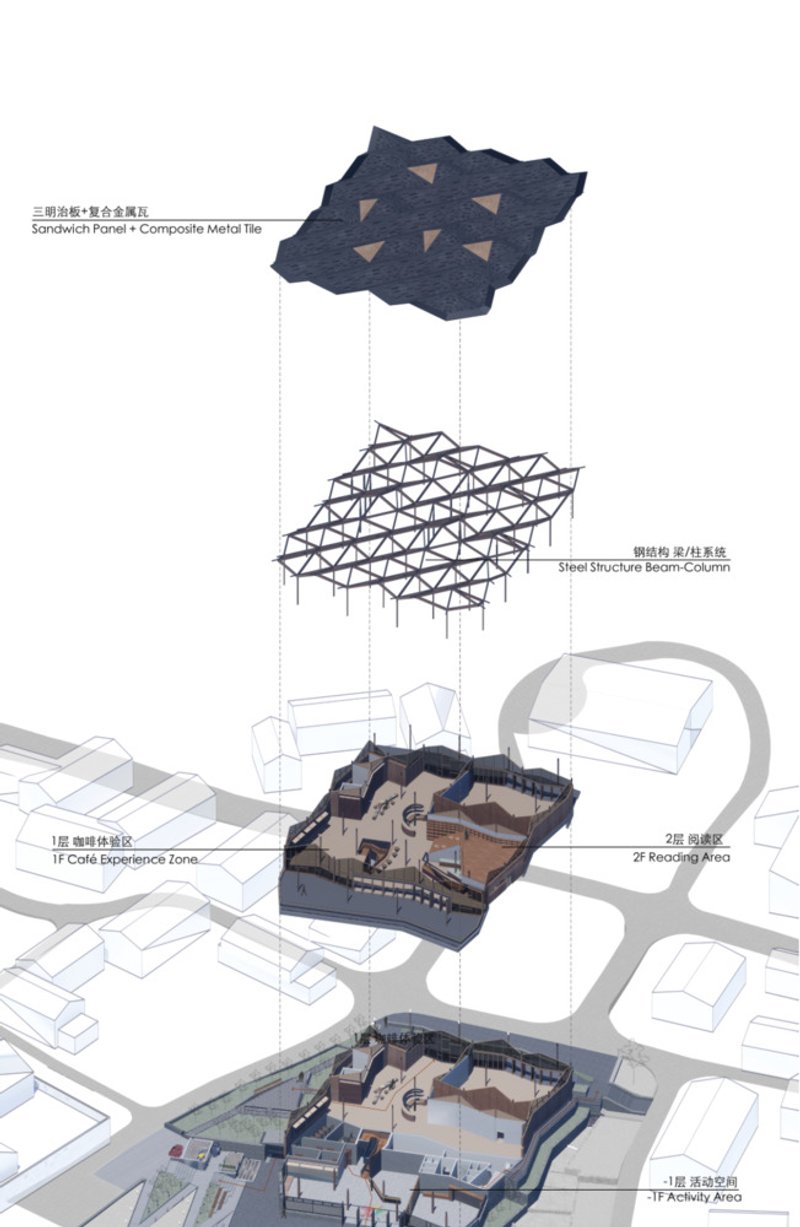
The spatial organization of the Coffee Experience Center draws direct inspiration from the organic forms of a tropical rainforest. The structure’s unique column grid resembles a grove of trees, where steel columns are arranged in an irregular yet harmonious pattern. This tree-like framework supports the roof while creating an open, fluid interior that allows for multiple circulation pathways.
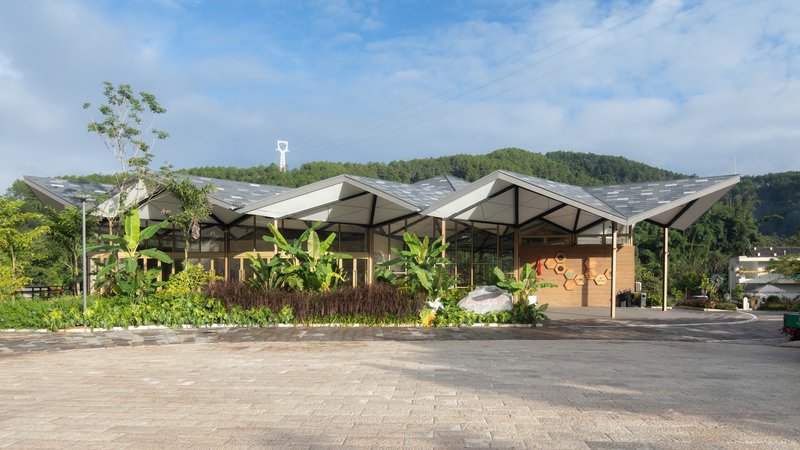
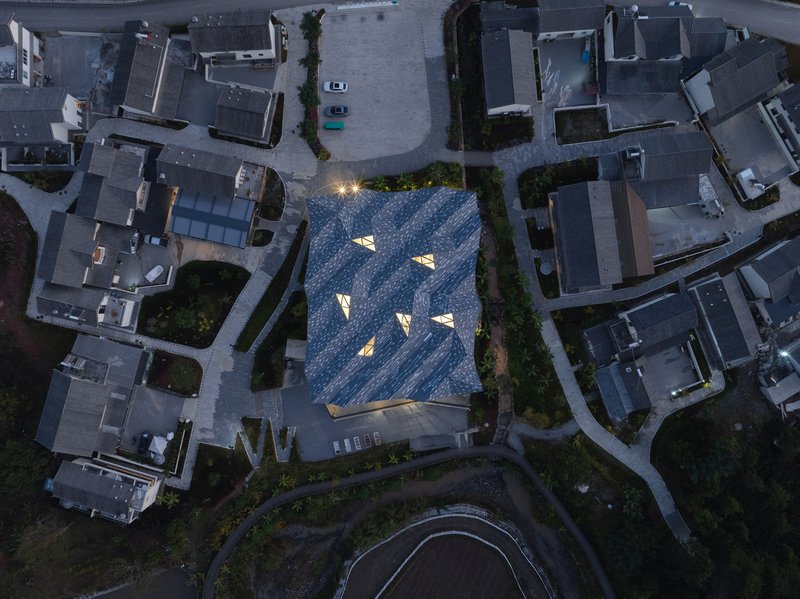
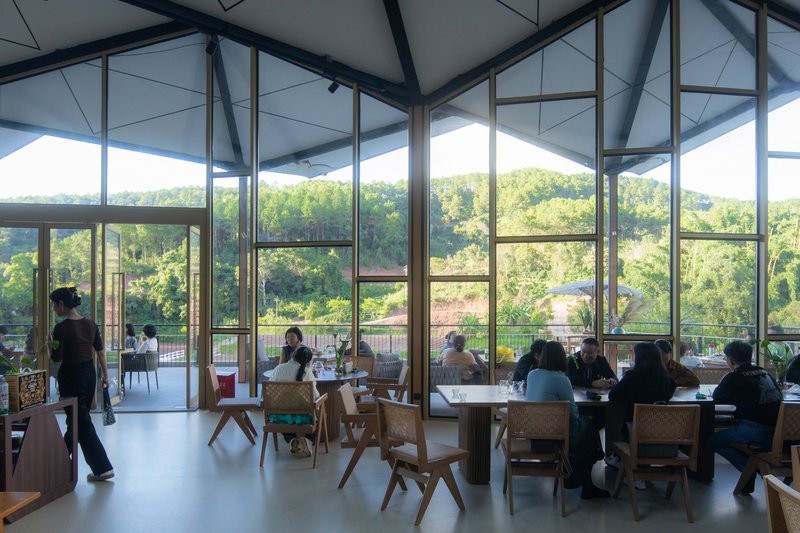
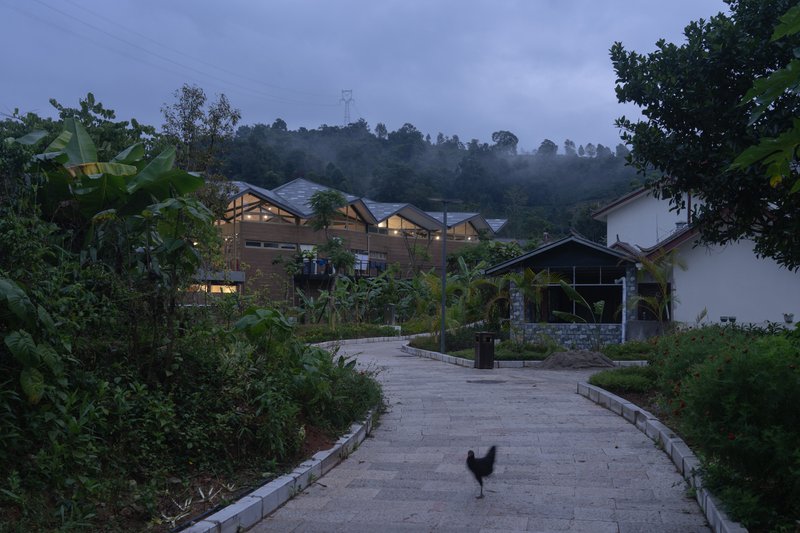
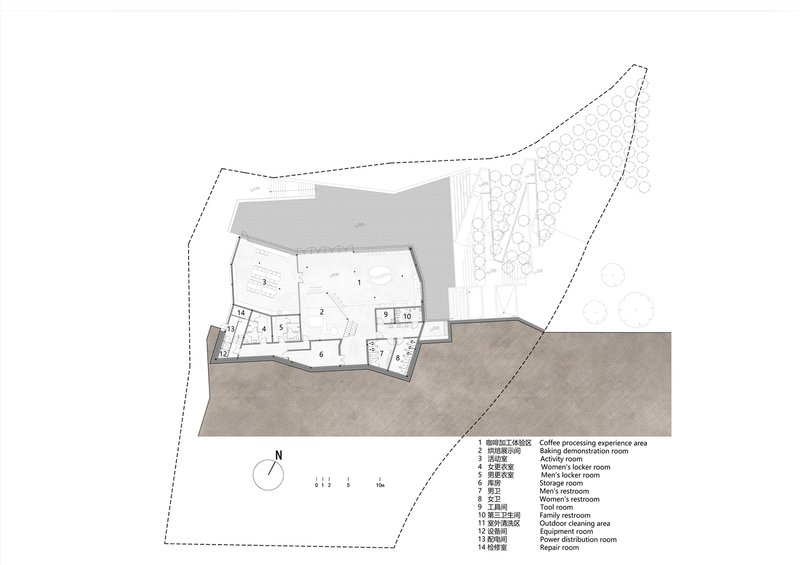
By embracing a non-linear spatial arrangement, the design enhances user engagement and flexibility. Visitors can explore different pockets of activity, from coffee-tasting areas to cultural exhibitions, within a seamless architectural flow. The central idea is to replicate the experience of walking through a rainforest—where light, space, and movement interact in an ever-changing dialogue.
Open and Adaptive Community Spaces
Beyond its role as an architectural landmark, the Coffee Experience Center functions as a communal space that fosters interaction and cultural exchange. The design prioritizes adaptability, ensuring that spaces can accommodate a variety of uses, including public gatherings, educational workshops, and temporary exhibitions.
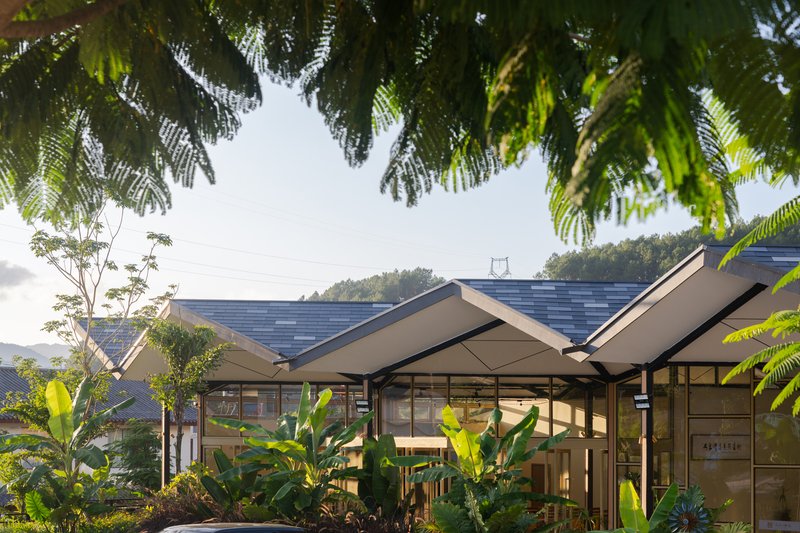

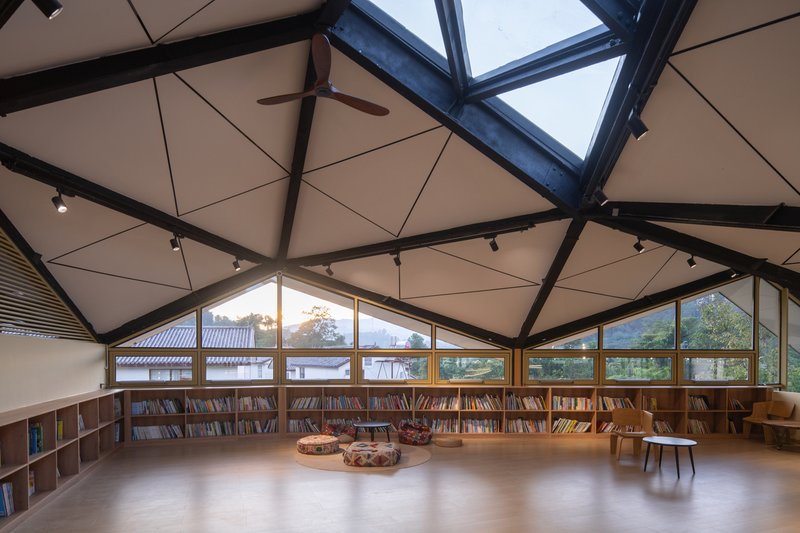
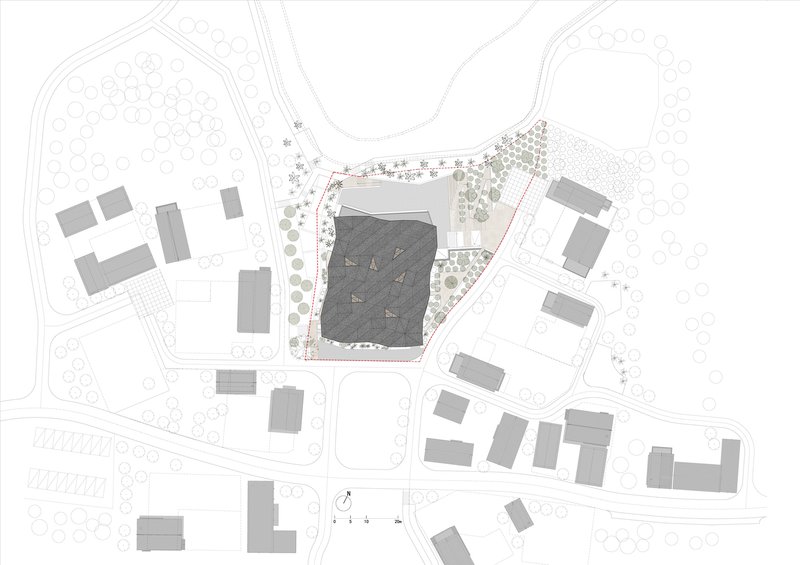
The staggered layout across two levels allows the structure to integrate effortlessly with the surrounding topography. This design approach enhances accessibility while maximizing views of the natural landscape. Under the shared roof, visitors, local farmers, and business operators come together in an environment that is both inclusive and dynamic, reinforcing the project’s role as a social and economic catalyst for the region.
Identity, Memory, and the Expression of Local Culture
The folded-plate roof is not just a climatic response; it is a symbolic architectural gesture that embodies the identity of Pu'er’s tropical environment. Its vast, sweeping form reflects the expansive nature of the rainforest, serving as both a physical shelter and an emotional anchor.
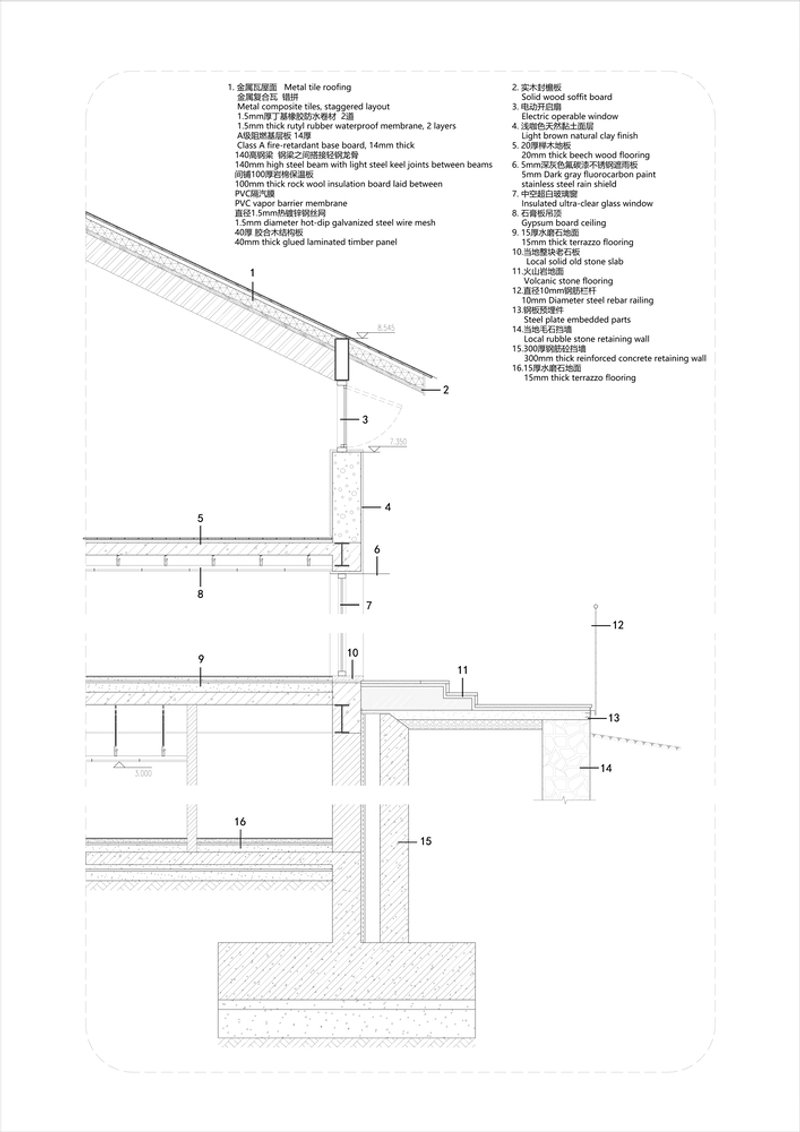
By using locally relevant architectural strategies, the project preserves and reinterprets regional traditions in a contemporary context. The result is a built environment that resonates with its cultural setting while embracing modern construction techniques. Through this thoughtful synthesis, the Coffee Experience Center becomes more than just a building—it becomes a vessel for storytelling, a celebration of local identity, and a blueprint for future sustainable developments in tropical architecture design.
All Photographs are works of Arch-Exist, Dong Image



Popular Articles
Popular articles from the community

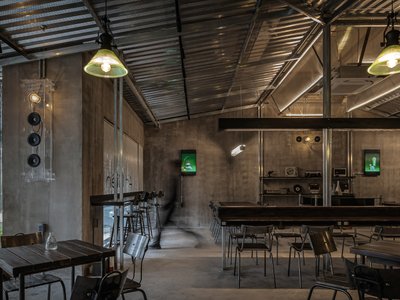
An Miên Lumière Cafe by xưởng xép, Ho Chi Minh City, Vietnam
An industrial-inspired café where layered steel and warm light create a dynamic, immersive environment shaped by reflection, depth, and perception.


The Ken Roberts Memorial Delineation Competition (Krob)
As the most senior architectural drawing competition currently in operation anywhere in the world, it draws hundreds of entries each year, awarding the very best submissions in a series of medium-based categories.
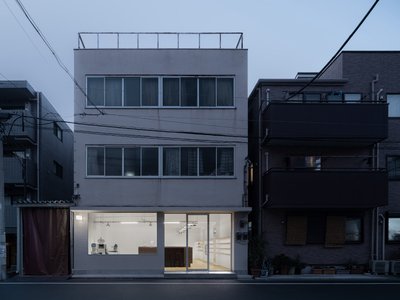
Atelier Macri Concept Store Interior Design by CASE-REAL
Atelier Macri store features a "ko" counter, walnut wood details, cork displays, blending retail, gallery, and seamless customer experiences.
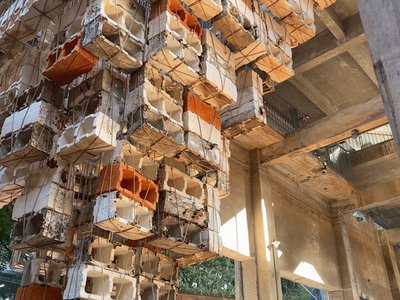
Inverted Architecture Installation by Studio Link-Arc: Exploring the Intersection of Architecture and Living Organisms
Inverted Architecture Installation by Studio Link-Arc blends mycelium, sustainability, inverted design, ecological cycles, and urban adaptive architecture in Shenzhen.


Similar Reads
You might also enjoy these articles

Top 15 Architecture Competitions to Enter in 2026
From student-friendly idea competitions to prestigious international awards, here are the best architecture competitions open for entries in 2026. Updated regularly.

DIY & Engineering in Computational Design : Enter the BeeGraphy Design Awards
Showcase Your Creativity with Computational Design and Open Source Projects
Innovative Design Solutions: Award-Winning Projects from Recent Architecture Competitions
Exploring award-winning architectural projects shaping the future of design, sustainability, and community.


Explore Architecture Competitions
Discover active competitions in this discipline




The International Standard for Design Portfolios


The Global Benchmark for Architecture Dissertation Awards


The Global Benchmark for Graduation Excellence


Challenge to reimagine the Iron Throne
Comments (0)
Please login or sign up to add comments
No comments yet. Be the first to comment!