
Rural Sustainable Architecture in Meghalaya: Jackfruit Processing Unit and Community Centre by atArchitecture
A resilient jackfruit processing unit in Meghalaya blends rural sustainable architecture with economic empowerment and community engagement.

A Model for Rural Sustainable Architecture in the Garo Hills
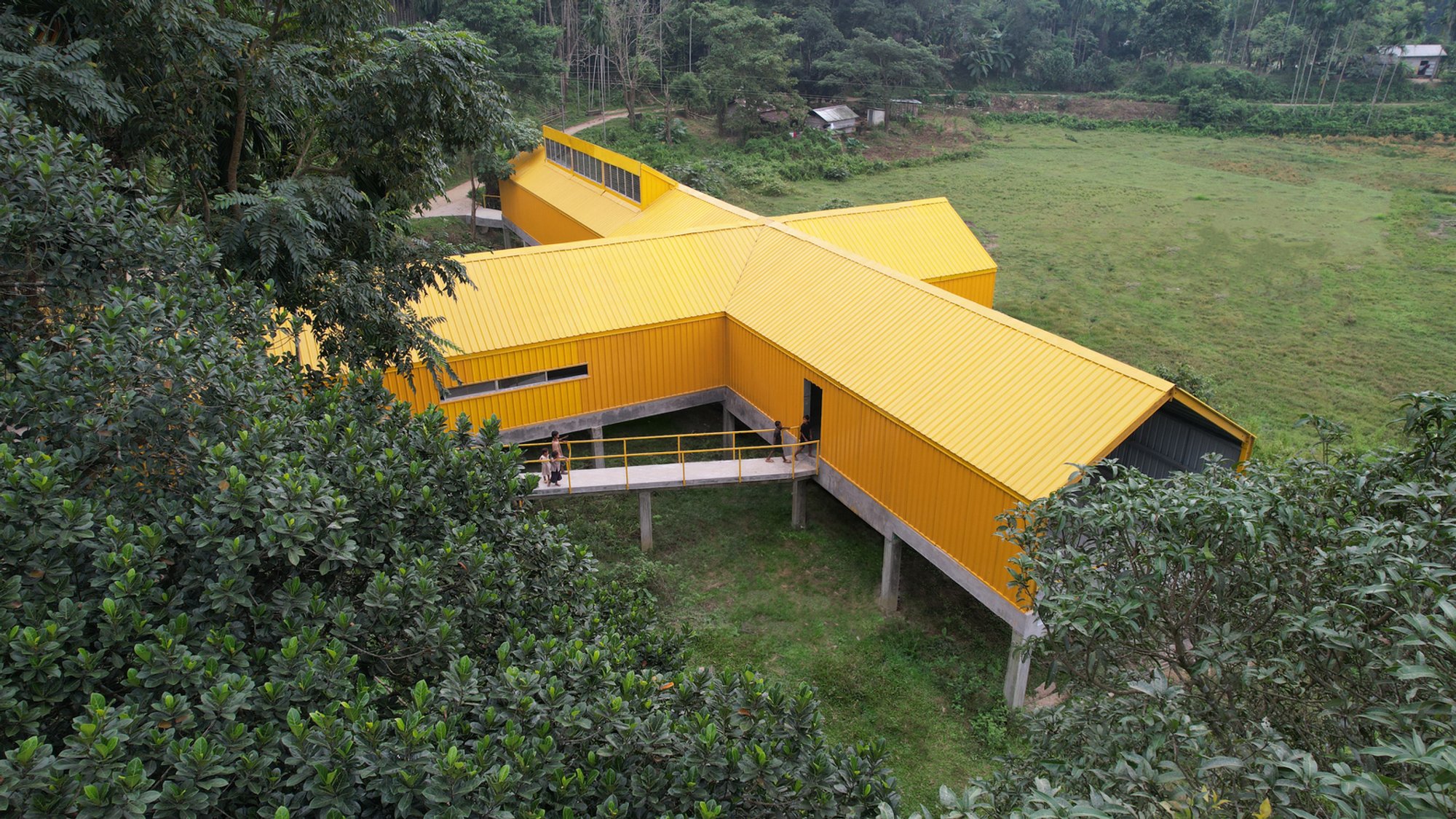
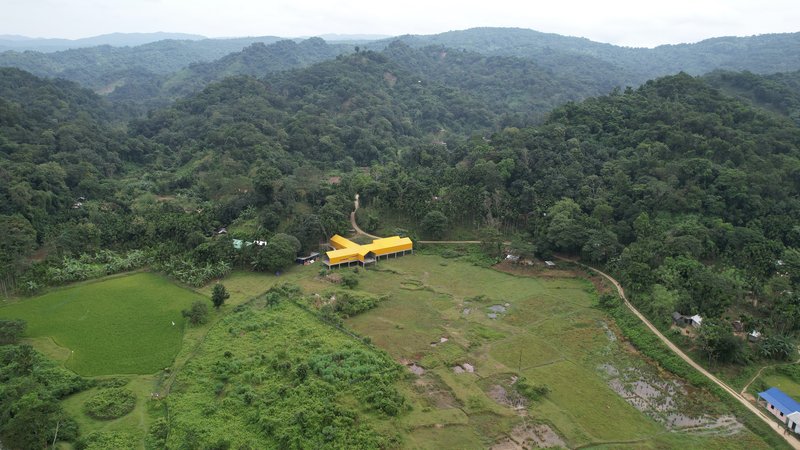
Located in the remote South Garo Hills of Meghalaya, the Jackfruit Processing Unit and Community Centre is a powerful example of rural sustainable architecture designed by atArchitecture. Commissioned by a government-funded initiative, the facility not only enables agricultural processing but also functions as a vital community space for the region’s isolated population. Covering 5,000 square feet, the project addresses local climatic conditions, logistical challenges, and economic needs, all while promoting long-term sustainability and resilience.
This dual-purpose building is more than infrastructure—it is a social anchor that empowers a rural economy, supports local livelihoods, and embodies a community-centric design philosophy. Through an integrated approach that combines climate-responsive architecture with cooperative development, the project sets a precedent for low-cost, high-impact architecture in marginalised regions.
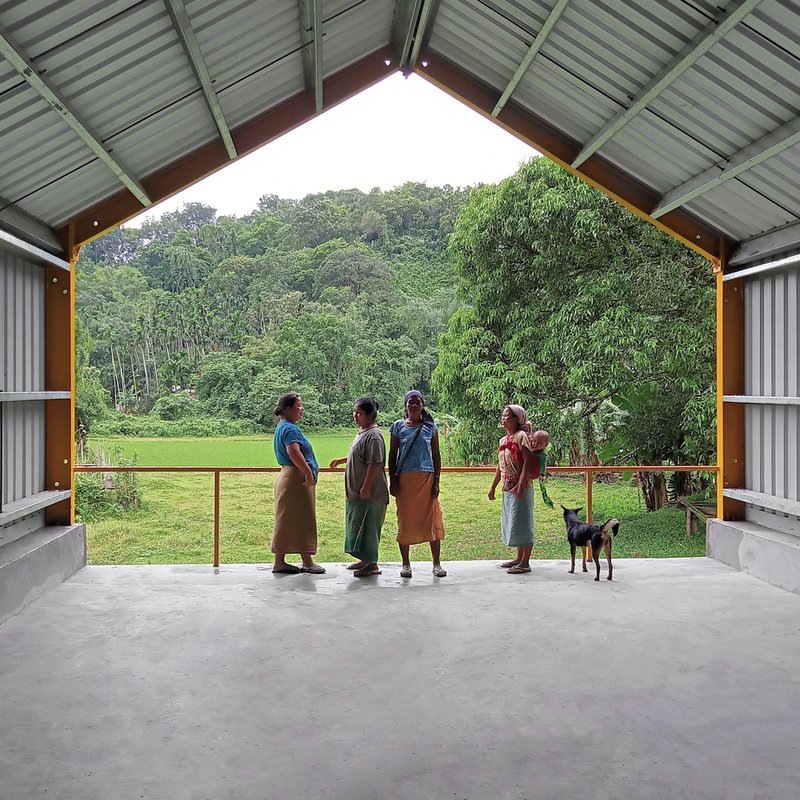
Integrating Climate Resilience and Functional Design
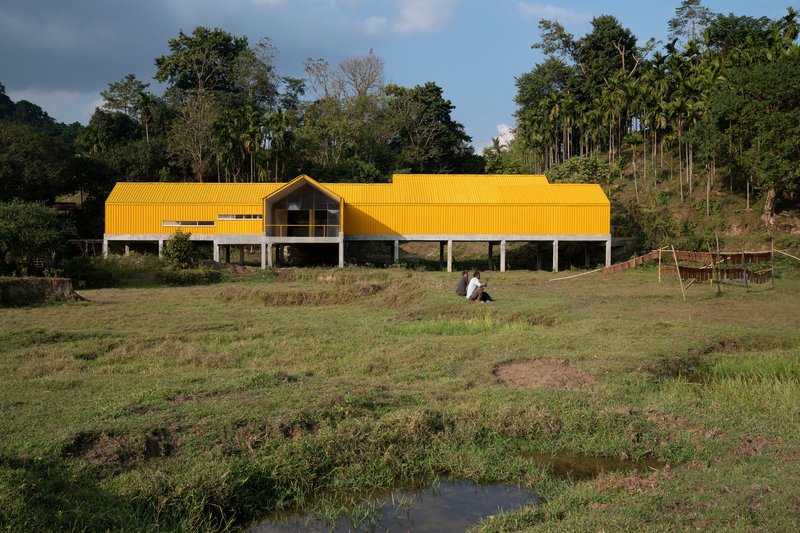
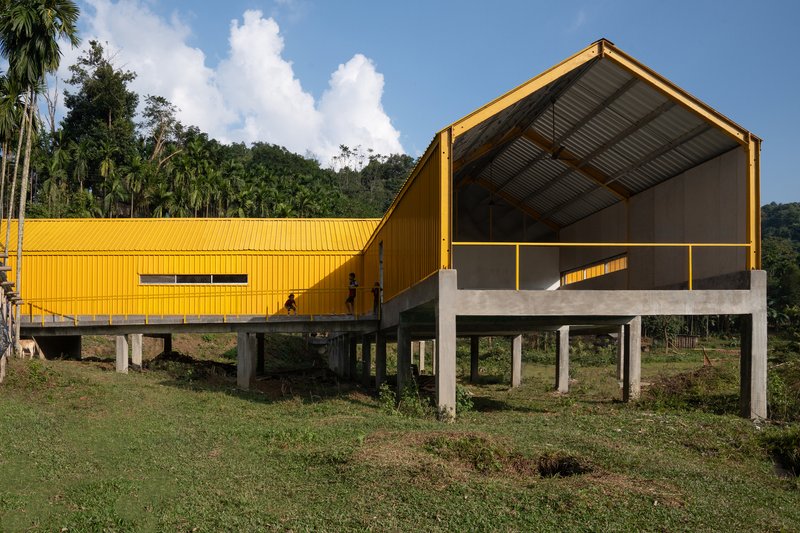
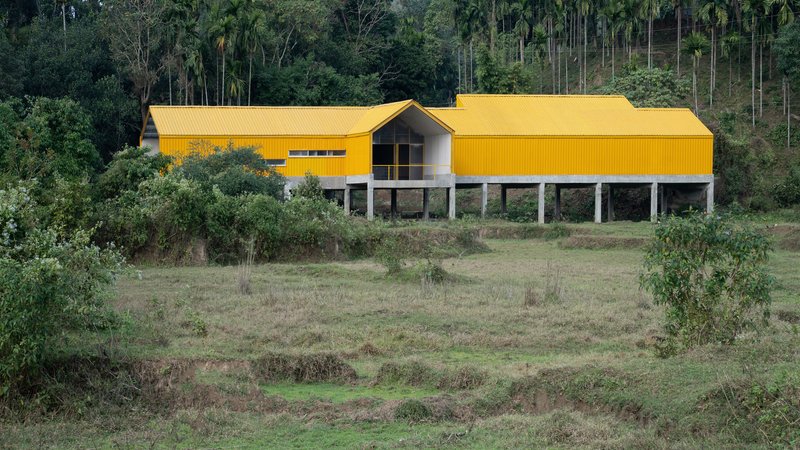
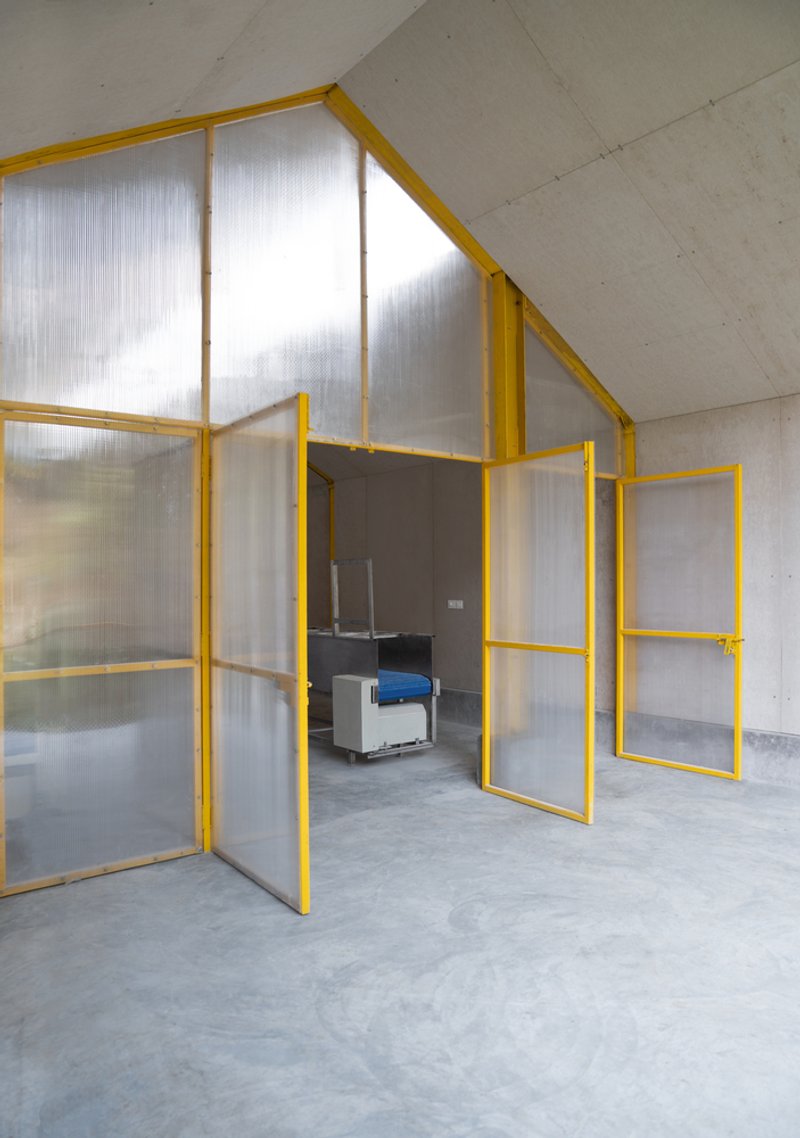
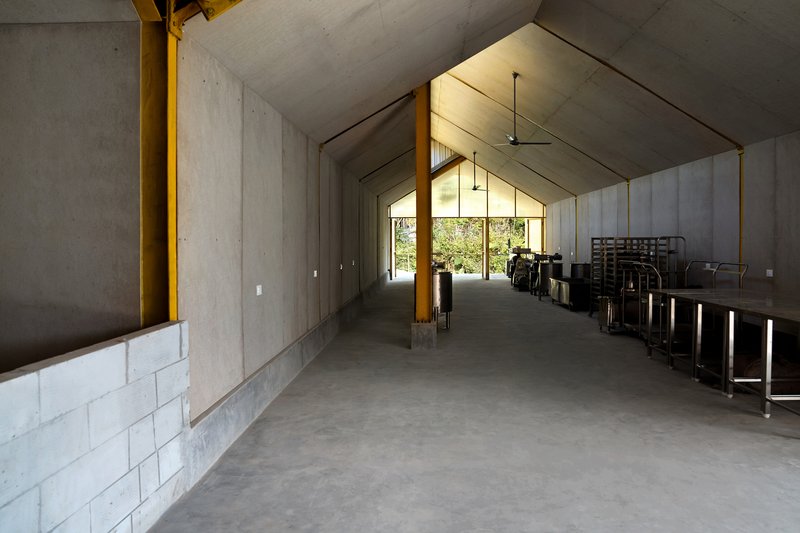
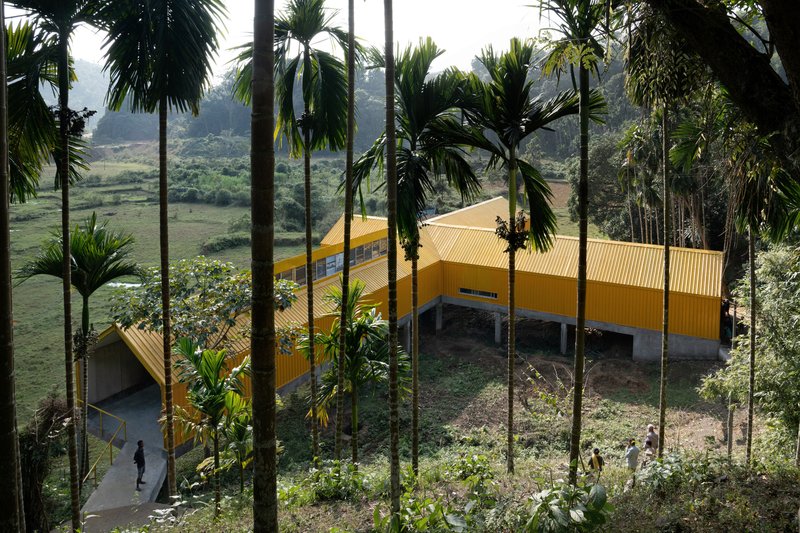
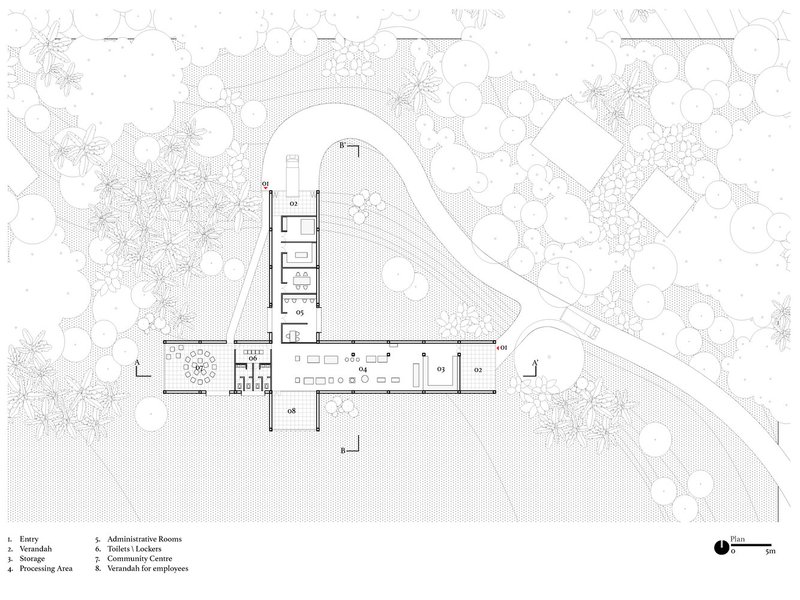
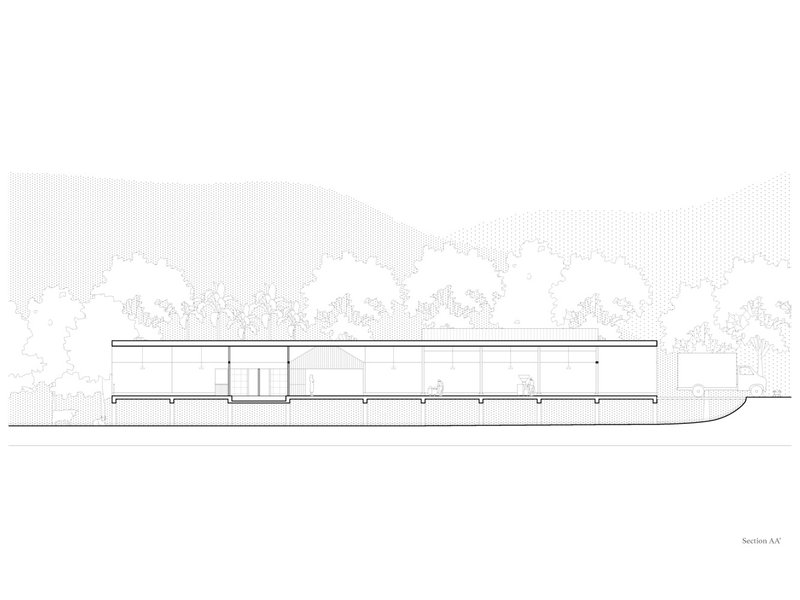
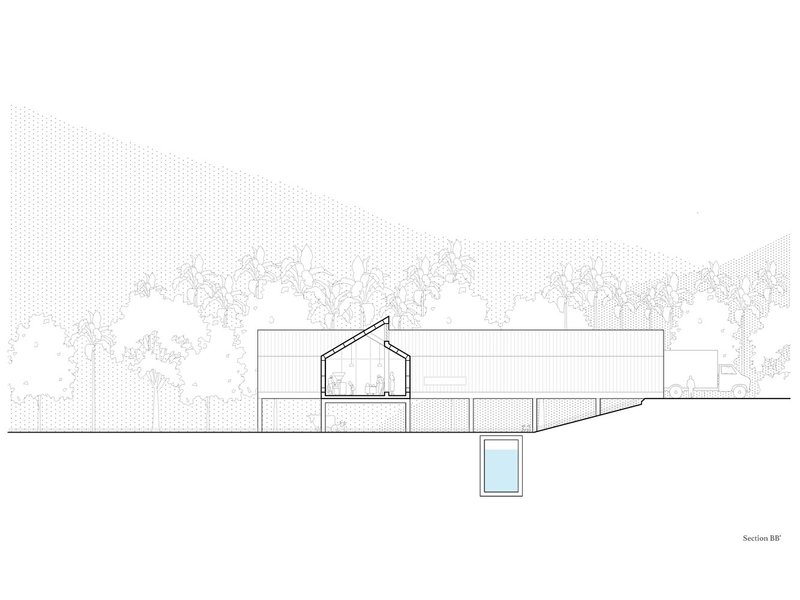
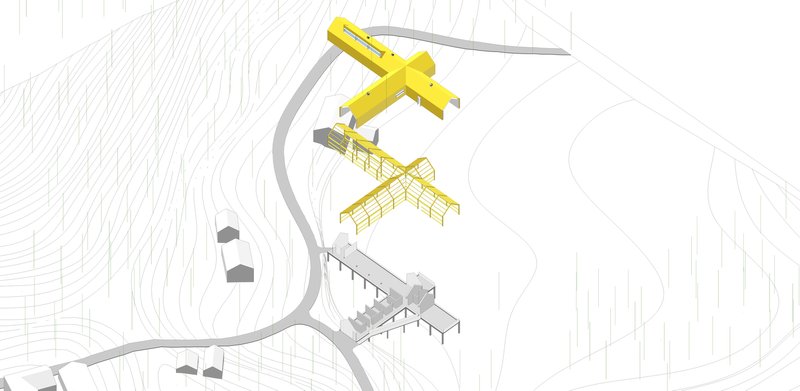
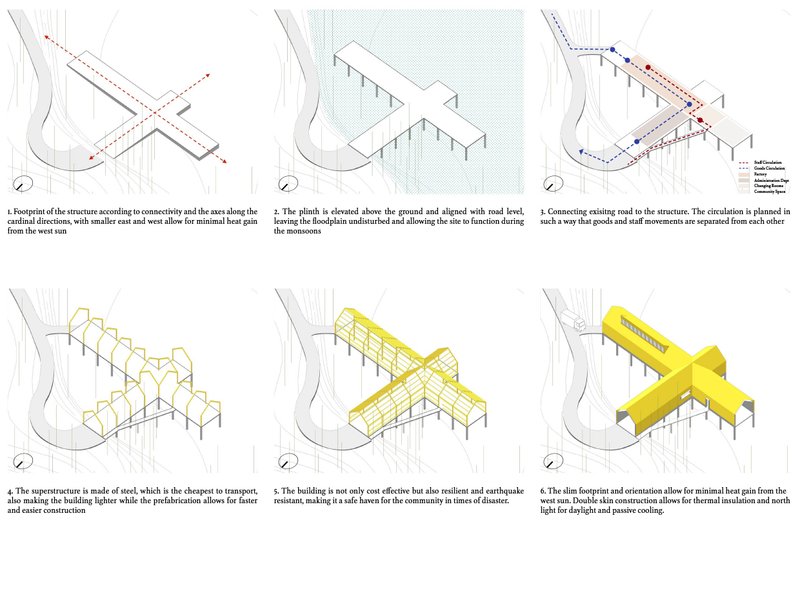
The design adopts a transverse layout to ensure separation between the movement of goods and people. Elevated above ground level and aligned with the road, the structure avoids disrupting the natural floodplain, maintaining full functionality even during monsoon seasons. The spatial arrangement features four distinct wings—dedicated to processing, production, administration, and a multipurpose community hall.
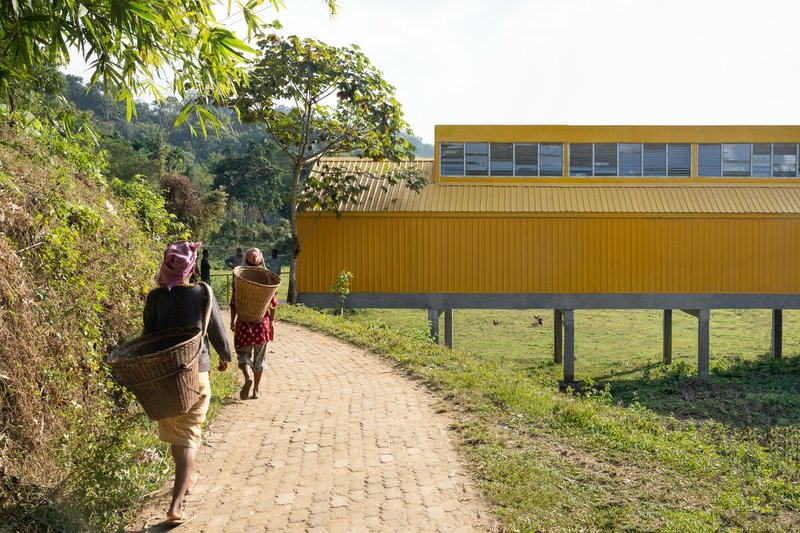
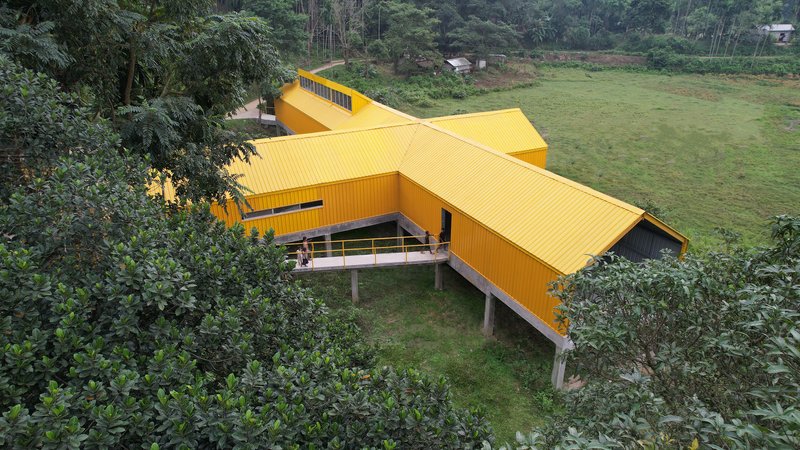
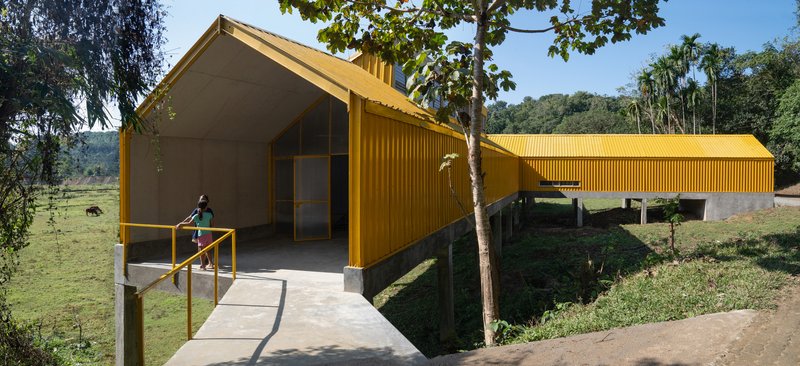
Circulation is planned for efficiency, with a central administrative core enabling passive surveillance and management. The community hall opens onto village fields, strengthening its role as a communal and cultural node. The orientation of the building minimizes western heat gain, while its slim profile ensures cross-ventilation and north light access, enhancing user comfort and reducing energy dependency.
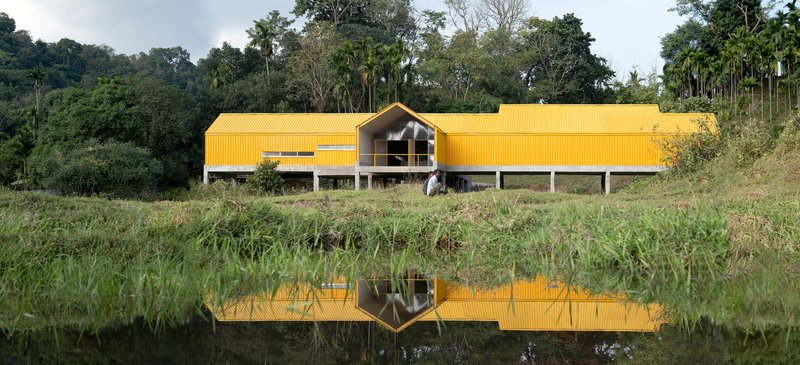
Prefabricated Steel and Local Expertise in Rural Construction
In this context of limited accessibility and high transport costs, the choice of steel for the superstructure proves both practical and sustainable. Prefabricated steel components reduce construction time and cost, while their lightweight nature suits the region’s seismic profile. The concrete base, crafted by skilled local labor, demonstrates the fusion of vernacular expertise and modern construction practices.
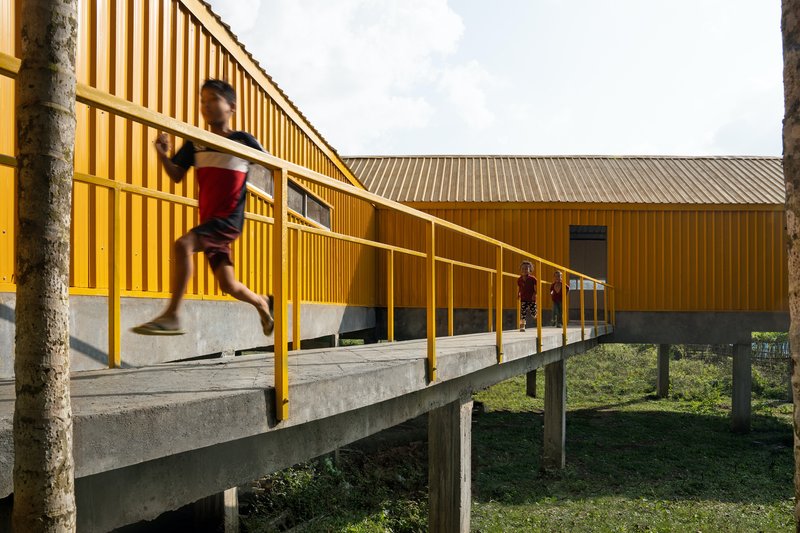
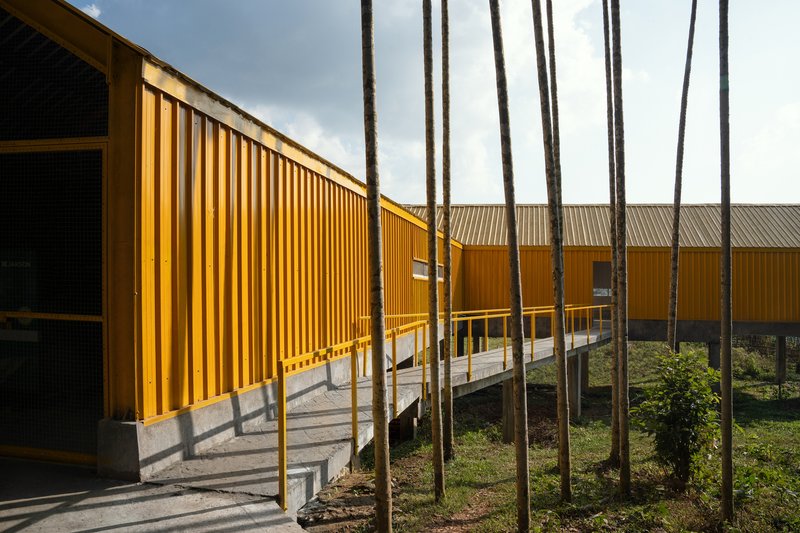
By engaging local workers, the project leverages regional craftsmanship and ensures economic participation from the community. Construction not only provides jobs, but also knowledge transfer, skill development, and increased confidence in replicating such architectural models across other regions.
Empowering Agricultural Economies Through Built Infrastructure
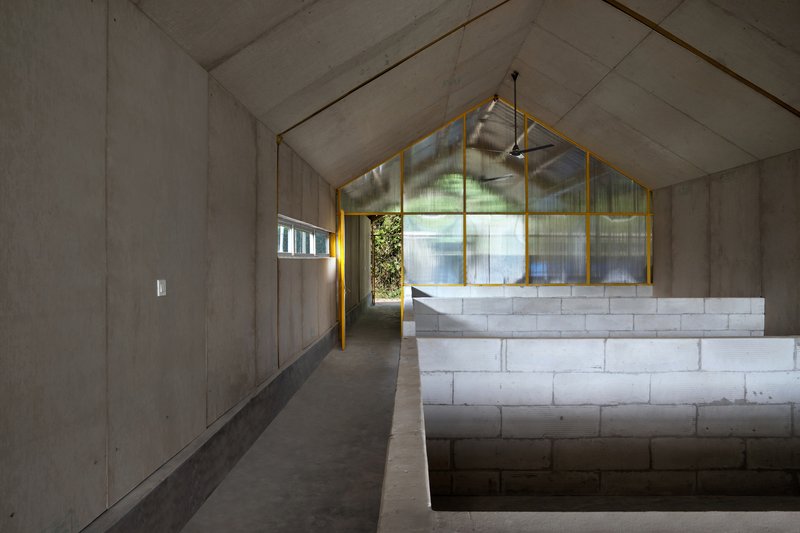
This facility serves as a vital hub for over 200 producer groups, each comprising about 20 farmers. The cooperative, consisting of 50 core members, facilitates jackfruit processing into value-added products like chips, flour, pickles, and canned goods. The project, supported by state agencies and training partners such as AFISI, aims to reduce seasonal waste of ripe jackfruit—valued at USD 52 million—while creating new income streams for over 4,000 farmers, 60% of whom are women.
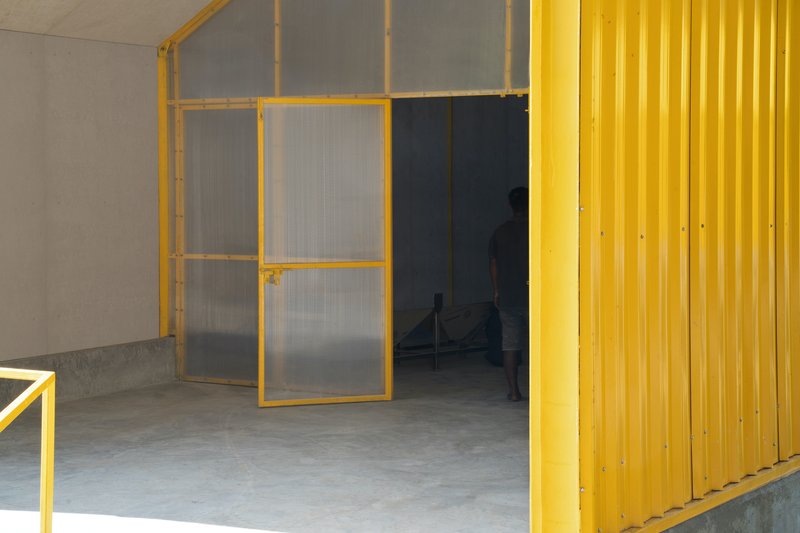
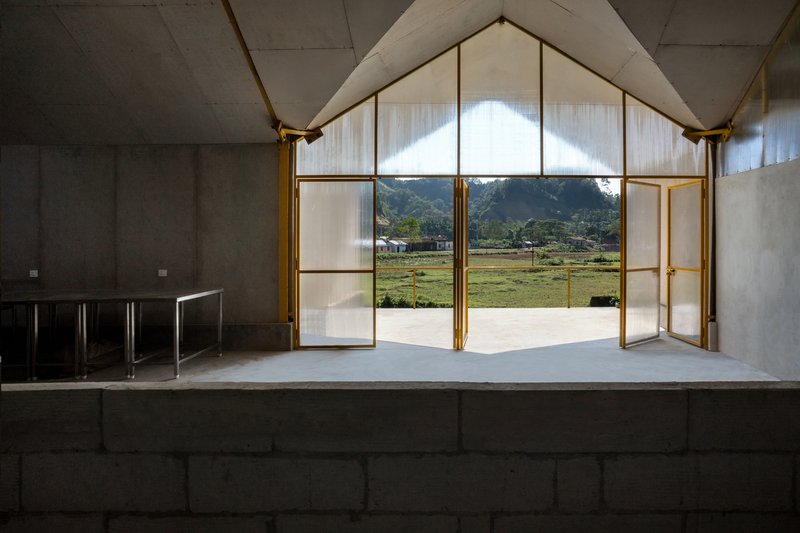
The architecture directly supports local food systems and market access, promoting sustainable agriculture and encouraging economic resilience. The site also functions as a community center for cultural gatherings, ethnic celebrations, and educational programs, enriching both social and economic dimensions of rural life.
Sustainable Systems and Passive Environmental Strategies
Environmental responsibility is central to the building’s design. Solar panels provide renewable energy, rainwater harvesting reduces reliance on external sources, and passive design strategies ensure thermal comfort. The building employs double-skin construction for insulation, minimal west-facing exposure, and effective cross-ventilation.
This environmentally responsive approach aligns with global sustainability goals while remaining grounded in local needs. The project’s footprint and modular construction model enable easy replication in similar geographies, establishing it as a prototype for future interventions in rural regions.
A Prototype for Future Rural Architecture
The Jackfruit Processing Unit and Community Centre exemplifies rural sustainable architecture that transcends functional utility. It embodies a system of architectural thinking rooted in empathy, inclusion, and resilience. The success of this model lies not only in its design efficiency but also in its cultural, economic, and ecological impact.
All the photographs are works of Avneesh Tiwari




Popular Articles
Popular articles from the community

Free Architecture Competitions You Can Enter Right Now
No entry fees, real prizes. Here are the best free architecture competitions open for submissions in 2026.

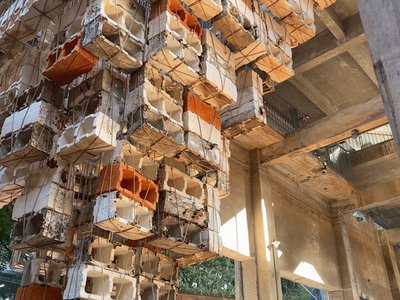
Inverted Architecture Installation by Studio Link-Arc: Exploring the Intersection of Architecture and Living Organisms
Inverted Architecture Installation by Studio Link-Arc blends mycelium, sustainability, inverted design, ecological cycles, and urban adaptive architecture in Shenzhen.

Alton Cliff House: A Harmonious Retreat by f2a Architecture in Lake Country, Canada
Alton Cliff House blends corten steel, prefabrication, and sustainable design, creating a luxurious, energy-efficient retreat perched on Canadian cliffs.
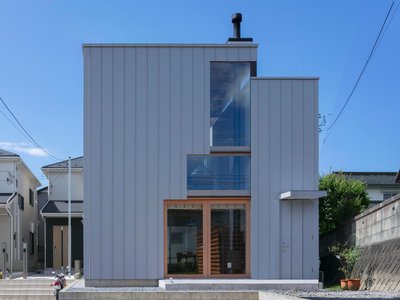
Split House: A Compact Urban Home Blending Privacy, Light, and Flexible Living in Japan
Compact Japanese home featuring DOMA space, flexible café potential, passive lighting, privacy zoning, and sustainable urban living design.


Similar Reads
You might also enjoy these articles

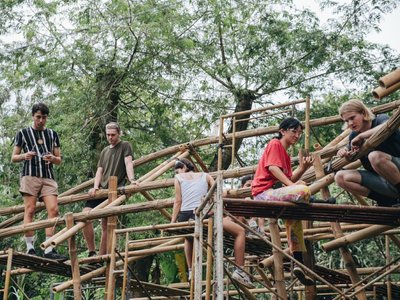
Bamboo Housing Challenge 2026: Design Affordable, Sustainable Homes Using Bamboo
An international design competition by Bamboo U and IBUKU inviting architects and designers to reimagine affordable housing using bamboo — with the winning design built full-scale in Bali.

Computational Design & Education: Beegraphy Design Awards Introduces 7th Category (Featuring Jiyun's Innovative Approach)
Dive into Beegraphy’s 7th Design Awards category, where computational design meets education to create immersive, interactive learning tools, inspired by Jiyun’s work.

From Parametric Lighting to Urban Furniture: Join the 2nd Workshop in Beegraphy’s Computational Design Series
Dive into Cutting-Edge Design Techniques and Practical Applications with Industry Experts


Explore Architecture Competitions
Discover active competitions in this discipline




The International Standard for Design Portfolios


The Global Benchmark for Architecture Dissertation Awards


The Global Benchmark for Graduation Excellence


Challenge to reimagine the Iron Throne
Comments (0)
Please login or sign up to add comments
No comments yet. Be the first to comment!