
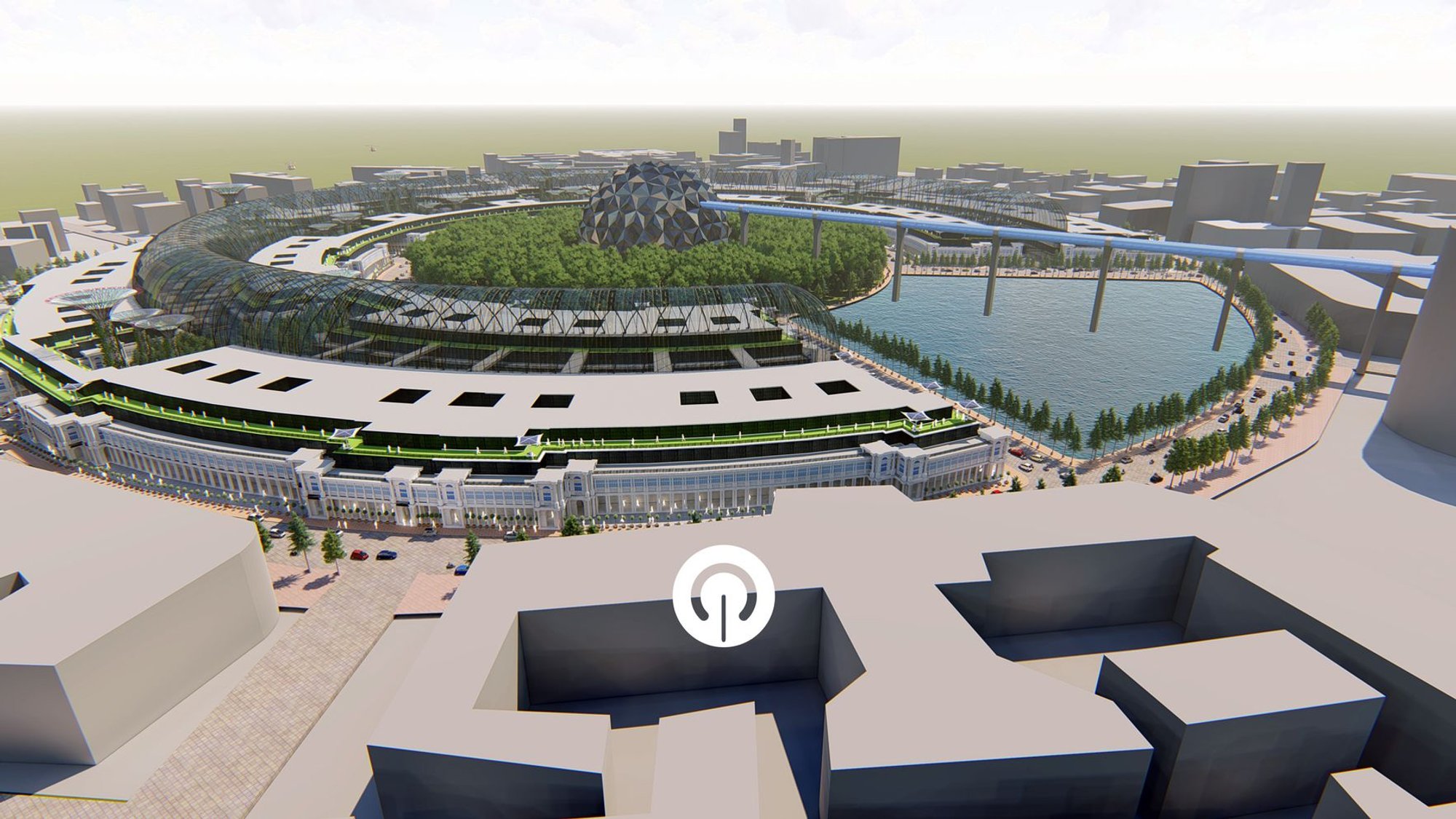
Super CP: A Visionary Urban Regeneration of Connaught Place
Super CP transforms Connaught Place into a model of urban regeneration architecture—sustainable, smart, and rooted in public life.

Project by: Anjali Singh, Anas Ahmed, Kiran Bhamidipati, Abdul Bari
Winner entry of: Neo Delhi
In the ever-evolving discourse of urban regeneration architecture, Connaught Place (CP), the historic heart of New Delhi, stands as both a symbol of colonial legacy and a beacon of potential transformation. The project titled "Super CP" proposes a bold reimagining of CP — one that doesn’t just upgrade its infrastructure but completely redefines its purpose for the 21st century and beyond.
From Imperial Core to Smart Urban Fabric
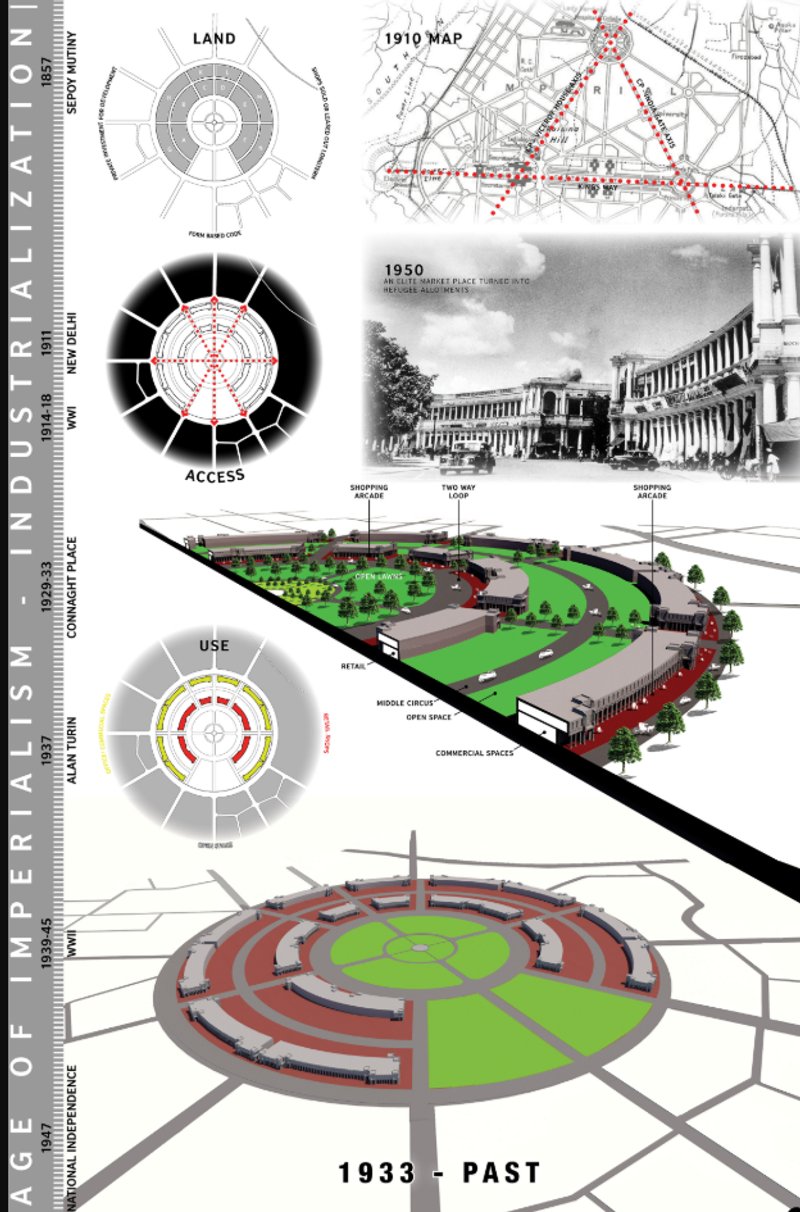
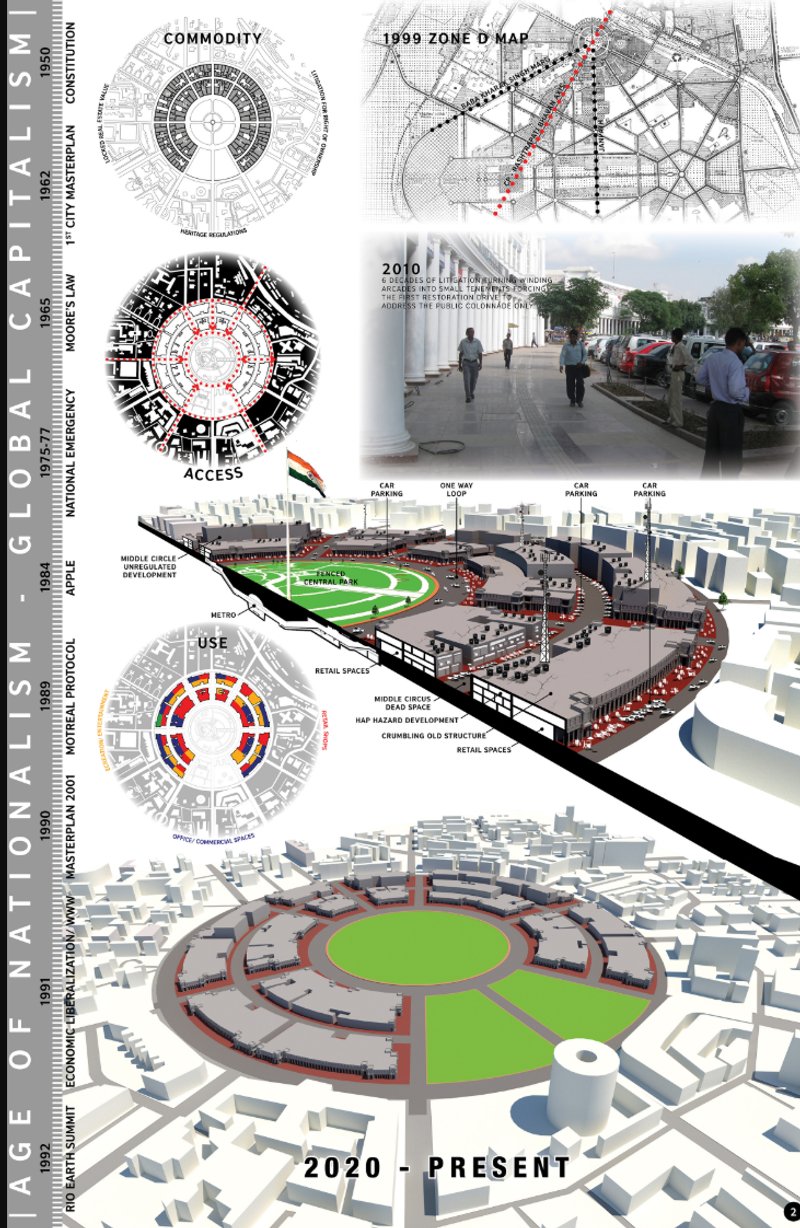
The visual narrative begins with the past — 1933’s imperial master plan where CP functioned as a central commercial and social hub. However, the legacy of that era was marked by rigid planning, colonial symbology, and mono-functional zones. As time progressed into the 1990s and early 2000s, the site gradually succumbed to vehicular congestion, fragmented usage, and haphazard commercial expansion.
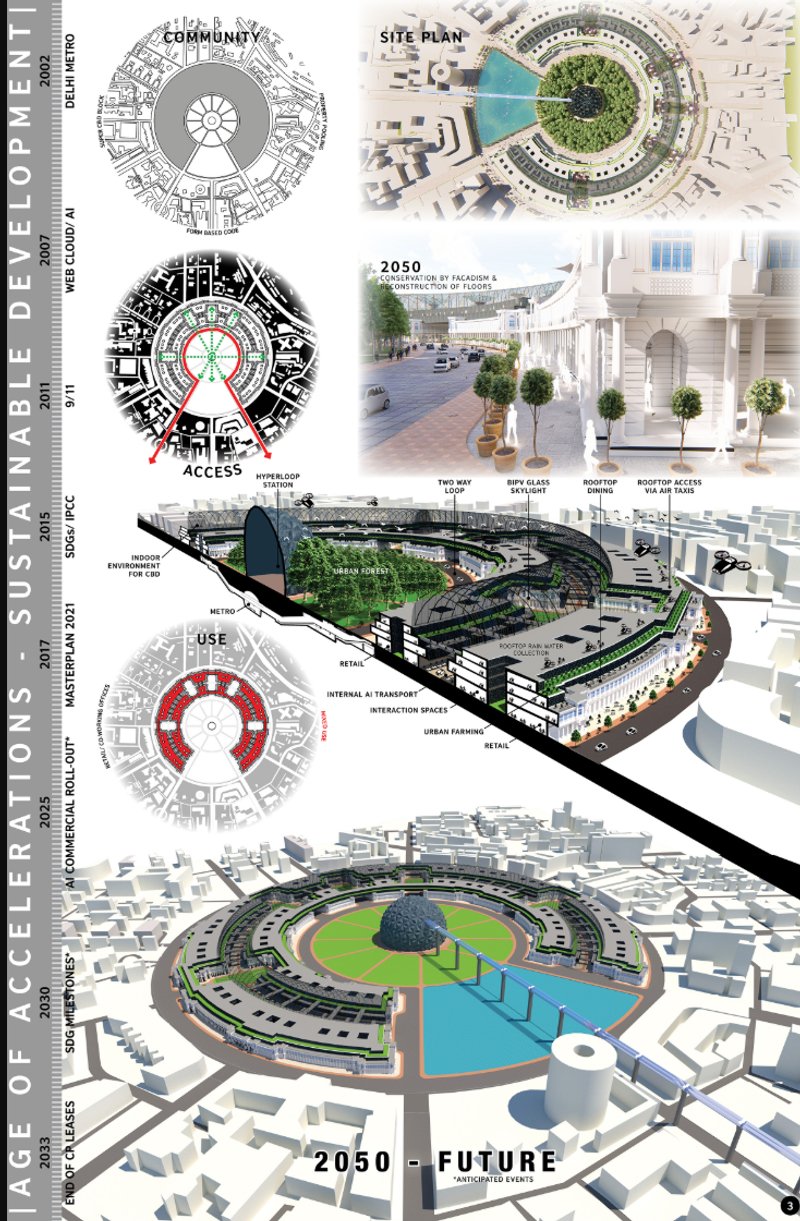
The current transformation era—termed the "Age of Accelerations"—charts a new future, where CP evolves into a smart, sustainable, and multi-layered Central Business District (CBD). With this evolution, "Super CP" aligns with the global trends of urban regeneration architecture, focusing on inclusivity, adaptability, and ecological integration.
Design for Human Interaction and Ecological Harmony
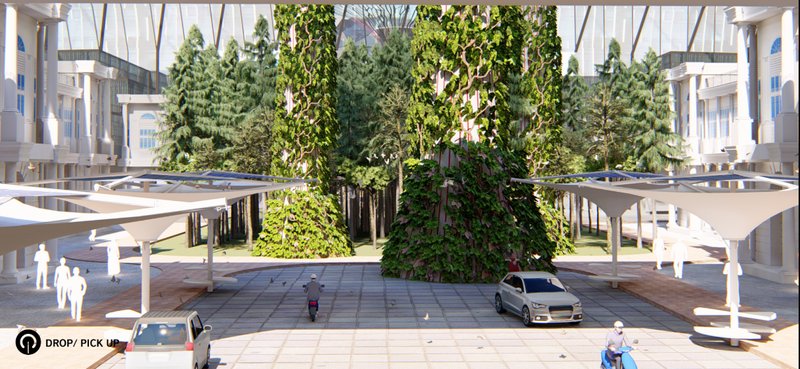
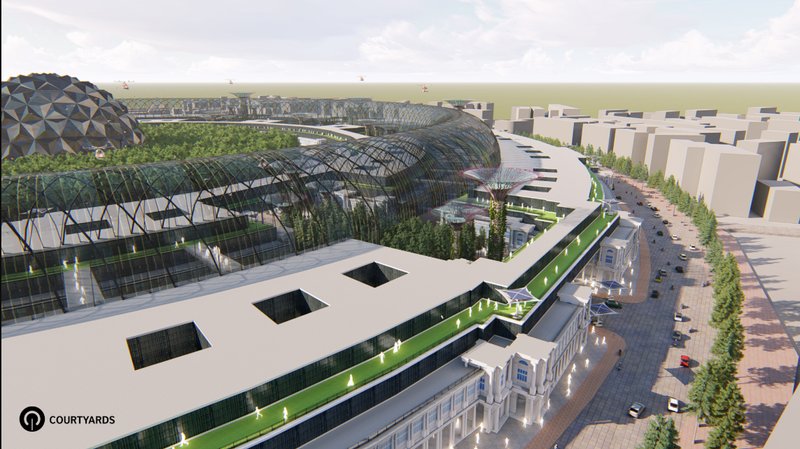
At its core, Super CP seeks to bring people back to the public realm. The traditional central park is reimagined as an urban forest, creating a natural lung at the city center. This green expanse is surrounded by dynamic courtyards, drop-off points, and public walkways that prioritize pedestrians and micro-mobility.
The introduction of internal AI transport, rooftop farming, Hyperloop access, and skywalks for vertical interaction transforms the site into a futuristic, high-connectivity zone. The iconic colonnades of CP are retained, but integrated with green facades and vertical gardens, achieving a seamless dialogue between heritage preservation and sustainable architecture.
Adaptive Reuse Meets Next-Gen Mobility
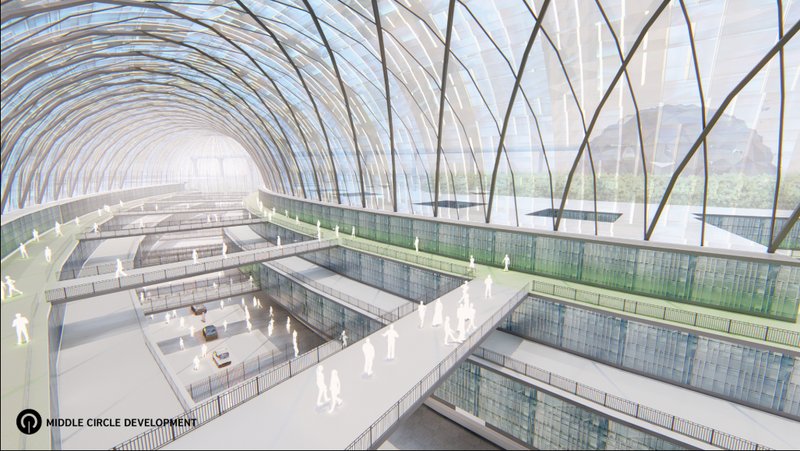
The middle circle, often underutilized or degraded, becomes the epicenter of smart transformation. With a glazed canopy structure and internal circulation decks, it supports hybrid use — from co-working spaces to retail pods and cultural zones. This vision leverages the principles of adaptive reuse, crucial in sustainable urban regeneration.
Mobility is rethought through the Hyperloop system, drop/pick-up zones, and integrated transport networks that reduce dependence on personal vehicles, enhancing accessibility while reducing emissions.
A Model for the Future City
Super CP exemplifies what urban regeneration architecture must champion: a multi-dimensional approach that honors history while embracing innovation. It doesn’t propose incremental upgrades; it presents a paradigm shift. It demonstrates how India's most iconic commercial center can lead the way for future cities that are green, connected, and deeply human-centered.
As cities grapple with climate change, social fragmentation, and outdated infrastructure, Super CP stands as a blueprint—a regenerative urban fabric that thrives on resilience, technology, and collective memory.




Popular Articles
Popular articles from the community

Atelier Macri Concept Store Interior Design by CASE-REAL
Atelier Macri store features a "ko" counter, walnut wood details, cork displays, blending retail, gallery, and seamless customer experiences.
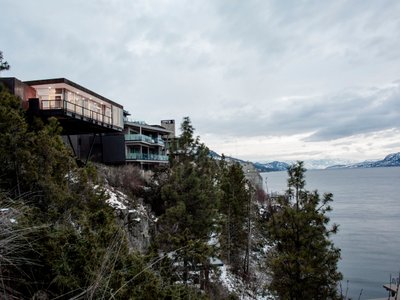
Alton Cliff House: A Harmonious Retreat by f2a Architecture in Lake Country, Canada
Alton Cliff House blends corten steel, prefabrication, and sustainable design, creating a luxurious, energy-efficient retreat perched on Canadian cliffs.
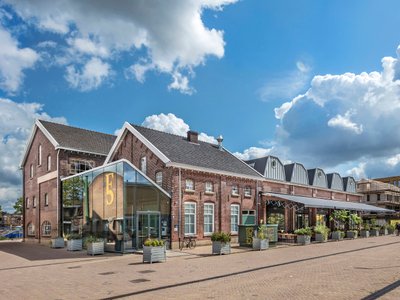
Fifth NRE Jazz Club – De Bever Architecten: Eindhoven’s Revitalized Cultural Hub
Historic gas factory transformed into Fifth NRE Jazz Club blending modern sustainability, jazz culture, dining, and heritage architecture seamlessly.
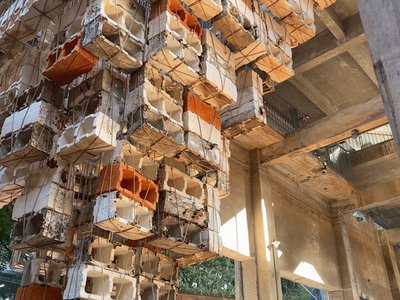
Inverted Architecture Installation by Studio Link-Arc: Exploring the Intersection of Architecture and Living Organisms
Inverted Architecture Installation by Studio Link-Arc blends mycelium, sustainability, inverted design, ecological cycles, and urban adaptive architecture in Shenzhen.


Similar Reads
You might also enjoy these articles


The Ken Roberts Memorial Delineation Competition (Krob)
As the most senior architectural drawing competition currently in operation anywhere in the world, it draws hundreds of entries each year, awarding the very best submissions in a series of medium-based categories.


Waterfront Redevelopment and Urban Revitalization in Mumbai: Forging a New Dawn for Darukhana
A transformative waterfront redevelopment project reimagining Darukhana’s shipbreaking heritage into an inclusive urban future.
OUT-OF-MAP: A Call for Postcards on Feminist Narratives of Public Space
Rhizoma Design and Research Lab invites artists, designers, architects, researchers, and students to reflect on how feminist perspectives can reshape public space. Selected works will be exhibited in Barcelona, October 2026. Submissions open until 15 April 2026.


Documentation Work on Buddhist Wooden Temple
Architectural syncretism and cultural hybridity: A comparative study of the Buddhist temples in Chattogram Hill tracks






Comments (0)
Please login or sign up to add comments
No comments yet. Be the first to comment!