Sustainable Arctic Architecture: Advancing Resilient Design in Extreme Environments
Innovating Arctic Architecture: A Convergence of Sustainability, Resilience, and Human-Centric Design.


Helicom Habitat: A Paradigm in Arctic Sustainability
Helicom "HabitatNow" exemplifies an advanced architectural response to the multifaceted challenges posed by the Arctic’s extreme climate and remote geography. Through an interdisciplinary approach integrating climatology, material science, and urban ecology, the project advances sustainable architectural methodologies tailored to extreme environments.
Biomimetic and Adaptive Morphology
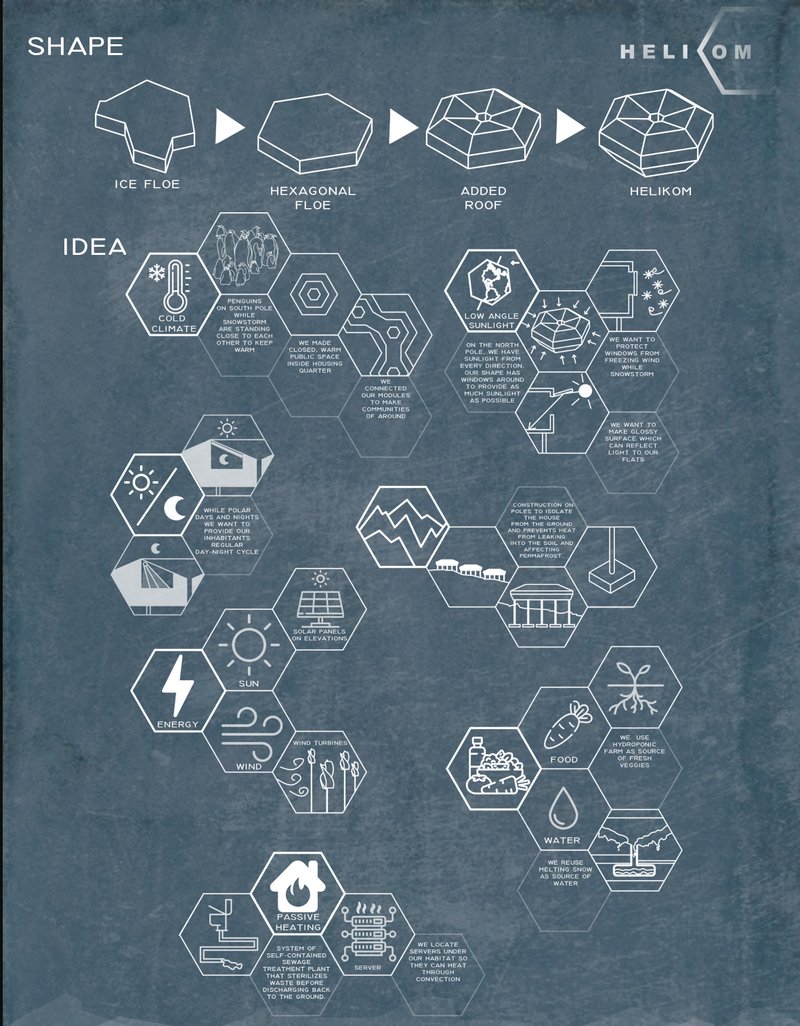
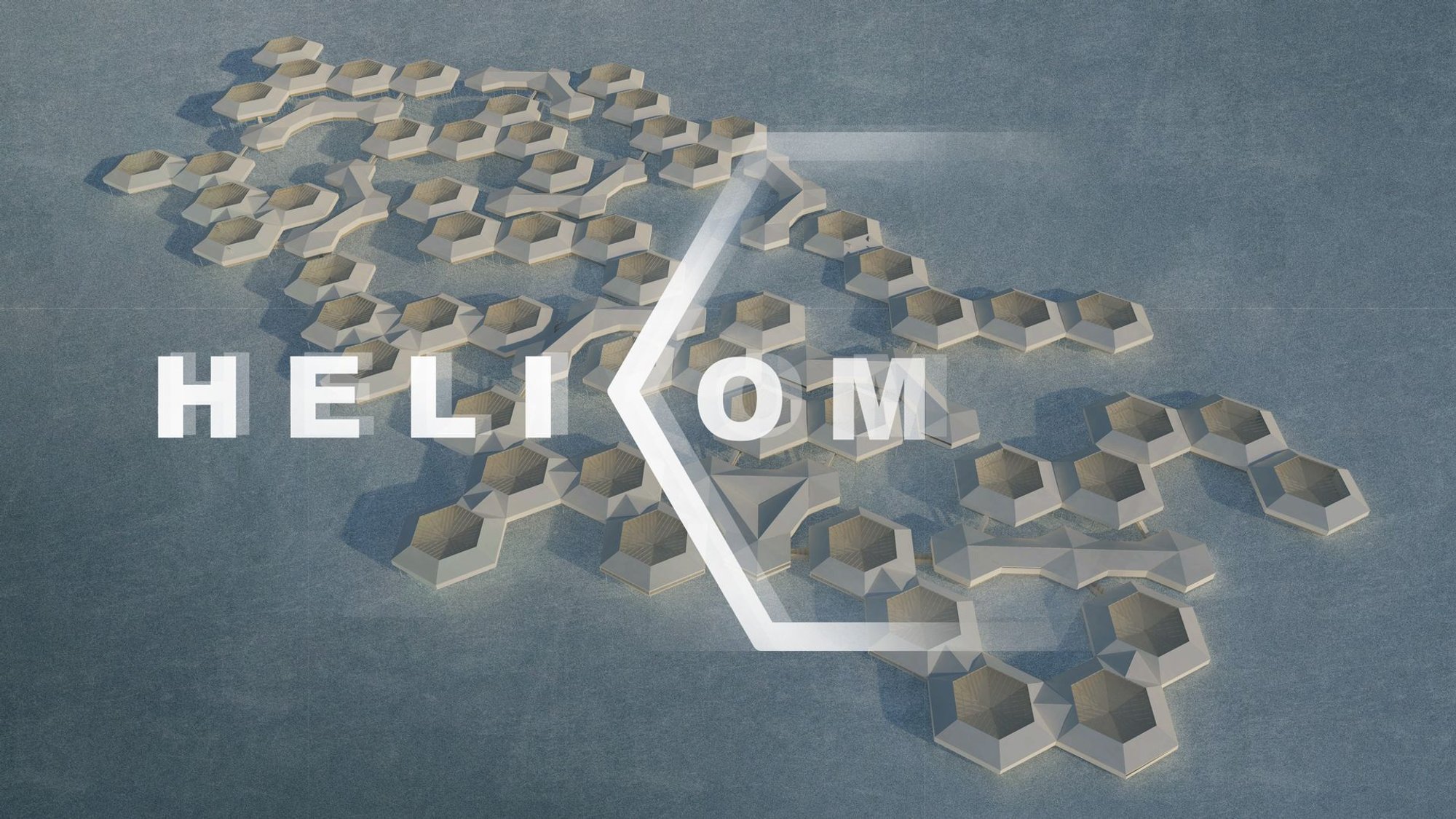
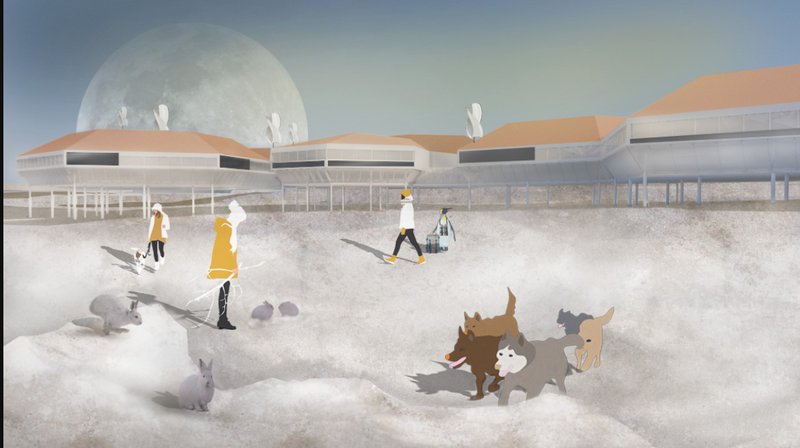
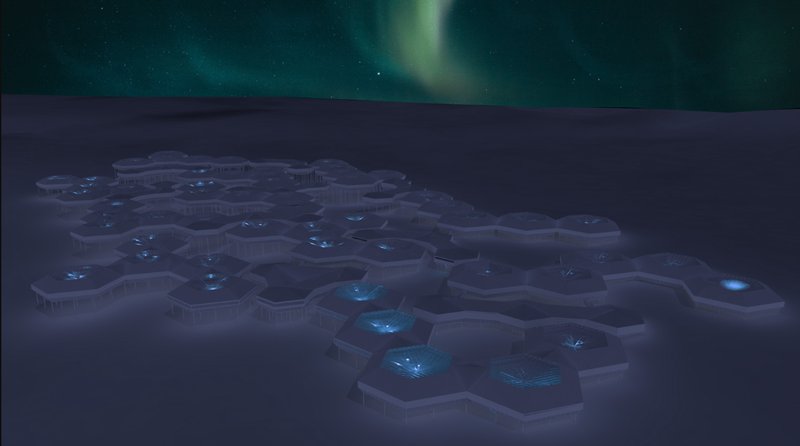
Drawing inspiration from the self-organizing structures of polar ice floes, the modular hexagonal units facilitate dynamic spatial expansion while optimizing energy efficiency. This morphological strategy enhances aerodynamic resistance against polar vortex winds while leveraging geometric tessellation to maximize passive solar gain and thermal retention.
Renewable Energy Integration and Climate Adaptation
Helicom Habitat incorporates an integrated renewable energy matrix, encompassing photovoltaic arrays, vertical-axis wind turbines, and geothermal heat exchange. Passive solar principles and high-albedo surface treatments further augment energy conservation, aligning the habitat with principles of net-zero energy architecture.
Socio-Spatial Dynamics and Cohesive Urbanism
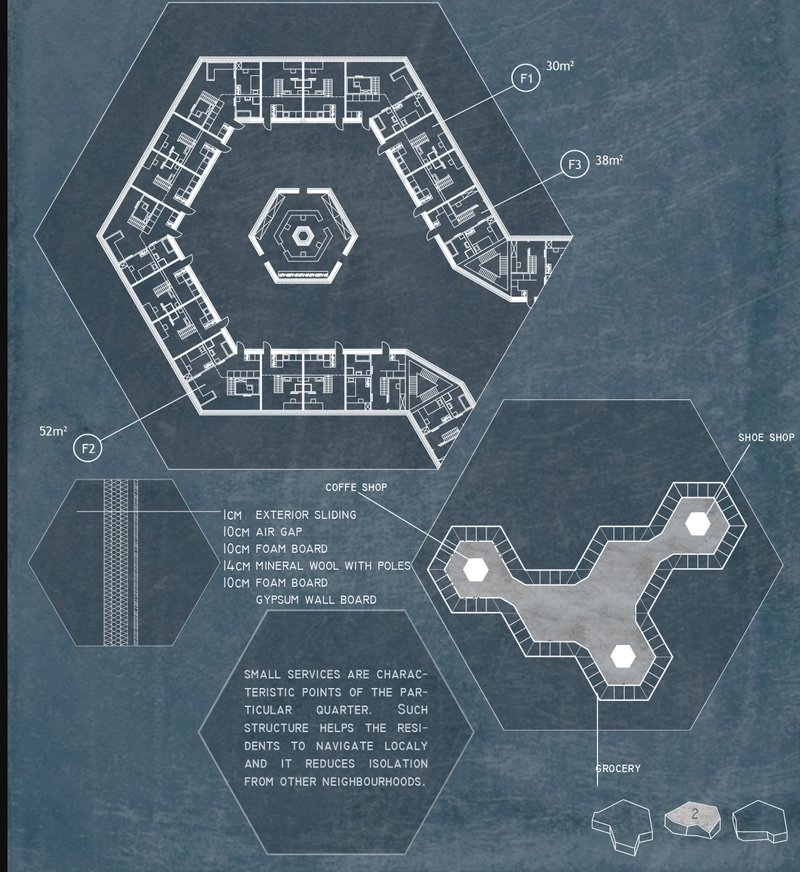
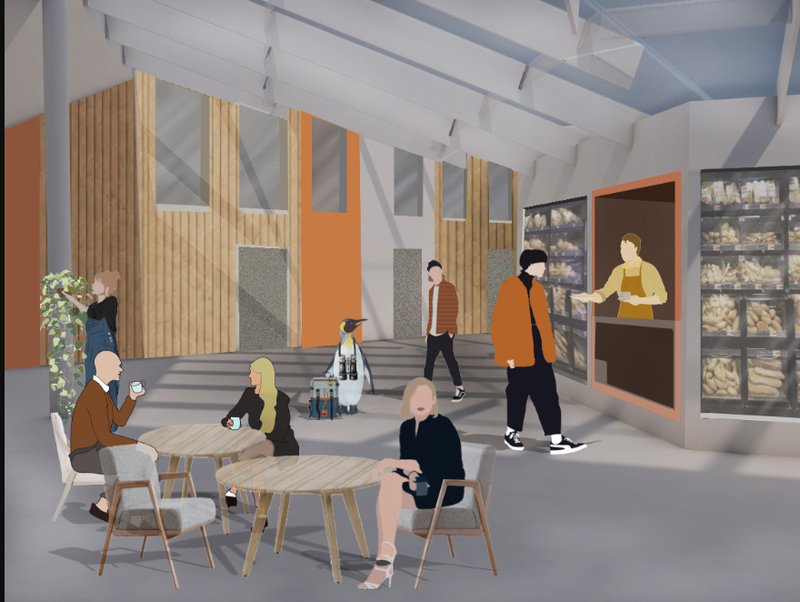
The habitat’s spatial framework is designed to foster interdisciplinary collaboration among researchers, scholars, and transient inhabitants. Public spaces, including knowledge-sharing hubs, cultural enclaves, and mixed-use social precincts, ensure a holistic community experience that transcends isolation and fosters intellectual synergy.
Recognition and Scholarly Contribution
Conceptualized by Wioletta Dębicka, Kamila Suszek, Robert Czajka, and Alicja Kowalewska, Helicom Habitat was recognized as a People’s Choice Award finalist in the EHC - Arctic Competition. This project contributes to the evolving discourse on resilient architectural interventions, exemplifying a scalable, replicable model for sustainable habitation in climatically volatile territories.