
Sustainable Pavilion Architecture in Dubai: Exploring the ‘Of Palm Pavilion
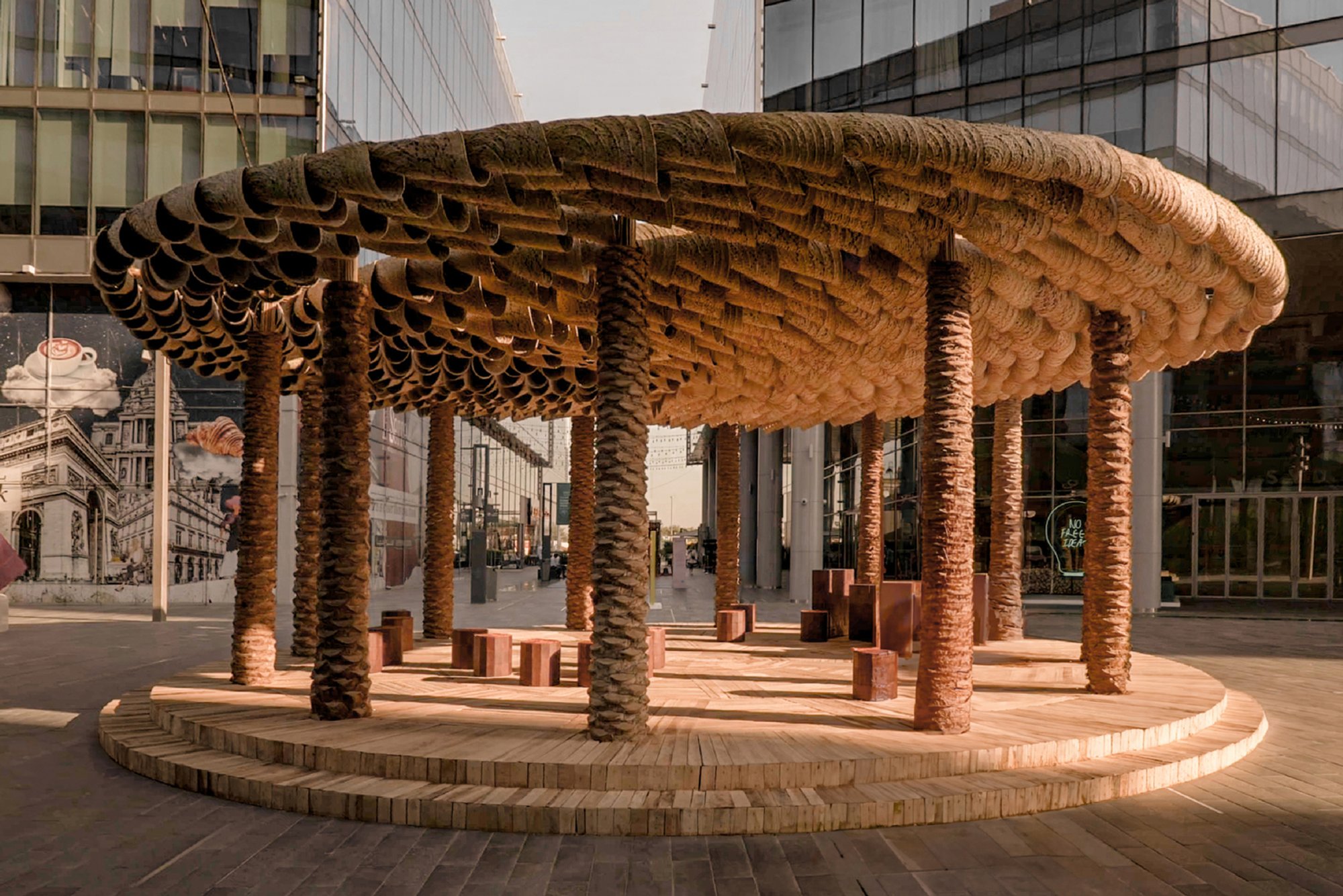
The article explores the sustainable design and cultural significance of the ‘Of Palm Pavilion’ by MULA Design Studio in Dubai.

Sustainable Pavilion Architecture in Dubai
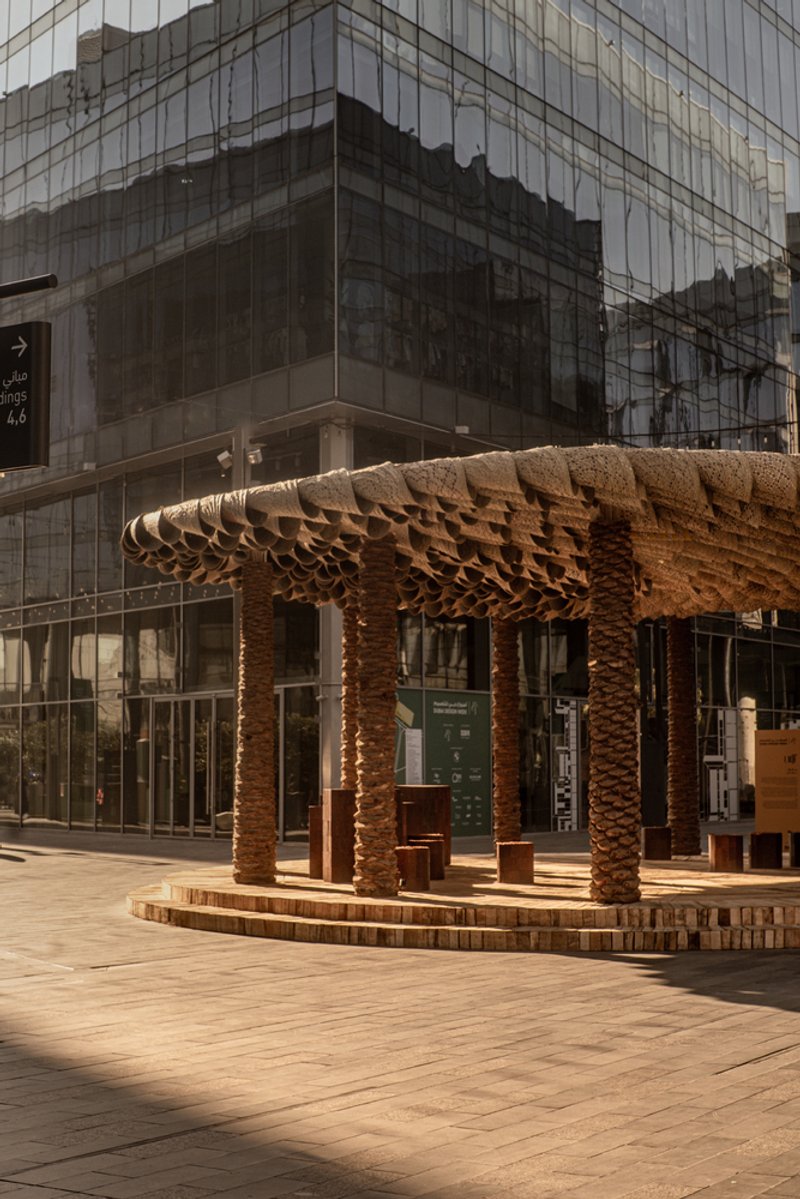
Dubai, renowned for its architectural wonders, is increasingly embracing sustainability as a core principle in design. The ‘Of Palm Pavilion’ by MULA Design Studio exemplifies this shift. Completed in 2023, this innovative structure intertwines traditional Emirati craftsmanship with modern sustainable practices, offering a visionary approach to pavilion architecture.
The Vision Behind the ‘Of Palm Pavilion’
Designed by Abdalla Almulla and his team, the pavilion pays homage to the deep-rooted cultural and ecological significance of the palm tree in the UAE. The structure explores how this natural resource, historically vital to Emirati life, can be repurposed for contemporary architectural challenges.
A Sustainable Concept Rooted in Heritage
The palm tree, often called the "lifeline of Emiratis," has provided food, shelter, and raw materials for centuries. The pavilion reimagines these traditional applications, blending heritage with innovation to address modern sustainability challenges.
Key Features of the ‘Of Palm Pavilion’
1. Materials: A Celebration of Palm Components
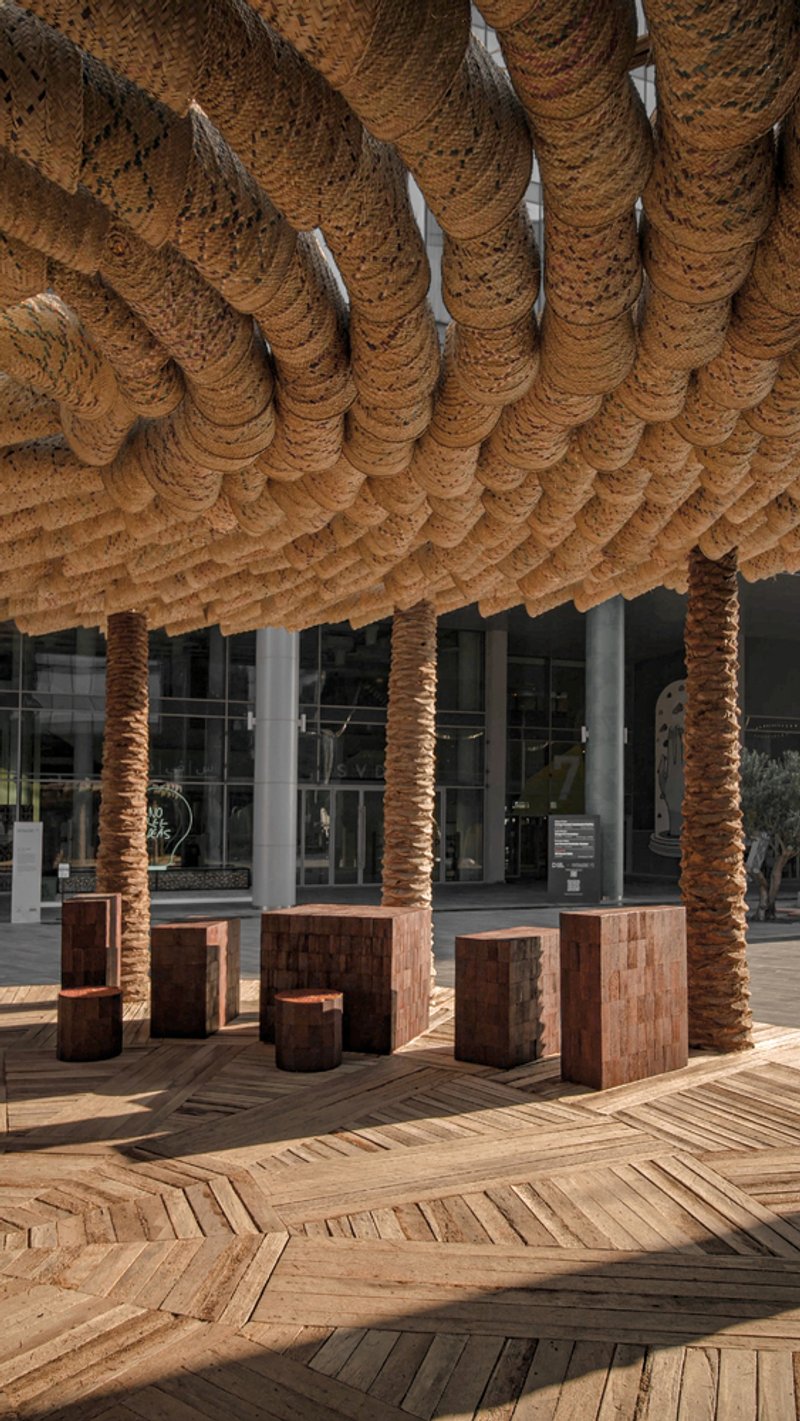
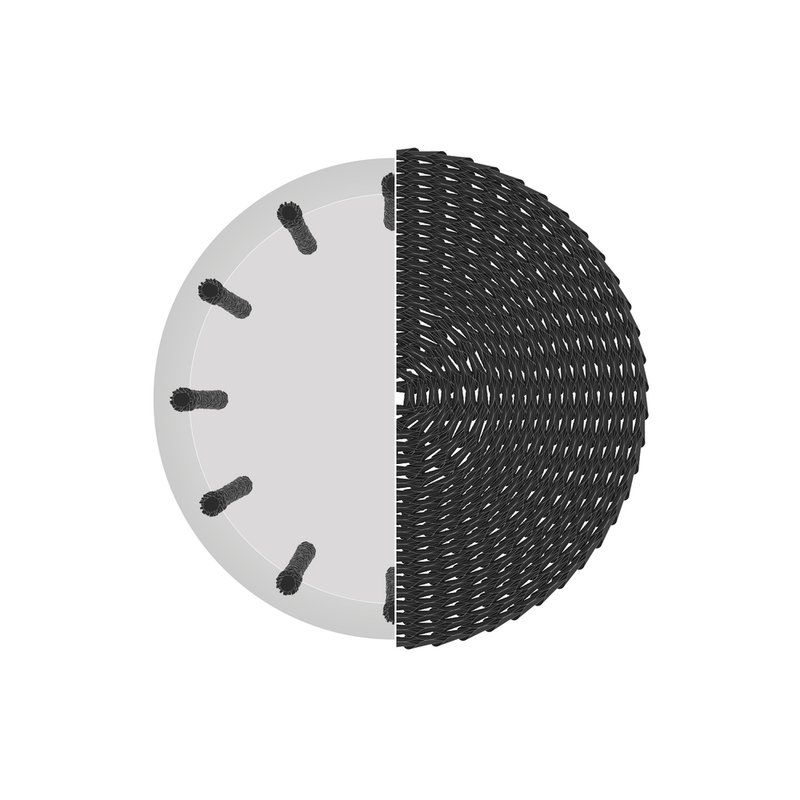
- Base: Constructed using palm wood in geometric patterns, aligning with the pavilion's cylindrical form.
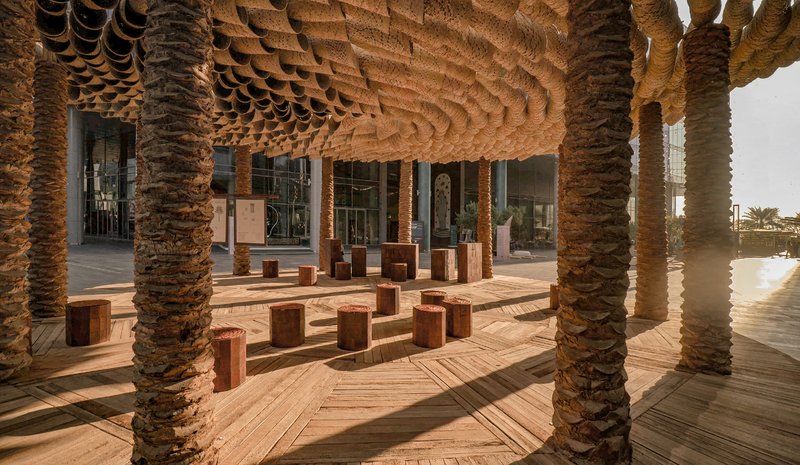
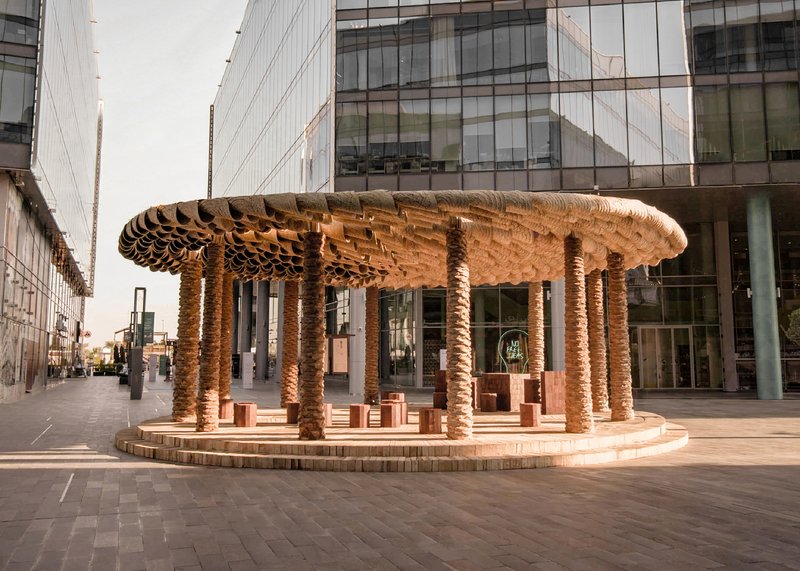
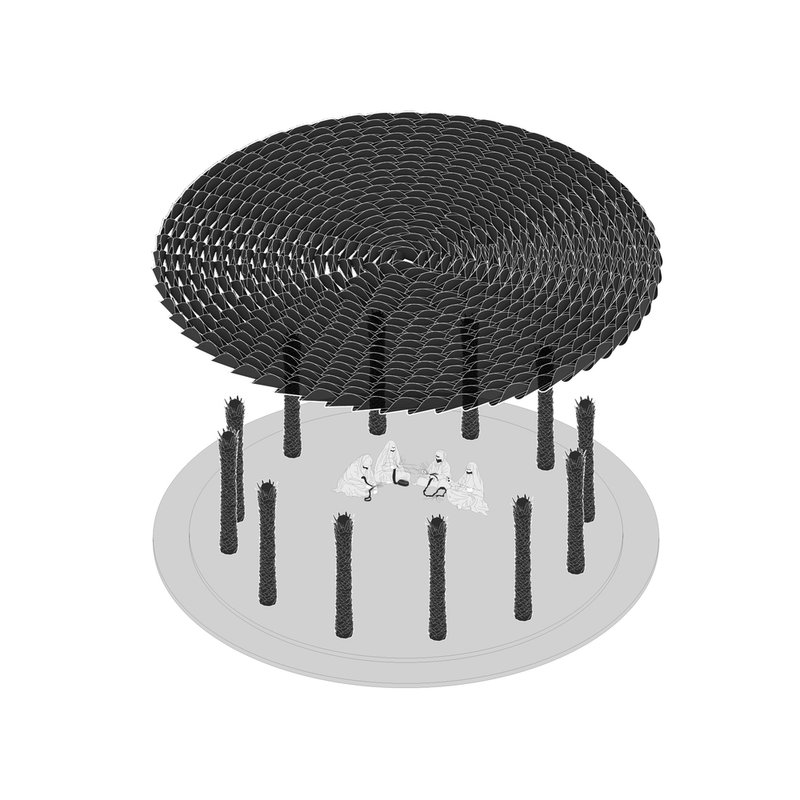
- Columns: Crafted from palm trunks, arranged radially to create a porous, airy structure reminiscent of traditional Emirati huts.
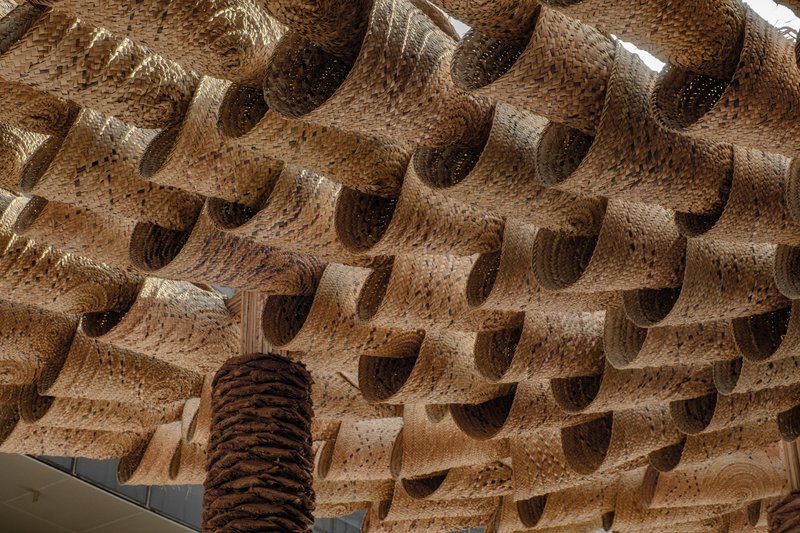
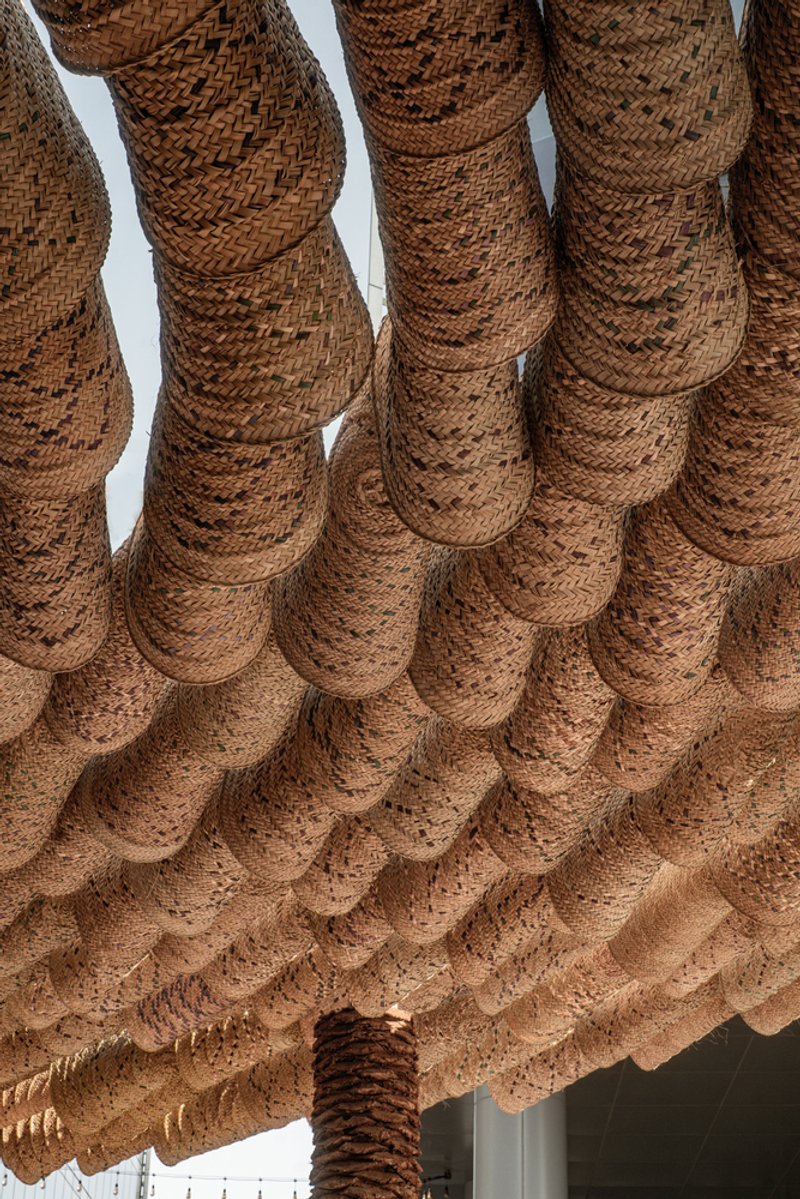
- Roof: Composed of khoos mats (woven palm leaves), supported by a timber framework. These mats were shaped into a conical form through parametric design principles.
2. Architectural Design: Merging Tradition with Modernity
The pavilion's design reflects a seamless integration of traditional craftsmanship and cutting-edge techniques:
- Porous Cylindrical Form: Encourages natural airflow, providing a comfortable and inviting environment.
- Radial Layout: The 12 palm trunk columns form a circular configuration, symbolizing unity and heritage.
- Innovative Roof Construction: Parametric folding techniques applied to khoos mats highlight the intricacies of traditional Emirati weaving.
3. Sustainability in Action
The pavilion demonstrates how traditional, sustainable practices can be adapted to modern architecture. By repurposing every component of the palm tree, it embodies resourcefulness and eco-conscious design.
The Role of Traditional Craftsmanship in Sustainable Architecture
The pavilion’s roof construction exemplifies the fusion of tradition and innovation:
- Khoos mats were folded and layered in a radial, concentric pattern, creating a visually striking and functional design.
- This modular approach reduces material waste while showcasing the potential of palm weaving in contemporary architecture.
Why ‘Of Palm Pavilion’ Matters for Pavilion Architecture in Dubai
The pavilion serves as a case study in sustainable architecture:
- Promoting Cultural Preservation: It highlights the enduring relevance of Emirati heritage.
- Encouraging Sustainable Practices: By using renewable materials like palm wood and leaves, the project reduces its carbon footprint.
- Inspiring Future Designs: Its innovative approach offers a blueprint for architects seeking to blend tradition with sustainability.
The Future of Sustainable Pavilion Architecture in Dubai
The ‘Of Palm Pavilion’ underscores Dubai's growing commitment to sustainable and culturally resonant architecture. By combining heritage-inspired design with innovative techniques, projects like this pave the way for a greener future in urban development.
Adapting Heritage for Modern Challenges
Through thoughtful material experimentation and design, the pavilion offers new possibilities for incorporating traditional practices into contemporary architecture.
A Beacon of Sustainable Pavilion Architecture
The ‘Of Palm Pavilion’ by MULA Design Studio is more than an architectural feat; it’s a symbol of sustainability and cultural pride. By reimagining the palm tree’s role in modern design, the pavilion demonstrates how architects can create structures that honor the past while addressing the needs of the future.
All Photographs are work of Jam Javier




Popular Articles
Popular articles from the community


Solar Steam: A Climate-Responsive Architecture That Redefines the Monument
A climate-responsive memorial architecture that transforms heat, decay, and time into a living system reflecting humanity’s ecological impact.

Atelier Macri Concept Store Interior Design by CASE-REAL
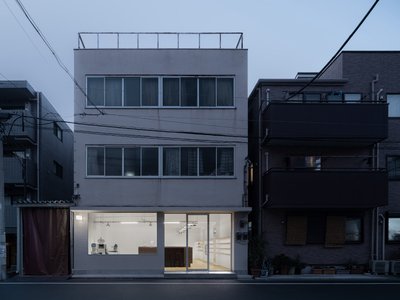
Atelier Macri store features a "ko" counter, walnut wood details, cork displays, blending retail, gallery, and seamless customer experiences.
Inverted Architecture Installation by Studio Link-Arc: Exploring the Intersection of Architecture and Living Organisms
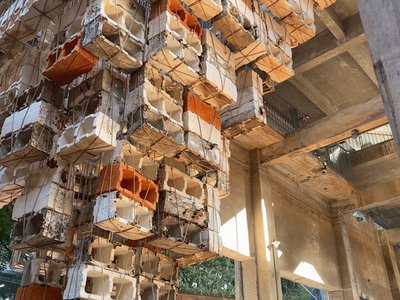
Inverted Architecture Installation by Studio Link-Arc blends mycelium, sustainability, inverted design, ecological cycles, and urban adaptive architecture in Shenzhen.

Similar Reads
You might also enjoy these articles


The Ken Roberts Memorial Delineation Competition (Krob)
As the most senior architectural drawing competition currently in operation anywhere in the world, it draws hundreds of entries each year, awarding the very best submissions in a series of medium-based categories.

Waterfront Redevelopment and Urban Revitalization in Mumbai: Forging a New Dawn for Darukhana
A transformative waterfront redevelopment project reimagining Darukhana’s shipbreaking heritage into an inclusive urban future.

OUT-OF-MAP: A Call for Postcards on Feminist Narratives of Public Space
Rhizoma Design and Research Lab invites artists, designers, architects, researchers, and students to reflect on how feminist perspectives can reshape public space. Selected works will be exhibited in Barcelona, October 2026. Submissions open until 15 April 2026.


Documentation Work on Buddhist Wooden Temple
Architectural syncretism and cultural hybridity: A comparative study of the Buddhist temples in Chattogram Hill tracks
Explore Architecture Competitions
Discover active competitions in this discipline




The International Standard for Design Portfolios


The Global Benchmark for Architecture Dissertation Awards


The Global Benchmark for Graduation Excellence


Challenge to design an urban locus of culture and heritage
Comments (0)
Please login or sign up to add comments
No comments yet. Be the first to comment!