

Tangchang Zhanqi Core Area Space by REL ARCHITECTS: A Model for Rural Revitalization Architecture
The article discusses Tangchang Zhanqi Core Area Space, focusing on integrating rural revitalization and red cultural heritage in Chengdu, China.


Tangchang Zhanqi Core Area Space, designed by REL Architects, is an exemplary model of rural revitalization architecture that integrates historical red culture with modern sustainable design. Located in Chengdu, China, this project embodies the essence of rural transformation while preserving the rich cultural heritage of the area.
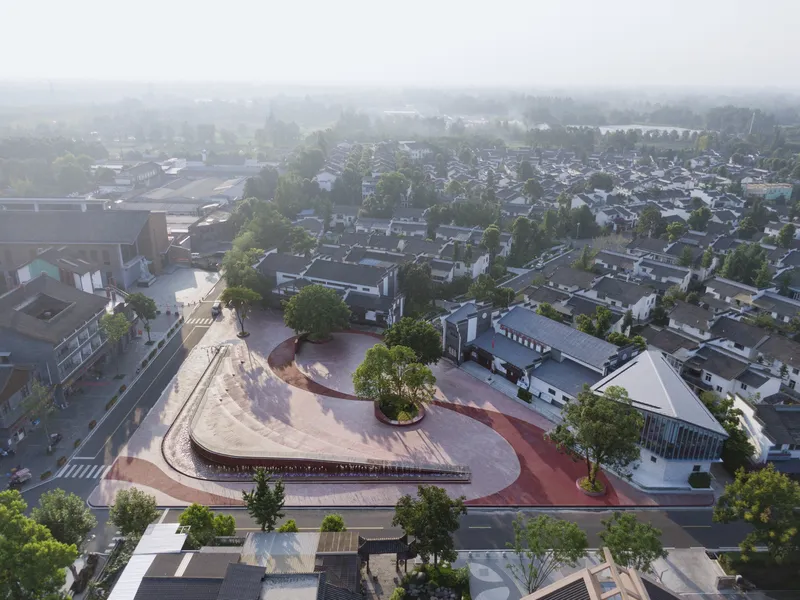
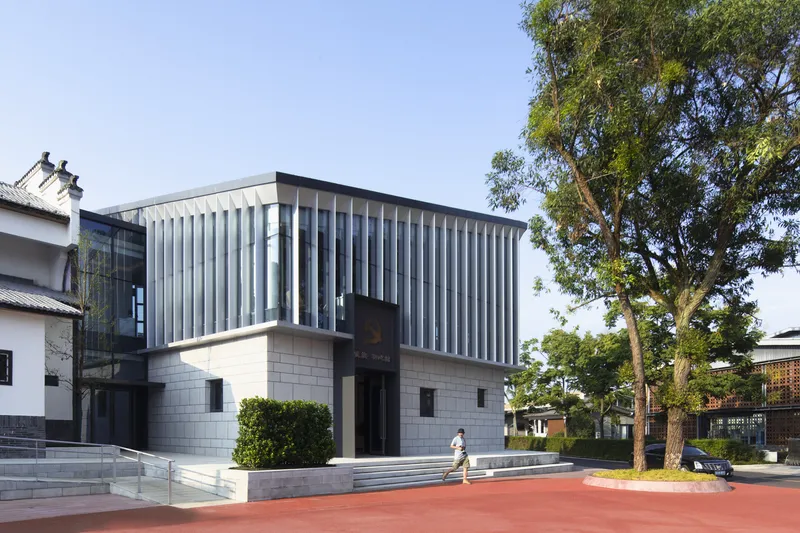
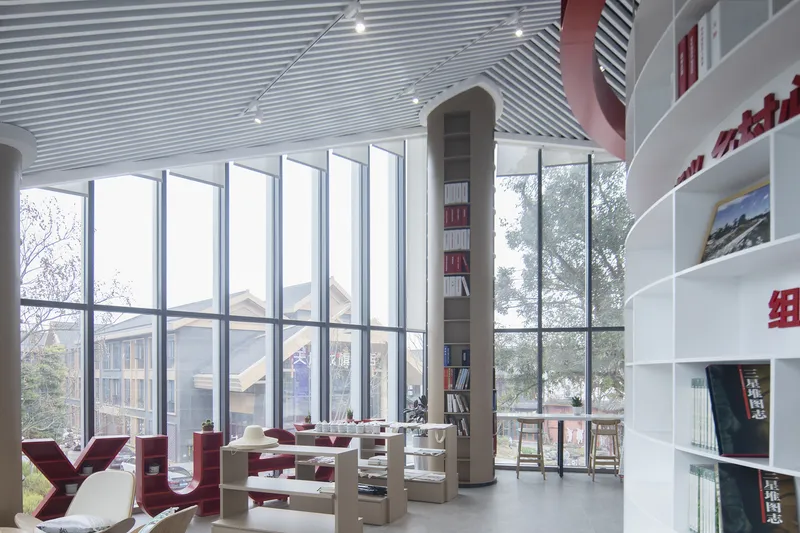
Historical Context and Architectural Innovation
The village of Zhanqi, a recognized site for rural tourism and cultural heritage in Chengdu, has undergone significant transformations under the guidance of REL Architects. Originally a beacon for water conservancy, the village has evolved into a symbol of red cultural tourism, celebrated for its sustainable and community-focused design.
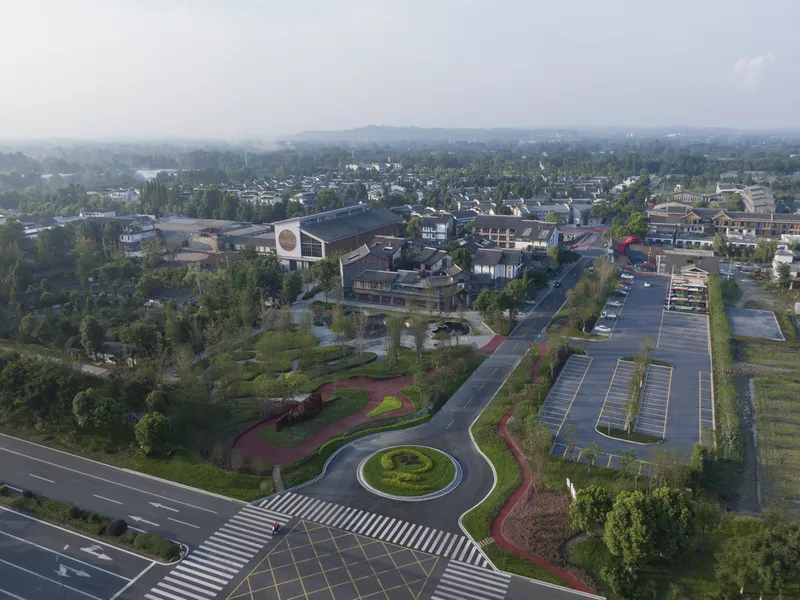
Symbolism in Design
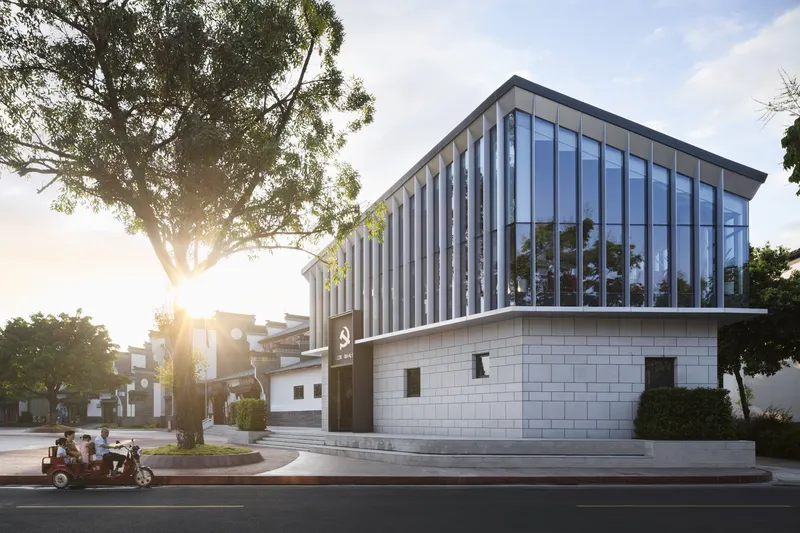
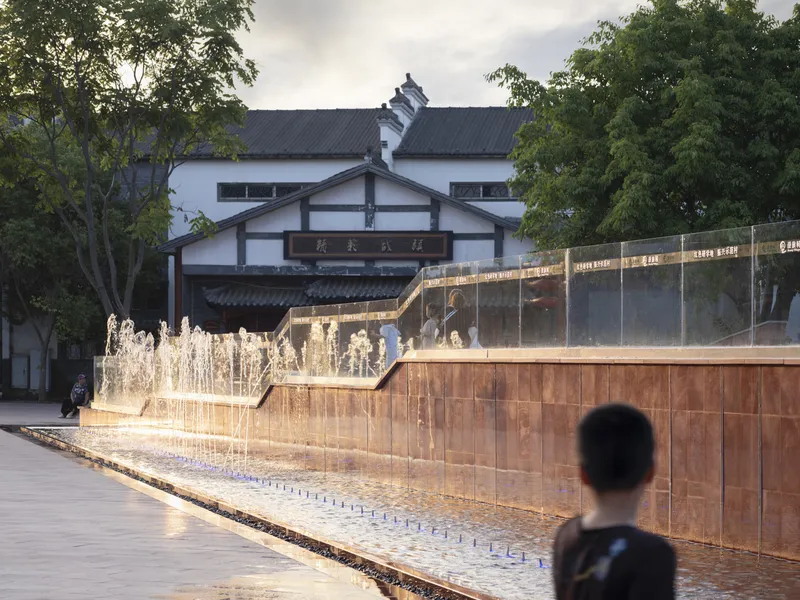
REL Architects' design for Zhanqi Village is deeply rooted in the symbolism of red memory, drawing inspiration from historical narratives such as Da Yu's flood control, which signifies the initiation of structured water management in China. This historical context is beautifully woven into the architectural elements, creating spaces that are not only functional but also narratively rich.
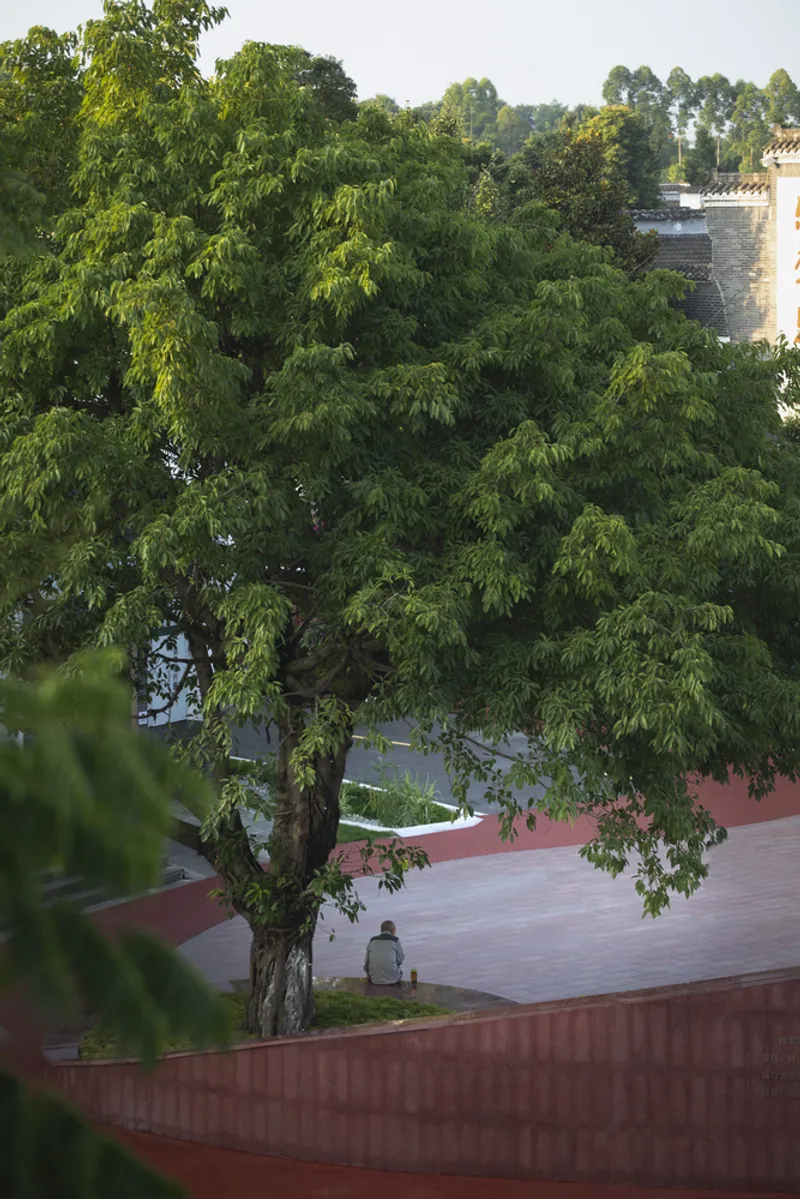
Integrating Cultural Memory
The concept of "lieu de mémoire" plays a crucial role in the architectural design. Each space within the village serves as a 'site of memory,' where past events and cultural significance are embedded into the physical and spiritual landscape of the area. This approach ensures that each structure is not just a building but a living memory of the village’s storied past.
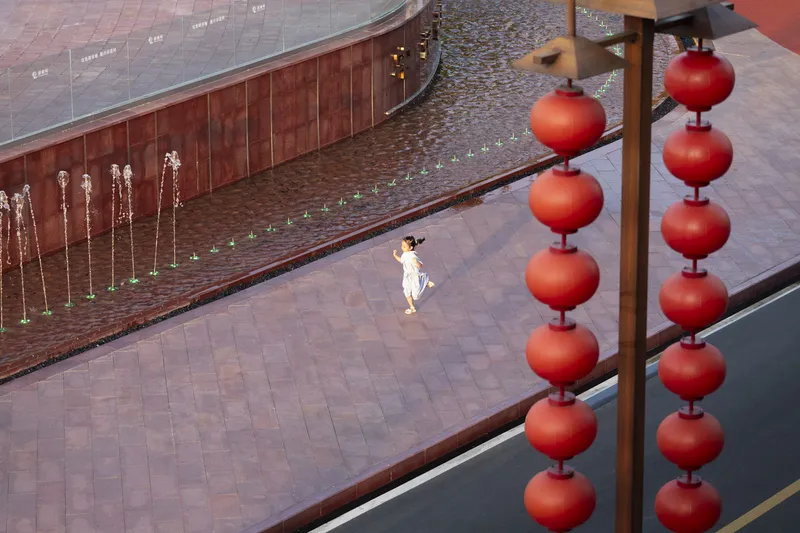
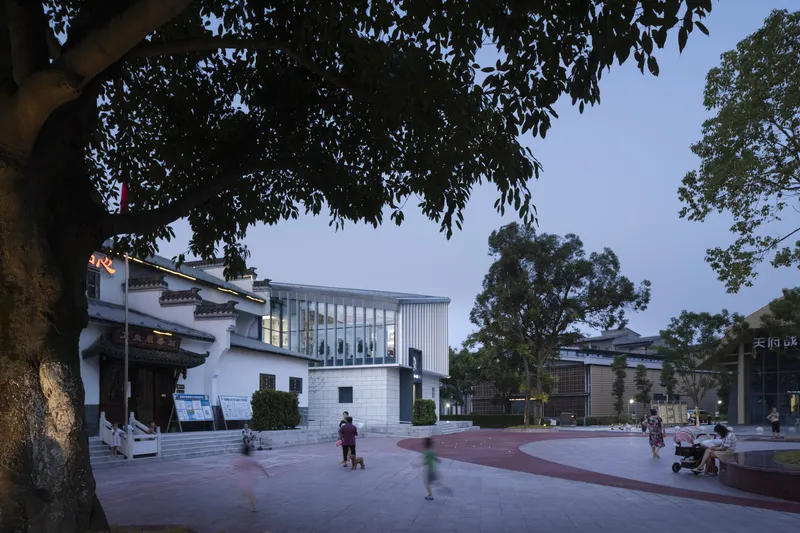
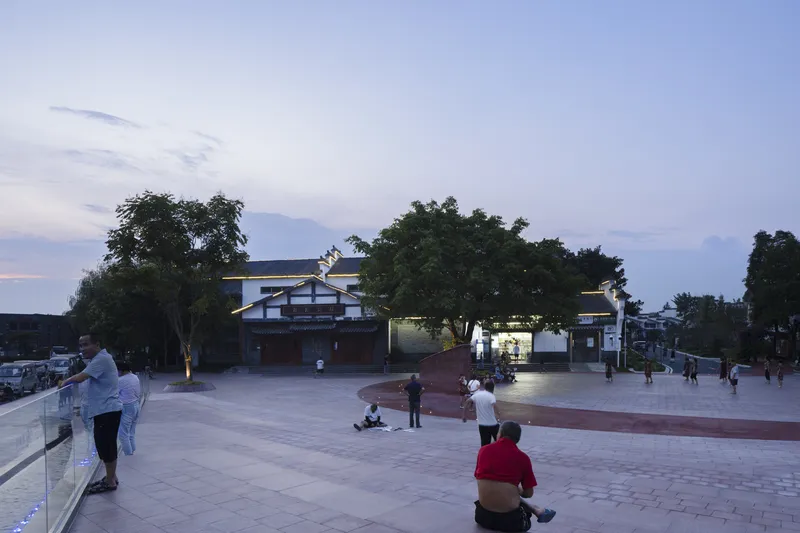
Architectural Features and Community Spaces
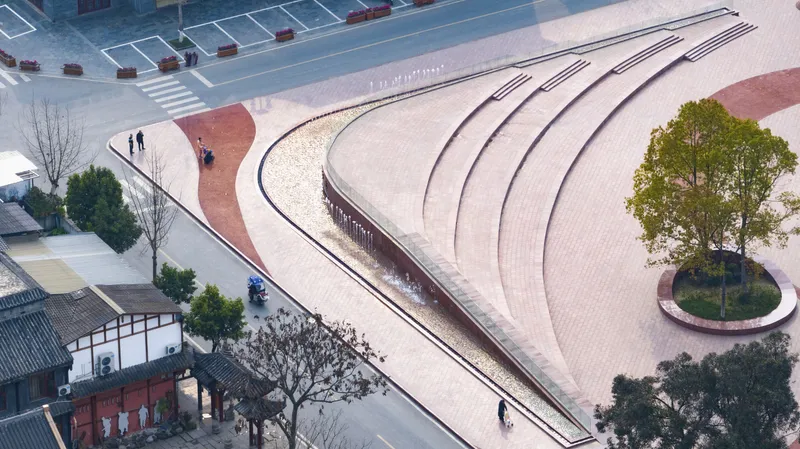
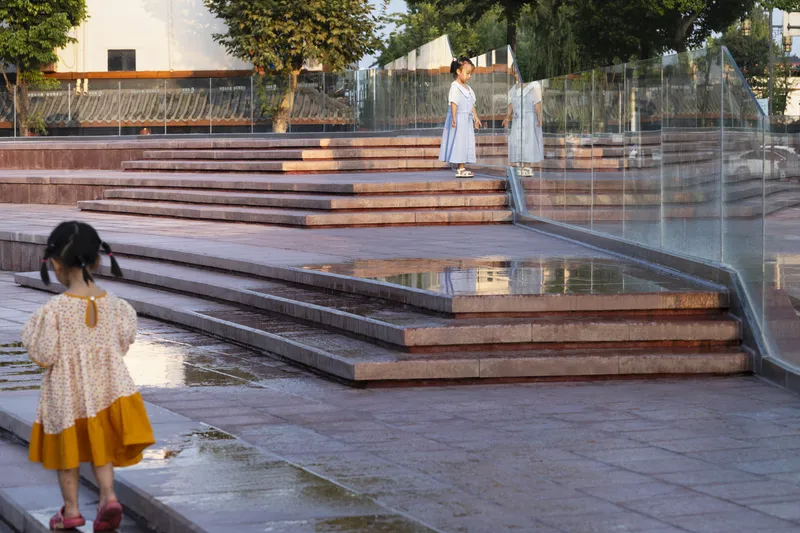
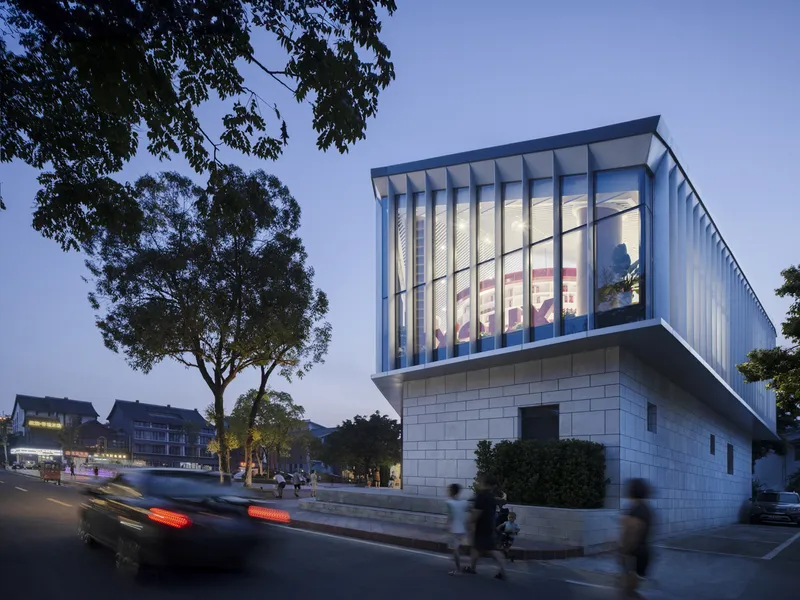
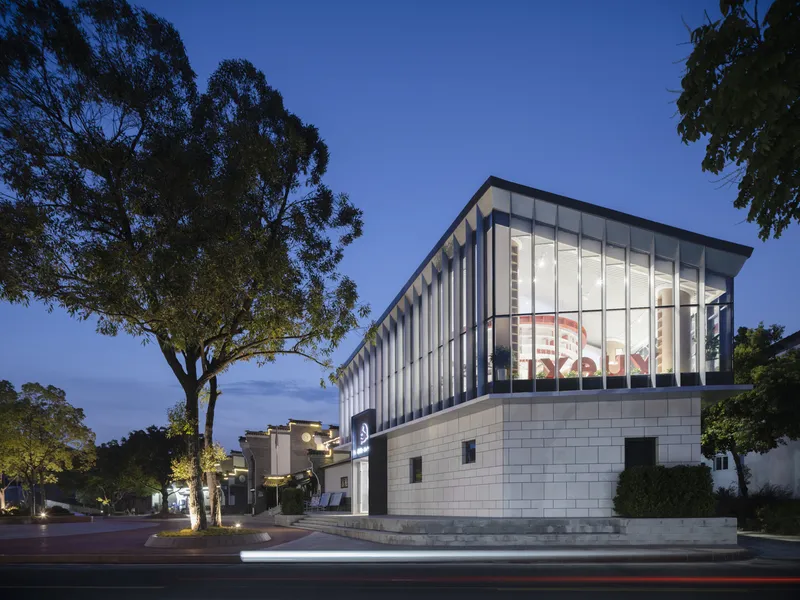
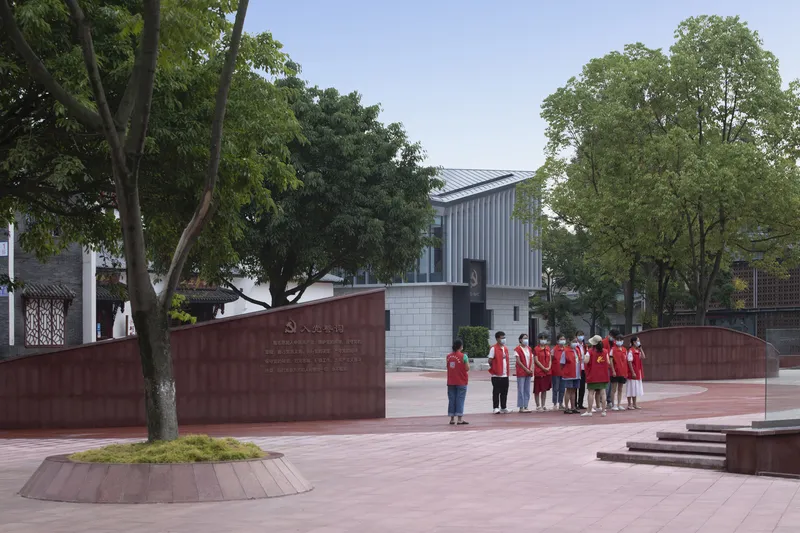
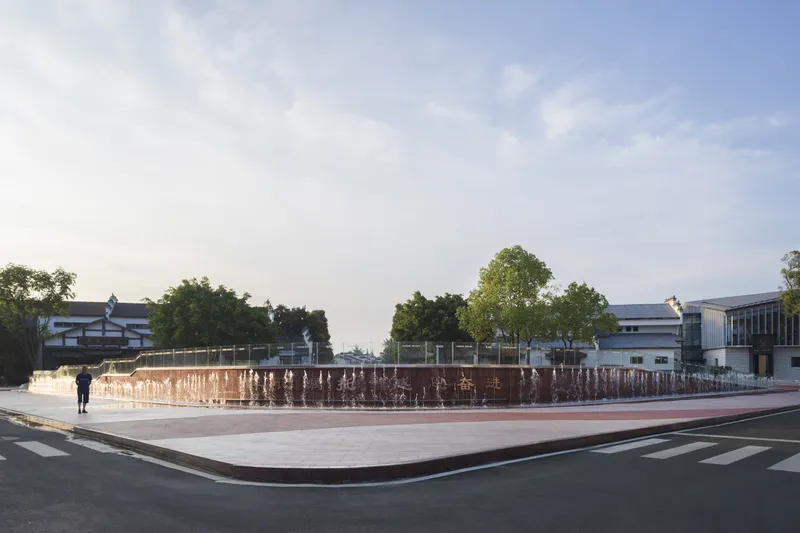
One of the standout features of the Tangchang Zhanqi Core Area Space is its commitment to community-centric design. The project includes public squares, cultural landmarks, and residential areas that foster community interaction and cultural activities.
The Red and Green Loops
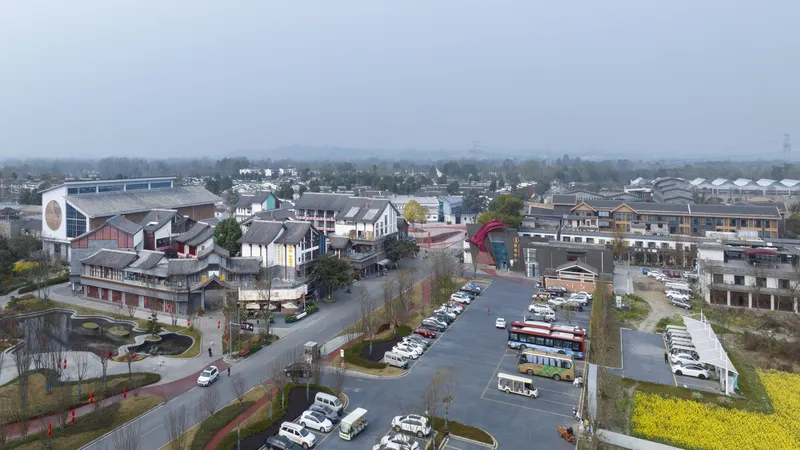
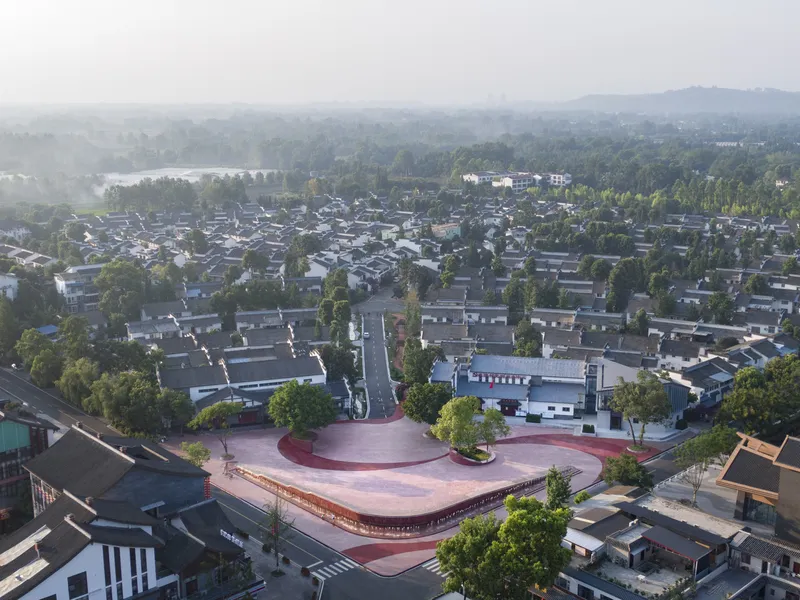
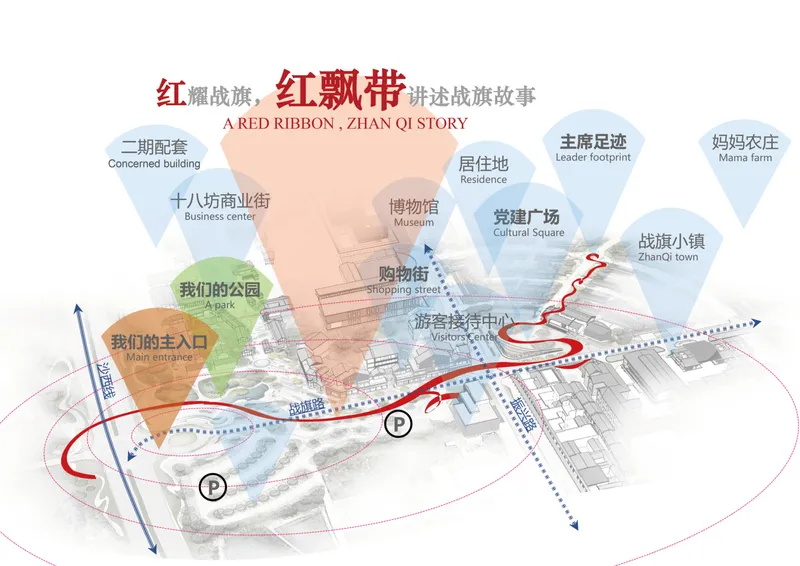
The design introduces two main loops—the Red and Green. The Red Loop connects historical and cultural sites within the village, while the Green Loop integrates natural landscapes, such as forests and farmlands, enhancing the village's ecological and aesthetic value. This design strategy promotes a balanced interaction between built environments and natural settings, encouraging sustainable community living.
Material and Design Aesthetics
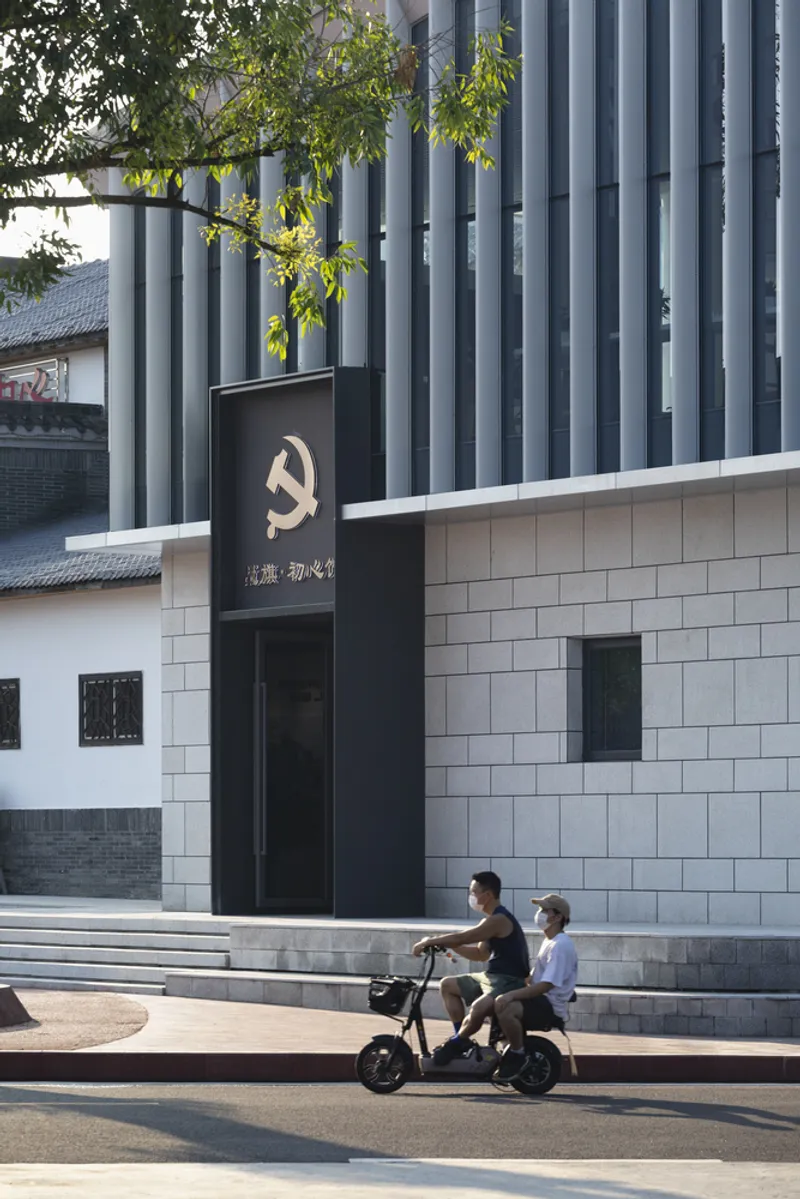
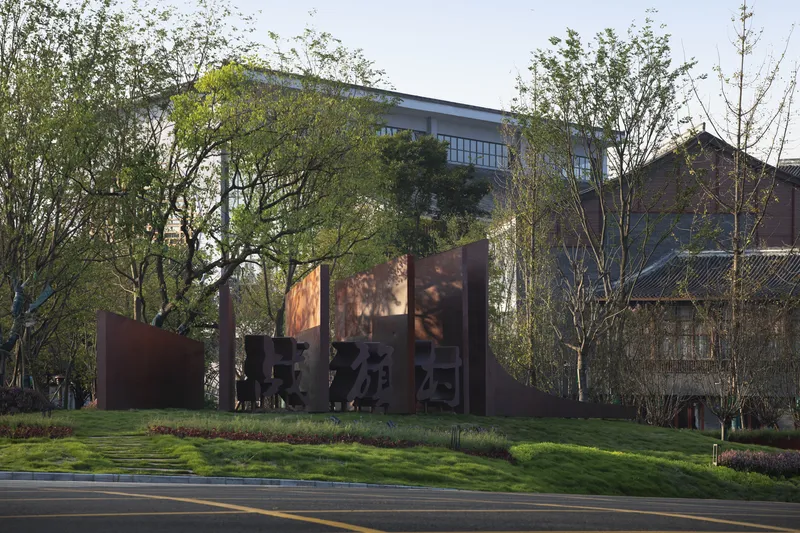
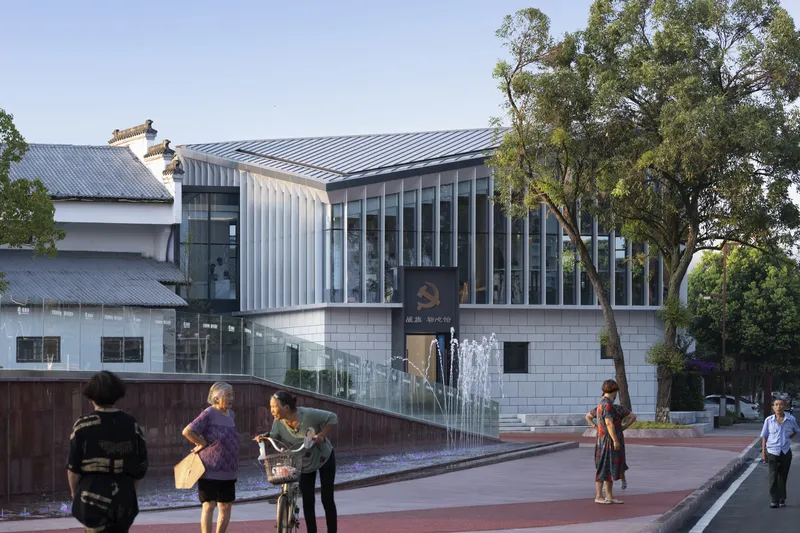
The choice of materials in the Tangchang Zhanqi project reflects a blend of traditional and modern aesthetics. Traditional elements like local stone and wood are used alongside modern materials like glass and metal, creating a unique architectural language that resonates with both past and present narratives. The use of red granite paving and red masonry not only strengthens the connection to the village's red cultural theme but also adds to the visual impact of the spaces.
Sustainable Practices and Ecological Design
Sustainability is a core component of the Tangchang Zhanqi Core Area Space. The project incorporates green building practices, including the preservation of existing natural landscapes and the integration of sustainable materials. These practices are not only ecologically beneficial but also culturally resonant, reinforcing the village’s identity as a beacon of rural revitalization.
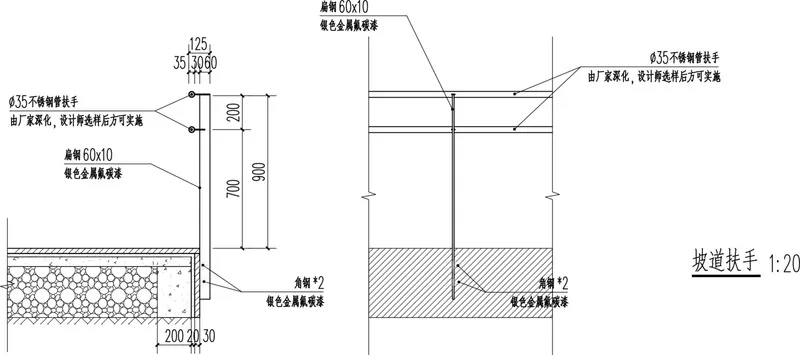
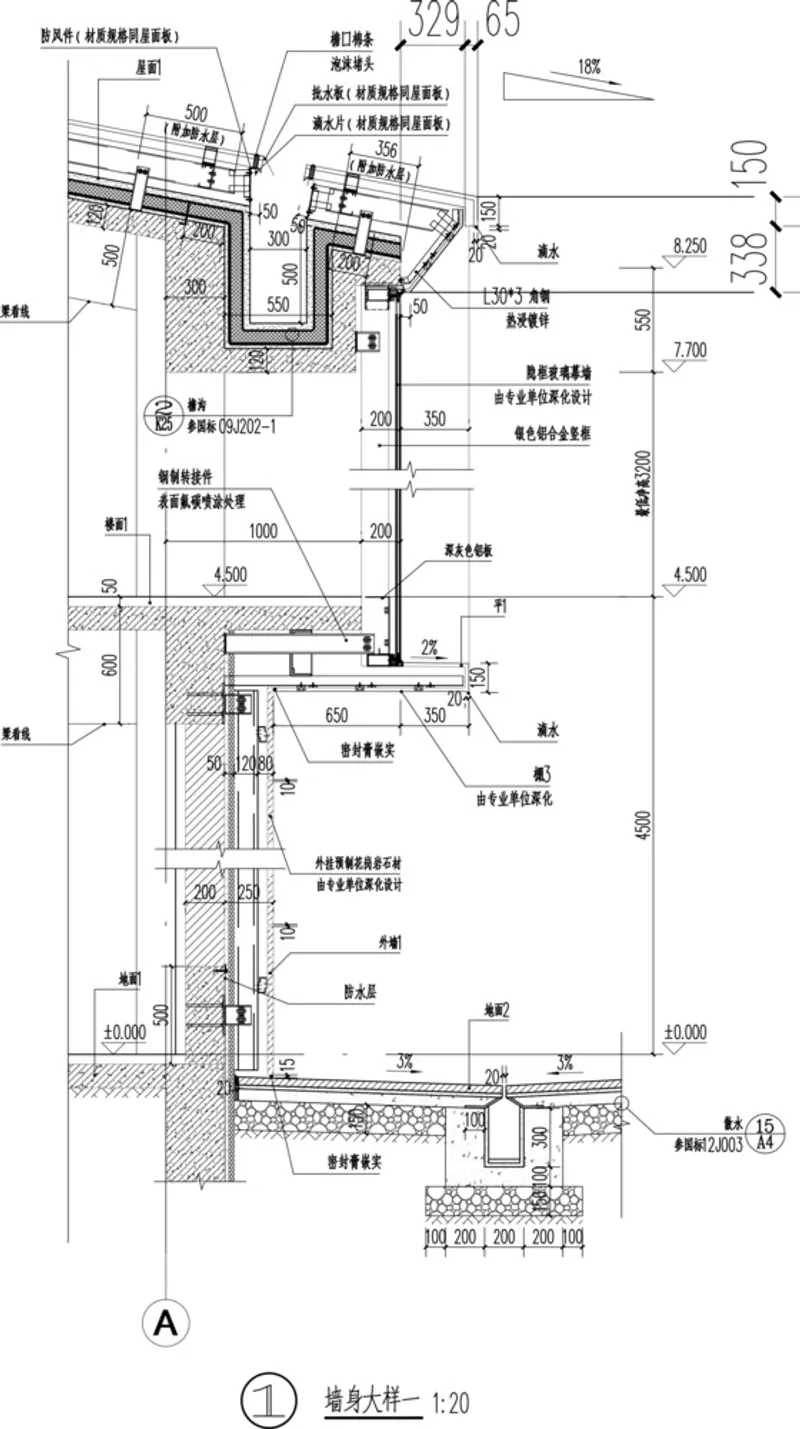
The Tangchang Zhanqi Core Area Space by REL Architects is a profound example of rural revitalization architecture that successfully marries cultural heritage with modern sustainability. This project serves as a blueprint for future rural revitalization projects, demonstrating how architecture can play a pivotal role in preserving cultural identity while promoting sustainable growth and community well-being.
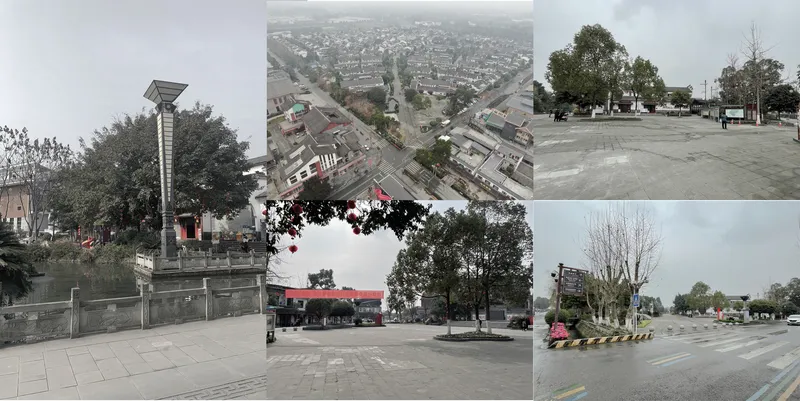
All photographs are work of Arch-Exist


Popular Articles
Popular articles from the community


Faces of the Soviet Avant-Garde: Turning Moscow's Street Names into an Open-Air Museum
A network of sculptural installations across a Moscow residential district transforms forgotten architect names into spatial encounters with cultural memor

Opera on the Sea: Driftwood Logic Shapes a Timber Opera House on Estonia's Coast
Trevor Orgill's opera house translates the entangled drift of floating timber into a civic building where wood, water, and music converge.

Tsunami Convergenics: Turning Catastrophic Ocean Forces into Underwater Housing Infrastructure
A speculative underwater settlement off the coast of Onagawa, Japan, treats tsunamis and typhoons as energy sources rather than threats.
Temporary Home for Dogs: A Reversed Zoo Rethinks Animal Shelter Architecture
In Bucharest, a sinuous corridor and freed landscape flip the logic of containment, designing a shelter that works to make itself unnecessary.

Similar Reads
You might also enjoy these articles


Hodi-Mandai Geram
Project Function: Preservation and revitalization of the Intangible heritage and socio-spatial identity of the Hodi by Housing, Cultural Memory Center, Sacred Grove, landscape, local tourism economy


Olio Towers: A Mid-Rise for Performers That Fuses Housing, Rehearsal, and Stage
Located blocks from Houston's Theater District, this modular tower stacks living units around a central performance atrium.

Oasis: Modular Green Housing Carved into Dhaka's Urban Fabric
A shortlisted Plugin Housing entry reclaims unauthorized settlements in Dhaka with stepped concrete volumes, green roofs, and ventilation-driven design.

Black Hole: A Floating Megastructure for the Post-Physical Era
Emiliano Mazzarotto envisions a spherical, self-scaling arena where e-sports, digital hotels, and holographic stadiums replace traditional public space.

Explore Chinese Small Scale Architecture Competitions
Discover active competitions in this discipline

Challenge to reimagine the Iron Throne

Photograph architecture without architects

Illustrate the lost glory of Angkor Wat - Render Challenge

Design challenge to reuse E-waste
Comments (0)
Please login or sign up to add comments
No comments yet. Be the first to comment!