
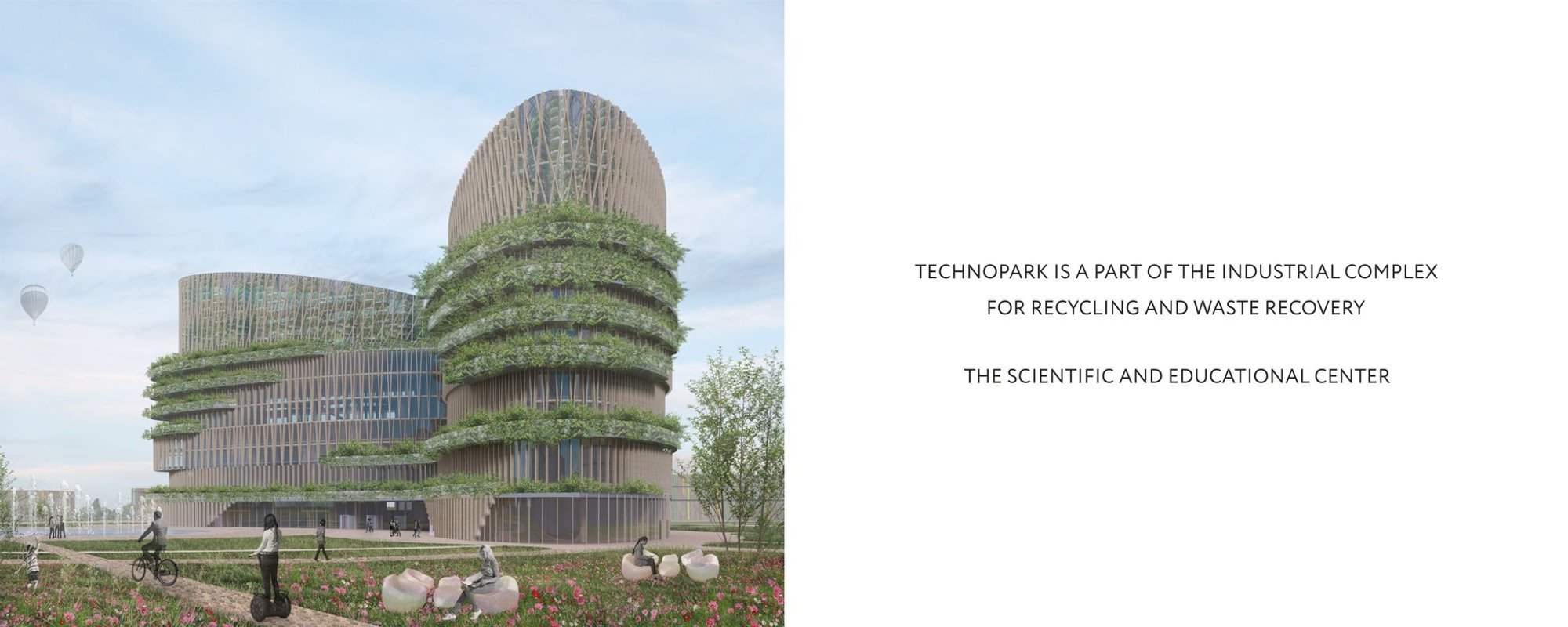
Technopark: A Hub for Sustainable Architecture and Waste Management Innovation
Transforming Waste into Opportunity: Technopark Pioneers Sustainable Architecture for Innovative Recycling and a Greener Future for All.

Shortlisted Entry by Vlada Konstantinova, UnIATA '19
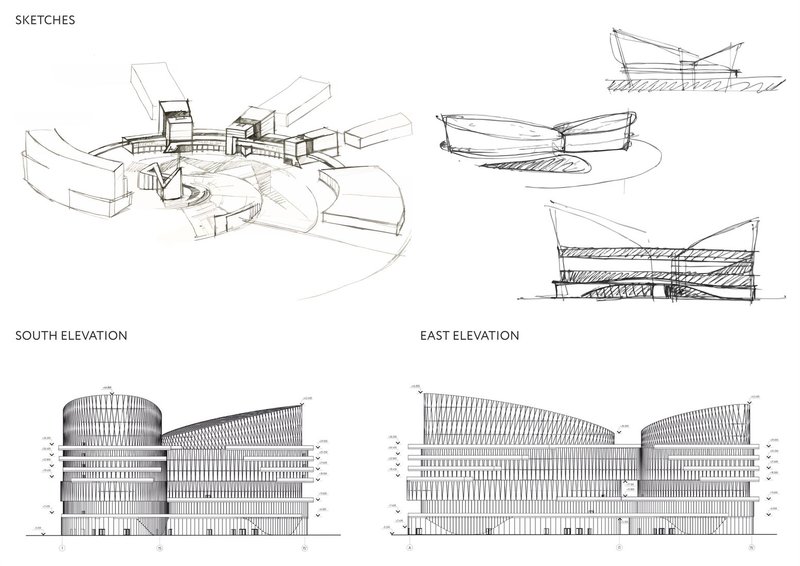
Humanity faces a monumental challenge: the effective management and recycling of waste. Despite technological advancements, waste recycling in Russia remains in its infancy. The Technopark, envisioned as part of an industrial complex dedicated to recycling and waste recovery, represents a groundbreaking step toward sustainable waste management and innovative architectural design.
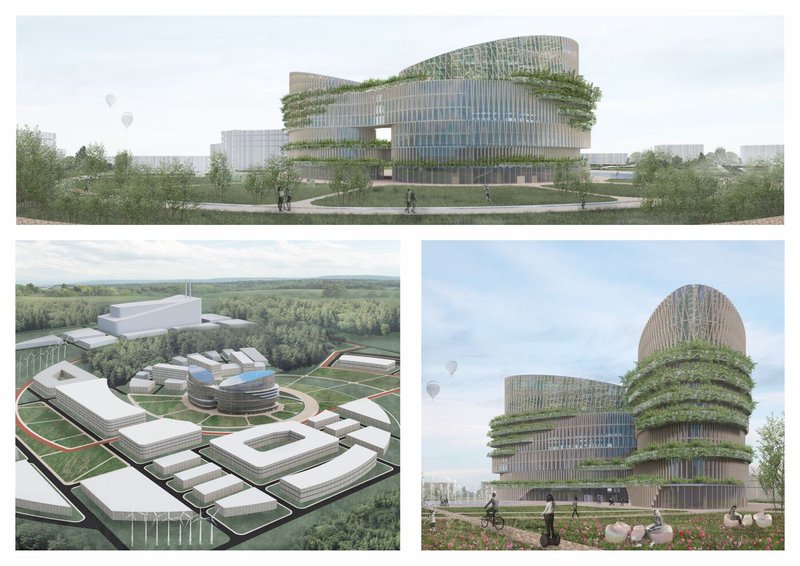
A Vision for Future Generations
At its core, the Technopark is designed as a scientific and educational center, aiming to foster innovative and competitive technologies. By integrating sustainable architectural practices, this project offers a systematic approach to waste management and recycling. Its mission is not only to manage today’s waste but also to create a blueprint for future generations to address ecological challenges.
Innovative Design Meets Functionality
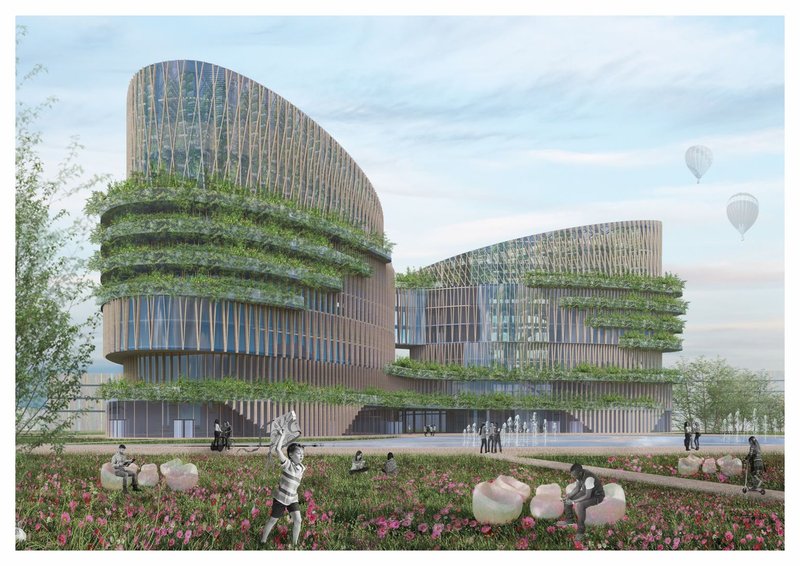
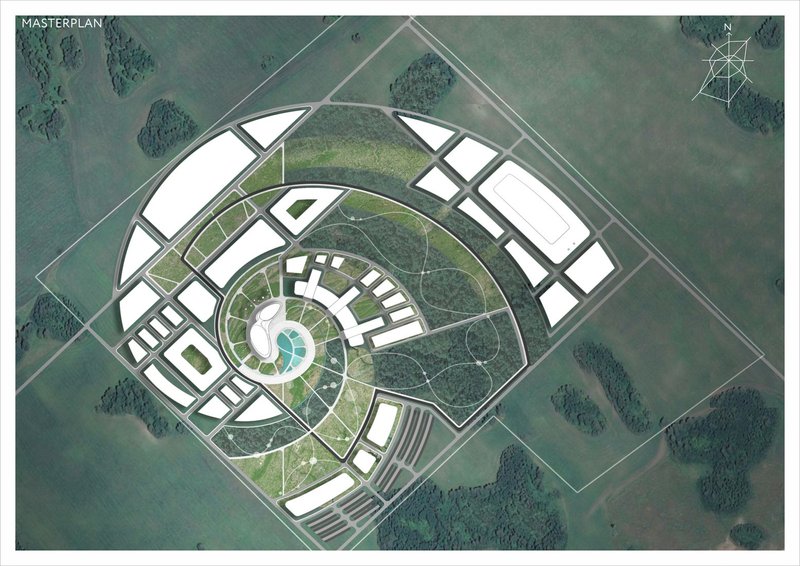
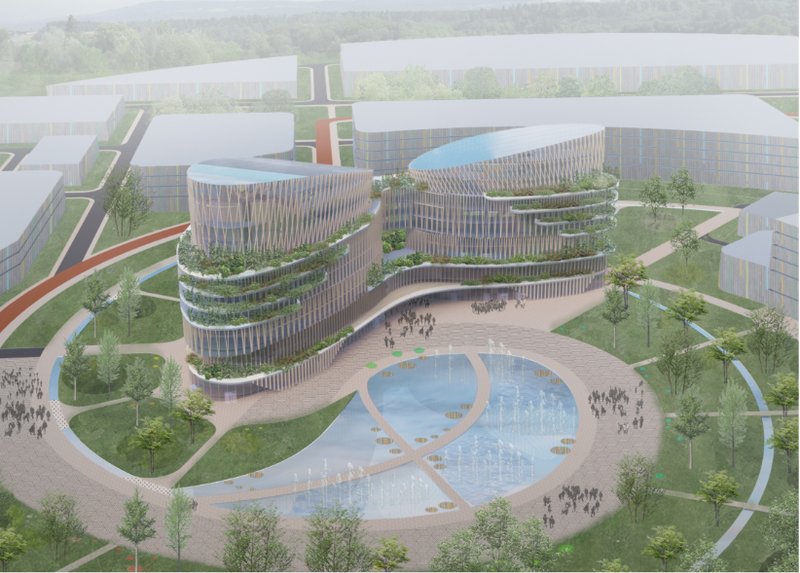
The design of the Technopark merges architectural beauty with environmental consciousness. The layout incorporates:
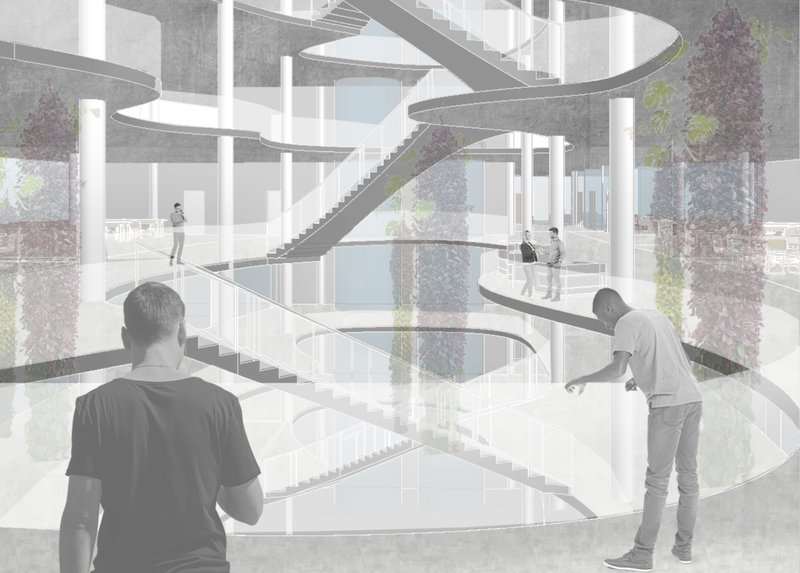
- Circular zoning: Inspired by the harmony of nature, the spiral layout symbolizes the cyclical nature of recycling and resource recovery.
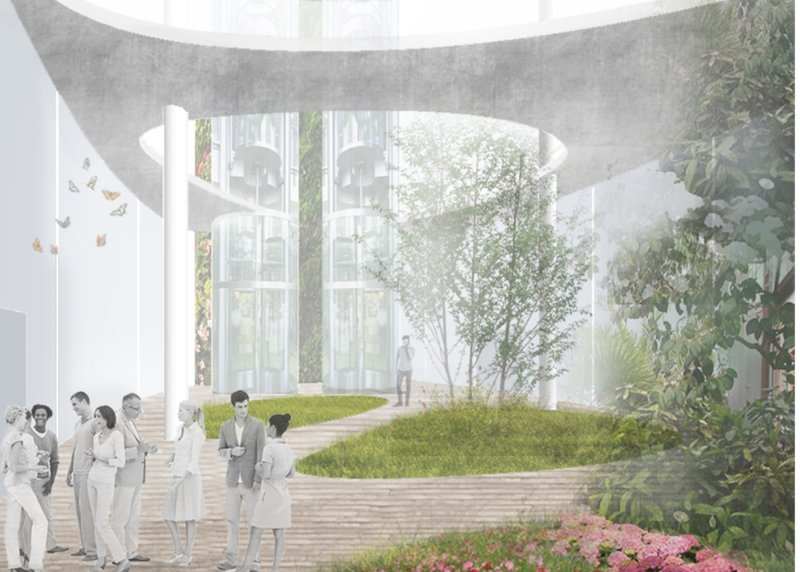
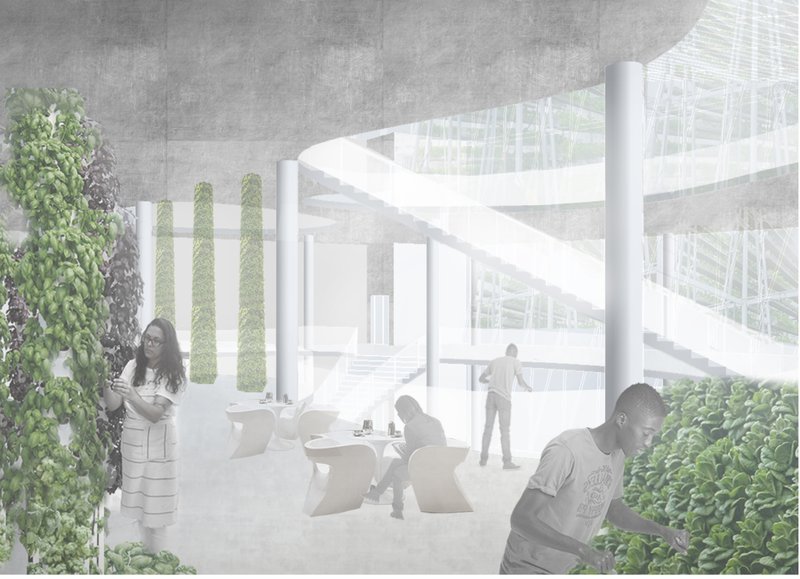
- Green facades: Vertical gardens integrated into the building’s structure improve air quality and contribute to thermal insulation.
- Energy efficiency: Solar panels and natural illumination systems reduce reliance on non-renewable energy.
- Water management: A comprehensive system for water collection and reuse ensures sustainable resource use.
Environmental Integration
The Technopark's masterplan emphasizes a harmonious coexistence with its environment. The landscaping scheme incorporates green corridors, creating spaces for recreation and education. Moreover, its architectural design is sensitive to climatic conditions, ensuring minimal ecological disruption.
The Role of Sustainable Architecture
The Technopark exemplifies the potential of sustainable architecture in solving real-world problems. By using recyclable materials and energy-efficient systems, the project showcases how architecture can play a pivotal role in addressing waste management challenges.
Educational Impact
Beyond being a recycling facility, the Technopark is a hub for education and research. By engaging communities, it raises awareness of sustainable practices, encouraging individuals to adopt eco-friendly behaviors in daily life.
The Technopark, as envisioned by Vlada Konstantinova, is more than an architectural marvel—it is a call to action. Its innovative approach to sustainable architecture and waste management offers hope for a cleaner, greener future. By blending functionality with environmental stewardship, this project sets a precedent for how architecture can lead the charge in ecological innovation.




Popular Articles
Popular articles from the community


The Ken Roberts Memorial Delineation Competition (Krob)
As the most senior architectural drawing competition currently in operation anywhere in the world, it draws hundreds of entries each year, awarding the very best submissions in a series of medium-based categories.

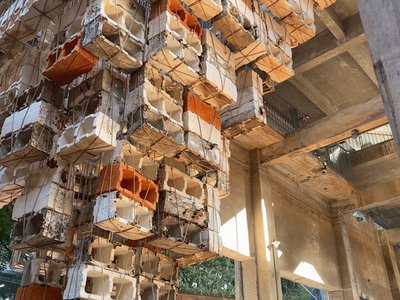
Inverted Architecture Installation by Studio Link-Arc: Exploring the Intersection of Architecture and Living Organisms
Inverted Architecture Installation by Studio Link-Arc blends mycelium, sustainability, inverted design, ecological cycles, and urban adaptive architecture in Shenzhen.
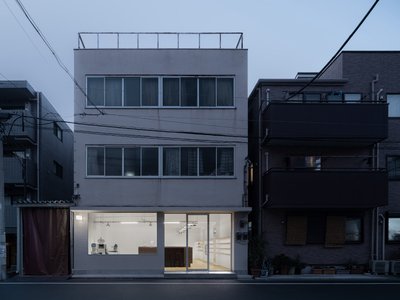
Atelier Macri Concept Store Interior Design by CASE-REAL
Atelier Macri store features a "ko" counter, walnut wood details, cork displays, blending retail, gallery, and seamless customer experiences.

Solar Steam: A Climate-Responsive Architecture That Redefines the Monument
A climate-responsive memorial architecture that transforms heat, decay, and time into a living system reflecting humanity’s ecological impact.


Similar Reads
You might also enjoy these articles


Top 15 Architecture Competitions to Enter in 2026
From student-friendly idea competitions to prestigious international awards, here are the best architecture competitions open for entries in 2026. Updated regularly.

DIY & Engineering in Computational Design : Enter the BeeGraphy Design Awards
Showcase Your Creativity with Computational Design and Open Source Projects
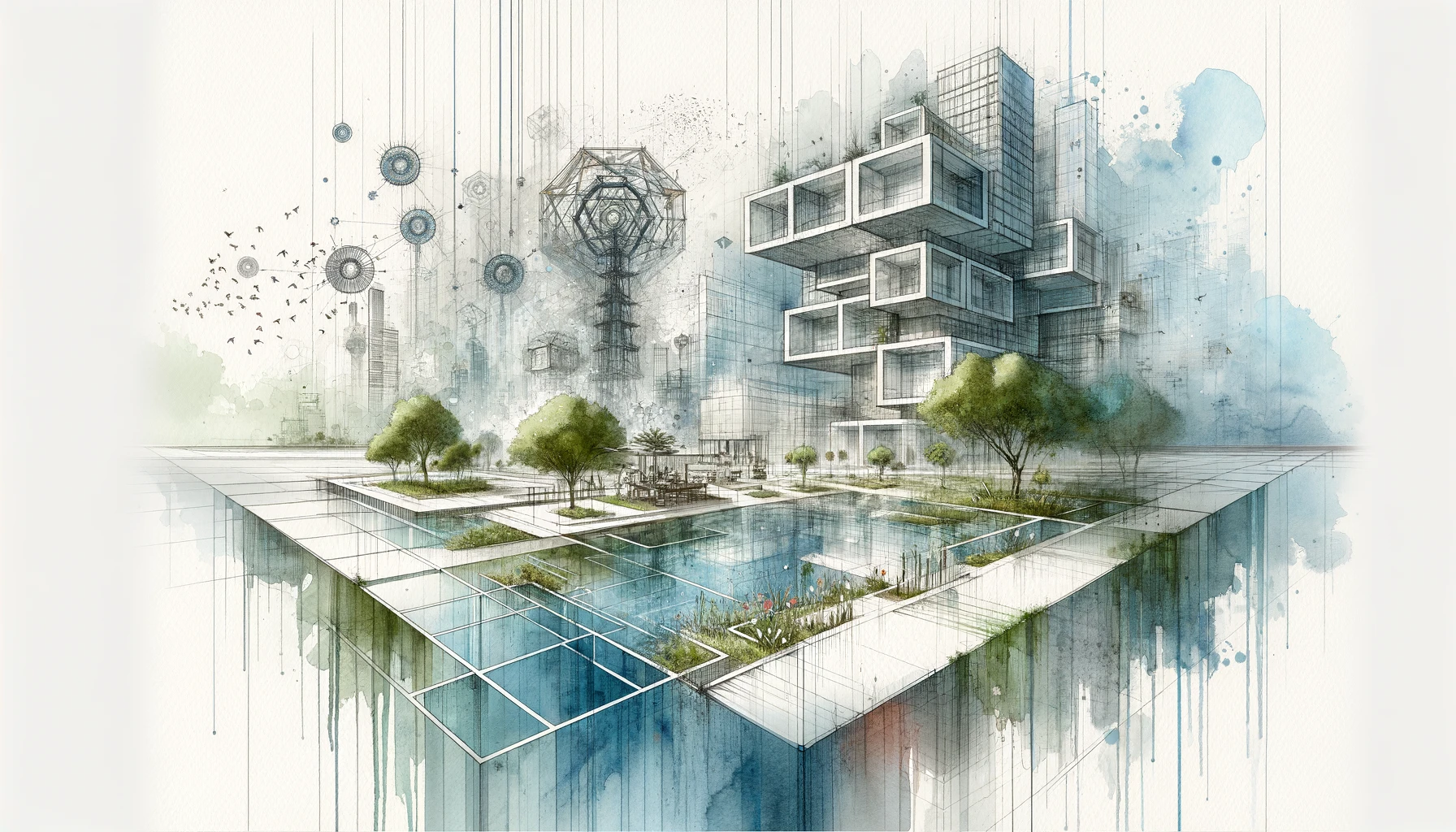
Innovative Design Solutions: Award-Winning Projects from Recent Architecture Competitions
Exploring award-winning architectural projects shaping the future of design, sustainability, and community.



Explore Educational Building Competitions
Discover active competitions in this discipline




The Global Benchmark for Architecture Dissertation Awards


Challenge to design public laboratory
Comments (0)
Please login or sign up to add comments
No comments yet. Be the first to comment!