
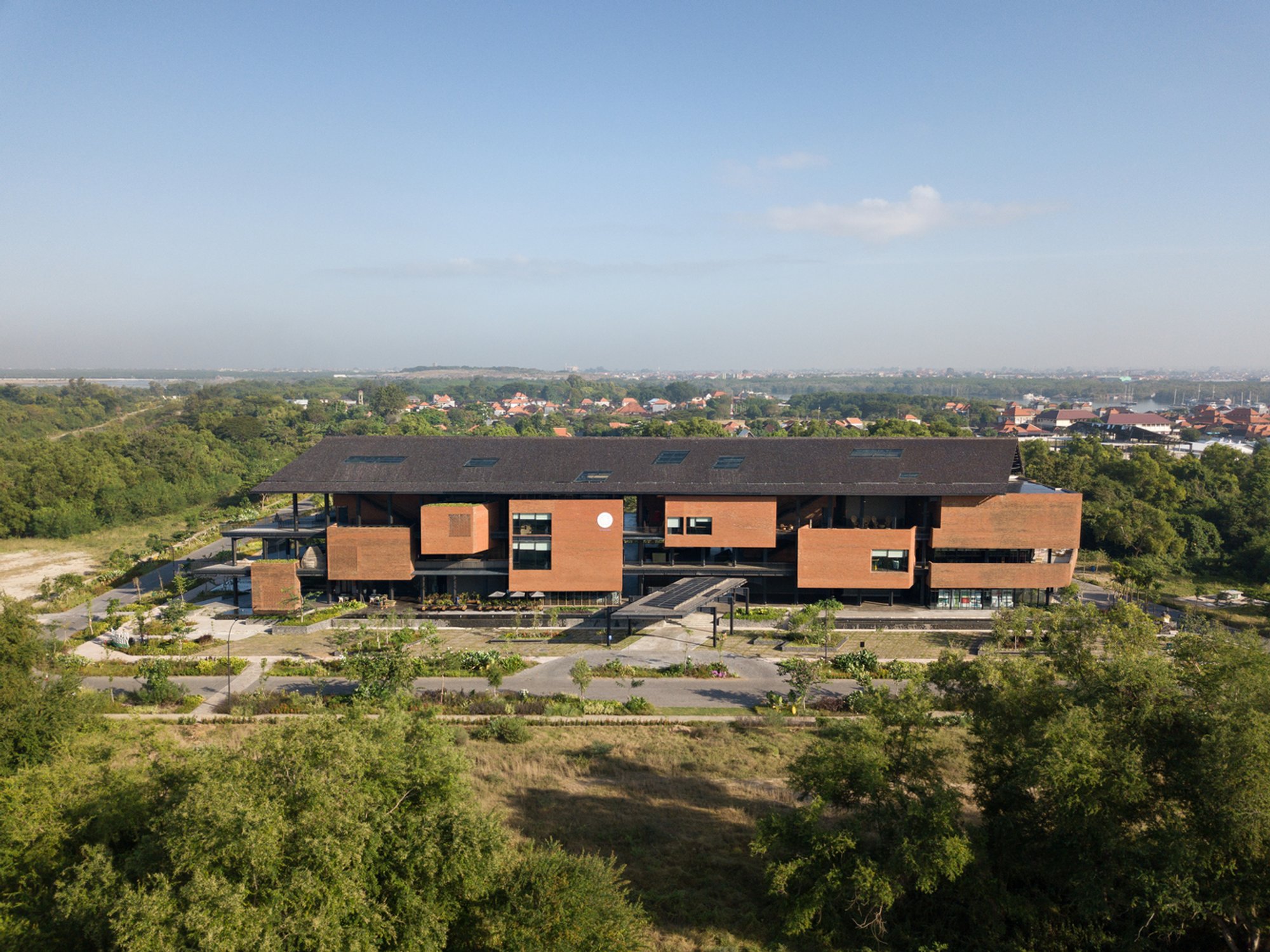
United-in-Diversity Campus: A Masterpiece of Tropical Architecture Design by Willis Kusuma Architects
United-in-Diversity Campus by Willis Kusuma Architects is a modern tropical architecture design integrating Balinese tradition with contemporary innovation.

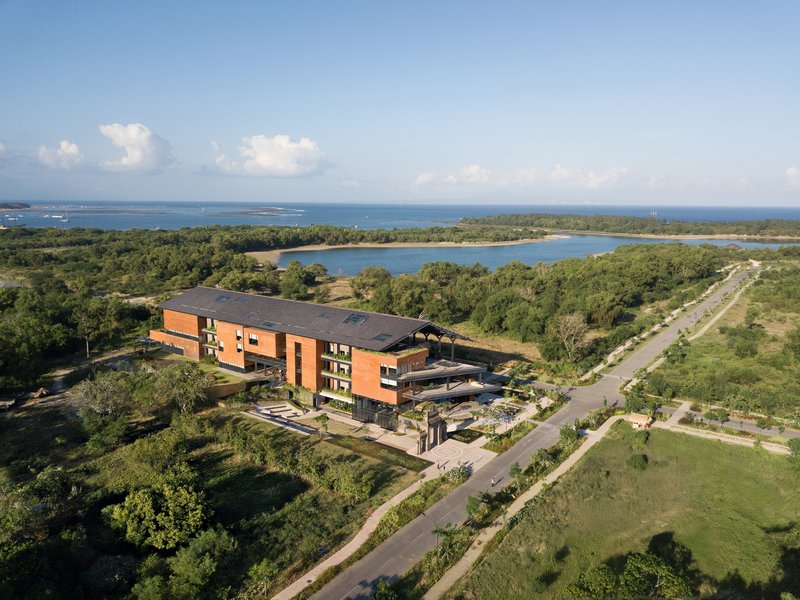
Nestled on Kura-Kura Island in Bali, Indonesia, the United-in-Diversity (UID) Campus stands as a modern interpretation of traditional Balinese architecture, skillfully blending vernacular elements with contemporary tropical architecture design. Designed by Willis Kusuma Architects and completed in 2022, this 13,100-square-meter campus is a mixed-use development that integrates educational, commercial, office, and event spaces under one expansive, unifying roof.
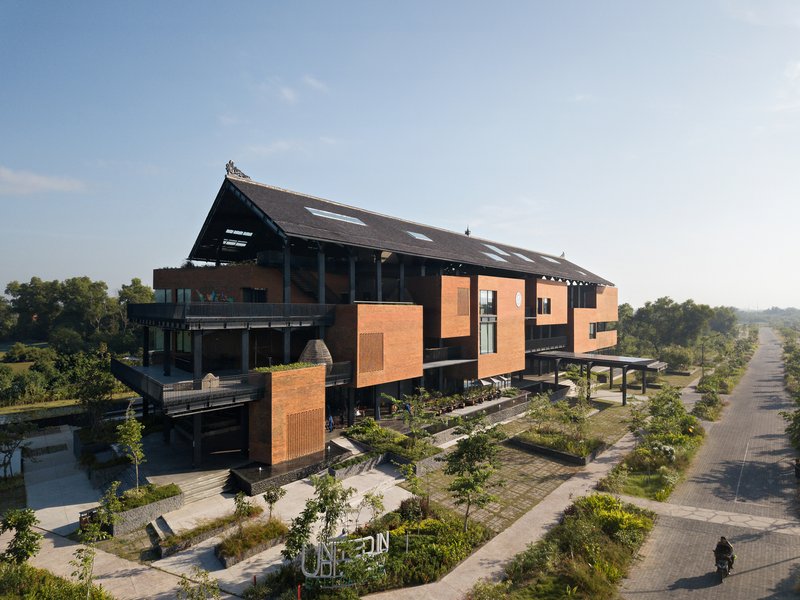
The UID Campus represents a harmonious balance between the built environment and nature, embracing Bali’s cultural and environmental context while creating a forward-thinking architectural landmark.
Site Context and Sacred Orientation
The UID Campus is carefully positioned to align with Mount Agung, the tallest and most sacred mountain on Bali Island. This spiritual connection influenced the building's overall orientation and layout, grounding it deeply in Balinese cultural beliefs.
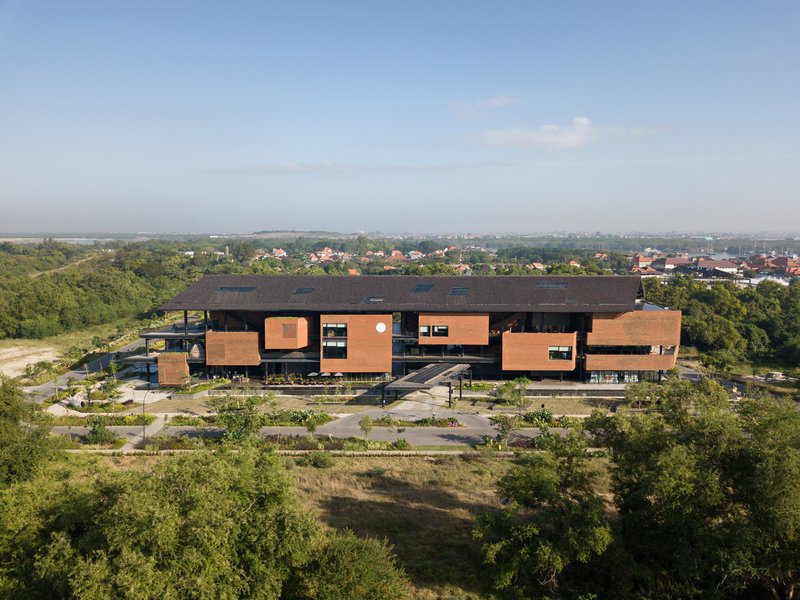
The structure is defined by two intersecting axes—one horizontal, emphasizing the building’s elongated footprint, and the other diagonally skewed toward Mount Agung. This axial composition not only pays homage to the island’s spiritual landscape but also establishes a logical spatial flow within the complex.
Tropical Architecture Design Inspired by the Bale
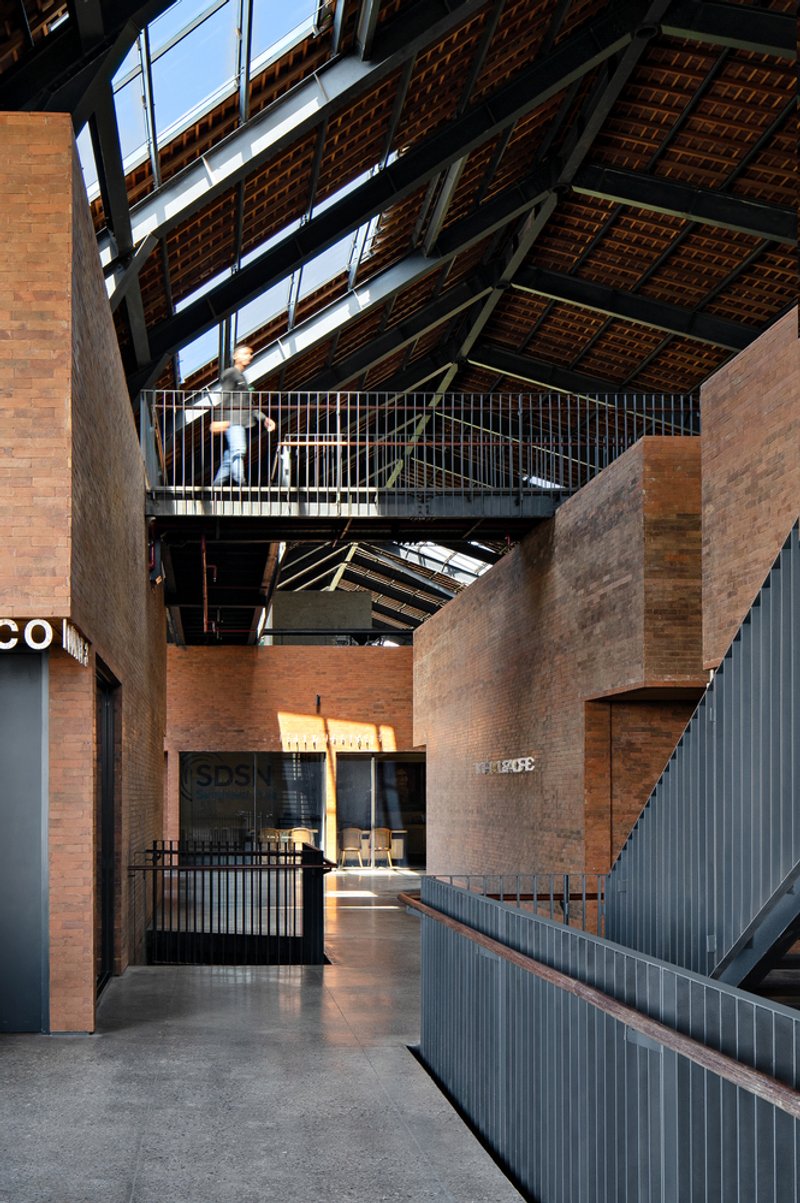
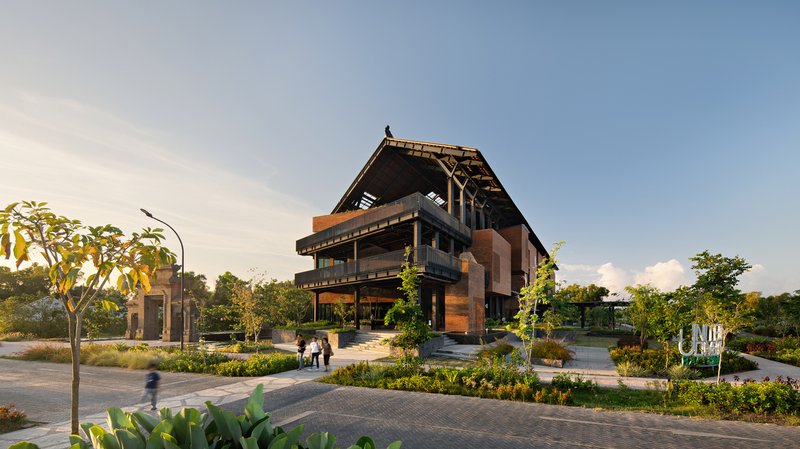
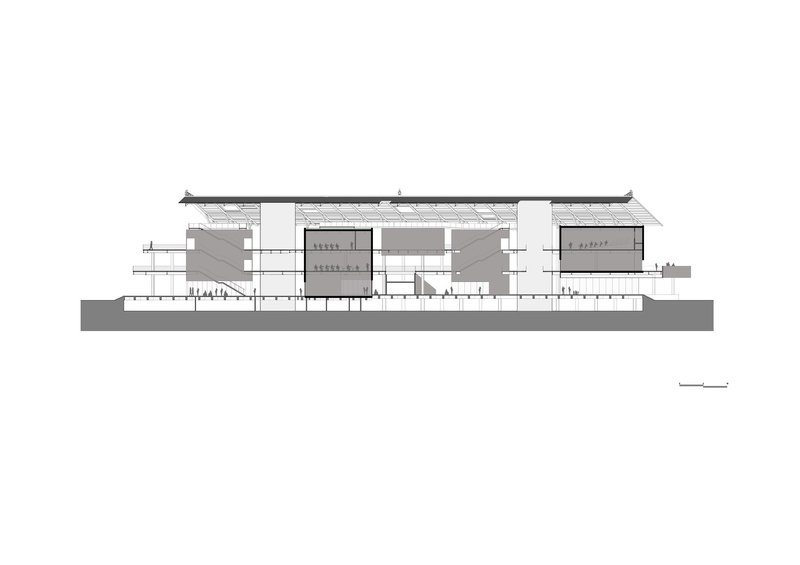
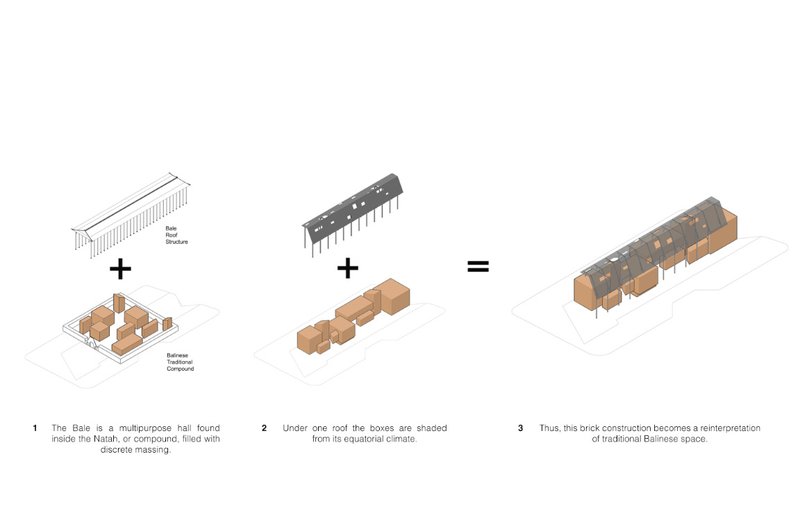
At the heart of the UID Campus is a reinterpretation of the traditional Balinese "Bale," a thatched-roof pavilion known for fostering communal gatherings. Willis Kusuma Architects scaled up this archetypal form into a monumental superstructure, creating an expansive roof that shelters all the campus’s functions beneath it.
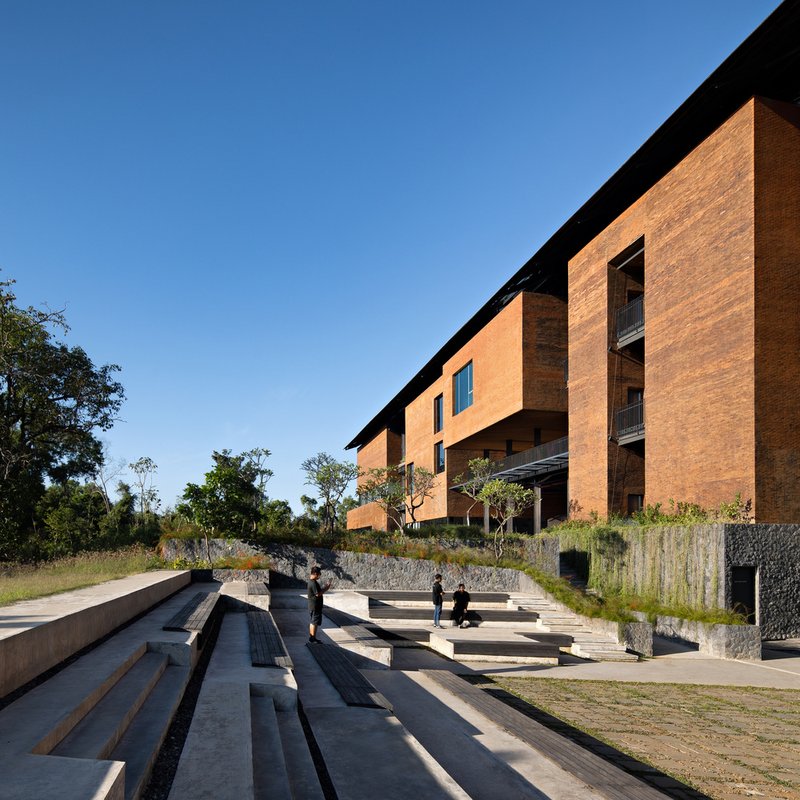
The roof's upward-reaching geometry echoes the symbolic connection between the earth and the sky, while its vast overhangs provide shade and protection from Bali’s tropical climate. This architectural gesture anchors the campus in local tradition while advancing the principles of tropical architecture design.
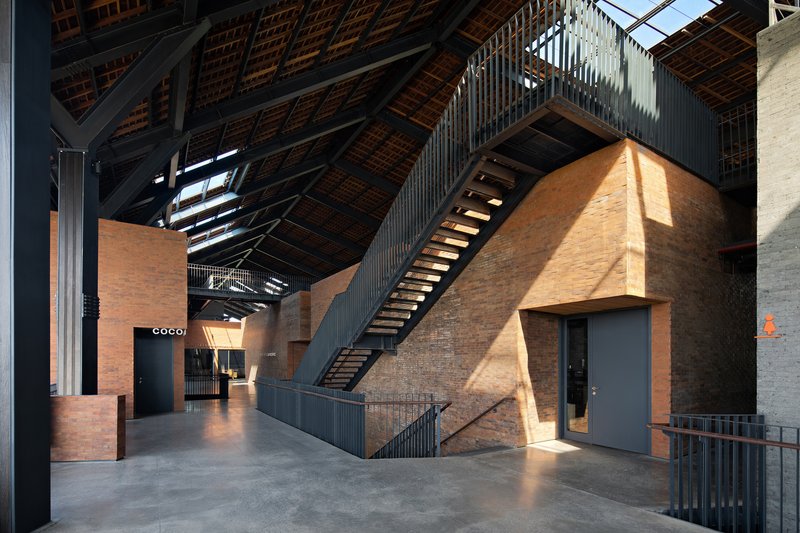
Open-Air Spatial Configuration
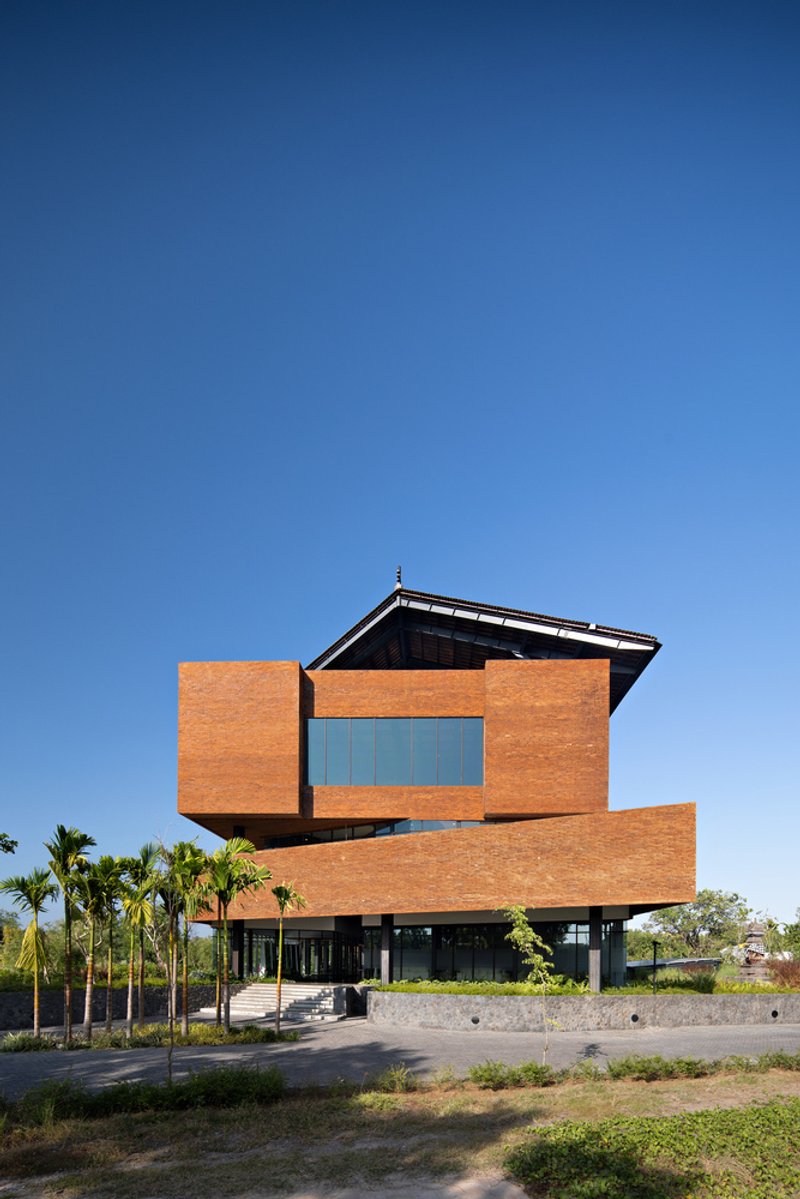
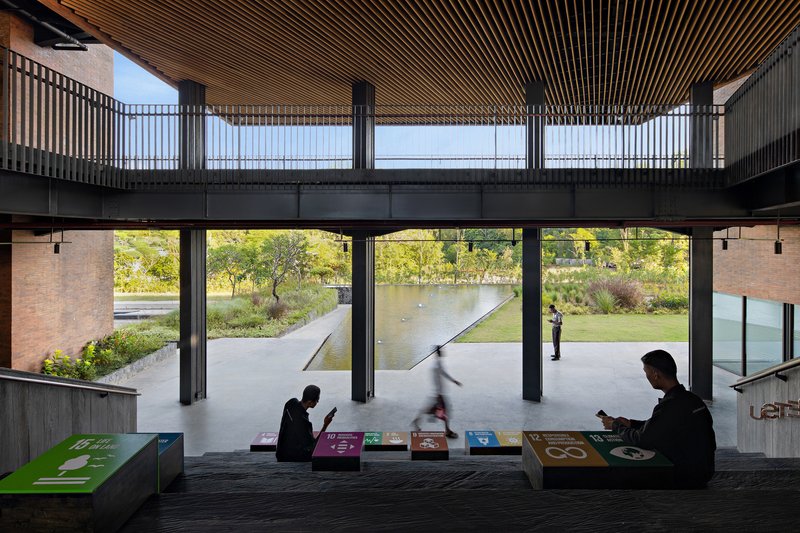
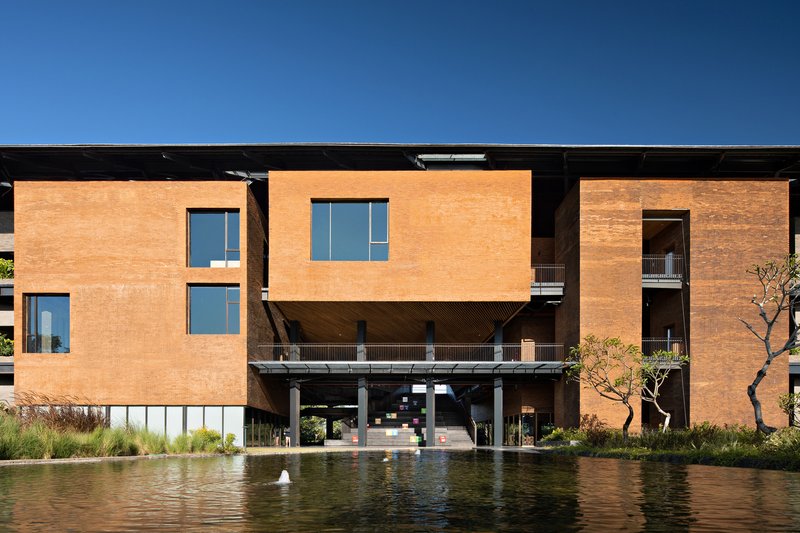
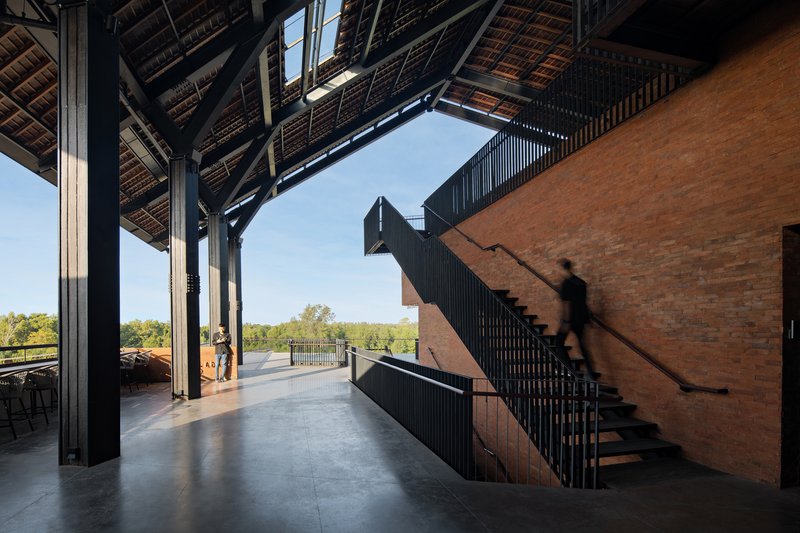
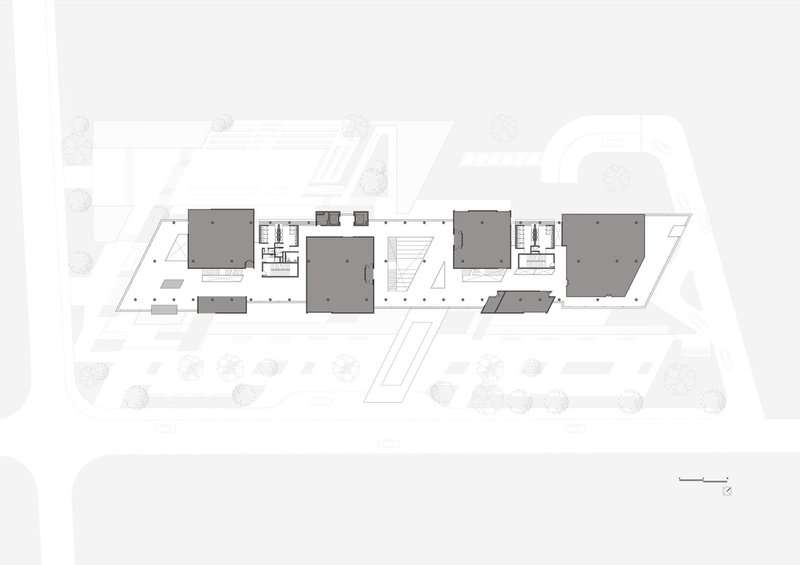
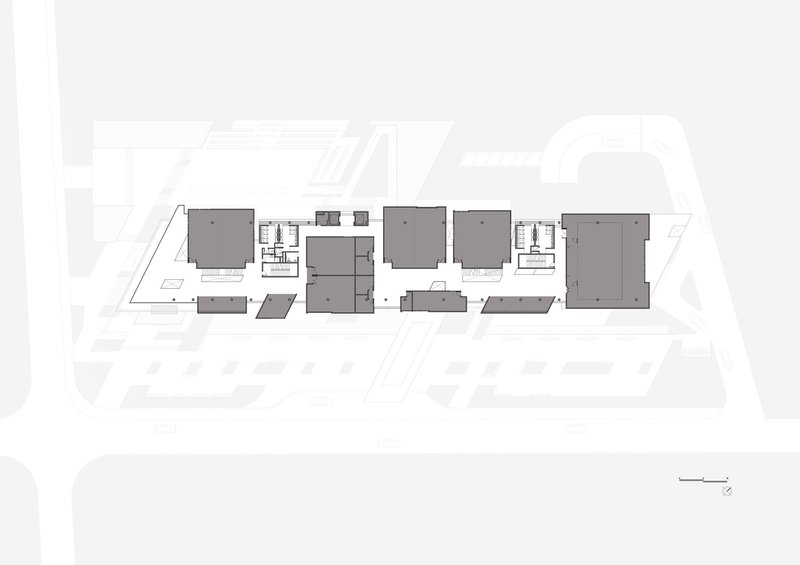
The UID Campus exemplifies tropical architecture design through its innovative spatial arrangement. Brick volumes housing various programs are elevated on steel columns, creating open-air communal spaces that are permeable to natural ventilation and light.
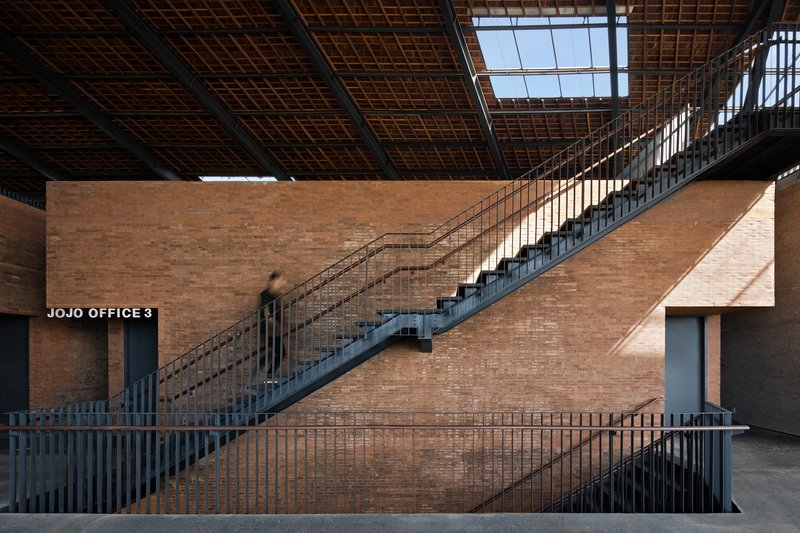
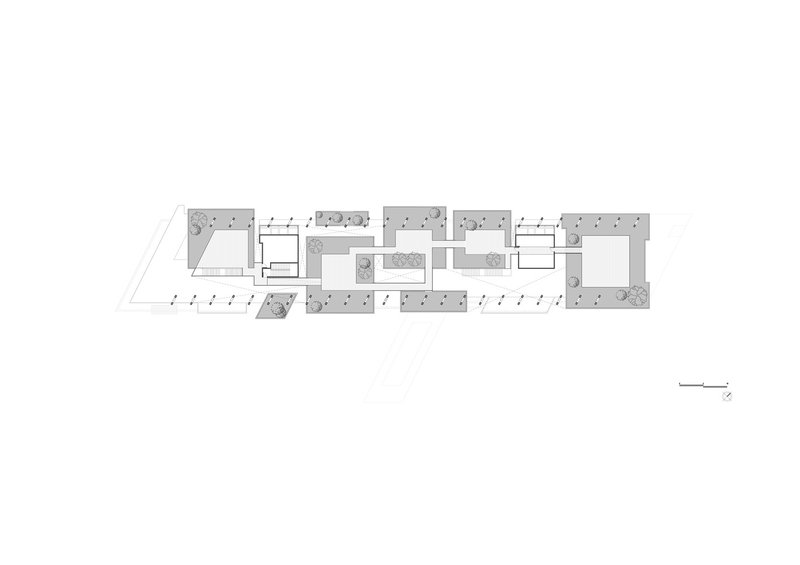
These open spaces weave through the building, fostering a dynamic environment where indoor and outdoor experiences seamlessly blend. The constant interaction with natural elements—breezes, sunlight, and rain—creates an ever-evolving atmosphere, enhancing the users' connection to their tropical surroundings.
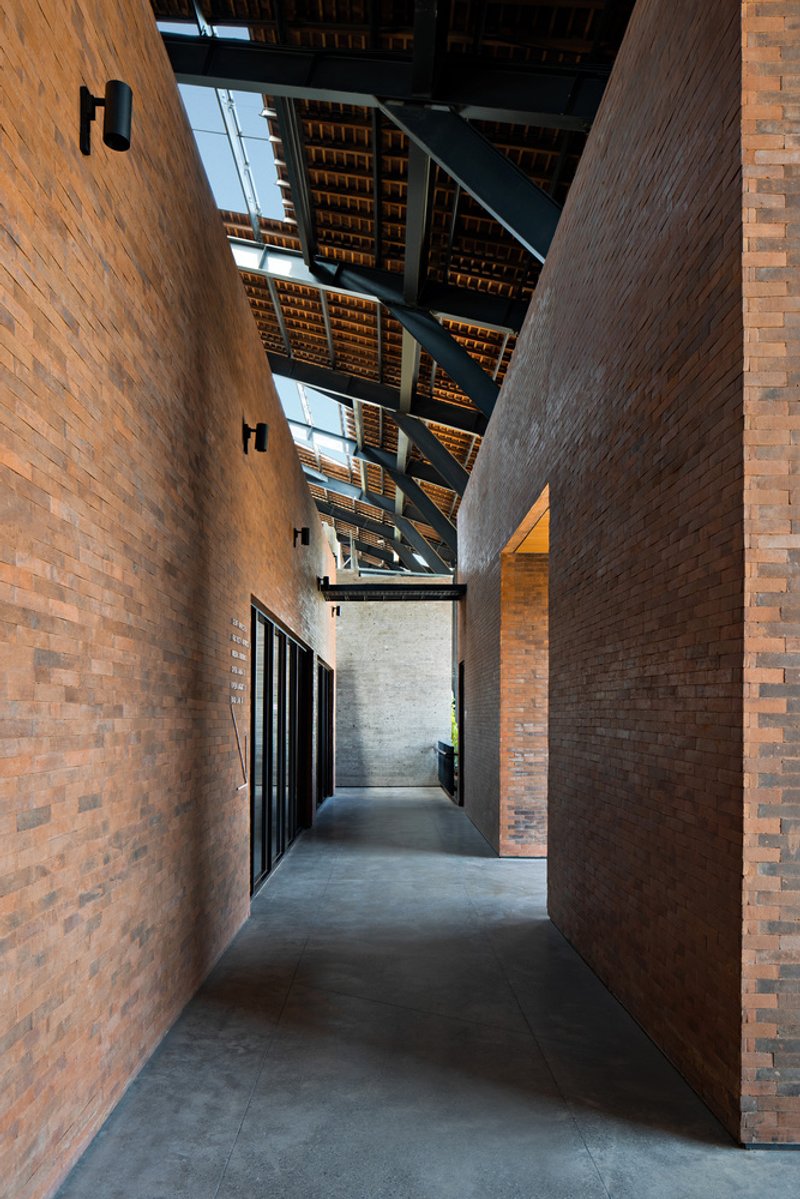
Programmatic Zoning and Functionality
The campus accommodates a diverse range of functions within its layered structure. The ground floor hosts commercial spaces and a mini museum, establishing a welcoming public interface. The second and third floors house co-working spaces and classrooms, fostering creativity and collaboration.
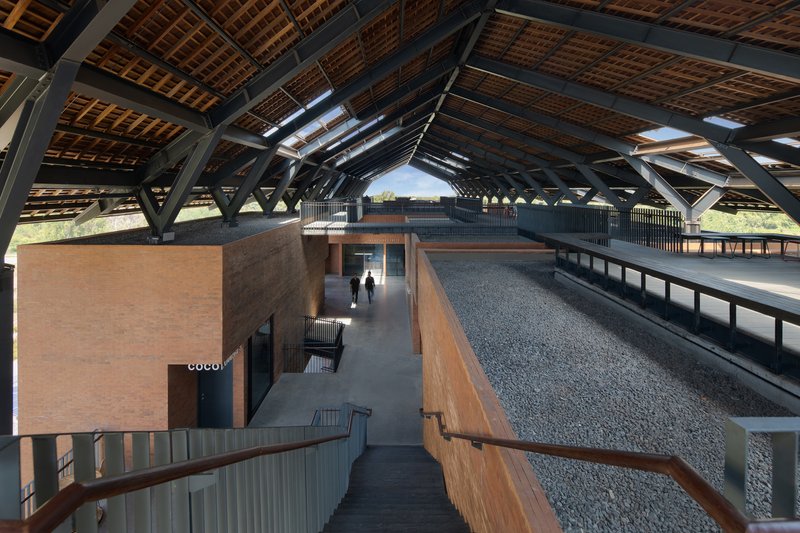
Private offices, a function hall, and media rooms occupy the uppermost levels, offering more secluded environments for focused work. Indoor and outdoor amphitheaters serve as informal gathering hubs, while open-air decks beneath the grand roof provide panoramic views of the island, further integrating the building into its natural setting.
Materiality and Structural Expression
Material choices for the UID Campus reflect a commitment to both tradition and modernity. The brick volumes evoke the tactile qualities of Balinese craftsmanship, while the steel columns and roof structure embody contemporary construction techniques.
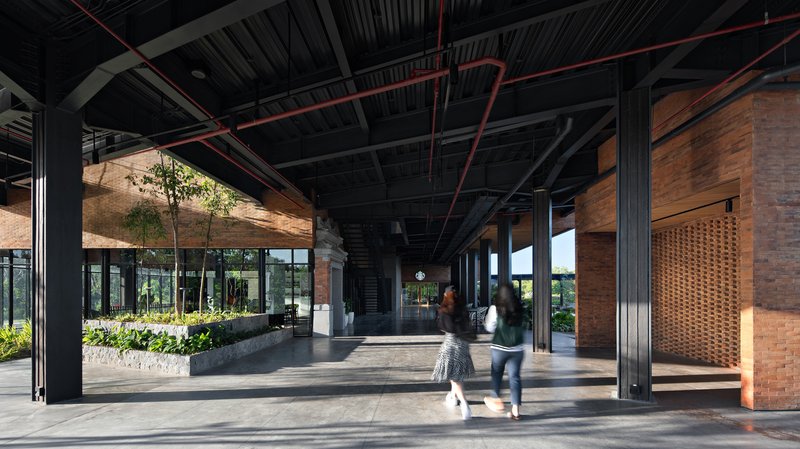
This fusion of materials results in an architecture that is both robust and light, firmly rooted in its cultural context yet forward-looking in its execution. The steel supports elevate the brick volumes, creating a sense of levitation that enhances airflow and visual permeability—core tenets of tropical architecture design.
Passive Design Strategies for Tropical Comfort
The UID Campus employs passive design principles to address Bali’s hot and humid climate. The elevated brick volumes allow cross-ventilation, reducing the need for mechanical cooling. The extensive roof overhangs shield spaces from direct sunlight and heavy rain, ensuring comfort throughout the year.
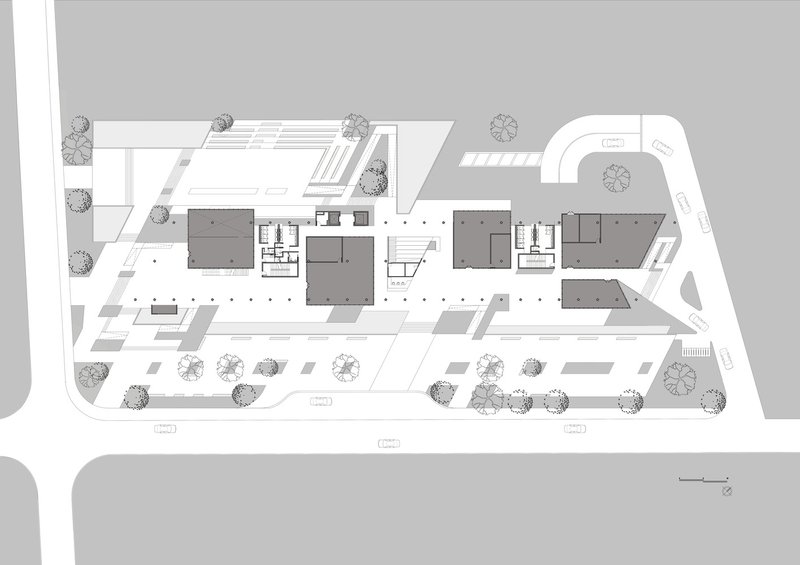
Open-air corridors and shaded communal areas encourage natural airflow, while large openings in the brick façades frame views of the lush surroundings and further promote ventilation. These passive strategies exemplify tropical architecture design’s capacity to enhance both environmental sustainability and user well-being.
Sensory Experience and Community Engagement
The UID Campus transcends its functional role to offer a rich sensory experience. The interplay of open and enclosed spaces allows natural sounds, breezes, and light to animate the interior, creating an environment that evolves with the weather and time of day.
This fluid relationship between architecture and nature fosters a sense of community, encouraging spontaneous interactions among users. The design celebrates diversity—both human and environmental—embodying the campus’s mission of unity through architecture.
Symbol of Tropical Architecture Design Excellence
The United-in-Diversity Campus stands as a landmark of tropical architecture design, seamlessly weaving Balinese heritage into a contemporary, multifunctional campus. Willis Kusuma Architects have crafted a building that not only respects its cultural and natural context but also pushes the boundaries of design innovation.
This campus serves as a model for future developments in tropical regions, demonstrating how architecture can respond to climate, culture, and community to create spaces that are both functional and inspirational.
A Future-Oriented Campus Rooted in Tradition
The UID Campus exemplifies the essence of tropical architecture design by embracing Bali’s vernacular wisdom while addressing the demands of modern functionality. Willis Kusuma Architects have crafted a space where tradition and innovation converge, creating a campus that fosters collaboration, celebrates diversity, and respects its tropical environment.
As a beacon of sustainable and culturally resonant architecture, the UID Campus sets a new standard for mixed-use developments in tropical settings, inspiring future projects to embrace the delicate balance between nature, culture, and contemporary design.
All Photographs are works of Mario Wibowo Photography Studio




Popular Articles
Popular articles from the community


The Ken Roberts Memorial Delineation Competition (Krob)
As the most senior architectural drawing competition currently in operation anywhere in the world, it draws hundreds of entries each year, awarding the very best submissions in a series of medium-based categories.

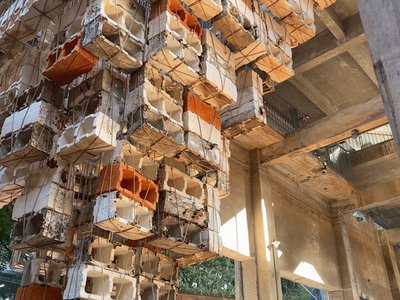
Inverted Architecture Installation by Studio Link-Arc: Exploring the Intersection of Architecture and Living Organisms
Inverted Architecture Installation by Studio Link-Arc blends mycelium, sustainability, inverted design, ecological cycles, and urban adaptive architecture in Shenzhen.
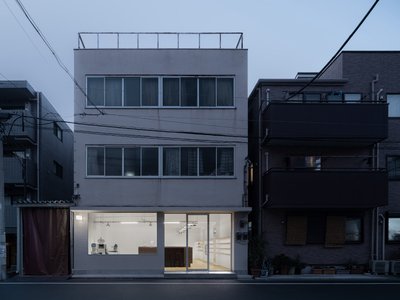
Atelier Macri Concept Store Interior Design by CASE-REAL
Atelier Macri store features a "ko" counter, walnut wood details, cork displays, blending retail, gallery, and seamless customer experiences.
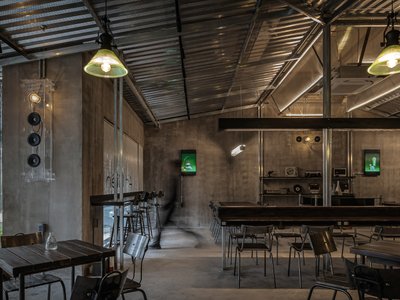
An Miên Lumière Cafe by xưởng xép, Ho Chi Minh City, Vietnam
An industrial-inspired café where layered steel and warm light create a dynamic, immersive environment shaped by reflection, depth, and perception.

Similar Reads
You might also enjoy these articles
The Ken Roberts Memorial Delineation Competition (Krob)
As the most senior architectural drawing competition currently in operation anywhere in the world, it draws hundreds of entries each year, awarding the very best submissions in a series of medium-based categories.


Waterfront Redevelopment and Urban Revitalization in Mumbai: Forging a New Dawn for Darukhana
A transformative waterfront redevelopment project reimagining Darukhana’s shipbreaking heritage into an inclusive urban future.

OUT-OF-MAP: A Call for Postcards on Feminist Narratives of Public Space
Rhizoma Design and Research Lab invites artists, designers, architects, researchers, and students to reflect on how feminist perspectives can reshape public space. Selected works will be exhibited in Barcelona, October 2026. Submissions open until 15 April 2026.


Documentation Work on Buddhist Wooden Temple
Architectural syncretism and cultural hybridity: A comparative study of the Buddhist temples in Chattogram Hill tracks

Explore Architecture Competitions
Discover active competitions in this discipline




The International Standard for Design Portfolios


The Global Benchmark for Architecture Dissertation Awards


The Global Benchmark for Graduation Excellence


Challenge to reimagine the Iron Throne
Comments (0)
Please login or sign up to add comments
No comments yet. Be the first to comment!