
Watchtower Einderheide: A Sustainable Watchtower Design That Blends Architecture and Ecology
Watchtower Einderheide is a sustainable watchtower design that merges panoramic views with bat-friendly habitats, enhancing both recreation and ecology.


Introduction to Sustainable Watchtower Design
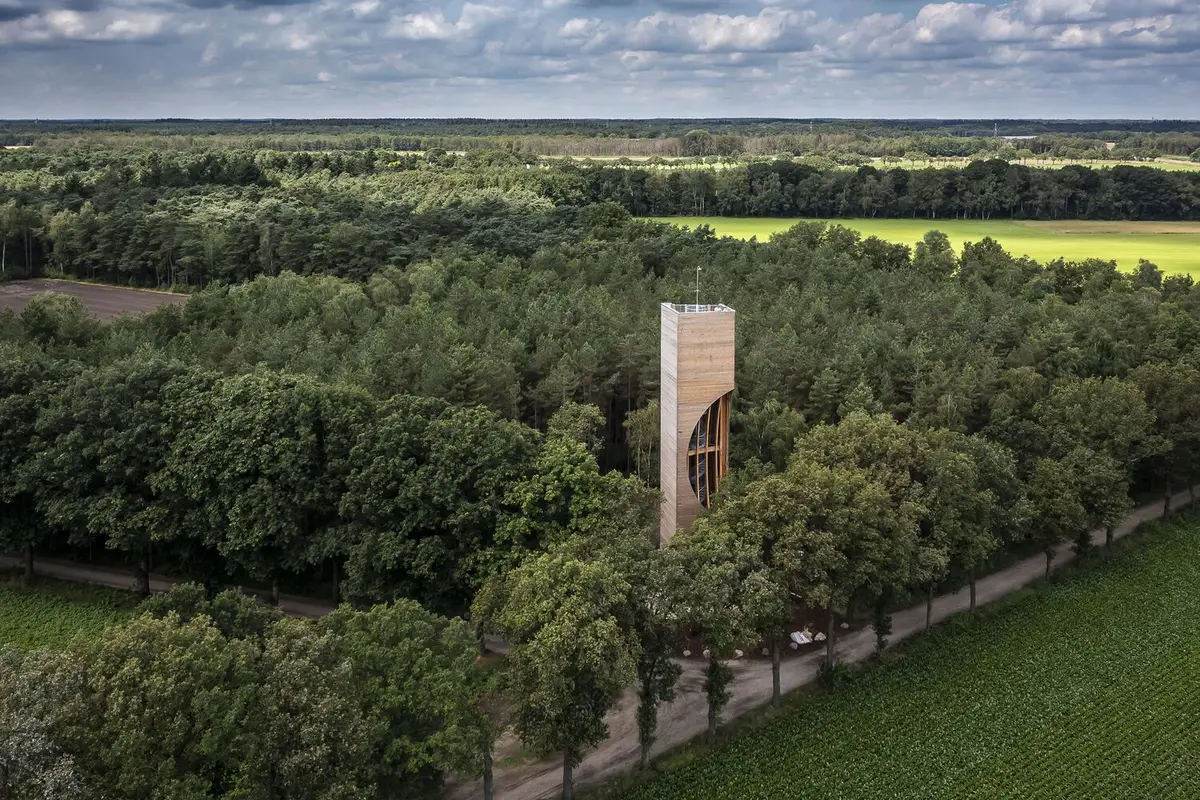
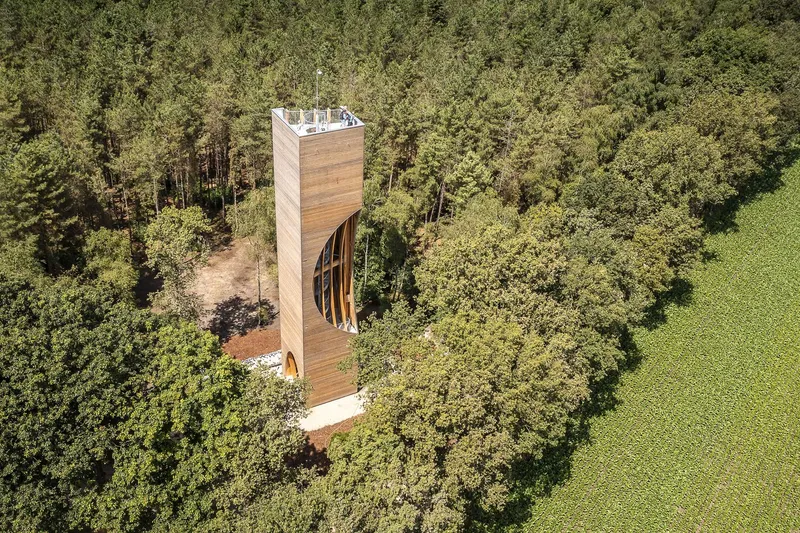
Watchtower Einderheide, designed by NEXT architects in the Netherlands, is an innovative example of sustainable watchtower design that integrates recreational use with ecological conservation. Standing at 26 meters, this wooden structure not only offers visitors panoramic views of the surrounding Einderheide forest but also serves as a vital habitat for local bat species. The tower’s thoughtful design reflects a growing architectural movement that prioritizes both human experience and environmental stewardship.
A Landmark That Connects People and Nature
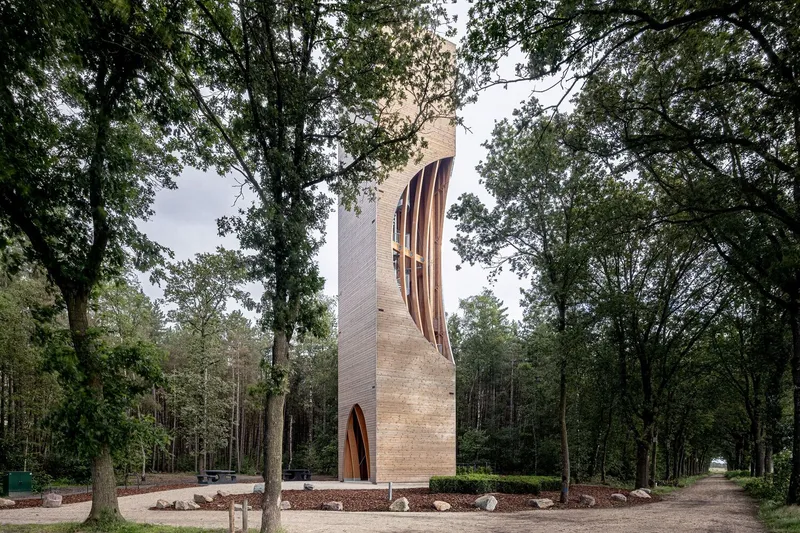
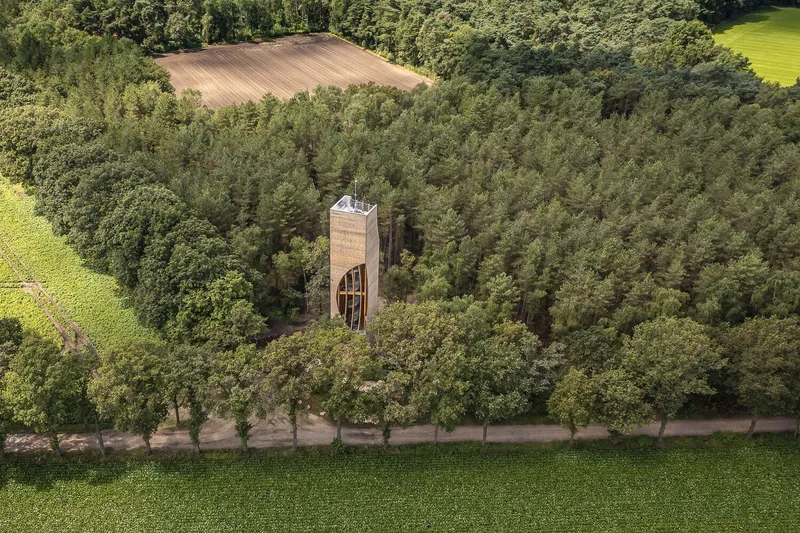
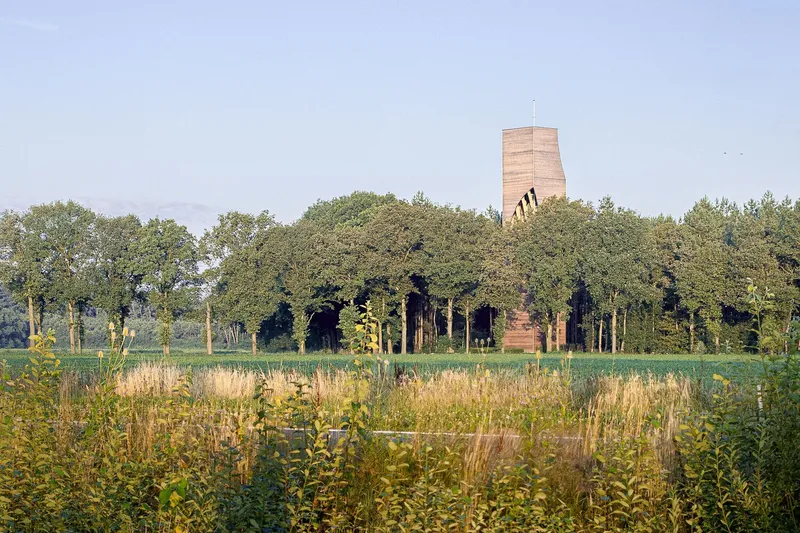
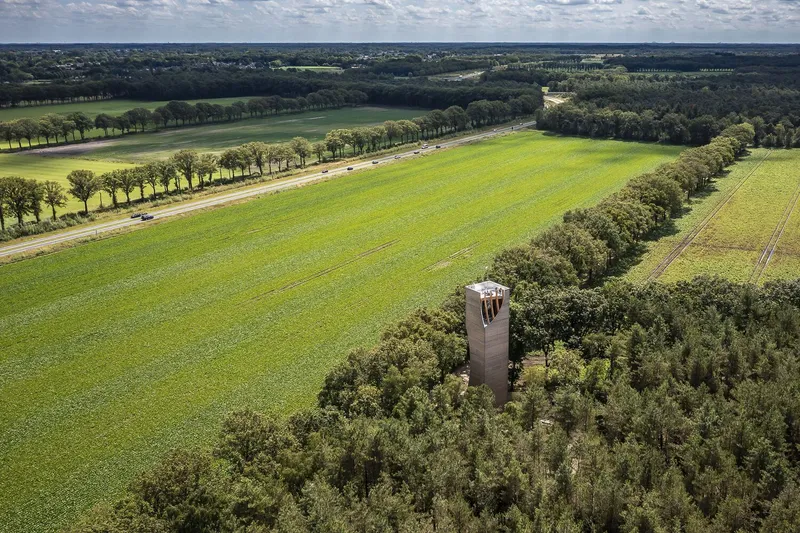
Positioned within a well-traveled cycling and walking network, Watchtower Einderheide functions as both a viewing platform and an orientation point for visitors exploring the forest. The design is modest yet iconic, offering a distinctive silhouette that strengthens the identity of the region. By harmonizing with the natural landscape, the tower becomes an organic part of the environment rather than an intrusive addition.
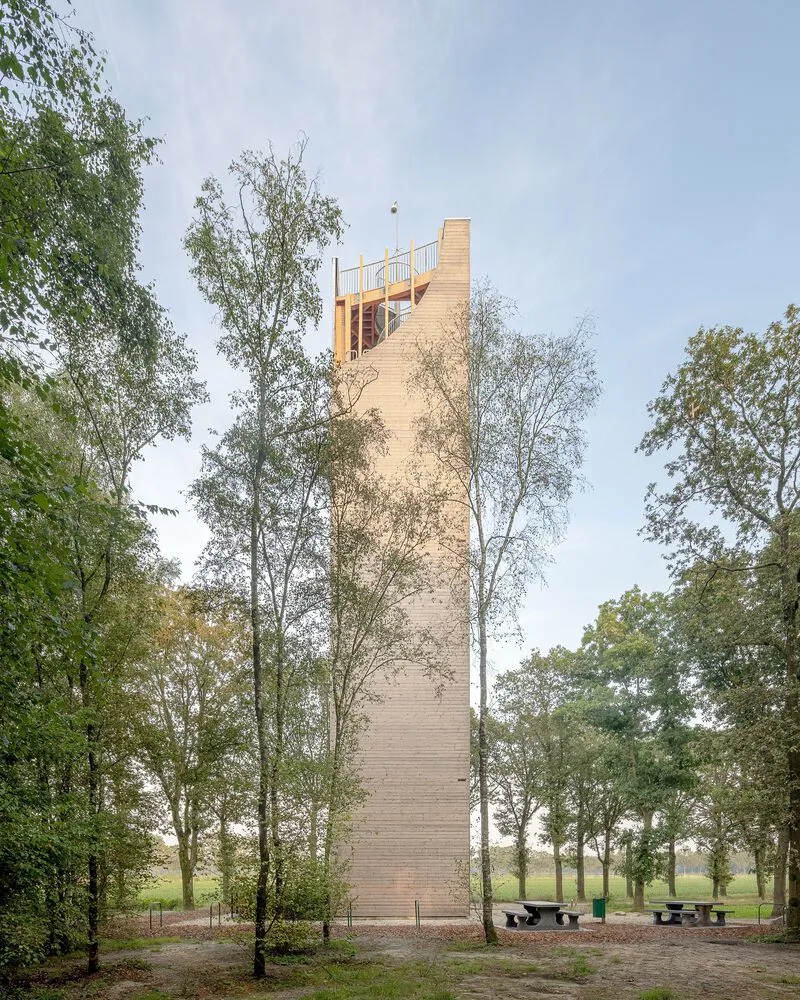
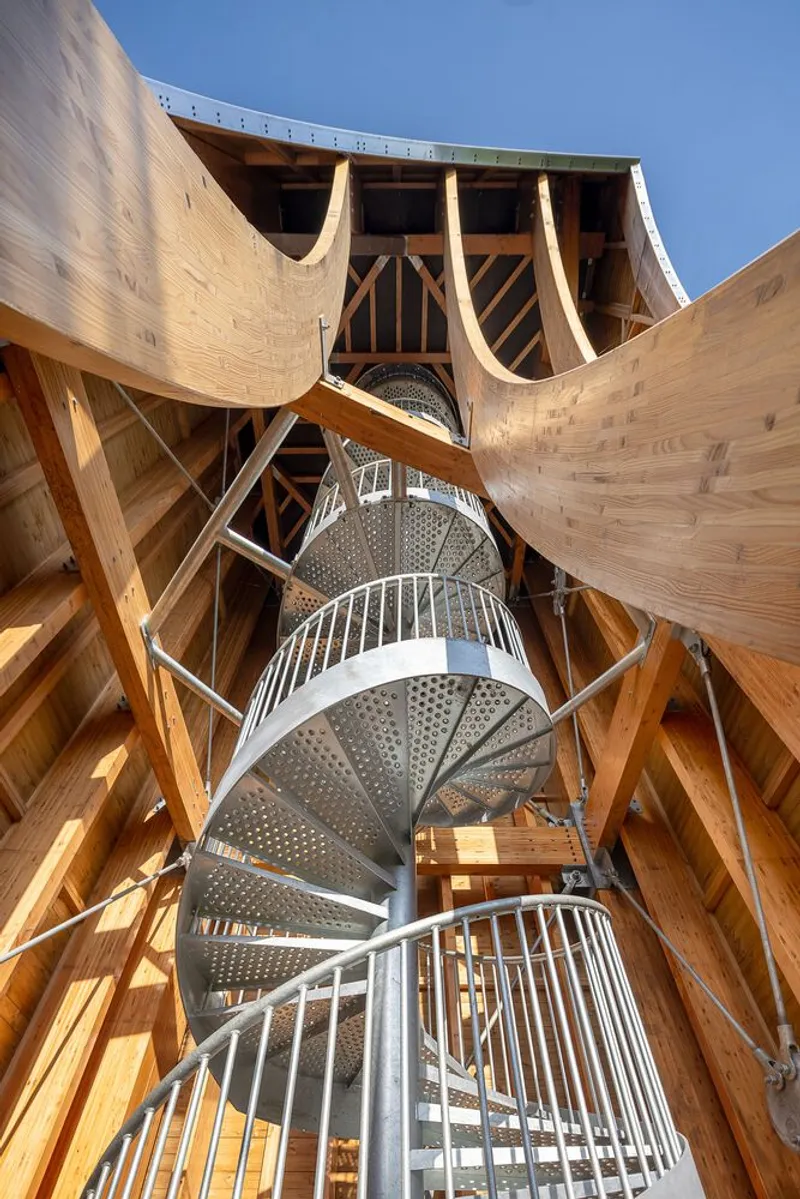
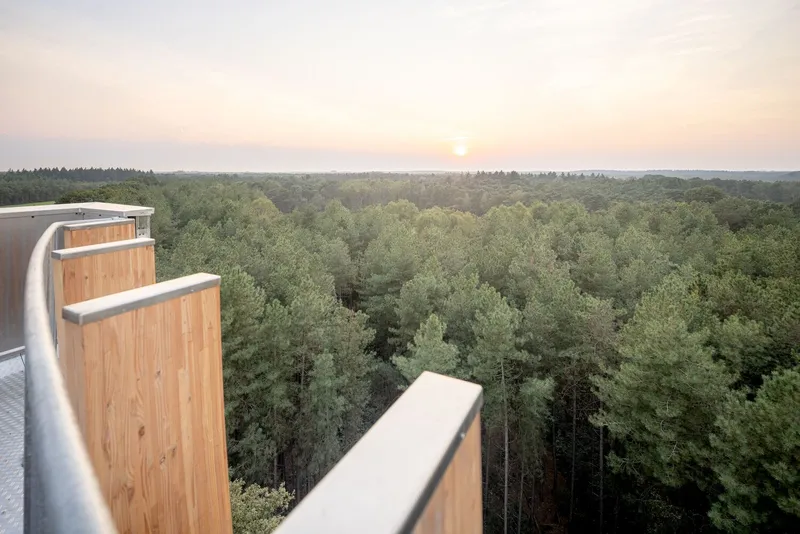
As visitors ascend the spiral staircase, they experience the forest from multiple perspectives. The notches and openings at various levels frame unique views of the trees and landscape, creating a dynamic interaction between the built structure and its surroundings. At the top, the viewing platform provides an uninterrupted panoramic experience, reinforcing the connection between architecture and nature.
Integrating Wildlife Conservation into Architectural Design
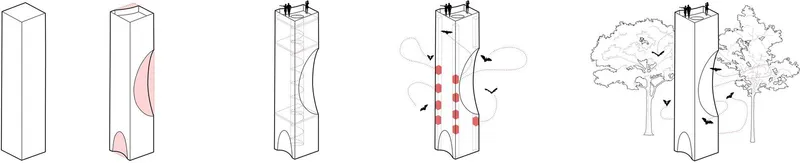
Sustainable watchtower design extends beyond energy efficiency and material choices. Watchtower Einderheide demonstrates how architecture can actively contribute to biodiversity conservation. Located along the flight path of local bat species, the tower incorporates features specifically designed to support these nocturnal creatures.
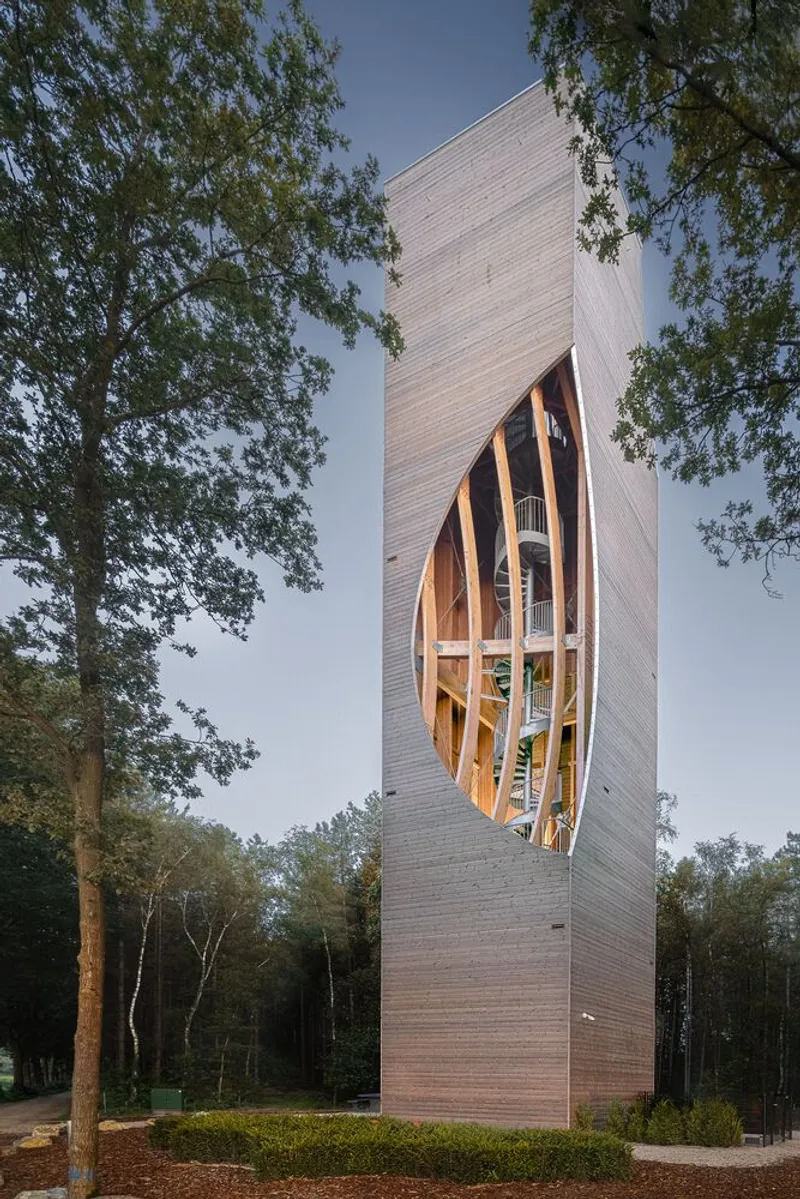
At different heights within the structure, a variety of niches and cavities serve as habitats for bats throughout the year. These specialized spaces provide winter and summer roosts, as well as mating and nesting areas. The base of the tower includes a sheltered winter habitat, while the facade integrates 20 purpose-built bat dwellings that offer safe and stable environments for different species.
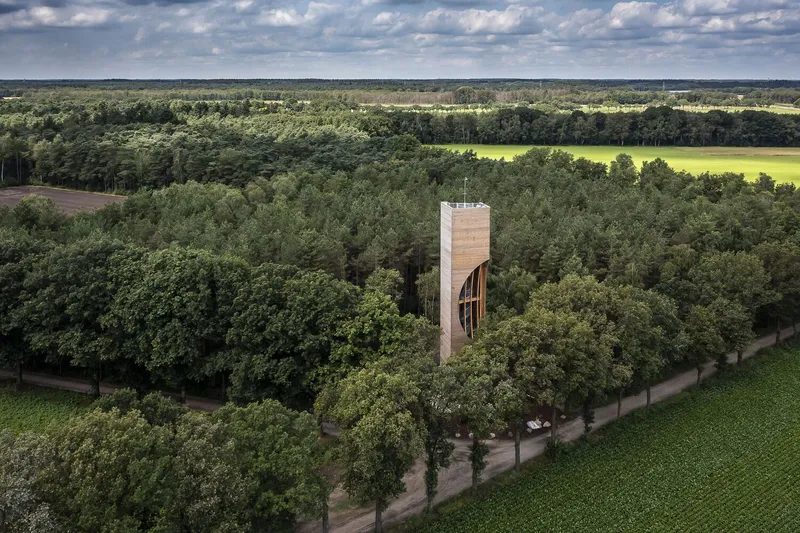
The material selection further enhances the tower’s role as a bat habitat. The laminated wooden structure mimics the rough textures of tree bark, offering bats a secure surface to cling to. This biomimetic approach ensures that the watchtower does not merely coexist with nature but actively supports the local ecosystem.
Sustainable Materials and Construction Methods
Watchtower Einderheide exemplifies the principles of sustainable watchtower design through its construction techniques and material choices. The primary material, laminated wood, is sourced from responsible forestry and offers multiple ecological benefits. Wood is a renewable resource with a lower carbon footprint than steel or concrete, making it an environmentally responsible choice.
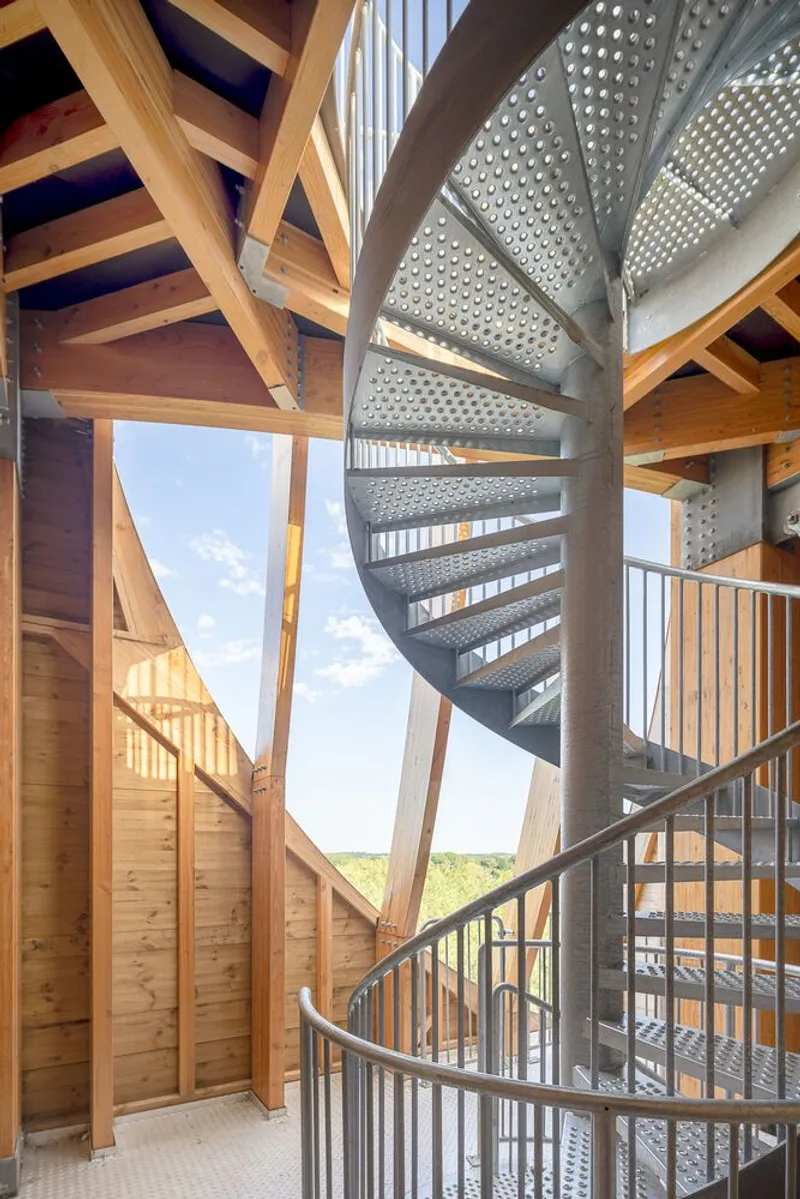
The tower’s design minimizes its environmental impact while maximizing longevity. The structural system allows for durability against weather conditions while requiring minimal maintenance. By using natural materials that age gracefully within the landscape, the watchtower maintains its aesthetic and functional integrity over time.
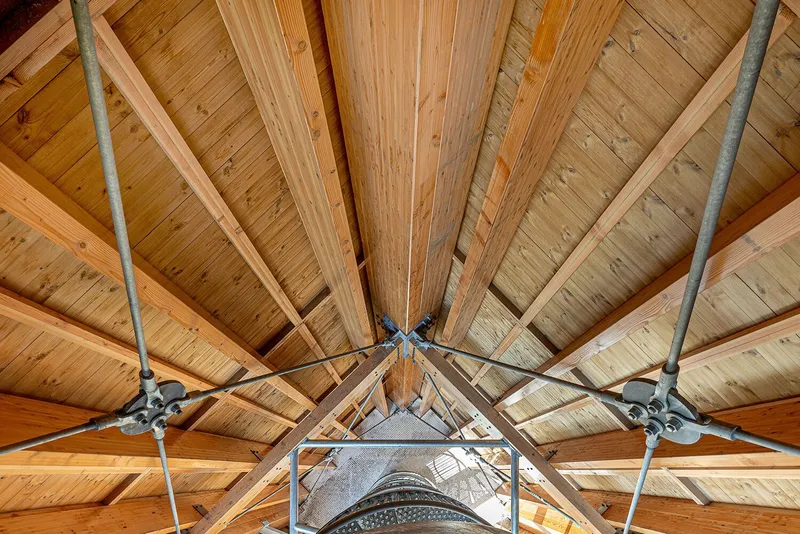
Blending Functionality with Architectural Aesthetics
While Watchtower Einderheide serves a functional purpose as a recreational landmark and ecological habitat, it also stands out as an architectural statement. The balance between its modest, unobtrusive form and its recognizable identity makes it a compelling addition to the Einderheide forest.
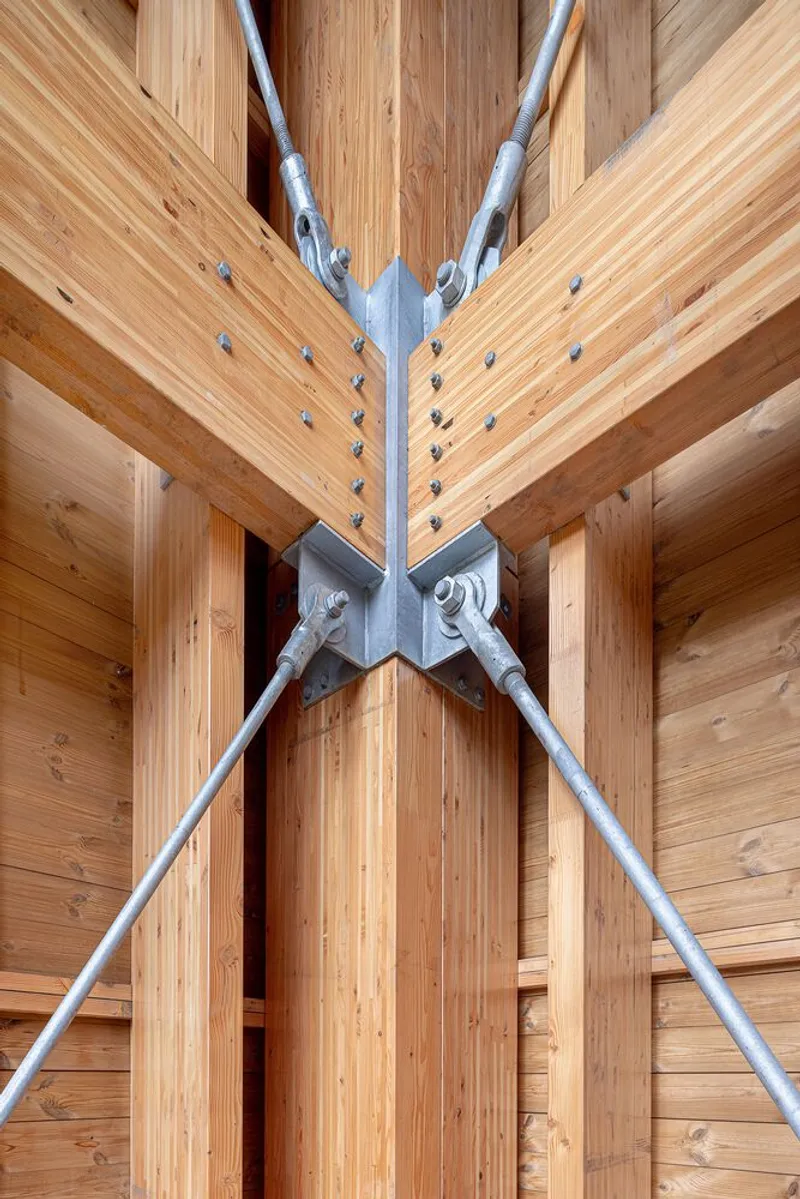
The notched wooden facade adds a sense of depth and texture, complementing the natural environment while providing a tactile quality that enhances both human and animal interactions with the structure. Its spiral ascent encourages an immersive experience, offering shifting perspectives of the landscape that change with every step.
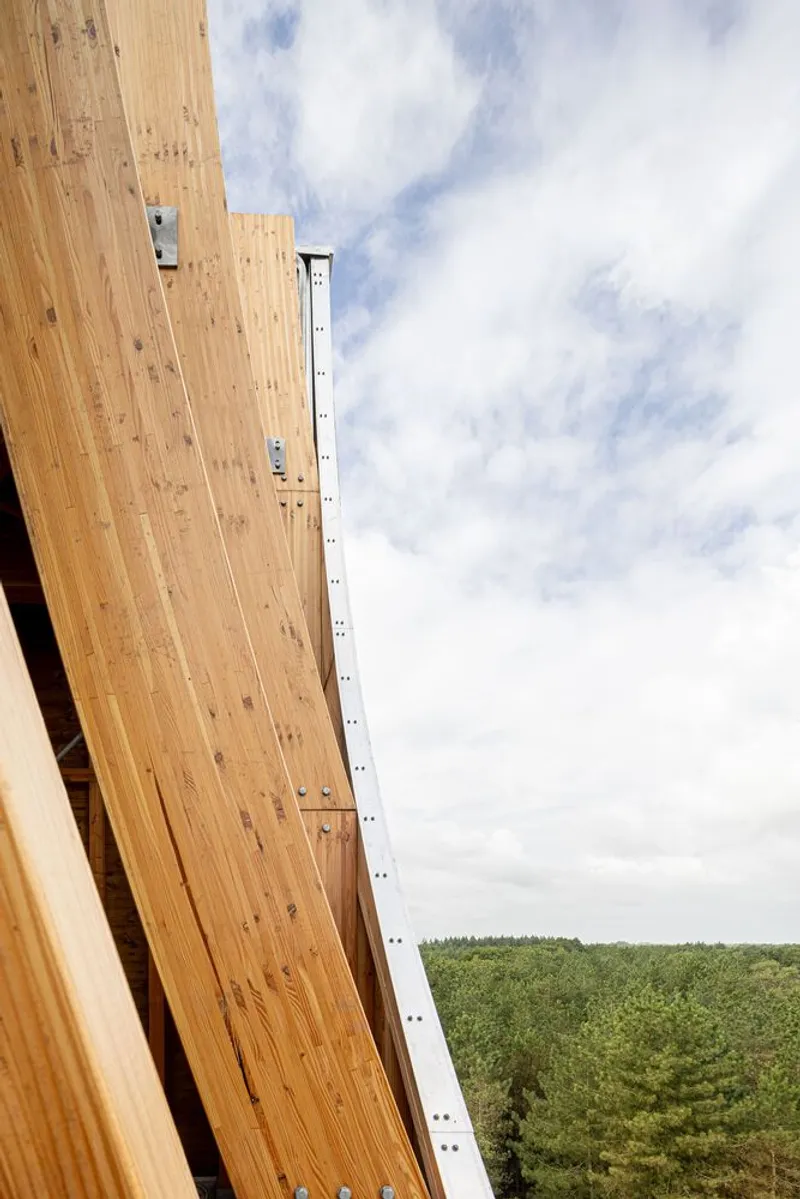
By integrating conservation-driven design principles with aesthetic sensitivity, the watchtower exemplifies how contemporary architecture can enhance both human experiences and ecological well-being.
A Model for Future Sustainable Watchtowers
Watchtower Einderheide sets a new standard for sustainable watchtower design by demonstrating how architecture can serve both people and wildlife. Through passive ecological strategies, responsible material choices, and a design that respects its surroundings, the tower offers a blueprint for future observation structures in natural environments.
All photographs are works of Karl Banski, Koen Mol


Popular Articles
Popular articles from the community


Co-Life: Senior Housing Design That Reconnects Older Adults With the City
Co-Life reimagines senior housing design through healing gardens, shared streets, workshops, and a sustainable community across generations.

Conexión: Biophilic Design Reimagines High-Rise Living in Hong Kong
Conexión reimagines high-rise living in Hong Kong through biophilic design, green facades, shared spaces, daylight, water and nature within.

Hill & Cross Opera: Sculptural Opera House Architecture Shaped by Tallinn’s Landscape and Identity
Hill & Cross Opera reimagines opera house architecture in Tallinn through its sculptural hill, civic plaza, glass wave and a luminous cross.

ALGAL REALM: A Bio-Integrated Lunar Habitat Design for Life Beyond Earth
ALGAL REALM reimagines lunar habitat design with algae-powered life support, 3D-printed regolith, and vertical living for a lunar future.

Similar Reads
You might also enjoy these articles

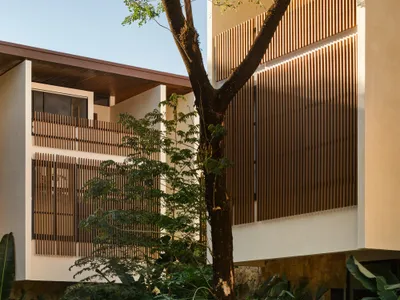
FAMM Arquitectura Organizes Ten Villas Around Courtyards and Jungle in Nosara, Costa Rica
El Molino pairs two elongated volumes with deep overhangs and timber louvers to build a compact coastal community five minutes from the beach.
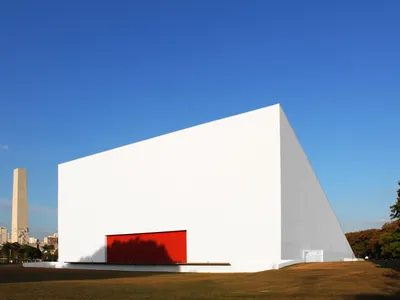
Oscar Niemeyer's Ibirapuera Park Pavilions Define São Paulo's Cultural Identity in Concrete and Curve
A constellation of modernist volumes set within São Paulo's most important urban park, conceived for the city's 400th anniversary in 1954.
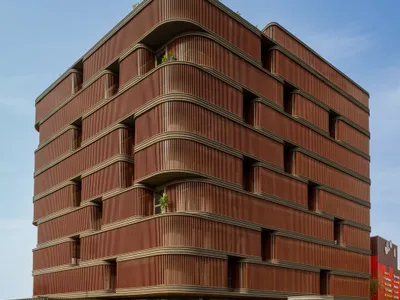
Sanjay Puri Architects Wraps a Jaipur Office Tower in Capsule-Shaped Green Buffers
A nine-level climate-responsive workplace near Jaipur Airport uses stacked planter terraces and aluminium screens to fight 40°C heat.
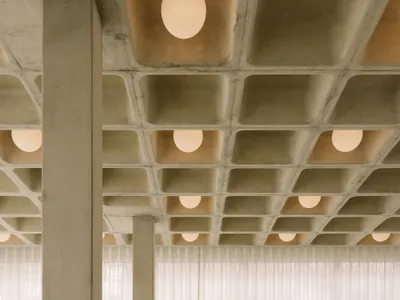
RHO Converts a Berlin Spree-Side Industrial Courtyard into Enkime's 1,000 m² Agency Headquarters
A social media agency's new home in Charlottenburg trades glossy branding for concrete waffle ceilings, glazed tile, and sheer curtains.

Explore Architecture Competitions
Discover active competitions in this discipline

Challenge to reimagine the Iron Throne

Photograph architecture without architects

Illustrate the lost glory of Angkor Wat - Render Challenge

Design challenge to reuse E-waste
Comments (0)
Please login or sign up to add comments
No comments yet. Be the first to comment!