
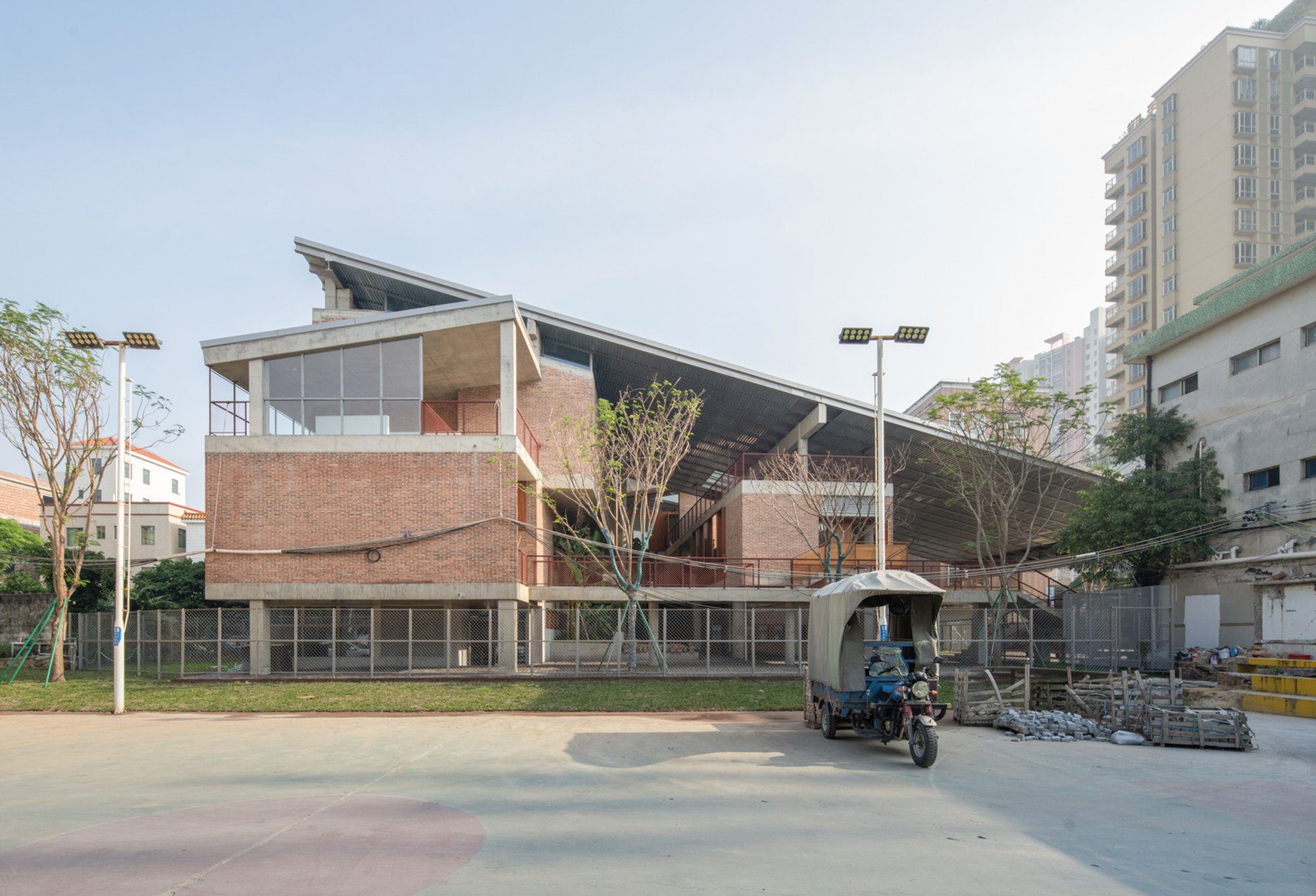
Wuyang Cultural Station by WAU Design: A Fusion of Heritage and Modernity
Wuyang Cultural Station by WAU Design integrates heritage and modernity, fostering community engagement through sustainable, climate-responsive architecture in rural China.

The Wuyang Cultural Station, designed by WAU Design, is a striking architectural intervention in Wuyang, China, a historic coastal town in Guangdong’s Zhanjiang region. With a history spanning over a thousand years, Wuyang is deeply rooted in cultural traditions, making it an ideal setting for a contemporary yet heritage-conscious cultural hub. This project is a key component of the region’s rural revitalization strategy, aimed at preserving historical identity while fostering community engagement.
Architectural Vision and Urban Context
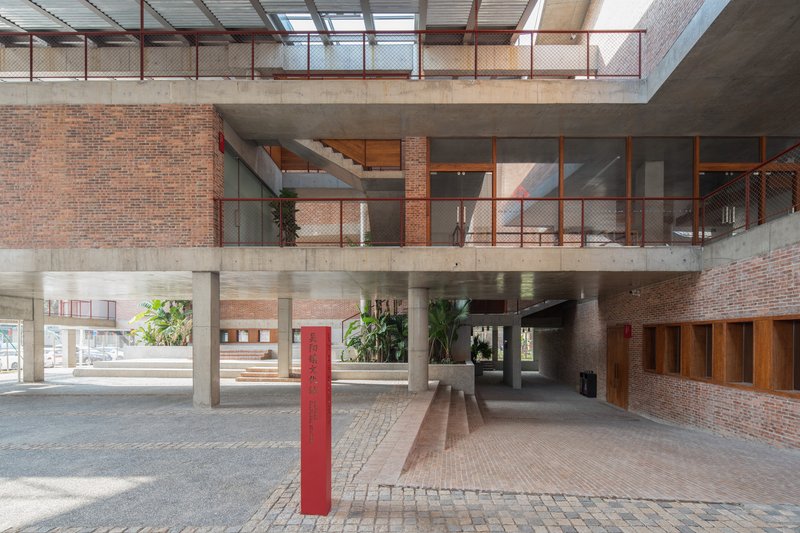
Situated within the town government courtyard, the site features an irregular shape, bordered by village lines on the west and north, with Wuyang First Street, the town’s primary artery, to the east. The master plan integrates a historical and cultural exhibition hall, temporary exhibition spaces, conference rooms, and a library, all designed to enrich local life while enhancing civic pride.
Design Concept: Integrating Tradition with Contemporary Form
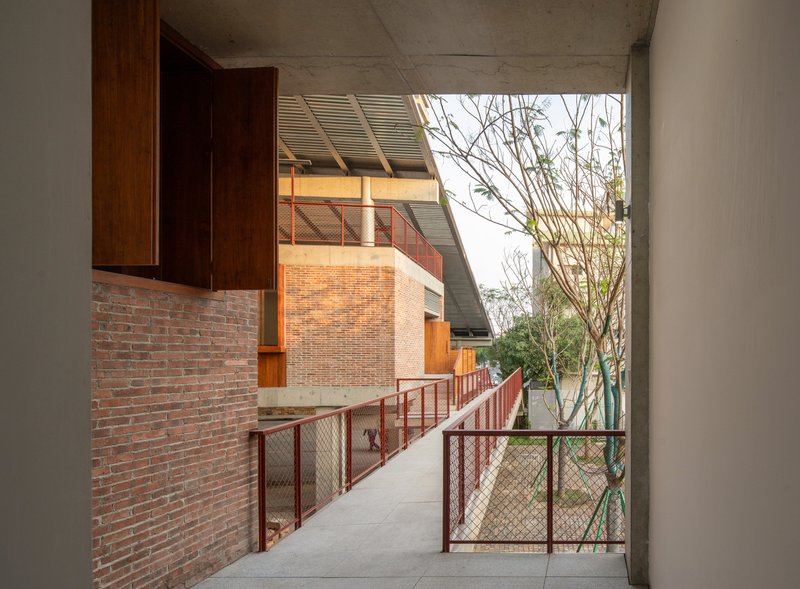
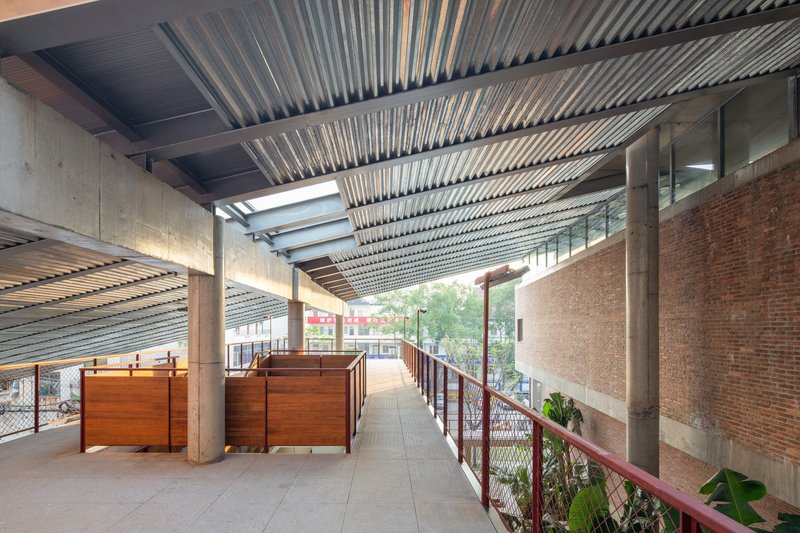
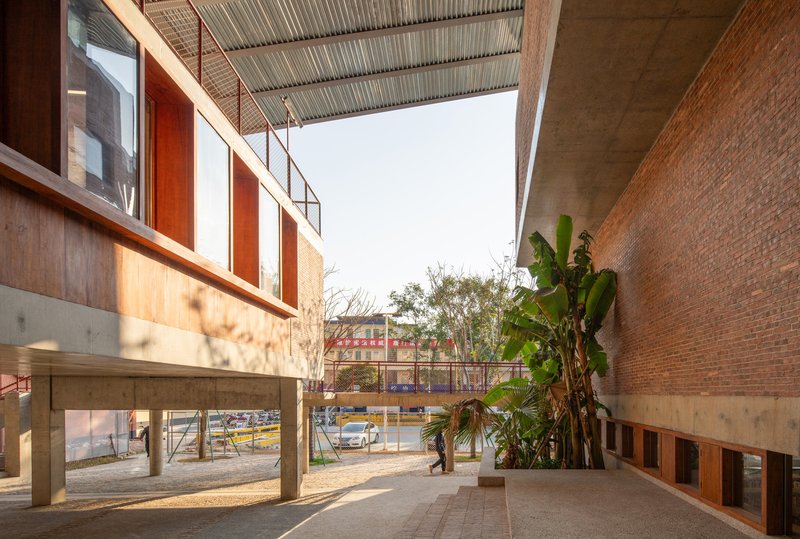
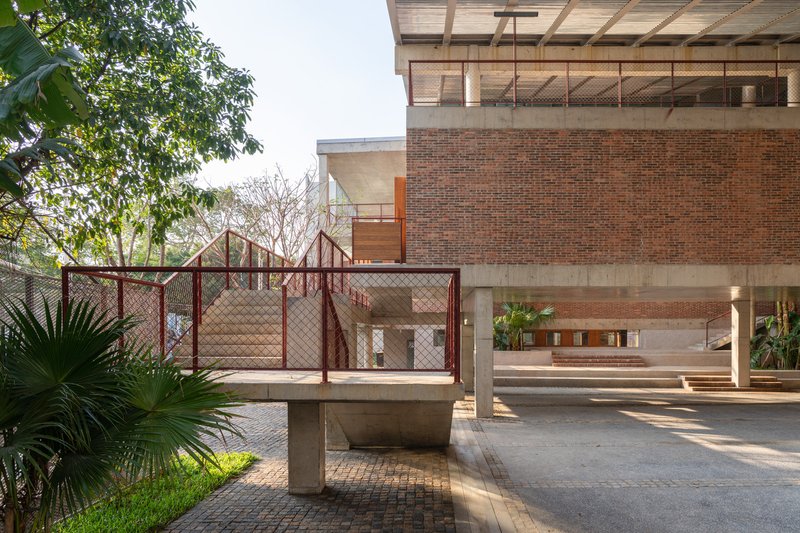
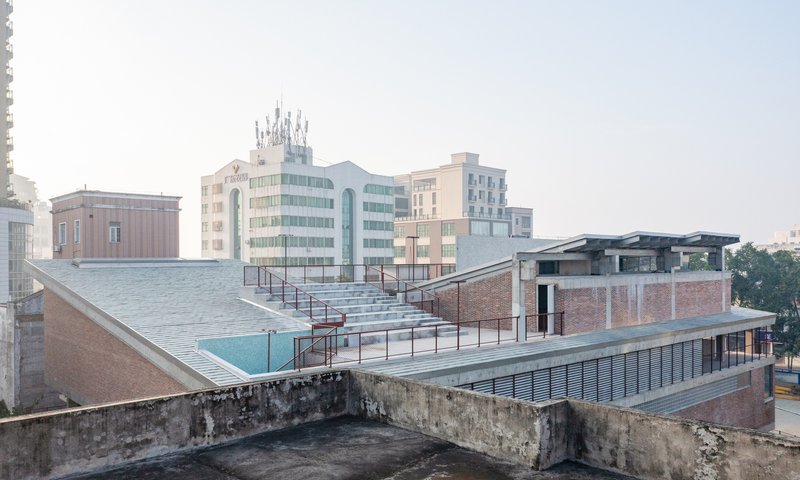
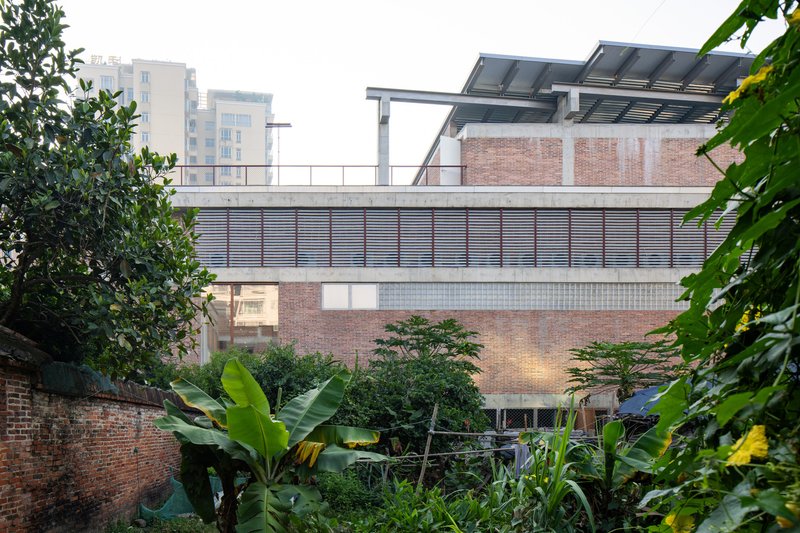
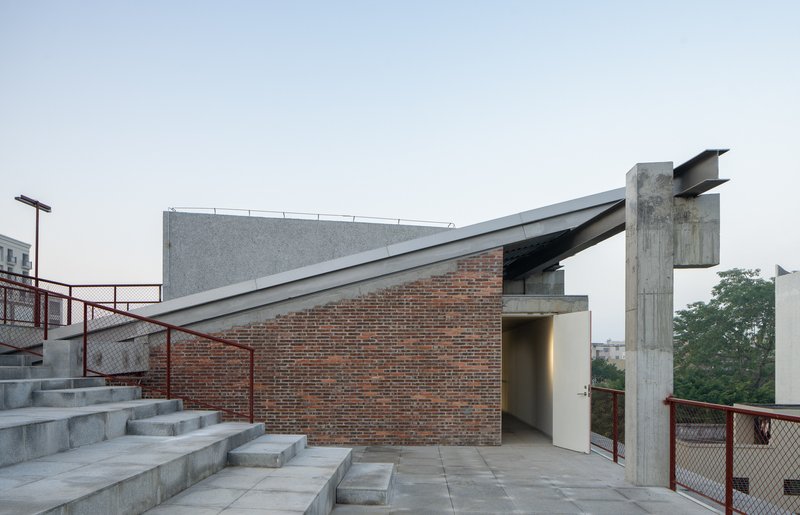
The architectural language of the Wuyang Cultural Station is defined by a dual-direction single-slope roof, where two inclined surfaces form a 16-degree angle, aligning with the site's eastern and western perimeters. The L-shaped spatial arrangement maximizes connectivity, optimizing ventilation by forming a natural wind corridor that links directly to the coastline. Beneath a unified shared eave, the design promotes a seamless indoor-outdoor experience, fostering climate adaptability and enhancing sustainability.
Sustainable and Climatic Response
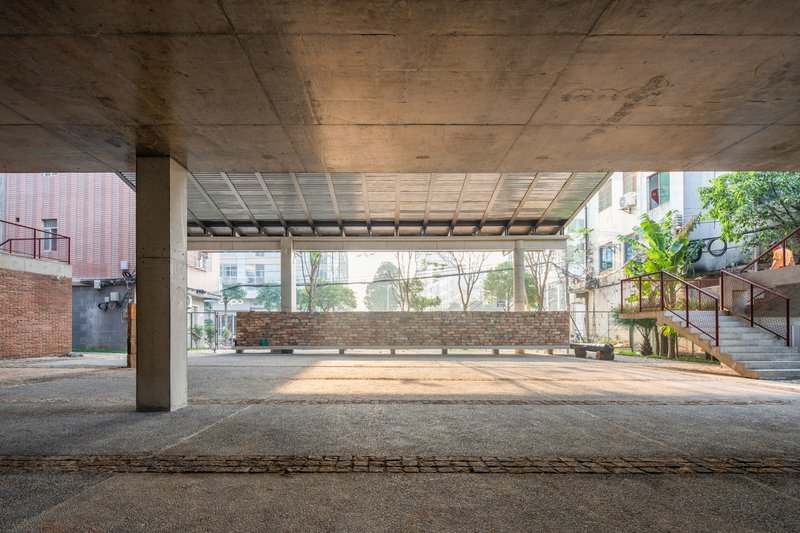
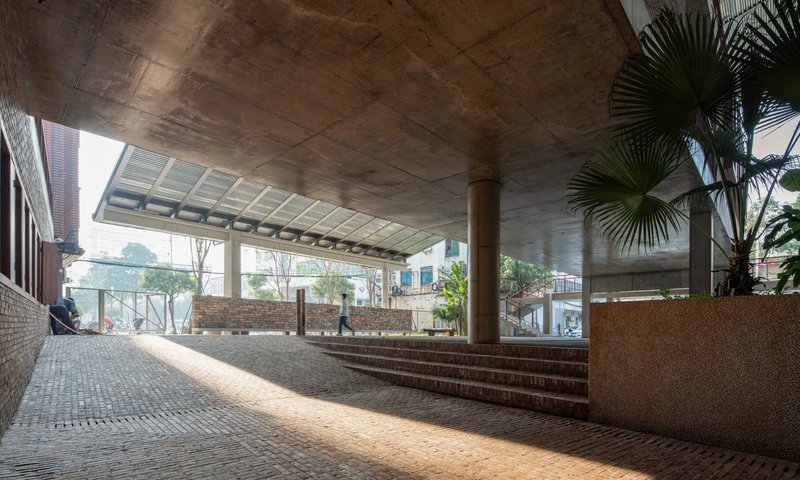
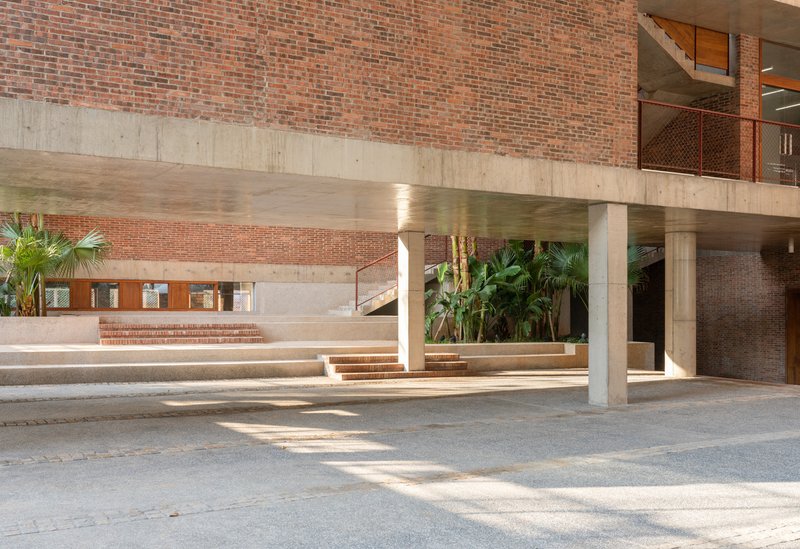
WAU Design employs a climatic-responsive strategy, breaking the overall structure into smaller, interconnected units. This mitigates the imposing scale of the cultural station, allowing it to harmonize with the surrounding self-built homes. The semi-outdoor spaces beneath the expansive roof enhance air circulation, offering a cooling effect reminiscent of traditional open-air courtyards. This design philosophy, encapsulated by the phrase "opening windows to welcome a gentle breeze," echoes time-honored architectural wisdom.
A Cultural Hub Rooted in Community Life
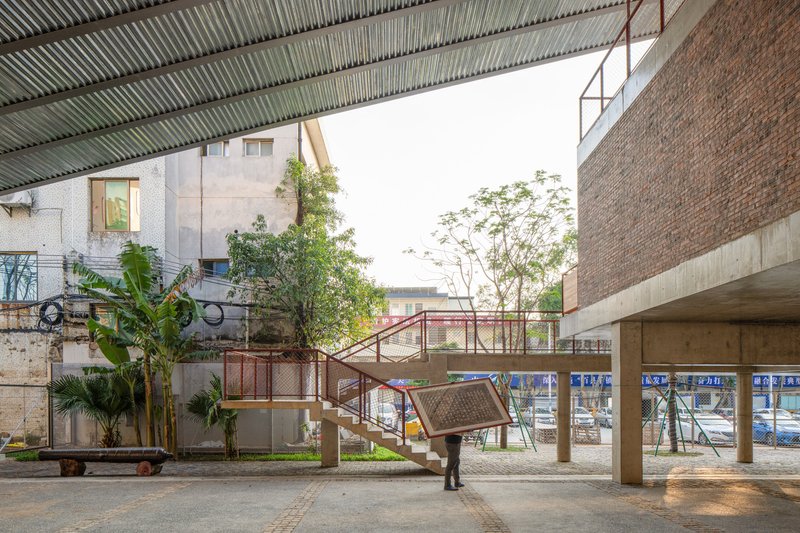
Beyond being an exhibition venue, the Wuyang Cultural Station is envisioned as a dynamic community hub. The integration of semi-outdoor corridors and an elevated plaza fosters social interaction, providing a versatile space for markets, tea gatherings, and cultural exhibitions. Pedestrian pathways meander through the structure, visually connecting it to historic landmarks, such as the nearby South City Gate ruins, reinforcing the site’s cultural narrative.
Symbolism and Spatial Storytelling
The architects weave elements of cultural memory into the design through spatial archetypes. The lowered eaves facing the main street recall traditional temple porches, while elevated steps and roof variations mirror the symbolism of ancestral halls. The steel roof structure, distinct from the concrete base, subtly references the timber craftsmanship of Ming Dynasty architecture. At the entrance, 836 reclaimed Ming Dynasty bricks form an evocative "archaeological exhibition," paying homage to the site's historical layers.
Material Selection and Sustainable Construction
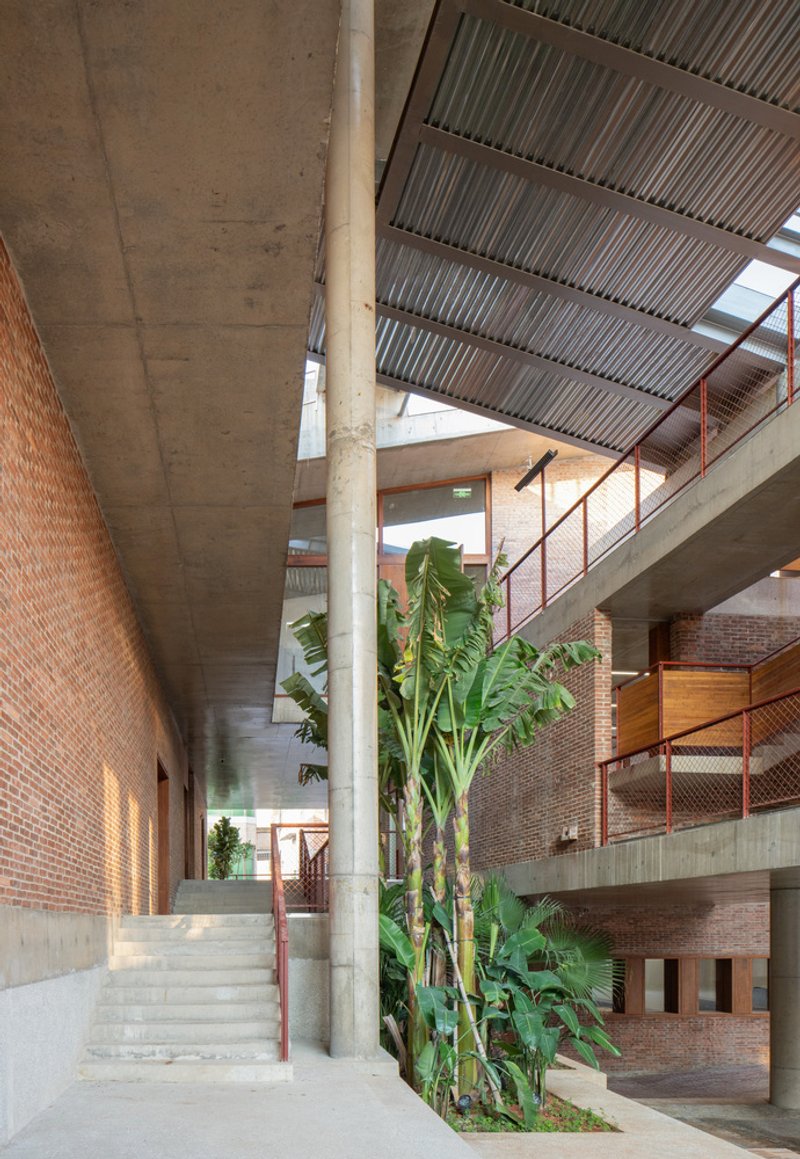
To maintain harmony with local aesthetics, the project utilizes locally sourced materials, including red brick, washed terrazzo, tiles, and galvanized steel plates. Economic efficiency is a core consideration: profiled galvanized steel plates serve as both ceiling cladding and roofing, reducing construction costs. Additionally, bluestone slate tiles, salvaged from surplus landscaping materials, reinforce the project’s sustainability ethos. These low-tech construction techniques not only respect vernacular textures but also ensure that the cultural station remains accessible and relatable to the local community.
A Timeless Cultural Landmark
The Wuyang Cultural Station by WAU Design exemplifies the potential of contextual architecture in rural revitalization. By blending contemporary design strategies with traditional elements, the project cultivates an enduring cultural landmark that enriches Wuyang’s historical identity while adapting to modern needs. Through its innovative climate-responsive layout, community-oriented spaces, and sustainable material use, this cultural station sets a precedent for future rural redevelopment projects in China and beyond.
All Photographs are works of Siming WU



Popular Articles
Popular articles from the community


Atelier Macri Concept Store Interior Design by CASE-REAL
Atelier Macri store features a "ko" counter, walnut wood details, cork displays, blending retail, gallery, and seamless customer experiences.
Gads Hill Early Learning Center by JGMA: Adaptive Reuse Shaping Community-Focused Educational Architecture
Adaptive reuse transforms fragmented structure into vibrant early learning center with playful façade, natural light, and community-focused sustainable design.

Free Architecture Competitions You Can Enter Right Now
No entry fees, real prizes. Here are the best free architecture competitions open for submissions in 2026.

Similar Reads
You might also enjoy these articles


The Ken Roberts Memorial Delineation Competition (Krob)
As the most senior architectural drawing competition currently in operation anywhere in the world, it draws hundreds of entries each year, awarding the very best submissions in a series of medium-based categories.
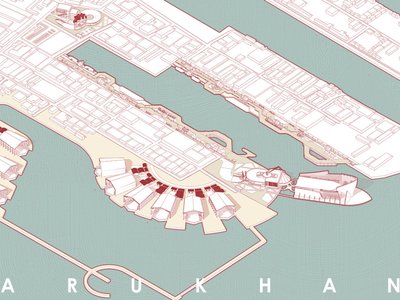
Waterfront Redevelopment and Urban Revitalization in Mumbai: Forging a New Dawn for Darukhana
A transformative waterfront redevelopment project reimagining Darukhana’s shipbreaking heritage into an inclusive urban future.
OUT-OF-MAP: A Call for Postcards on Feminist Narratives of Public Space
Rhizoma Design and Research Lab invites artists, designers, architects, researchers, and students to reflect on how feminist perspectives can reshape public space. Selected works will be exhibited in Barcelona, October 2026. Submissions open until 15 April 2026.

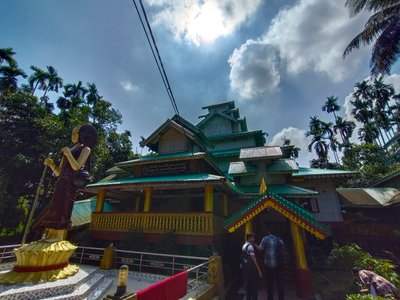
Documentation Work on Buddhist Wooden Temple
Architectural syncretism and cultural hybridity: A comparative study of the Buddhist temples in Chattogram Hill tracks

Explore Architecture Competitions
Discover active competitions in this discipline




The International Standard for Design Portfolios


The Global Benchmark for Architecture Dissertation Awards


The Global Benchmark for Graduation Excellence


Challenge to design an urban locus of culture and heritage
Comments (0)
Please login or sign up to add comments
No comments yet. Be the first to comment!