
19th Street House by Ehrlich Yanai Rhee Chaney Architects: A Serene Modern Retreat Rooted in Nature
A minimalist Santa Monica residence blending Japanese philosophy and California modernism, creating a serene, nature-connected home designed for relaxation and reflection.


Architects: Ehrlich Yanai Rhee Chaney Architects
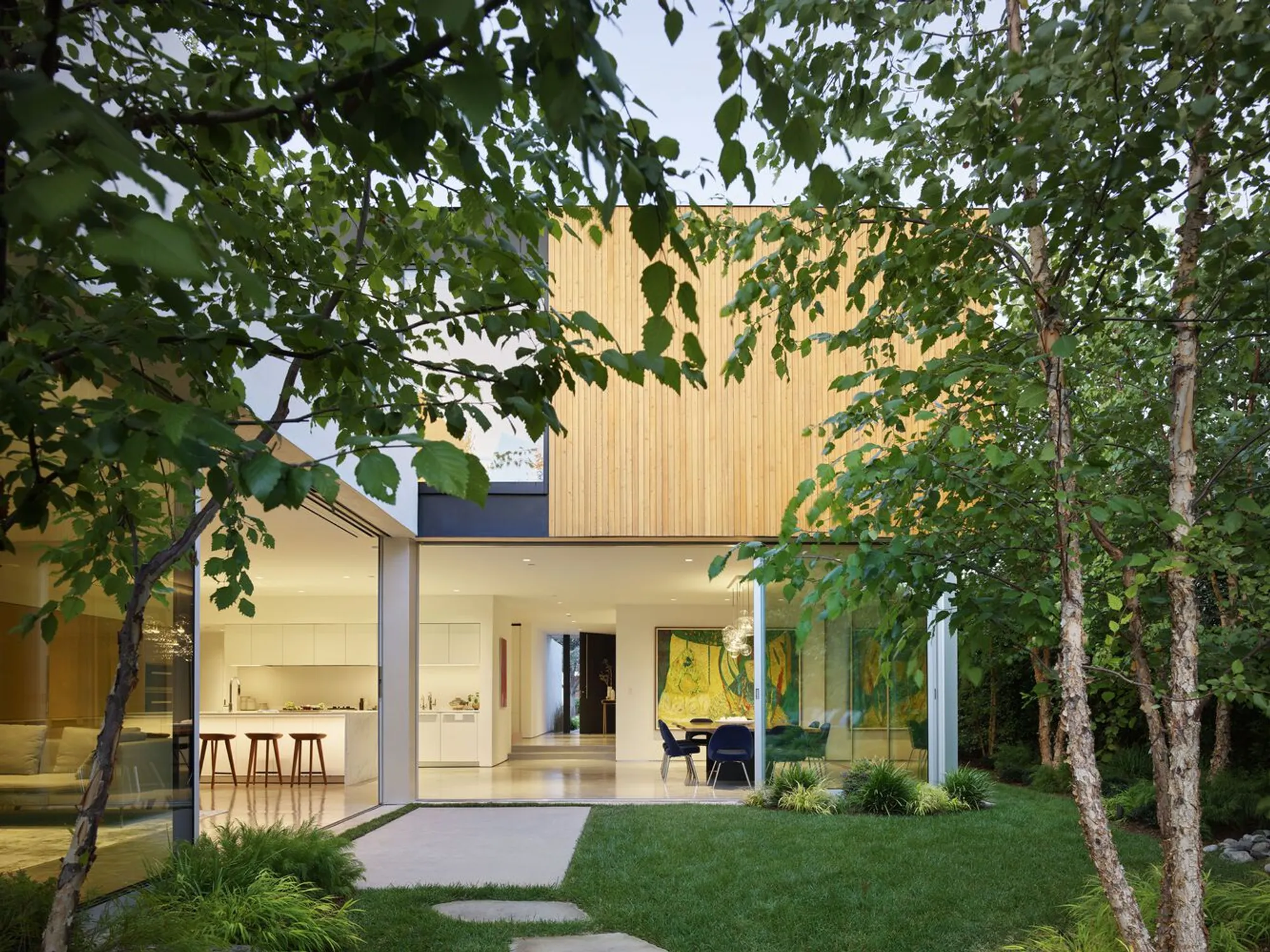
Located away from the chaos and glamour often associated with Los Angeles, the 19th Street House is a refined example of contemporary residential architecture designed as a tranquil sanctuary. Conceived for a multicultural family of four, this home reflects a deep desire for calmness, privacy, and reconnection with nature. The project reinterprets modernist design through a sensitive blend of Californian and Japanese spatial philosophies, creating a peaceful oasis within an urban setting.
Architectural Concept: Blending California Modernism with Japanese Philosophy
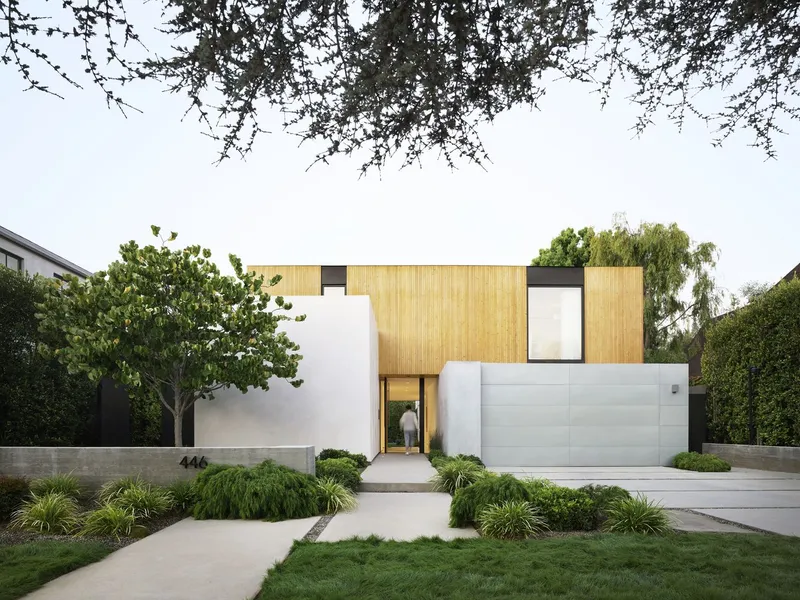
The design approach of this residence is strongly influenced by the philosophy of Takashi Yanai, whose work emphasizes harmony between built environments and natural surroundings. Drawing inspiration from Japanese spatial principles, particularly the concept of “ma” (the interval between spaces), the house is carefully composed to balance openness and enclosure.
The residence reflects a seamless integration of indoor and outdoor living, reinforcing a lifestyle centered around mindfulness, nature, and spatial clarity. This philosophy transforms the house into more than just a dwelling, it becomes a restorative environment.
Spatial Organization and Layout Strategy
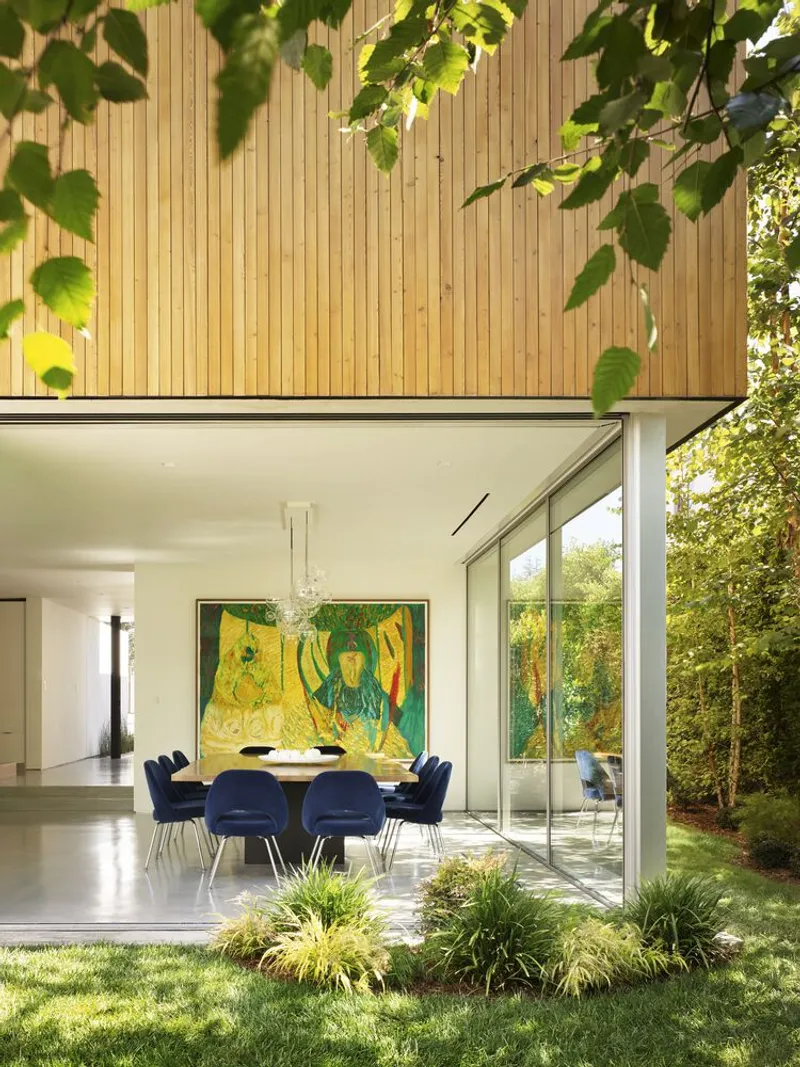
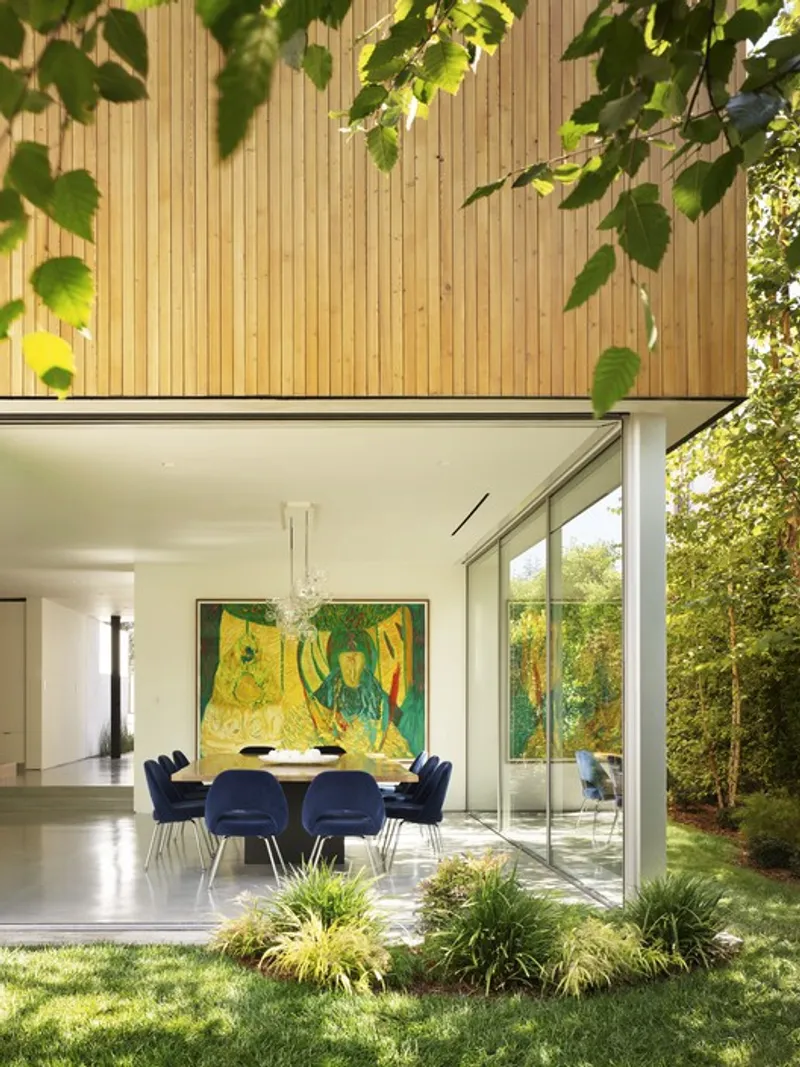
Set on an expansive 830-square-meter site, the house spans approximately 440 square meters across two levels. The architectural composition is defined by three interlocking volumes, each articulated through distinct materials including white stucco, grey finishes, and natural larch wood siding.
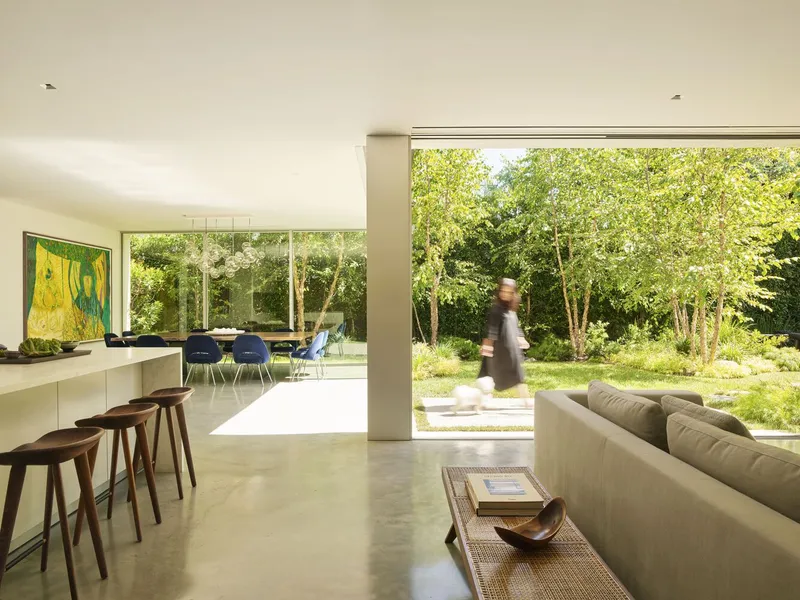
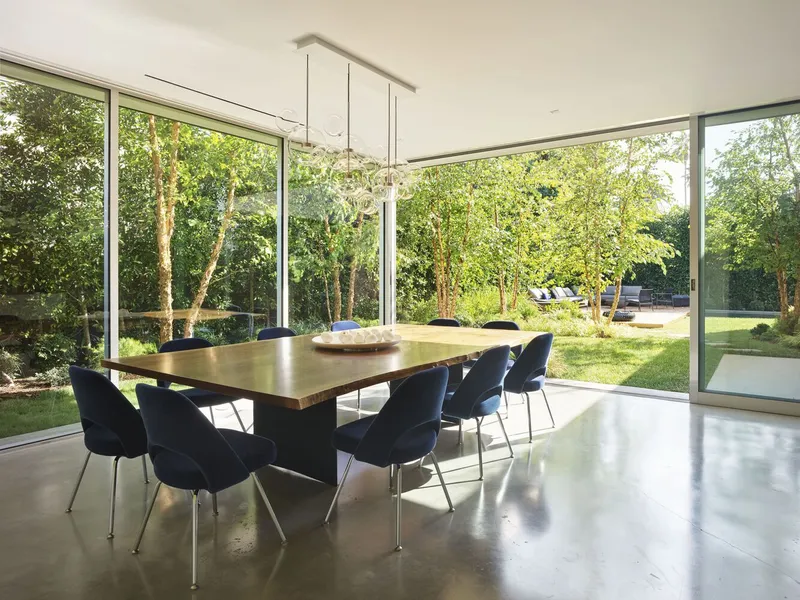
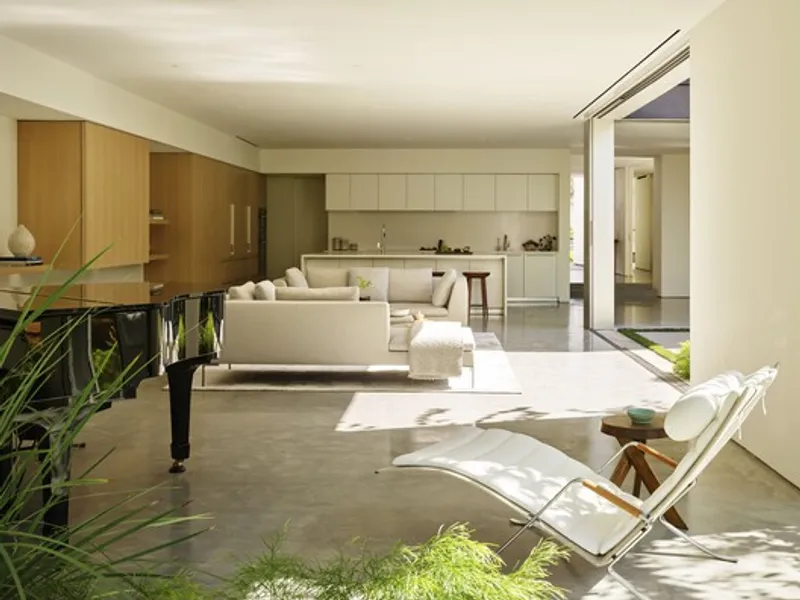
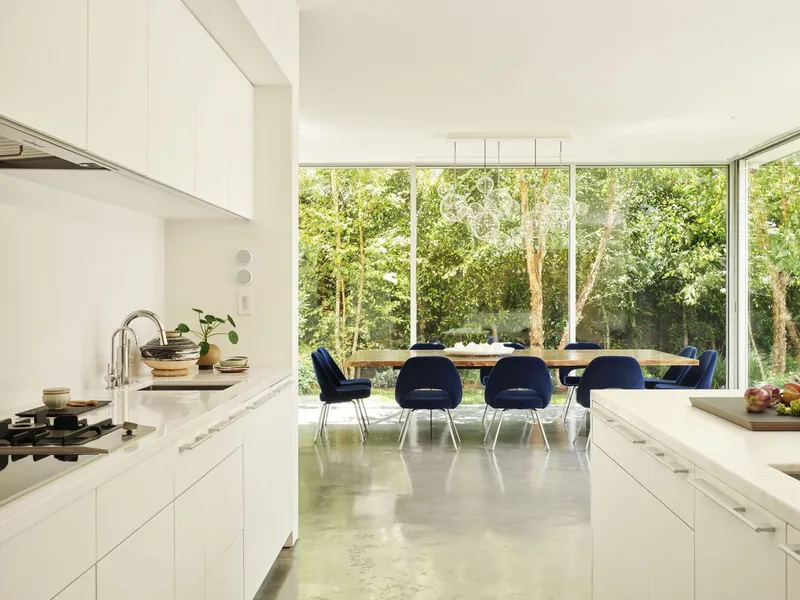
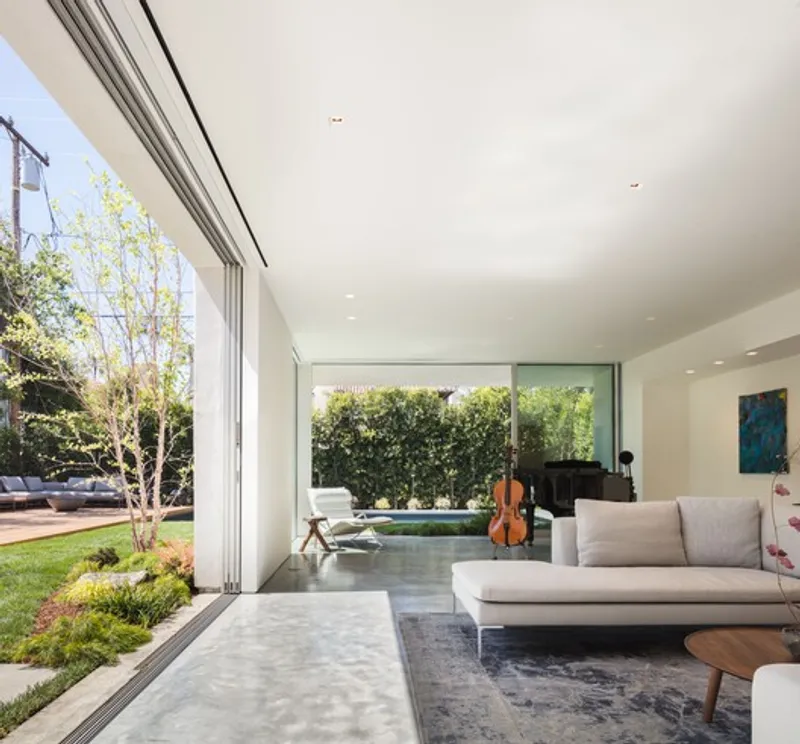
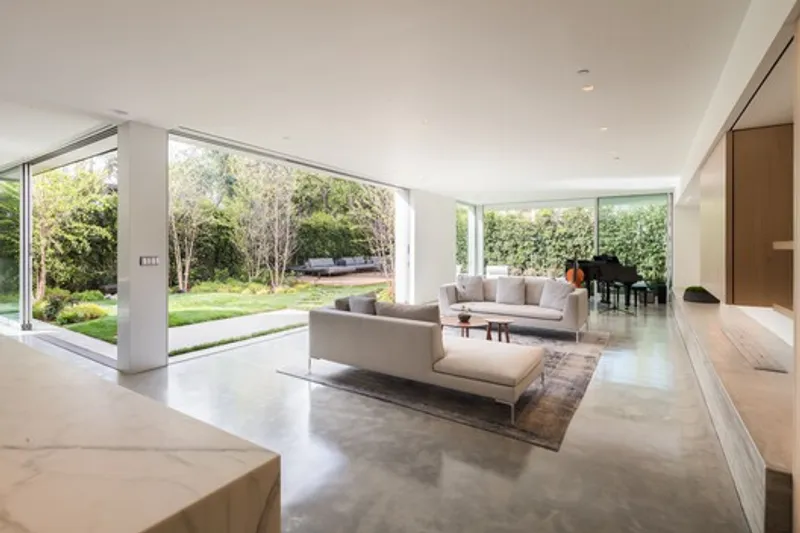
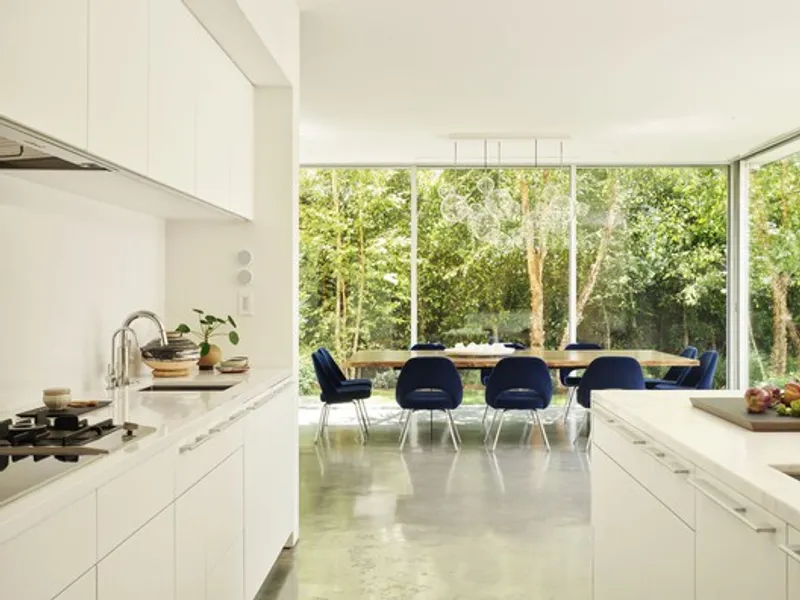
The ground floor is organized around an L-shaped living and dining area, designed to promote openness and fluidity. A central kitchen acts as both a connector and a subtle divider, enhancing spatial continuity while maintaining functional clarity.
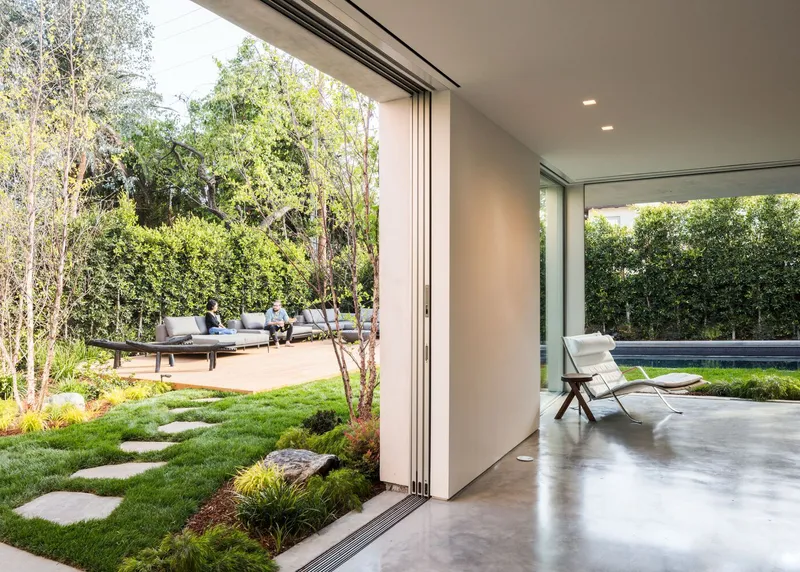
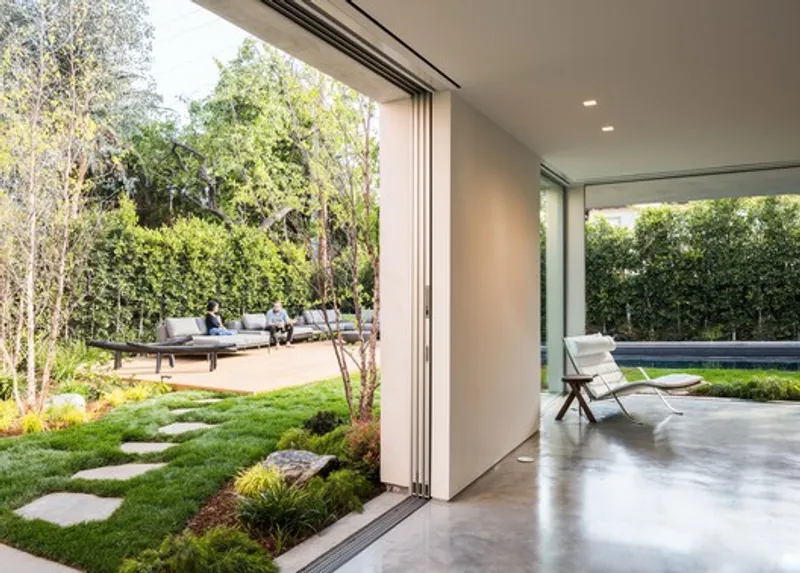
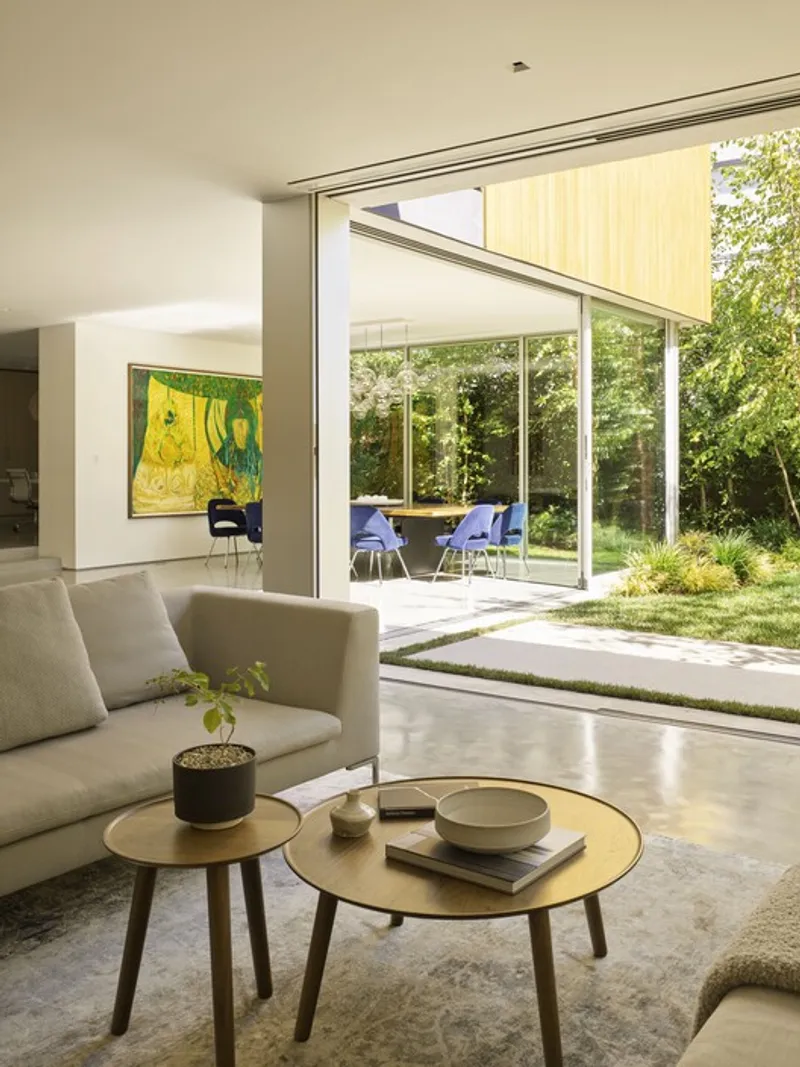
Floor-to-ceiling sliding glass doors dissolve boundaries between interior and exterior, allowing natural light to flood the space while extending living areas into the surrounding garden. The landscape becomes an integral part of the architecture, transforming the yard into an outdoor living room.
Interior Design: Minimalism and Material Expression
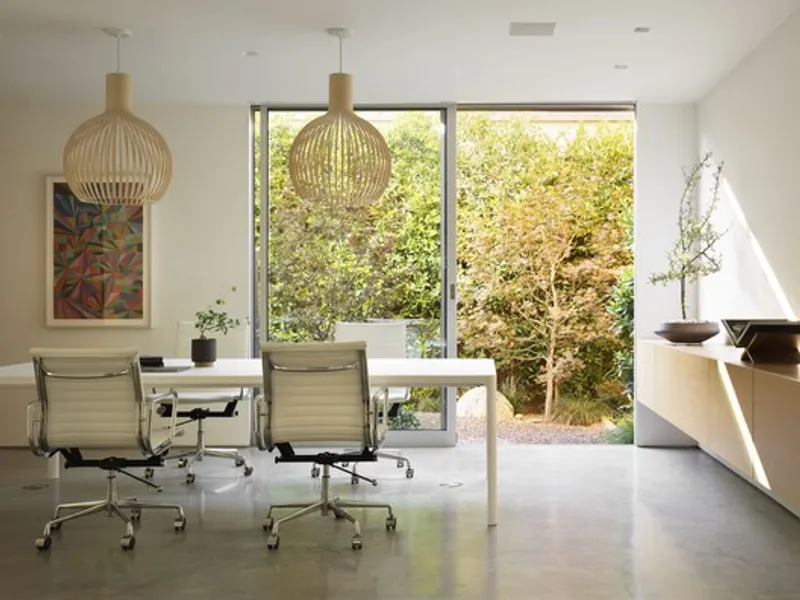
The interior palette is intentionally restrained, emphasizing simplicity and material authenticity. On the ground floor, exposed concrete surfaces create a grounded and tactile experience, while the upper level transitions to warm white oak flooring, introducing comfort and intimacy.
The upper floor accommodates the private zones of the house, including the master suite and two bedrooms, each with its own bathroom. The spatial arrangement ensures privacy while maintaining visual connections to the surrounding environment.
Minimal detailing, clean lines, and natural materials reinforce the home’s calming atmosphere, allowing light, texture, and proportion to define the architectural experience.
Indoor-Outdoor Connection: A Living Landscape
A defining feature of the 19th Street House is its strong relationship with nature. The design prioritizes outdoor integration, with greenery extending right up to the building’s edge. This softens the architectural boundaries and enhances the sensory experience of the space.
A gravel garden, concrete pathways, and open views contribute to a tranquil landscape composition that encourages reflection and relaxation. The architecture does not dominate the site, instead, it coexists with it.
The Meditation Deck: A Space for Reflection
One of the most unique elements of the house is the open-to-sky meditation deck, accessed via a sculptural staircase. This elevated outdoor space captures the essence of the project, offering a quiet retreat for contemplation and stillness.
Here, the concept of “ma” is fully realized, as the balance between built form and empty space creates a profound sense of calm. The deck becomes a symbolic and physical connection between architecture, nature, and human experience.
A Contemporary Sanctuary for Modern Living
The 19th Street House exemplifies how thoughtful residential architecture can enhance everyday life through simplicity, material honesty, and a deep connection to nature. By merging California modernism with Japanese spatial philosophy, Ehrlich Yanai Rhee Chaney Architects have created a timeless home that prioritizes well-being, serenity, and meaningful living.
All photographs are works of
Matthew Millman




Popular Articles
Popular articles from the community


Conexión: Biophilic Design Reimagines High-Rise Living in Hong Kong
Conexión reimagines high-rise living in Hong Kong through biophilic design, green facades, shared spaces, daylight, water and nature within.

Play: Fragments of Their World
Familiar architecture becomes modular playground design, creating safe spaces where displaced children can learn, connect, imagine and play.

Lunar Spiral: Space Architecture Shaped by the Mathematics of the Universe
Lunar Spiral reimagines space architecture through Fibonacci geometry, lunar regolith, levitating habitats, and self-sustaining Moon living.

Riyadh For All: Intergenerational Urban Design for Active Aging in Rabat
Riyadh For All reimagines urban design in Rabat with intergenerational co-living, adaptive courtyards, and Moroccan cultural exchange today.


Similar Reads
You might also enjoy these articles

FAMM Arquitectura Organizes Ten Villas Around Courtyards and Jungle in Nosara, Costa Rica
El Molino pairs two elongated volumes with deep overhangs and timber louvers to build a compact coastal community five minutes from the beach.
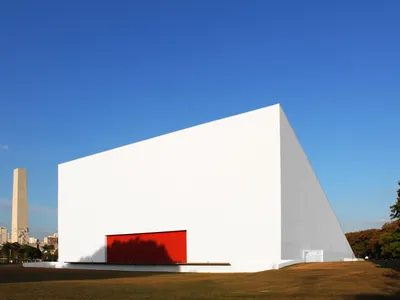
Oscar Niemeyer's Ibirapuera Park Pavilions Define São Paulo's Cultural Identity in Concrete and Curve
A constellation of modernist volumes set within São Paulo's most important urban park, conceived for the city's 400th anniversary in 1954.
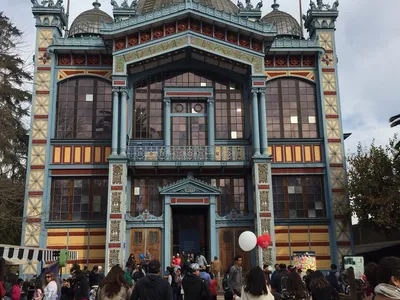
How Henri Picq's 1889 Paris Pavilion Traveled 11,000 Kilometers to Become Santiago's Artequín Museum
A prefabricated iron and glass pavilion built for the Paris Universal Exposition found a second life as a children's art museum in Chile.
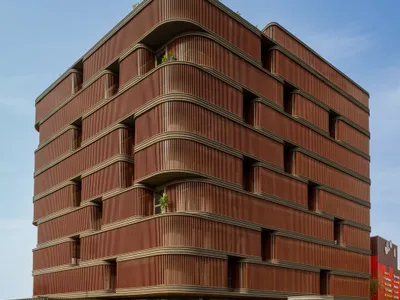
Sanjay Puri Architects Wraps a Jaipur Office Tower in Capsule-Shaped Green Buffers
A nine-level climate-responsive workplace near Jaipur Airport uses stacked planter terraces and aluminium screens to fight 40°C heat.


Explore Architecture Competitions
Discover active competitions in this discipline



Challenge to reimagine the Iron Throne


Photograph architecture without architects


Illustrate the lost glory of Angkor Wat - Render Challenge


Design challenge to reuse E-waste
Comments (0)
Please login or sign up to add comments
No comments yet. Be the first to comment!