

68-86 Farringdon Road Building by Sheppard Robson: Transforming Mixed-Use Architecture in London
68-86 Farringdon Road in Clerkenwell transforms a former car park into mixed-use hotel and office buildings with dynamic façades and sustainable design.


Architects: Sheppard Robson
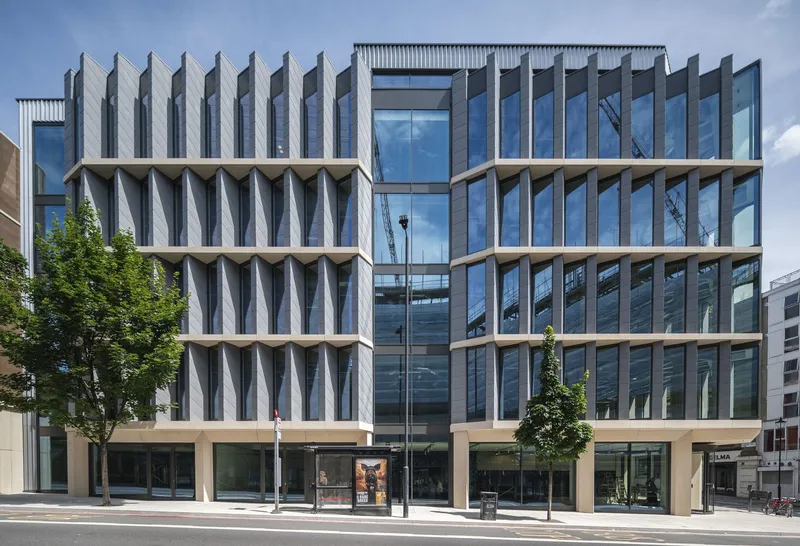
Located in the vibrant district of Clerkenwell, United Kingdom, 68-86 Farringdon Road is a striking example of contemporary mixed-use architecture by Sheppard Robson, completed in 2023. Transforming a constrained site previously occupied by a multi-story car park, this development integrates a new 180-key hotel under Whitbread’s hub by Premier Inn brand alongside a speculative office building for CLI Dartriver, while activating the streetscape with retail spaces and a hotel café. The project encompasses a total area of 6,830 m², combining functional efficiency, aesthetic sophistication, and urban sensitivity.
Contextual Urban Design and Site Challenges
The project occupies a challenging linear urban block between Bowling Green Lane and Vineyard Walk along Farringdon Road. The site is defined by sloping topography, adjacent residential buildings to the north, and larger office structures to the south. Sheppard Robson approached the design with a contextual urban strategy, scaling the hotel to respect surrounding residences while increasing height toward the southern office block.
This sensitive approach allows the two buildings to coexist harmoniously, each with its own architectural identity, yet collectively redefining the streetscape. The composition draws inspiration from the Victorian residential blocks that once populated the site, using a series of interconnecting bays to establish human-scaled proportions while maintaining a strong contemporary expression.
Structural Innovation and Sustainable Design
A key technical challenge of the site was the train lines running beneath the development, which required careful mitigation of noise and vibrations. To address this, the architects retained the existing foundations and constructed a lightweight steel superstructure above for the hotel. The office building uses an acoustically isolated concrete and steel structure, ensuring optimal working conditions while minimizing disruption from the railway below.
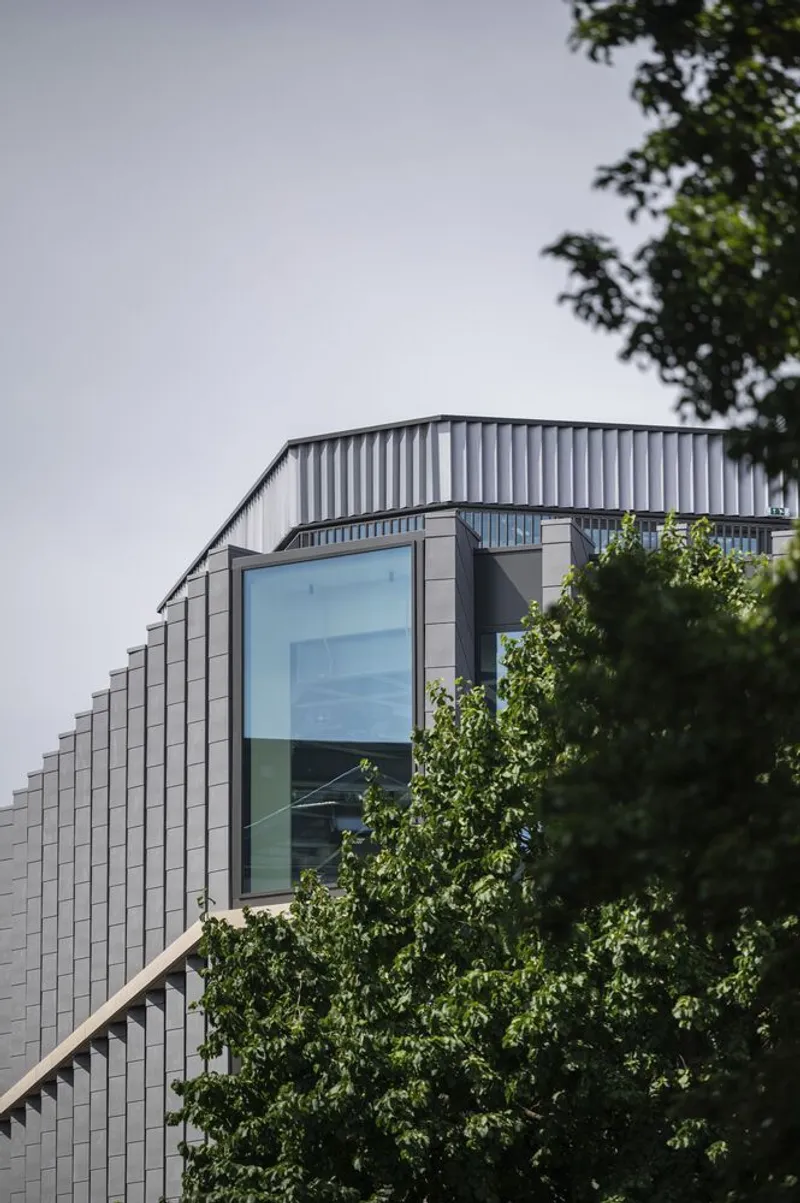
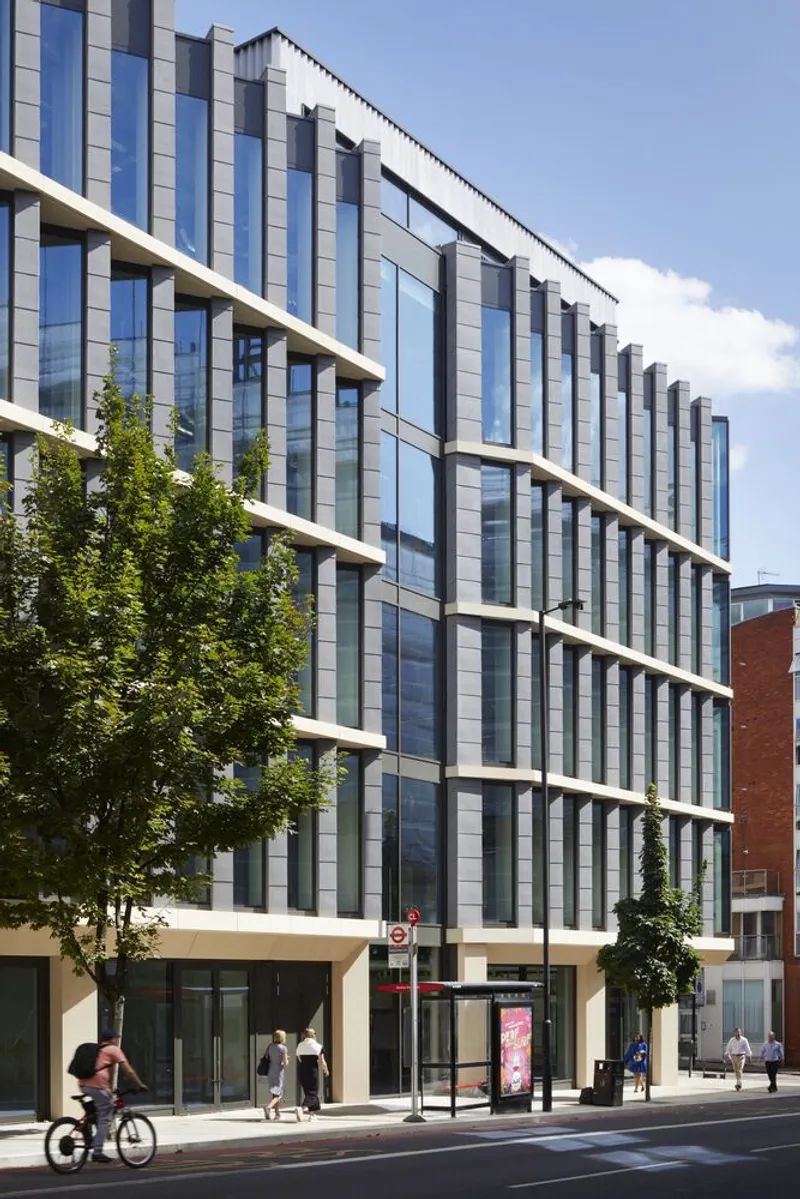
Loadings were reduced through the use of metal shingles, defining the external appearance while minimizing structural weight. The hotel façade employs bronze cladding, chosen to complement the neighboring red brick buildings and to naturally soften over time. In contrast, the office building is clad in cool zinc panels, providing a visual counterpoint to the warmth of the hotel while reinforcing its distinct identity.
Dynamic Façade Design and Environmental Response
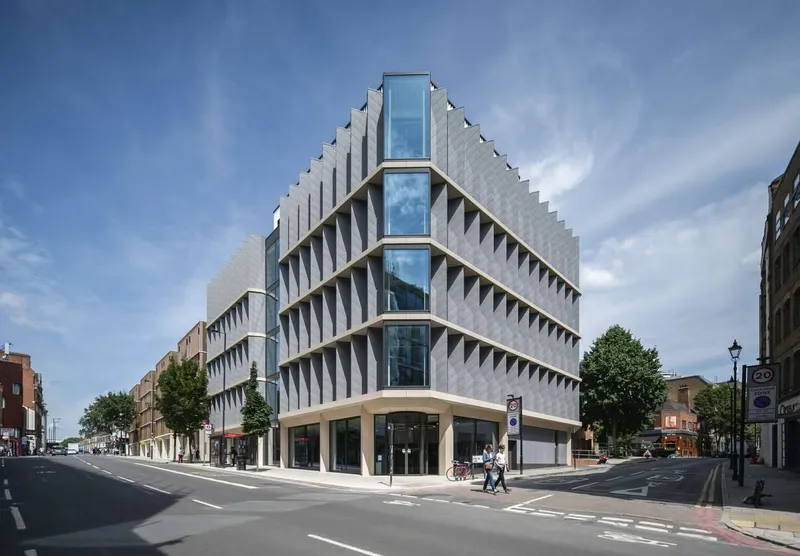
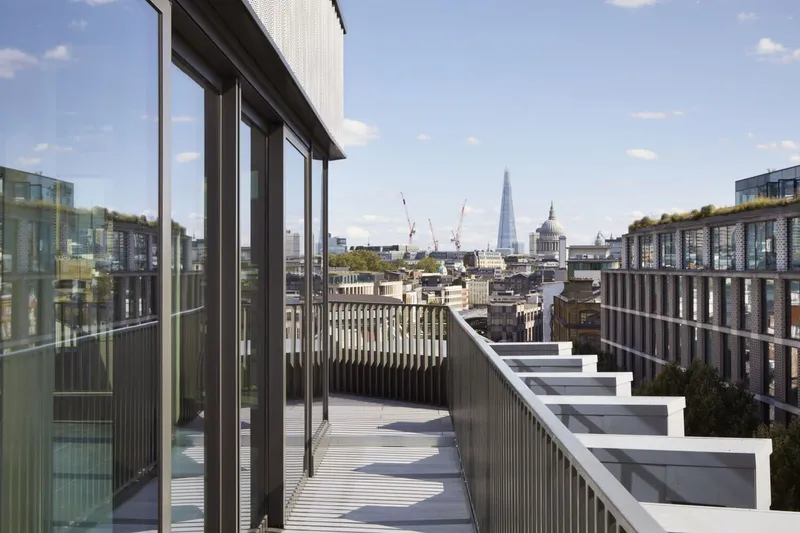
The façades of both buildings feature folded geometries that create depth, rhythm, and visual interest. The hotel’s façade is articulated with tighter, concertinaed folds, lending a delicate, textured quality, while the office building’s broader ‘gills’ optimize views, allow passive cooling, and provide shading along west- and south-facing elevations. This approach not only enhances the aesthetic appeal but also contributes to sustainable environmental performance, reducing reliance on mechanical systems.
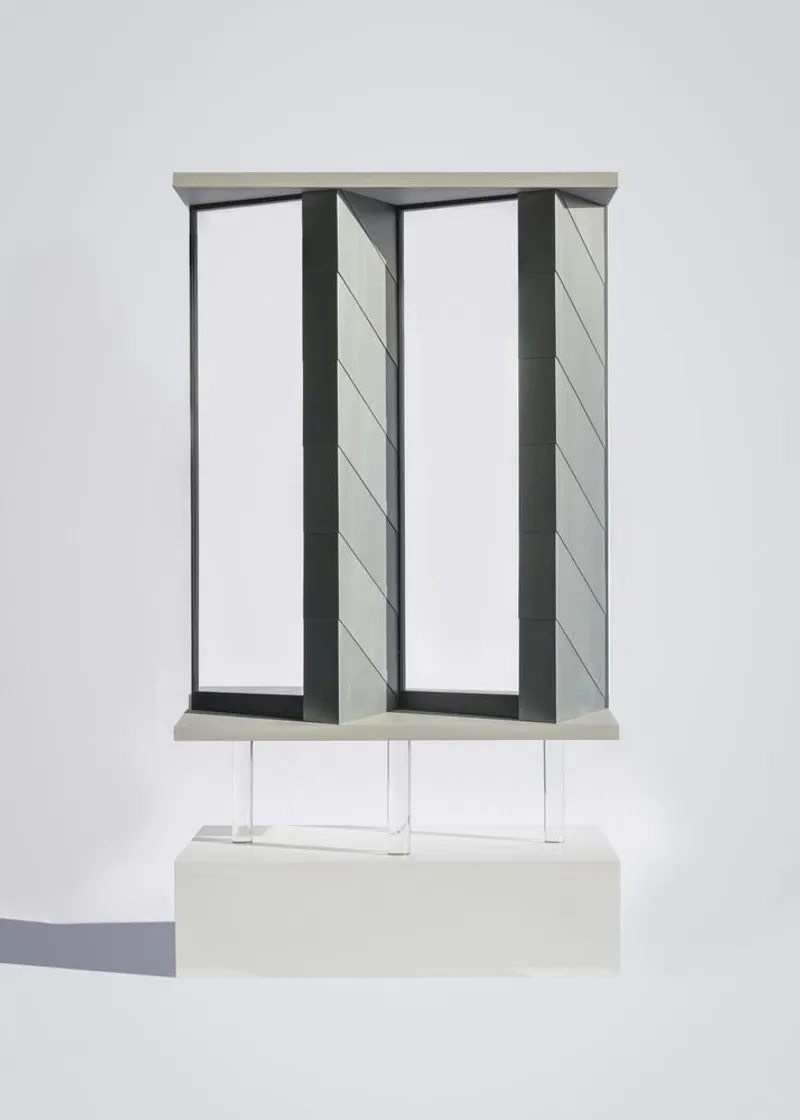
The careful modulation of façade elements ensures that each building maintains a strong, individual character while animating oblique views of the development, contributing to a dynamic and engaging urban experience for pedestrians.
Collaboration and Material Excellence
The project was realized through extensive collaboration between architects, engineers, and contractors. Key contributors included Waterman Group for structural engineering, Gilbert-Ash as main contractor, Alufix for façade works, and specialists in acoustics and MEP such as Scotch Partners and Sweco. High-quality materials and advanced detailing were used throughout, including Kingspan insulated panels, TECU® cladding, and Siniat systems, ensuring long-term performance and visual refinement.

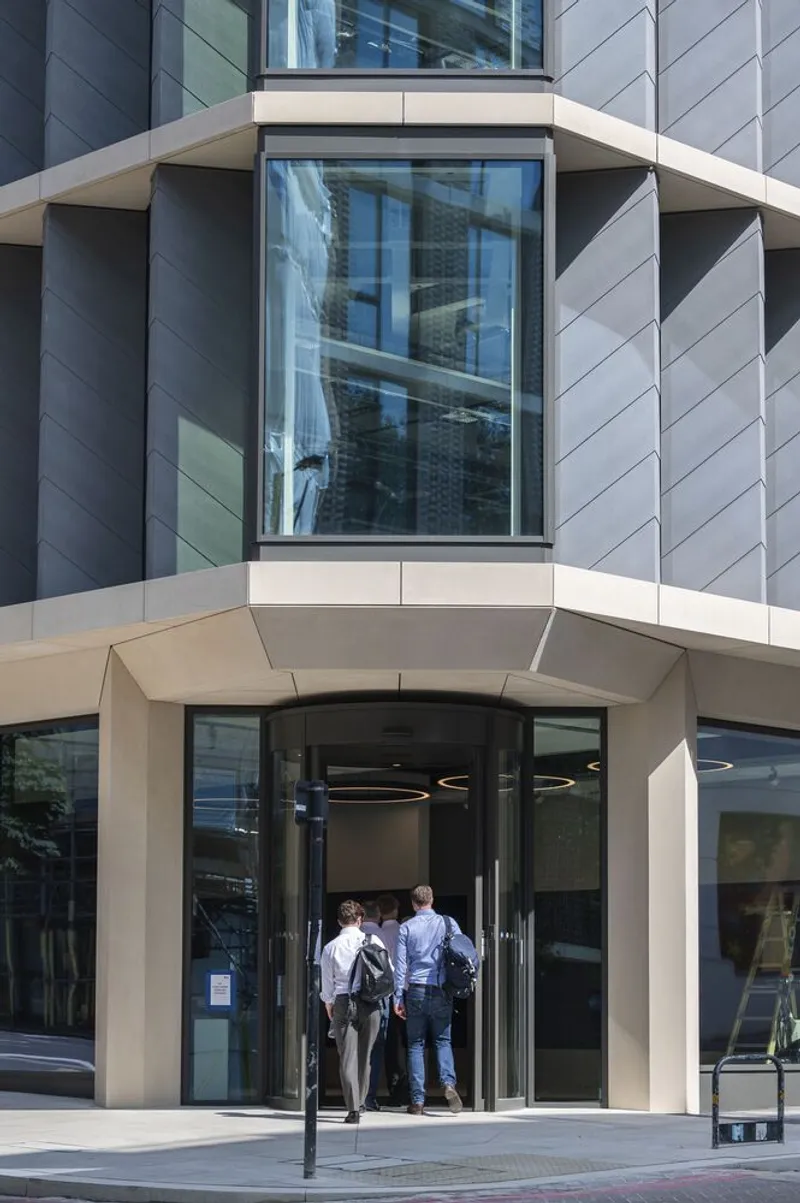
68-86 Farringdon Road exemplifies how thoughtful mixed-use architecture can transform a constrained urban site into a lively, sustainable, and visually engaging development. Through careful attention to context, materiality, structural innovation, and façade articulation, Sheppard Robson has created a project that respects the heritage of Clerkenwell while delivering contemporary hotel and office solutions that enrich the streetscape.
This development stands as a model for urban regeneration, combining functional diversity, sustainability, and architectural sophistication in one cohesive project.


All photographs are works of
Jack Hobhouse, Chris Dalton




Popular Articles
Popular articles from the community


Conexión: Biophilic Design Reimagines High-Rise Living in Hong Kong
Conexión reimagines high-rise living in Hong Kong through biophilic design, green facades, shared spaces, daylight, water and nature within.

Riyadh For All: Intergenerational Urban Design for Active Aging in Rabat
Riyadh For All reimagines urban design in Rabat with intergenerational co-living, adaptive courtyards, and Moroccan cultural exchange today.

Co-Life: Senior Housing Design That Reconnects Older Adults With the City
Co-Life reimagines senior housing design through healing gardens, shared streets, workshops, and a sustainable community across generations.

Hill & Cross Opera: Sculptural Opera House Architecture Shaped by Tallinn’s Landscape and Identity
Hill & Cross Opera reimagines opera house architecture in Tallinn through its sculptural hill, civic plaza, glass wave and a luminous cross.


Similar Reads
You might also enjoy these articles


FAMM Arquitectura Organizes Ten Villas Around Courtyards and Jungle in Nosara, Costa Rica
El Molino pairs two elongated volumes with deep overhangs and timber louvers to build a compact coastal community five minutes from the beach.
Oscar Niemeyer's Ibirapuera Park Pavilions Define São Paulo's Cultural Identity in Concrete and Curve
A constellation of modernist volumes set within São Paulo's most important urban park, conceived for the city's 400th anniversary in 1954.
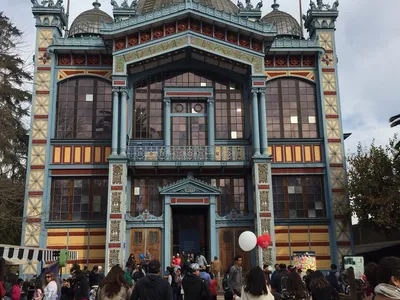
How Henri Picq's 1889 Paris Pavilion Traveled 11,000 Kilometers to Become Santiago's Artequín Museum
A prefabricated iron and glass pavilion built for the Paris Universal Exposition found a second life as a children's art museum in Chile.
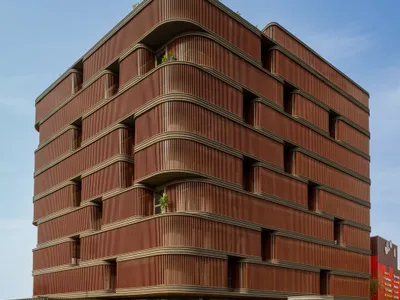
Sanjay Puri Architects Wraps a Jaipur Office Tower in Capsule-Shaped Green Buffers
A nine-level climate-responsive workplace near Jaipur Airport uses stacked planter terraces and aluminium screens to fight 40°C heat.


Explore Office Building Competitions
Discover active competitions in this discipline



Challenge to reimagine the Iron Throne


Photograph architecture without architects


Illustrate the lost glory of Angkor Wat - Render Challenge


Design challenge to reuse E-waste
Comments (0)
Please login or sign up to add comments
No comments yet. Be the first to comment!