

AI in Architecture: Redefining Design with the Butterfly Residential Building
The article explores how AI-driven design shapes the innovative architecture of the Butterfly Residential Building in Athens, Greece.


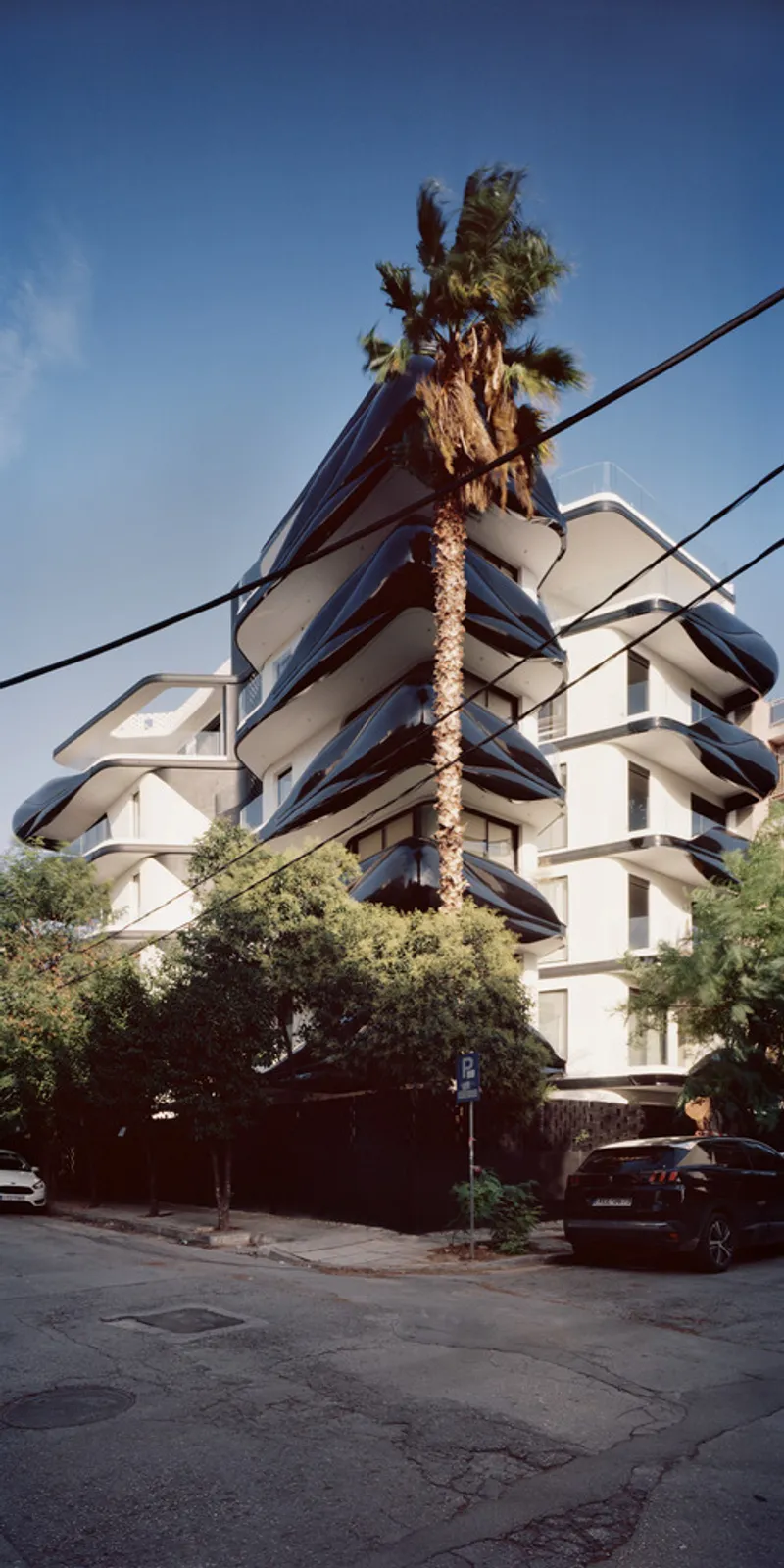
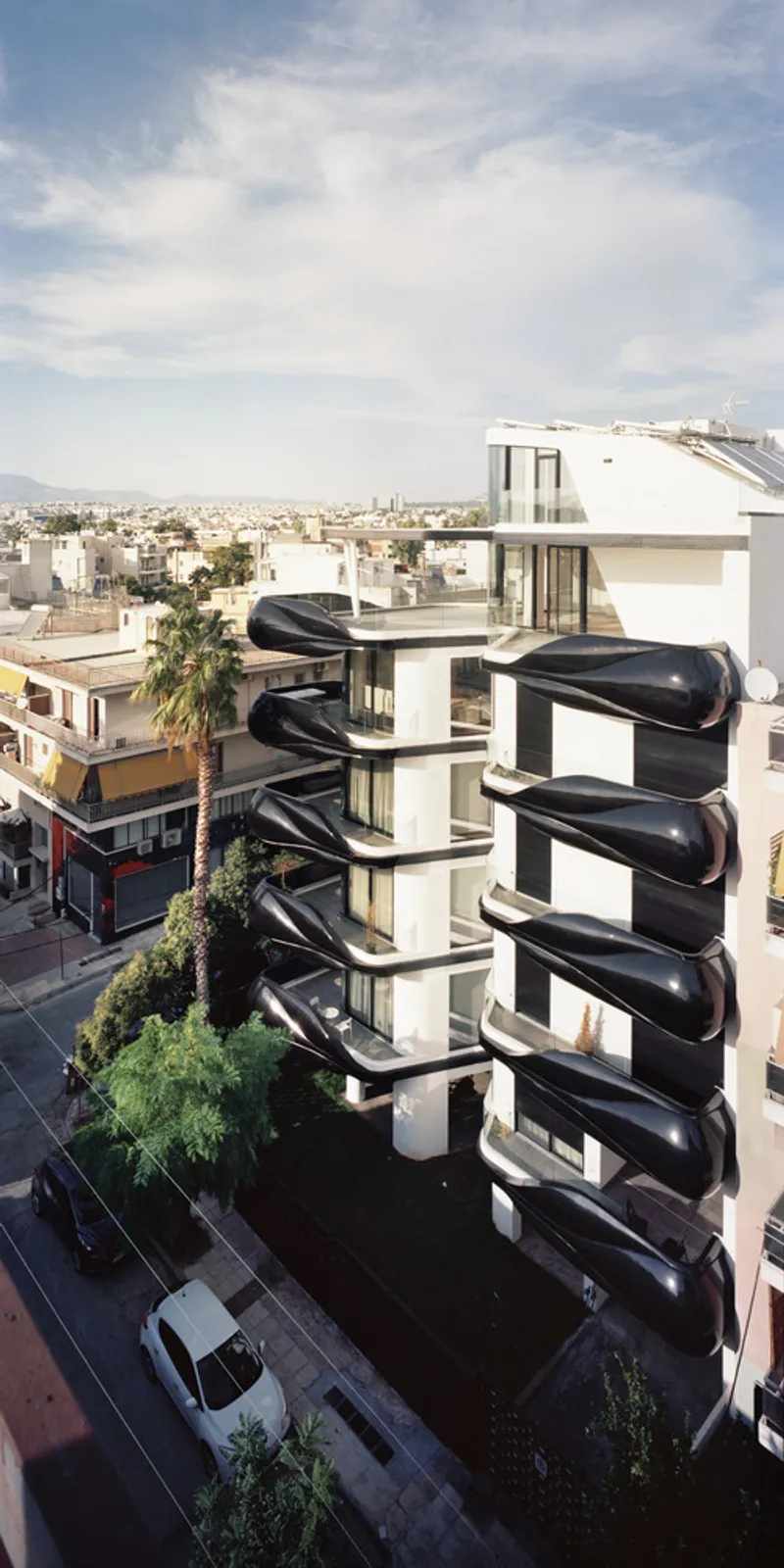
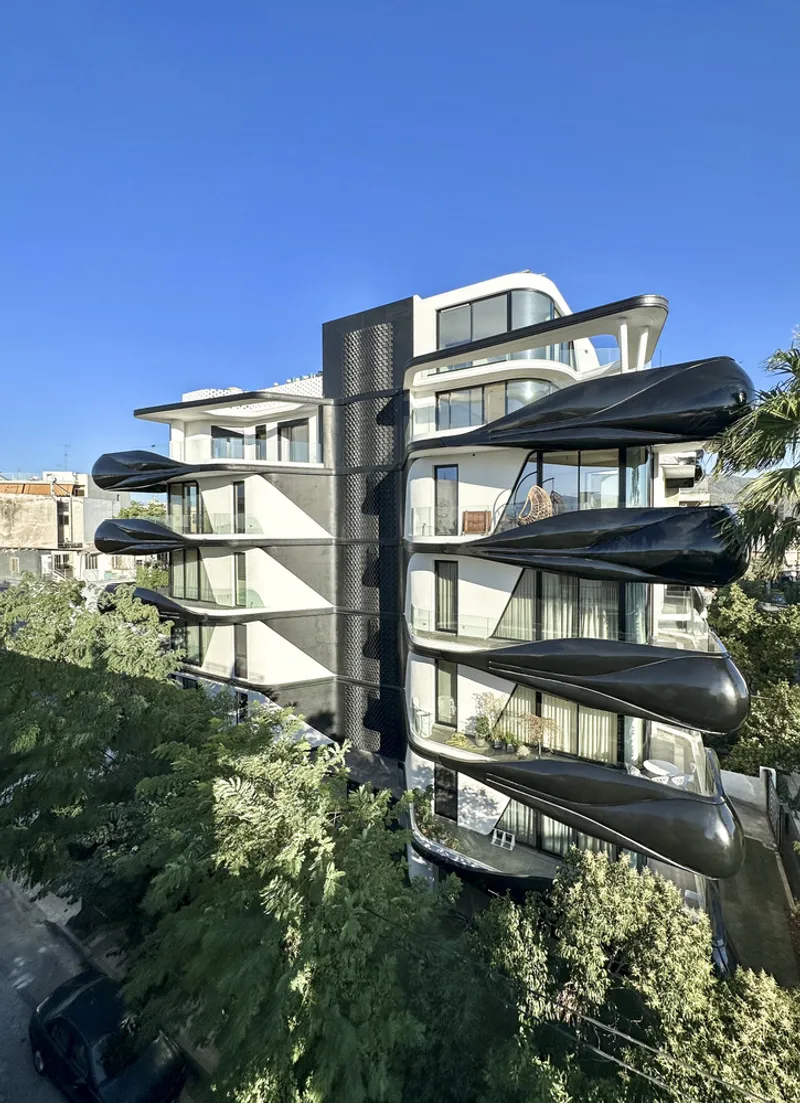
In the evolving world of architecture, Artificial Intelligence (AI) is making a significant impact. One standout example is the Butterfly Residential Building by architectScripta in Athens, Greece. This innovative five-story building showcases the power of AI in transforming architectural design. By utilizing AI to push the boundaries of form, structure, and spatial experience, architectScripta has created a project that not only challenges traditional architectural approaches but also introduces new ways of conceptualizing spaces.


The Role of AI in the Butterfly Residential Building
AI as a Design Tool
ArchitectScripta's approach to the Butterfly Residential Building leverages AI in a revolutionary way. Rather than using AI as a tool for straightforward spatial planning or material selection, they employ it for conceptualizing and generating novel forms. The design process for this building began with the use of 3D animation software, alongside AI techniques that provided data-driven insights to create a building form that is both dynamic and fluid.
The process of topological geometries—geometries derived from mathematical models—was used to create new house typologies, resulting in an unconventional residential building that stands out within its Athenian suburban context. This innovative use of AI allowed architectScripta to develop a form that transcends typical architectural constraints, offering new possibilities for design and construction.
AI and the Concept of Allusion
A significant aspect of the building’s design is its conceptual foundation rooted in allusion—a strategy employed to evoke indirect relationships between objects and forms. This idea stems from the notion that architecture can be more than a direct representation of function and form; it can be an exploration of intangible, conceptual spaces.
The design is driven by an abstract language of AI-generated animations, where words and images are used to form relationships that exist between various building elements. By using AI-generated abstract diagrams and conceptual simulations, the project introduces a more poetic and intellectual form of architectural expression.
AI and Bioclimatic Design
In addition to its form, the building also embraces AI-driven principles of sustainability and bioclimatic design. The Butterfly Residential Building is classified as an A+ energy-efficient building, with a focus on recyclable materials and energy-conscious construction techniques. AI aids in fine-tuning the building’s environmental footprint, optimizing the relationship between the structure and its surrounding climate.

Architectural Features of the Butterfly Residential Building
Fluidity of Form and Spatial Experience
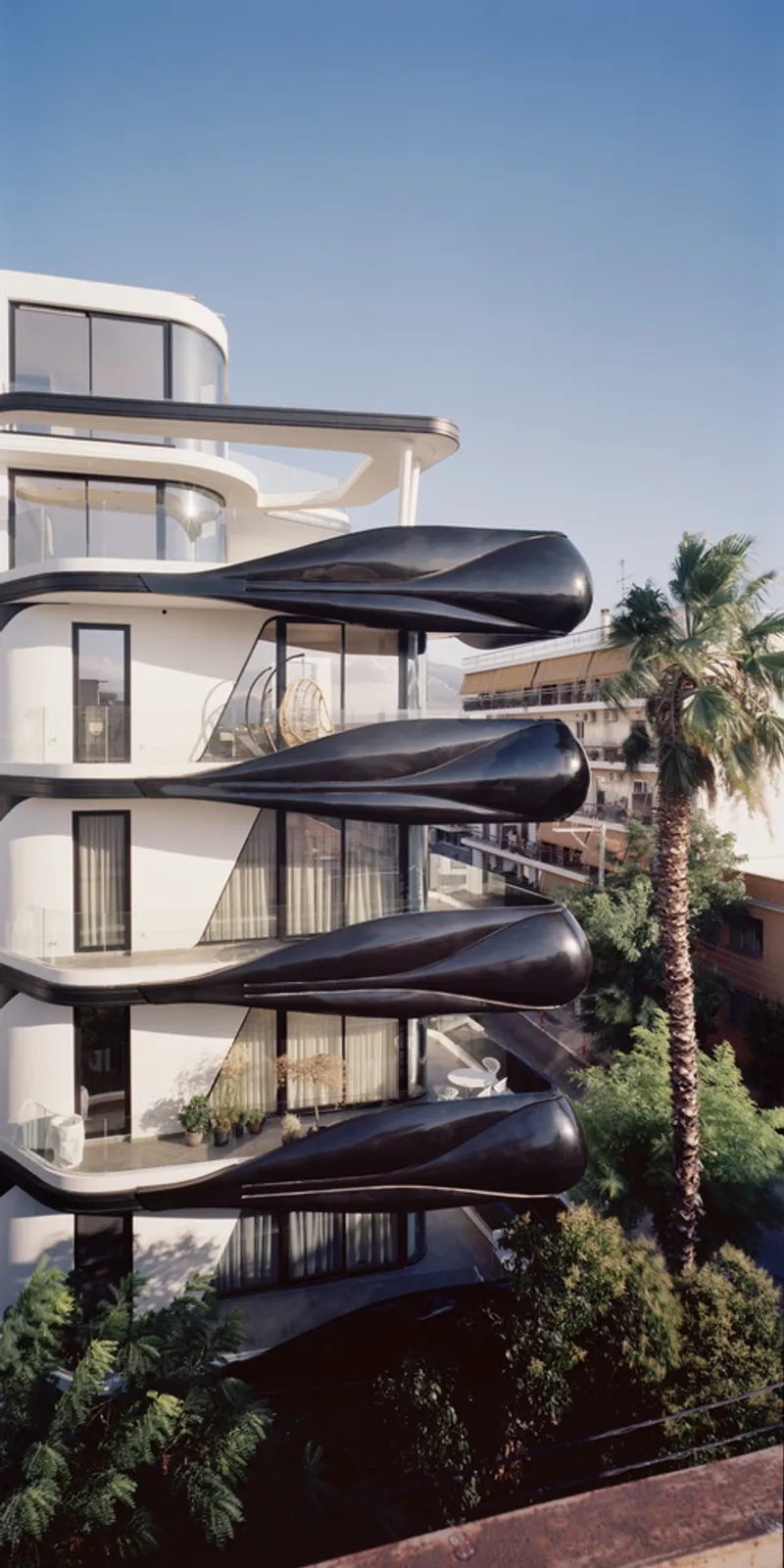
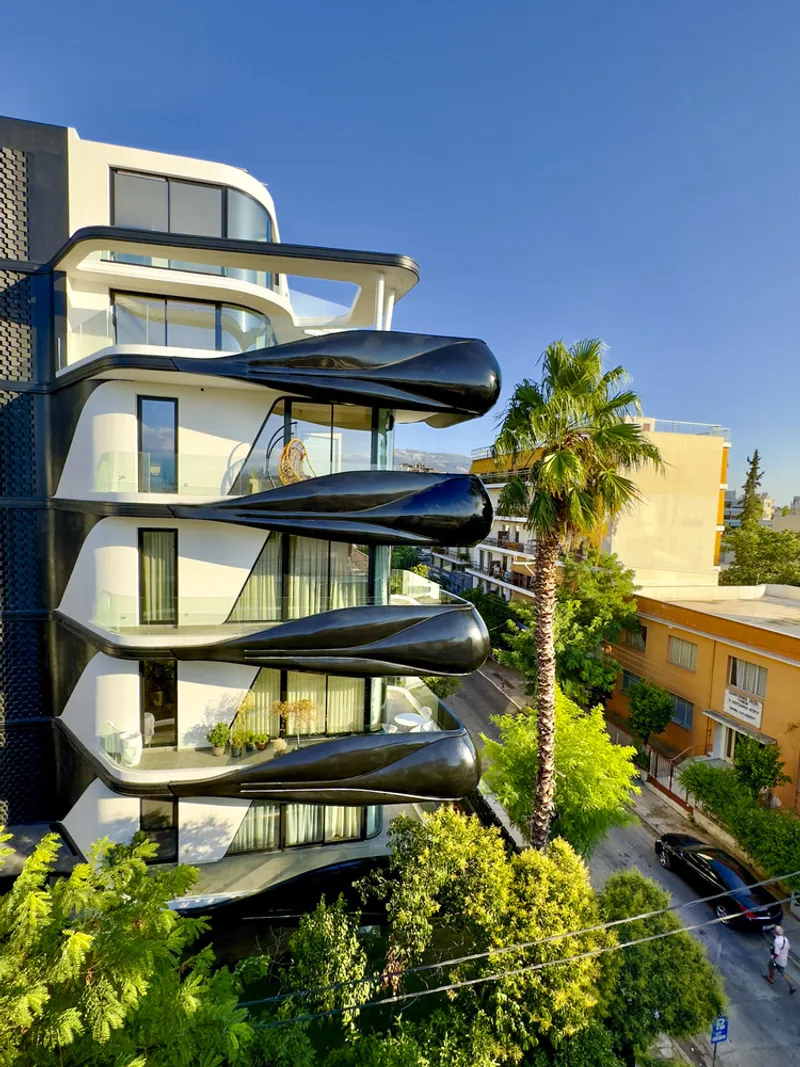
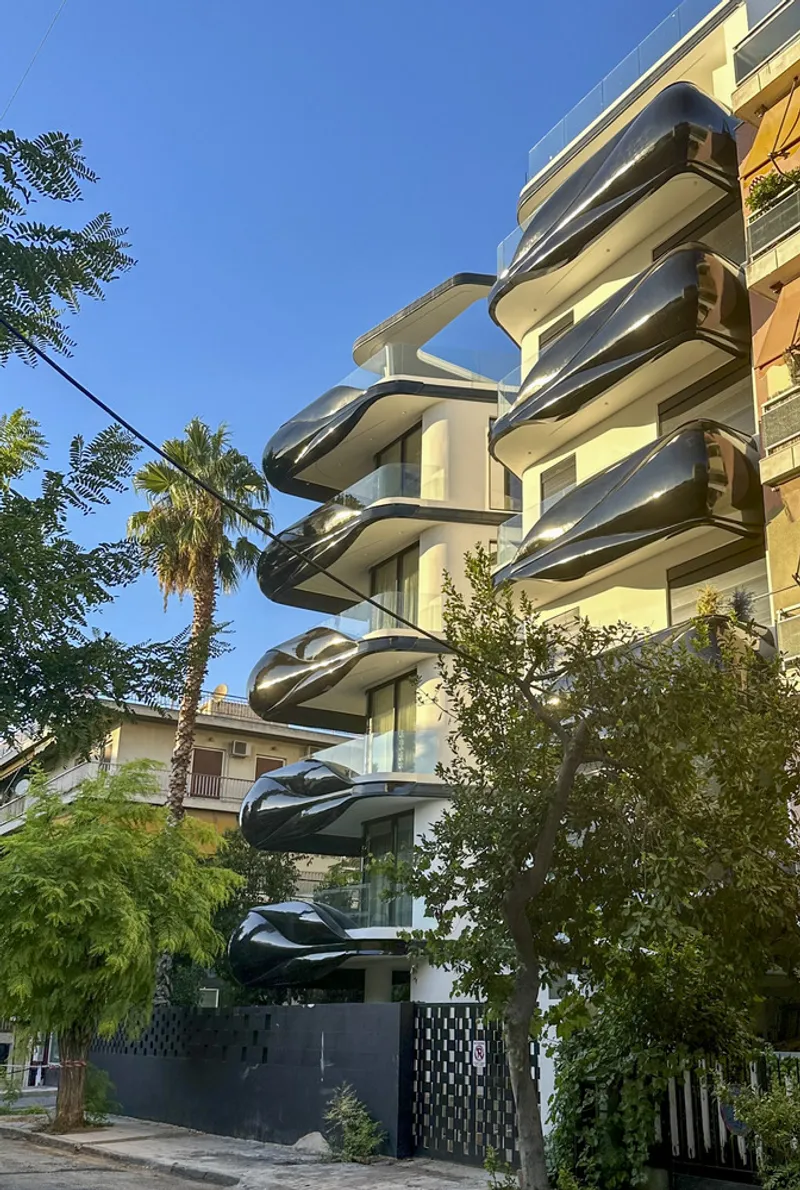
The building’s exterior features fluid, curving lines and dynamic forms that reflect the influence of AI-driven design processes. The overall architectural experience is designed to blur the boundaries between interior and exterior spaces. The building’s protrusions and alcoves create a sense of movement, both within the space and as part of the greater urban landscape. This fluidity, powered by AI design simulations, allows for a more engaging and immersive experience for residents and visitors alike.
Dynamic Views and Interior Interaction
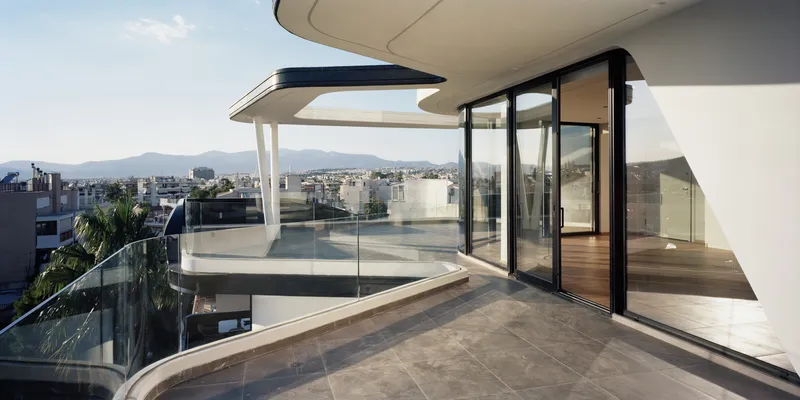
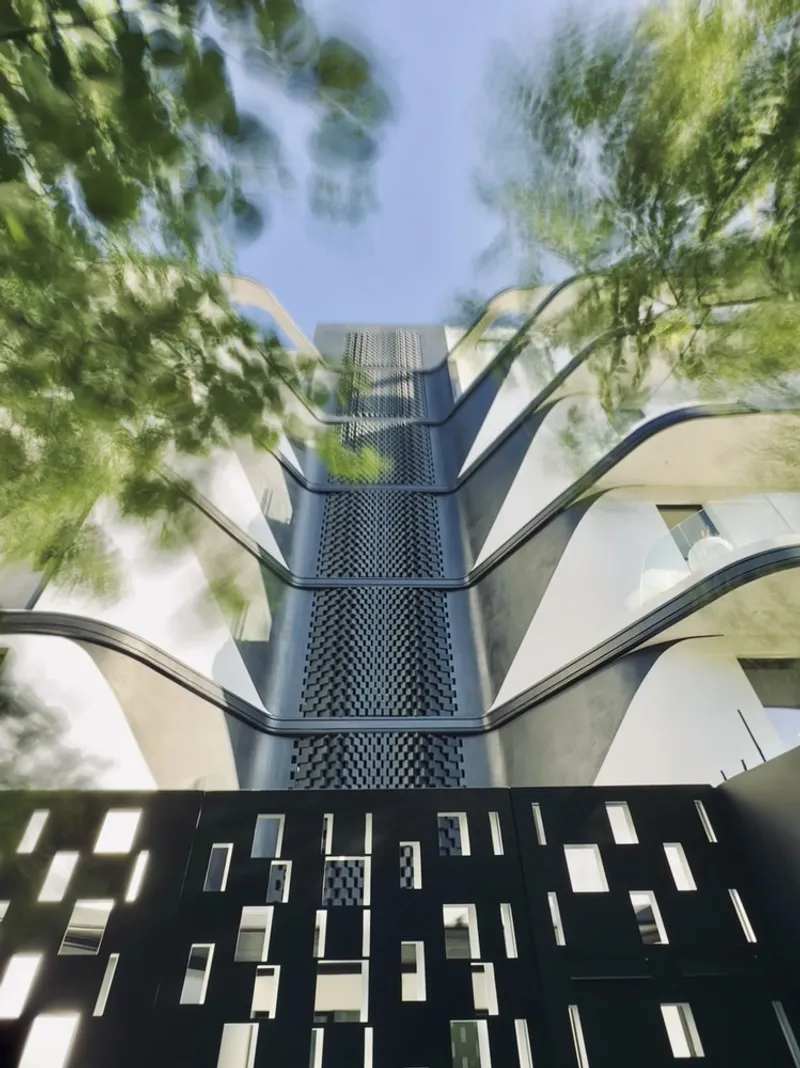
The relationship between the interior of the Butterfly Residential Building and its exterior context is emphasized through carefully planned window placements. As visitors move through the building, they are greeted with ever-changing views of the city and surrounding mountains, framed by the building’s curving facades. This interaction between interior and exterior spaces is a direct result of the AI-driven design process, which prioritized dynamic perspectives and a seamless integration with the urban environment.
Nighttime Illumination
At night, the building transforms, with its glowing lines and geometric forms highlighted by subtle lighting. This nighttime effect adds another layer to the architectural experience, where AI-generated simulations helped define how the building’s geometry should behave under artificial light. This thoughtful approach to illumination not only enhances the aesthetic appeal of the structure but also redefines how AI can influence a building’s performance and presence in the urban landscape.
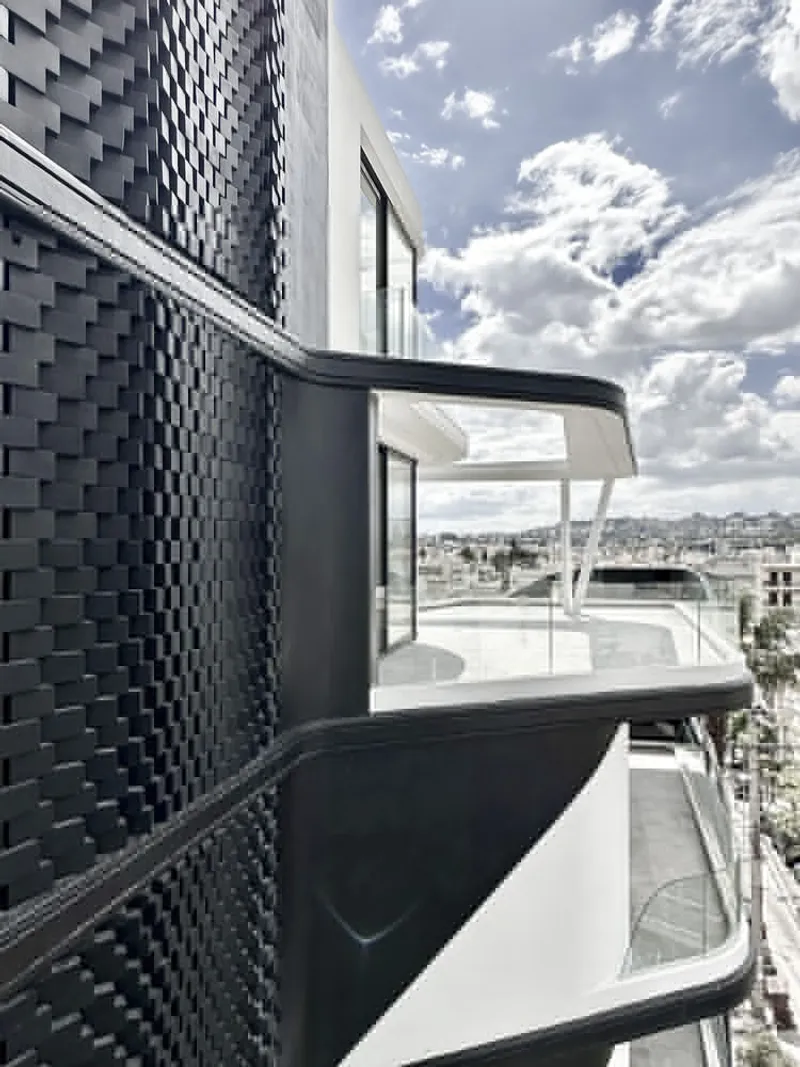
The Future of AI in Architecture
The Butterfly Residential Building represents a significant step forward in the use of AI as a design tool in architecture. As more architects begin to embrace AI technologies, the potential for creating innovative, sustainable, and contextually responsive buildings will only grow. The Butterfly project is part of a larger series of AI-driven designs by architectScripta, including upcoming projects like OnyxFLY, SnakeFLY, and GroundFLY.
These future projects promise to continue exploring the concept of autonomous form—structures driven by internal geometrical rules and formal behaviors that respond to both environmental conditions and human interaction.
The Butterfly Residential Building by architectScripta is a prime example of how AI is transforming architecture from a purely functional discipline to one that is dynamic, expressive, and intellectually engaging. By combining the latest AI techniques with bioclimatic principles and a deep conceptual approach, this building challenges traditional notions of design and offers a glimpse into the future of architecture.
As AI continues to evolve, the potential for it to redefine architectural practices becomes more apparent. ArchitectScripta’s Butterfly Residential Building is not just a physical structure; it is a symbol of the exciting possibilities that lie ahead in the world of AI-driven architecture.
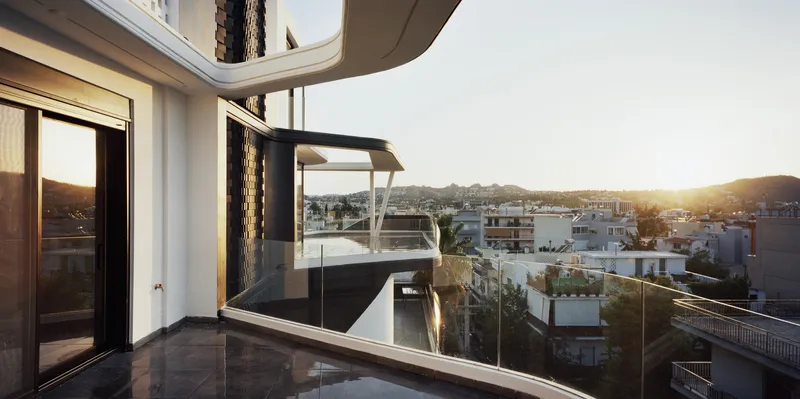
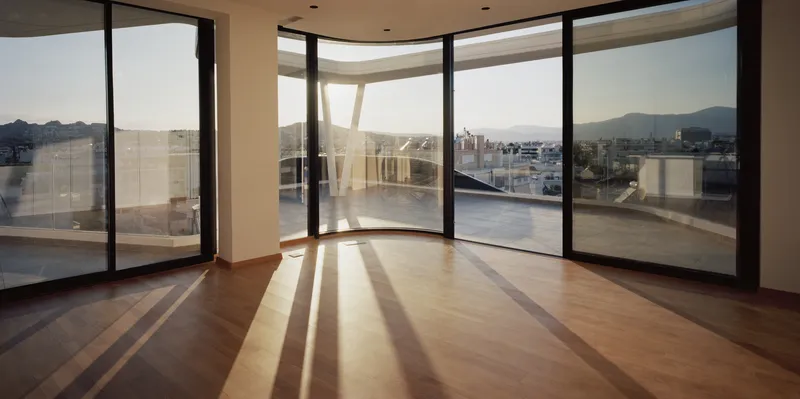
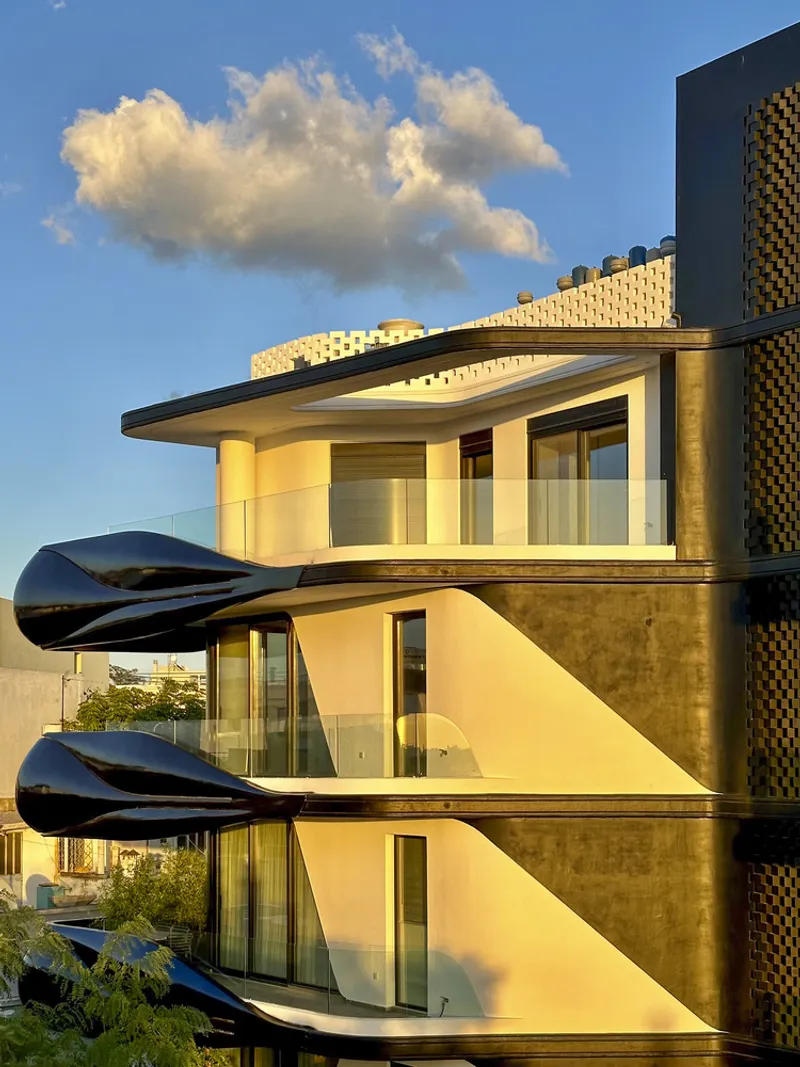
All photographs are work of Erieta Attali


Popular Articles
Popular articles from the community


David Ortega Stacks a Two-Story Mexico City Penthouse Around a Steel Stair and a Pergola-Shaded Roof Terrace
In Colonia Roma, a 300 m² penthouse uses oak joinery, a planted steel stair and a slatted roof pergola to make a new-build apartment feel like a house.

Architekt Andreas Gruber Scatters 23 Dark Timber Chalets Across a South Tyrolean Forest Edge
In Molini di Tures, Amonti Chalets breaks a resort into a hamlet of gabled timber houses, with parking, storage and services pushed into the slope.

U.GA Architects Wraps an Oval Rooftop Pool in Curved Board-Formed Concrete on Busan's Jeollidan-gil
In Busan's Jeonpo-dong, a 454 m² mixed-use block stacks a neighborhood facility, guest rooms and an oval rooftop pool inside spiraling concrete walls.

Juan García Correa, John González and Claudia Rueda Sink a Circular Amphitheater into a Manizales Engineering Building
On the La Nubia campus in Manizales, Colombia, the S1 Building folds labs and offices into a hillside of ramped lawns that double as a campus route.

Similar Reads
You might also enjoy these articles


Hodi-Mandai Geram
Project Function: Preservation and revitalization of the Intangible heritage and socio-spatial identity of the Hodi by Housing, Cultural Memory Center, Sacred Grove, landscape, local tourism economy


Olio Towers: A Mid-Rise for Performers That Fuses Housing, Rehearsal, and Stage
Located blocks from Houston's Theater District, this modular tower stacks living units around a central performance atrium.

Oasis: Modular Green Housing Carved into Dhaka's Urban Fabric
A shortlisted Plugin Housing entry reclaims unauthorized settlements in Dhaka with stepped concrete volumes, green roofs, and ventilation-driven design.

Black Hole: A Floating Megastructure for the Post-Physical Era
Emiliano Mazzarotto envisions a spherical, self-scaling arena where e-sports, digital hotels, and holographic stadiums replace traditional public space.

Explore Architecture Competitions
Discover active competitions in this discipline

Challenge to design mud housing for contemporary communities

Challenge to reimagine the Iron Throne

Photograph architecture without architects

Illustrate the lost glory of Angkor Wat - Render Challenge
Comments (0)
Please login or sign up to add comments
No comments yet. Be the first to comment!