

Air Ger: A Contemporary Inflatable Mongolian Yurt by Ger Atelier
Air Ger is a portable, inflatable yurt blending nomadic tradition with modern materials for resilient, eco-friendly, and mobile living.


Reviving Nomadic Traditions with Inflatable Innovation
The Air Ger by Ger Atelier is a radical reinterpretation of the traditional Mongolian yurt—transforming a centuries-old nomadic structure into a contemporary, inflatable, portable shelter. Drawing inspiration from the cultural resilience of the felt tent, this modern design pays homage to the mobile homes that have shaped life on the grasslands for generations.
Traditional yurts, built to withstand harsh climates and move in tune with seasonal pastures, embody adaptability, simplicity, and a deep connection to nature. Air Ger preserves this legacy while introducing high-performance materials and rapid deployment techniques suited for modern lifestyles and urgent needs.


Multifunctional Design for Modern Nomadism
Air Ger serves a range of contemporary uses, from seasonal nomadic housing to temporary installations for festivals, sporting events, markets, and even emergency shelters. Lightweight and compact, it offers a resilient solution for outdoor life, eco-tourism, and climate-responsive mobility.
The structure inflates in just 10 minutes and deflates in 15, with its volume reducing from 34.34m³ to just 0.8m³, making it easily transportable in a car trunk. The design is customizable in size (3–10 meters in diameter), and a 4-meter version weighs just 45 kg, reflecting a seamless blend of portability and structural integrity.


Architectural Form and Material Innovation
In form, Air Ger stays true to the archetypal circular plan of traditional yurts while introducing a "fairy column" shape and transparent starry skylight. The PVC double airbag walls not only provide thermal insulation and moisture resistance but also glow at night, aiding navigation in vast grassland terrains.
Two advanced hot-pressing techniques—pointing type and line type—define the yurt’s outer membrane. These technologies ensure strength and durability while maintaining visual elegance and cultural reference.


Resilient Against Nature’s Forces
Designed for extreme environments, the inflatable yurt adapts better than its historical counterpart in facing natural disasters:
- Wind: The aerodynamic circular shape and low center of gravity reduce wind pressure, while flexible materials absorb gusts.
- Snow: Smooth surfaces prevent snow accumulation, and movable covers aid in quick cleaning.
- Flood: Buoyant airbag walls offer water resilience far superior to felt systems.
- Temperature: Double-walled insulation stabilizes indoor comfort in variable climates.


Mobility for the 21st Century
Whereas traditional yurts were transported by animals and required laborious assembly of wood frames and felt coverings, Air Ger modernizes mobility. Powered by a portable air pump and mobile energy source, it operates independently of traditional infrastructure, promoting self-sufficiency in remote or off-grid locations.

Soft, Sensory Architecture
More than a shelter, Air Ger creates a tactile, responsive spatial experience. It breathes with its environment—expanding, contracting, and even “vibrating” subtly with changes in air pressure and temperature. Its softness contrasts with the severity of nature, providing a sense of peace, security, and intimate connection to place.
This is architecture that flows, moves with water and grass, and selects its location not with rigidity but with grace.

Project Significance
The Air Ger redefines what temporary housing can be: culturally rooted, technologically advanced, and deeply human. It stands as a bridge between ancestral wisdom and contemporary design, offering a poetic and practical solution for the mobile lifestyles of today and tomorrow.


Popular Articles
Popular articles from the community

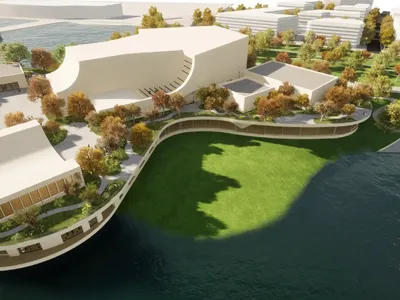
The Amber Palace Opera: A Geological Fiction Surfaces on Tallinn's Baltic Waterfront
Pierre Brillard reimagines a Baltic legend as a public landscape, opera house, and waterfront promenade rooted in Tallinn's coastal identity.
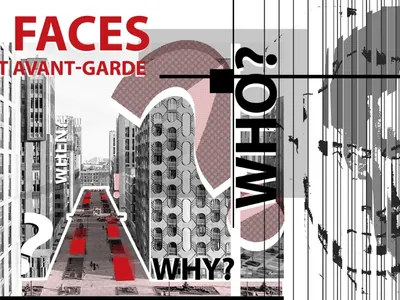
Faces of the Soviet Avant-Garde: Turning Moscow's Street Names into an Open-Air Museum
A network of sculptural installations across a Moscow residential district transforms forgotten architect names into spatial encounters with cultural memor
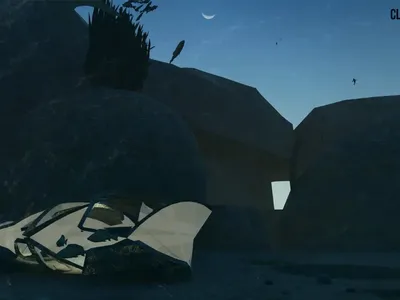
Cloaked Colonization: A Mobile Underwater Habitat That Moves Like a Fish
Micah Abaya's shortlisted EHC Pacific entry reimagines ocean settlement as a dispersed network of self-sustaining architectural organisms.
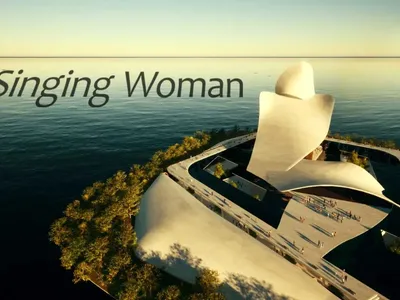
Singing Woman: An Opera House That Performs Before the Curtain Rises
Ovidiu Cristian Pavel's conceptual opera house translates Estonia's choral identity into a sculpted waterfront landmark facing the Baltic Sea.

Similar Reads
You might also enjoy these articles

Hodi-Mandai Geram
Project Function: Preservation and revitalization of the Intangible heritage and socio-spatial identity of the Hodi by Housing, Cultural Memory Center, Sacred Grove, landscape, local tourism economy

Olio Towers: A Mid-Rise for Performers That Fuses Housing, Rehearsal, and Stage
Located blocks from Houston's Theater District, this modular tower stacks living units around a central performance atrium.
Oasis: Modular Green Housing Carved into Dhaka's Urban Fabric
A shortlisted Plugin Housing entry reclaims unauthorized settlements in Dhaka with stepped concrete volumes, green roofs, and ventilation-driven design.

Black Hole: A Floating Megastructure for the Post-Physical Era
Emiliano Mazzarotto envisions a spherical, self-scaling arena where e-sports, digital hotels, and holographic stadiums replace traditional public space.

Explore Digital Nomad Housing Competitions
Discover active competitions in this discipline

Challenge to design a portable theatre

Challenge to design a portable music platform

Challenge to design an open learning module for the elderly

Challenge to reimagine the Iron Throne
Comments (0)
Please login or sign up to add comments
No comments yet. Be the first to comment!