

AKQA Venice by zaa zanonarchitettiassociati
AKQA Venice by zaa zanonarchitettiassociati is a flexible concrete-and-glass pavilion blending nature, technology, and collaborative workspace design in Italy.


A Flexible Pavilion Blending Architecture, Light, and Technology in the Venetian Countryside
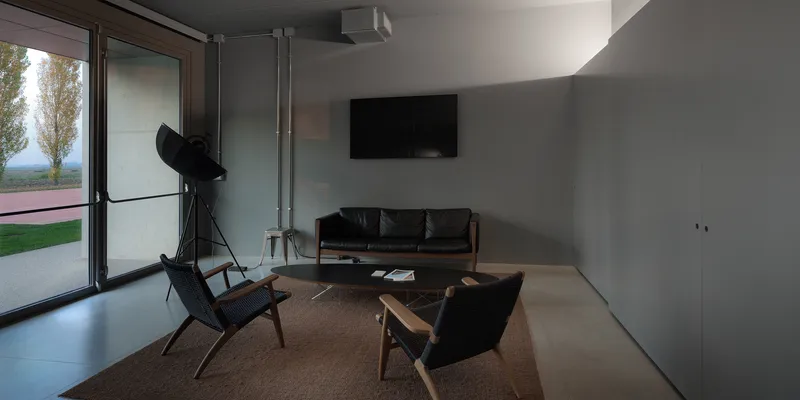
A Contemporary Workspace Rooted in Context
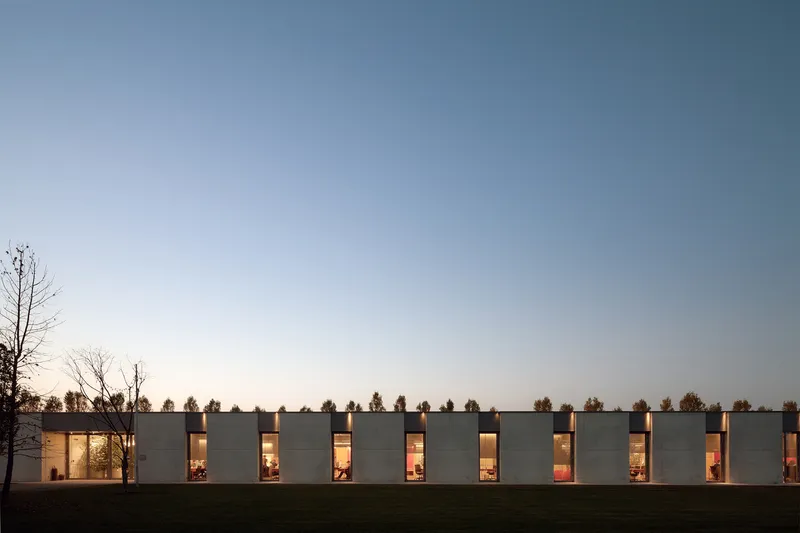
Designed by zaa zanonarchitettiassociati, the AKQA Venice offices reinterpret the industrial typology through a refined architectural language that balances material honesty, technological precision, and human-centered design. The project stands on a site once occupied by a livestock building, maintaining the elongated footprint to create a single-level pavilion that opens to the natural surroundings of the Venetian countryside.
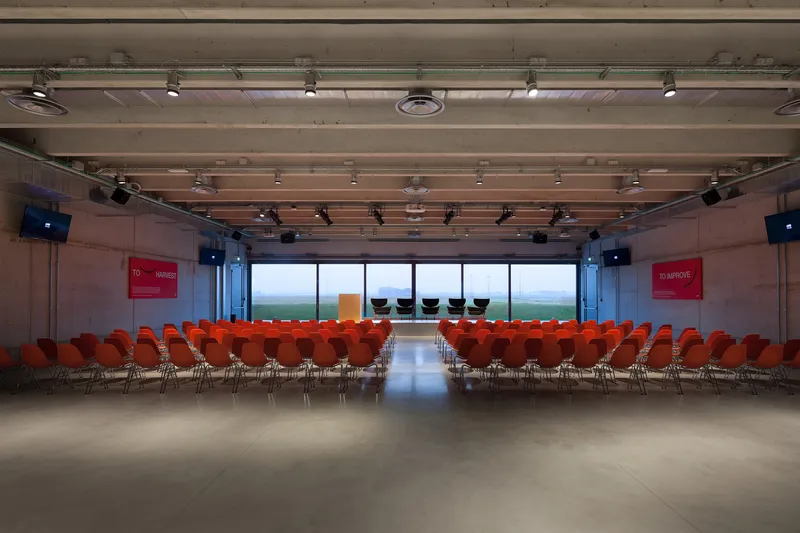
The structure’s spatial fluidity and visual permeability express AKQA’s philosophy of innovation, creativity, and collaboration. The pavilion culminates in a large, north-facing conference hall that fully embraces the landscape, creating an immersive environment where architecture, light, and nature intersect.

Material Integrity and Environmental Performance
The building’s design emphasizes clarity of structure and efficiency of material. The east and west façades are defined by alternating concrete walls and full-height glass partitions, while the north and south façades are fully glazed to maximize daylight and frame panoramic views.
A unique reinforced fair-face concrete system integrates high-performance thermal insulation within a single casting process, enhancing both energy efficiency and construction precision. This innovative system allows the building to achieve thermal comfort, acoustic control, and visual transparency, aligning with sustainable design principles.
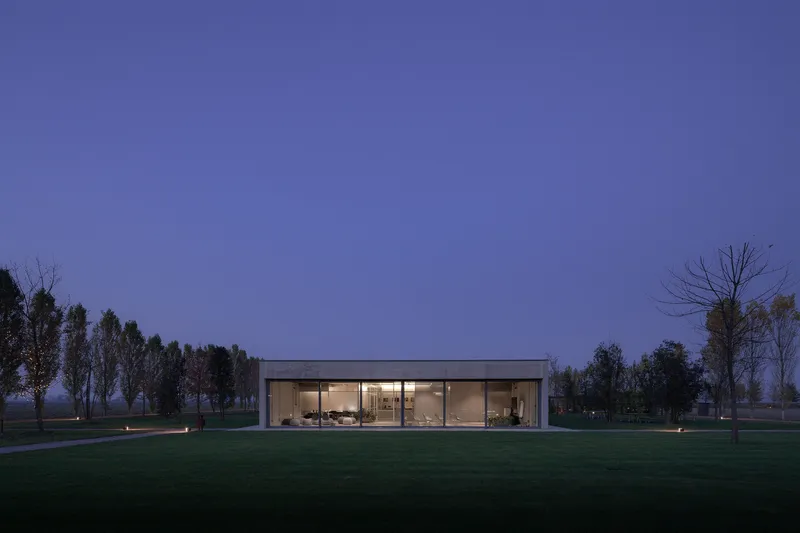
Window systems such as FerroFinestra W40 by OTTOSTUMM | MOGS complement the architectural aesthetic, combining industrial detailing with contemporary minimalism. The result is a façade that performs technically while maintaining a timeless visual identity.
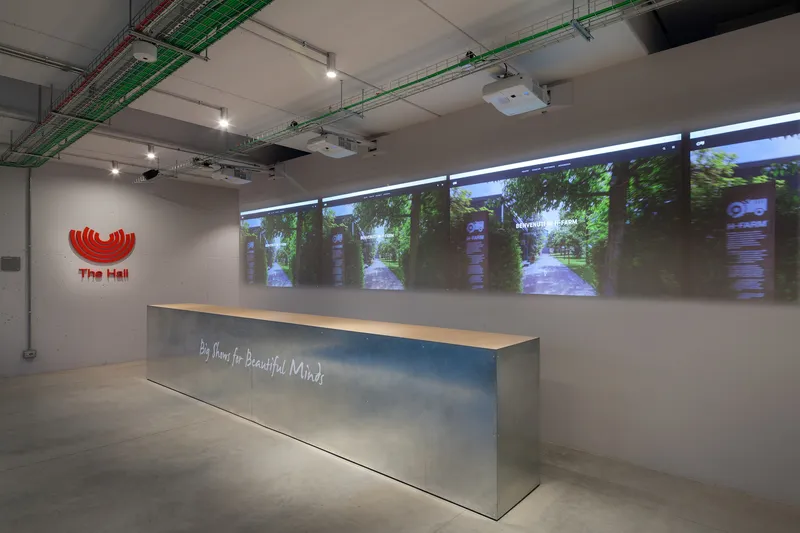
Interior Architecture for a New Work Culture
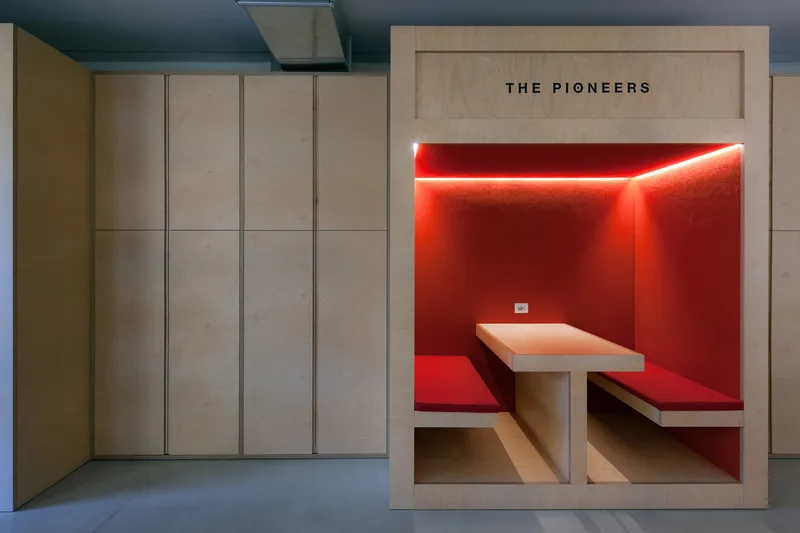
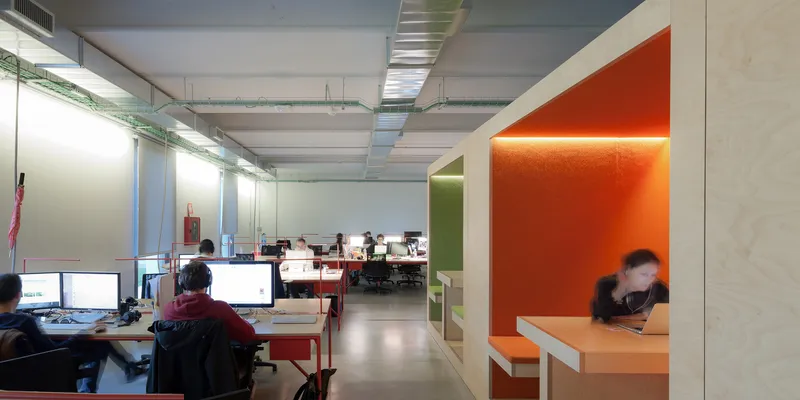
Inside, the architecture reflects the evolving nature of the workplace. Custom-designed partitions and modular furniture systems create flexible work zones that can adapt to different scales and functions — from collaborative meeting spaces to focused individual areas.
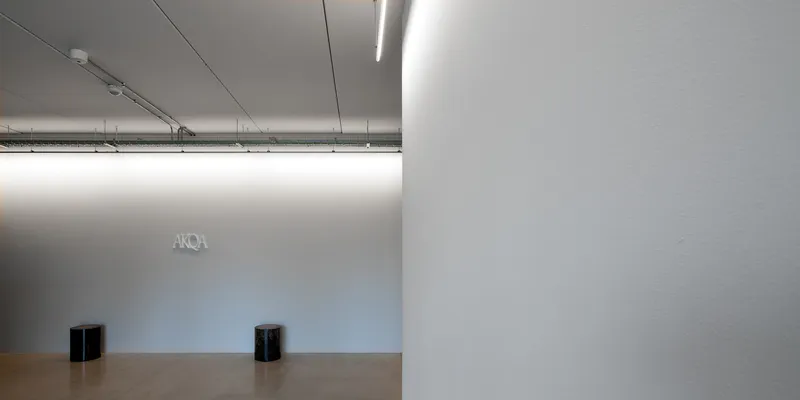
This dynamic interior environment rejects the rigidity of traditional office layouts. Instead, it promotes fluid movement, interaction, and creativity, supporting AKQA’s collaborative ethos. The material palette—light concrete, wood, glass, and neutral tones—fosters calmness and clarity, while natural light enhances the sense of openness throughout the interior.
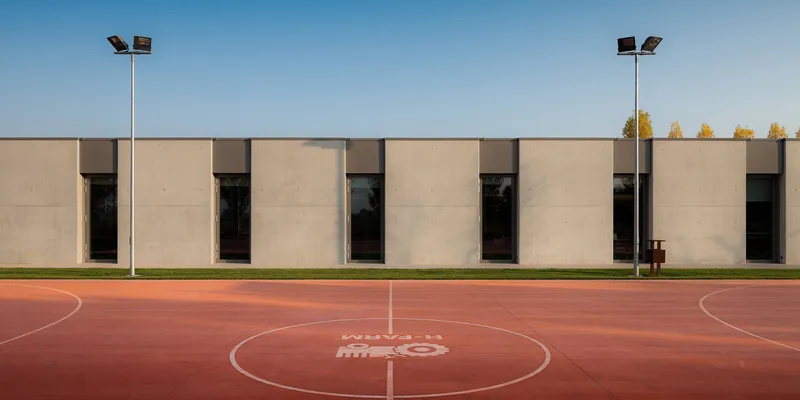
The project embodies the idea that architecture is a flexible container—a space capable of accommodating technological change and new ways of working. Every design element, from the glazing details to the spatial sequencing, reinforces a sense of connectivity between people, place, and process.

A Dialogue Between Nature, Industry, and Innovation
AKQA Venice transcends its role as a corporate office to become a landscape pavilion—a seamless integration of architecture and environment. By balancing concrete solidity with glass transparency, zaa zanonarchitettiassociati has crafted a workplace that is both grounded in context and open to transformation.
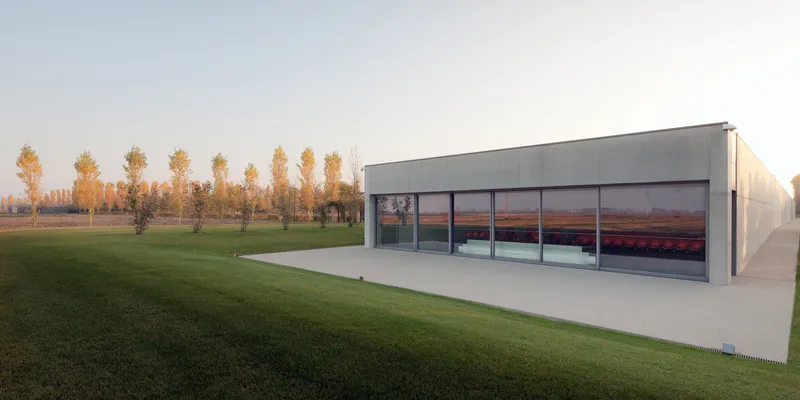
This project stands as a model of adaptive workplace architecture, merging industrial craftsmanship with sustainability and technological intelligence. It reflects how contemporary offices can serve as catalysts for creativity while remaining deeply attuned to their surroundings.


Popular Articles
Popular articles from the community


Jaramillo Van Sluys Arquitectura and Urbanismo Turn a Demolished Registry Lot in Quito into an Orchard Plaza
In Quito's Centro Histórico, a 2,800 m² plaza exposes the San Agustín convent wall and redraws its lost Augustinian orchard in volcanic stone.

U.GA Architects Wraps an Oval Rooftop Pool in Curved Board-Formed Concrete on Busan's Jeollidan-gil
In Busan's Jeonpo-dong, a 454 m² mixed-use block stacks a neighborhood facility, guest rooms and an oval rooftop pool inside spiraling concrete walls.

David Ortega Stacks a Two-Story Mexico City Penthouse Around a Steel Stair and a Pergola-Shaded Roof Terrace
In Colonia Roma, a 300 m² penthouse uses oak joinery, a planted steel stair and a slatted roof pergola to make a new-build apartment feel like a house.

Juan García Correa, John González and Claudia Rueda Sink a Circular Amphitheater into a Manizales Engineering Building
On the La Nubia campus in Manizales, Colombia, the S1 Building folds labs and offices into a hillside of ramped lawns that double as a campus route.

Similar Reads
You might also enjoy these articles


Hodi-Mandai Geram
Project Function: Preservation and revitalization of the Intangible heritage and socio-spatial identity of the Hodi by Housing, Cultural Memory Center, Sacred Grove, landscape, local tourism economy


Olio Towers: A Mid-Rise for Performers That Fuses Housing, Rehearsal, and Stage
Located blocks from Houston's Theater District, this modular tower stacks living units around a central performance atrium.

Oasis: Modular Green Housing Carved into Dhaka's Urban Fabric
A shortlisted Plugin Housing entry reclaims unauthorized settlements in Dhaka with stepped concrete volumes, green roofs, and ventilation-driven design.

Black Hole: A Floating Megastructure for the Post-Physical Era
Emiliano Mazzarotto envisions a spherical, self-scaling arena where e-sports, digital hotels, and holographic stadiums replace traditional public space.

Explore Archviz Competitions
Discover active competitions in this discipline

Challenge to reimagine the Iron Throne

Photograph architecture without architects

Illustrate the lost glory of Angkor Wat - Render Challenge

Design challenge to reuse E-waste
Comments (0)
Please login or sign up to add comments
No comments yet. Be the first to comment!