
Alpine Farmhouse Renovation: House for Lisa and Bert by Alpina Architects
A contemporary renovation of a traditional Alpine farmhouse blending heritage, sustainability, and panoramic living within Italy’s mountainous Vipiteno region.

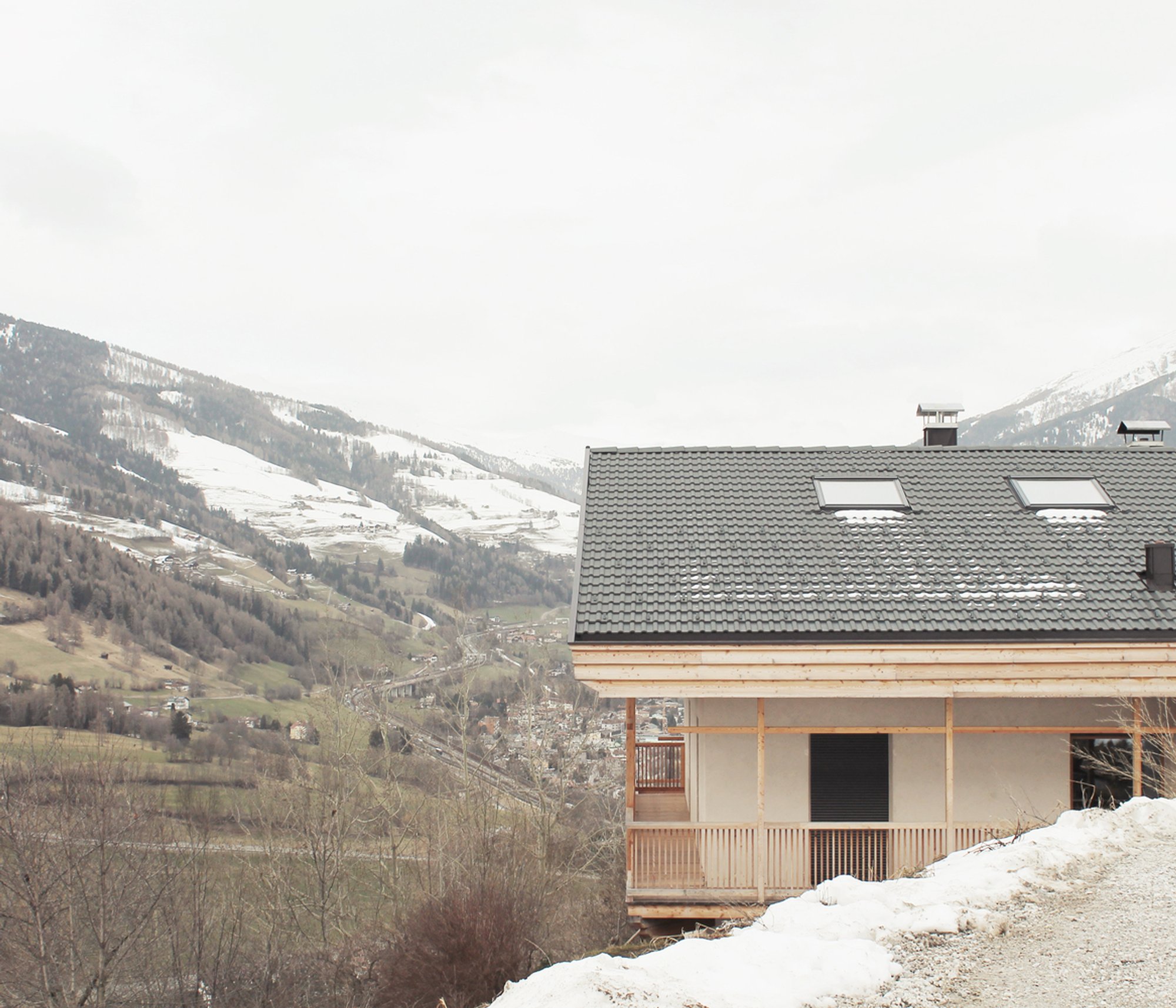
High in the mountains above Vipiteno, Italy, the House for Lisa and Bert by Alpina Architects is a contemporary Alpine farmhouse renovation that celebrates tradition while embracing a modern lifestyle. This sensitive architectural transformation preserves the spirit of the original farmhouse, adapting it into a dual-residence structure that honors the surrounding Alpine landscape and rural typologies.
Context and Heritage: Building in the Alpine Landscape
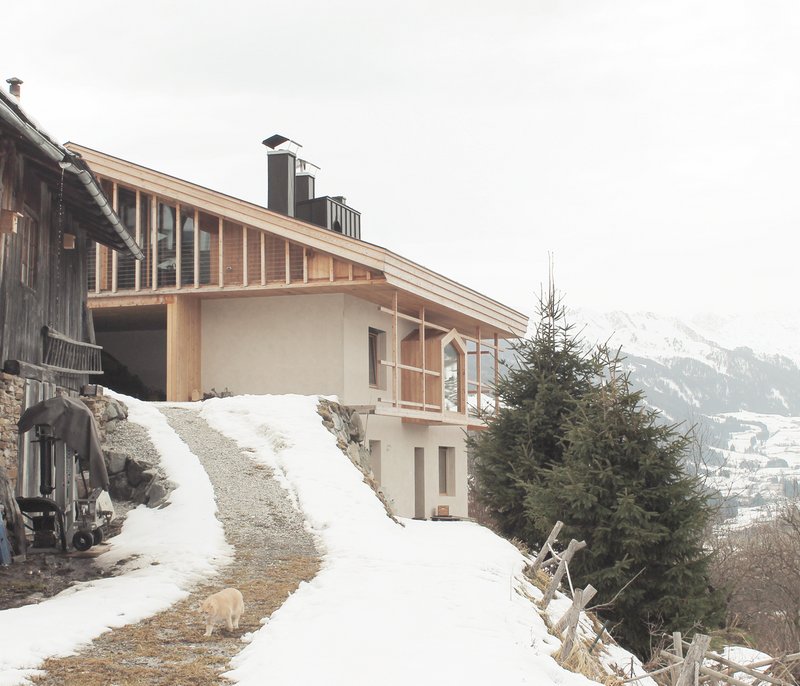
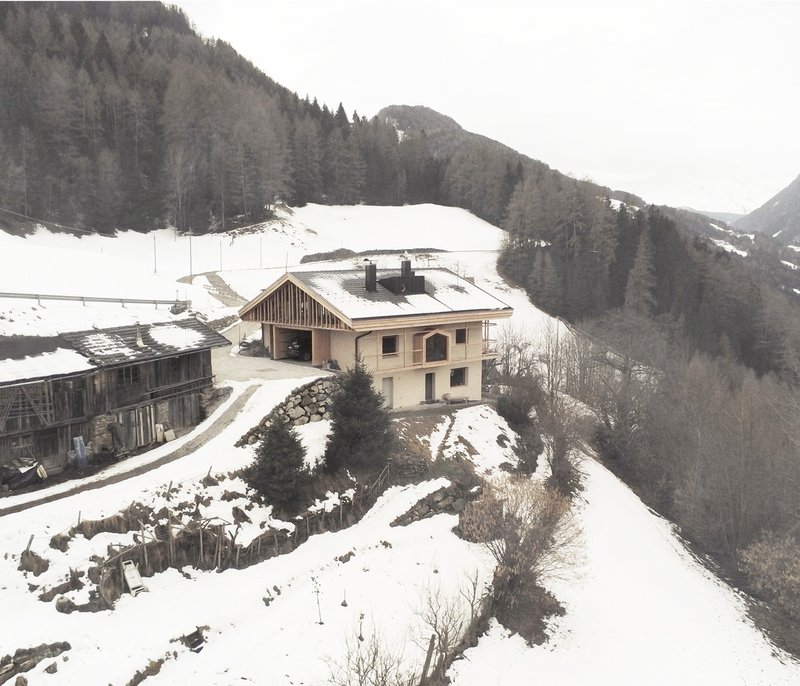
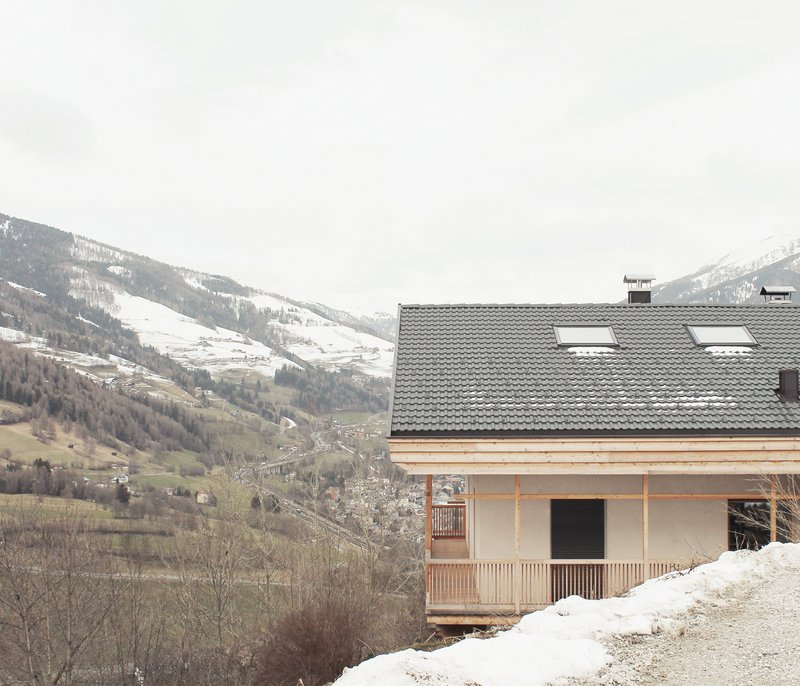
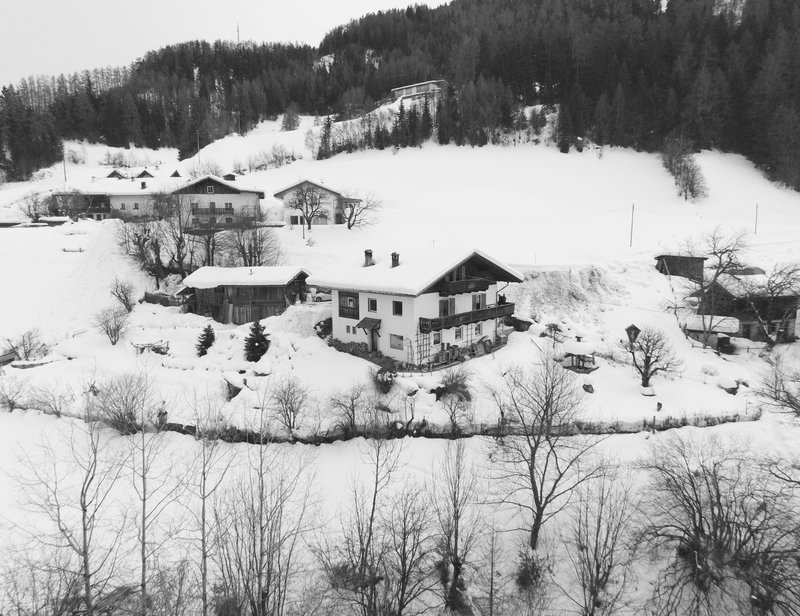
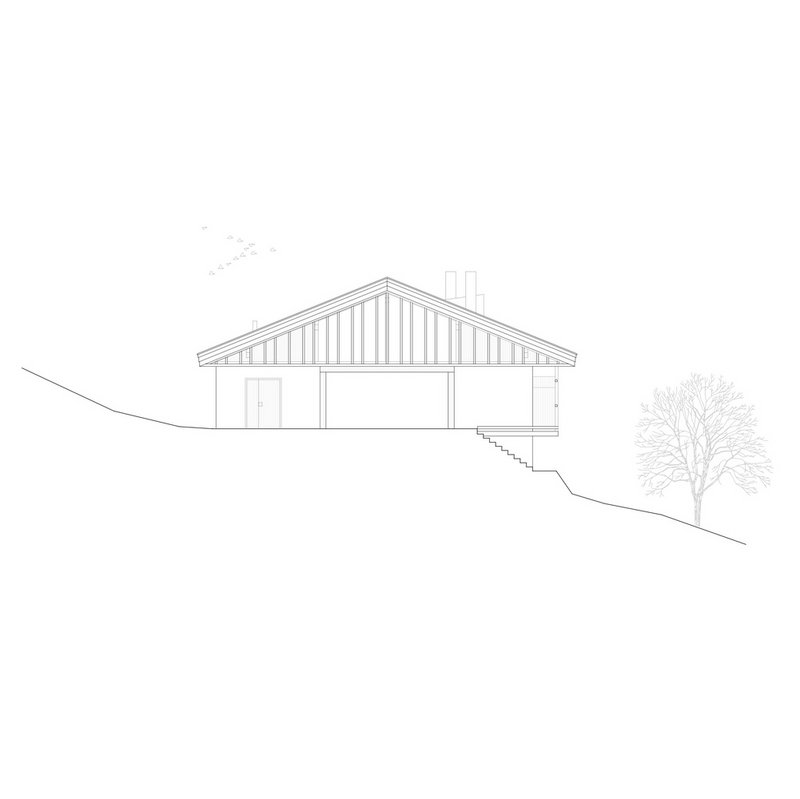
Located in Racines, overlooking the town of Vipiteno, the house sits in a region defined by a long history of resourceful and adaptive architecture. The original building is a traditional Alpine farmhouse with thick stone walls and a double-pitched timber roof, built to withstand harsh winters and seasonal cycles. The design preserves this foundational character, retaining the historic layout and typology of the structure while introducing new functions that reflect contemporary living needs.
Reimagining Domestic Life in the Mountains
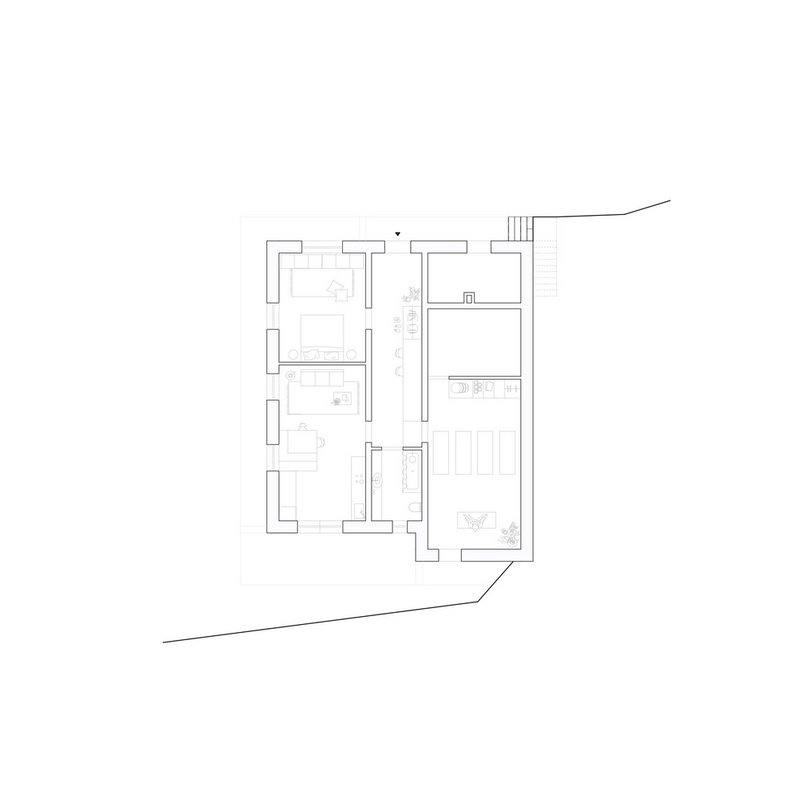
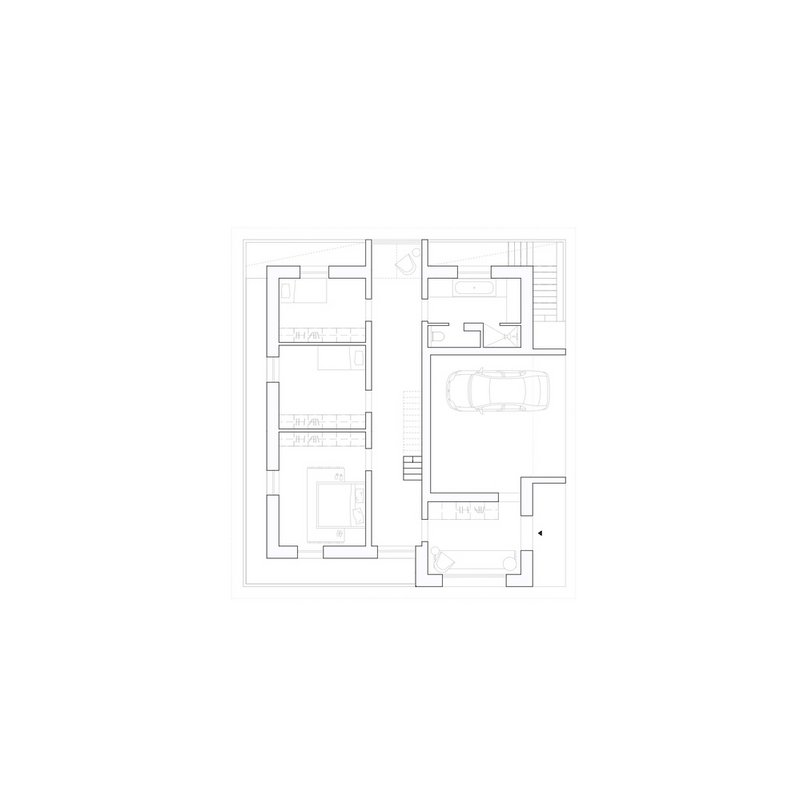
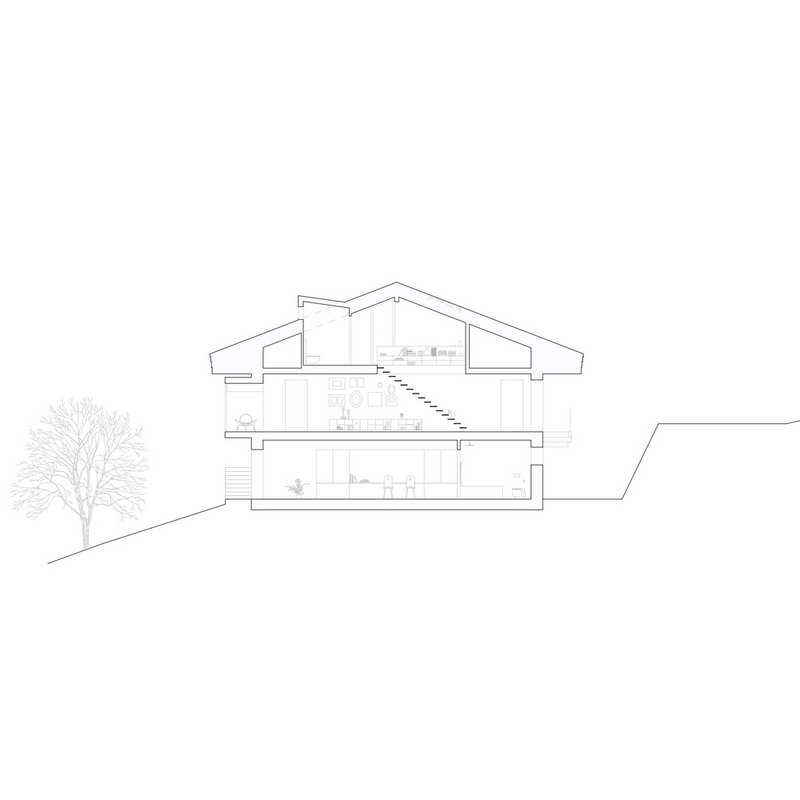
Lisa and Bert, a young couple with a vision of rooted yet flexible living, imagined a home where tradition and openness coexist. The renovation transforms the original building into two separate units: a holiday apartment on the lower floor and a primary residence extending from the ground floor into the attic. This inversion of traditional spatial hierarchy—placing the main living space in the attic—unlocks the full potential of light, views, and openness.
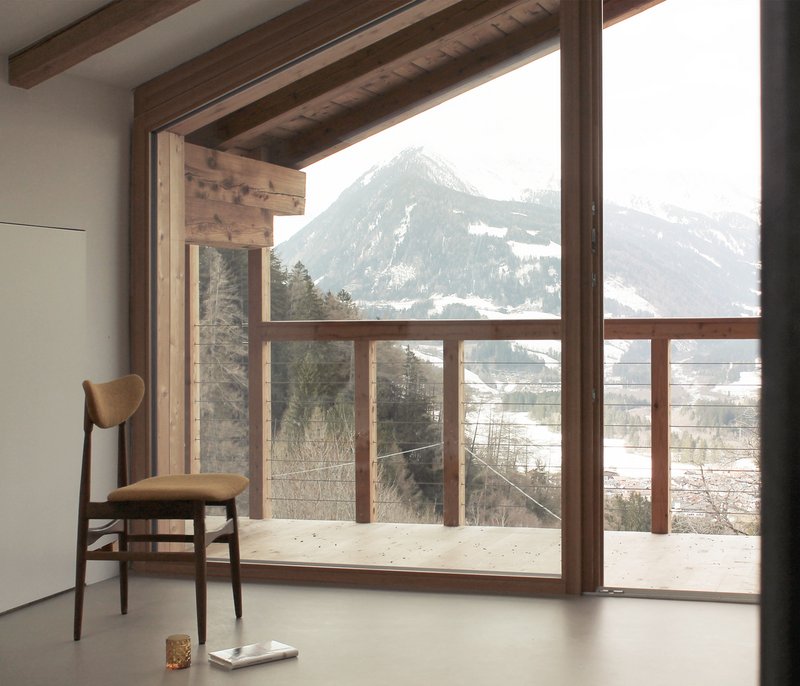
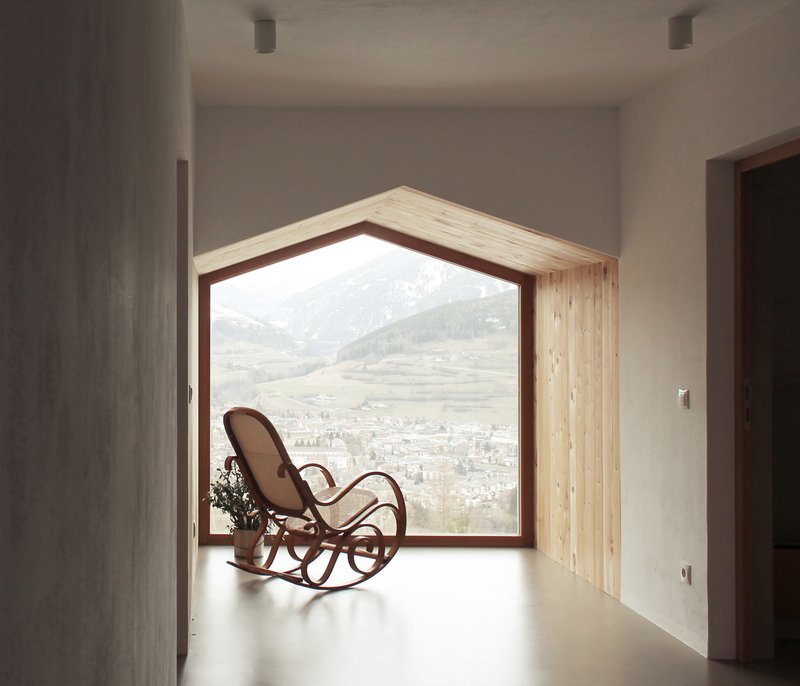
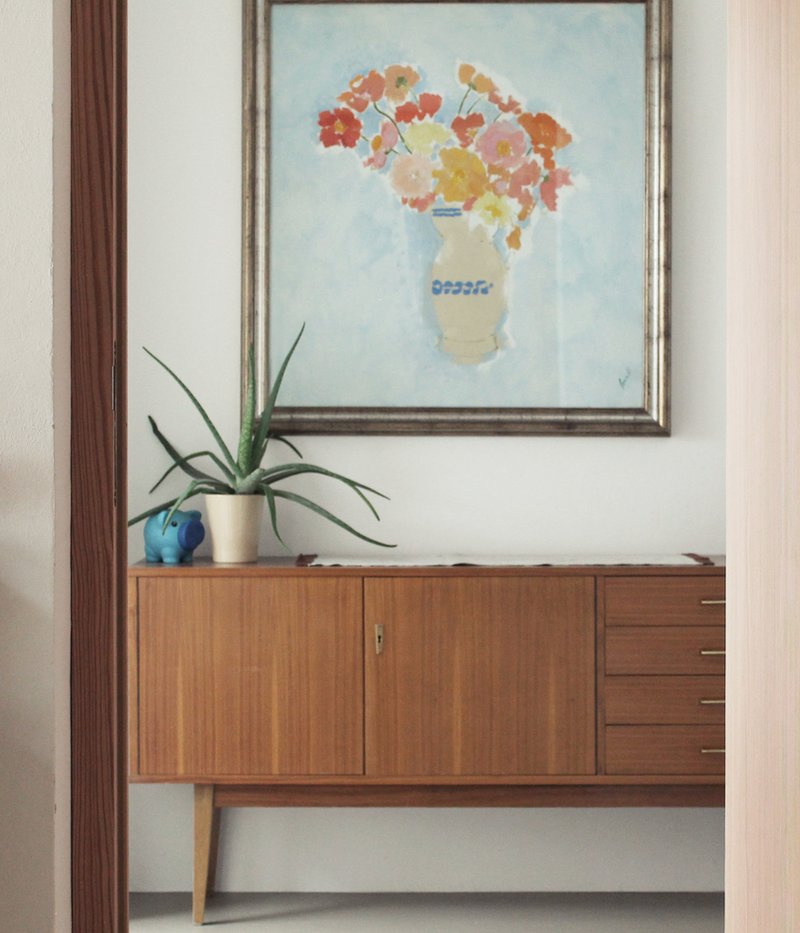
The top floor becomes the heart of the home, reconfigured into an expansive living area with panoramic views of the mountains. Below, bedrooms are tucked into more intimate, sheltered zones on the ground floor. The old hayloft, once a utilitarian part of the farmhouse, is now repurposed as a transitional space featuring covered parking and a generous new entryway that anchors the house within the site.
Architectural Strategy and Spatial Composition
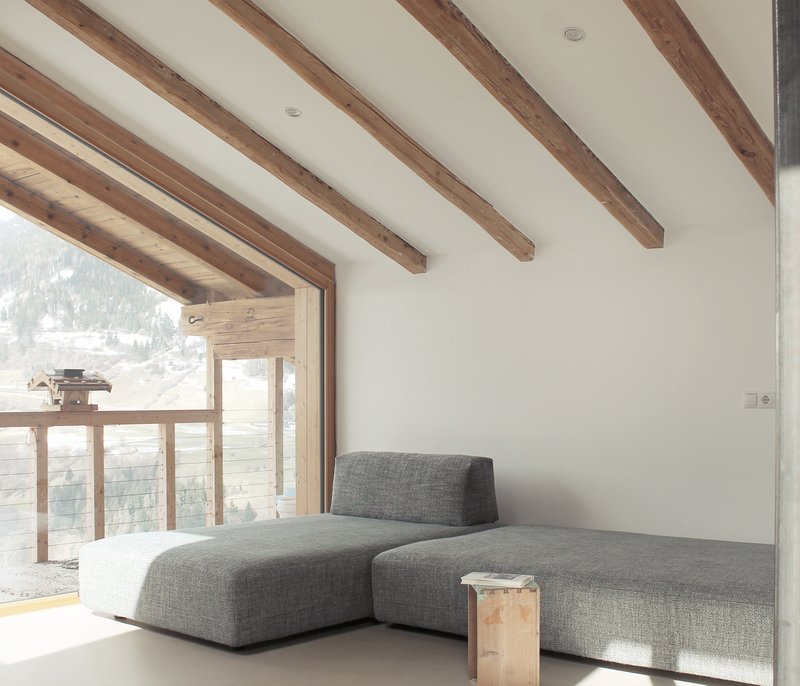
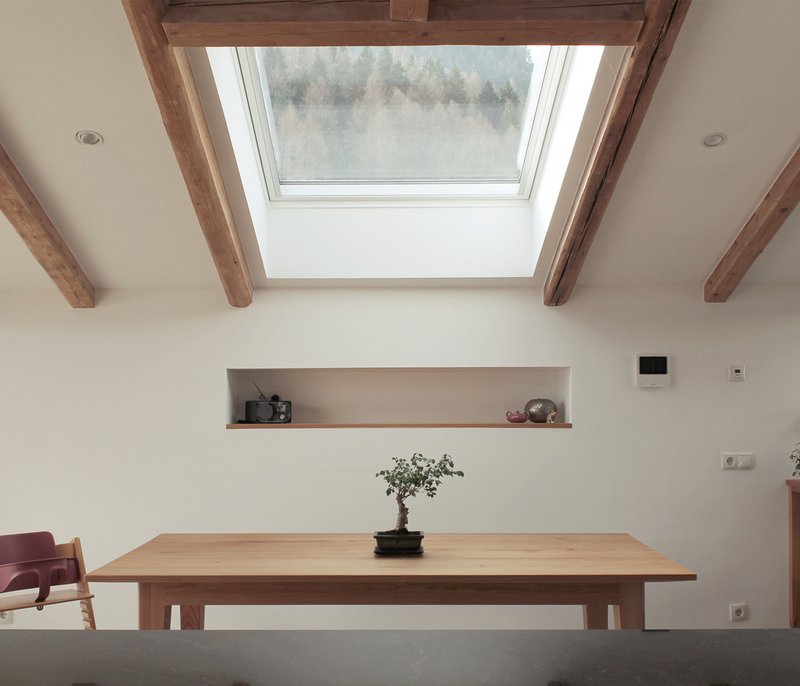
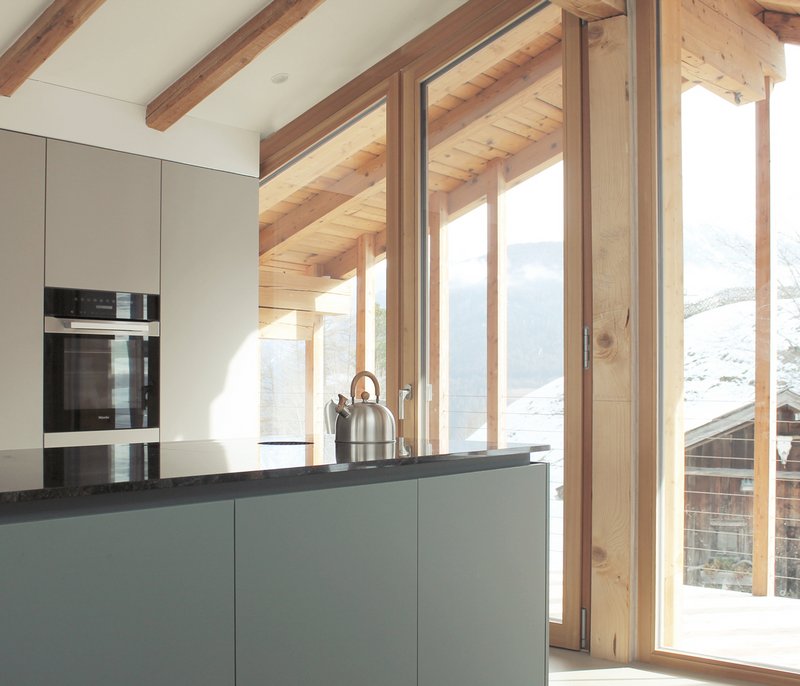
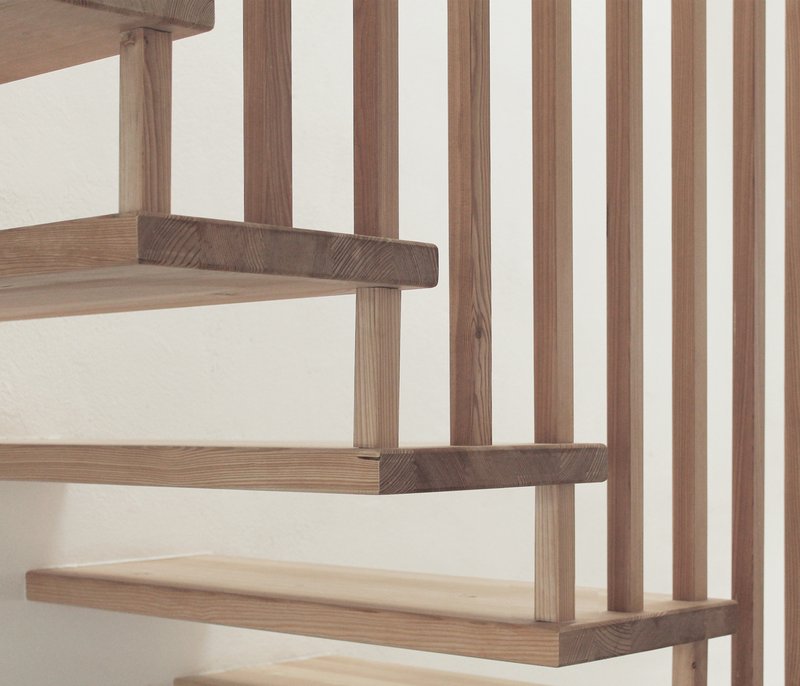
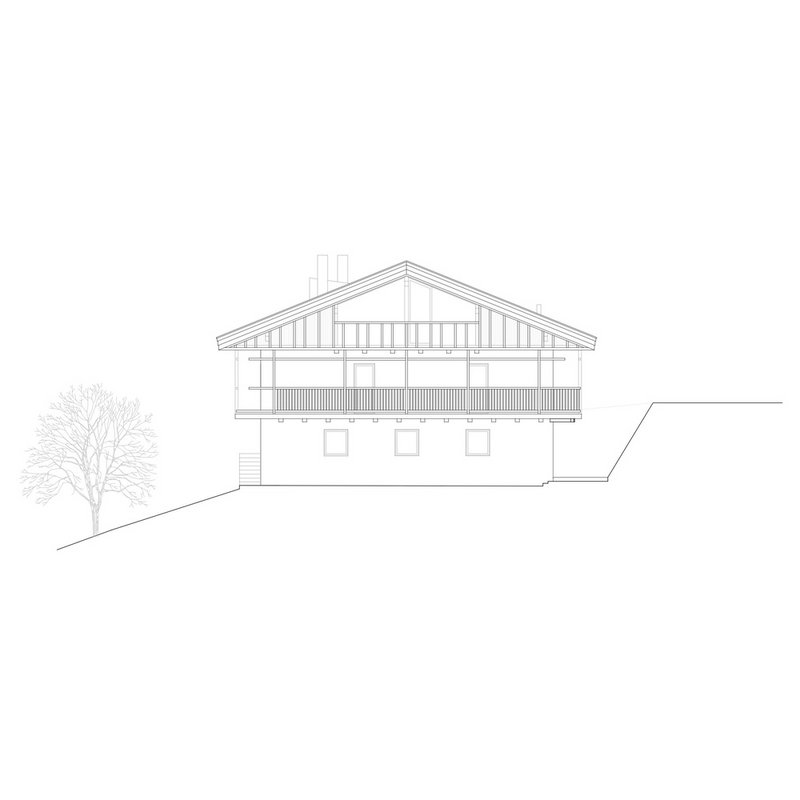
The design strategy is rooted in the reinterpretation of typology. The farmhouse’s core structural elements are preserved and honored, while interior spaces are reorganized to suit modern life. A light timber staircase leads to the attic level, where the kitchen and living room unfold beneath exposed beams that establish a rhythm and expand the vertical sense of space. Fully glazed gables and strategically placed skylights introduce natural light from multiple angles, creating a soft but vibrant atmosphere throughout the day.
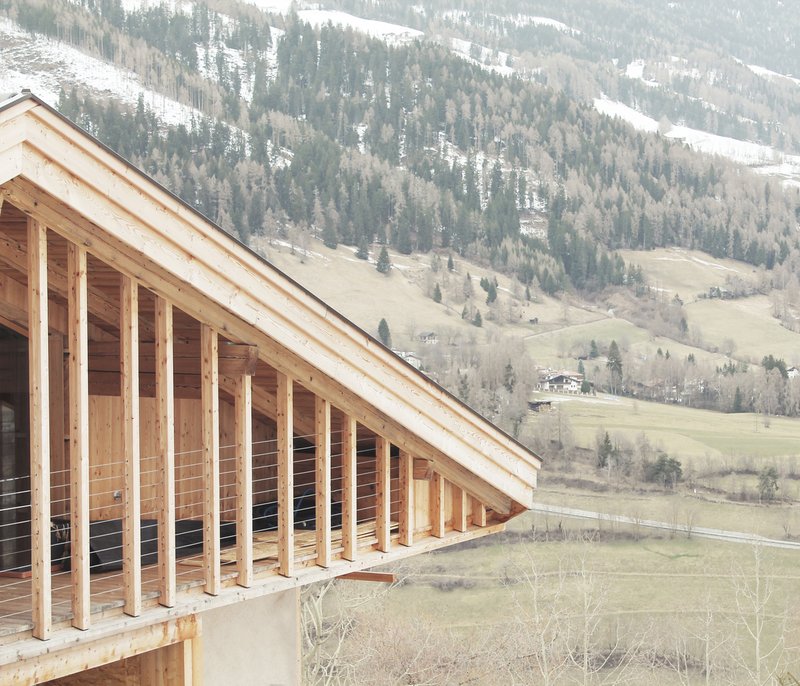
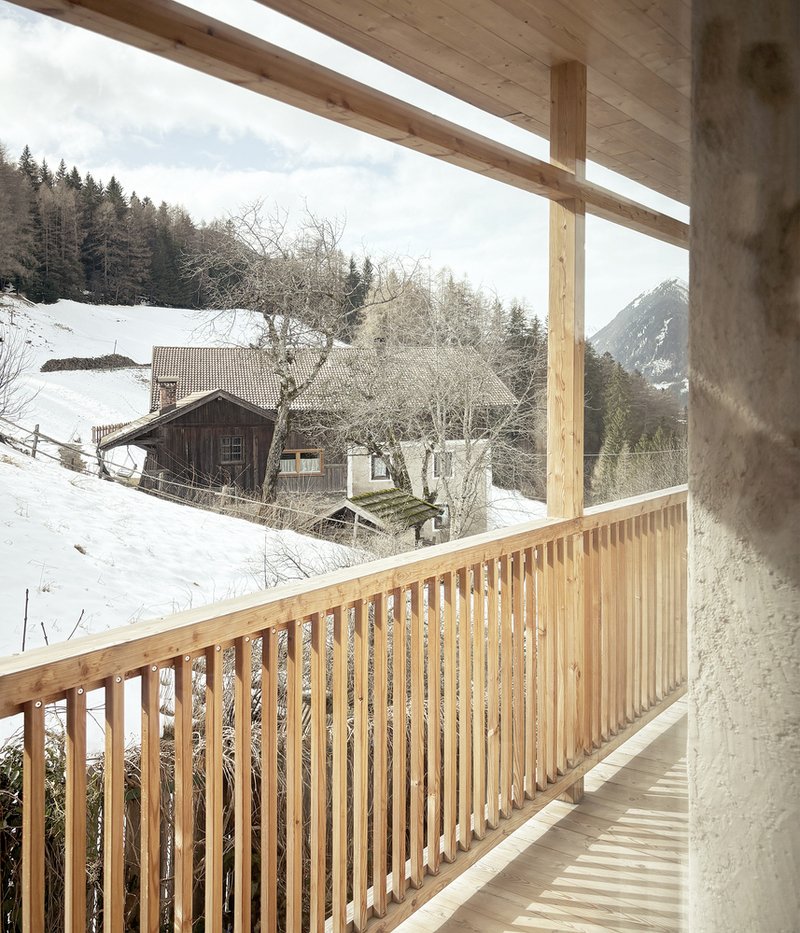
Two opposing loggias open the house to the east and west, each framing dramatic views of the Alpine peaks. These sheltered outdoor rooms, together with slender steel balcony railings, create an intimate interface between indoor living and the majestic exterior landscape. A unique Leseerker, or reading alcove, on the first floor offers a contemplative retreat, suspended above the valley and surrounded by light.
Materiality and Sustainable Construction
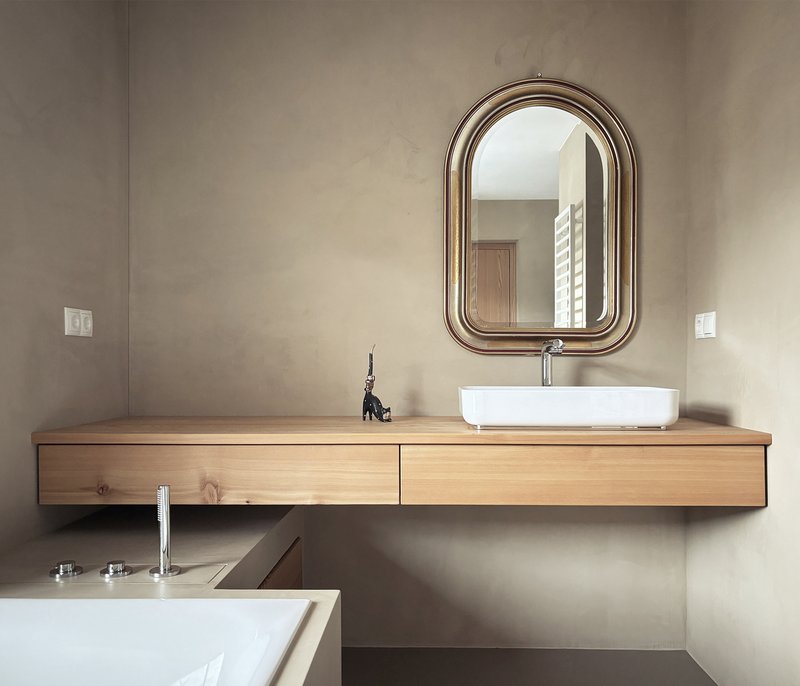
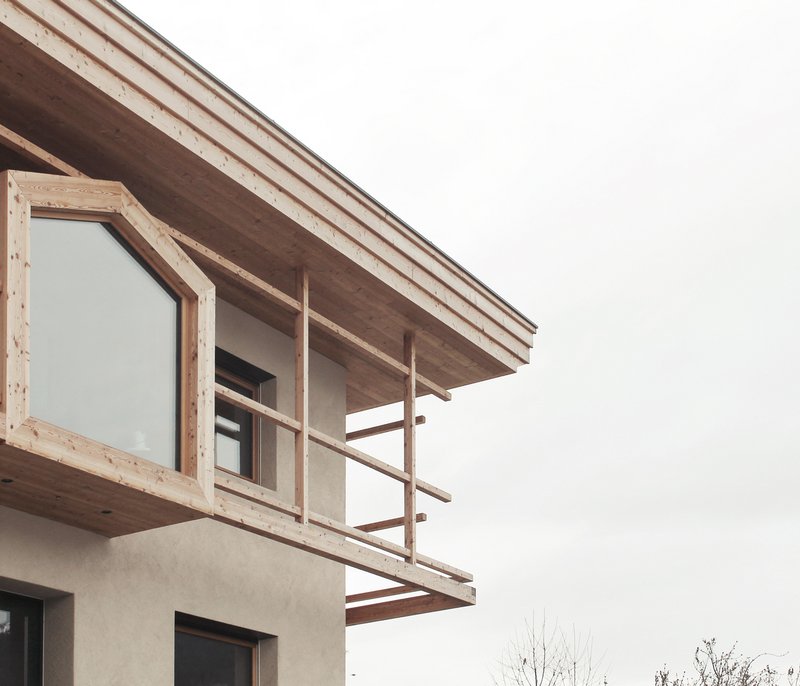
Material choices play a vital role in this Alpine farmhouse renovation. The design prioritizes sustainability, low environmental impact, and a visual harmony with the natural surroundings. The existing plastered stone walls are refreshed with natural pigments, blending seamlessly with the earth tones of the mountain setting. The attic extension and new balconies are clad in local larch wood—a material whose natural aging process enhances the building’s dialogue with time and place.
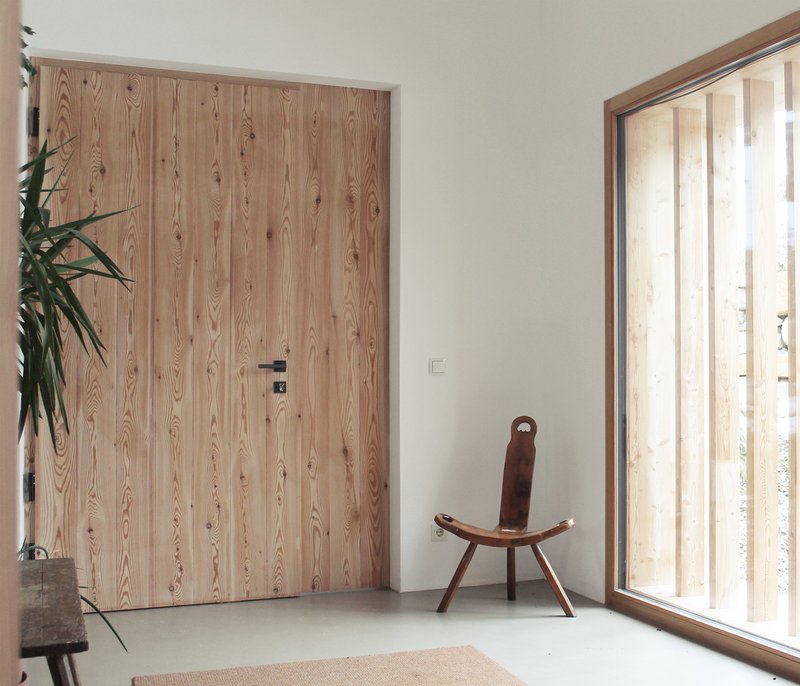
The use of larch reflects a commitment to regional vernacular, ensuring that the house feels both timeless and rooted. Vertical wooden slats are arranged to filter light and views, offering privacy while maintaining a constant connection with the environment. Every detail of the project—from its scale and massing to its tactile finishes—contributes to a vision of architecture as a living dialogue with memory, climate, and place.
A Home That Balances Memory and Modernity
Alpina Architects have crafted a home that honors the past without becoming nostalgic. The renovation is both a conservation and a reinvention—a response to the question of how we can inhabit traditional structures in the present without erasing their identity. The House for Lisa and Bert demonstrates that Alpine farmhouse renovation is not only about adapting old buildings to new uses, but also about reimagining how architecture can mediate between heritage and innovation, enclosure and openness, intimacy and landscape.
This project stands as a model for future interventions in sensitive mountain regions, where architecture must listen before it speaks, and where every alteration contributes to a broader narrative of sustainability, belonging, and quiet transformation.


Popular Articles
Popular articles from the community

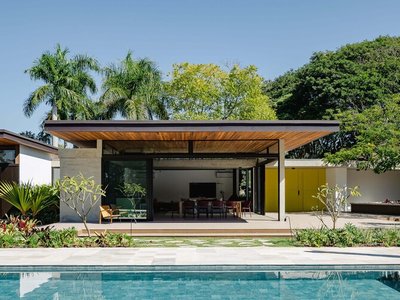
Flamboyant House by Juliana Camargo + Prumo Projetos
Modern Brazilian house integrating existing tree, pool, and volumes with glass, wood, and transitional spaces blending interior, exterior, and landscape seamlessly.

Inverted Architecture Installation by Studio Link-Arc: Exploring the Intersection of Architecture and Living Organisms
Inverted Architecture Installation by Studio Link-Arc blends mycelium, sustainability, inverted design, ecological cycles, and urban adaptive architecture in Shenzhen.
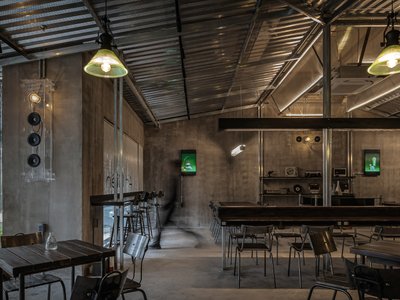
An Miên Lumière Cafe by xưởng xép, Ho Chi Minh City, Vietnam
An industrial-inspired café where layered steel and warm light create a dynamic, immersive environment shaped by reflection, depth, and perception.
Solar Steam: A Climate-Responsive Architecture That Redefines the Monument
A climate-responsive memorial architecture that transforms heat, decay, and time into a living system reflecting humanity’s ecological impact.

Similar Reads
You might also enjoy these articles

Top 15 Architecture Competitions to Enter in 2026
From student-friendly idea competitions to prestigious international awards, here are the best architecture competitions open for entries in 2026. Updated regularly.

DIY & Engineering in Computational Design : Enter the BeeGraphy Design Awards
Showcase Your Creativity with Computational Design and Open Source Projects
Innovative Design Solutions: Award-Winning Projects from Recent Architecture Competitions
Exploring award-winning architectural projects shaping the future of design, sustainability, and community.



Explore Architecture Competitions
Discover active competitions in this discipline




The International Standard for Design Portfolios


The Global Benchmark for Architecture Dissertation Awards


The Global Benchmark for Graduation Excellence


Challenge to reimagine the Iron Throne
Comments (0)
Please login or sign up to add comments
No comments yet. Be the first to comment!