
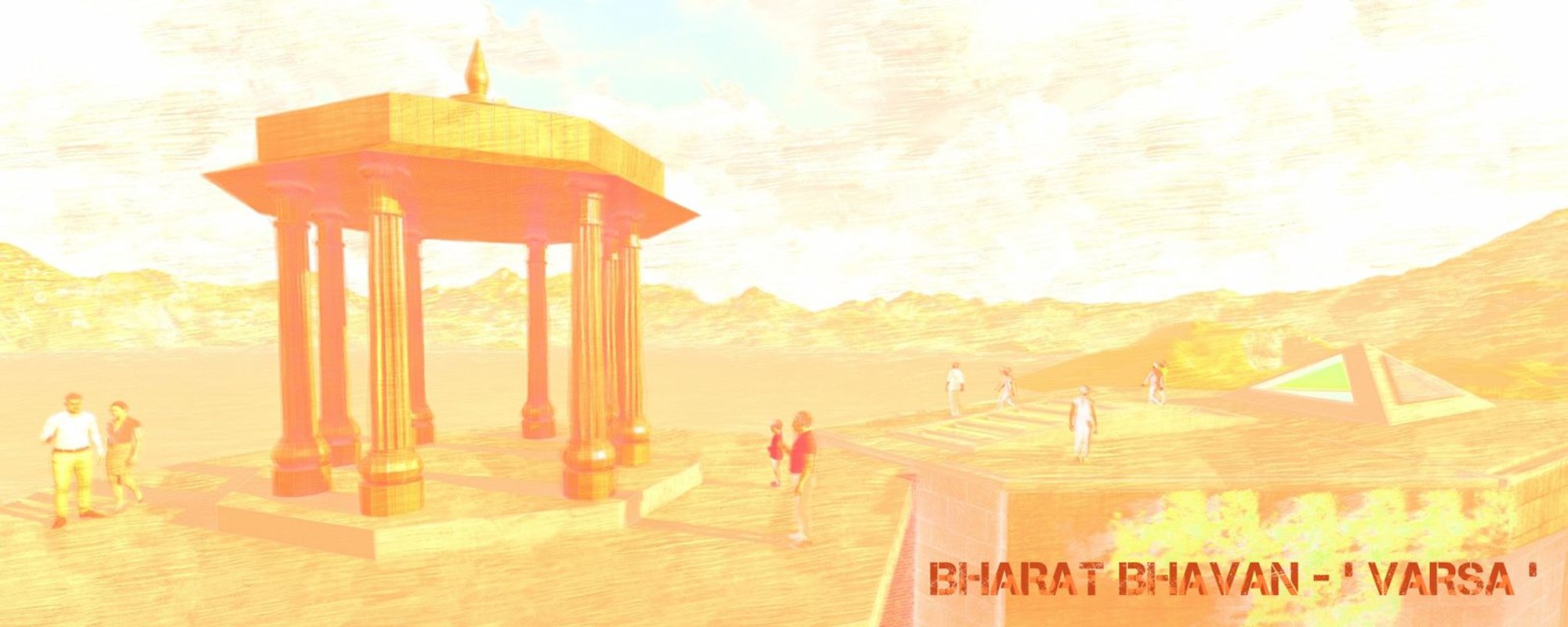
Bharat Bhavan – VARSA
An experiential cultural architecture that transforms Maharashtra’s layered history into a living, walkable narrative of memory, identity, and place.

Bharat Bhavan – VARSA is envisioned as a landmark of cultural architecture that translates the deep historical, social, and artistic legacy of Maharashtra into a contemporary spatial experience. Rooted in the Marathi word “Varsa,” meaning heritage, inheritance, or knowledge passed across generations, the project is conceived not merely as a building, but as a cultural continuum—an architectural medium through which collective memory is preserved, interpreted, and re‑experienced.
Designed as an immersive public institution, VARSA responds to the evolving identity of today’s cosmopolitan and rurban Maharashtra, where tradition and modernity coexist. The project positions Bharat Bhavan as a place of reflection, learning, performance, and public engagement, allowing visitors to physically move through the timelines of history while remaining grounded in the present.
This proposal by Jayesh Kulkarni was a Shortlisted Entry for Bharat Bhavan 2020, recognized for its sensitive yet powerful interpretation of cultural narratives through architecture.
Cultural Context: Maharashtra as a Living Archive
Maharashtra holds one of India’s most diverse cultural and historical landscapes. From ancient dynasties and spiritual movements to colonial transformations and post‑independence evolution, the region’s identity has been shaped by layers of political power, social reform, art, literature, and public resistance.
The project acknowledges key cultural anchors of the state—its forts, wadas, pilgrimages, saints, festivals, folk arts, and urban traditions. Rather than isolating these elements as exhibits, VARSA integrates them into a unified architectural language, reinforcing the idea that culture is lived, practiced, and continuously reshaped.
Situated near Nandgaon, Lonavala, within proximity to Pune and Mumbai, the site benefits from strong tourism potential, historical relevance, and accessibility, making it an ideal setting for a regional cultural institution of this scale.
Purpose of Establishment
The primary intent of Bharat Bhavan – VARSA is to create a space where history is not consumed passively, but experienced spatially. The project is driven by three core objectives:
- To reconnect people with their cultural roots in an era of rapid urbanization and cultural dilution.
- To reinterpret historical narratives in a contemporary architectural language without nostalgia or imitation.
- To establish a public platform where art, performance, history, and everyday life intersect.
In doing so, VARSA becomes both a cultural repository and a civic space—accessible, inclusive, and relevant across generations.
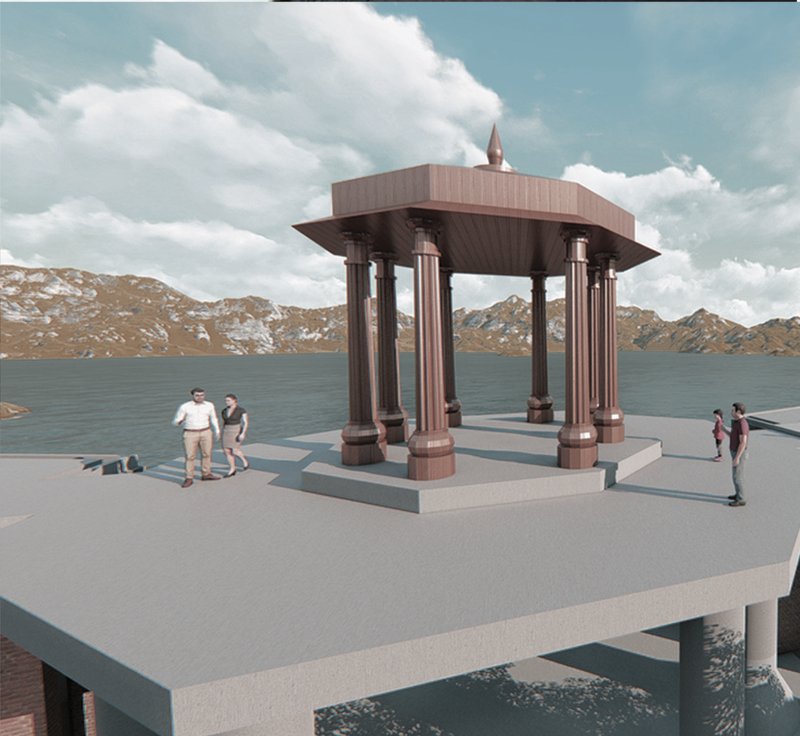
Architectural Concept: Time as Space
At the heart of the design lies a powerful conceptual framework—history represented as spatial progression. The architectural form is generated by breaking down the overall program into distinct volumes, each corresponding to a specific historical era of Maharashtra.
These eras include:
- The Golden Era
- Mughal Period
- Maratha Empire
- Peshwa Period
- British Rule
- Post‑Independence
- Contemporary / Millennial Phase
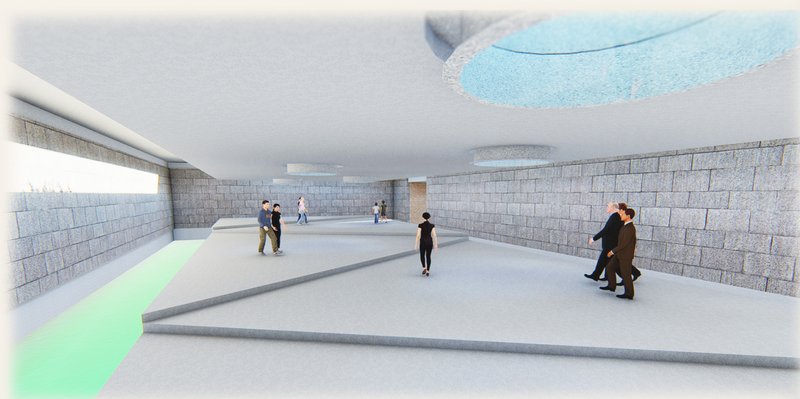
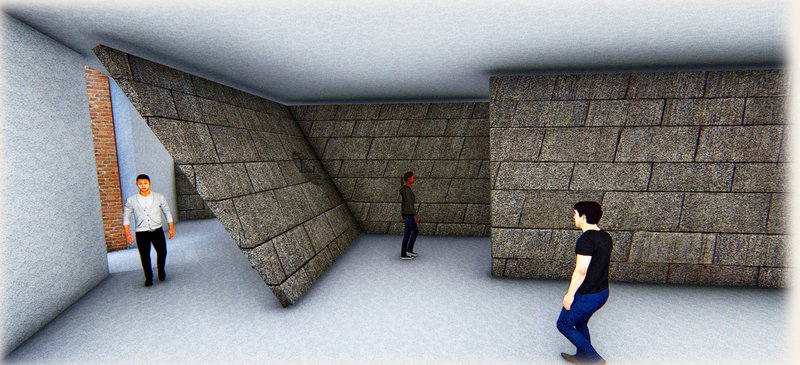
Instead of stacking these timelines vertically, the project arranges them horizontally and diagonally, allowing visitors to physically move through time. Changes in light, material, scale, and spatial compression or expansion reflect the emotional and political conditions of each era.
The movement through VARSA becomes a narrative journey—dark, compressed spaces evoke periods of conflict and suppression, while open, light‑filled volumes symbolize freedom, progress, and hope.
Site Response and Spatial Organization
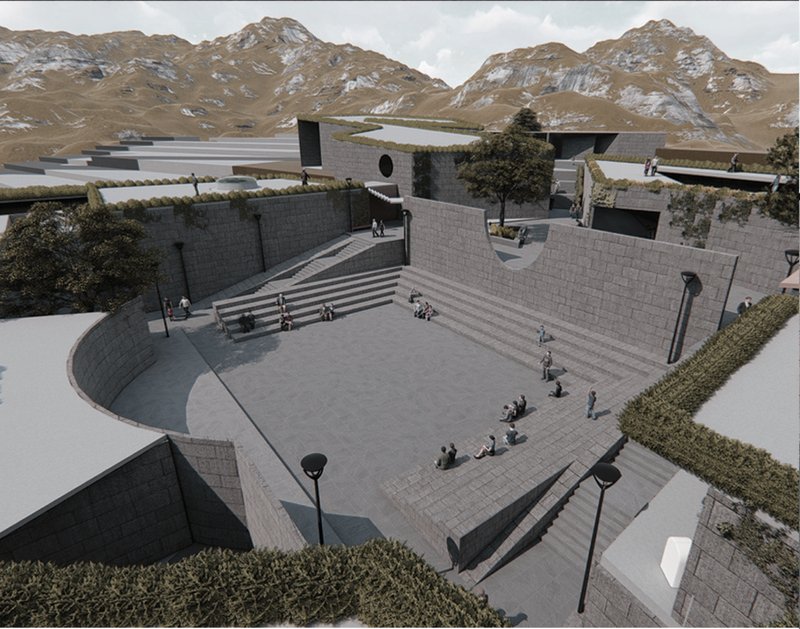
The site selection plays a critical role in shaping the architectural expression. The terrain, contour differences, and surrounding natural context inform the placement and orientation of built volumes. Rather than dominating the landscape, the structure embeds itself within it, reinforcing a dialogue between built form and nature.
Key site strategies include:
- Fragmented massing to reduce visual bulk and encourage permeability
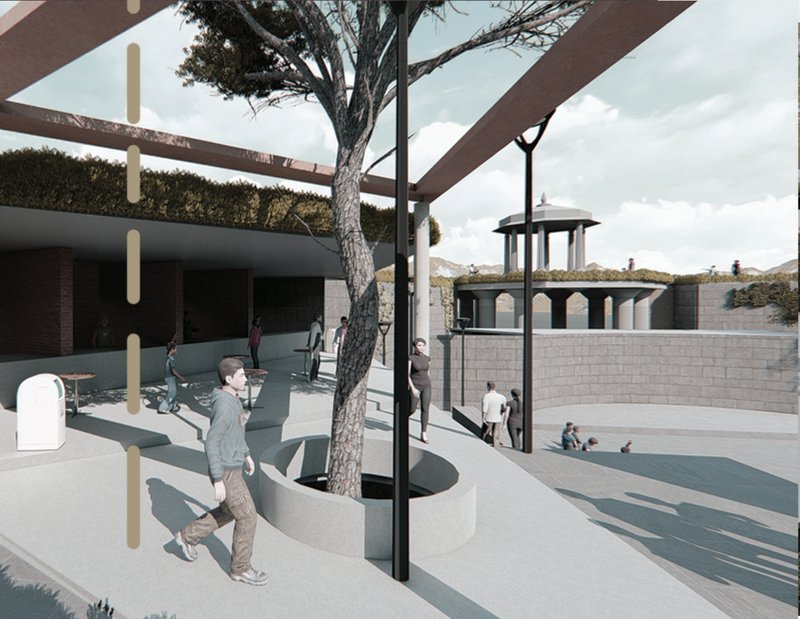
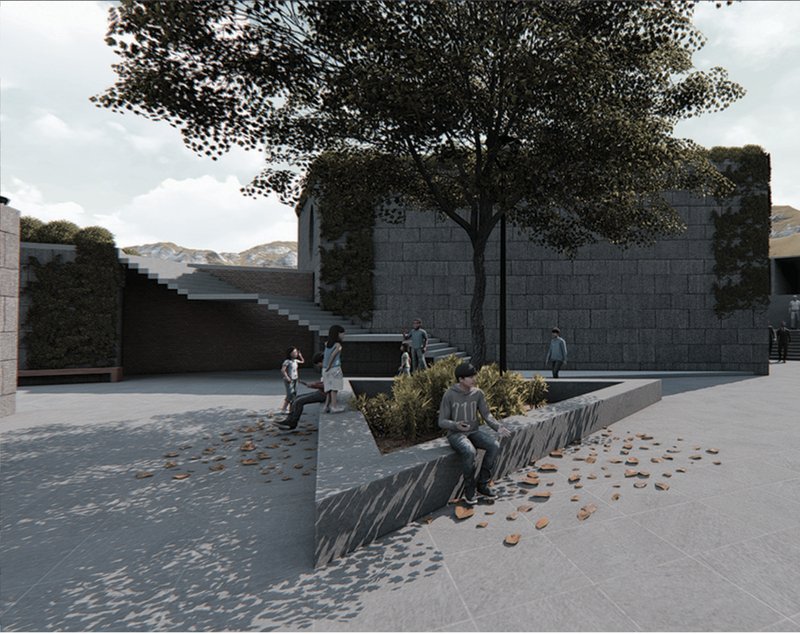
- Courtyards and plazas that act as pause points between historical phases
- An amphitheater as the social and cultural heart of the complex
- Clear circulation paths that intuitively guide visitors through the narrative sequence
Parking, administrative functions, and services are strategically placed to maintain the sanctity of the experiential core while ensuring operational efficiency.
Materiality and Light
Material selection is deliberately restrained and symbolic. Stone, concrete, and textured surfaces dominate the palette, lending the structure a sense of permanence and gravitas. These materials also echo the architectural vocabulary of forts, wadas, and historic civic structures of Maharashtra.
Natural light is used as a storytelling device. Skylights, slits, and controlled openings are calibrated to dramatize transitions between eras. Light becomes an emotional cue—guiding, revealing, and transforming spaces as visitors progress.
Public Realm and Cultural Engagement
Bharat Bhavan – VARSA is conceived as an active cultural ground rather than a static institution. Performance spaces, exhibition halls, open plazas, and shaded walkways encourage daily use beyond formal events.
The architecture supports multiple scales of engagement—from intimate reflection spaces to large public gatherings—making it adaptable for festivals, performances, exhibitions, and informal social interactions. This flexibility ensures the building remains alive and relevant over time.
VARSA redefines the role of cultural architecture in contemporary India. By translating history into space, movement, and sensory experience, the project moves beyond representation toward participation. It does not attempt to freeze culture in time; instead, it invites people to walk through it, question it, and carry it forward.
As a shortlisted entry for Bharat Bhavan 2020, the project stands as a thoughtful architectural response to heritage—one that is rooted in context, progressive in vision, and deeply human in experience. Bharat Bhavan – VARSA ultimately emerges as a bridge between past and present, offering architecture as a vessel of collective memory and shared identity.




Popular Articles
Popular articles from the community

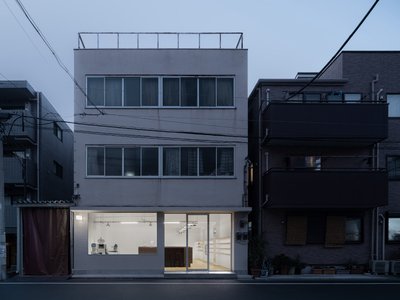
Split House: A Compact Urban Home Blending Privacy, Light, and Flexible Living in Japan
Compact Japanese home featuring DOMA space, flexible café potential, passive lighting, privacy zoning, and sustainable urban living design.
Atelier Macri Concept Store Interior Design by CASE-REAL
Atelier Macri store features a "ko" counter, walnut wood details, cork displays, blending retail, gallery, and seamless customer experiences.


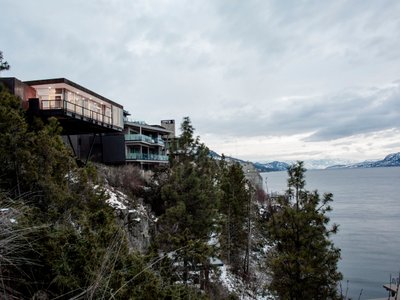
Alton Cliff House: A Harmonious Retreat by f2a Architecture in Lake Country, Canada
Alton Cliff House blends corten steel, prefabrication, and sustainable design, creating a luxurious, energy-efficient retreat perched on Canadian cliffs.

Similar Reads
You might also enjoy these articles

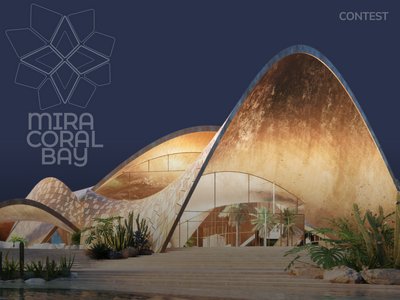
Architectural Competition: Create a Luxury Waterfront Community in the UAE!
Mira Developments announces an open competition for the pre-concept design of Mira Coral Bay in Ras Al Khaimah, UAE

Parametric Design: What Can You Learn from the 1st Workshop of Beegraphy?
Discover the Fundamentals and Advanced Techniques of Parametric Design

Feast of flight factory
A new ecological order with sustainable food resources-insects
Beyond Blueprints : How Architecture Presentation Boards Define The Design Narratives?
Unveiling the Art and Strategy Behind Architectural Storytelling


Explore Architecture Competitions
Discover active competitions in this discipline




The International Standard for Design Portfolios


The Global Benchmark for Architecture Dissertation Awards


The Global Benchmark for Graduation Excellence


Challenge to reimagine the Iron Throne
Comments (0)
Please login or sign up to add comments
No comments yet. Be the first to comment!