
Carbajosa de la Sagrada Cultural Center: A Contemporary Landmark Rooted in History
A contemporary cultural center with a porticoed façade, flexible interiors, and light-filled library connecting the historic square to modern community life.

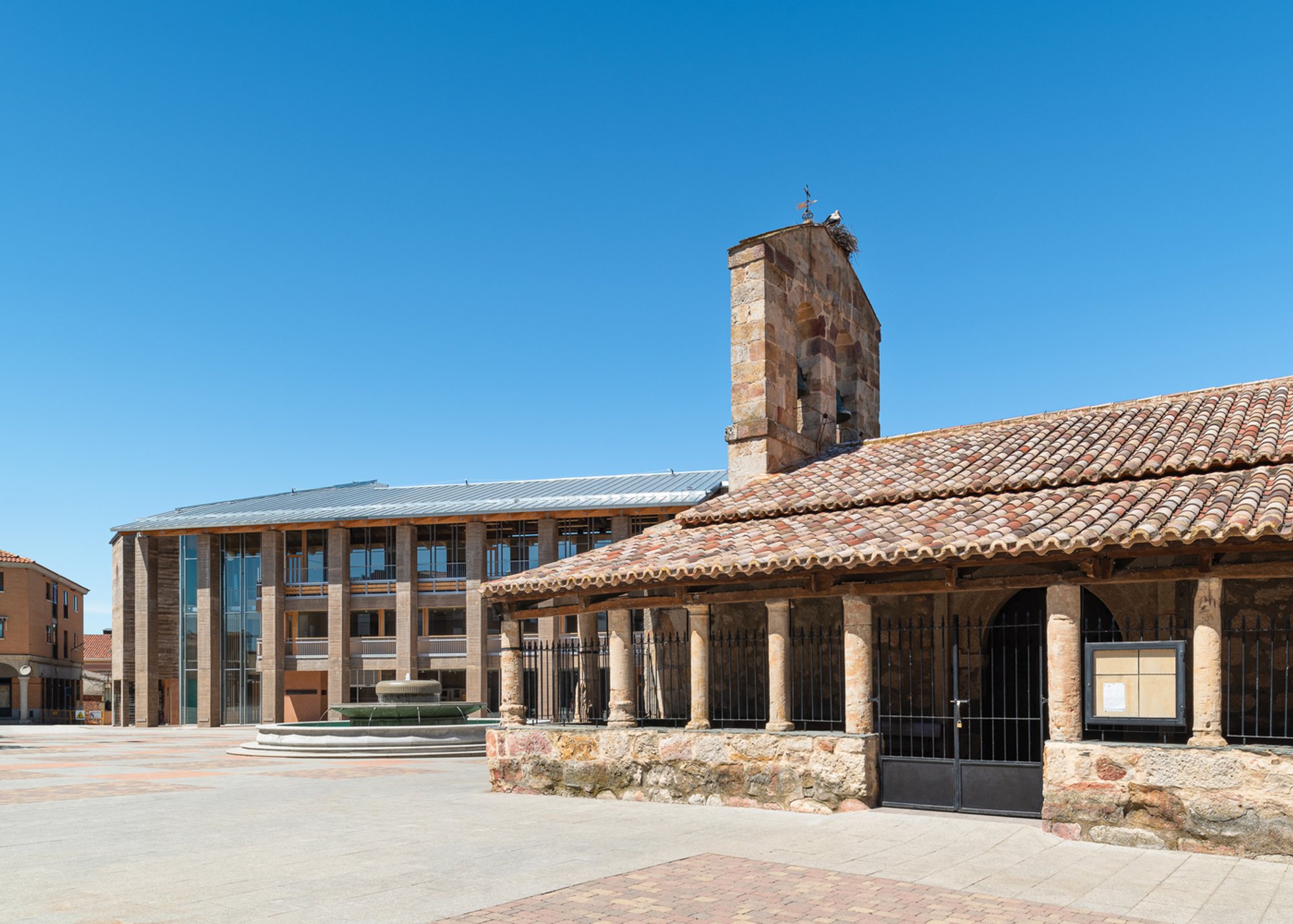
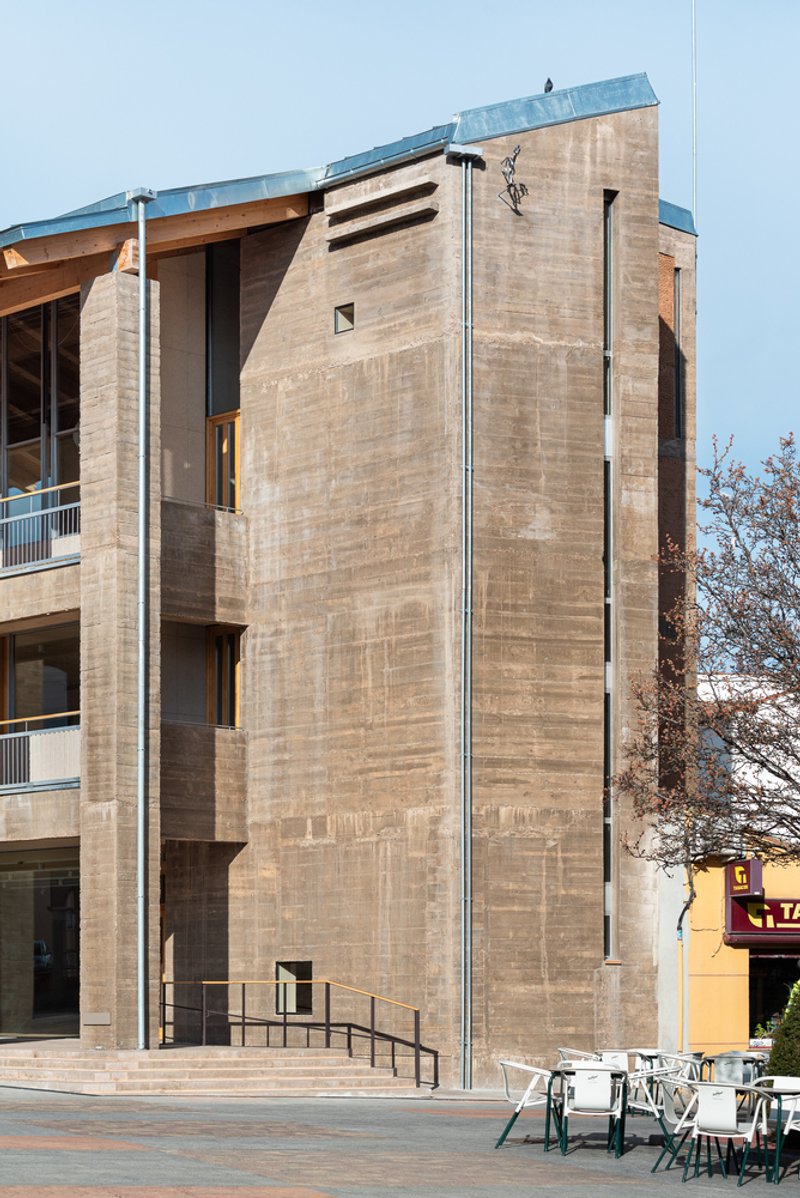
The Carbajosa de la Sagrada Cultural Center, designed by Gabriel Gallegos Borges, redefines the architectural identity of this rapidly growing municipality near Salamanca. Completed in 2024, the 13918 ft² cultural building stands in the heart of the Plaza de la Constitución, a civic space historically shaped by the presence of the Church of the Assumption, the square’s only preserved heritage structure. The new cultural facility establishes an architectural dialogue between past and present, merging contemporary design strategies with the spatial legacy of traditional community buildings.
Urban Context and Architectural Intent
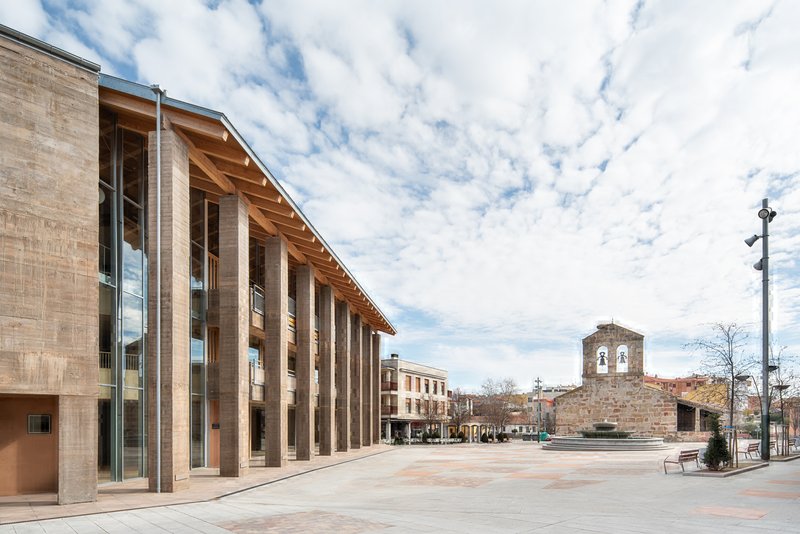
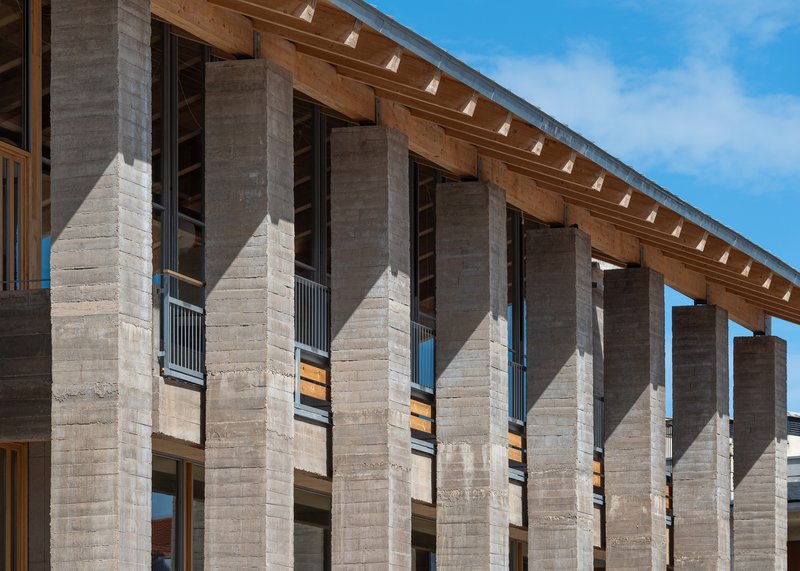
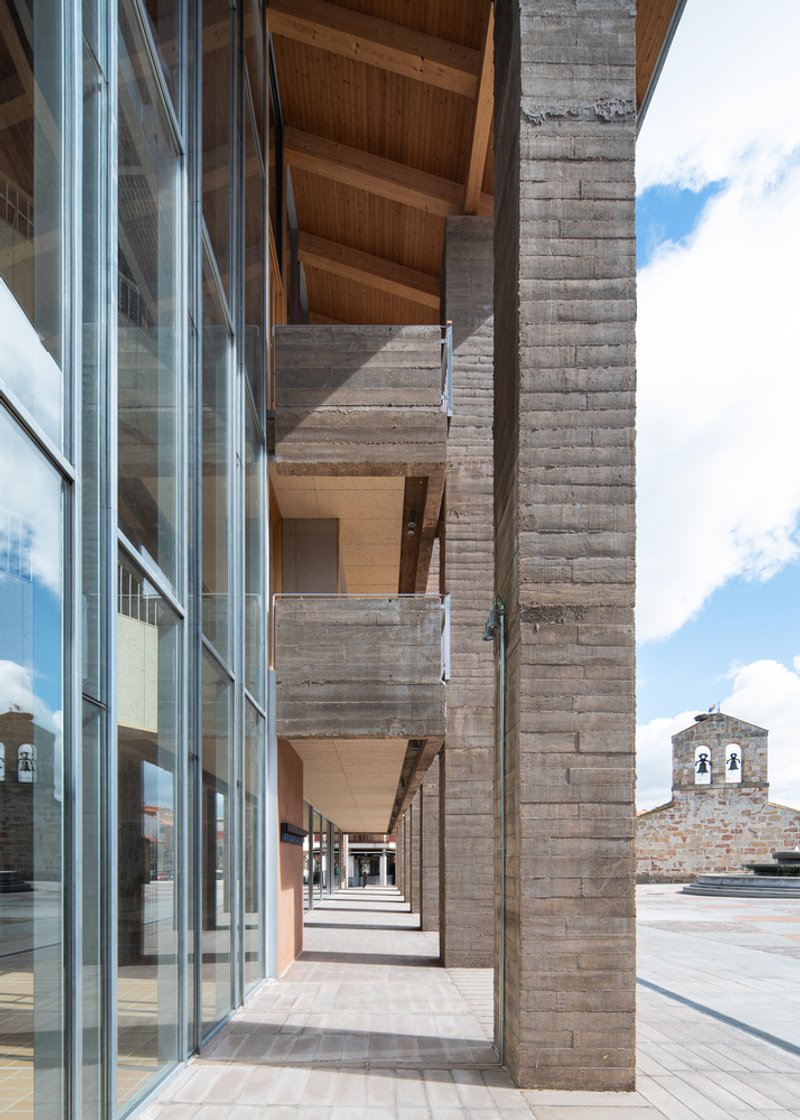
Set within a heterogeneous urban fabric transformed by demographic expansion, the project anchors itself to the site by embracing the church’s architectural presence and adopting the language of the historic porticoed porch. The design takes inspiration from the spatial clarity of classical stoas—open, permeable, and socially oriented structures that historically served as gathering places. This conceptual reference becomes the organizing principle of the project, framing the building as a large open gallery that invites movement, community engagement, and cultural exchange.
A Portico That Mediates Light, Climate, and Community
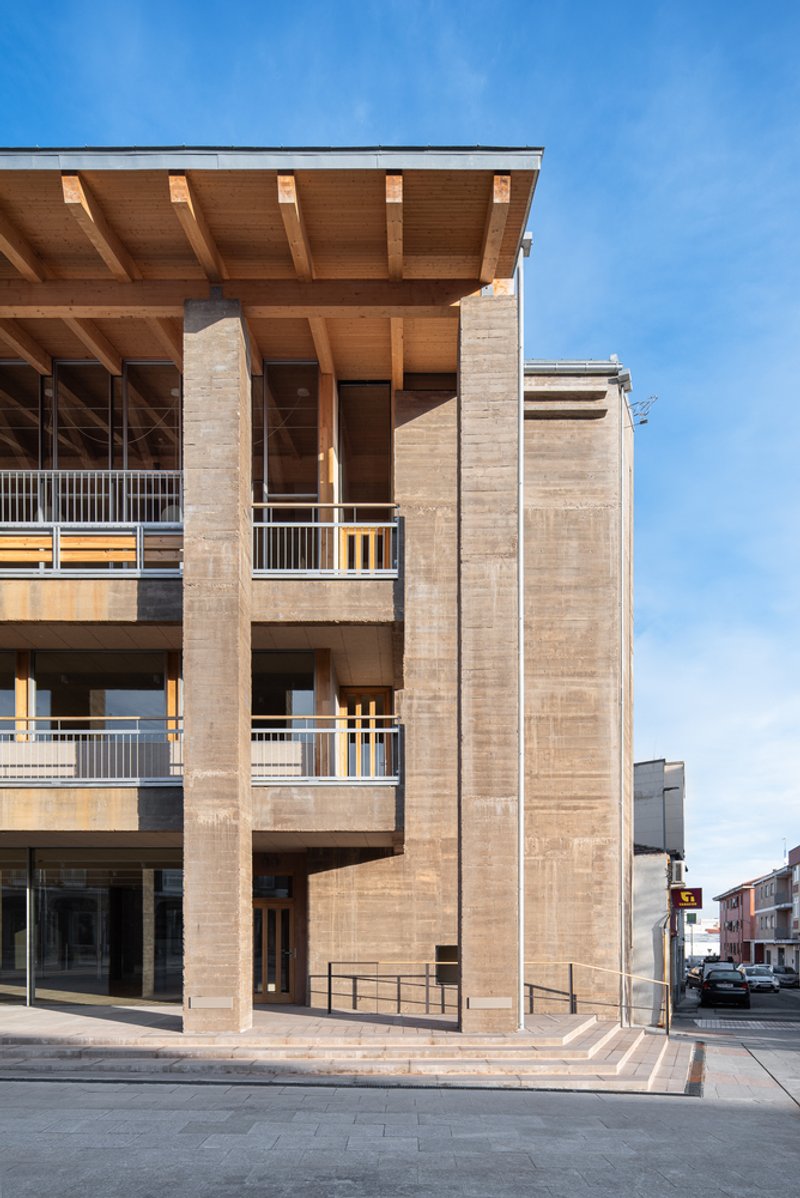
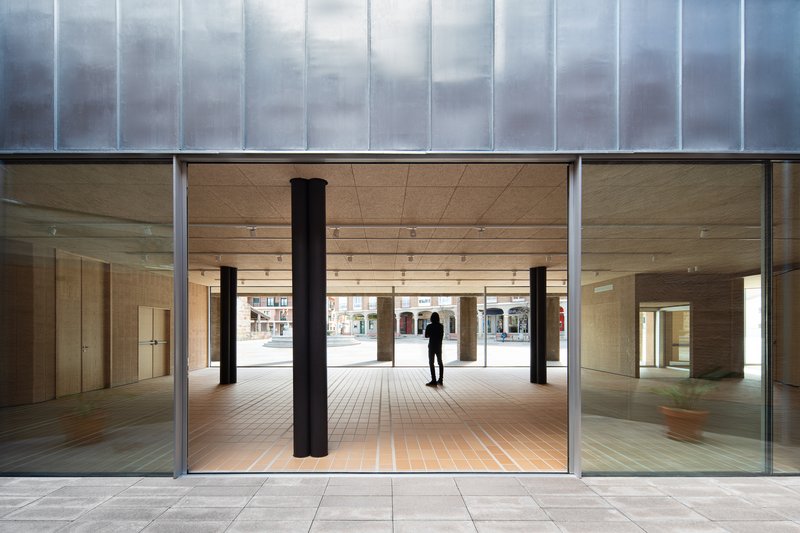
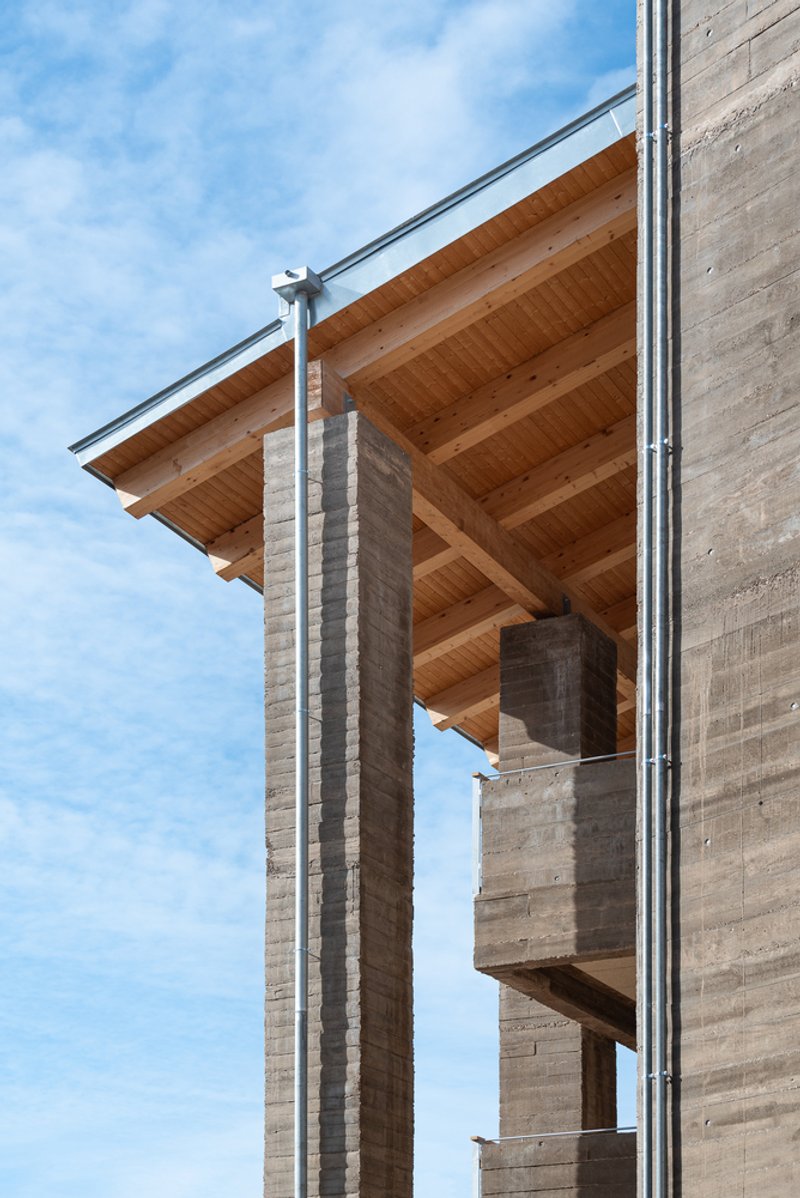
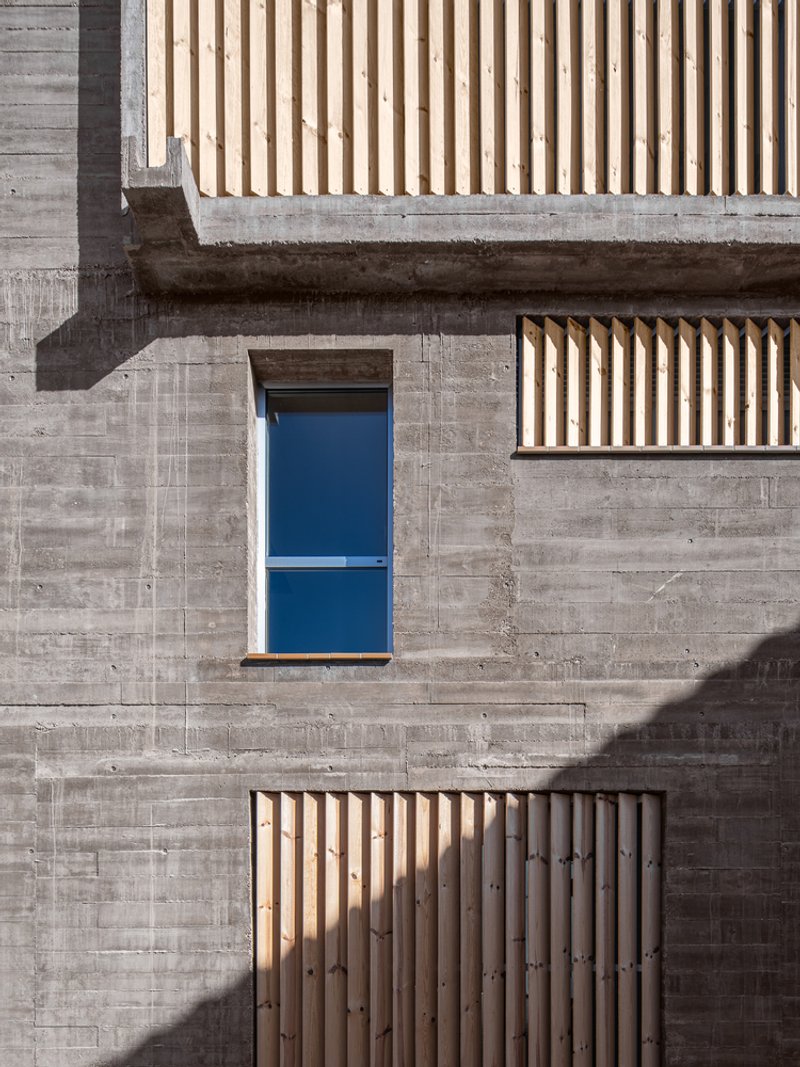
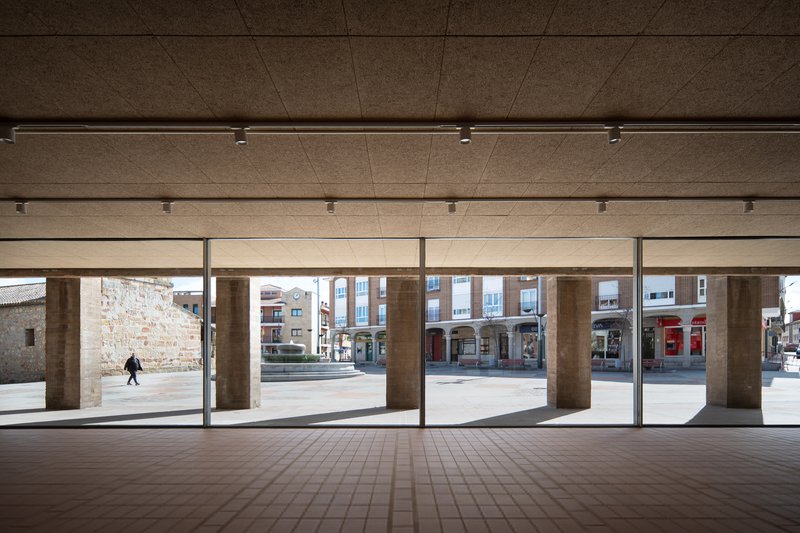
The building’s defining architectural gesture is its elongated portico facing the public square. During the day, this loggia filters sunlight, protects the interior from thermal gain, and creates a soft threshold that blurs the boundary between inside and outside. The architectural ambiguity becomes theatrical at dusk, when the illuminated interior projects onto the square like an ephemeral stage. The everyday activities of visitors become part of a living scenography, reinforcing the building’s civic identity and its function as a cultural catalyst.
Fluid Interior Spaces Organized Around a Triangular Geometry
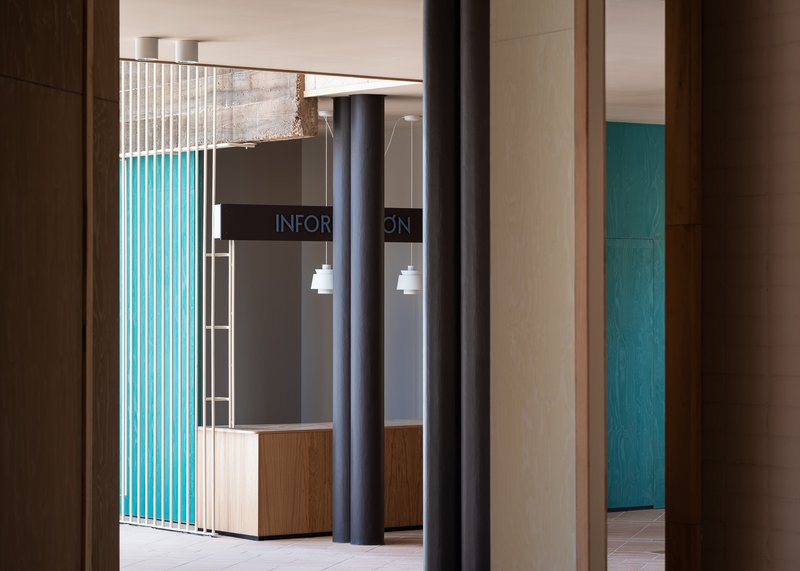
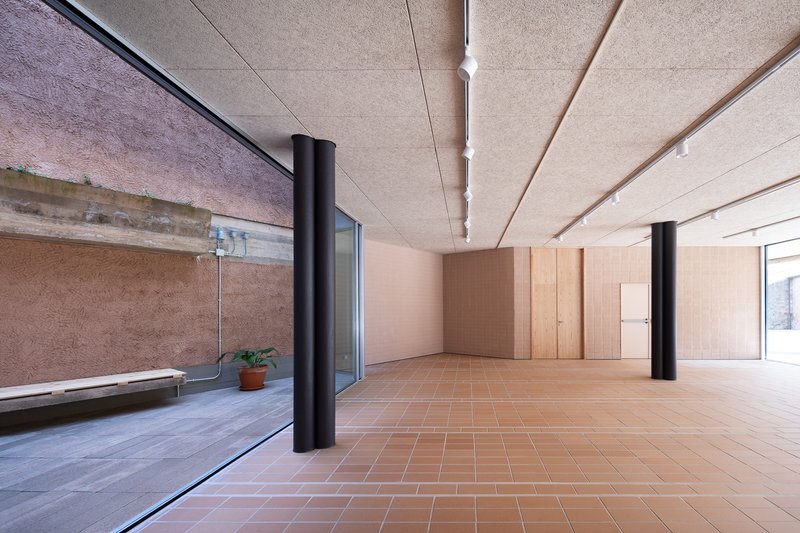
The interior is shaped by an irregular triangular floor plan, a direct response to the constraints and opportunities of the site. The rhythmic precision of the portico contrasts with a fluid internal organization capable of supporting multiple cultural programs. Although the original competition proposal envisioned a performance hall in the basement, the removal of this element gave new relevance to the triangular atrium and rear patio, which were initially intended to serve this space. Despite programmatic changes, these voids maintain their architectural value, introducing natural light and producing directional flows within the building.
Program Distribution and Vertical Connections
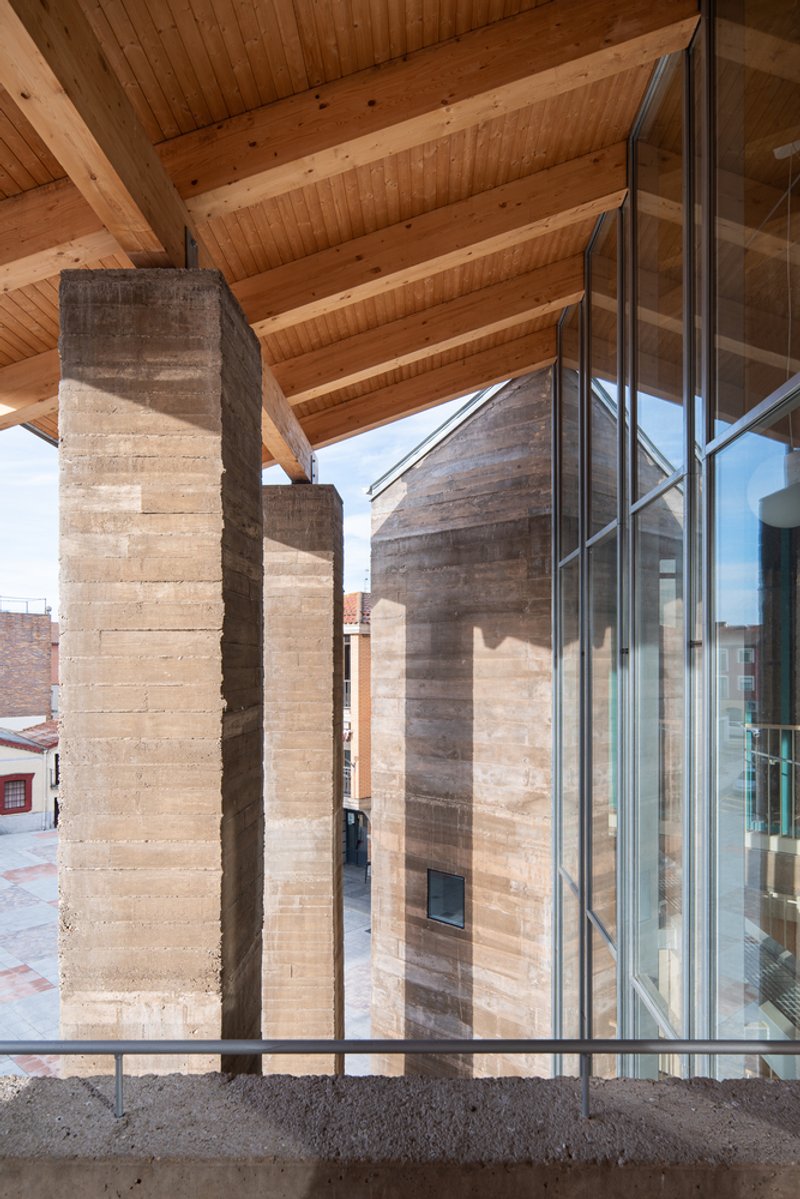
The layout places service cores and vertical circulation at the perimeter, liberating the central area for flexible configurations. Interior circulation is complemented by exterior walkways that function as open-air corridors and reading terraces, reinforcing the idea of a porous and accessible cultural facility.
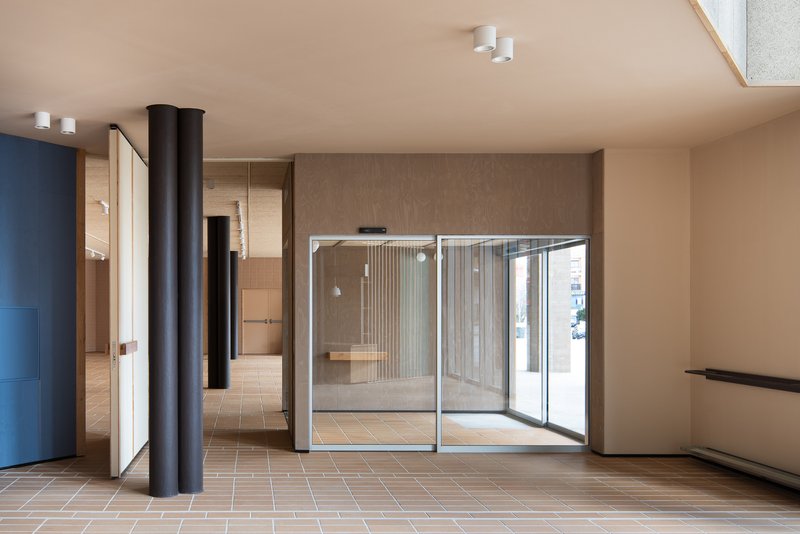
At the plaza level, the lobby and access control area connect to a multifunctional hall that seamlessly extends into the outdoor space through large sliding openings. This adaptability allows the cultural center to host events that merge interior activities with the vibrancy of the square.
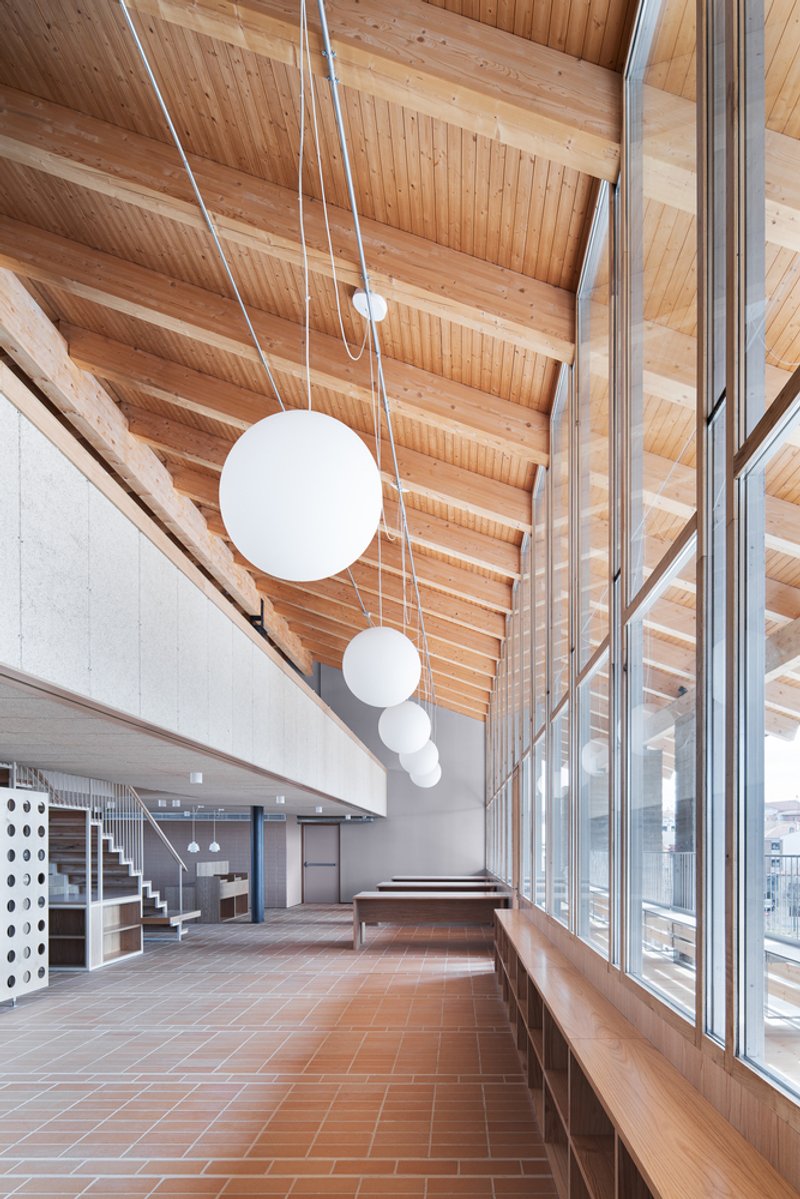
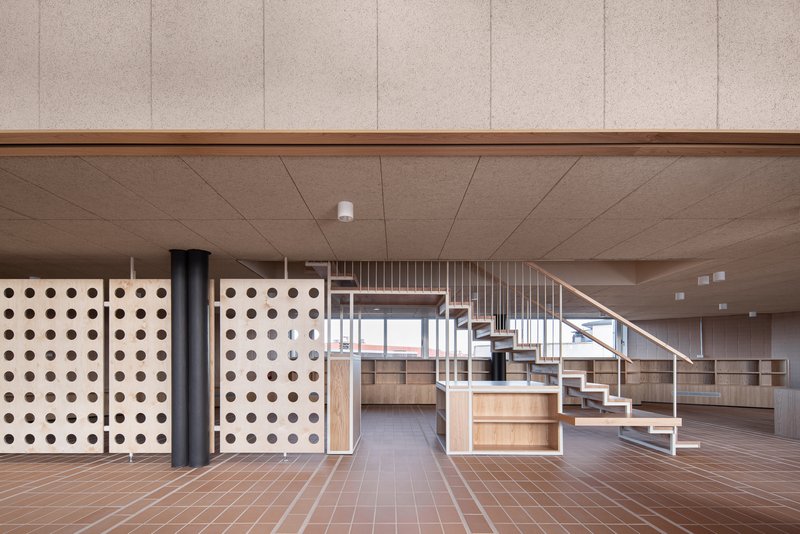
The first floor accommodates classrooms for workshops, cultural programs, and community learning. Above them, the library spans the upper levels, connected by an internal staircase. A double-height reading space opens onto the portico, creating a calm, light-filled environment, while an exterior terrace provides an elevated outdoor reading zone overlooking the square.
A Contemporary Space Rooted in Heritage and Civic Life
The Carbajosa de la Sagrada Cultural Center is conceived as an open, civic building that honors the municipality’s architectural heritage while addressing the cultural needs of an evolving population. The project prioritizes permeability, social interaction, and community connection, positioning the cultural center as both a meeting place and a cultural home for residents.
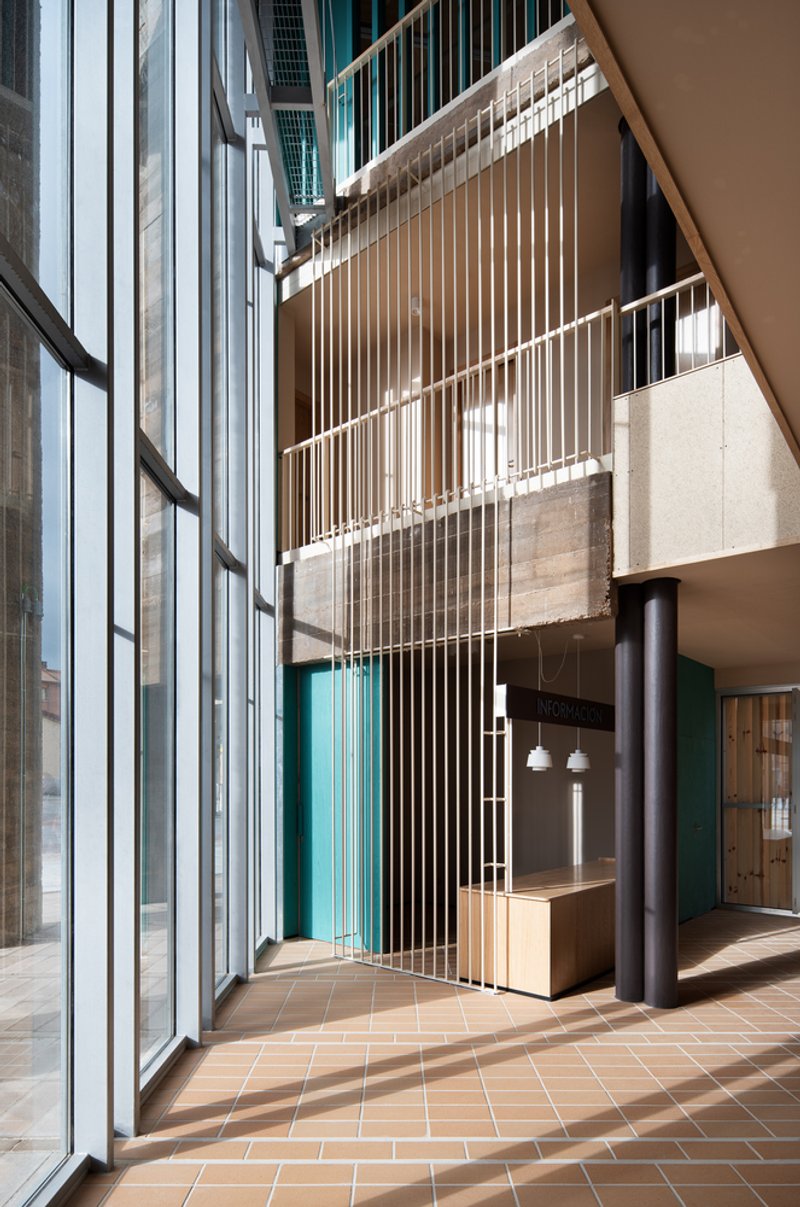
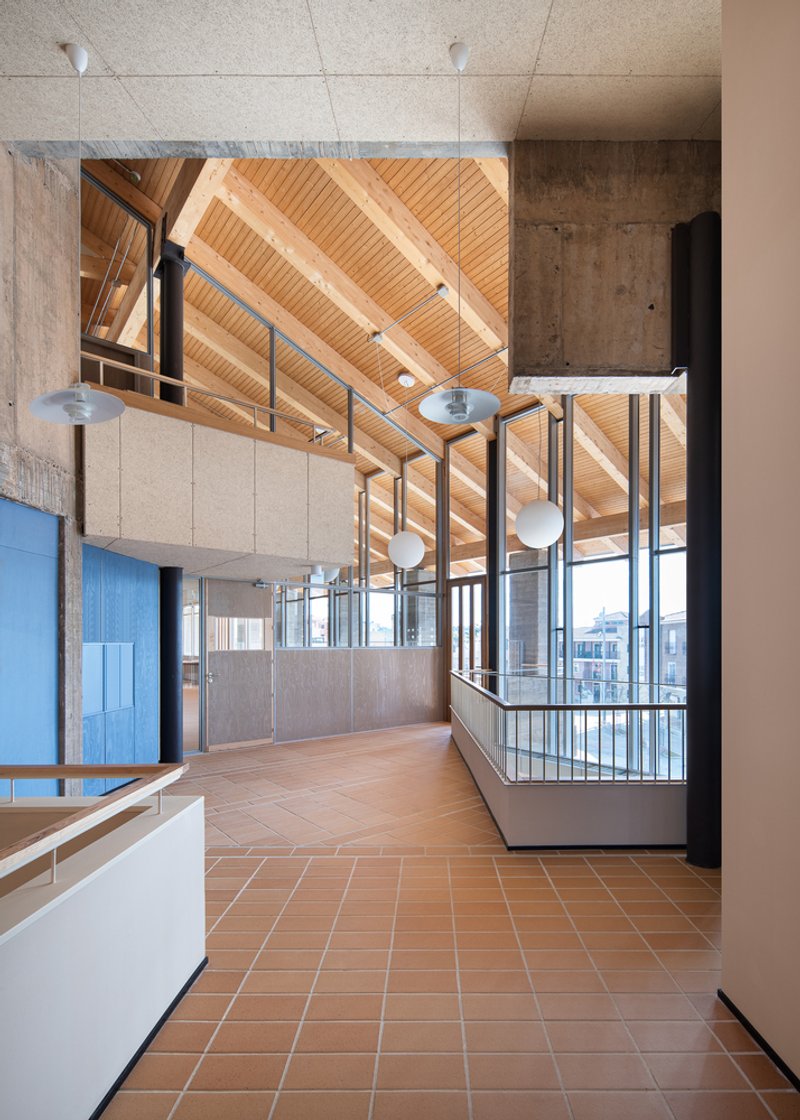
All photographs are works of Gabriel Gallegos Alonso




Popular Articles
Popular articles from the community

Atelier Macri Concept Store Interior Design by CASE-REAL
Atelier Macri store features a "ko" counter, walnut wood details, cork displays, blending retail, gallery, and seamless customer experiences.
Inverted Architecture Installation by Studio Link-Arc: Exploring the Intersection of Architecture and Living Organisms
Inverted Architecture Installation by Studio Link-Arc blends mycelium, sustainability, inverted design, ecological cycles, and urban adaptive architecture in Shenzhen.
On the Brooks House by Monsoon Collective – A Contemporary Kerala Home Rooted in Tradition
Kerala home blending tradition and modernity with water-inspired design, brick architecture, courtyard planning, and sustainable rainwater harvesting strategies.


The Ken Roberts Memorial Delineation Competition (Krob)
As the most senior architectural drawing competition currently in operation anywhere in the world, it draws hundreds of entries each year, awarding the very best submissions in a series of medium-based categories.
Similar Reads
You might also enjoy these articles
The Ken Roberts Memorial Delineation Competition (Krob)
As the most senior architectural drawing competition currently in operation anywhere in the world, it draws hundreds of entries each year, awarding the very best submissions in a series of medium-based categories.


Waterfront Redevelopment and Urban Revitalization in Mumbai: Forging a New Dawn for Darukhana
A transformative waterfront redevelopment project reimagining Darukhana’s shipbreaking heritage into an inclusive urban future.

OUT-OF-MAP: A Call for Postcards on Feminist Narratives of Public Space
Rhizoma Design and Research Lab invites artists, designers, architects, researchers, and students to reflect on how feminist perspectives can reshape public space. Selected works will be exhibited in Barcelona, October 2026. Submissions open until 15 April 2026.


Documentation Work on Buddhist Wooden Temple
Architectural syncretism and cultural hybridity: A comparative study of the Buddhist temples in Chattogram Hill tracks


Explore Architecture Competitions
Discover active competitions in this discipline




The International Standard for Design Portfolios


The Global Benchmark for Architecture Dissertation Awards


The Global Benchmark for Graduation Excellence

Challenge to design an urban locus of culture and heritage
Comments (0)
Please login or sign up to add comments
No comments yet. Be the first to comment!