

Crona 665 Building by Andrade Morettin Arquitetos Associados
Contemporary corporate building in Tatuapé, integrating open-plan offices, active street frontage, transit-oriented design, and pedestrian-friendly public spaces.


A Strategic Corporate Landmark Reinforcing São Paulo’s Eastern Urban Axis
Located in the heart of Tatuapé, São Paulo, the Crona 665 Building by Andrade Morettin Arquitetos Associados emerges as a defining element of the city’s evolving Platina Axis. Conceived as part of a broader urban strategy, the project responds to the growing demand for decentralized business hubs, offering high-quality corporate, service, and leisure spaces that reduce dependence on São Paulo’s historically centralized employment zones. By integrating workspaces into the local urban fabric, the building actively contributes to shorter commutes and improved quality of life in the city’s East Zone.
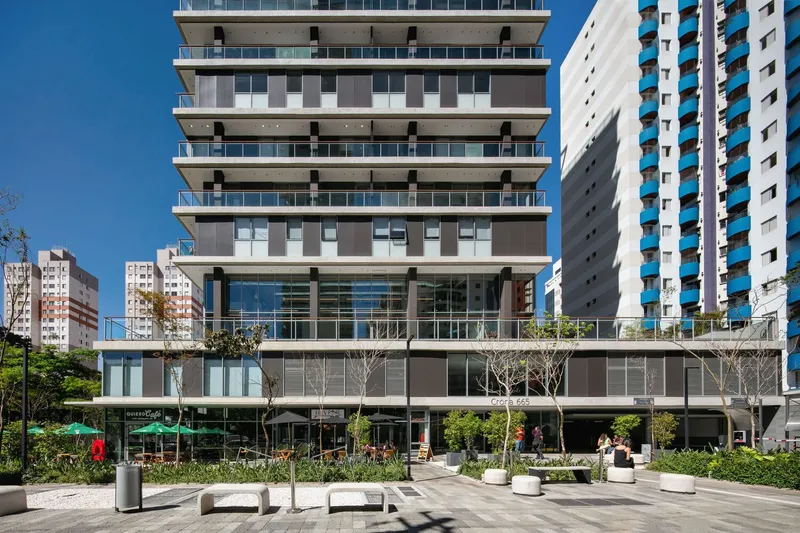
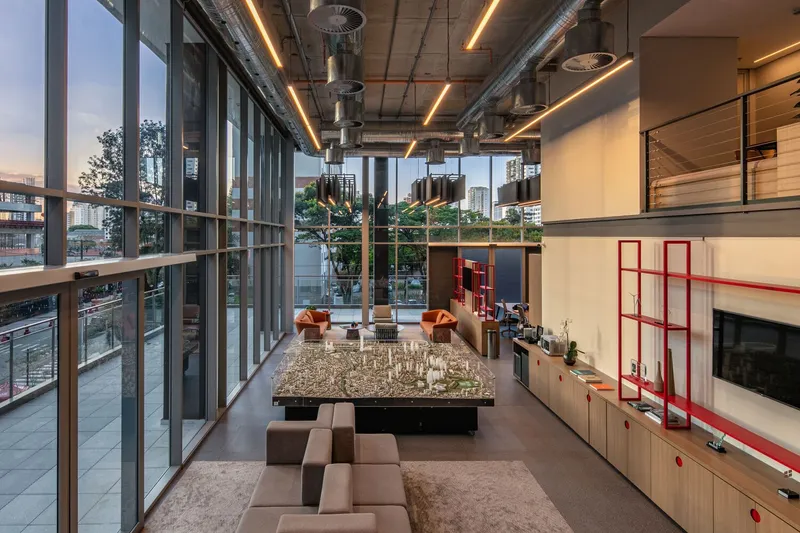
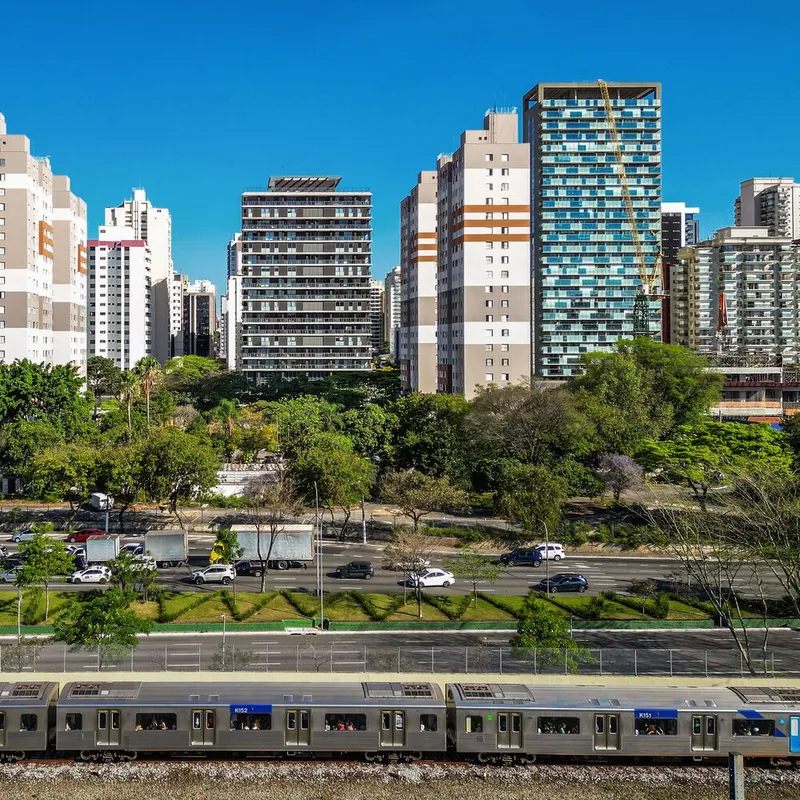
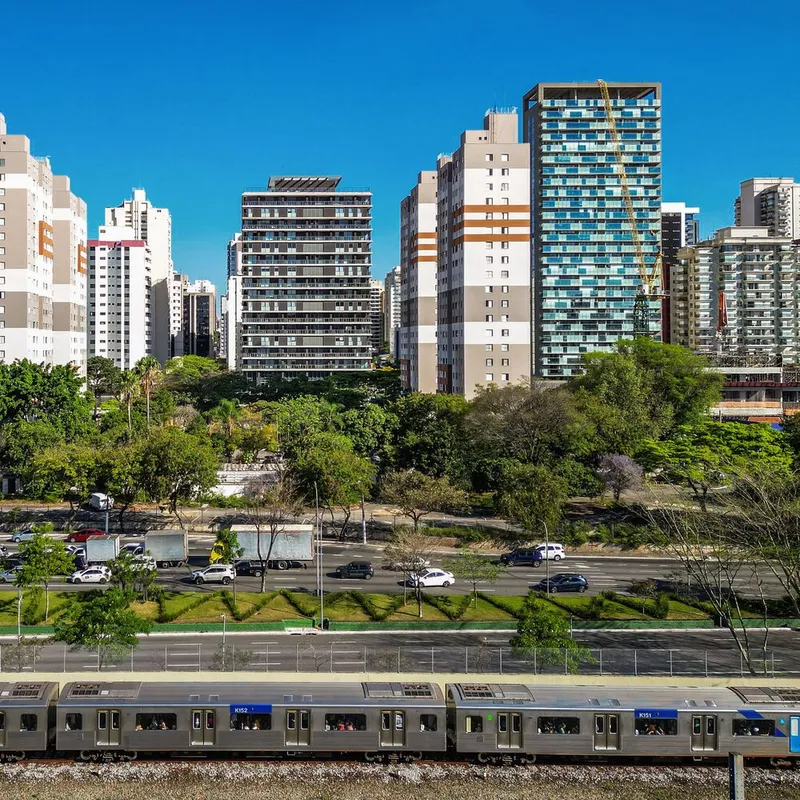
Occupying a prominent corner site at the intersection of Platina and Vilela Streets, Crona 665 benefits from exceptional urban connectivity. Positioned just 150 meters from Carrão Metro Station, the building is closely linked to major road networks, train stations, bus corridors, and dedicated bike lanes. This strategic location reinforces its role as a connective node between businesses, services, and daily urban life, while supporting sustainable mobility patterns within the neighborhood.
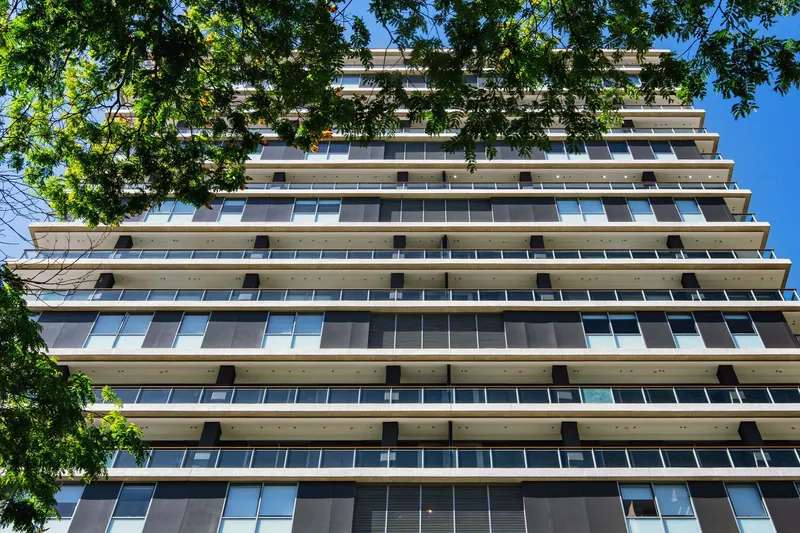
With a total built area of 22,259 square meters, the project is embedded within a diverse context of residential buildings, retail outlets, healthcare facilities, dining venues, and leisure amenities. Rather than asserting itself as an isolated corporate tower, Crona 665 is designed to complement and enhance its surroundings, contributing to a more dynamic and balanced urban environment in Tatuapé.
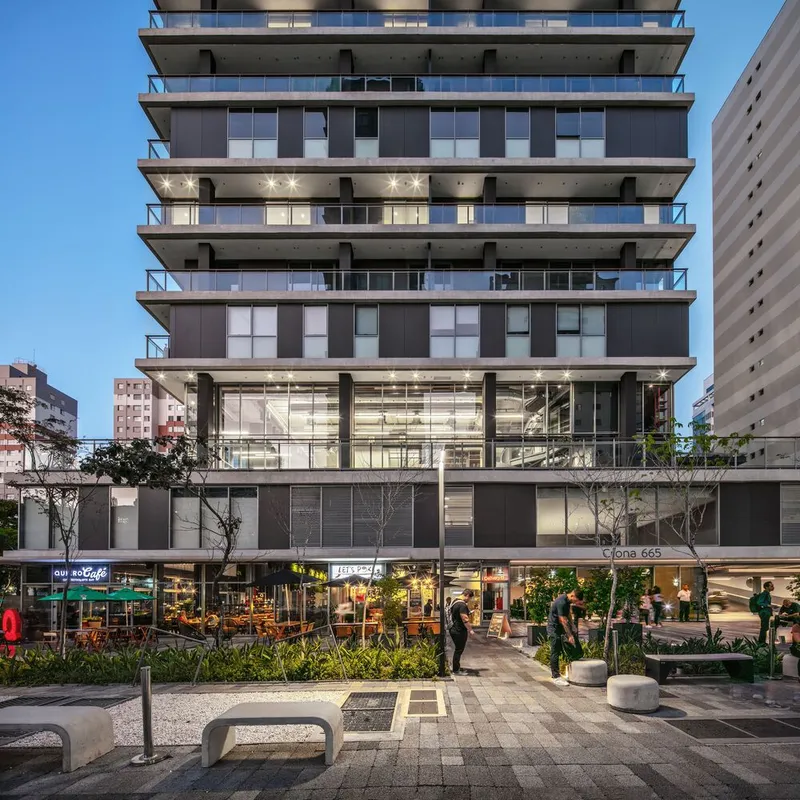
At ground level, the building adopts a recessed footprint that significantly widens the sidewalk, prioritizing pedestrian movement and public use. This gesture creates a generous transition zone between the street and the private interior, enriched by shaded landscaping, urban furniture, and carefully designed lighting. These elements transform the perimeter of the building into an active, welcoming public realm, encouraging social interaction and reinforcing a sense of safety and comfort throughout the day.
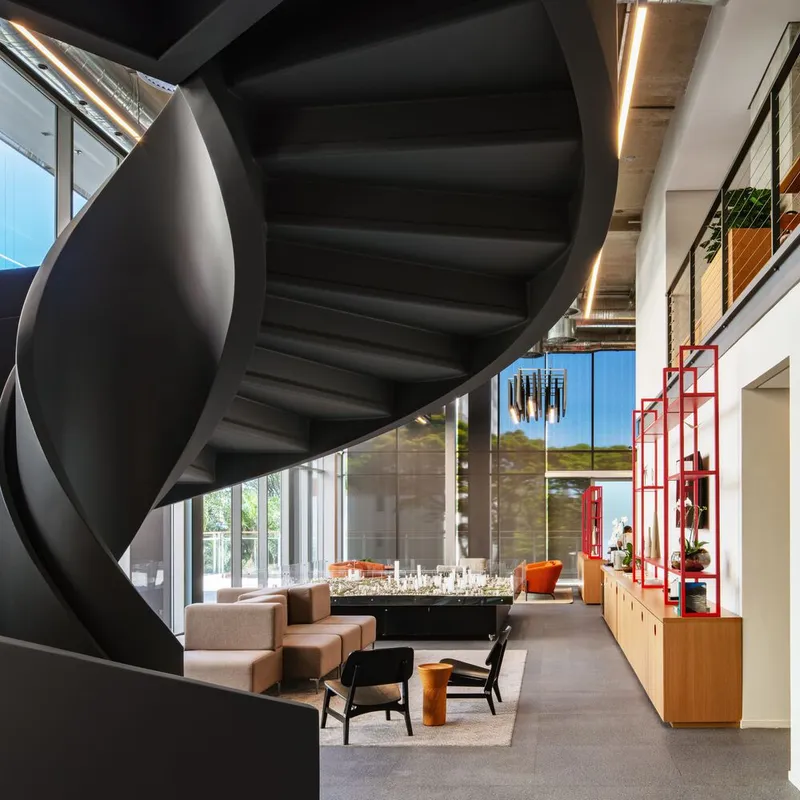
The architectural concept is rooted in flexibility and spatial efficiency. The tower is organized around an “open space” office typology, offering large, continuous floor plates capable of accommodating a wide range of corporate layouts. Technical, service, and circulation areas are compactly grouped within a centralized core, freeing the building’s perimeter for workspaces. This configuration ensures uninterrupted access to natural light, expansive views, and high levels of environmental comfort across all office floors.
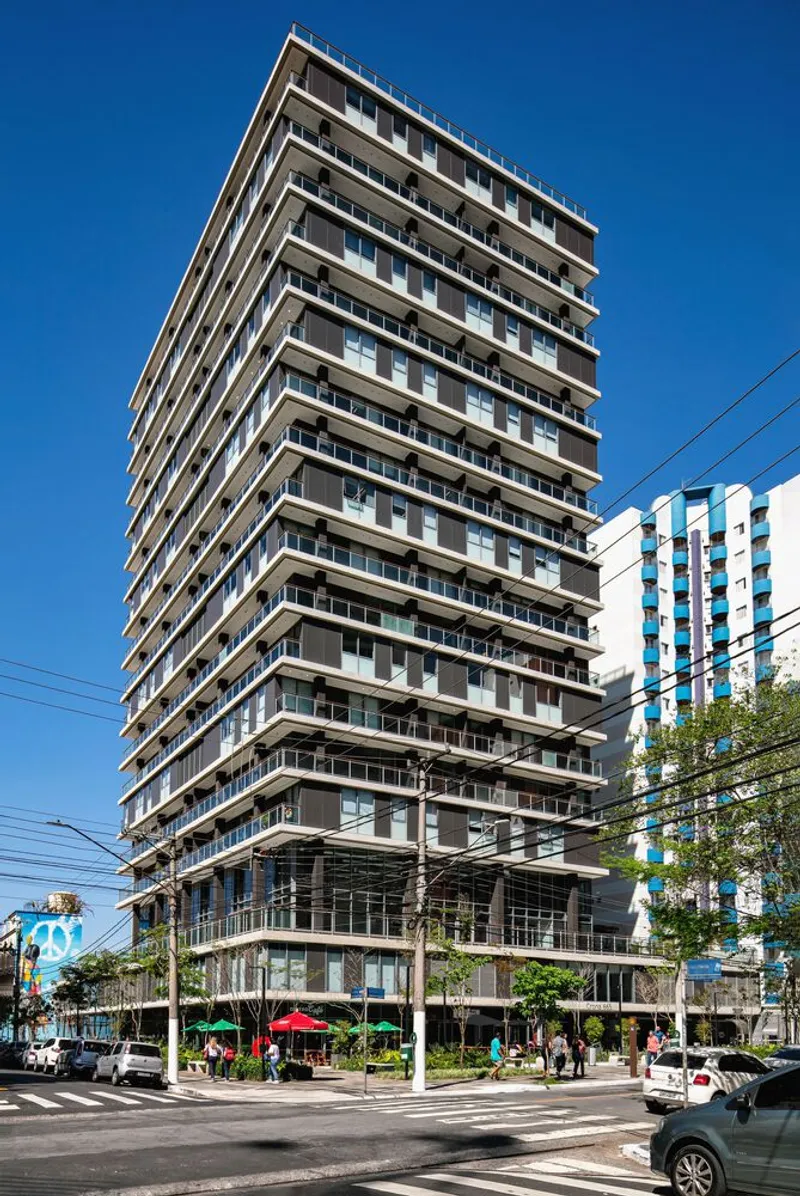
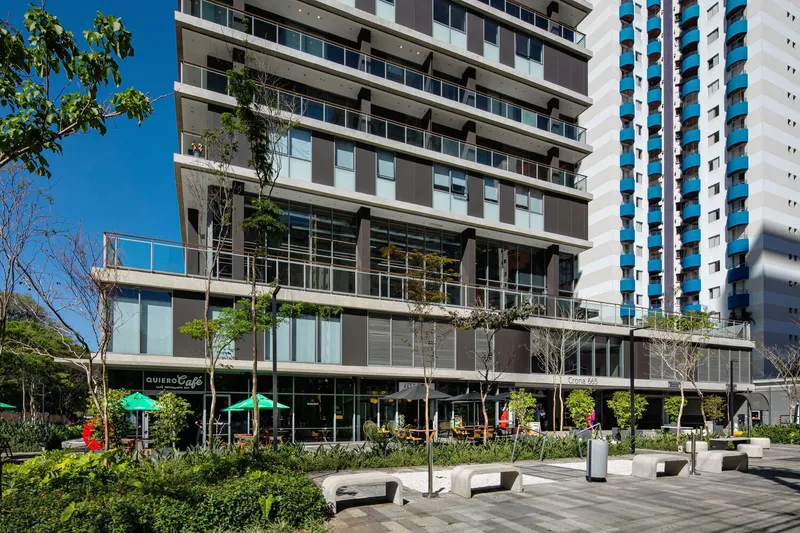
As the tower transitions into its base, the architecture becomes more porous and generous. Double-height corporate spaces and expansive balconies introduce moments of openness, reinforcing visual and spatial connections with the city. At street level, retail units occupy most of the frontage, further activating the public realm. These commercial spaces are also recessed, maximizing pedestrian circulation and reinforcing the building’s role as an urban catalyst rather than a closed corporate enclave.
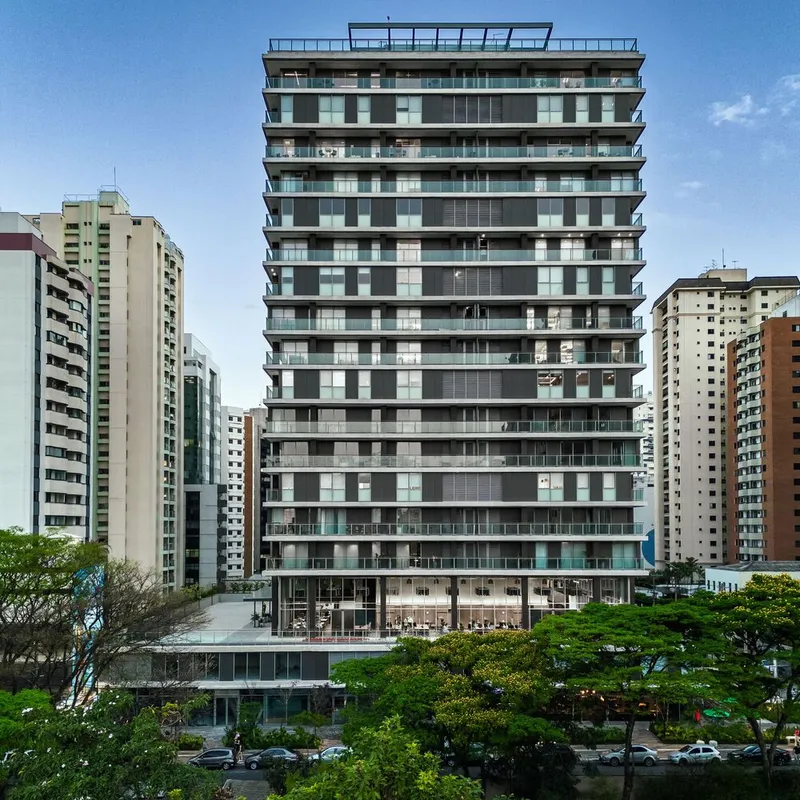
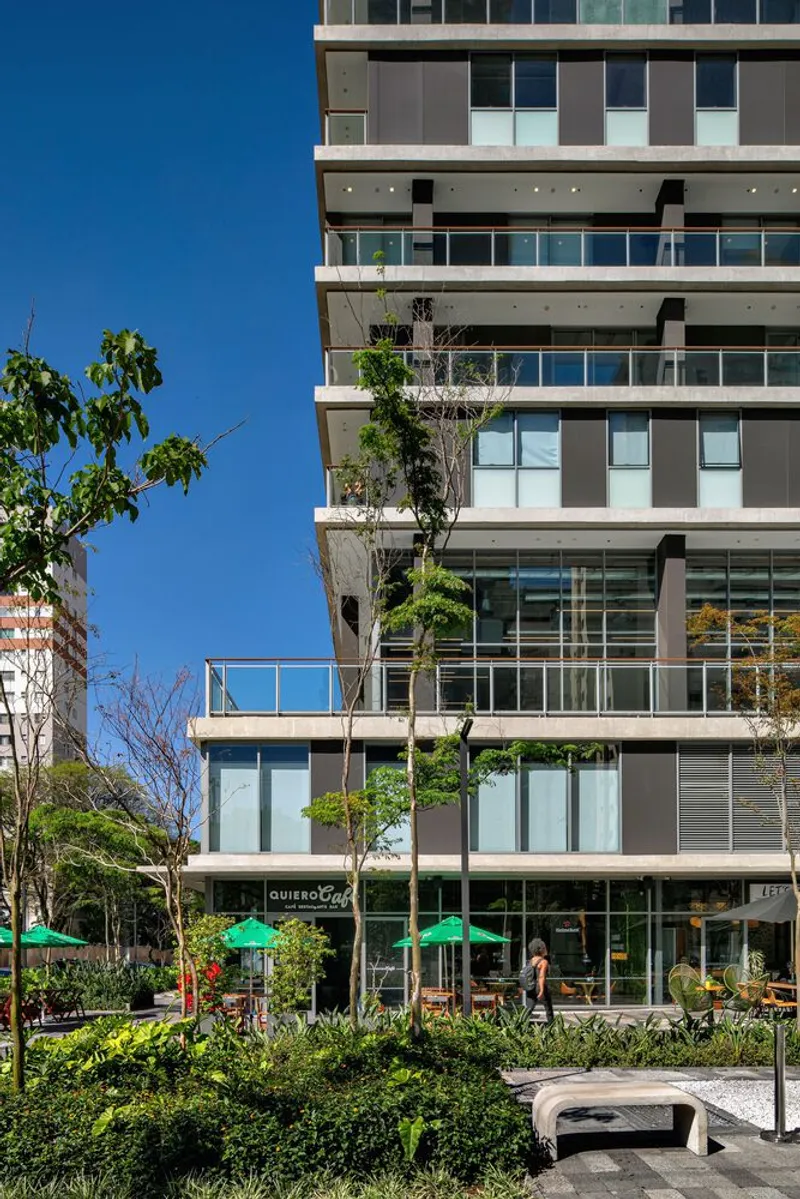
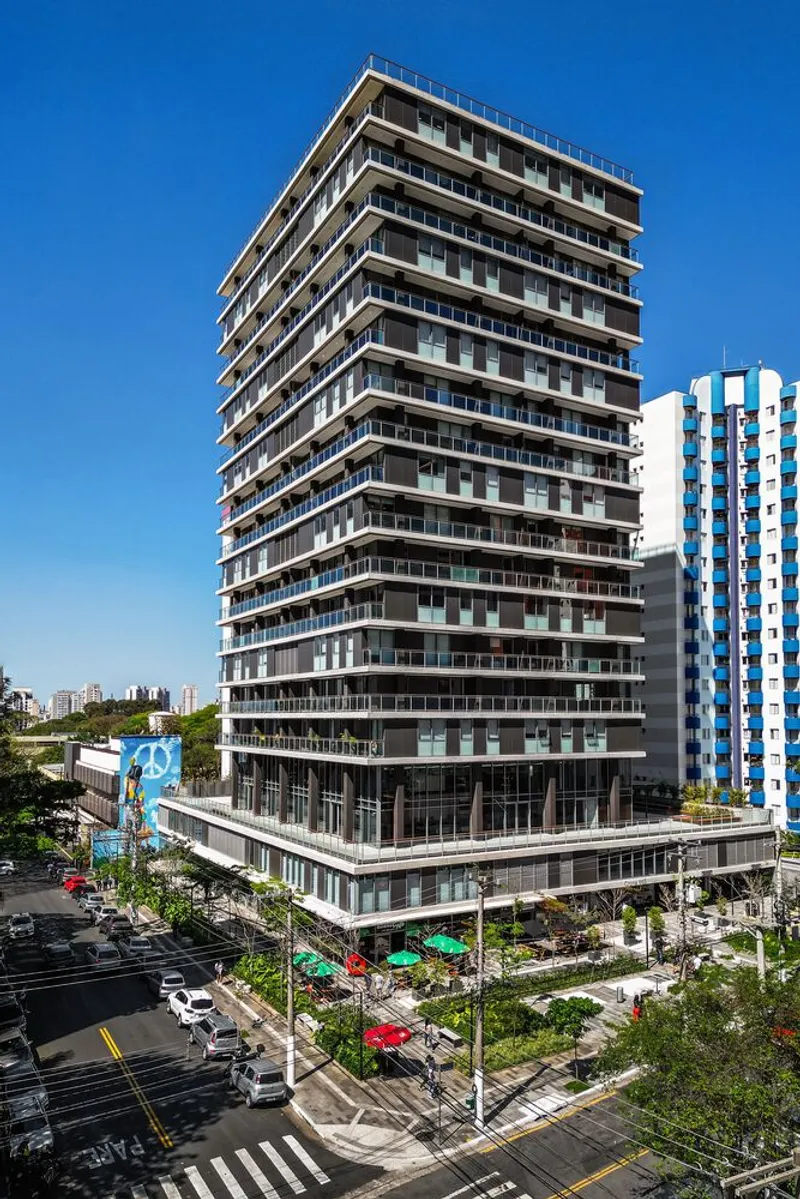
All photographs are works of Nelson Kon


Popular Articles
Popular articles from the community


David Macias Steps a Doorless Stone and Plaster House Down a Tropical Colombian Hillside
In the humid hills of Colombia, Threshold House replaces the front door with an open void and terraces its 850 m² down the slope instead of fighting it.

GROUP A Strips a 1969 Rotterdam Harbor Headquarters to Its Frame and Wraps It in Timber Louvers
In Rotterdam's M4H harbor district, Ferro Offices reuses a 1969 frame, adds one timber storey and reaches BREEAM-NL Outstanding.

LT2A and OPEN Architectes Thread a Brick and Glass High School Through a Wooded Belgian Campus
In Braine-l'Alleud, a 3,000 m² wing for Collège Cardinal Mercier pairs pale brick with a glazed colonnade, deferring to a small chapel and a dense wood.

Cube Design Draws an Ecological Corridor Between Two Shenzhen Hills with the Nankai Building
Beside Shenzhen's container docks, the Nankai Building pairs stacked balconies with a climbing green screen to connect two hillsides across its height.

Similar Reads
You might also enjoy these articles


Hodi-Mandai Geram
Project Function: Preservation and revitalization of the Intangible heritage and socio-spatial identity of the Hodi by Housing, Cultural Memory Center, Sacred Grove, landscape, local tourism economy


Olio Towers: A Mid-Rise for Performers That Fuses Housing, Rehearsal, and Stage
Located blocks from Houston's Theater District, this modular tower stacks living units around a central performance atrium.

Oasis: Modular Green Housing Carved into Dhaka's Urban Fabric
A shortlisted Plugin Housing entry reclaims unauthorized settlements in Dhaka with stepped concrete volumes, green roofs, and ventilation-driven design.

Black Hole: A Floating Megastructure for the Post-Physical Era
Emiliano Mazzarotto envisions a spherical, self-scaling arena where e-sports, digital hotels, and holographic stadiums replace traditional public space.

Explore Sao Paulo Competitions
Discover active competitions in this discipline

Challenge to reimagine the Iron Throne

Photograph architecture without architects

Illustrate the lost glory of Angkor Wat - Render Challenge

Design challenge to reuse E-waste
Comments (0)
Please login or sign up to add comments
No comments yet. Be the first to comment!