Cultural Architecture in Urban Design: A Case Study of the House of Dance in Buenos Aires
This article explores the House of Dance in Buenos Aires, integrating cultural dance into urban architectural design.


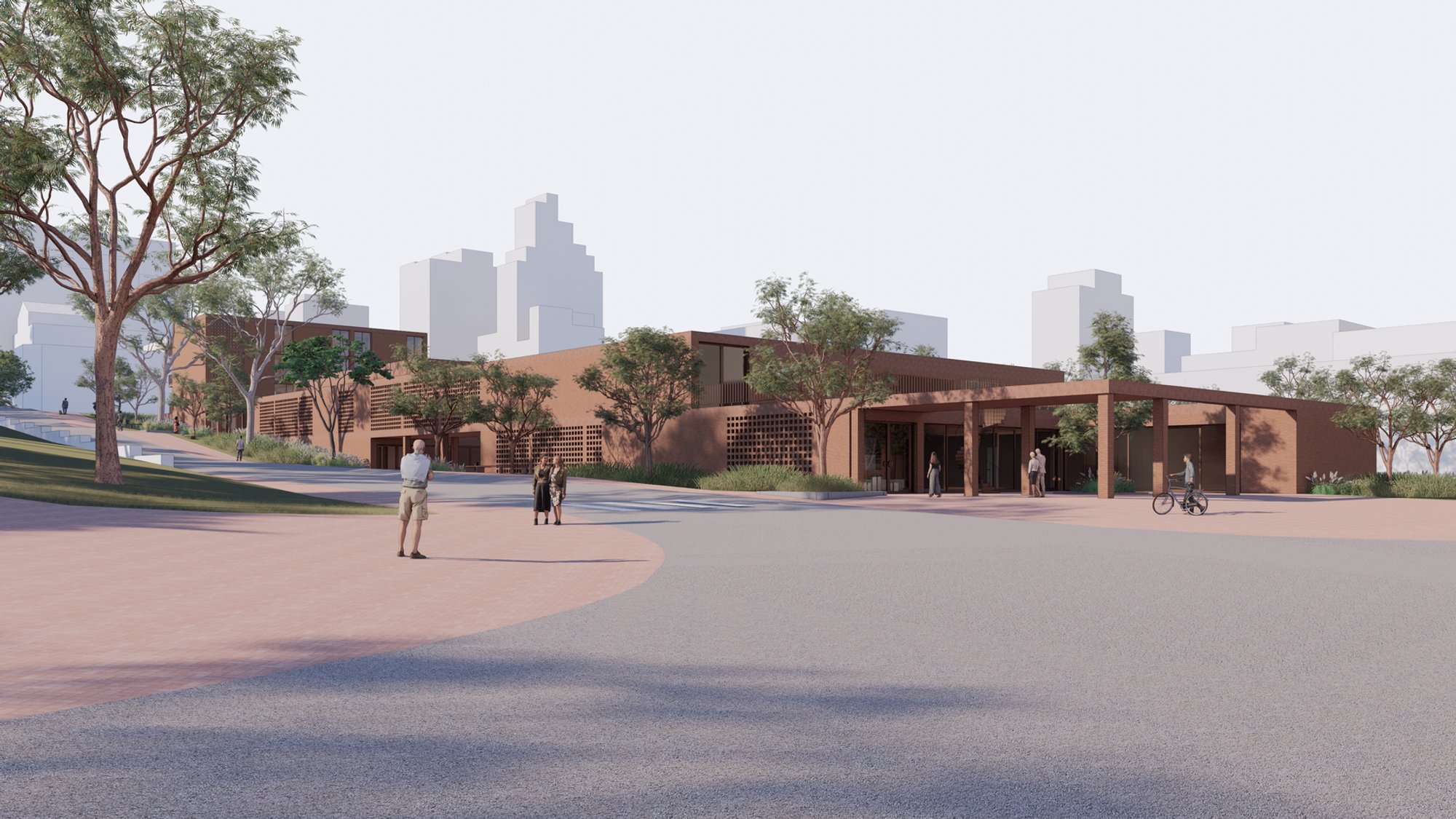
In the heart of Buenos Aires, a city renowned for its vibrant dance culture and historical significance, the House of Dance emerges as a beacon of cultural architecture and urban design. Conceived by Darina Izakovicova, this project not only seeks to preserve the rich dance heritage of Buenos Aires but also aims to seamlessly integrate into the urban fabric of its historic district. This article explores how the House of Dance uses cultural insights to inform its architectural design, serving as a model for blending traditional values with modern urban strategies.
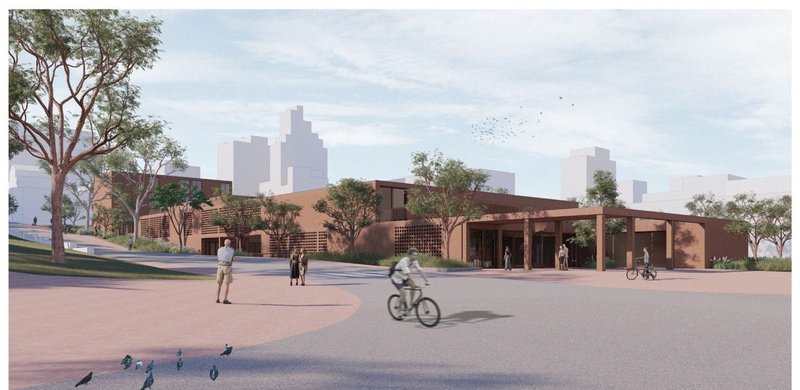
The House of Dance, an Honorable Mention entry in the Grace competition, was designed with the specific aim of fostering the dance culture of Buenos Aires, particularly the tango. The building's design responds dynamically to its environment, reflecting the rhythms and movements of dance both in its structure and in its interaction with the surrounding urban space.
Urban Design and Cultural Integration
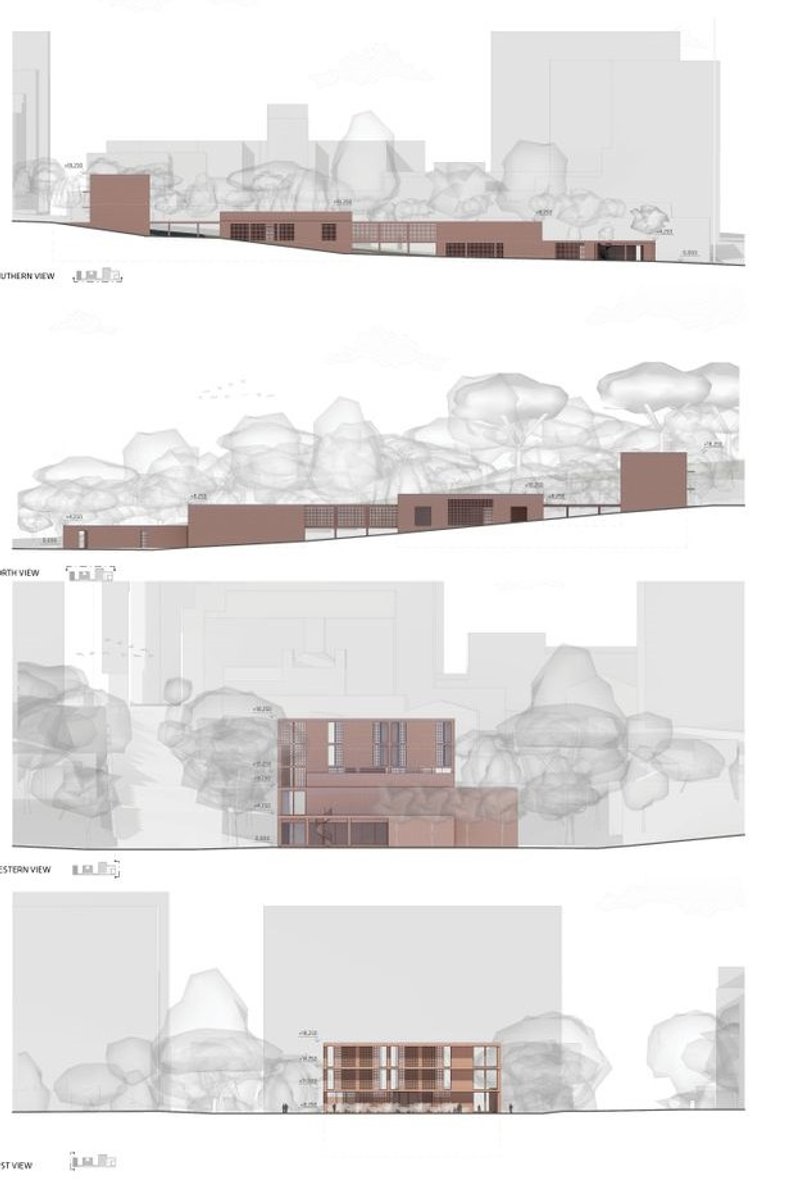
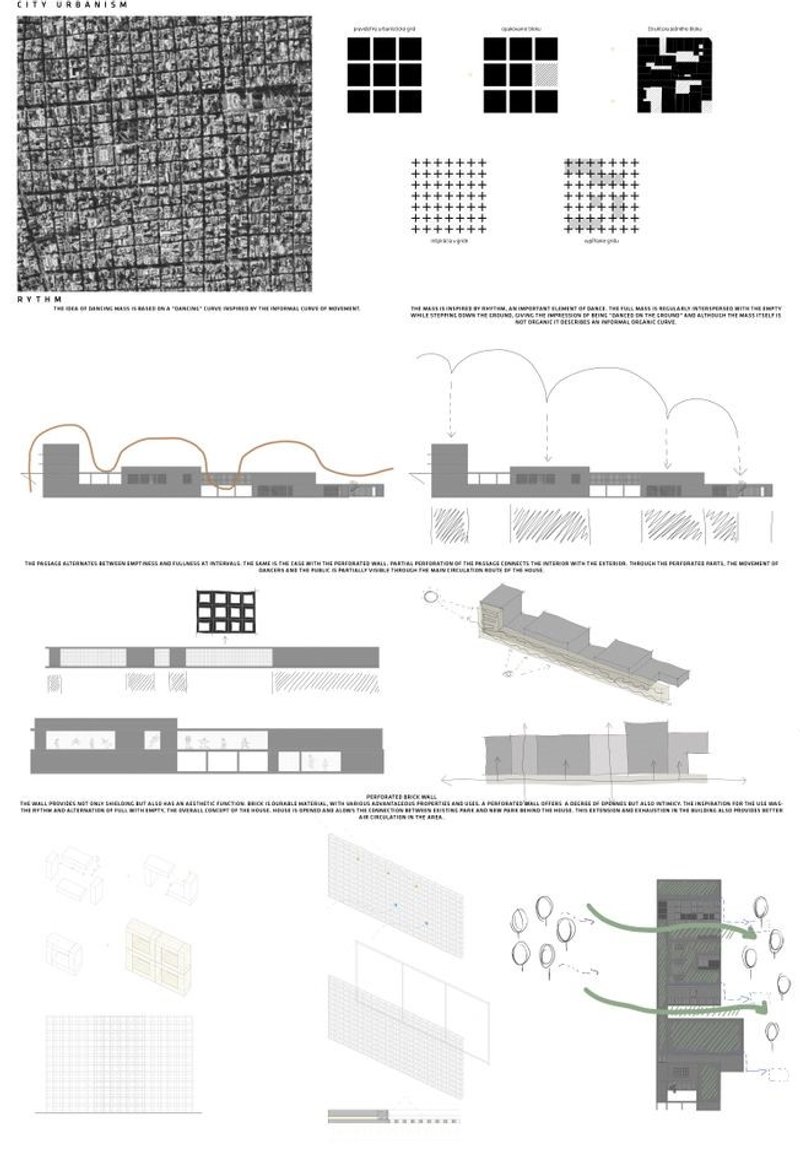
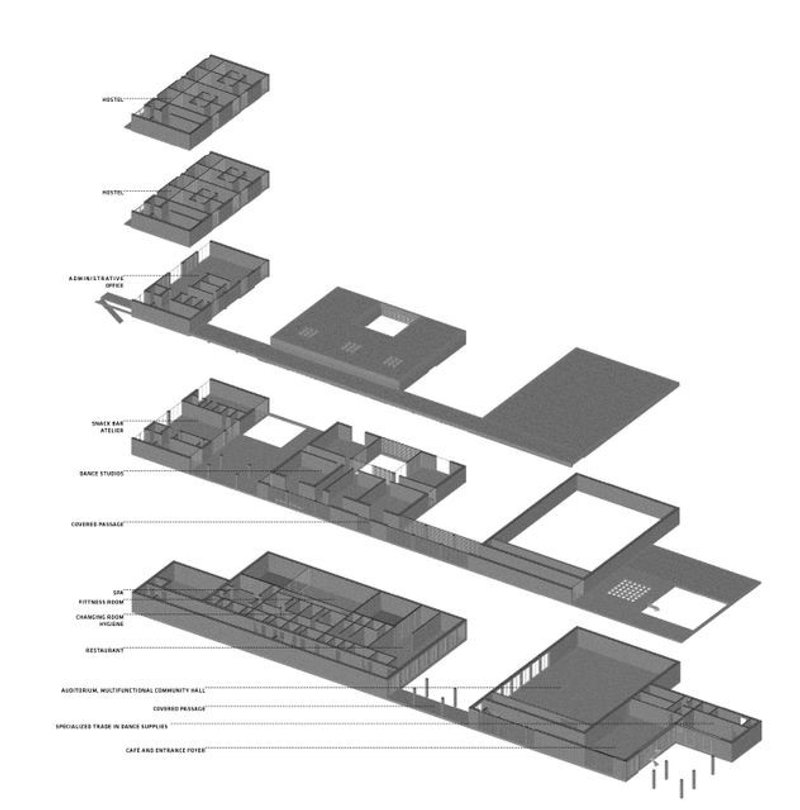
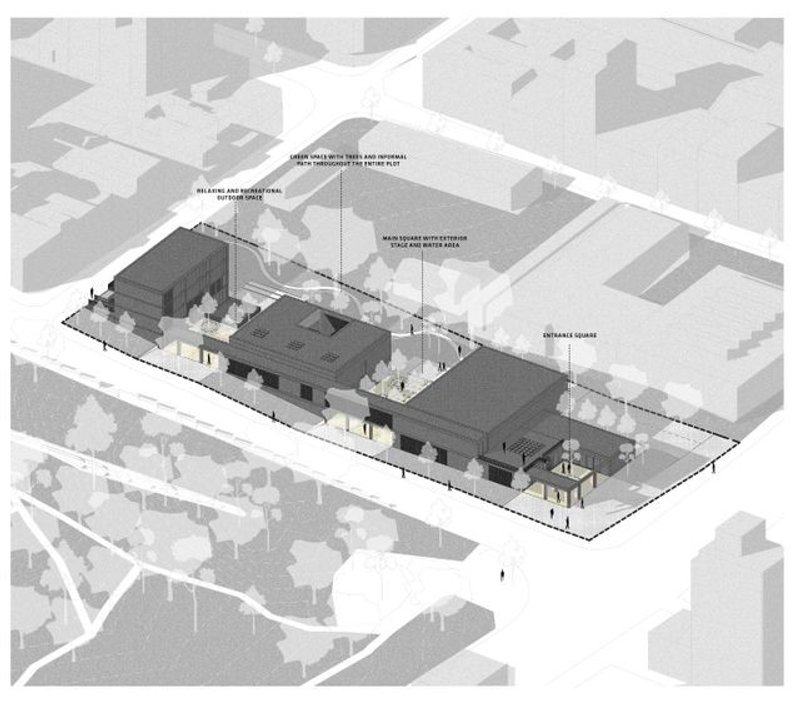
Buenos Aires is characterized by its regular orthogonal grid system, which influences both the cityscape and its architectural norms. The House of Dance adopts this grid system in its design but introduces innovative breaks and flows that mimic dance movements, creating a dialogue between the building and its cultural context. The structure is divided into four distinct blocks connected by a 'passage' corridor, allowing for fluid movement throughout the property, reminiscent of a dance sequence.
Architectural Concept and Inspiration
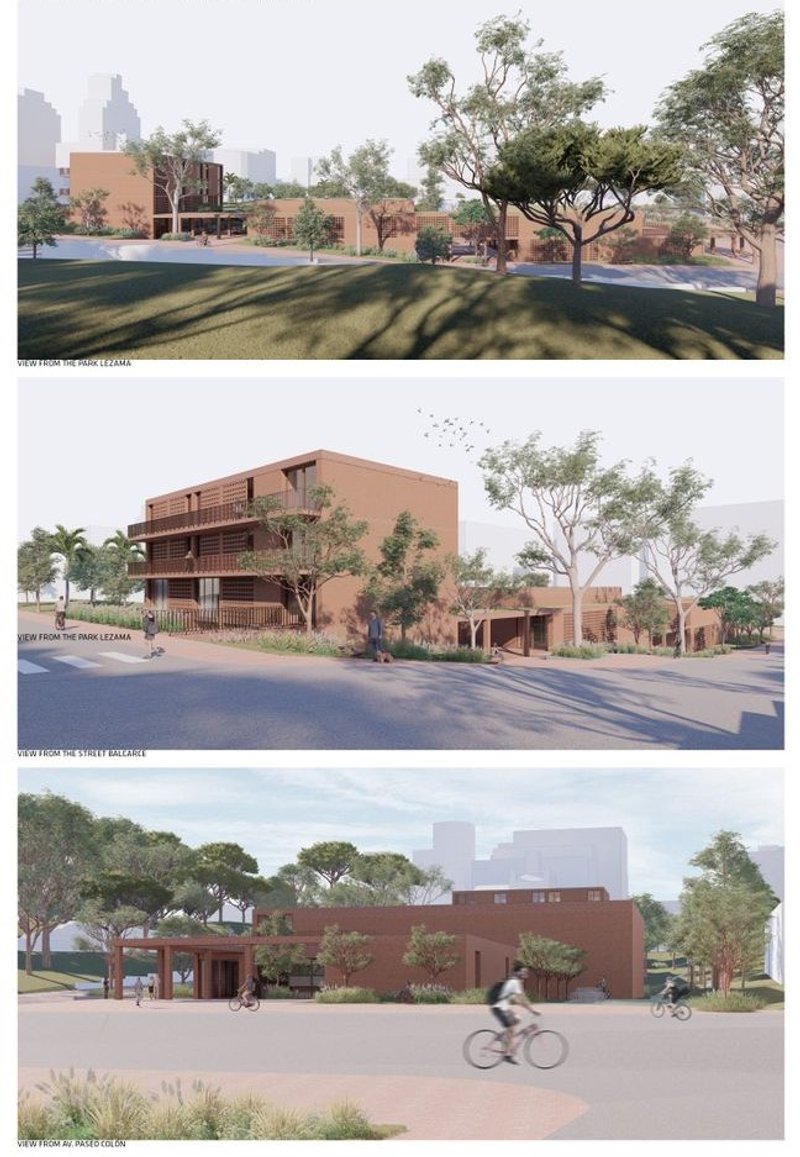
The architectural concept of the House of Dance is deeply rooted in the dance traditions of Buenos Aires. Each aspect of the design, from the layout of the blocks to the use of space and materials, is influenced by aspects of dance such as rhythm, passion, and movement. The use of bright colors and traditional materials like brick not only reflects the local aesthetic but also supports functional needs and sustainability.
Engaging Public and Private Spaces
A key feature of the House of Dance is its ability to engage both public and private spaces effectively. The design includes open public spaces that draw people in from the street, encouraging interaction and cultural activities. These spaces are designed to be inviting and accessible, promoting the use of the building as a community hub for dance and cultural expression.
Sustainability and Future-Proofing
Incorporating sustainable practices, the building uses local materials and construction techniques, reducing its carbon footprint and enhancing its environmental resilience. Additionally, the design anticipates future urban growth and changes, ensuring that the House of Dance remains a vital part of Buenos Aires's cultural landscape for years to come.
The House of Dance in Buenos Aires stands as a testament to the power of cultural architecture in urban design. By integrating the city’s dance culture into its very structure, the project not only preserves heritage but also enhances the urban experience, making it a landmark of cultural significance and architectural innovation. Projects like these inspire cities worldwide to embrace their cultural identities and incorporate them into their urban development strategies, paving the way for a more integrated and expressive urban future.