

Deep Cover House by Edwards White Architects – A Cricket Pavilion Blending Architecture, Culture, and Community
Deep Cover House by Edwards White Architects is a timber cricket pavilion blending sport, community, and nature with flexible, sustainable design.


Deep Cover House, designed by Edwards White Architects, is a stunning example of how architecture can transcend functionality to embody culture, leisure, and community spirit. Aptly named for its unique position on the field, the Deep Cover Pavilion is more than just a shelter—it is a versatile cricket pavilion that celebrates New Zealand’s love for the sport while providing a warm, communal space for spectators, players, and visitors.

A Pavilion Rooted in Cricket Culture
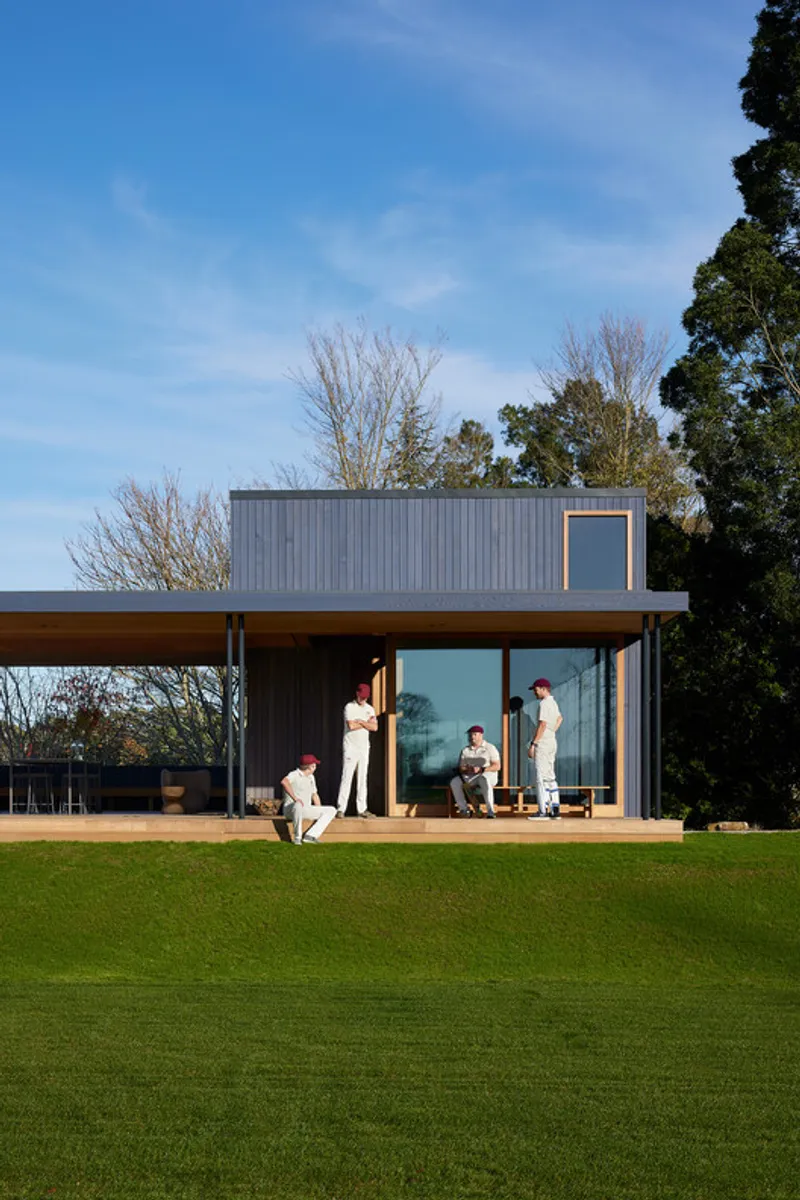
The design brief called for a building that would reference New Zealand’s iconic game of cricket and embrace the social rituals that come with it. Inspired by the notion of the “drinks break,” the architects created a central deep-covered veranda—a neutral space that connects two team areas. This shared zone is deliberately designed to foster camaraderie, social interaction, and playful banter between teams before returning to the pitch.
For spectators, the pavilion offers a shaded retreat, a place to sip refreshments, cheer on the players, and enjoy the quintessential culture of cricket. The pavilion’s form embodies the balance between sport, leisure, and togetherness—values deeply ingrained in New Zealand’s sporting traditions.
Flexible and Functional Design
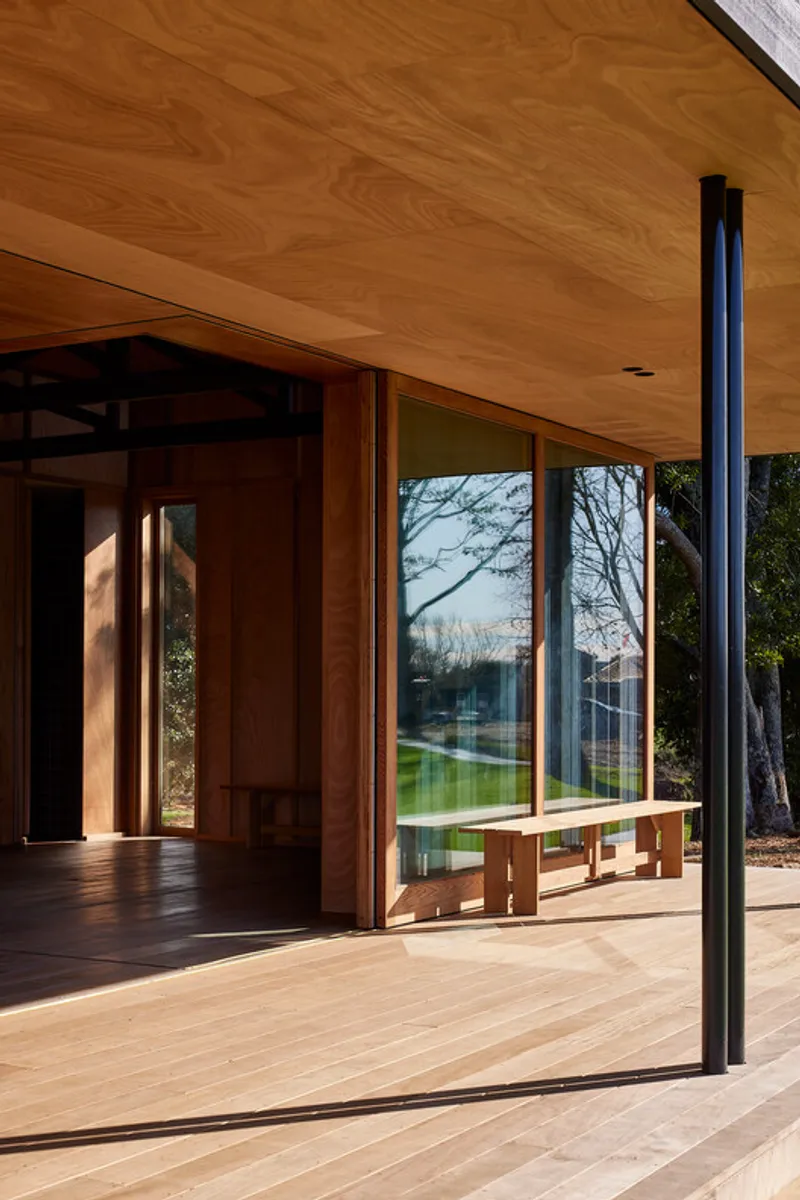
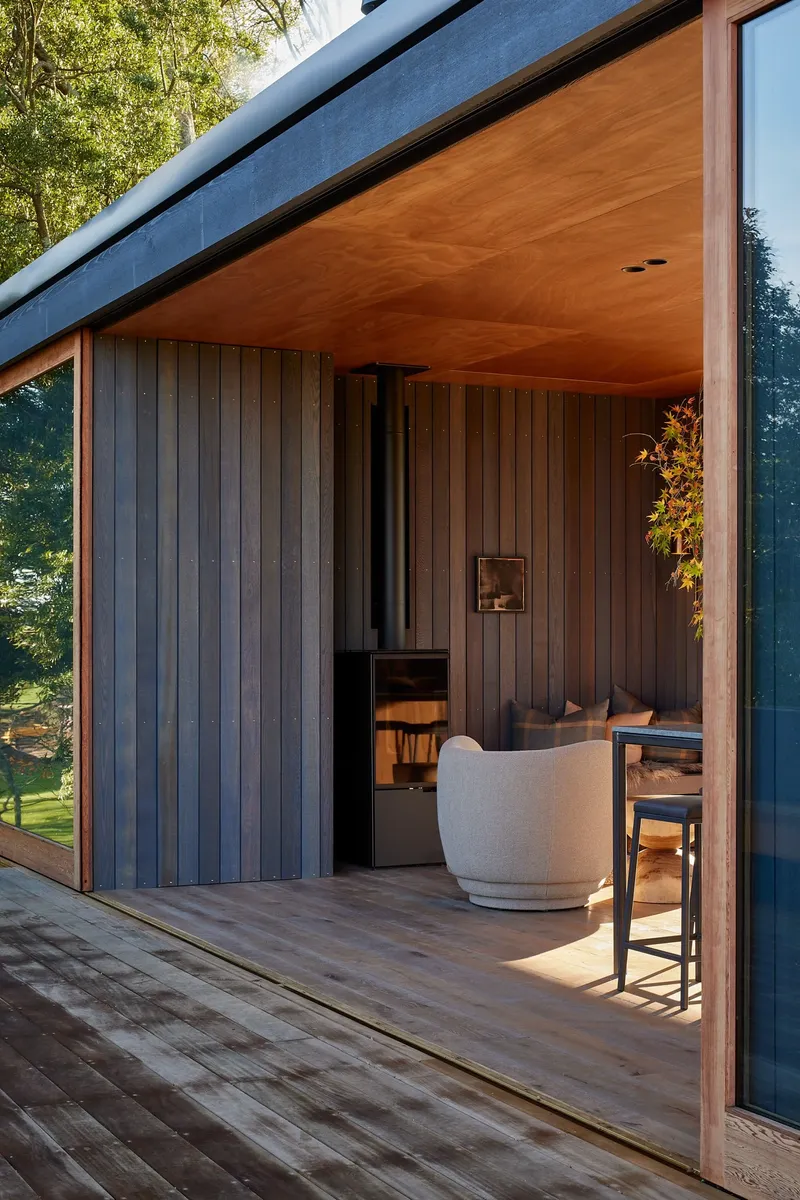
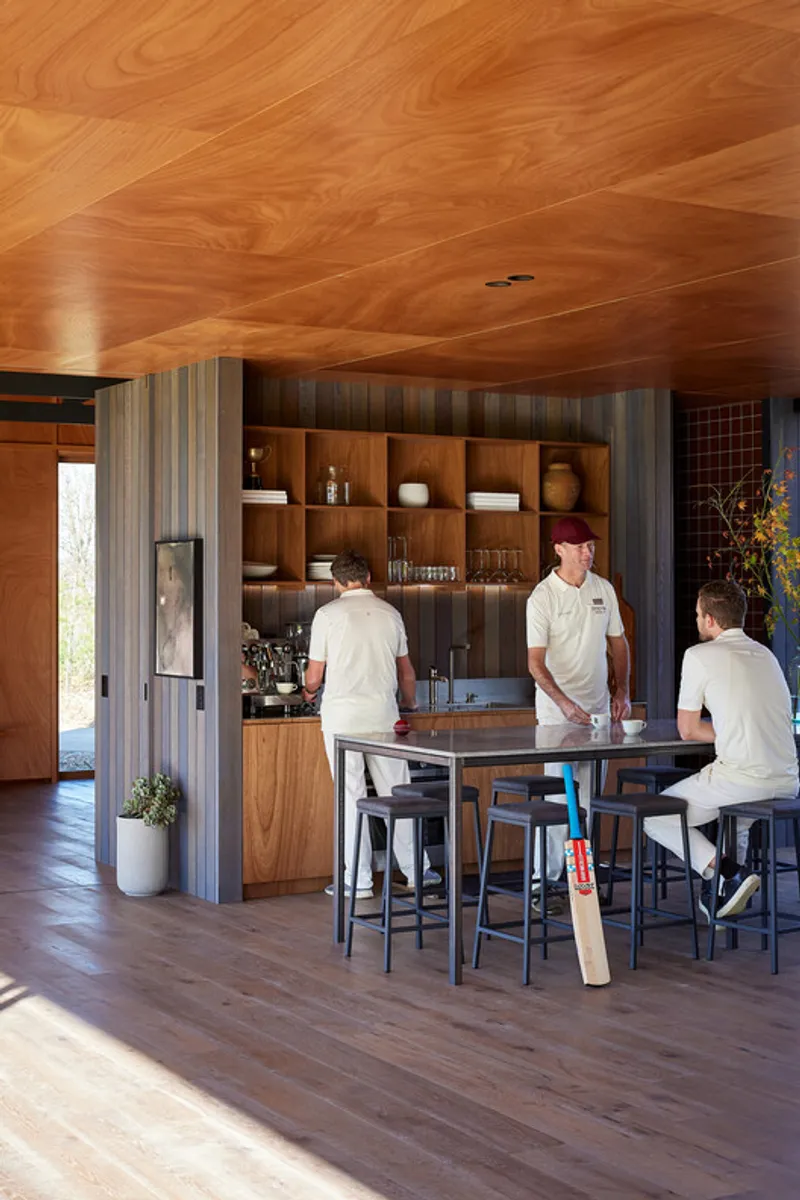
The timber pavilion is intentionally modest yet expressive, designed to be both welcoming and practical. Sliding doors allow the internal spaces to adapt easily—expanding into an open-plan layout for gatherings or closing for more intimate settings. Equipped with a kitchenette and wood burner, the pavilion ensures comfort in all seasons, whether it’s a warm summer match or a cool winter gathering.
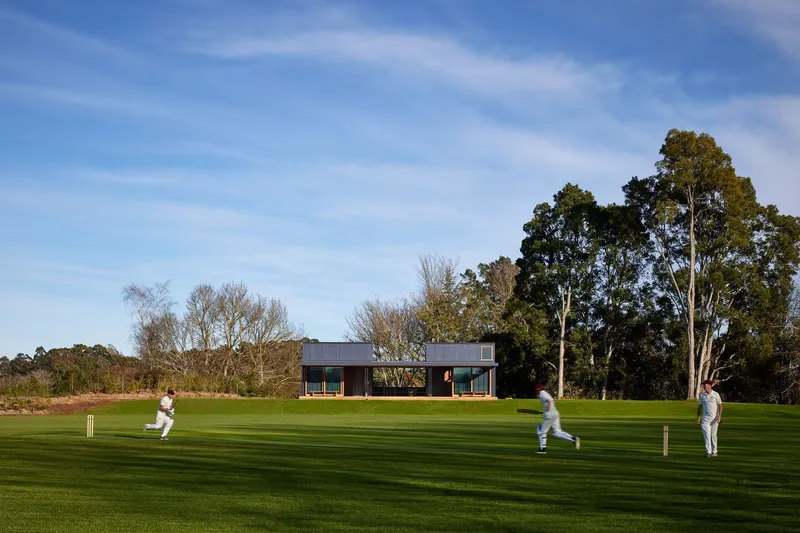
Strategically positioned on a rise, Deep Cover House naturally forms an amphitheater-like vantage point, providing excellent visibility of the cricket pitch and accommodating larger groups of spectators. This thoughtful integration with the landscape enhances both the function and the atmosphere of the pavilion.
Materiality and Architectural Expression
The architectural detailing of Deep Cover House is simple yet deeply symbolic. Materials were carefully chosen to age gracefully, allowing the pavilion to develop character over time while reflecting the heritage of traditional sporting clubrooms.
- Cedar cladding finished with a deep-blue stain highlights natural grain variations, blending seamlessly with the lush landscape.
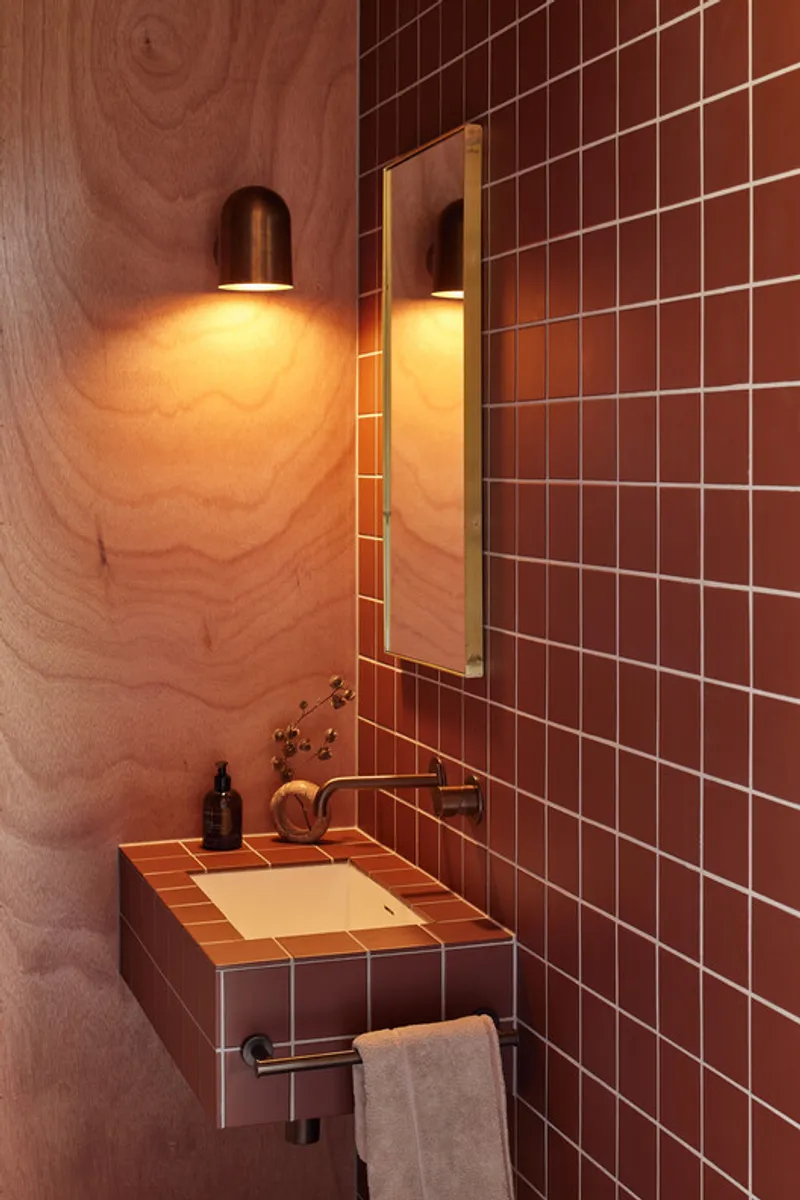
- Meranti plywood interiors create warmth and a homely atmosphere, balancing intimacy with openness.
- Exposed trusses add volume and emphasize structural honesty.
- Cylindrical posts at the canopy’s edge subtly reference cricket stumps, a playful nod to the sport itself.
This restrained yet expressive material palette ensures the pavilion feels timeless and rooted in its cultural context.


A Community-Centered Retreat
Beyond match-day functionality, the pavilion is envisioned as a retreat for recreation, entertainment, and community connection. Nestled among mature trees and overlooking manicured outfields, the pavilion blurs the line between natural and designed landscapes.
In a post-pandemic world, the value of gathering spaces has grown tremendously. Deep Cover House embodies this need, serving not just as a cricket pavilion, but as a hub for social connection, cultural expression, and community resilience.
All the photographs are works of Simon Wilson


Popular Articles
Popular articles from the community


Jaramillo Van Sluys Arquitectura and Urbanismo Turn a Demolished Registry Lot in Quito into an Orchard Plaza
In Quito's Centro Histórico, a 2,800 m² plaza exposes the San Agustín convent wall and redraws its lost Augustinian orchard in volcanic stone.

Juan García Correa, John González and Claudia Rueda Sink a Circular Amphitheater into a Manizales Engineering Building
On the La Nubia campus in Manizales, Colombia, the S1 Building folds labs and offices into a hillside of ramped lawns that double as a campus route.

GROUP A Strips a 1969 Rotterdam Harbor Headquarters to Its Frame and Wraps It in Timber Louvers
In Rotterdam's M4H harbor district, Ferro Offices reuses a 1969 frame, adds one timber storey and reaches BREEAM-NL Outstanding.

Architekt Andreas Gruber Scatters 23 Dark Timber Chalets Across a South Tyrolean Forest Edge
In Molini di Tures, Amonti Chalets breaks a resort into a hamlet of gabled timber houses, with parking, storage and services pushed into the slope.

Similar Reads
You might also enjoy these articles


Hodi-Mandai Geram
Project Function: Preservation and revitalization of the Intangible heritage and socio-spatial identity of the Hodi by Housing, Cultural Memory Center, Sacred Grove, landscape, local tourism economy


Olio Towers: A Mid-Rise for Performers That Fuses Housing, Rehearsal, and Stage
Located blocks from Houston's Theater District, this modular tower stacks living units around a central performance atrium.

Oasis: Modular Green Housing Carved into Dhaka's Urban Fabric
A shortlisted Plugin Housing entry reclaims unauthorized settlements in Dhaka with stepped concrete volumes, green roofs, and ventilation-driven design.

Black Hole: A Floating Megastructure for the Post-Physical Era
Emiliano Mazzarotto envisions a spherical, self-scaling arena where e-sports, digital hotels, and holographic stadiums replace traditional public space.

Explore Architecture Competitions
Discover active competitions in this discipline

Challenge to reimagine the Iron Throne

Photograph architecture without architects

Illustrate the lost glory of Angkor Wat - Render Challenge

Design challenge to reuse E-waste
Comments (0)
Please login or sign up to add comments
No comments yet. Be the first to comment!