

Discovering Kerala Architecture: The Mala House and Its Timeless Design
Explore the blend of traditional and modern Kerala architecture through the design of the Mala House, emphasizing sustainability and nature.


Kerala, a coastal paradise in southern India, is known for its rich cultural heritage, stunning landscapes, and unique architectural traditions. One of the most celebrated examples of contemporary Kerala architecture is Mala House, designed by Thomas Parambil Architects. This remarkable home blends traditional elements with modern design to create a space that is not only functional but also deeply connected to its environment and heritage.
In this article, we’ll explore the architectural brilliance of the Mala House and how it exemplifies the essence of Kerala architecture. From its sustainable materials to its thoughtful layout and design, Mala House is a shining example of how Kerala’s architectural traditions can be reinterpreted for modern living.
The Roots of Kerala Architecture
Kerala architecture, or traditional Kerala home design, is deeply influenced by the region's natural surroundings and its cultural history. Traditional Kerala homes, known as nalukettu, are characterized by open courtyards, sloping roofs, and expansive verandahs. The layout is designed to foster interaction with nature, using materials that are locally sourced and environmentally sustainable.
One of the key elements in Kerala architecture is the use of laterite stone, which is abundant in the region and known for its insulating properties. This material is often used for the foundation, walls, and sometimes even the roof tiles. Additionally, terracotta tiles and wooden beams are common features in traditional designs.
Mala House: A Modern Interpretation of Kerala Architecture
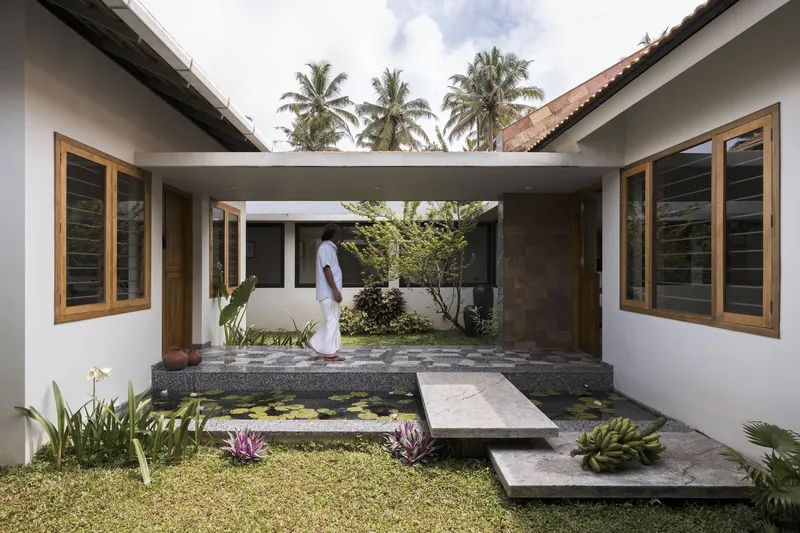
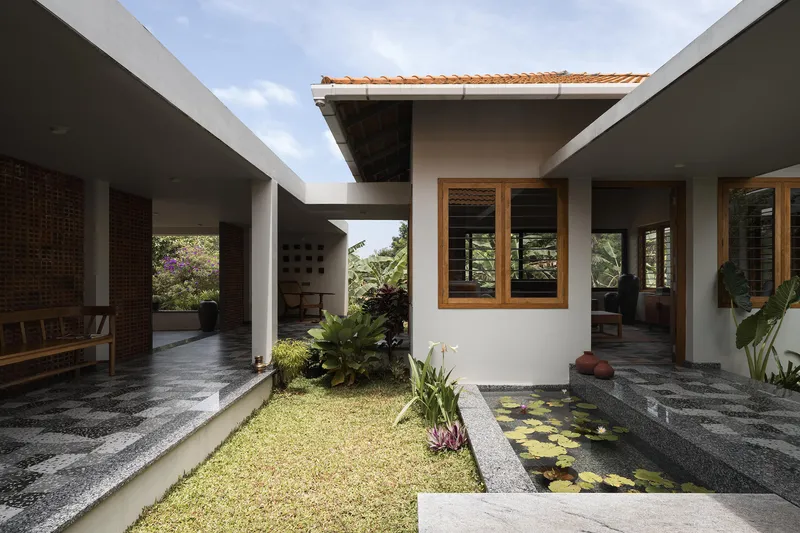
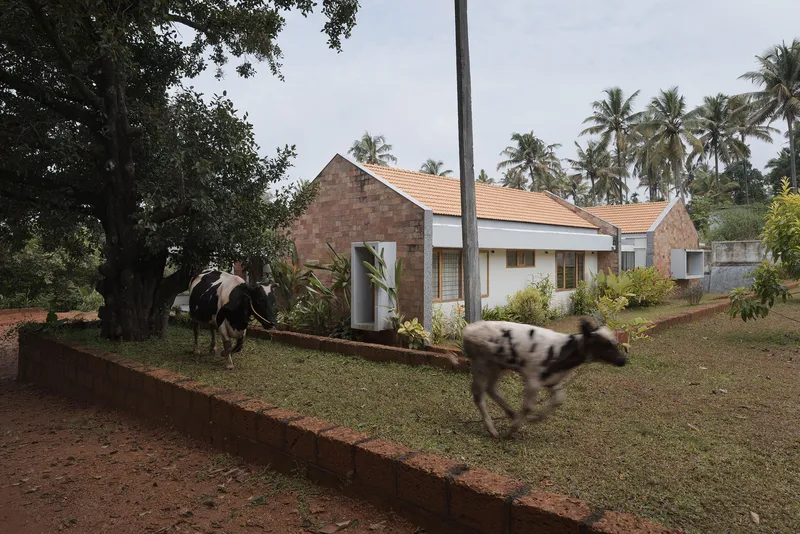
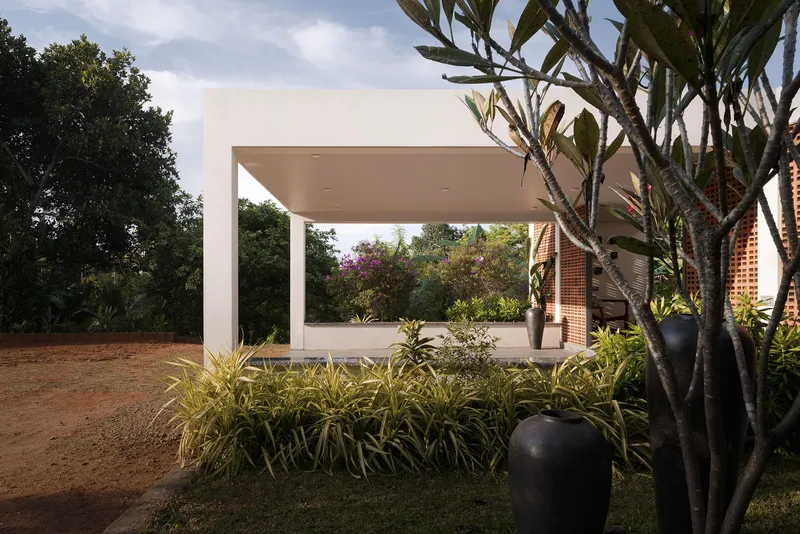
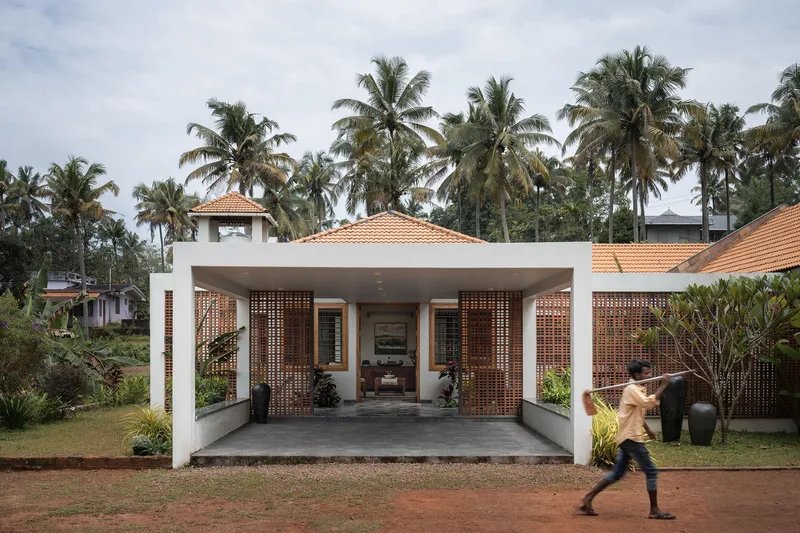
Located in the heart of Kerala’s lush Thrissur district, Mala House serves as a contemporary tribute to the traditional nalukettu form. Spanning 2,700 square feet, the house sits gracefully on a sloping site, nestled within a tropical green setting. The home’s design seamlessly blends into its environment, maintaining a low visual profile while incorporating modern elements that enhance the living experience.
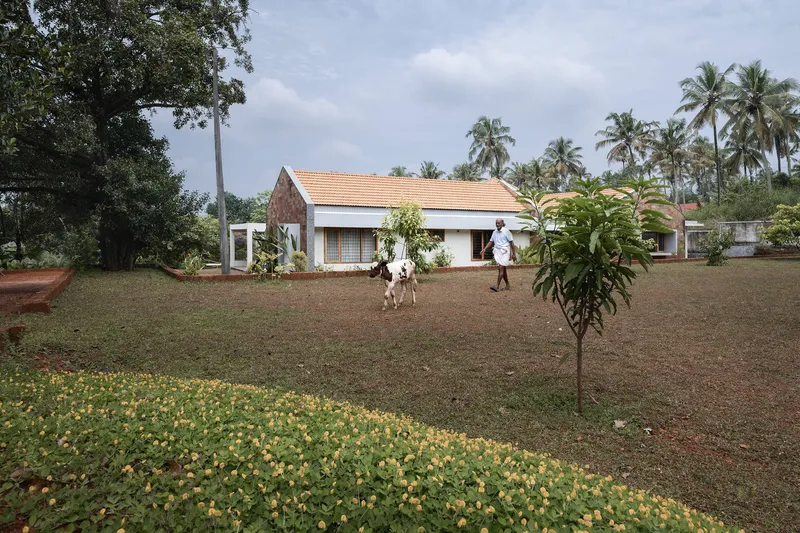
Traditional Layout Meets Modern Design
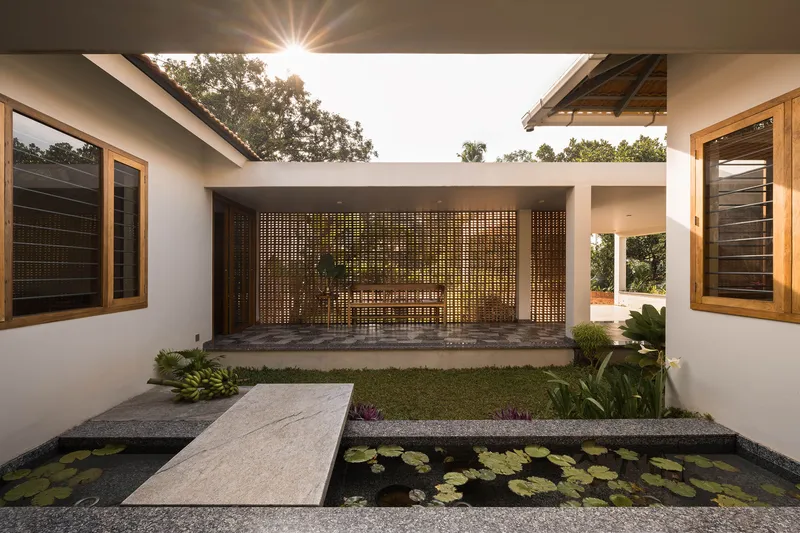
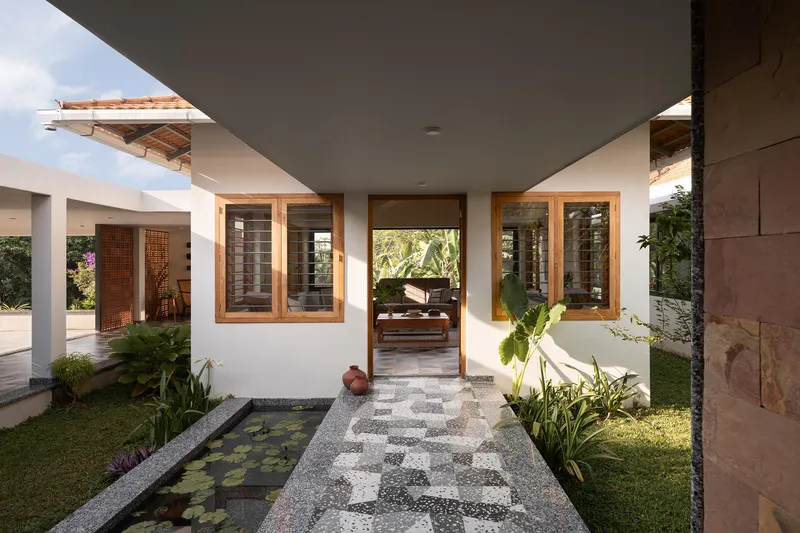
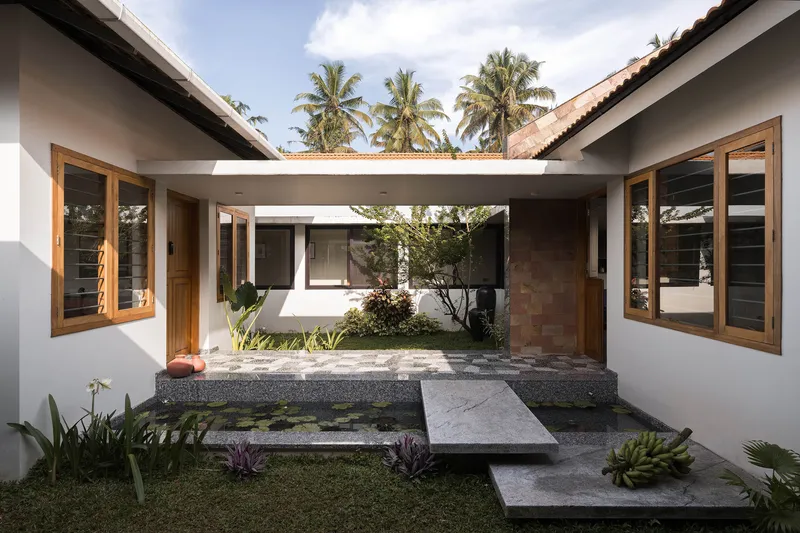
The layout of Mala House reflects the traditional nalukettu style, with an open central courtyard that serves as the heart of the home. Surrounding the courtyard are the various living spaces, designed with high and low ceilings to create a sense of openness and airflow. The C-shaped plan of the house is strategically oriented to the north, maximizing natural light and ventilation while reducing heat from the harsh sun.
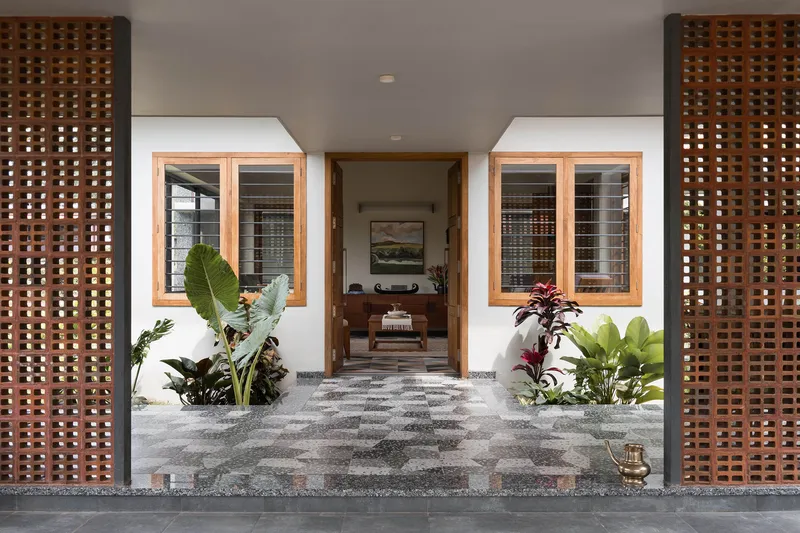
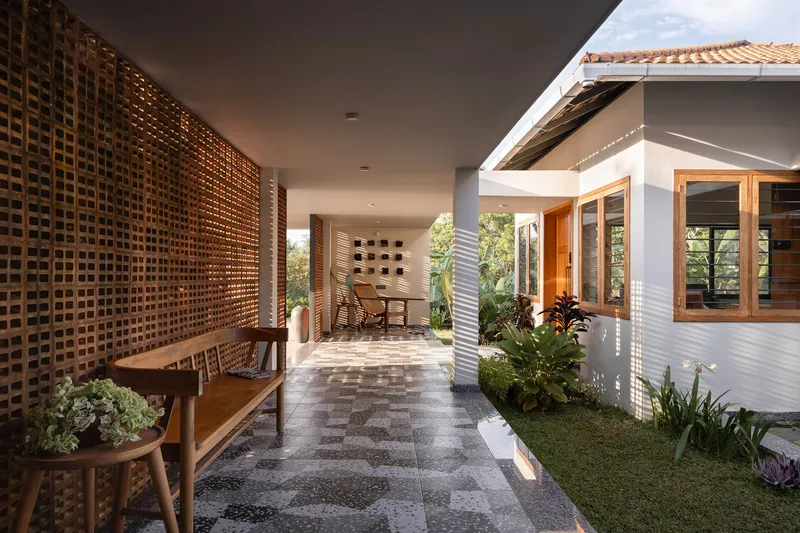
This thoughtful design ensures that the house remains cool and comfortable in Kerala’s tropical climate. The use of semi-open verandahs and sculptural terracotta jaali brise soleil helps to mitigate the strong afternoon sunlight while creating an interplay of light and shadow that adds a dynamic visual element to the space.
Connection to Nature
One of the most striking features of Kerala architecture is its connection to the natural world. Mala House, with its sprawling courtyards and expansive verandahs, is designed to encourage outdoor living. The courtyards, surrounded by lush greenery and a soothing waterbody, create a serene environment for the residents, allowing them to experience nature in its most tranquil form.
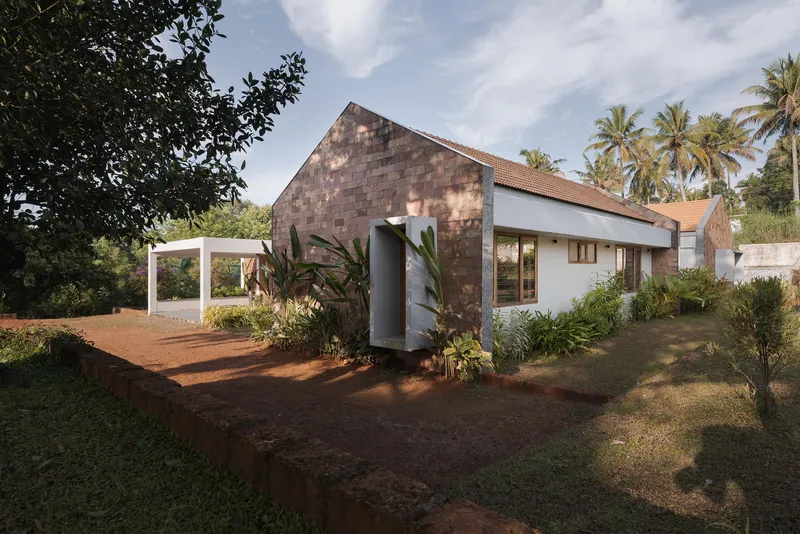
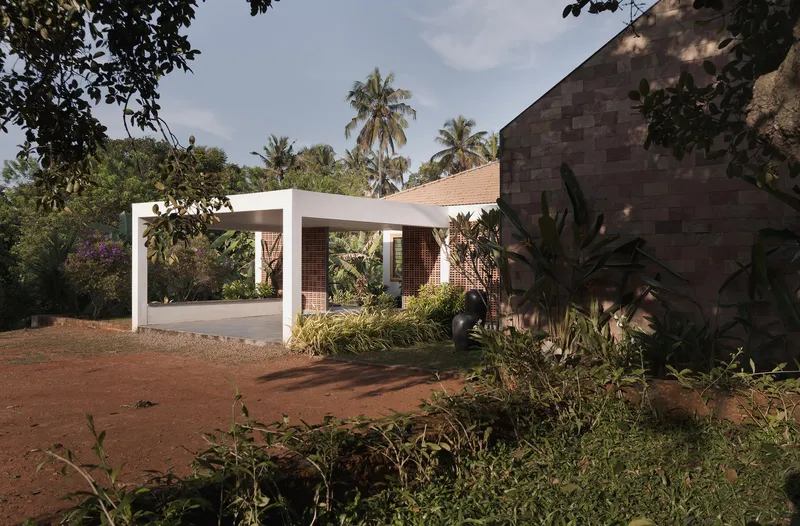
The integration of nature into the living spaces is enhanced by the use of local materials like laterite stone for the walls and terracotta for the roof tiles. These materials not only reflect the traditional architectural vocabulary of Kerala but also offer sustainable solutions for climate control.
The Role of Sustainability in Kerala Architecture
Sustainability is a cornerstone of Kerala architecture, and Mala House is a prime example of how modern homes can be built with minimal environmental impact. The house's use of local materials, such as laterite stone and terracotta, reduces the carbon footprint associated with transporting building materials. These materials are also known for their thermal insulation properties, which help to maintain a comfortable indoor temperature throughout the year.
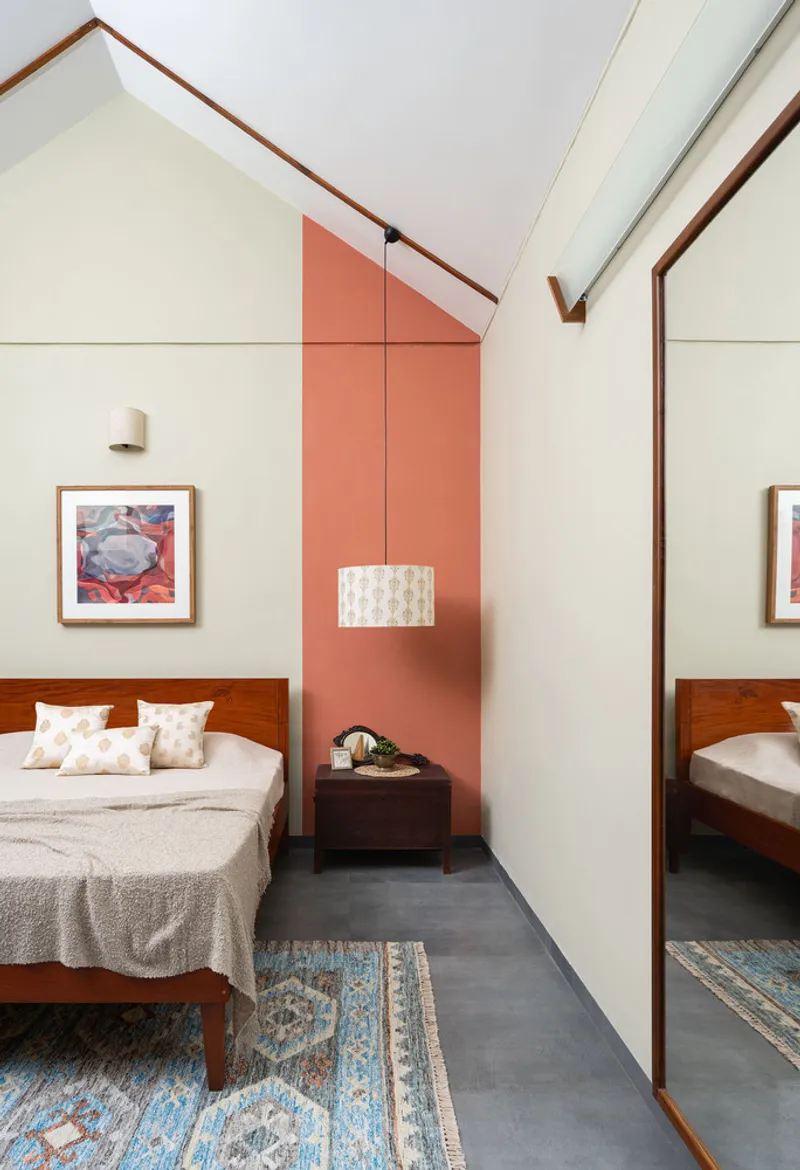
Additionally, the design of the house incorporates natural ventilation and daylighting, which reduces the need for artificial lighting and cooling. By taking full advantage of the tropical climate and its natural resources, Mala House embodies the principles of sustainable architecture that are so important to Kerala's architectural heritage.
The Timeless Appeal of Kerala Architecture
Kerala architecture has long been admired for its harmonious relationship with nature and its thoughtful design. The Mala House, with its modern interpretation of the traditional nalukettu form, showcases the timeless appeal of Kerala architecture. By incorporating sustainable materials, creating open spaces that connect with the outdoors, and embracing the region's cultural heritage, Mala House is a stunning example of how modern homes can reflect the values of the past while meeting the needs of the present.
If you are inspired by the beauty and sustainability of Kerala architecture, consider incorporating elements of this traditional style into your own home design. Whether you’re building a new home or renovating an existing one, Kerala-inspired design can bring a sense of calm, harmony, and connection to nature that will enhance your living experience for years to come.
All Photographs are work of Justin Sebastian


Popular Articles
Popular articles from the community

Extended Shell: Retrofitting Kolkata's Balconies as Living Urban Thresholds
A modular retrofit system recovers the social and environmental intelligence of Kolkata's historic verandas for contemporary Park Street residents.
Opera by the Sea Estonia: Three Shells Dissolving Architecture into Tallinn's Coastline
A winning opera house proposal replaces monumental form with interconnected shells that blur the boundary between building, park and Baltic Sea.

Cloaked Colonization: A Mobile Underwater Habitat That Moves Like a Fish
Micah Abaya's shortlisted EHC Pacific entry reimagines ocean settlement as a dispersed network of self-sustaining architectural organisms.

Opera on the Sea: Driftwood Logic Shapes a Timber Opera House on Estonia's Coast
Trevor Orgill's opera house translates the entangled drift of floating timber into a civic building where wood, water, and music converge.

Similar Reads
You might also enjoy these articles


Hodi-Mandai Geram
Project Function: Preservation and revitalization of the Intangible heritage and socio-spatial identity of the Hodi by Housing, Cultural Memory Center, Sacred Grove, landscape, local tourism economy


Olio Towers: A Mid-Rise for Performers That Fuses Housing, Rehearsal, and Stage
Located blocks from Houston's Theater District, this modular tower stacks living units around a central performance atrium.

Oasis: Modular Green Housing Carved into Dhaka's Urban Fabric
A shortlisted Plugin Housing entry reclaims unauthorized settlements in Dhaka with stepped concrete volumes, green roofs, and ventilation-driven design.

Black Hole: A Floating Megastructure for the Post-Physical Era
Emiliano Mazzarotto envisions a spherical, self-scaling arena where e-sports, digital hotels, and holographic stadiums replace traditional public space.

Explore Kerala Competitions
Discover active competitions in this discipline

Challenge to reimagine the Iron Throne

Photograph architecture without architects

Illustrate the lost glory of Angkor Wat - Render Challenge

Design challenge to reuse E-waste
Comments (0)
Please login or sign up to add comments
No comments yet. Be the first to comment!