
Echo House by PARABOLICA: A Contemporary Dialogue with Australian Modernist Architecture
Echo House by PARABOLICA reinterprets Australian modernist architecture, blending memory, materiality, and contemporary design into a timeless Melbourne residence.


Reinterpreting Memory Through Architecture
Echo House, designed by PARABOLICA in Melbourne, Australia, is more than a residential project—it is a narrative of memory, form, and atmosphere. Completed in 2024 and photographed by Pier Carthew, the home stands as a reinterpretation of Australian modernist architecture, weaving together the modest essence of its predecessor with a contemporary sensibility.
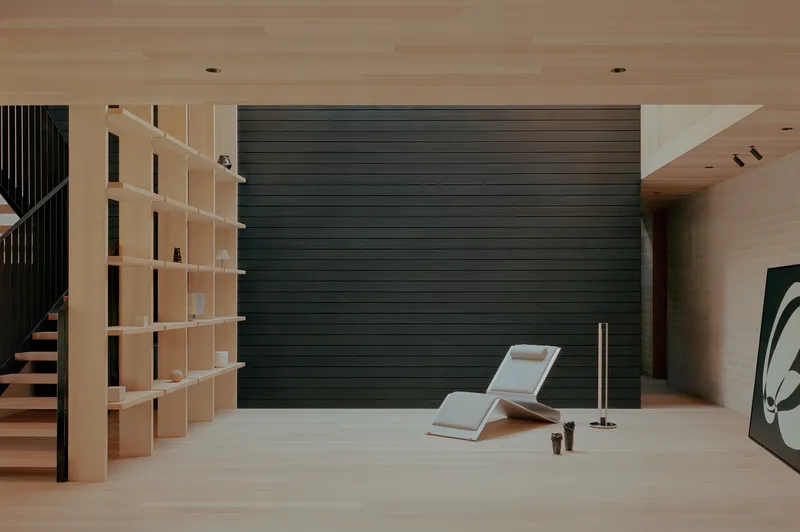
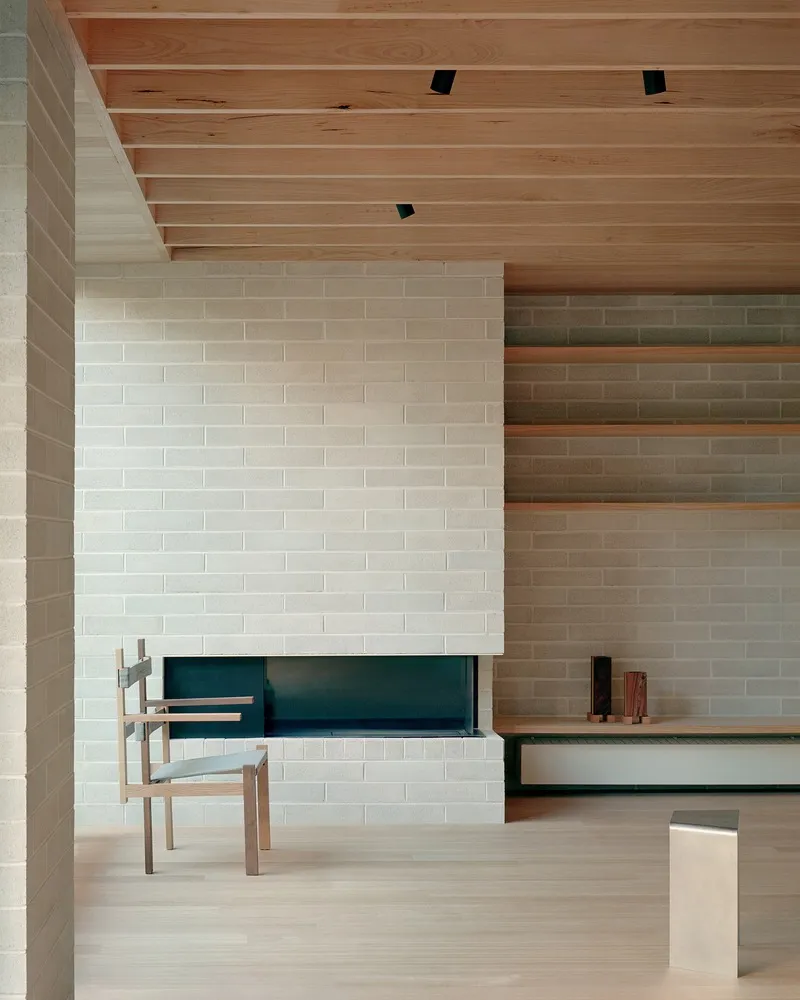
The original dwelling, though unassuming, held a strong identity. Its low roof planes, exposed timber fascia, and material palette subtly echoed mid-century design principles. Rather than replicating the lost home, PARABOLICA reassembled its architectural DNA, creating a residence that preserves character through reinterpretation.
A Contemporary Reassembly of Australian Modernist Ideals
The new design serves as both conservation and evolution. Instead of preserving the original single-storey brick dwelling in its entirety, PARABOLICA captured its essence. The rhythm, proportions, and atmosphere were carried forward, allowing the home to feel both familiar and newly born. This approach transforms Echo House into an “echo” of what once was—a poetic continuation of modernist ideas adapted for contemporary living.
Interior Design Rooted in Light, Texture, and Atmosphere
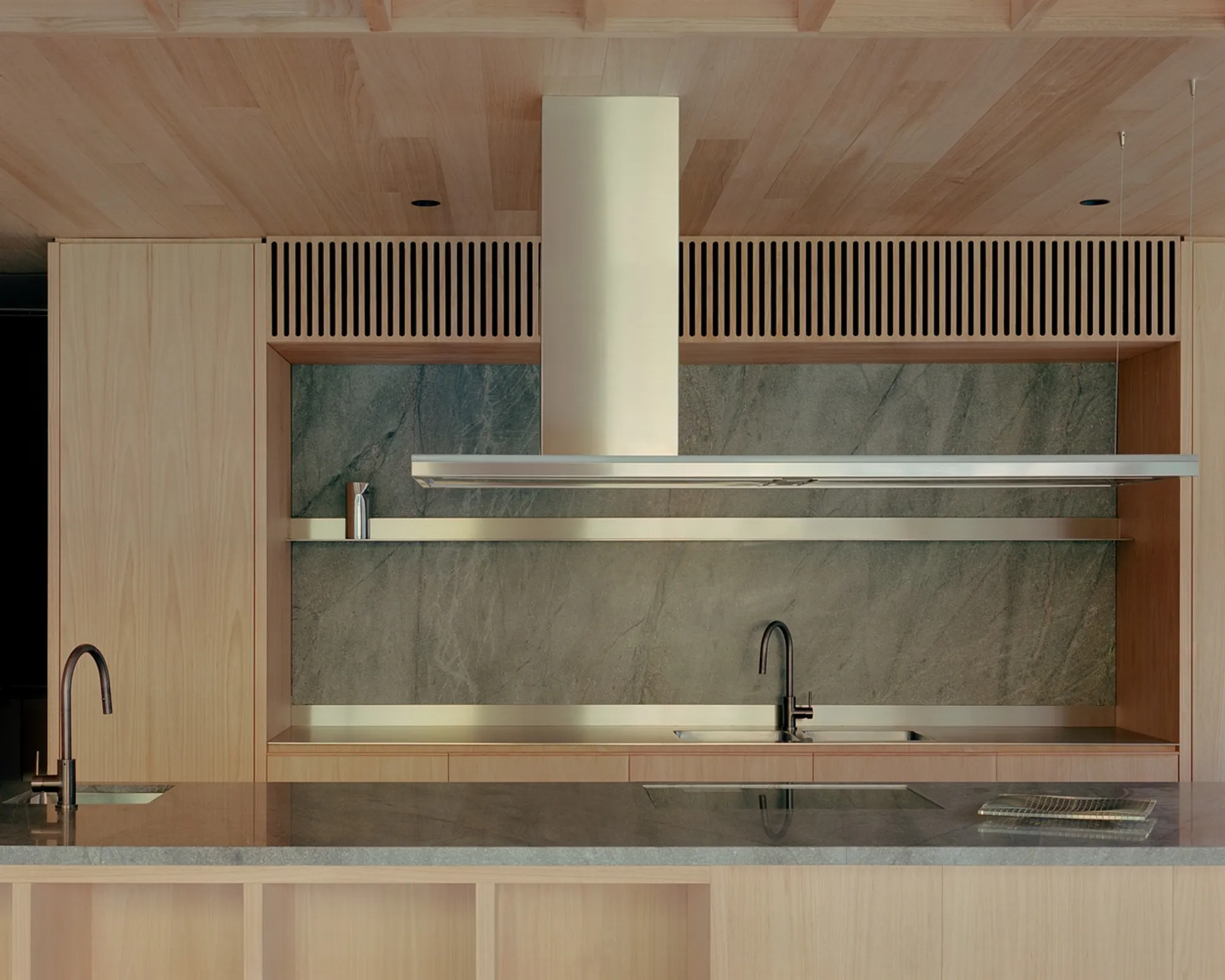
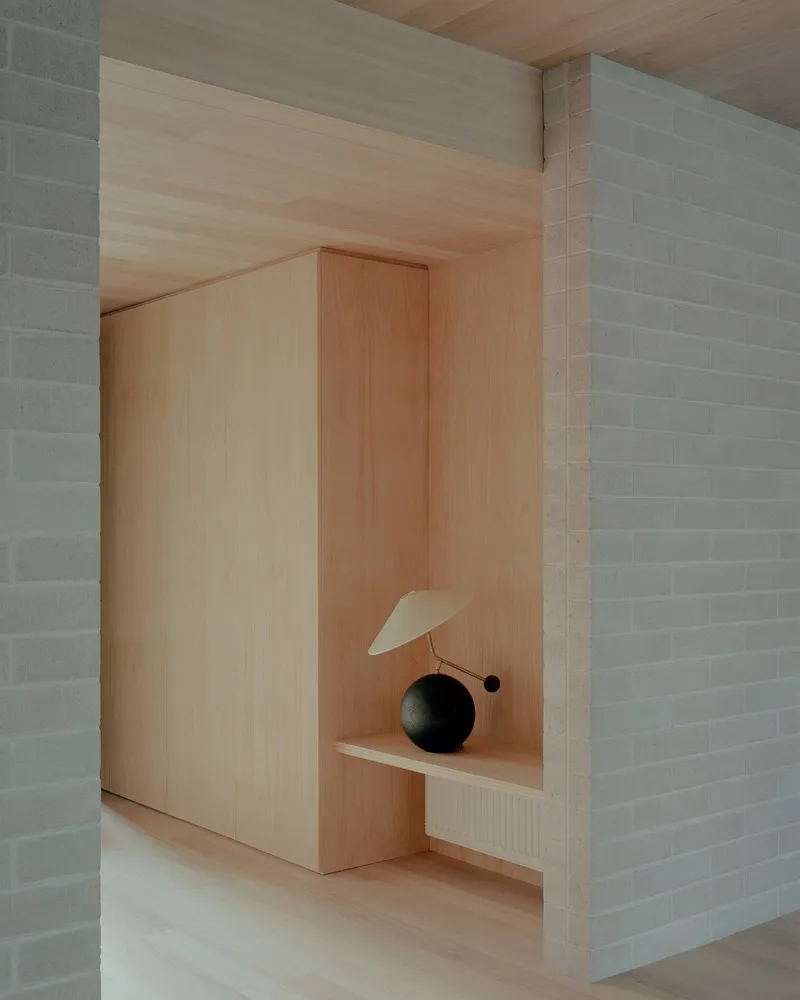
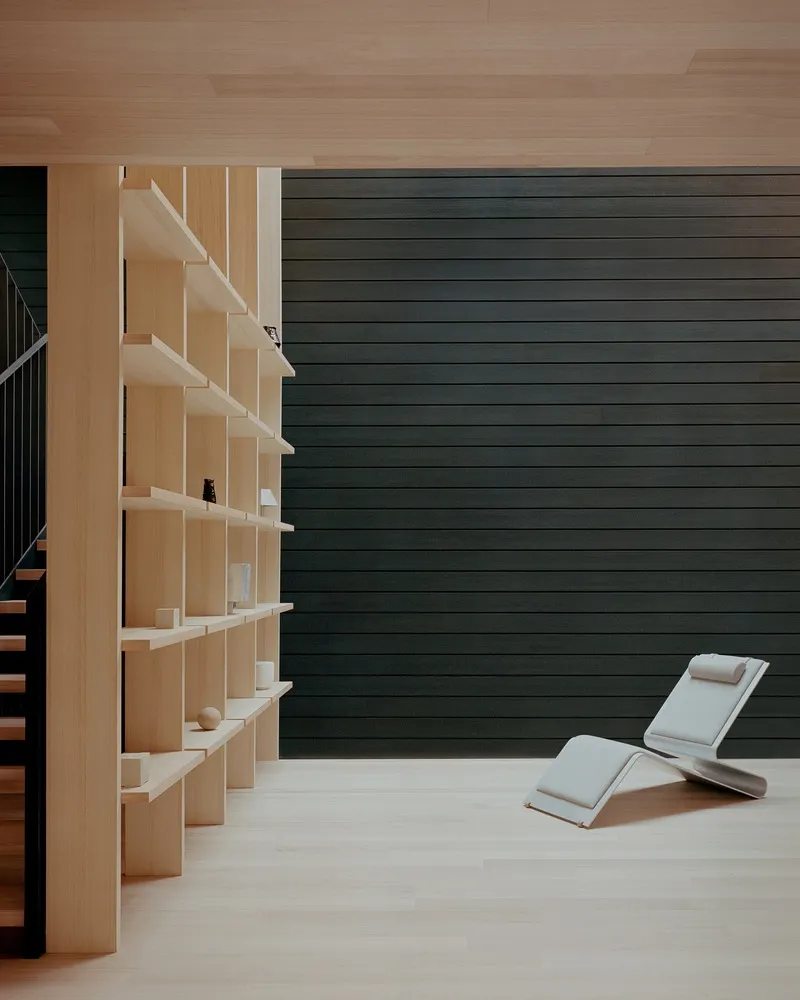
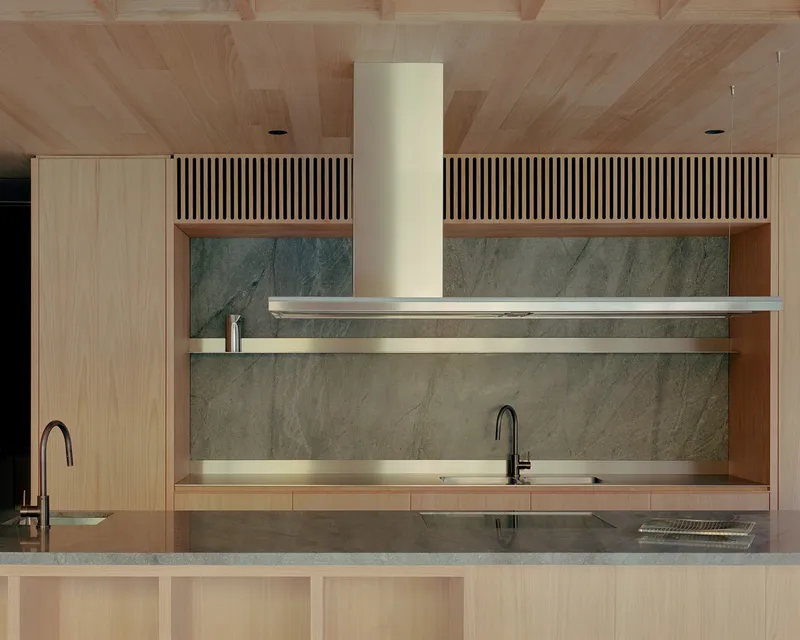
Inside, the architecture is intentionally quiet and restrained, creating a backdrop for living rather than dominating it. The spaces are enriched with locally sourced Tasmanian Oak, natural stone, and concrete masonry walls, establishing warmth, tactility, and permanence.
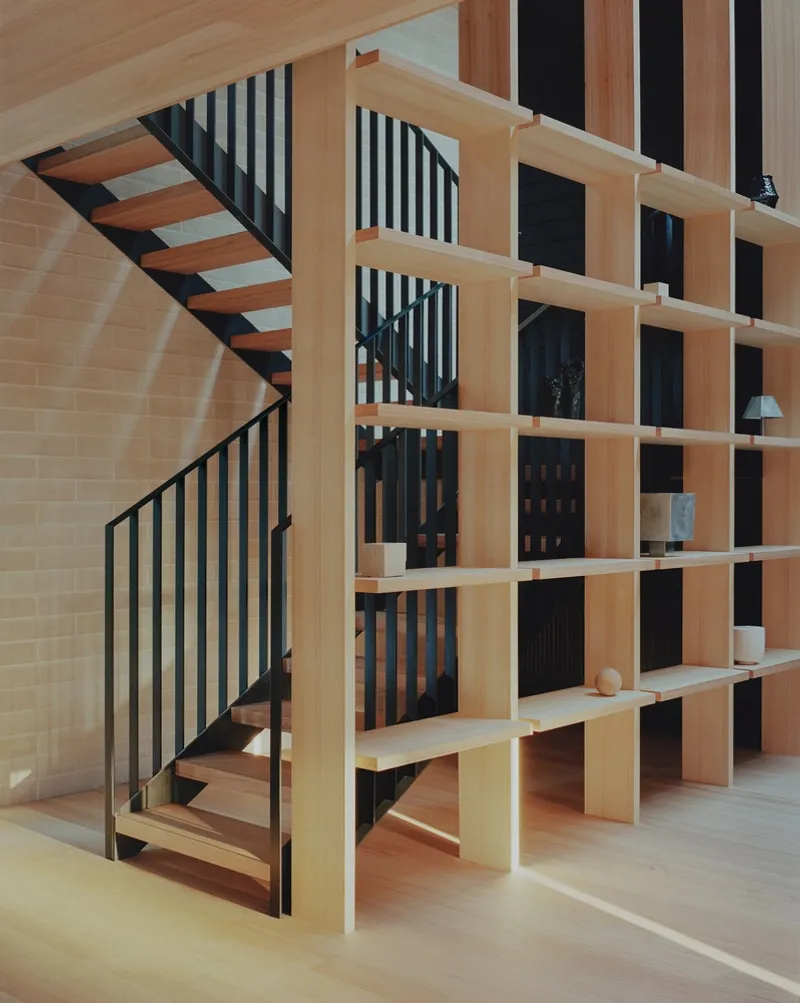
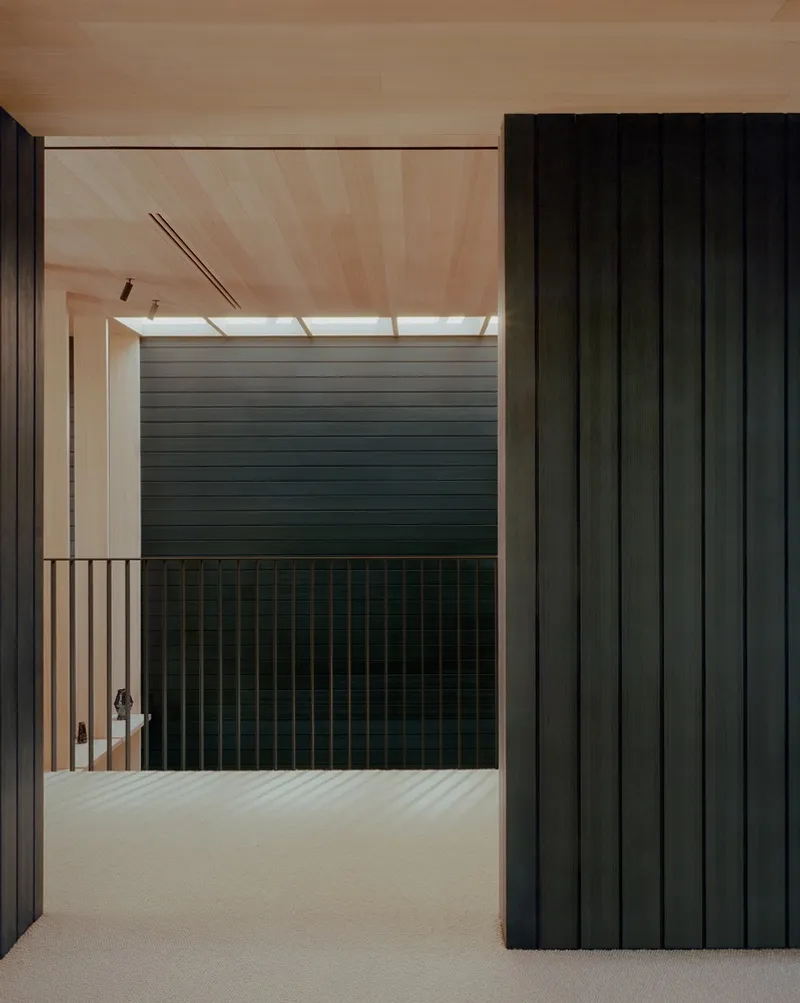
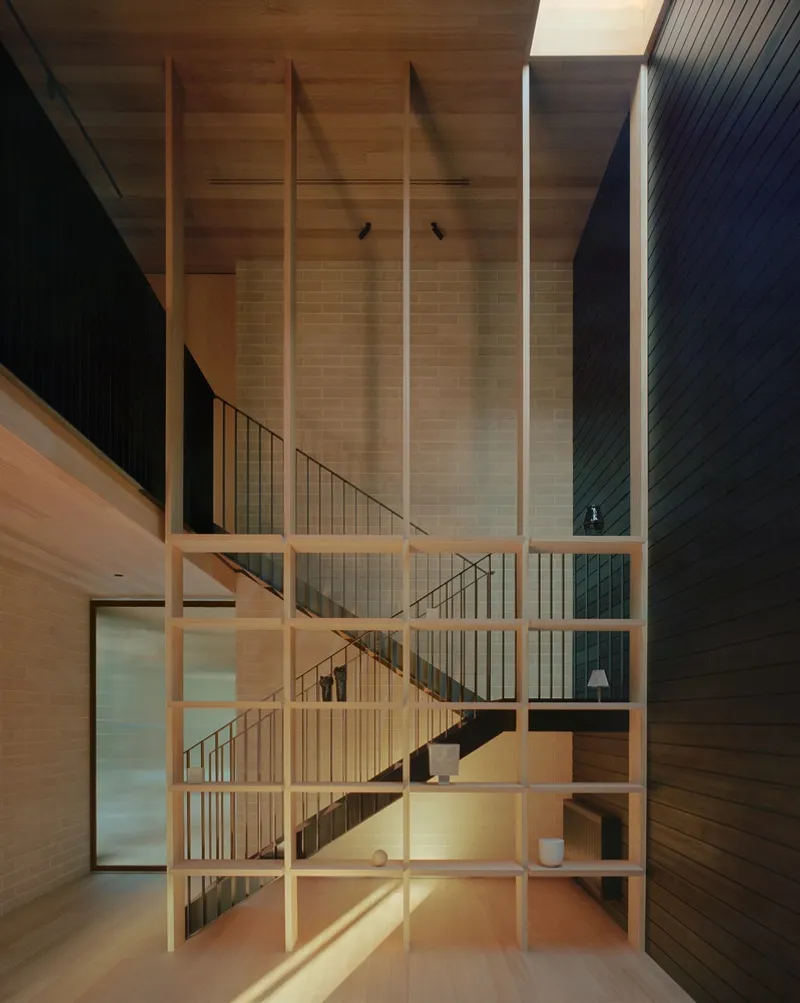
A defining element is the full-height bookshelf rising through the central void. This sculptural feature creates verticality, heightens spatial drama, and becomes the heart of the home, housing the client’s books and cherished artefacts.
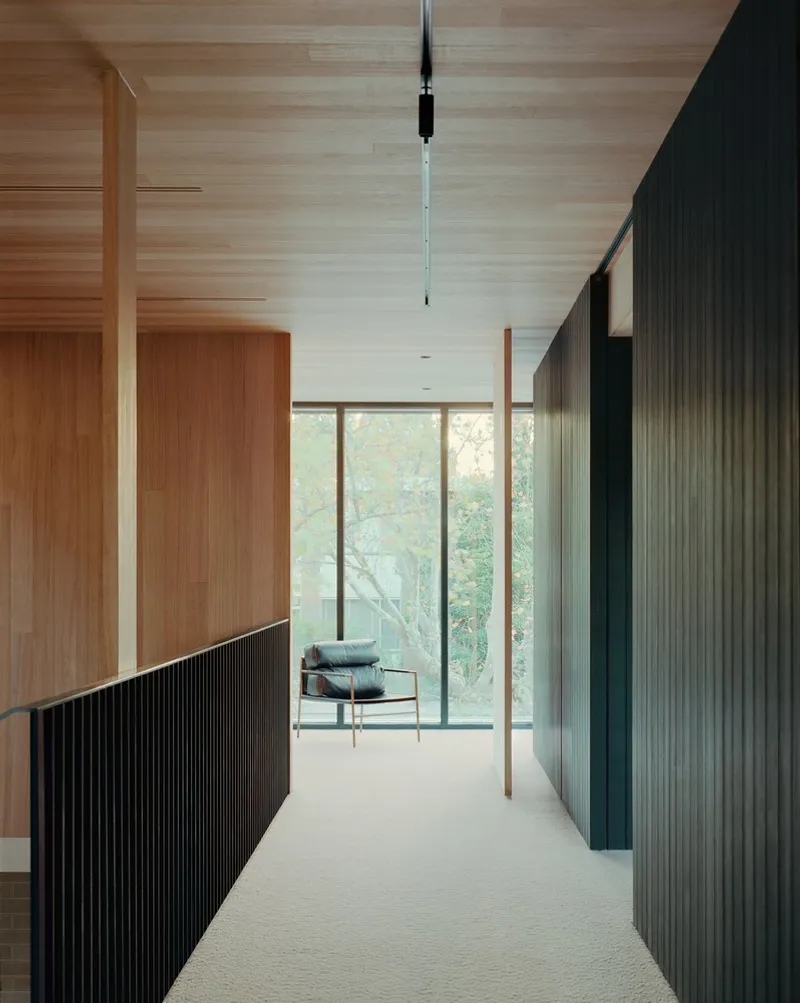
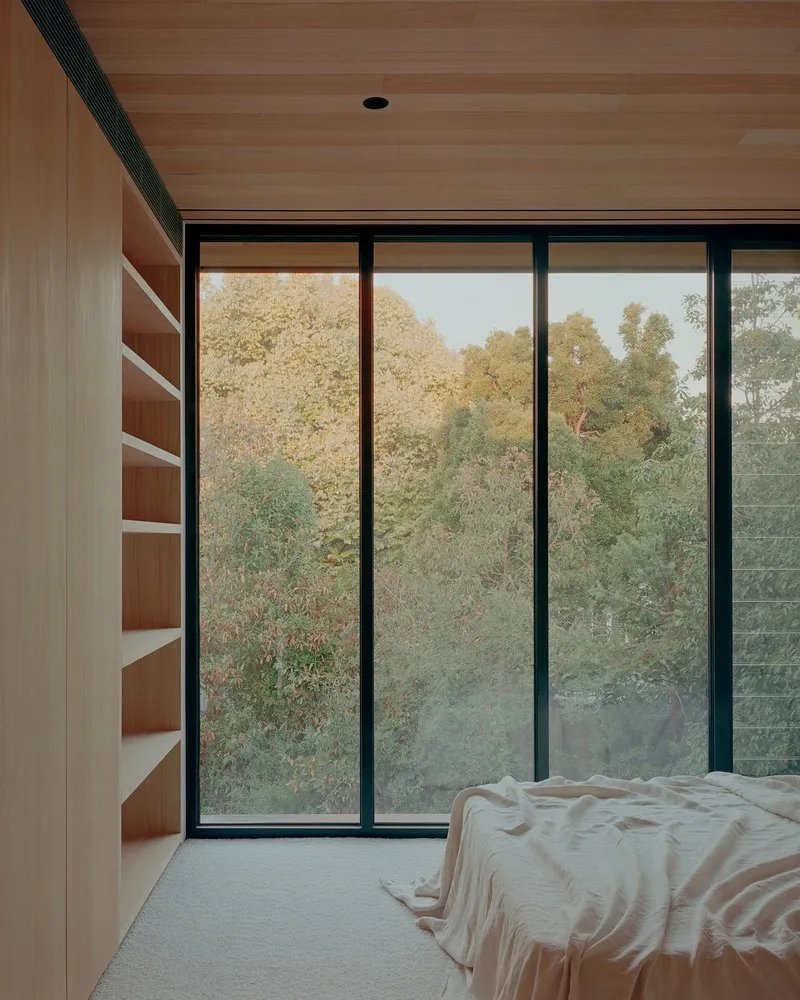
Light and shadow define the interiors. Full-height glazing beneath deep eaves blurs the boundary between interior space and surrounding garden, connecting the dwelling to both nature and sky.
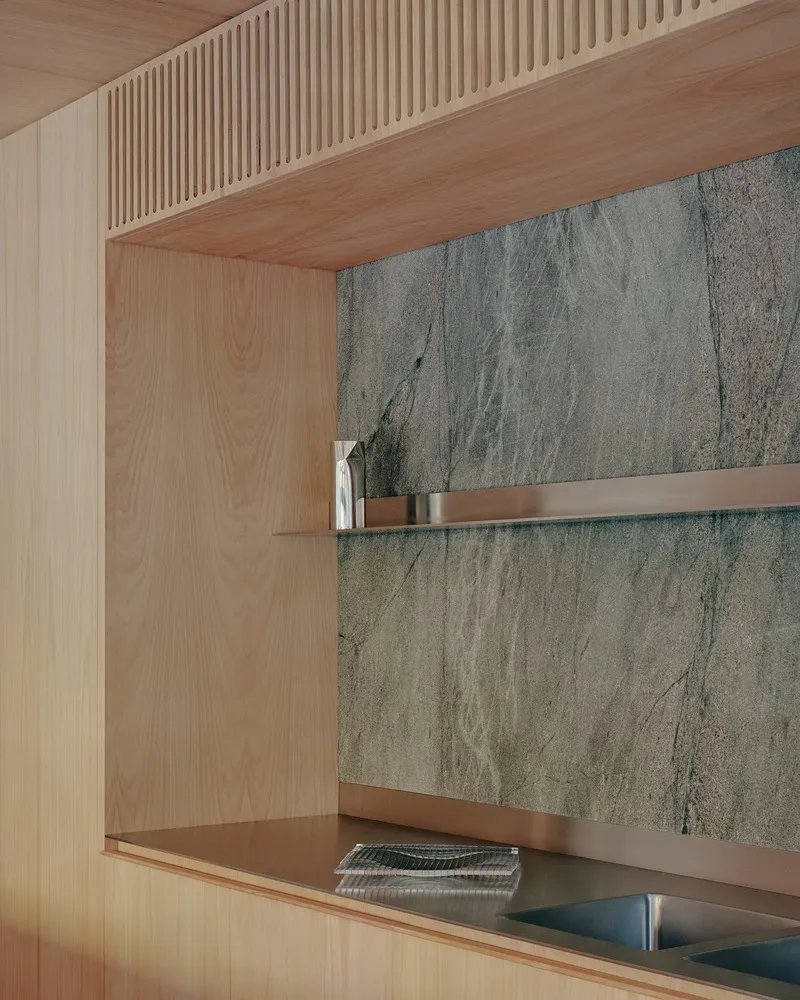
Spatial Hierarchy and Material Expression
The ground floor living areas are anchored by masonry walls, grounding the home with a sense of solidity. Warmth is layered through timber detailing and textured finishes.
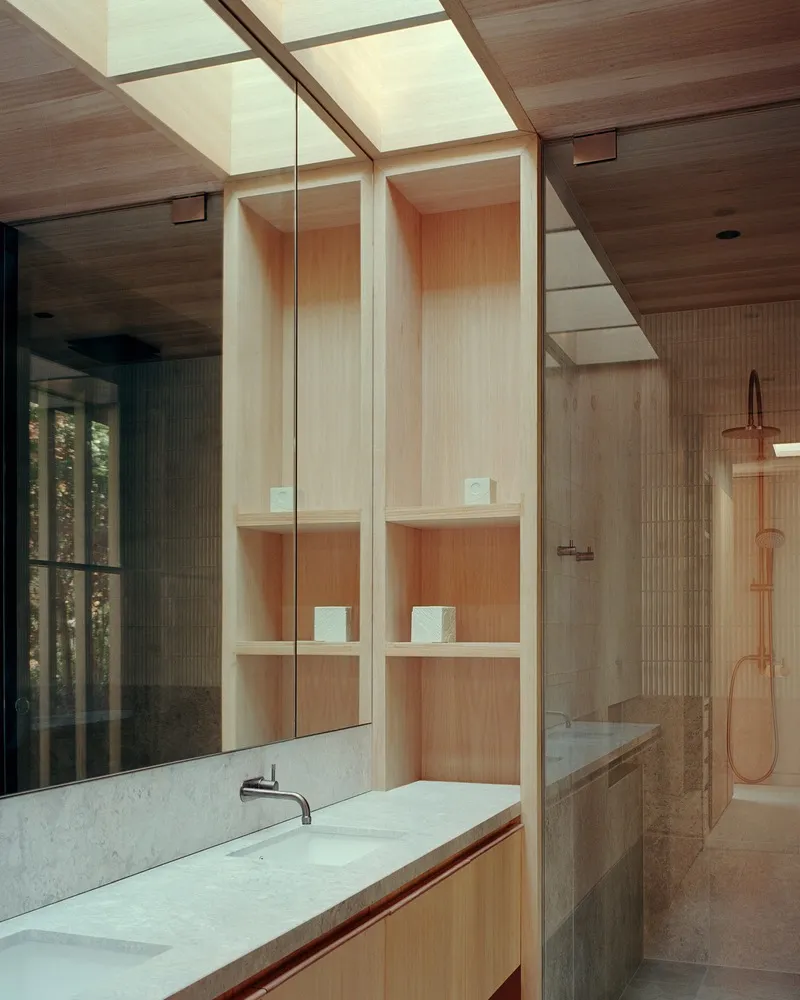
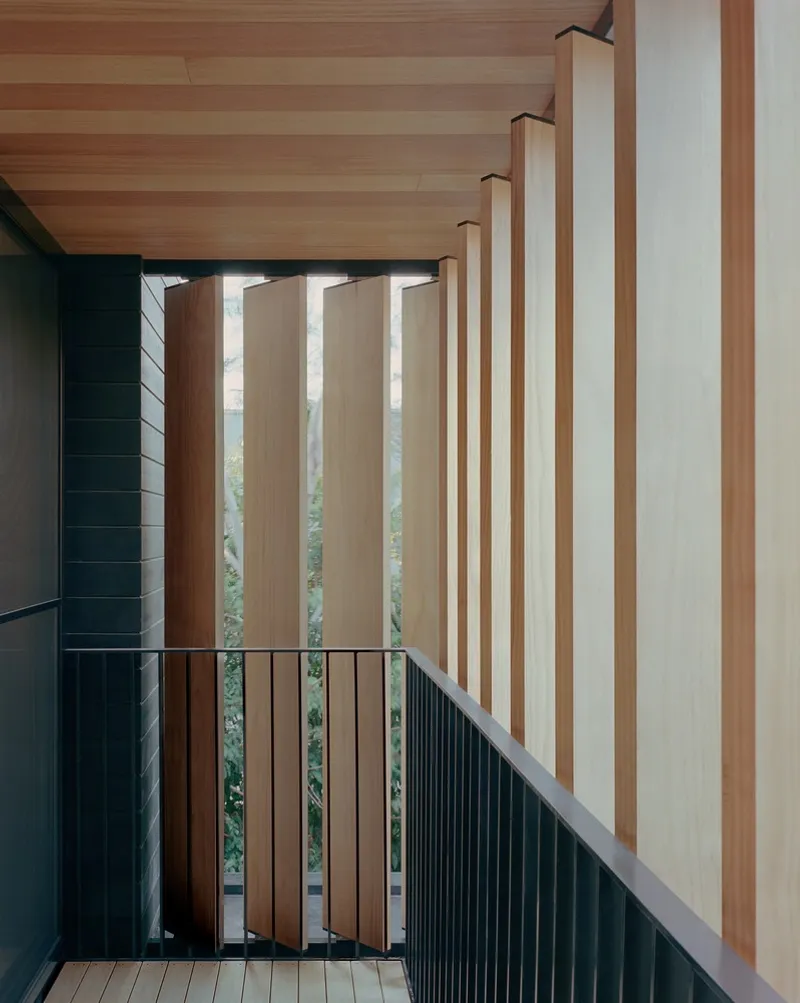
The upper level retreats offer a more tranquil environment, with bedrooms and private spaces opening onto a timber-screened terrace. This delicate screen balances natural light with privacy while maintaining continuity with the home’s material palette.
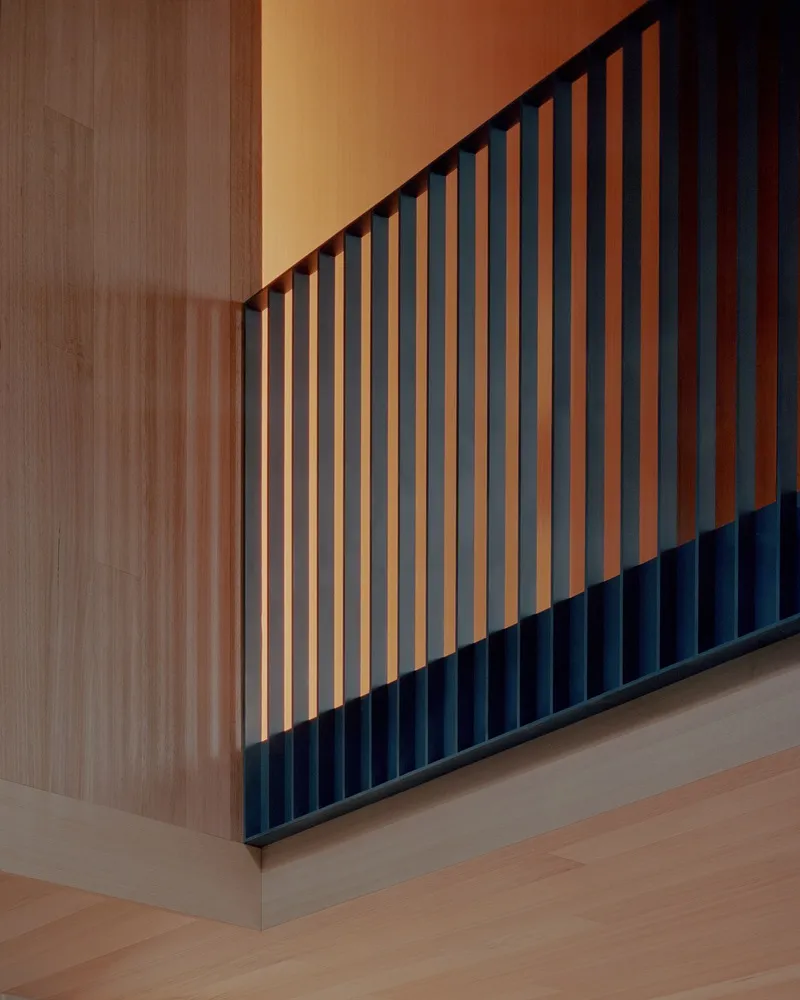
The Architectural Legacy of Echo House
Echo House avoids the temptation to reconstruct. Instead, it redefines Australian modernist architecture for the present day, creating a bridge between memory and modernity. The project exemplifies how architecture can honor heritage while embracing new expressions of light, material, and proportion.
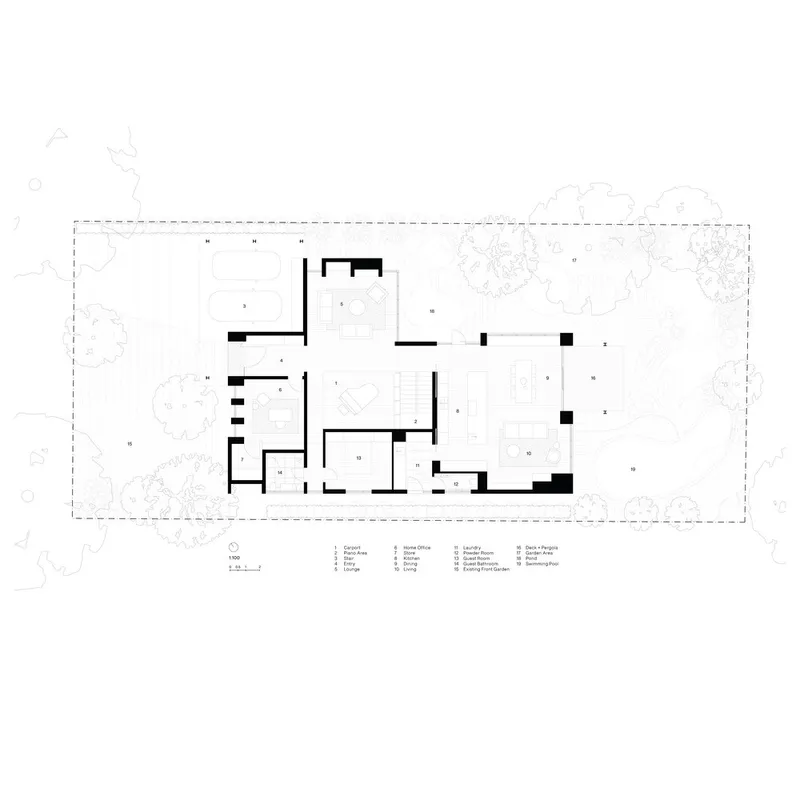
For PARABOLICA, the result is neither replication nor erasure but an act of translation—a carefully balanced conversation between past identity and contemporary life. Echo House stands as proof that modernist principles can be reinterpreted to remain timeless.
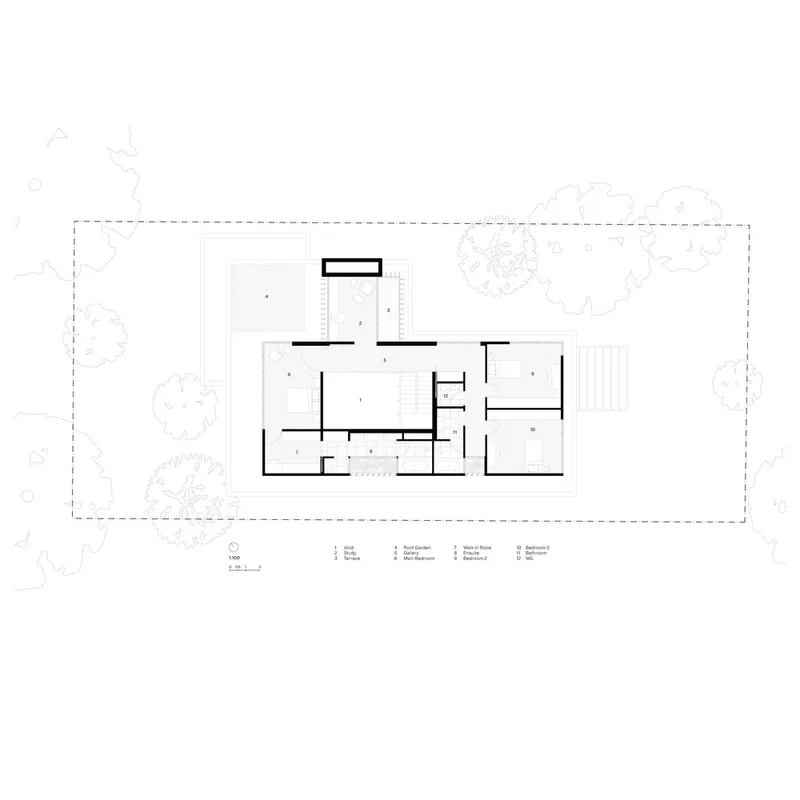
Echo House by PARABOLICA embodies the continuation of Australian modernist architecture in a contemporary home that is both familiar and new. Through thoughtful materiality, light, and spatial proportion, the design pays homage to the original dwelling while charting its own architectural future.
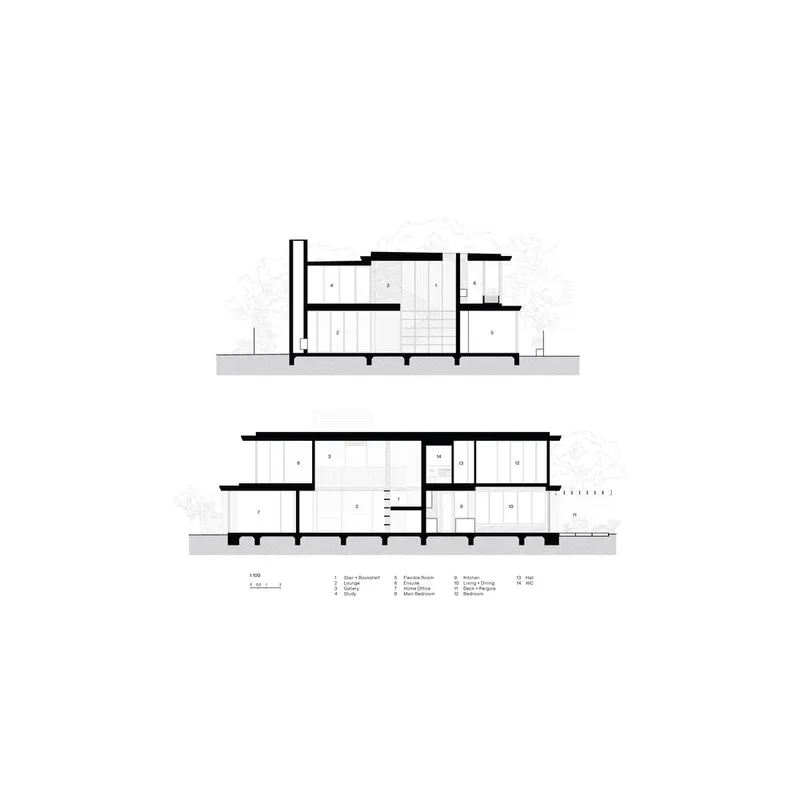
All Photographs are works of Pier Carthew




Popular Articles
Popular articles from the community


The Earth Pod: 3D Printed Homes for Resilient Refugee Communities
The Earth Pod reimagines refugee housing through 3D printed homes made from clay, combining resilience, self-sufficiency, and rapid shelter.

Riyadh For All: Intergenerational Urban Design for Active Aging in Rabat
Riyadh For All reimagines urban design in Rabat with intergenerational co-living, adaptive courtyards, and Moroccan cultural exchange today.

Co-Life: Senior Housing Design That Reconnects Older Adults With the City
Co-Life reimagines senior housing design through healing gardens, shared streets, workshops, and a sustainable community across generations.

Co-life: Sustainable Architecture for Age-Friendly Community Living
Co-life reimagines sustainable architecture for seniors through courtyards, rammed earth, shared gardens, and spaces designed for belonging.


Similar Reads
You might also enjoy these articles

FAMM Arquitectura Organizes Ten Villas Around Courtyards and Jungle in Nosara, Costa Rica
El Molino pairs two elongated volumes with deep overhangs and timber louvers to build a compact coastal community five minutes from the beach.
Oscar Niemeyer's Ibirapuera Park Pavilions Define São Paulo's Cultural Identity in Concrete and Curve
A constellation of modernist volumes set within São Paulo's most important urban park, conceived for the city's 400th anniversary in 1954.
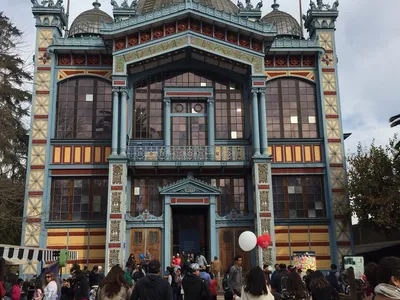
How Henri Picq's 1889 Paris Pavilion Traveled 11,000 Kilometers to Become Santiago's Artequín Museum
A prefabricated iron and glass pavilion built for the Paris Universal Exposition found a second life as a children's art museum in Chile.
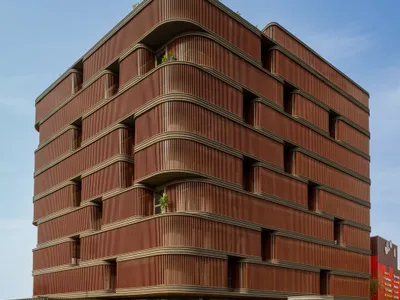
Sanjay Puri Architects Wraps a Jaipur Office Tower in Capsule-Shaped Green Buffers
A nine-level climate-responsive workplace near Jaipur Airport uses stacked planter terraces and aluminium screens to fight 40°C heat.

Explore Architecture Competitions
Discover active competitions in this discipline



Challenge to reimagine the Iron Throne


Photograph architecture without architects


Illustrate the lost glory of Angkor Wat - Render Challenge


Design challenge to reuse E-waste
Comments (0)
Please login or sign up to add comments
No comments yet. Be the first to comment!