
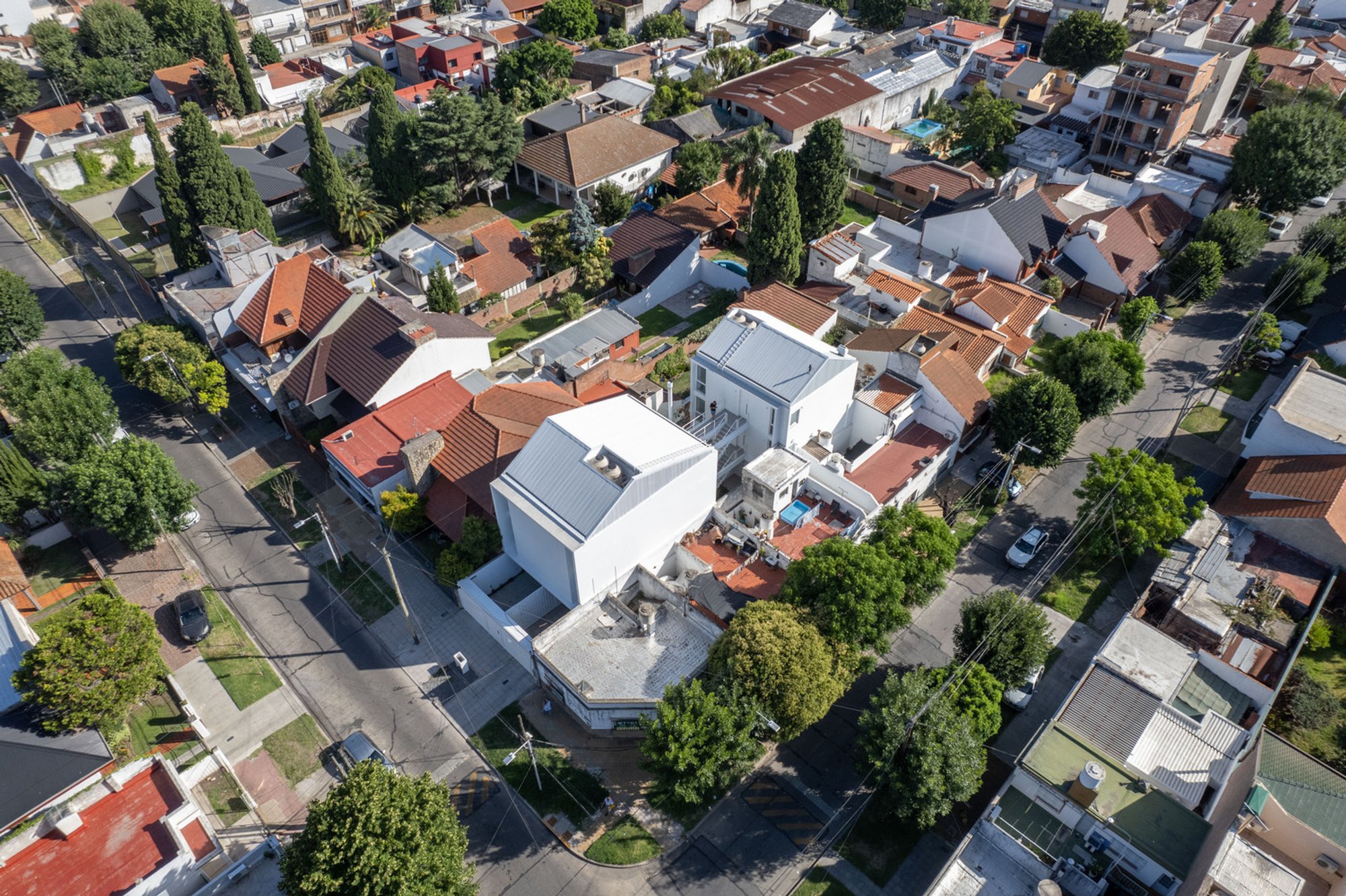
Emilio Zola 5915 Building by MasArqs
Emilio Zola 5915 by MasArqs blends low-rise residential design, natural light, private patios, and contemporary architecture in Wilde, Argentina.

Contemporary Residential Architecture in Wilde, Argentina
Project Overview
The Emilio Zola 5915 Building, designed by MasArqs, is a contemporary residential project located in Wilde, Avellaneda, Argentina. Completed in 2022, the building covers 600 m² and redefines the concept of urban housing by integrating modern architectural language with the intimate scale of single-family homes.
Site and Context
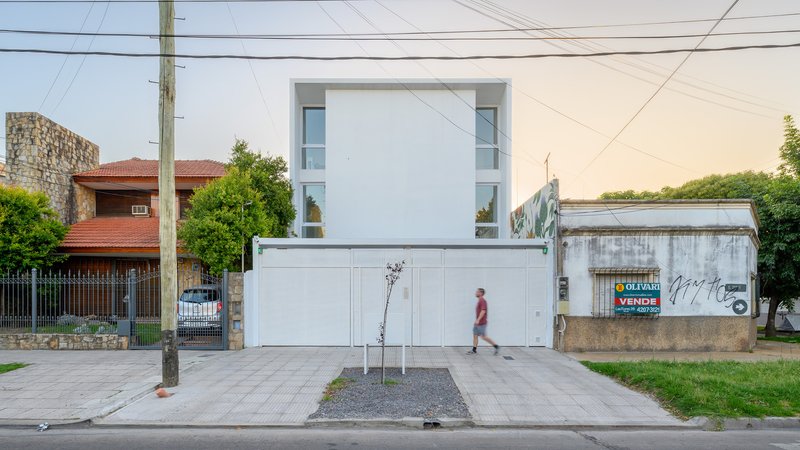
The project sits on a typical urban plot measuring 8.66 meters wide and 35.15 meters deep. Its design responds to careful studies of sunlight, surrounding context, and residential needs, ensuring that the building harmonizes with the neighborhood while maximizing natural light and ventilation.
Architectural Concept
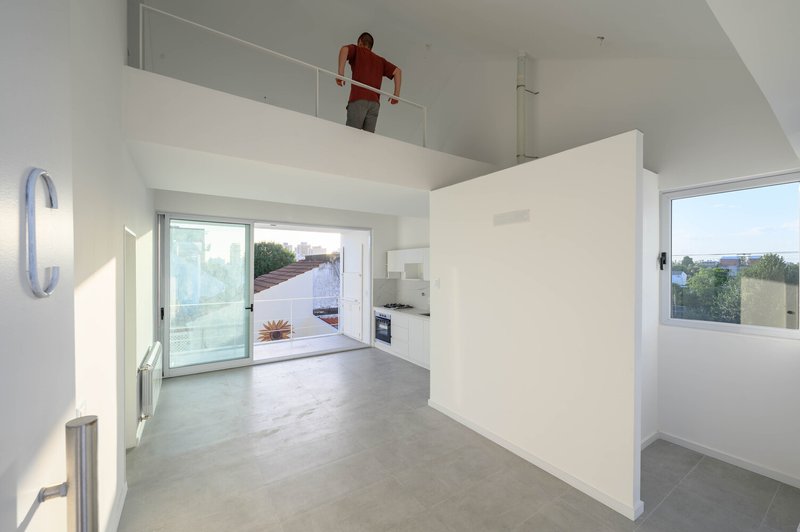
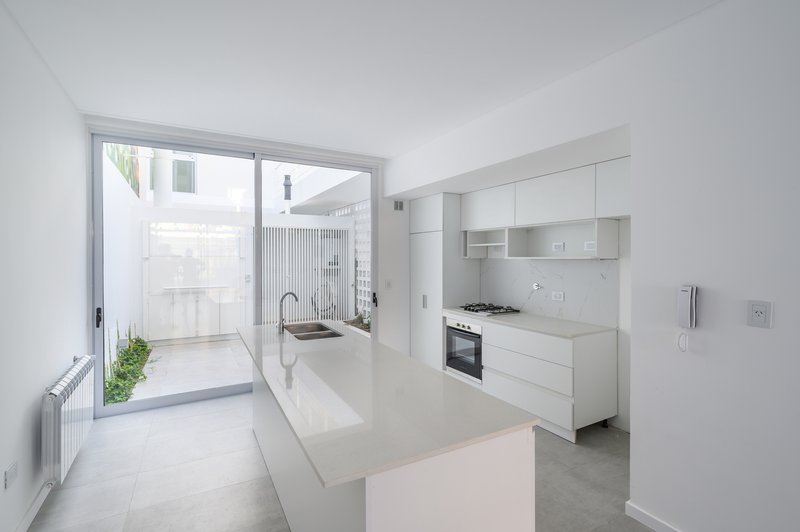
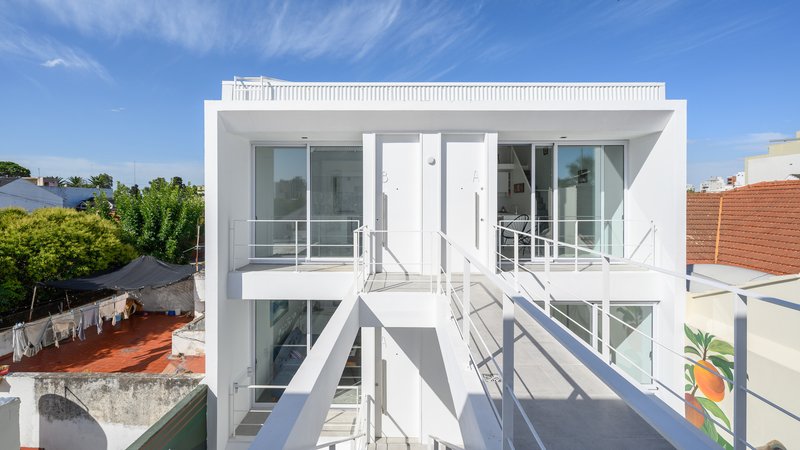
Rather than exploiting the maximum height allowed by urban codes, MasArqs chose to create a low-scale residential complex that respects the neighborhood’s architectural fabric. The design emphasizes a human-scale presence, resembling a cluster of individual homes within a larger structure, balancing privacy, community, and contemporary design.
Morphology and Spatial Strategy
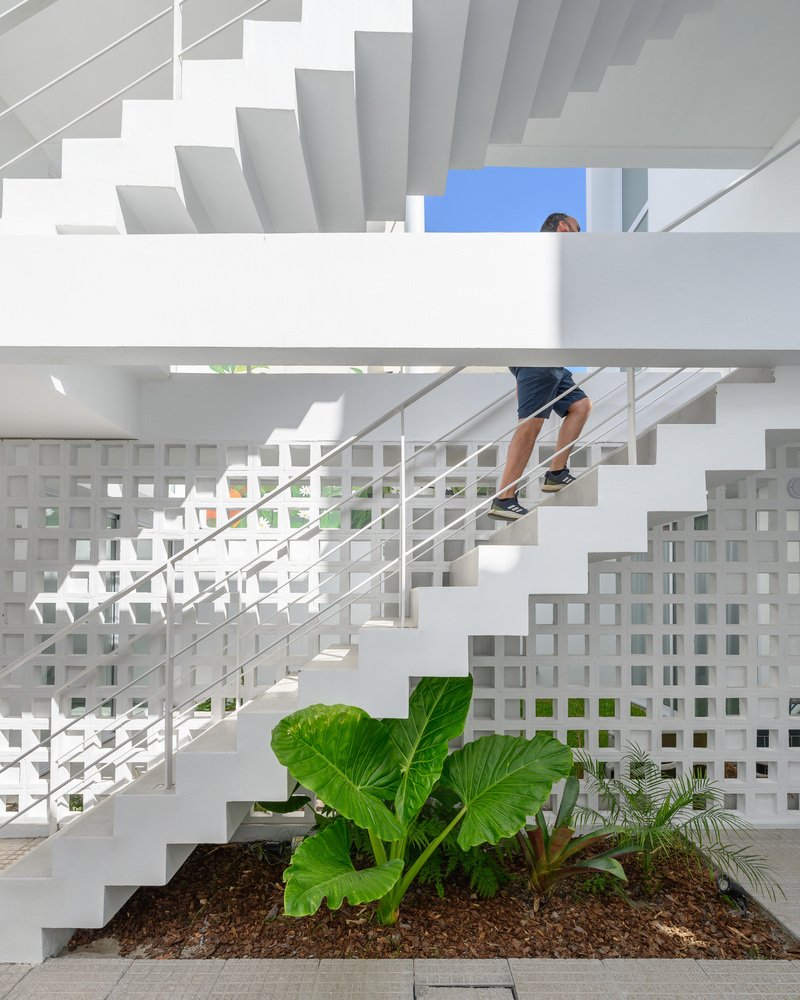
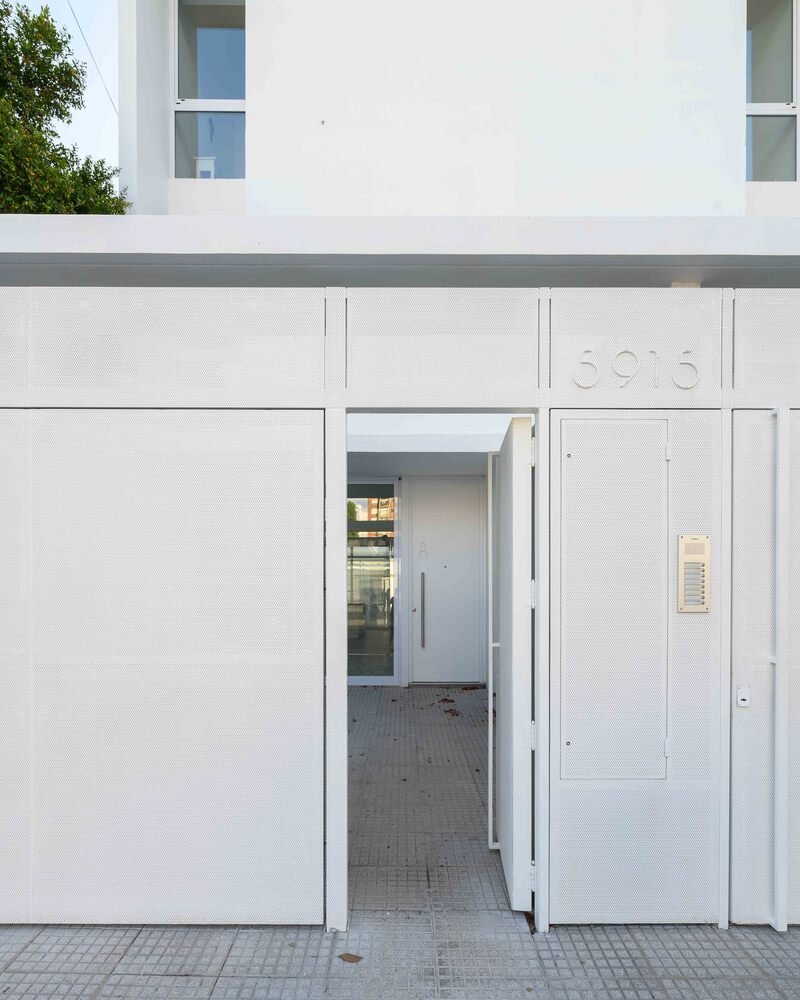
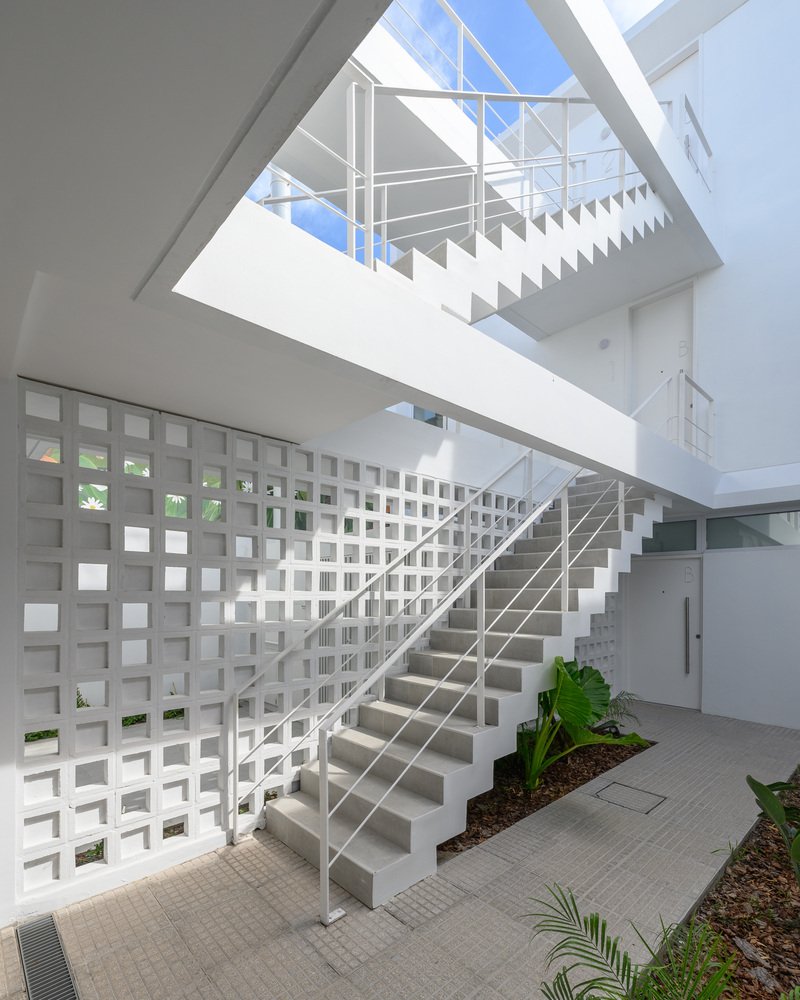
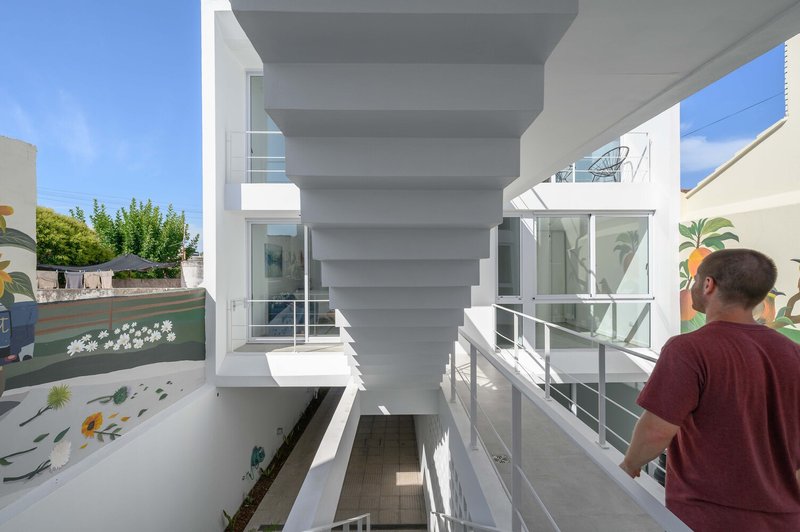
The building is composed of two main volumes that span the entire width of the site. These are connected by a vertical, permeable circulation core, which not only links the units but also generates private patios. This design strategy transforms each unit into a “house within the building,” enhancing residents’ sense of ownership and identity.
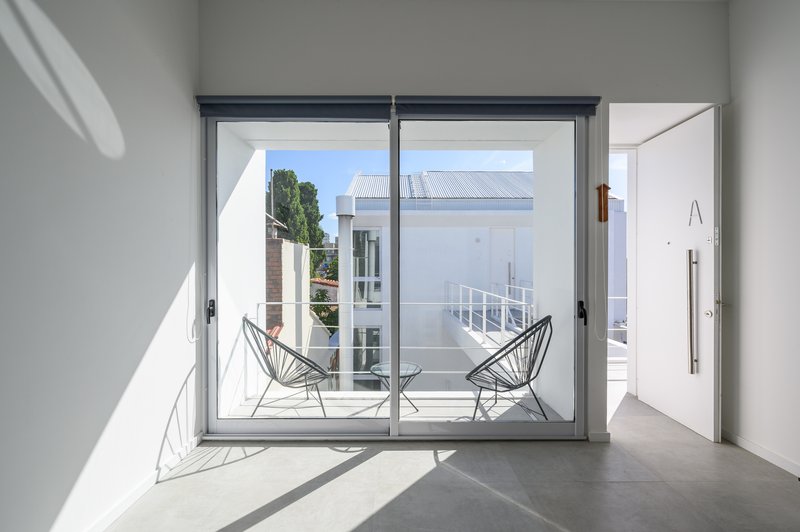
By multiplying fronts and backs, the project ensures maximum exposure to natural light and ventilation. This spatial configuration creates a strong indoor-outdoor connection, enriching the quality of life for its occupants.
Materiality and Construction
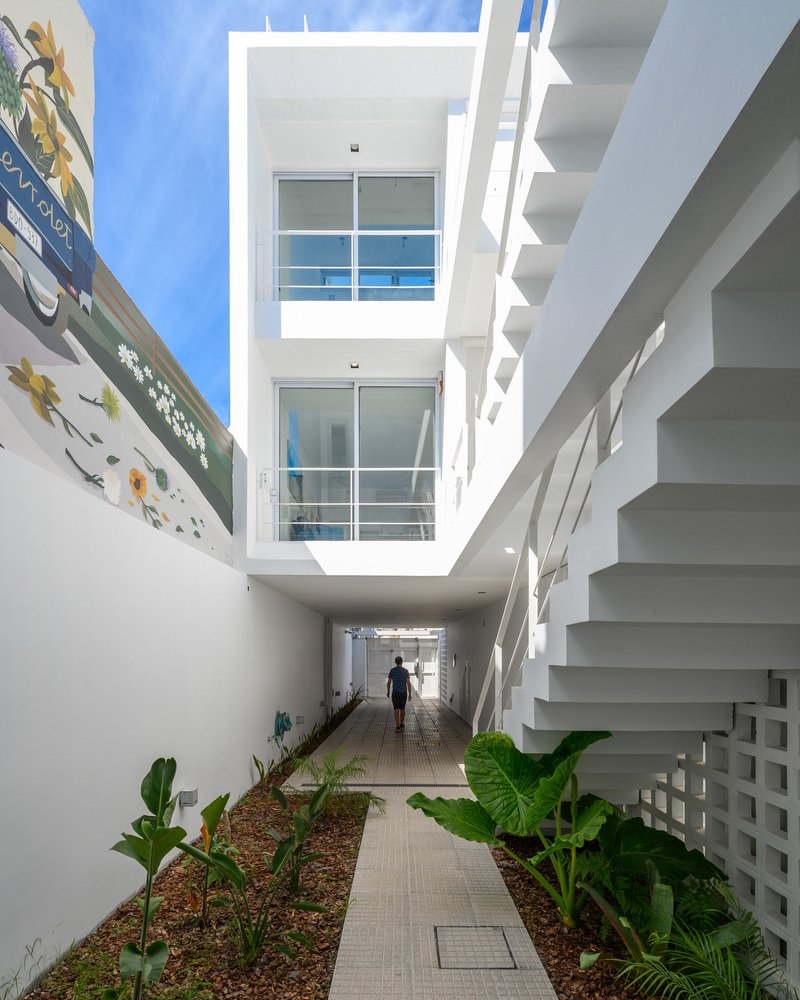
The design integrates contemporary construction systems and local materials, combining reinforced concrete, aluminum systems, ceramic finishes, and natural flooring. Manufacturers such as ACINDAR, Aluar, FV, Ilva, Patagonia Flooring, Purastone, and Roca contributed to the building’s durable yet elegant material palette.
Design Team
The project was led by architects Marcelo Correa, Gabino Longo, Analía Lourdes Gutierrez, Ruben Fernando Díaz, and Denis Ariel Benitez, with photography by Gonzalo Viramonte, capturing the building’s harmonious integration of modernity, function, and urban context.
All Photographs are works of Gonzalo Viramonte




Popular Articles
Popular articles from the community

Alton Cliff House: A Harmonious Retreat by f2a Architecture in Lake Country, Canada
Alton Cliff House blends corten steel, prefabrication, and sustainable design, creating a luxurious, energy-efficient retreat perched on Canadian cliffs.
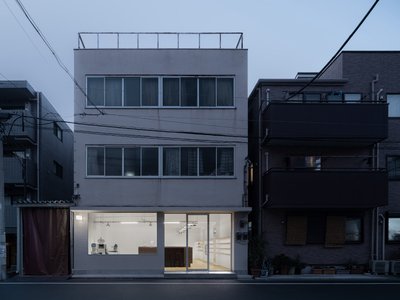
Atelier Macri Concept Store Interior Design by CASE-REAL
Atelier Macri store features a "ko" counter, walnut wood details, cork displays, blending retail, gallery, and seamless customer experiences.

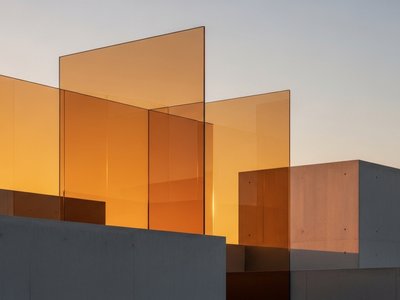
Free Architecture Competitions You Can Enter Right Now
No entry fees, real prizes. Here are the best free architecture competitions open for submissions in 2026.


Similar Reads
You might also enjoy these articles


The Ken Roberts Memorial Delineation Competition (Krob)
As the most senior architectural drawing competition currently in operation anywhere in the world, it draws hundreds of entries each year, awarding the very best submissions in a series of medium-based categories.
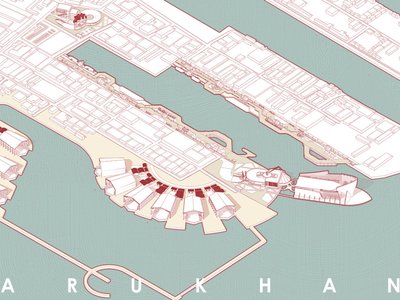
Waterfront Redevelopment and Urban Revitalization in Mumbai: Forging a New Dawn for Darukhana
A transformative waterfront redevelopment project reimagining Darukhana’s shipbreaking heritage into an inclusive urban future.

OUT-OF-MAP: A Call for Postcards on Feminist Narratives of Public Space
Rhizoma Design and Research Lab invites artists, designers, architects, researchers, and students to reflect on how feminist perspectives can reshape public space. Selected works will be exhibited in Barcelona, October 2026. Submissions open until 15 April 2026.


Documentation Work on Buddhist Wooden Temple
Architectural syncretism and cultural hybridity: A comparative study of the Buddhist temples in Chattogram Hill tracks


Explore Architecture Competitions
Discover active competitions in this discipline




The International Standard for Design Portfolios


The Global Benchmark for Architecture Dissertation Awards


The Global Benchmark for Graduation Excellence


Challenge to reimagine the Iron Throne
Comments (0)
Please login or sign up to add comments
No comments yet. Be the first to comment!