
Exploring Modern Funerary Architecture: The Sixth Pantheon of Chacarita
The article explores the Sixth Pantheon of Chacarita, a pioneering example of modern funerary architecture in Buenos Aires, Argentina.


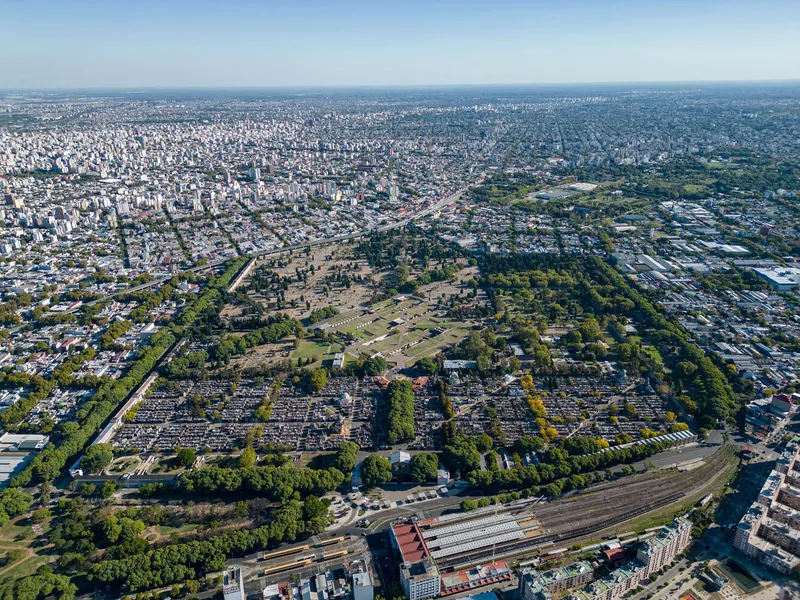
The Sixth Pantheon of Chacarita stands as a landmark in the evolution of modern funerary architecture. Nestled in the bustling city of Buenos Aires, Argentina, this pantheon is not only a testament to architectural innovation but also a reflection of the city’s historical and cultural shifts in the mid-20th century.
Historical Context
The Rise of Modernism in Buenos Aires
Post World War II, Buenos Aires experienced unprecedented demographic growth, tripling its population from one million in 1920 to three million by 1960. This surge necessitated the expansion of public infrastructure, including cemeteries. Amidst this backdrop, Juan Domingo Perón's presidency marked a significant era that emphasized public works and modernist architecture, setting the stage for the creation of the Sixth Pantheon.
Architectural Design and Vision
Innovations by Itala Fulvia Villa
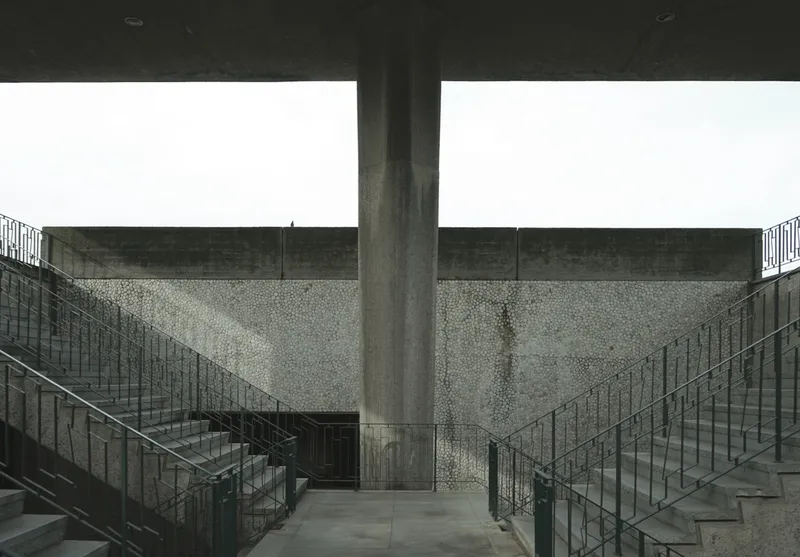
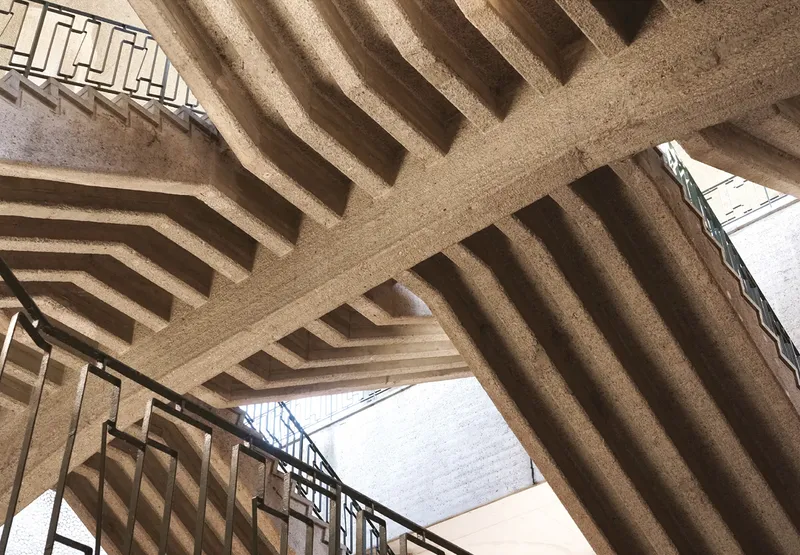
The design of the Sixth Pantheon was spearheaded by Itala Fulvia Villa, a visionary architect who embraced the principles of the International Congress of Modern Architecture (CIAM) and the local urbanist movements. Villa’s design reimagined the traditional concepts of cemeteries, introducing a groundbreaking model that integrated efficiency with aesthetic modernism.
Structural Layout and Features
The Underground Galleries
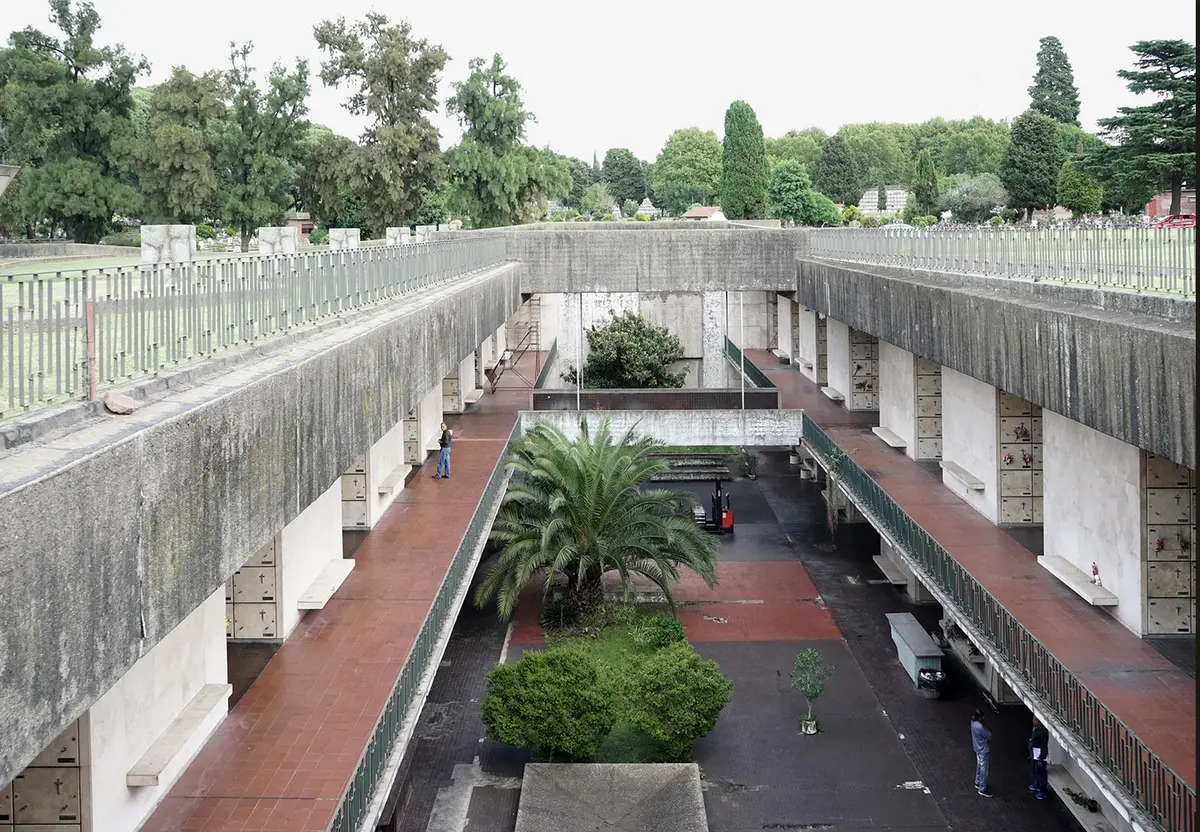
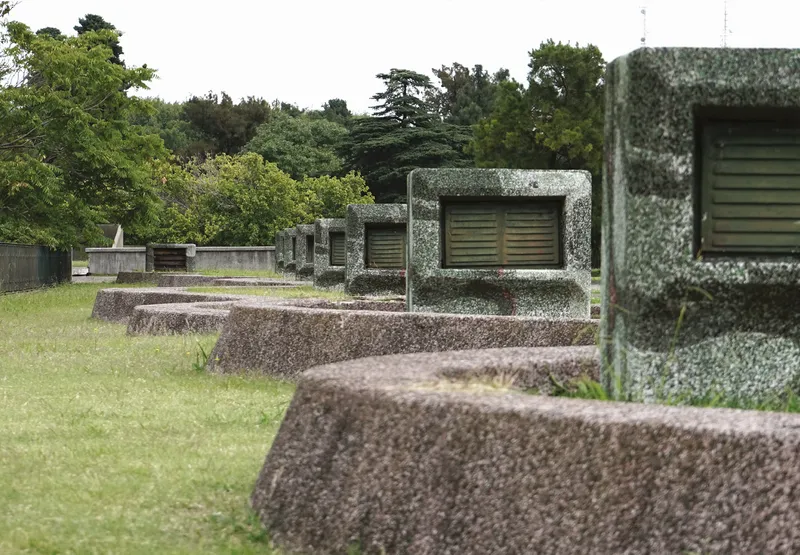
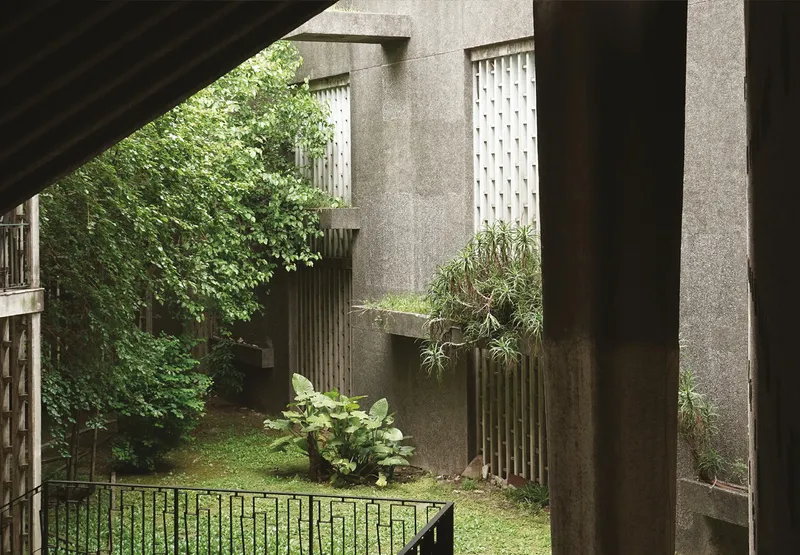
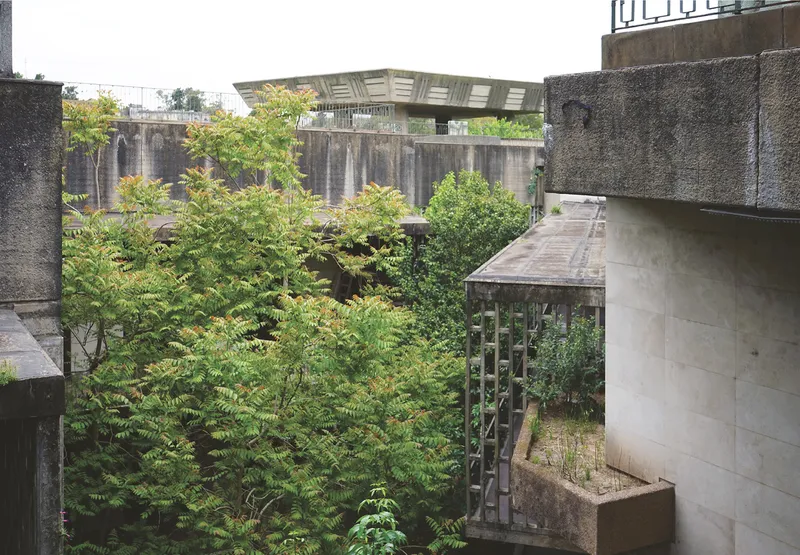
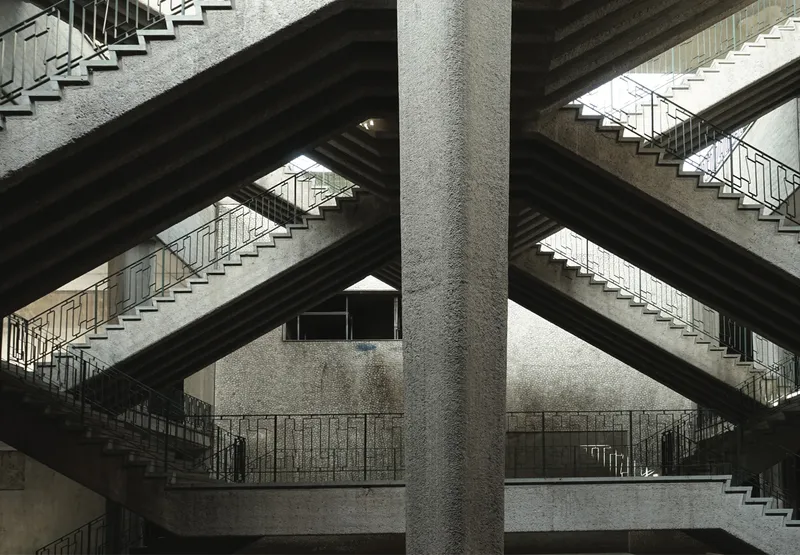
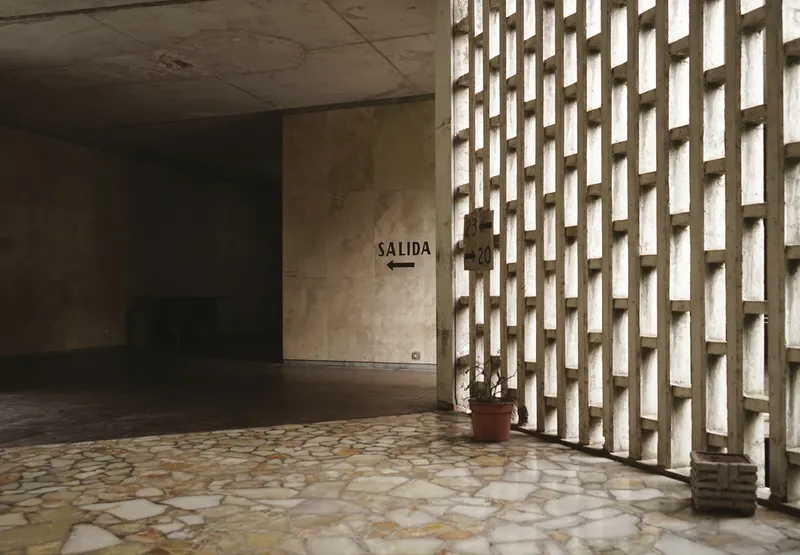
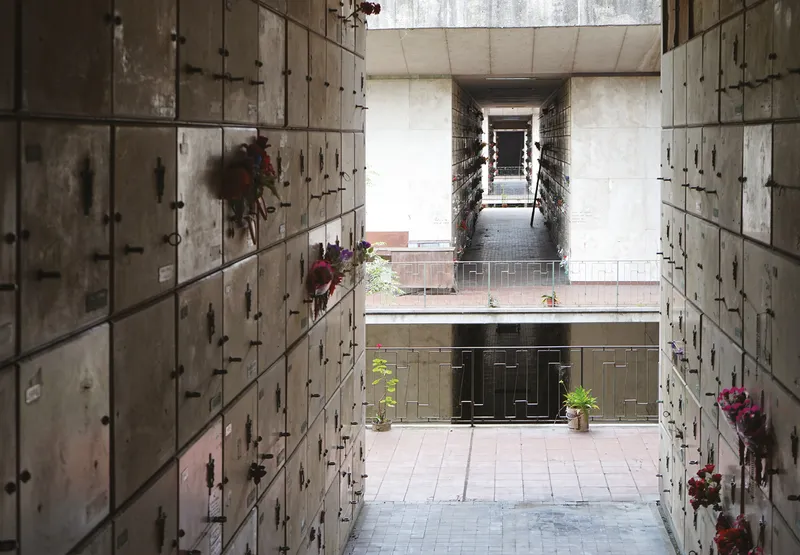
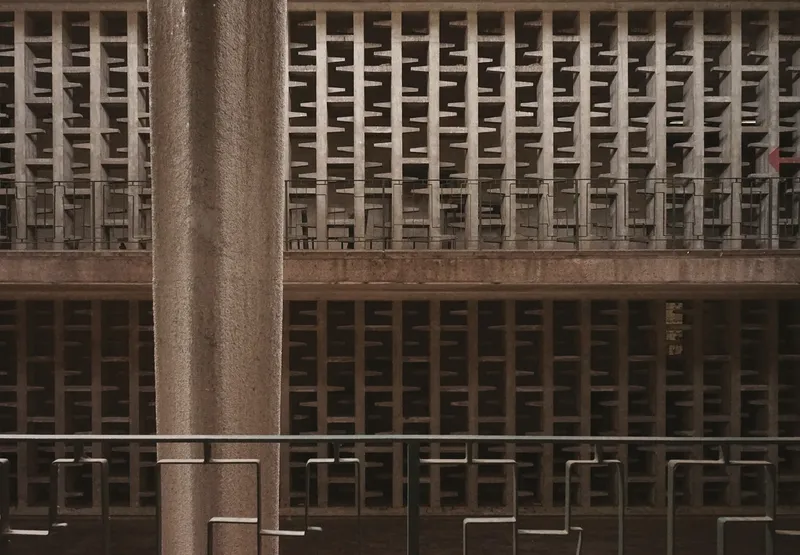
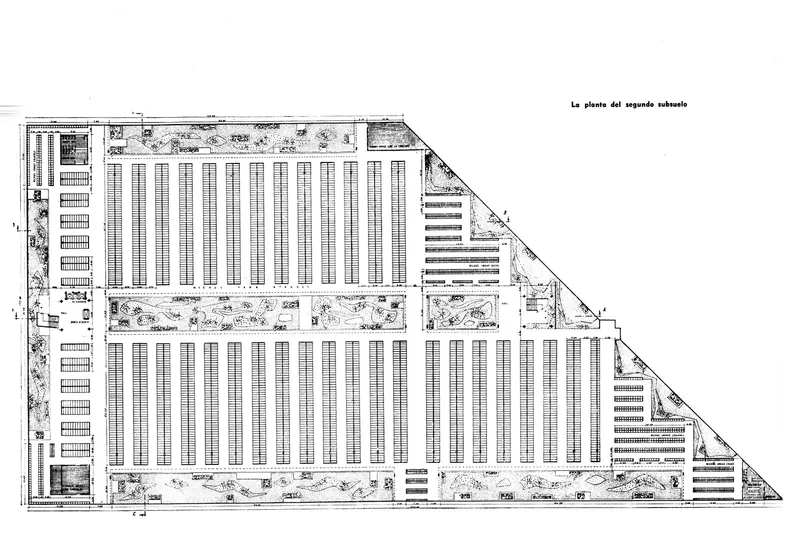
The pantheon features nine galleries of niches organized in vertical rows, optimized for space and functionality. These galleries are predominantly underground, allowing for natural and mechanical ventilation systems that are crucial for maintaining the integrity of the structure and its serene ambiance.
The Garden and Public Space
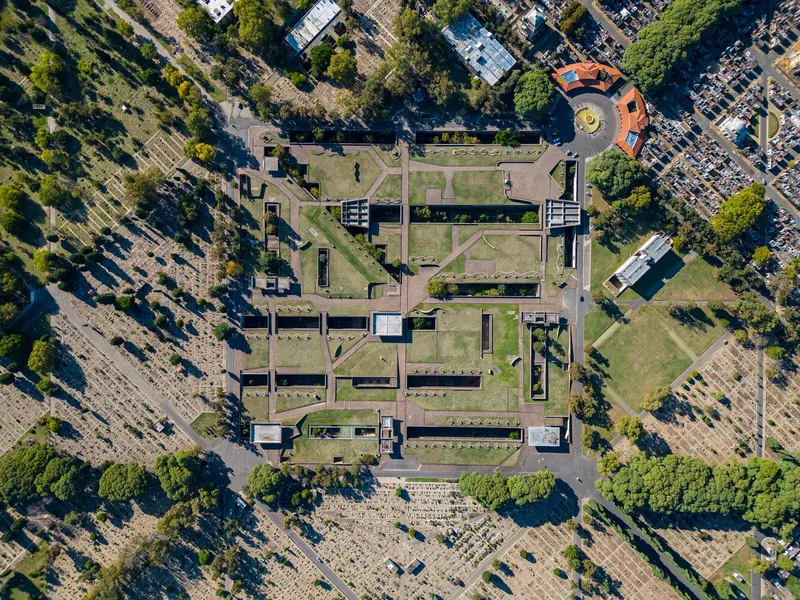
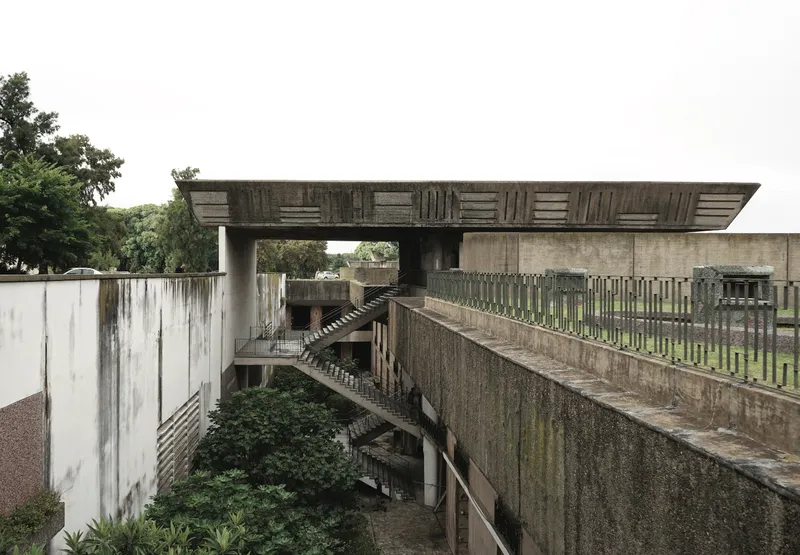
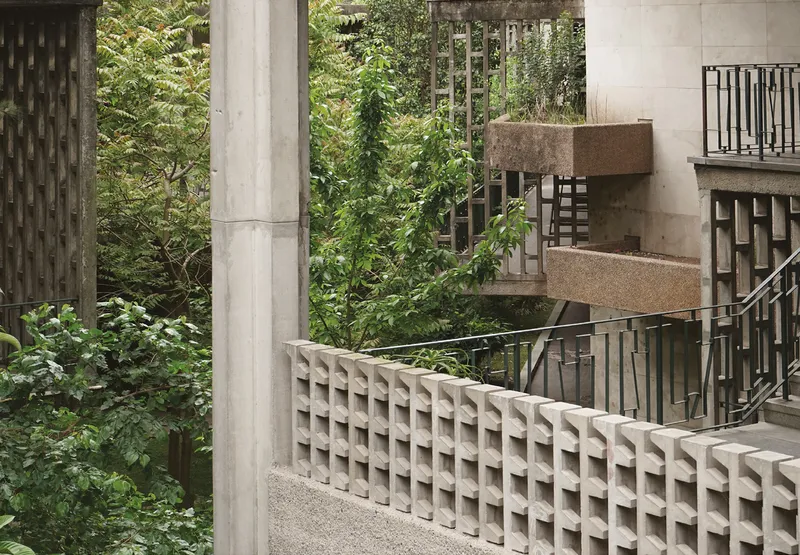
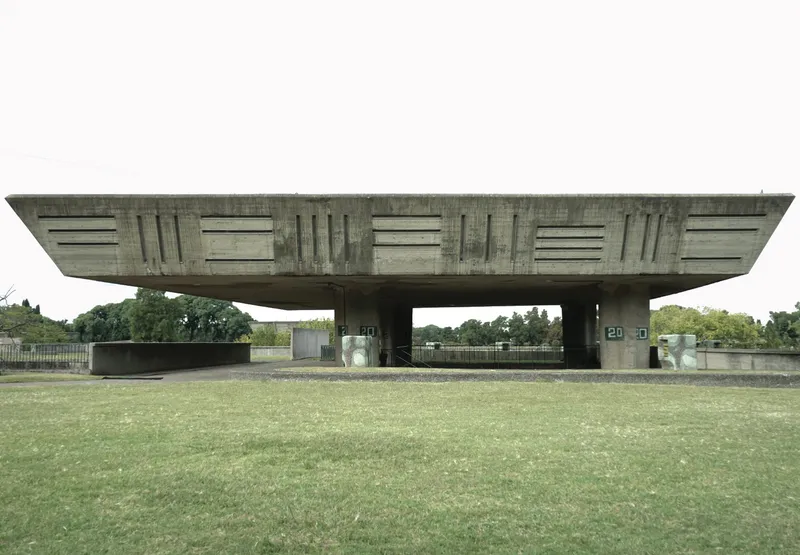
Above ground, the Sixth Pantheon boasts a sprawling garden that serves as a public park. This area, approximately 90,000 square meters, is interspersed with pathways and rectangular courtyards that enhance the contemplative nature of the space. The integration of robust concrete elements and geometric designs throughout the garden underscores the modernist ethos of the project.
Cultural and Social Implications
A New Paradigm in Funerary Architecture
Villa’s approach went beyond mere architectural innovation; it encapsulated a broader cultural and social vision. The pantheon was envisioned as a democratic space that reflected the egalitarian ideals of the era, offering a dignified resting place accessible to all strata of society.
Challenges and Unfinished Aspects
Despite its architectural brilliance, the Sixth Pantheon remains a partially completed project. Economic constraints during its construction phases prevented the full realization of certain features, such as water mirrors and specific landscaping elements, leaving some of Villa’s ambitious plans unfulfilled.
The Sixth Pantheon of Chacarita is a seminal piece in the narrative of modern funerary architecture. It not only reflects the architectural and urban planning trends of its time but also stands as a cultural artifact, offering insights into the societal transformations of Buenos Aires in the mid-20th century.
All the photographs are work of Lea Namer


Popular Articles
Popular articles from the community


Lunar Spiral: Space Architecture Shaped by the Mathematics of the Universe
Lunar Spiral reimagines space architecture through Fibonacci geometry, lunar regolith, levitating habitats, and self-sustaining Moon living.

Co-Life: Senior Housing Design That Reconnects Older Adults With the City
Co-Life reimagines senior housing design through healing gardens, shared streets, workshops, and a sustainable community across generations.

Hill & Cross Opera: Sculptural Opera House Architecture Shaped by Tallinn’s Landscape and Identity
Hill & Cross Opera reimagines opera house architecture in Tallinn through its sculptural hill, civic plaza, glass wave and a luminous cross.

Play: Fragments of Their World
Familiar architecture becomes modular playground design, creating safe spaces where displaced children can learn, connect, imagine and play.

Similar Reads
You might also enjoy these articles

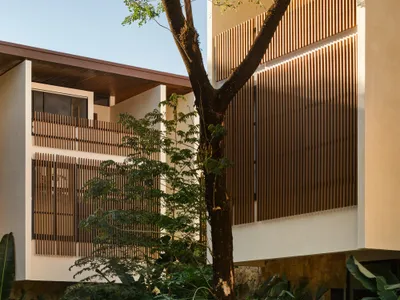
FAMM Arquitectura Organizes Ten Villas Around Courtyards and Jungle in Nosara, Costa Rica
El Molino pairs two elongated volumes with deep overhangs and timber louvers to build a compact coastal community five minutes from the beach.
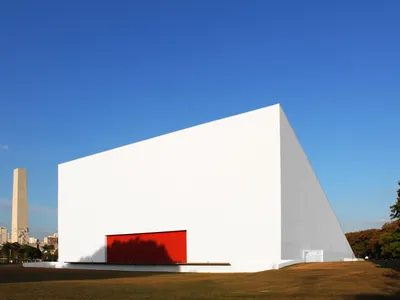
Oscar Niemeyer's Ibirapuera Park Pavilions Define São Paulo's Cultural Identity in Concrete and Curve
A constellation of modernist volumes set within São Paulo's most important urban park, conceived for the city's 400th anniversary in 1954.
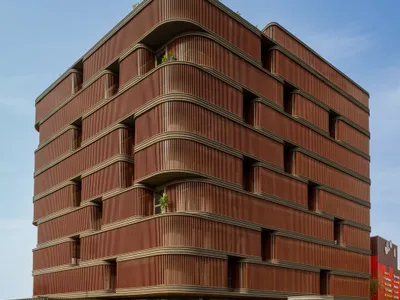
Sanjay Puri Architects Wraps a Jaipur Office Tower in Capsule-Shaped Green Buffers
A nine-level climate-responsive workplace near Jaipur Airport uses stacked planter terraces and aluminium screens to fight 40°C heat.
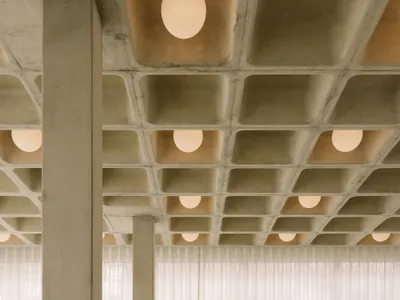
RHO Converts a Berlin Spree-Side Industrial Courtyard into Enkime's 1,000 m² Agency Headquarters
A social media agency's new home in Charlottenburg trades glossy branding for concrete waffle ceilings, glazed tile, and sheer curtains.

Explore Funerary Architecture Competitions
Discover active competitions in this discipline

Challenge to reimagine the Iron Throne

Photograph architecture without architects

Illustrate the lost glory of Angkor Wat - Render Challenge

Design challenge to reuse E-waste
Comments (0)
Please login or sign up to add comments
No comments yet. Be the first to comment!