

Exploring the Essence of Modern Korean Architecture at the Pyunkangyul Flagship Store
The Pyunkangyul Flagship Store blends traditional Korean elements and modern design to showcase a skincare brand's philosophy in Seoul.


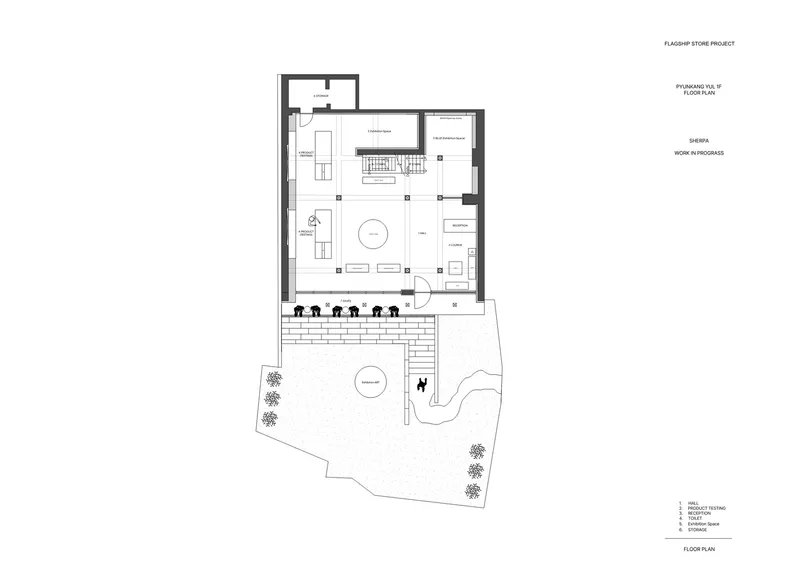
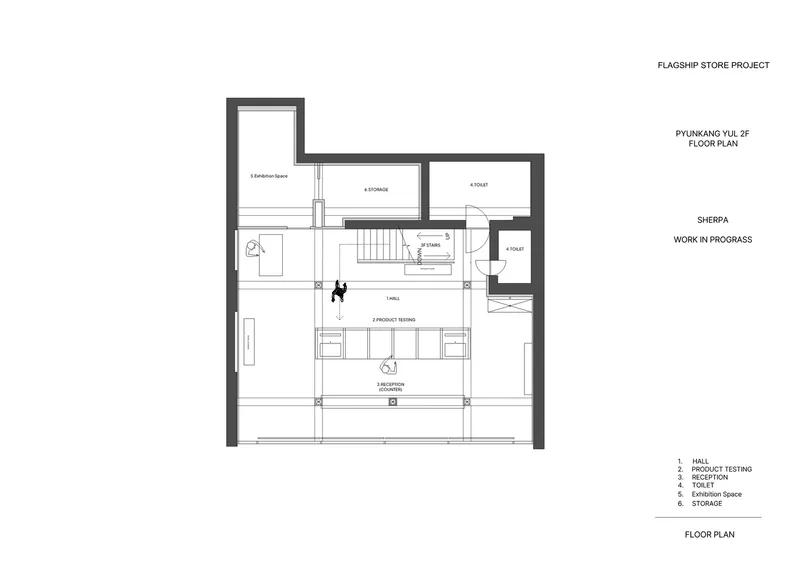
Nestled in the historic Bukchon neighborhood of Seoul, the Pyunkangyul Flagship Store stands as a testament to the harmony of traditional Korean design elements and modern architectural techniques. Designed by the innovative team at Sherpa, this flagship store spans 462 square meters and was completed in 2024, embodying the ethos of the skincare brand Pyunkangyul, which emphasizes natural ingredients and minimalism.
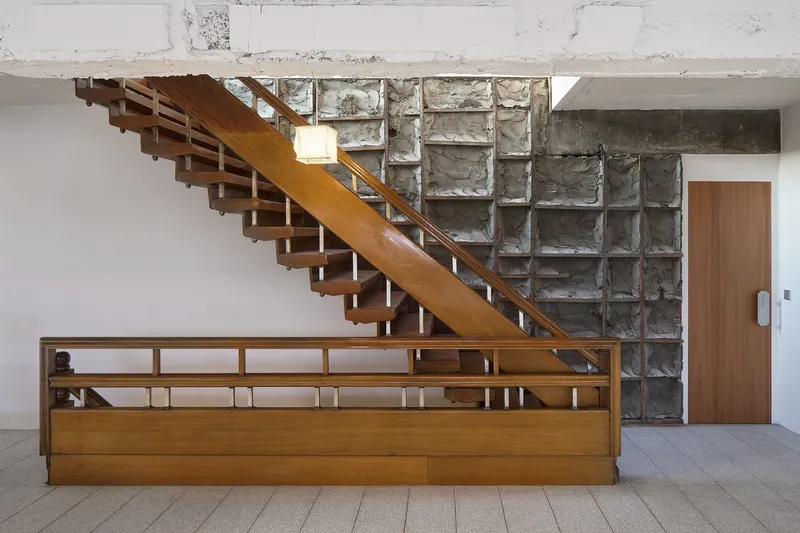
Design Philosophy and Architectural Walkthrough
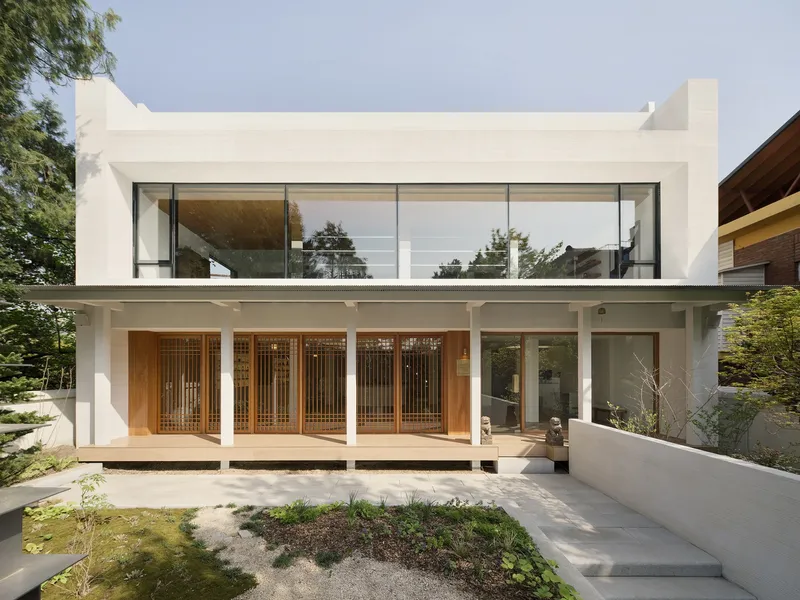
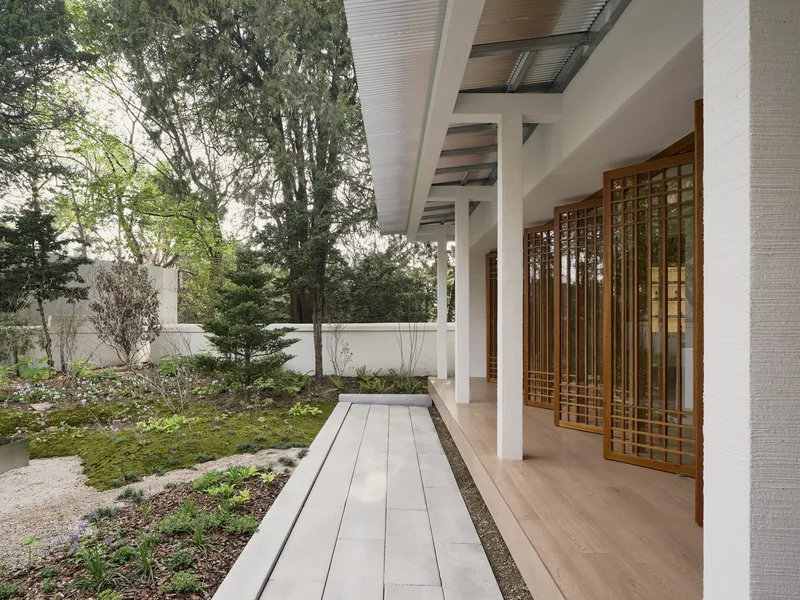
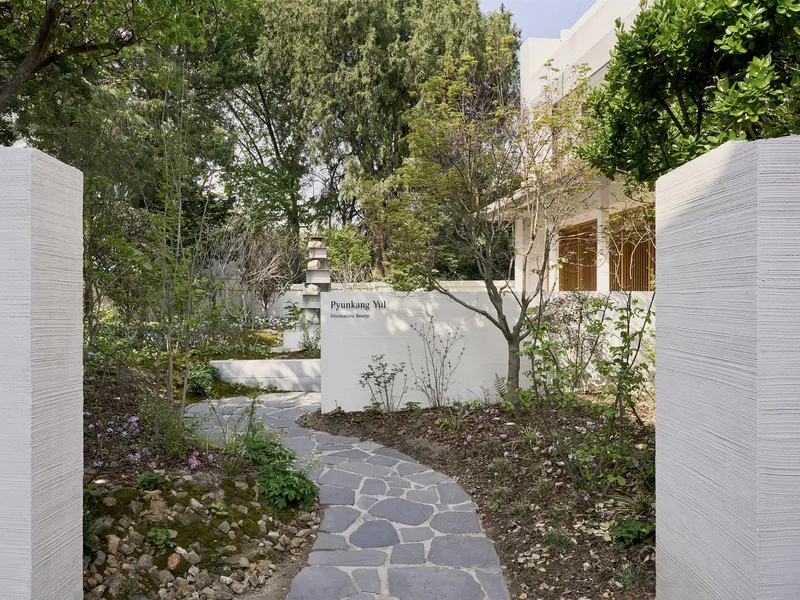
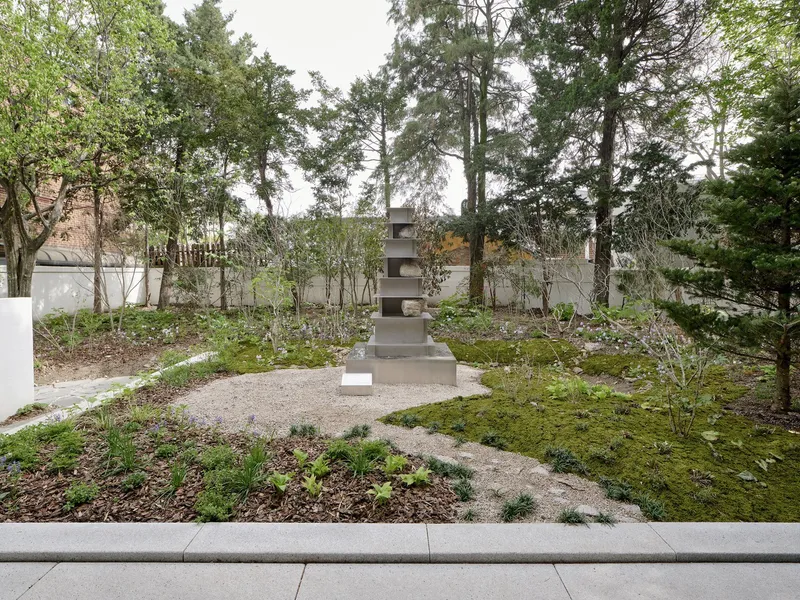
Upon entering the Pyunkangyul Flagship Store, visitors embark on a unique architectural journey, starting with a thoughtfully extended entrance path lined with eco-friendly stepping stones. This path not only enriches the visitor experience but also showcases the brand’s commitment to environmental sustainability and cultural heritage.

Integrating Nature and Tradition
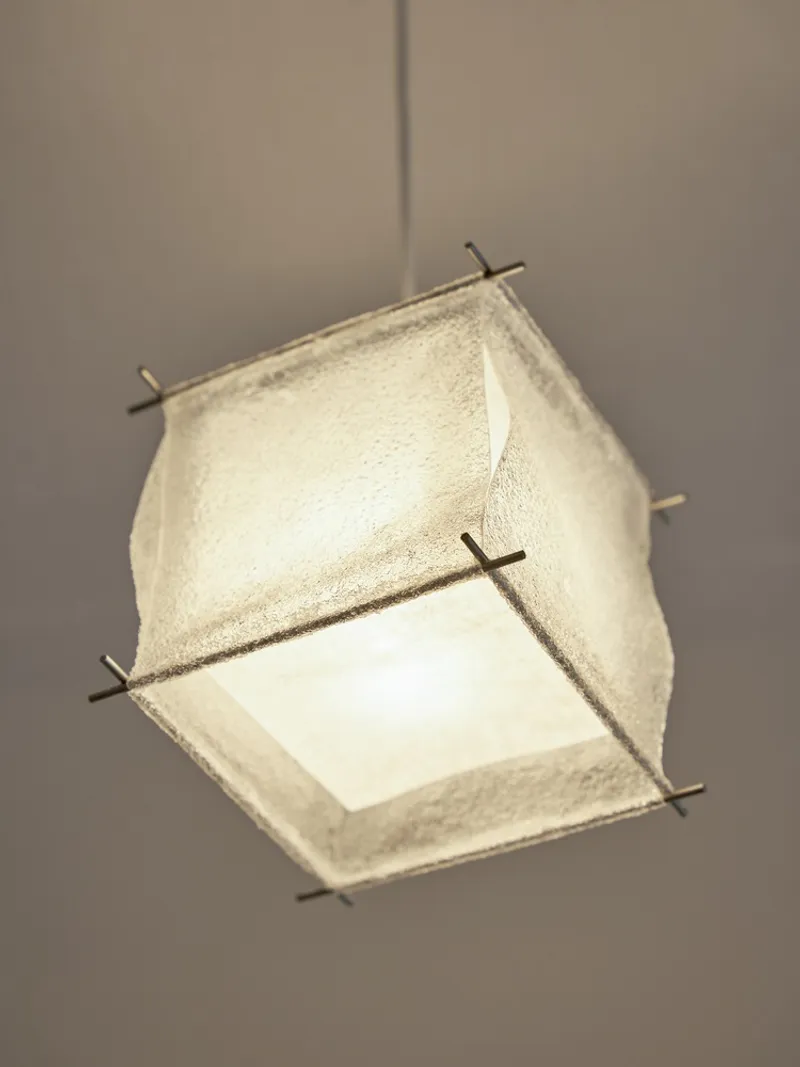
The façade of the store, featuring large, airy windows and traditional Korean Hanji lanterns, invites natural light while connecting the indoor environment with the natural beauty of its surroundings. This design strategy ensures that every element—from the tactile brass door handles to the soothing sounds of wind bells—enhances the sensory experience of each visitor.
Interior Design: A Blend of Function and Aesthetics
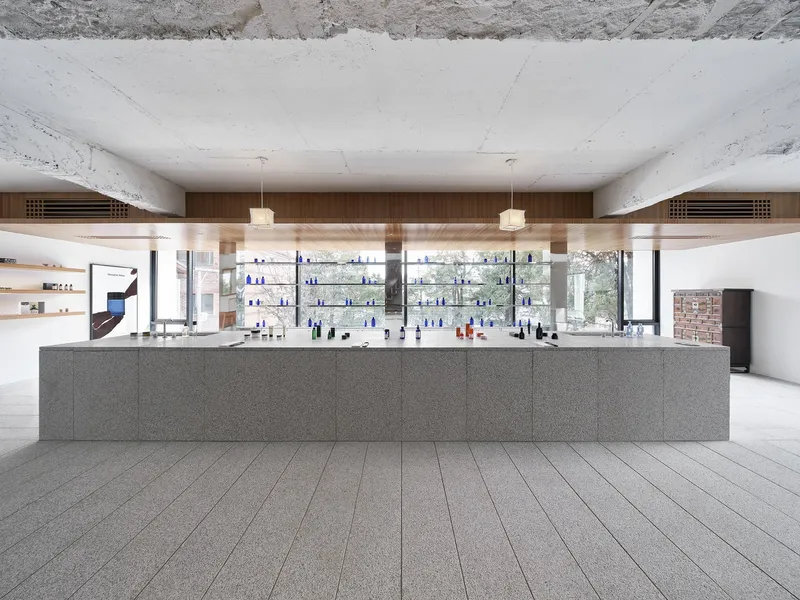
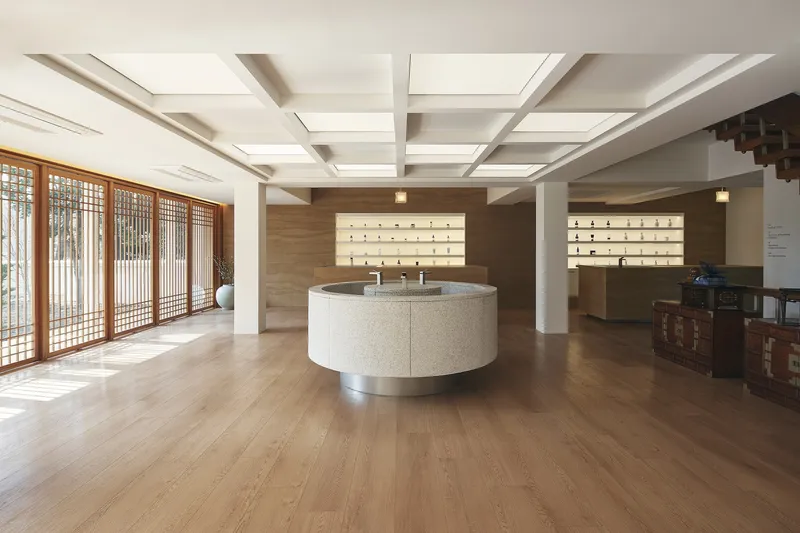
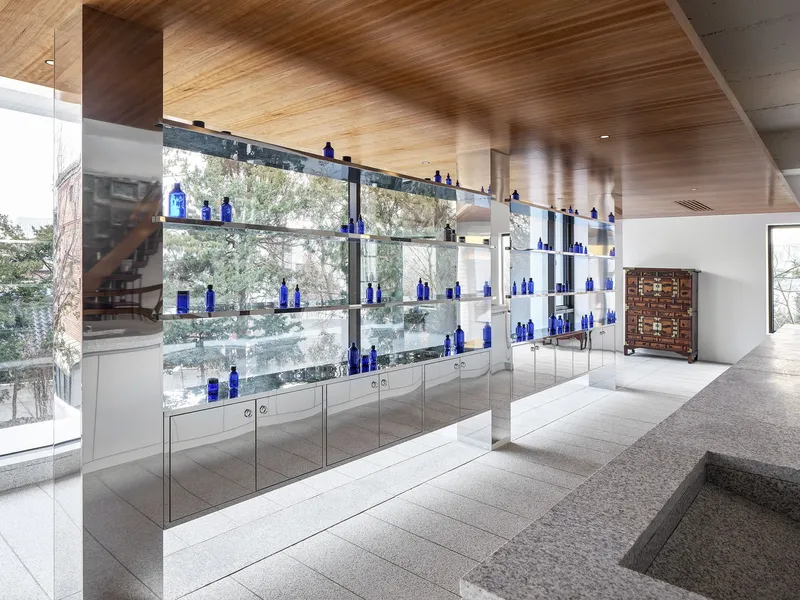
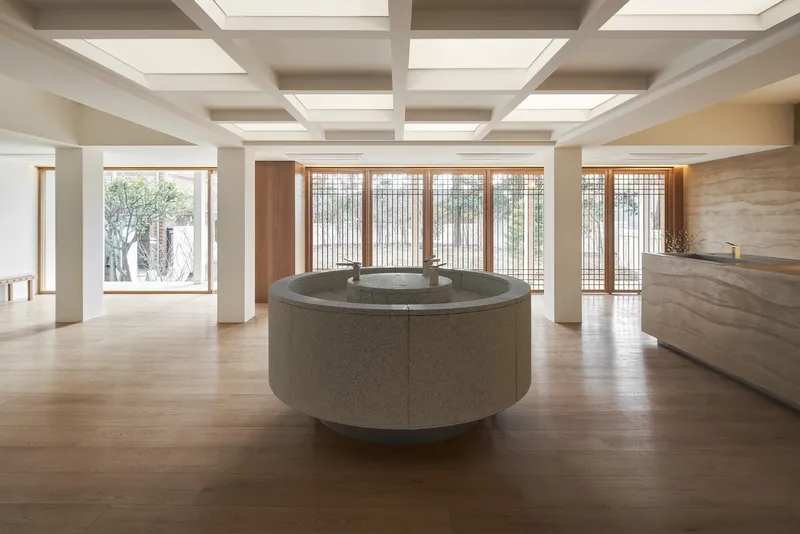
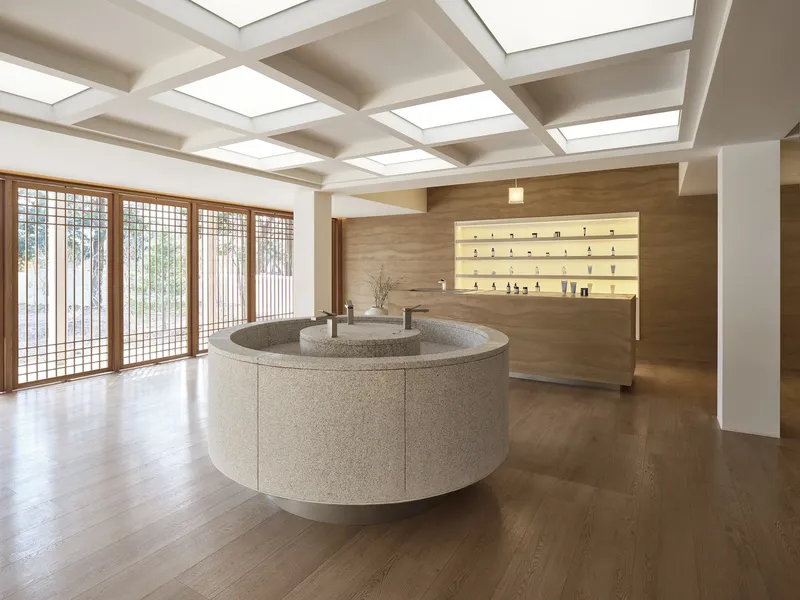
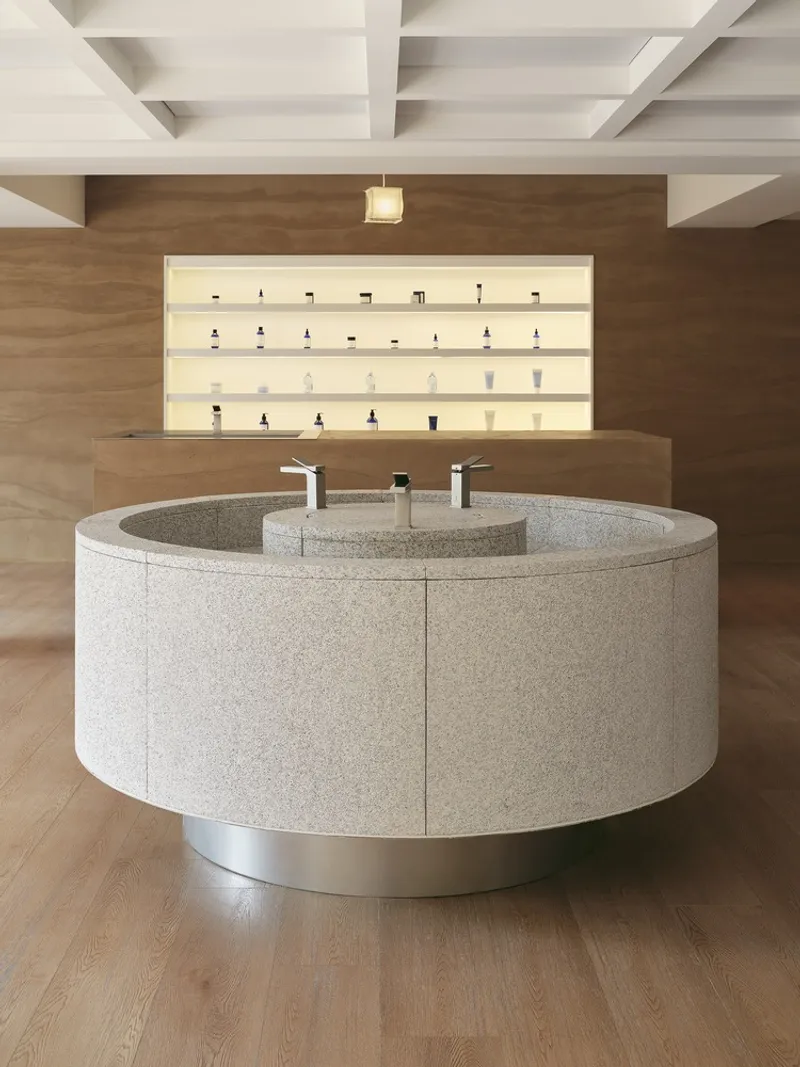
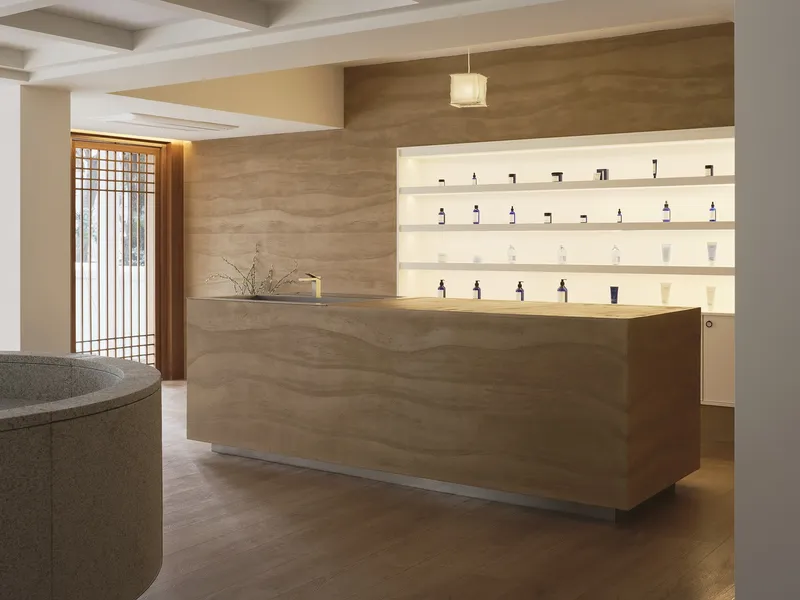
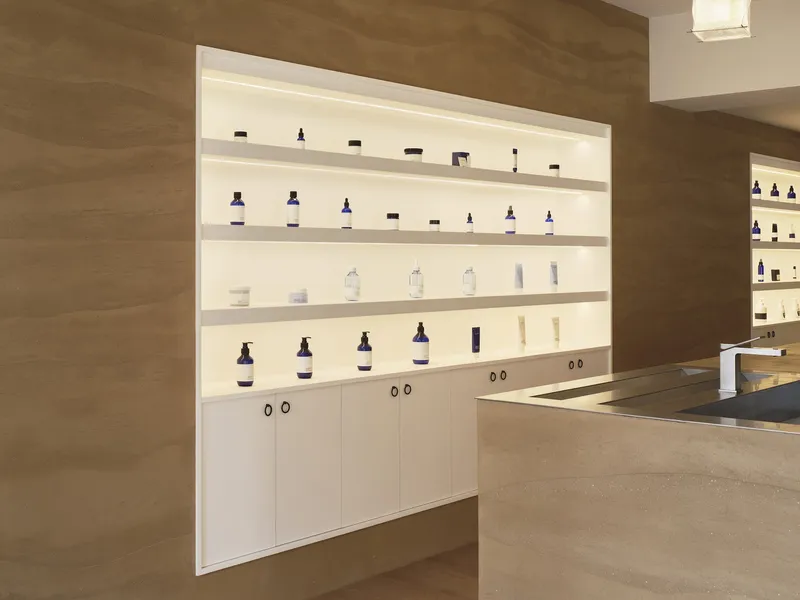
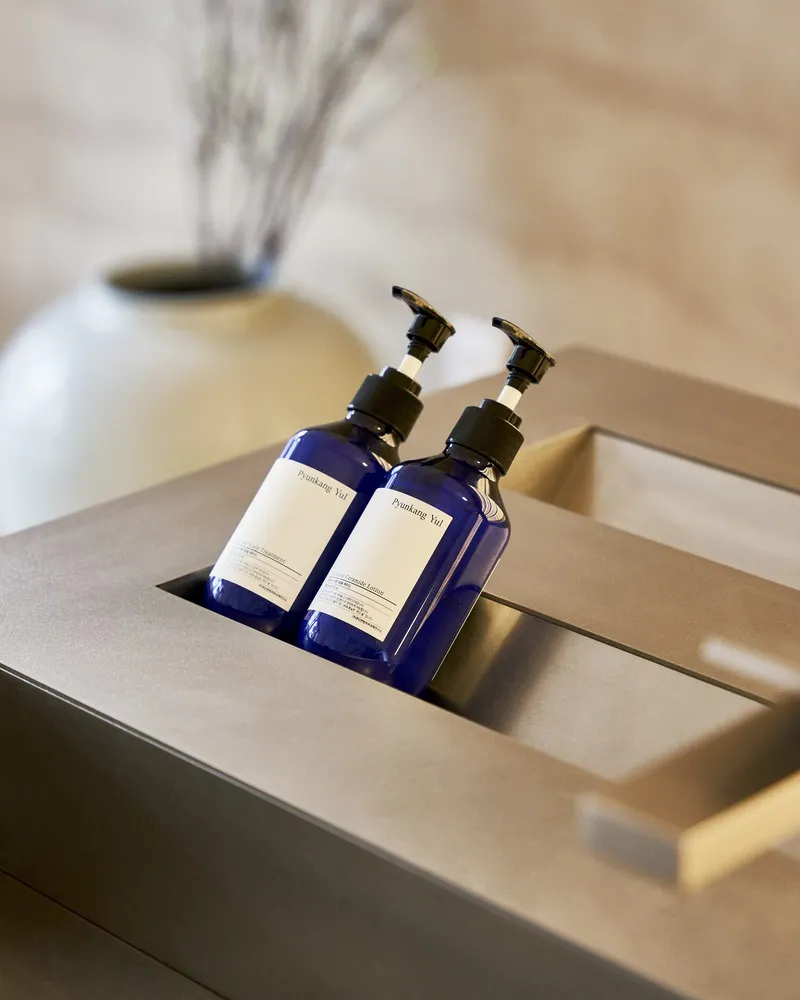
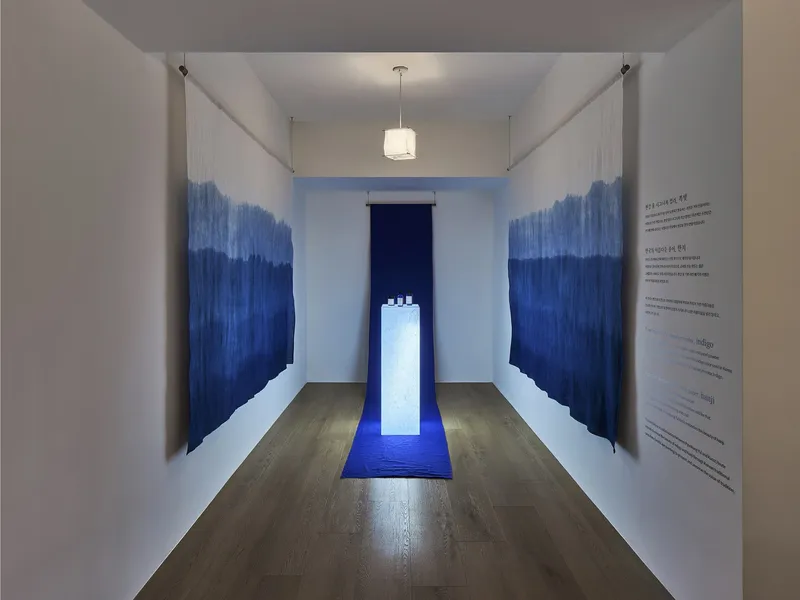
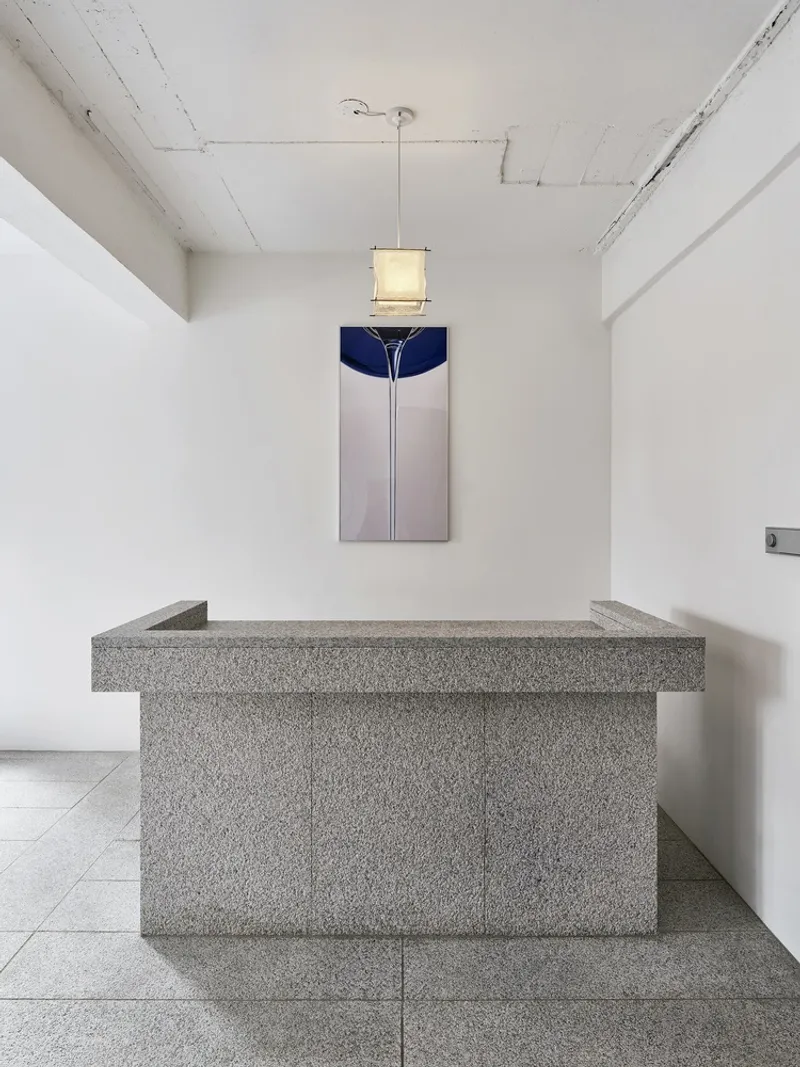
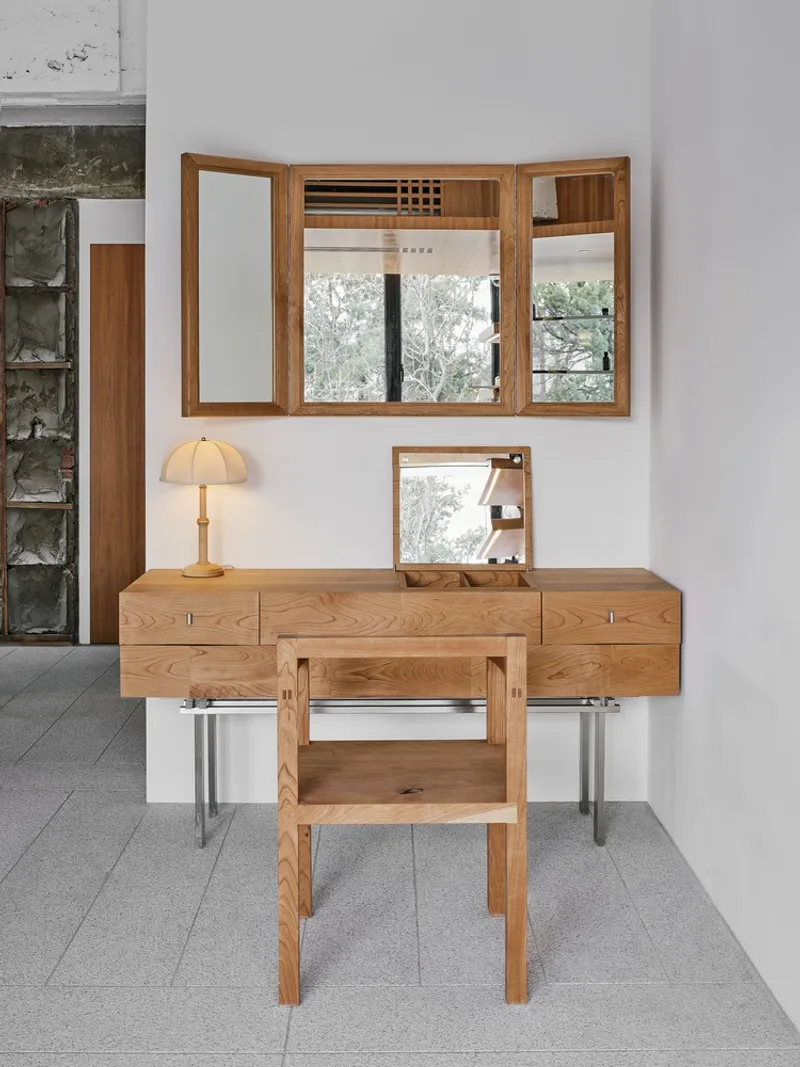
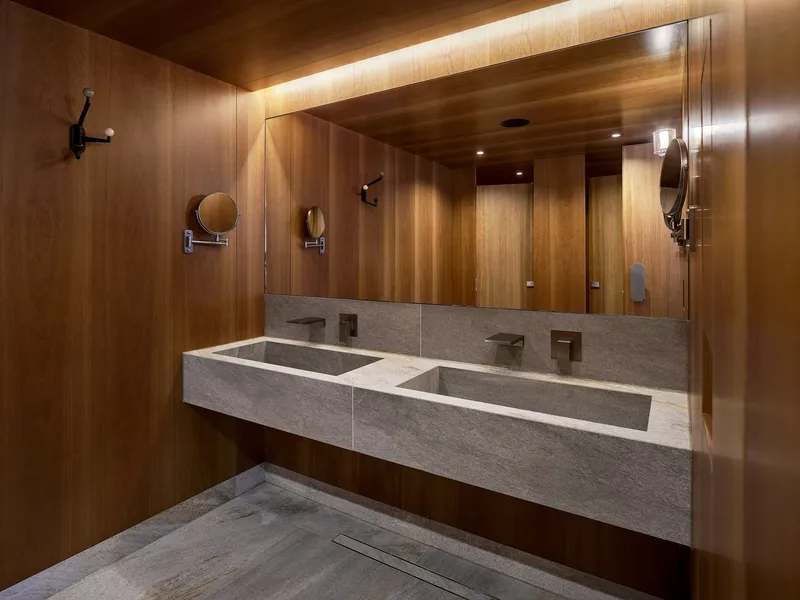
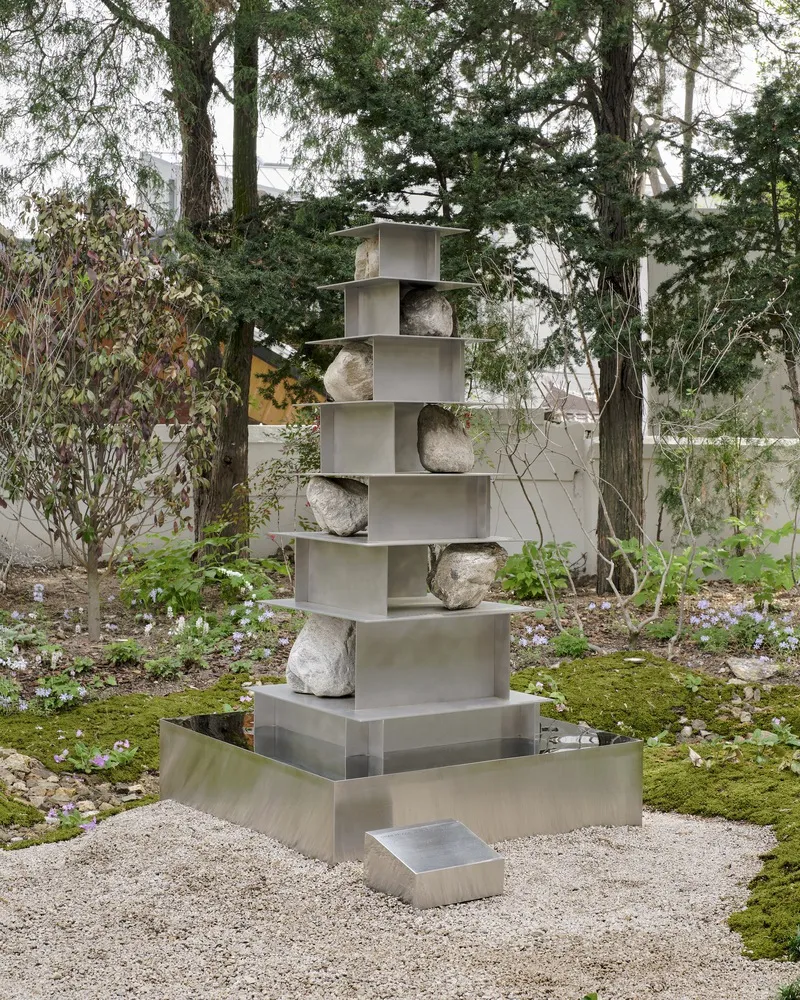
Inside, the flagship store is a masterclass in the use of natural materials such as Pocheon stone and mother-of-pearl, which are incorporated throughout the space to subtly convey the purity and essence of the brand’s skincare products. The main display area, illuminated by a well-shaped barisol light, creates a focal point that draws visitors deeper into the store.
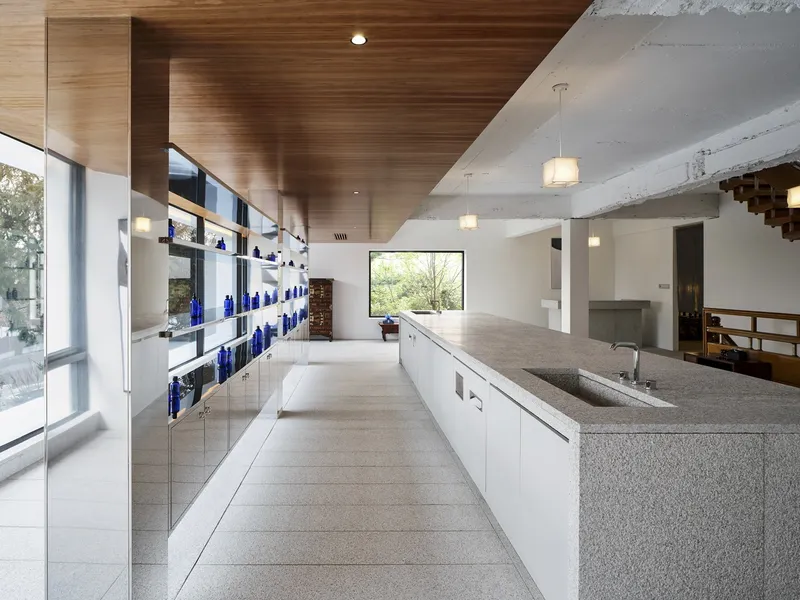
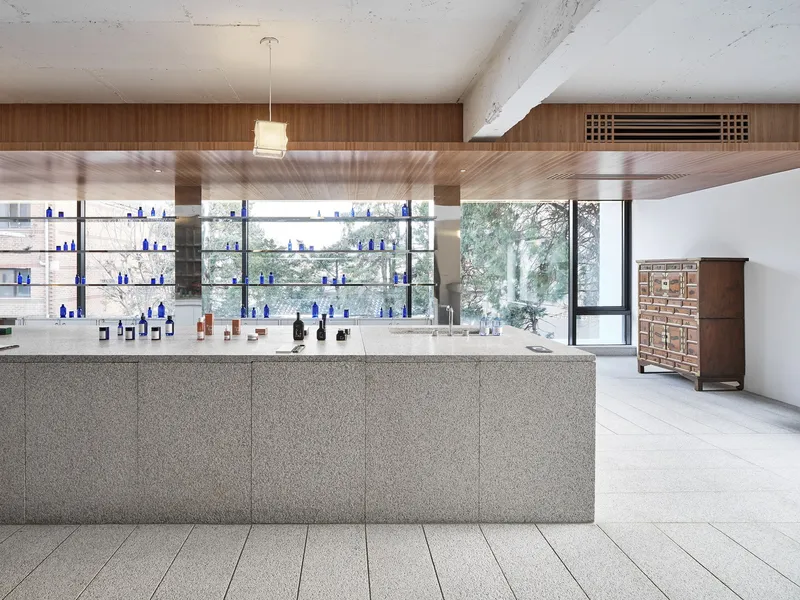
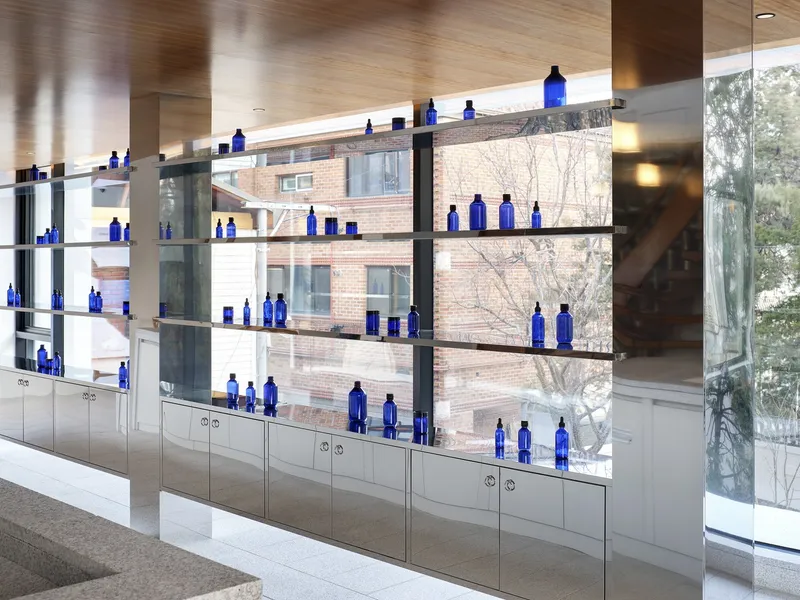
Sustainable Practices and Local Craftsmanship
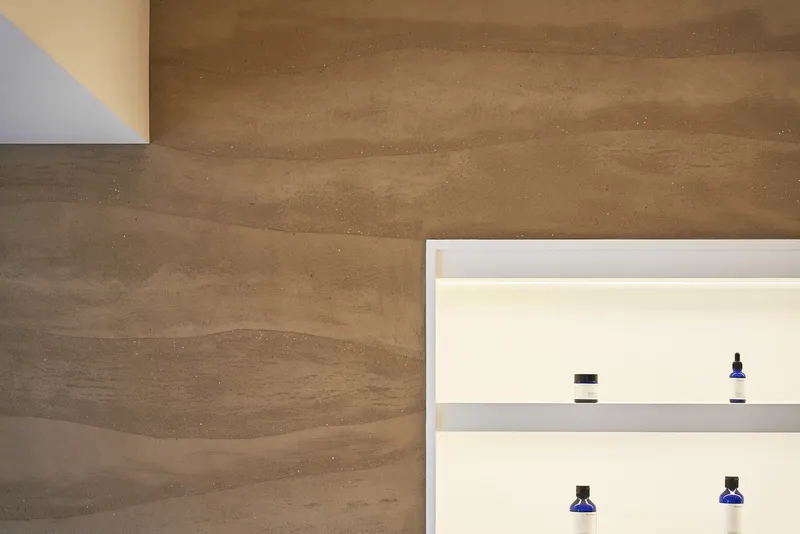
Sherpa’s approach to sustainability is evident in every aspect of the store’s design. From the reuse of construction materials to the employment of traditional craftsmanship, every detail underscores a commitment to environmental responsibility and cultural preservation. The interior walls, treated with natural clay mixed with mother-of-pearl, reflect the brand’s philosophy of "filling beauty with emptiness."
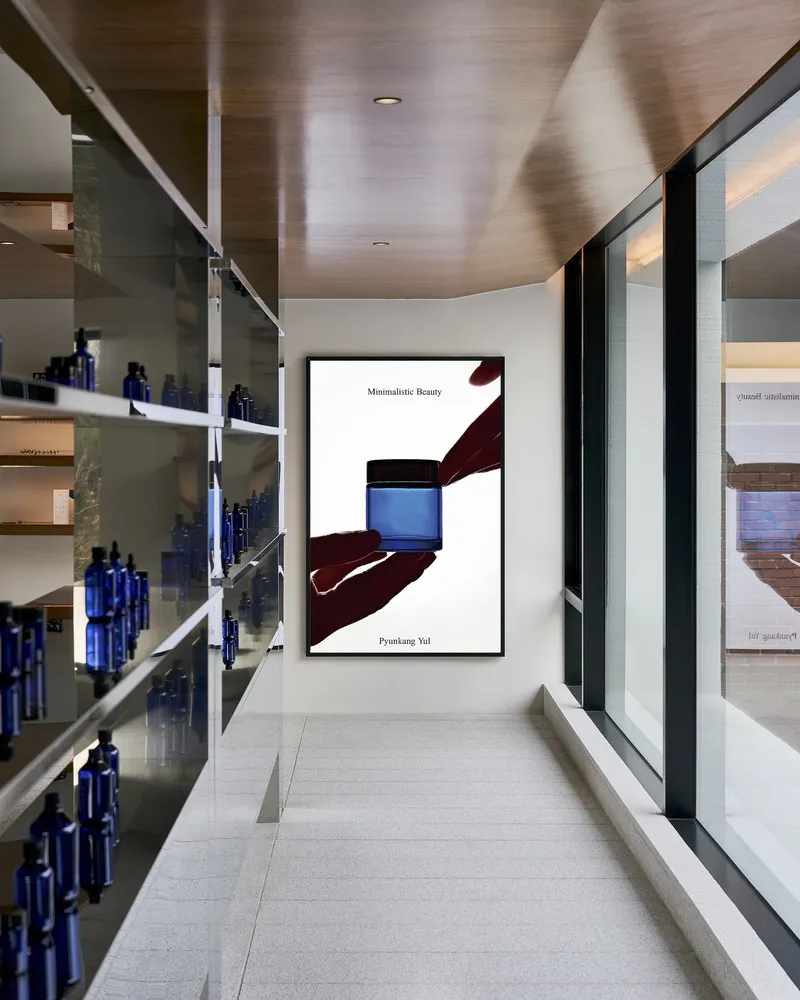
Cultural Integration and Customer Experience
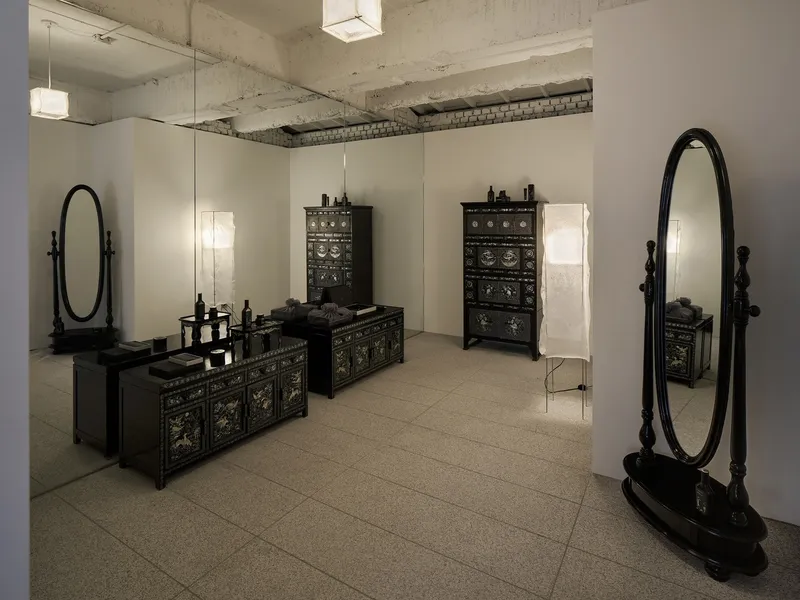
The second floor of the store is dedicated to experiencing Pyunkangyul’s heritage through interactive exhibitions of Korean-style fabrics and traditional royal furniture. This space not only serves as a retail area but also as a cultural hub where visitors can engage with the brand’s philosophy and its roots in herbal medicine.
A Modern Reflection of Korean Heritage
The Pyunkangyul Flagship Store is more than just a retail space; it is a destination where architecture and philosophy converge to create a profound brand experience. By blending modern design principles with elements of traditional Korean architecture, Sherpa has crafted a space that not only showcases Pyunkangyul’s products but also tells a story of cultural heritage and contemporary innovation.
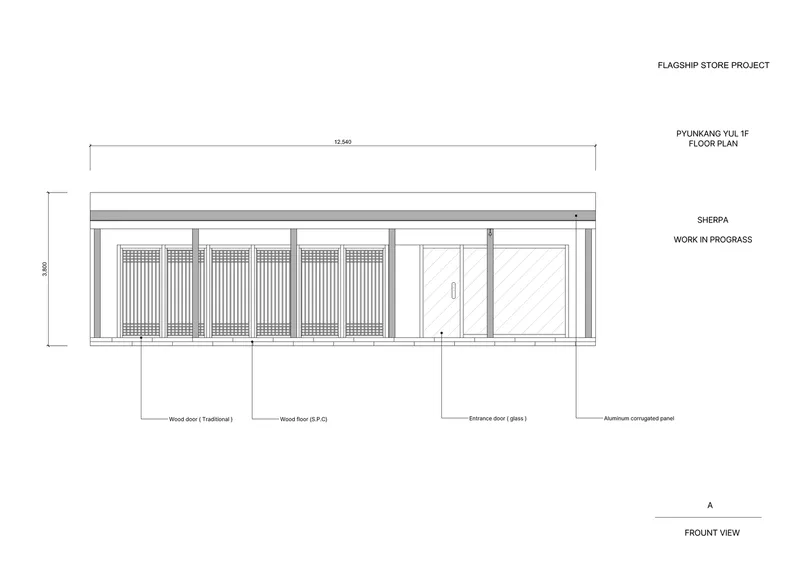
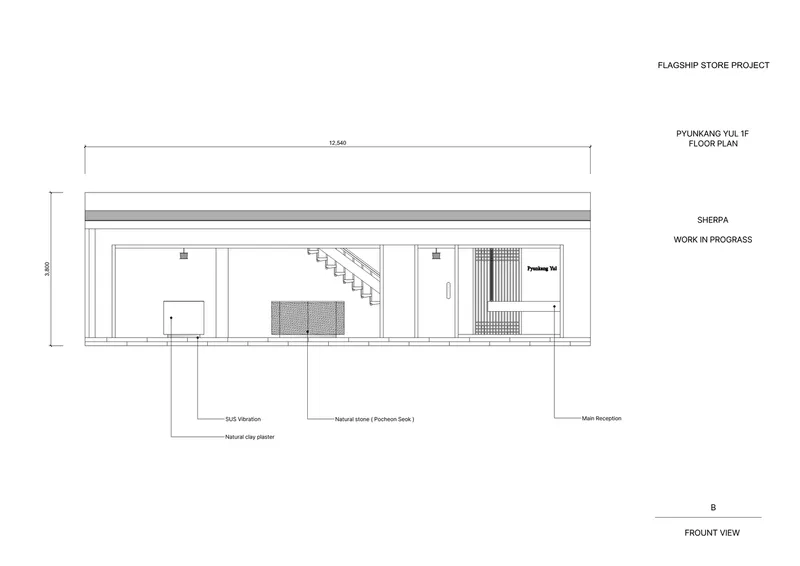
All photographs are work of In and Out


Popular Articles
Popular articles from the community

Temporary Home for Dogs: A Reversed Zoo Rethinks Animal Shelter Architecture
In Bucharest, a sinuous corridor and freed landscape flip the logic of containment, designing a shelter that works to make itself unnecessary.

Opera on the Sea: Driftwood Logic Shapes a Timber Opera House on Estonia's Coast
Trevor Orgill's opera house translates the entangled drift of floating timber into a civic building where wood, water, and music converge.

Cloaked Colonization: A Mobile Underwater Habitat That Moves Like a Fish
Micah Abaya's shortlisted EHC Pacific entry reimagines ocean settlement as a dispersed network of self-sustaining architectural organisms.
Extended Shell: Retrofitting Kolkata's Balconies as Living Urban Thresholds
A modular retrofit system recovers the social and environmental intelligence of Kolkata's historic verandas for contemporary Park Street residents.

Similar Reads
You might also enjoy these articles


Hodi-Mandai Geram
Project Function: Preservation and revitalization of the Intangible heritage and socio-spatial identity of the Hodi by Housing, Cultural Memory Center, Sacred Grove, landscape, local tourism economy


Olio Towers: A Mid-Rise for Performers That Fuses Housing, Rehearsal, and Stage
Located blocks from Houston's Theater District, this modular tower stacks living units around a central performance atrium.

Oasis: Modular Green Housing Carved into Dhaka's Urban Fabric
A shortlisted Plugin Housing entry reclaims unauthorized settlements in Dhaka with stepped concrete volumes, green roofs, and ventilation-driven design.

Black Hole: A Floating Megastructure for the Post-Physical Era
Emiliano Mazzarotto envisions a spherical, self-scaling arena where e-sports, digital hotels, and holographic stadiums replace traditional public space.

Explore Architecture Competitions
Discover active competitions in this discipline

Challenge to reimagine the Iron Throne

Photograph architecture without architects

Illustrate the lost glory of Angkor Wat - Render Challenge

Design challenge to reuse E-waste
Comments (0)
Please login or sign up to add comments
No comments yet. Be the first to comment!