
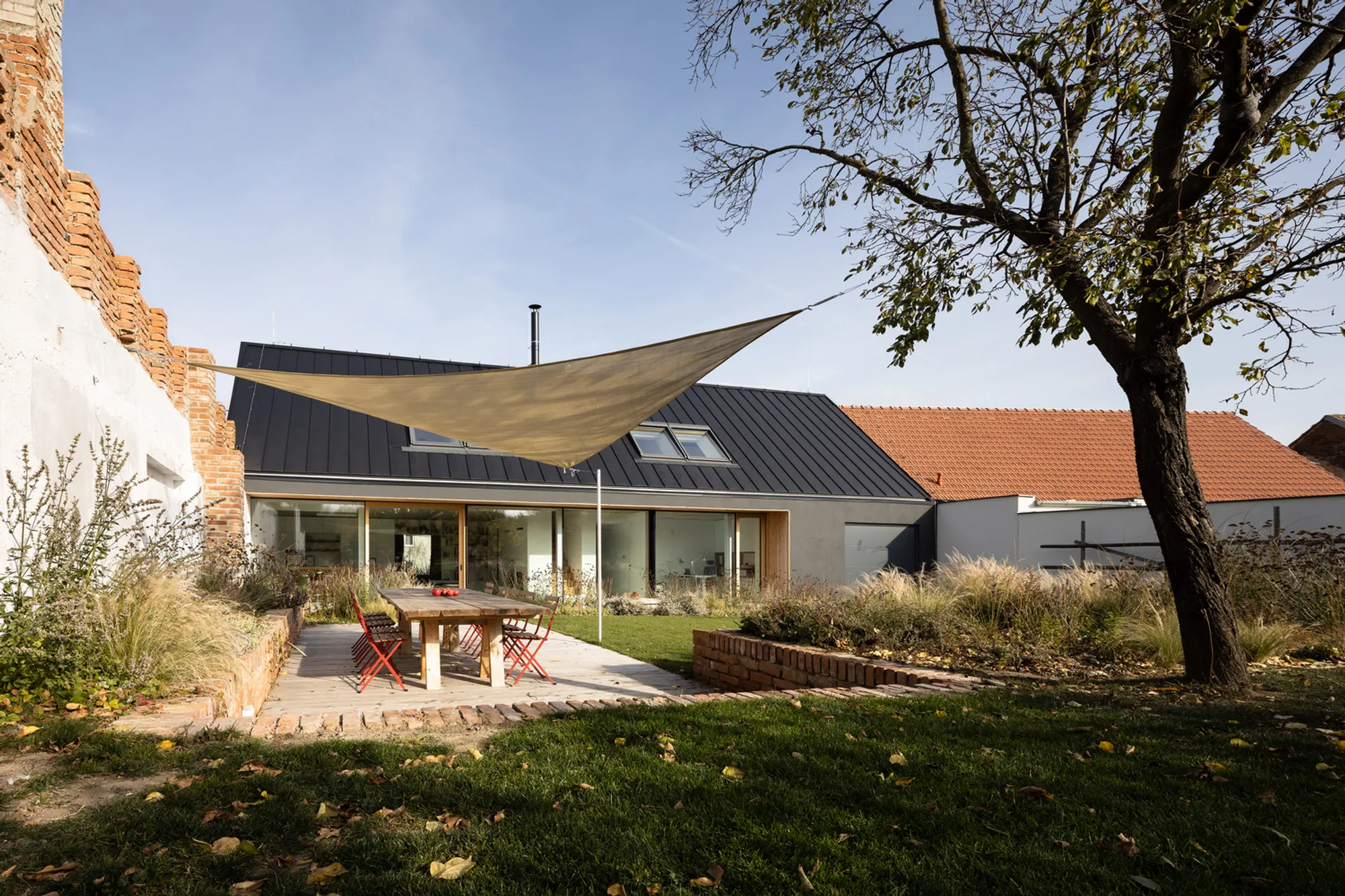
Family House Polánka by CL3 Studio: A Bold Minimalist Residence Rooted in Context
Minimalist black house in Czechia reinterprets traditional form with sustainable design, passive systems, and strong indoor-outdoor connection through bold architecture.


Located in Moravský Krumlov, the Family House Polánka by CL3 studio represents a striking example of modern residential architecture, where tradition meets bold contemporary expression. Completed in 2021, this 295 m² home reinterprets the archetypal rural house form while embracing minimalist design, passive house principles, and innovative material contrasts.
Designed under the leadership of Radek Pasterný, the project reflects a thoughtful architectural response to site history, sustainability, and spatial functionality.
Architectural Concept: Reinterpreting the Traditional House Archetype
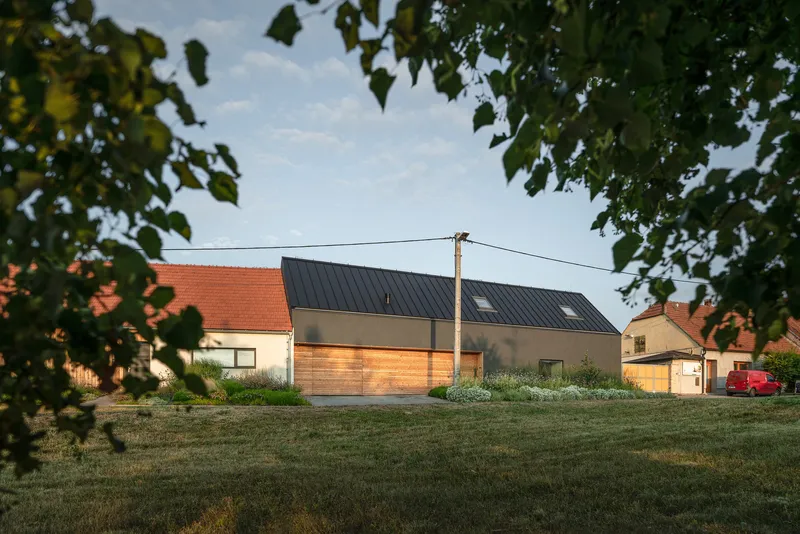
The design of Family House Polánka is grounded in a respectful reinterpretation of the original house typology that once occupied the site. Rather than abandoning the past, the architects preserved the familiar form while transforming its visual language into a sharp, minimalist composition.
The structure embraces a simple gabled volume, but its execution is anything but conventional. The design introduces clean lines, geometric precision, and a restrained yet powerful architectural identity. This approach highlights how modern architecture can evolve from traditional forms without losing cultural context.
Striking Exterior: Black Facade and Symbolic Expression
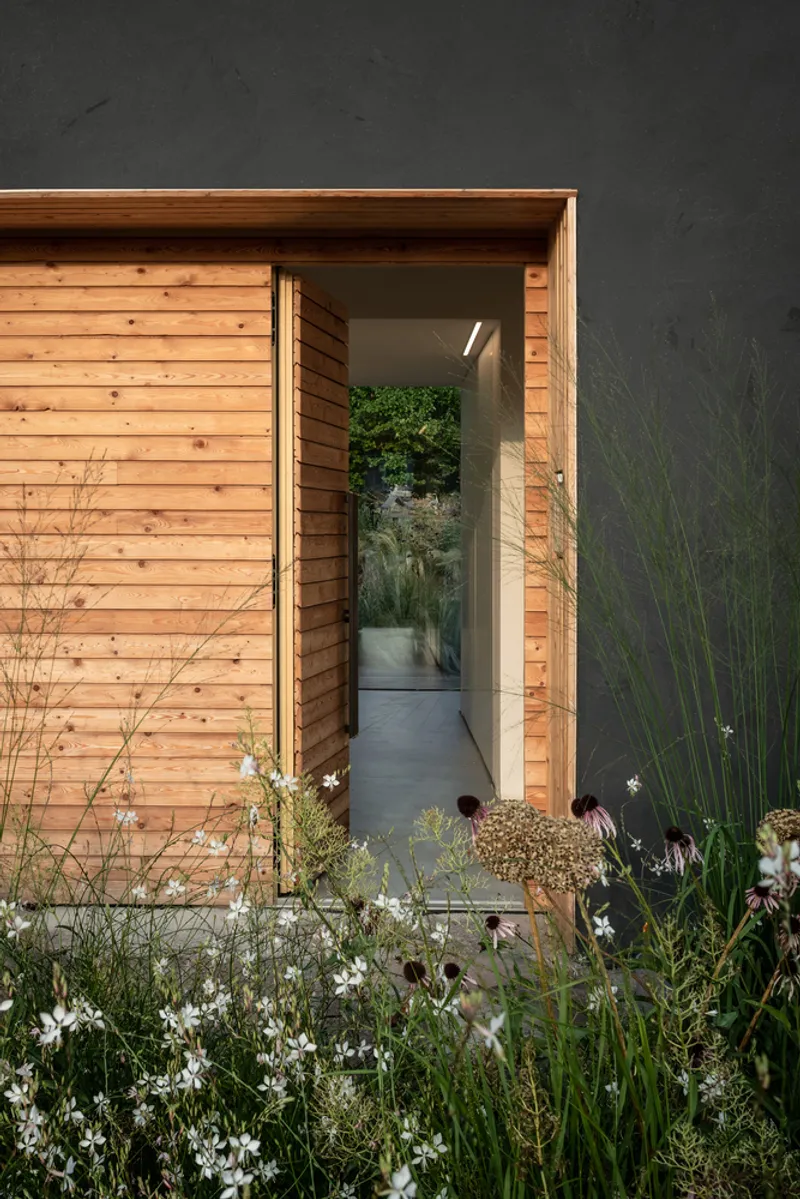
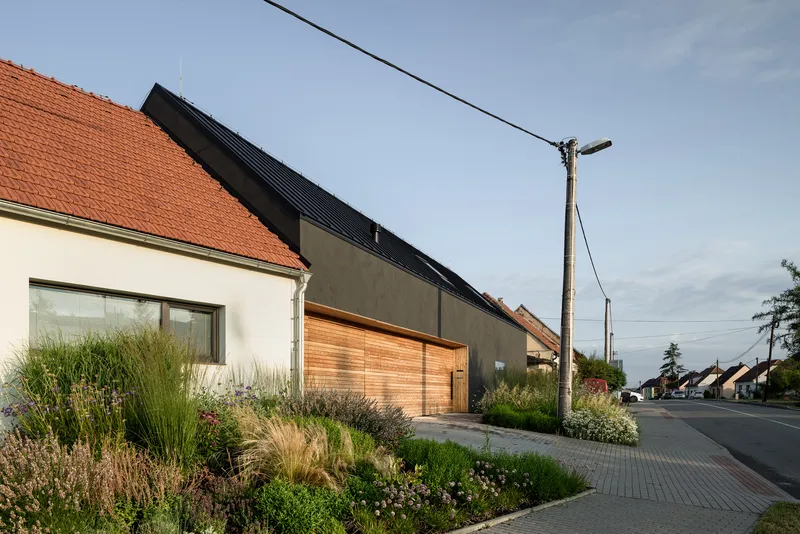
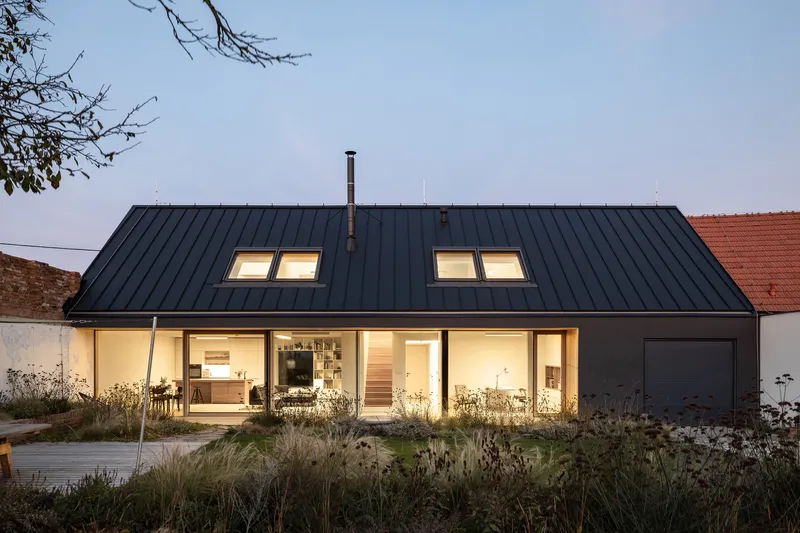
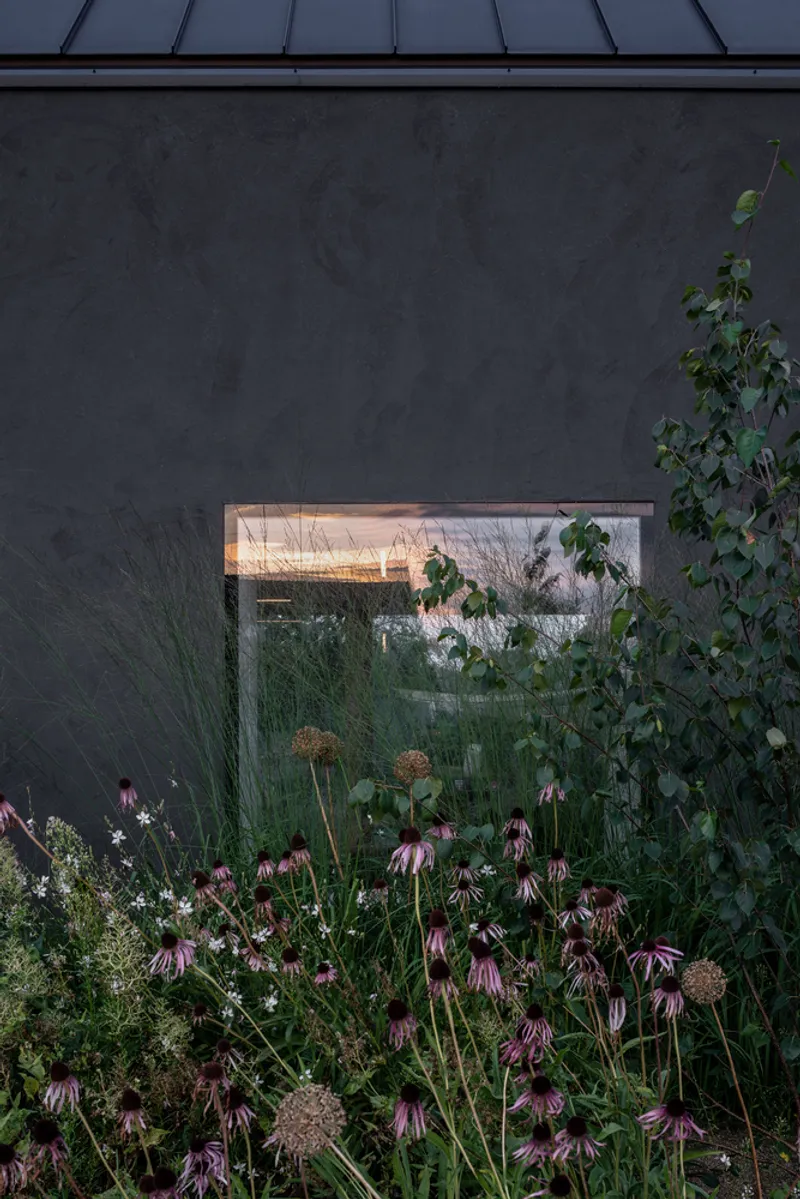
One of the most defining features of this house is its bold black exterior, created using dark plaster and corrugated roofing. This monochromatic palette is not merely aesthetic, it carries symbolic meaning.
The architects describe the black color as representing a “void” or “hole”, referencing the absence left by the previously abandoned house. The new structure metaphorically fills this void, giving new life to the site while acknowledging its past.
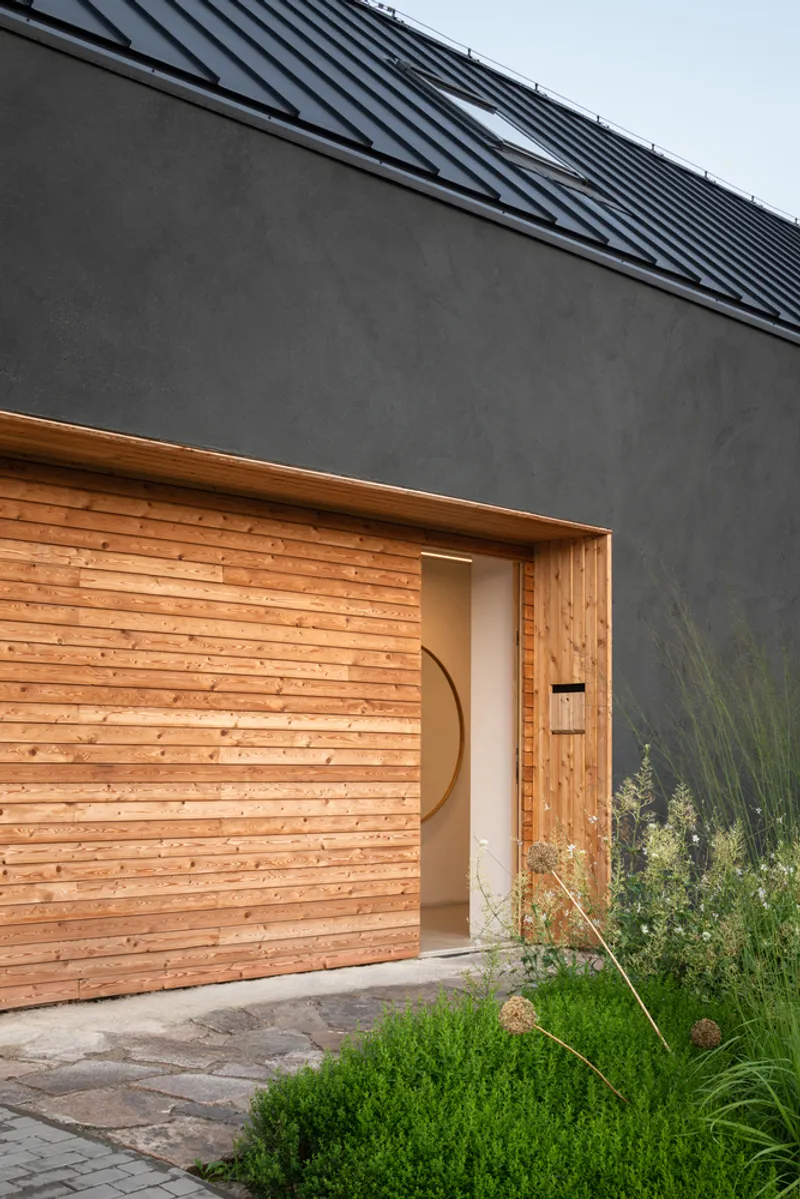
Contrasting this dark envelope, recessed areas are clad in warm wooden paneling, softening the visual impact and emphasizing transitional zones between interior and exterior. This interplay of materials creates a dynamic facade composition, enhancing both depth and spatial perception.
Indoor-Outdoor Relationship: Privacy and Openness
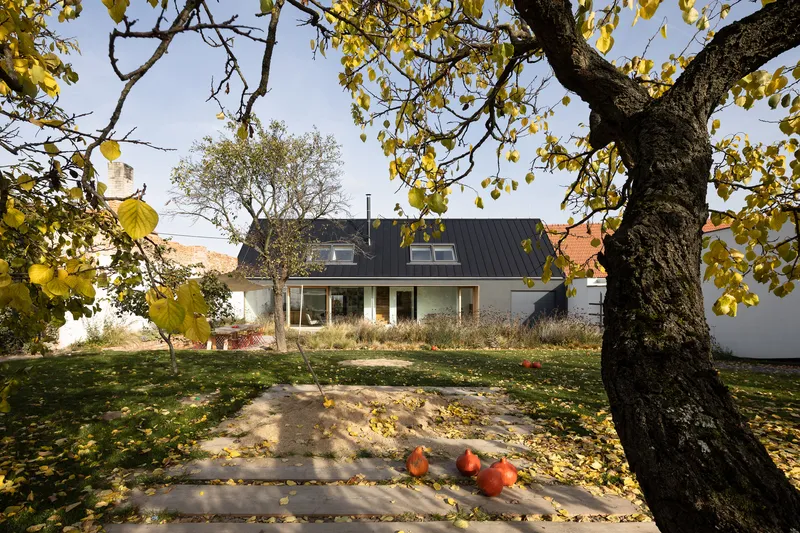
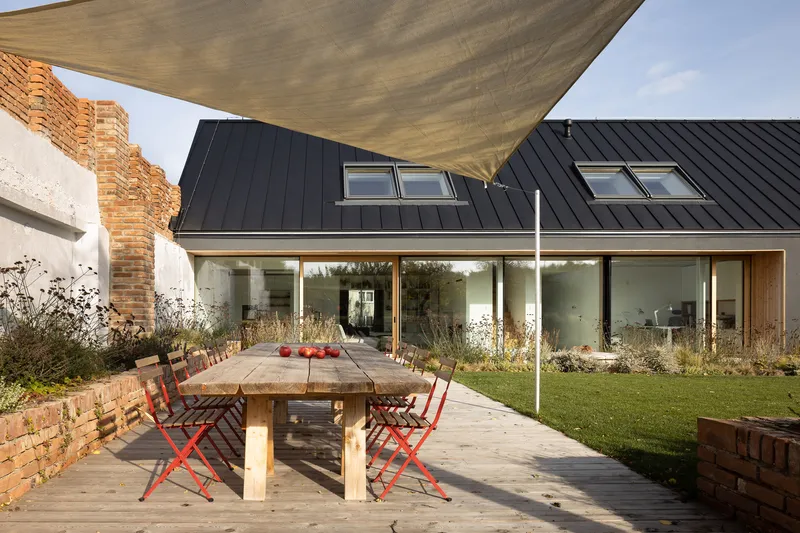
The house presents a closed, almost introverted facade toward the street, ensuring privacy and a sense of enclosure. However, this contrasts dramatically with the garden-facing side, where large glass openings fully connect the interior with the landscape.
This design strategy enhances:
- Natural light penetration
- Visual continuity with the garden
- A seamless indoor-outdoor living experience
The result is a home that balances privacy, openness, and environmental integration, key elements in contemporary residential design.
Interior Design: Minimalism with Material Authenticity
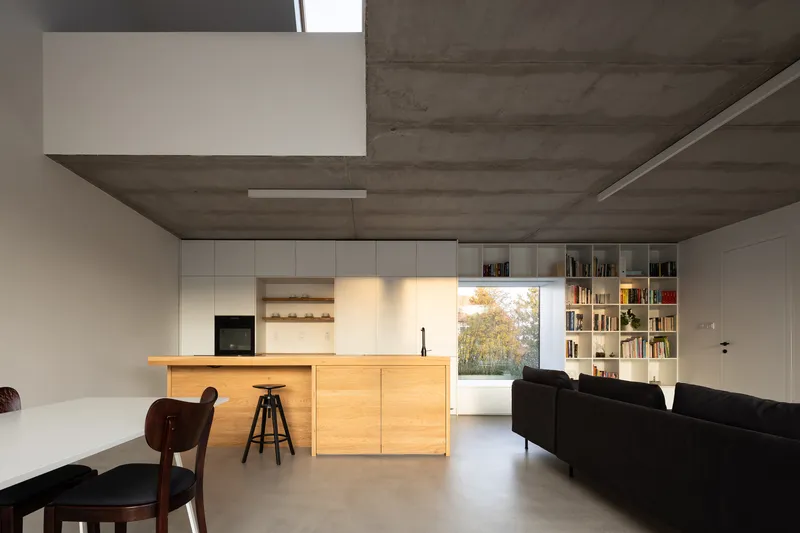
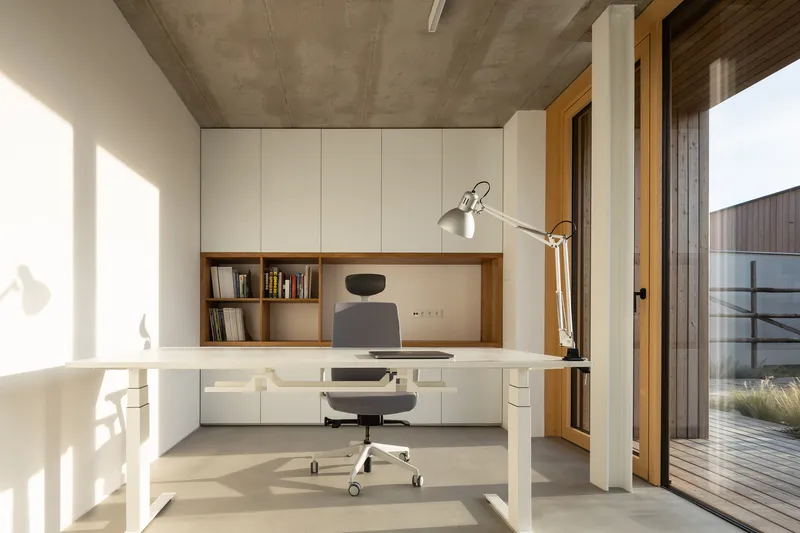
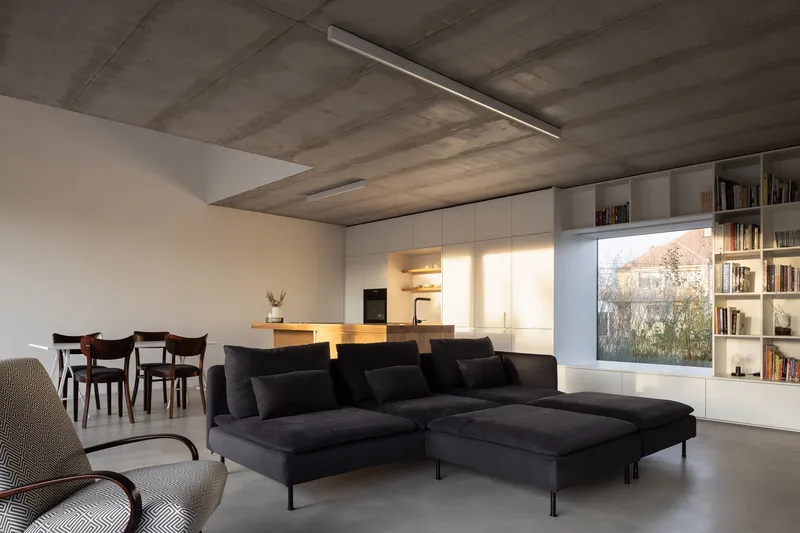
Inside, the house continues its minimalist narrative through raw material expression and neutral tones. The interior palette is carefully curated to highlight the building’s structural honesty.
Key interior features include:
- Exposed concrete ceilings, emphasizing structural clarity
- Cement screed flooring, adding texture and durability
- White walls, creating a bright and neutral backdrop
- Custom-built furniture in white, maintaining visual consistency
- Solid oak elements, introducing warmth and contrast
This combination results in a balanced interior environment, where industrial materials meet natural textures, creating a refined yet comfortable living space.
Spatial Layout: Functional Zoning and Traditional Influence
The layout of Family House Polánka reflects traditional spatial organization adapted to modern living needs. The building is divided into two primary functional zones:
- Residential Living Area – Designed for daily family life, emphasizing openness and connectivity
- Drive-Through Garage with Attic – A practical addition that enhances functionality and storage
This zoning ensures efficient circulation while maintaining a clear distinction between utility and living spaces, a hallmark of well-planned residential architecture.

Construction and Materials: Durable and Sustainable Design
The house is built using a robust and energy-efficient construction system, combining modern materials with high-performance insulation techniques.
Construction highlights include:
- Concrete foundations and slab
- Sand-lime brick walls
- Reinforced concrete ceiling structure
- Wooden “I” truss roofing system
The building envelope is carefully insulated to meet passive house standards, ensuring optimal thermal performance throughout the year.
Sustainable Features: Passive House and Energy Efficiency
Family House Polánka integrates advanced sustainable architecture strategies, making it both environmentally responsible and energy-efficient.
Key sustainability features:
- Passive house insulation standards
- Ground-source (earth-water) heat pump system for heating and cooling
- Passive cooling during summer months
- Controlled mechanical ventilation with heat recovery (recuperation)
These systems significantly reduce energy consumption while maintaining high indoor comfort levels, demonstrating the potential of eco-friendly residential design.
Lighting and Detailing
The lighting design, developed by ATEH lighting, complements the architectural concept by enhancing material textures and spatial depth. Strategic lighting placement highlights the contrast between raw concrete, smooth white surfaces, and warm wood elements.
Attention to detail is evident throughout the project, from custom joinery to carefully integrated building systems, reinforcing the house’s cohesive design language.

A Contemporary Home Rooted in Meaning and Performance
Family House Polánka by CL3 studio stands as a powerful example of modern minimalist architecture that respects tradition while embracing innovation. Through its bold black facade, symbolic design narrative, and sustainable technologies, the house successfully transforms a previously abandoned site into a functional, energy-efficient, and visually compelling home.
This project highlights how architecture can bridge past and present, creating spaces that are both meaningful and المستقبل-ready.

All photographs are works of
Tomáš Slavík




Popular Articles
Popular articles from the community


The Musturak Paradise: Senior Living Architecture for a Connected Future in Temara, Morocco
The Musturak Paradise reimagines senior living architecture in Temara via private homes, social spaces, culture, community, and shared care.

Conexión: Biophilic Design Reimagines High-Rise Living in Hong Kong
Conexión reimagines high-rise living in Hong Kong through biophilic design, green facades, shared spaces, daylight, water and nature within.

Riyadh For All: Intergenerational Urban Design for Active Aging in Rabat
Riyadh For All reimagines urban design in Rabat with intergenerational co-living, adaptive courtyards, and Moroccan cultural exchange today.
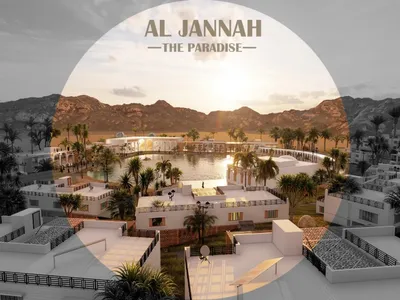
AL-JANNAH: Sustainable Architecture and Permaculture for Afghan Widows
AL-JANNAH uses sustainable architecture and permaculture to create resilient oasis of housing, learning, work and renewal for Afghan widows.


Similar Reads
You might also enjoy these articles

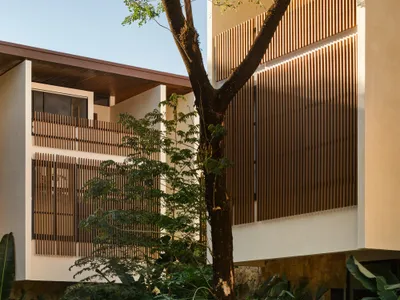
FAMM Arquitectura Organizes Ten Villas Around Courtyards and Jungle in Nosara, Costa Rica
El Molino pairs two elongated volumes with deep overhangs and timber louvers to build a compact coastal community five minutes from the beach.
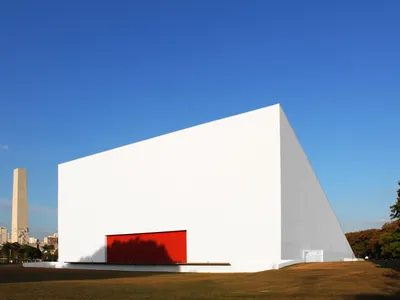
Oscar Niemeyer's Ibirapuera Park Pavilions Define São Paulo's Cultural Identity in Concrete and Curve
A constellation of modernist volumes set within São Paulo's most important urban park, conceived for the city's 400th anniversary in 1954.
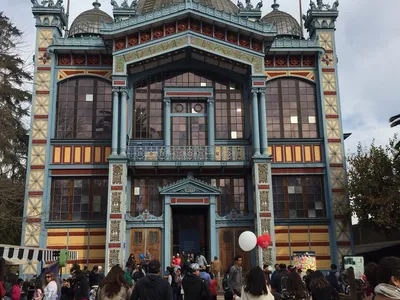
How Henri Picq's 1889 Paris Pavilion Traveled 11,000 Kilometers to Become Santiago's Artequín Museum
A prefabricated iron and glass pavilion built for the Paris Universal Exposition found a second life as a children's art museum in Chile.
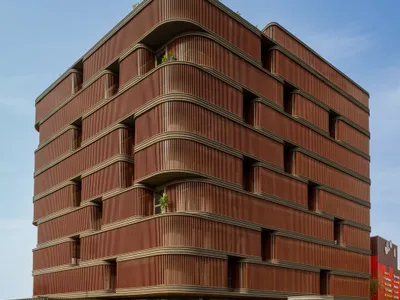
Sanjay Puri Architects Wraps a Jaipur Office Tower in Capsule-Shaped Green Buffers
A nine-level climate-responsive workplace near Jaipur Airport uses stacked planter terraces and aluminium screens to fight 40°C heat.

Explore Architecture Competitions
Discover active competitions in this discipline



Challenge to reimagine the Iron Throne


Photograph architecture without architects


Illustrate the lost glory of Angkor Wat - Render Challenge


Design challenge to reuse E-waste
Comments (0)
Please login or sign up to add comments
No comments yet. Be the first to comment!