
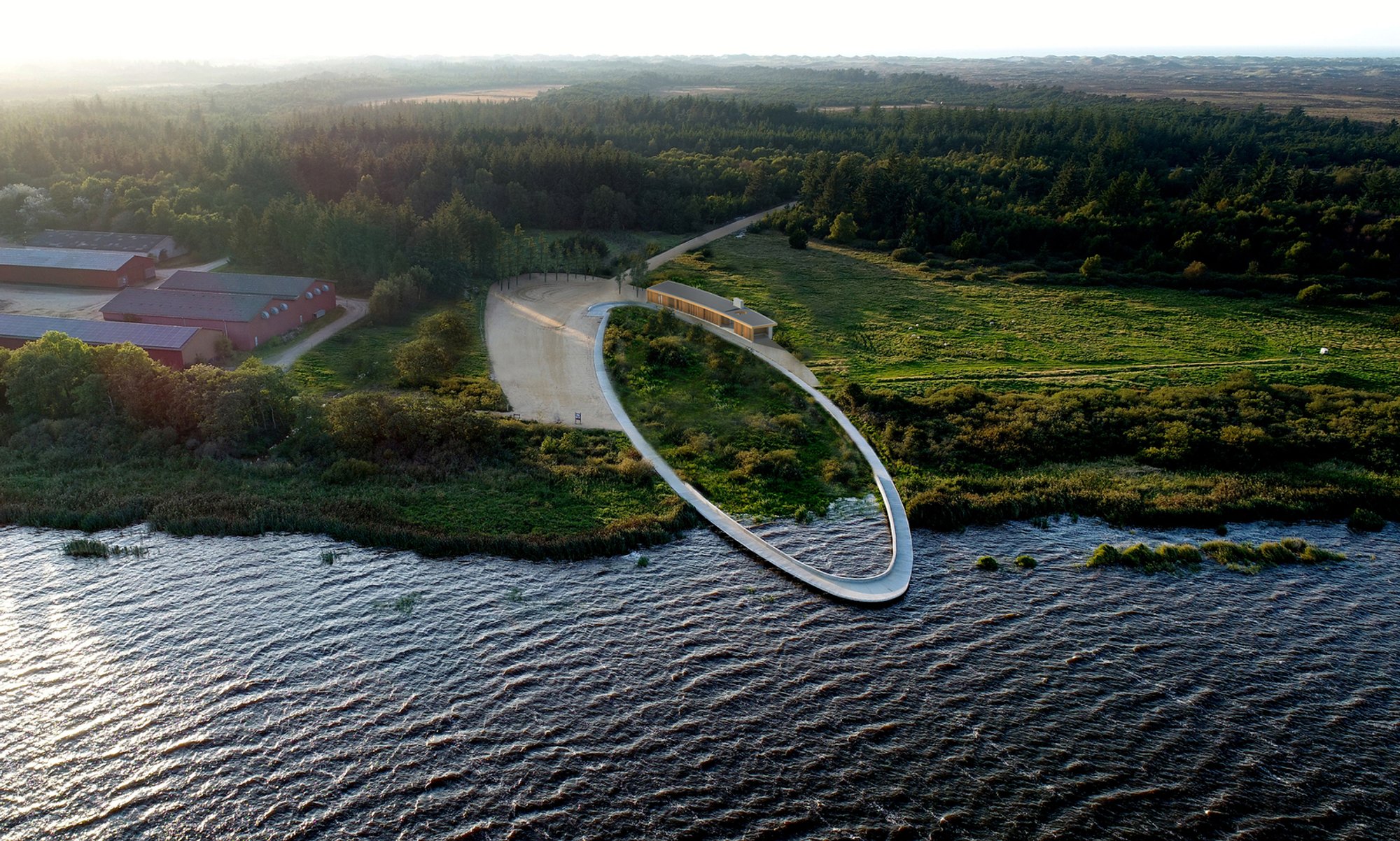
Filsø Visitor’s Center by Schønherr: A Gateway to Denmark’s Restored Natural Landscape
Filsø Visitor’s Center by Schønherr blends architecture and nature, offering immersive education, ecological restoration, and scenic exploration in Denmark.

A Landmark Project in Danish Nature Restoration
Located on the scenic west coast of Denmark near Henne, the Filsø Visitor’s Center, designed by landscape architecture firm Schønherr, serves as a compelling symbol of ecological renewal and public engagement. Completed in 2018 and spanning 4,960 m², this architectural intervention is part of the broader initiative “Places in the Landscape” by Realdania, developed in collaboration with the Danish Nature Agency and Aage V. Jensen’s Nature Foundation.
The project is a key feature in the national campaign “The Place Counts”, aiming to restore and highlight unique Danish landscapes through thoughtful architecture and public access.
Historical Context: From Agricultural Land to Ecological Haven
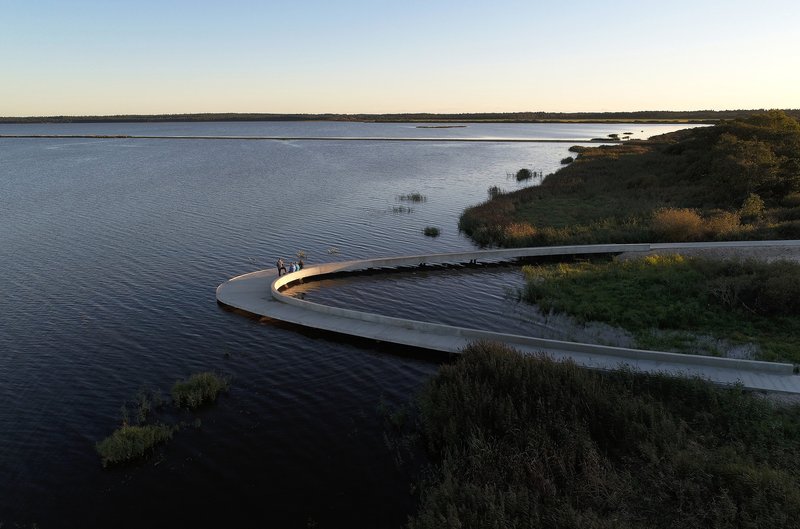
Once one of Denmark’s largest lakes, Filsø was drained between 1852 and 1951 to support agriculture in the coastal region. However, in 2011, Aage V. Jensen’s Nature Foundation acquired the land and initiated an ambitious restoration effort to return Filsø to its natural state. Today, the area is a thriving ecological habitat and a destination for both education and recreation.
Design Strategy: Movement, Horizon, and Landscape Integration
A Bridge Between Architecture and Nature
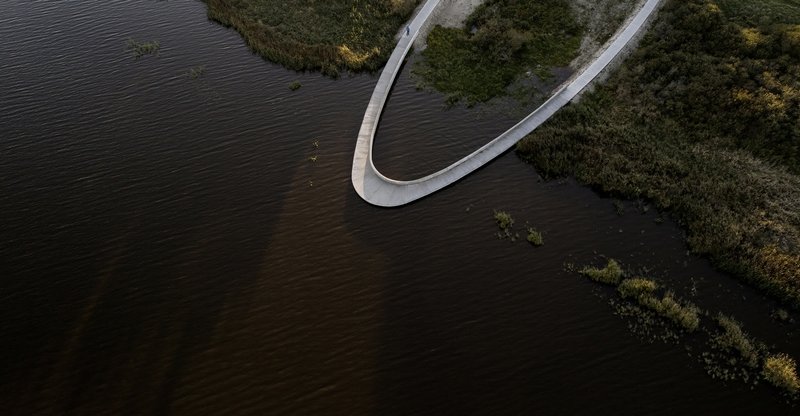
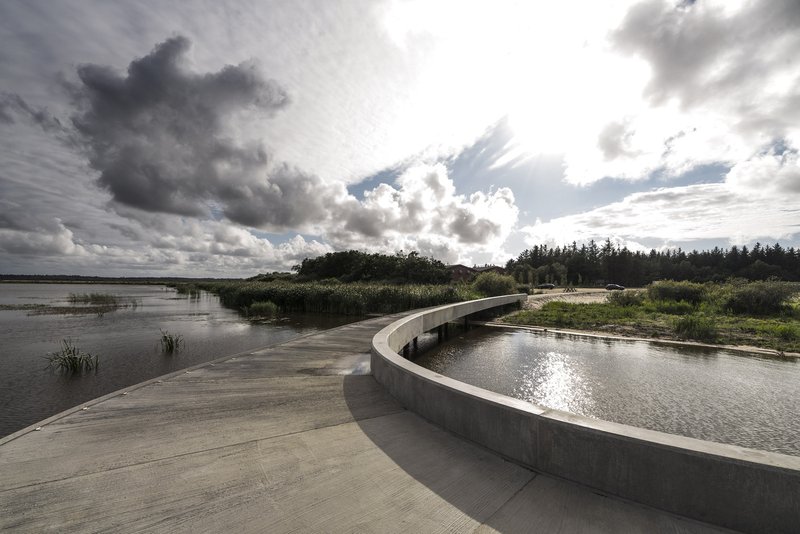
The architectural solution developed by Schønherr is both subtle and transformative. The visitor’s center comprises a landscape bridge, educational facilities, access road, and visitor parking—all seamlessly integrated into the protected surroundings. The journey begins with a winding approach road that immerses visitors into the expansive coastal landscape before arriving at the elliptical bridge.
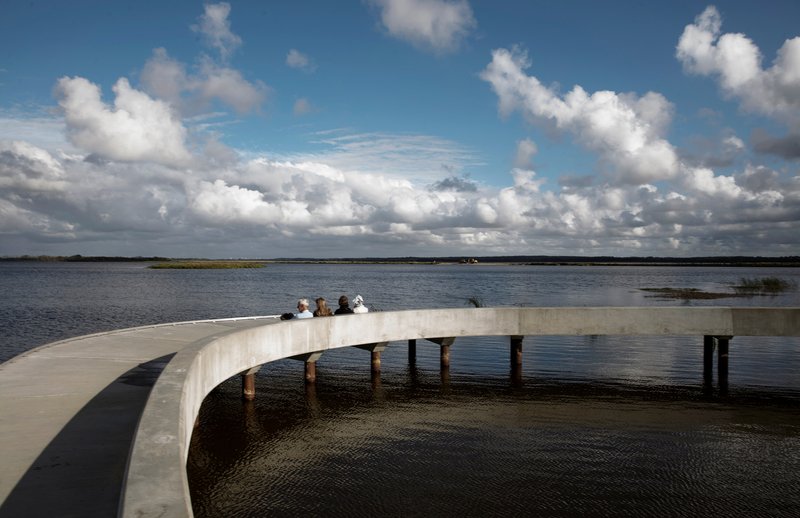
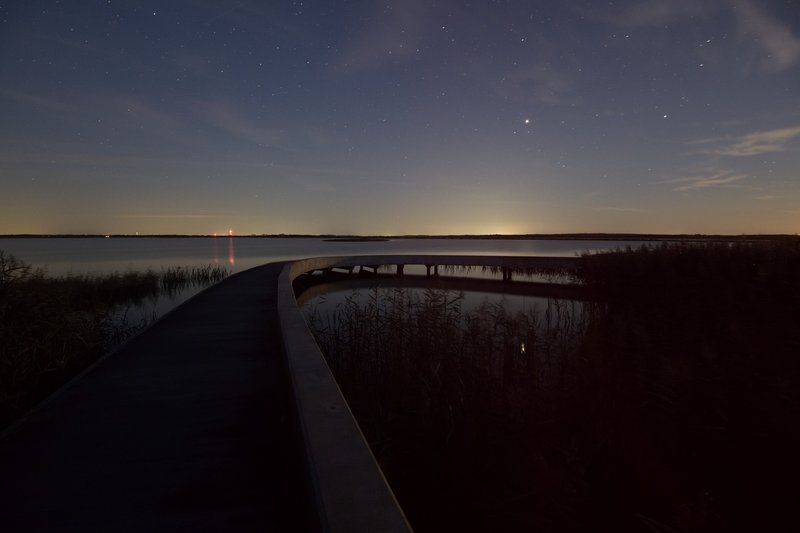
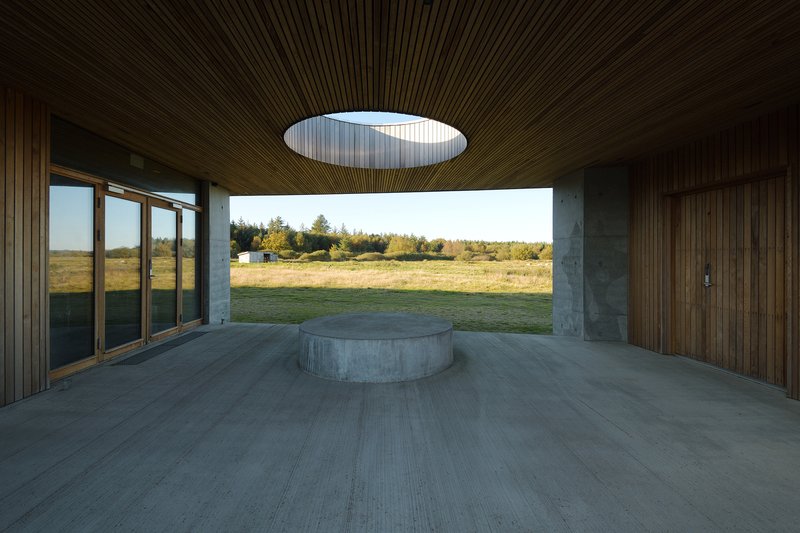
This ellipse-shaped bridge forms the heart of the visitor experience. It anchors the building, frames the water, and allows for a continuous movement through the site. Visitors are brought close to the lake’s edge, where the expansive horizon and water reflections create a meditative experience. Solid seating edges invite people to rest and enjoy the natural scenery.
Architecture Rooted in the Environment
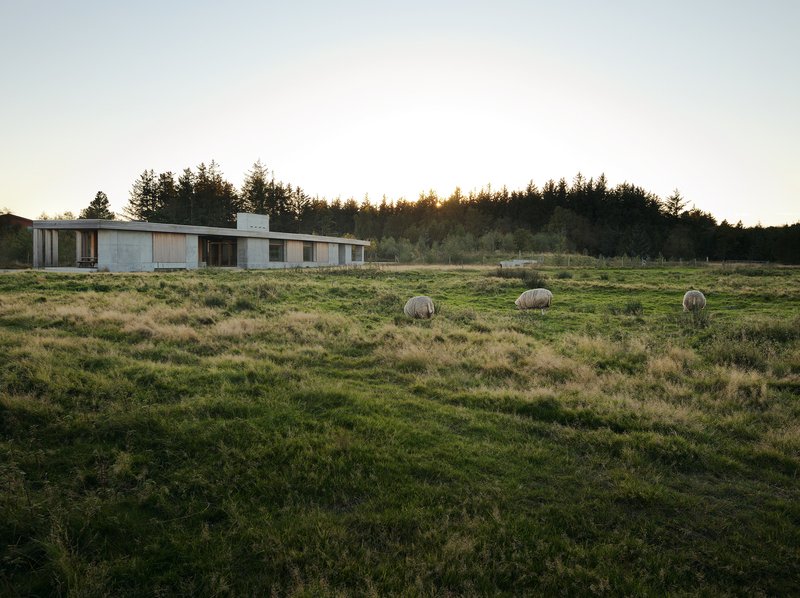
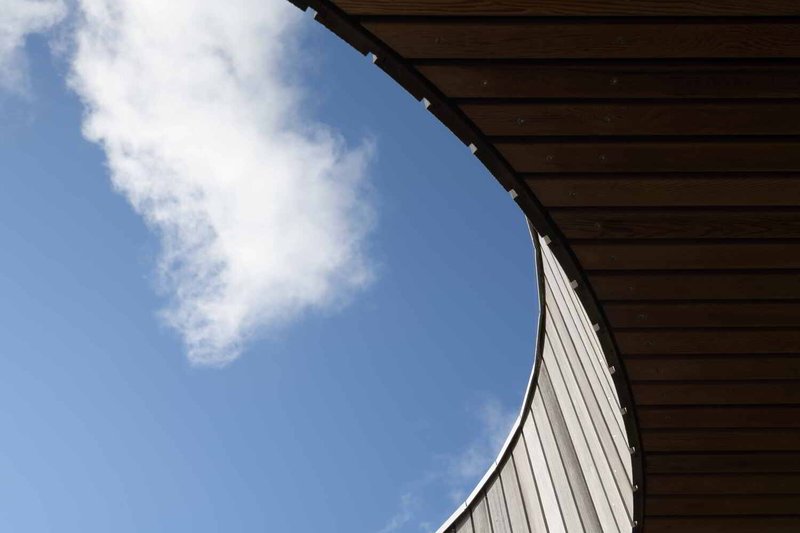
The educational building—a key component of the center—mirrors the bridge’s curvature and blends into the landscape. Its vertical wooden shutters echo the surrounding forests, reinforcing the center’s sensitivity to its context. The structure houses a classroom with panoramic windows, a fireplace, integrated storage, rest niches, kitchen facilities, and technical rooms.
A Functional and Educational Hub
Upon arrival, visitors first encounter an information area with direct views of Filsø. The building supports a wide range of uses, including school programs, nature tours, and outdoor education. The schoolyard doubles as an outdoor classroom, complete with equipment storage and an outdoor kitchen for hands-on learning experiences.
Two exits from the schoolyard lead north and south, connecting the structure fluidly with its surroundings and offering different perspectives of the restored lake and its biodiversity.
Community Impact and Ecological Success
From the outset, the Filsø Visitor’s Center has proven to be a powerful draw for locals and tourists alike. In its first year alone, it welcomed over 100,000 visitors—a remarkable number for such a small municipality.
Even more impressive is the ecological resurgence the project has helped catalyze. Since the restoration:
- 242 species of birds have been recorded
- 14 species of fish have returned
- 62 species of aquatic plants have been documented
This stands in stark contrast to the monoculture that dominated the site until 2012, demonstrating the profound impact of ecological design paired with landscape architecture.
A Model for Future Nature-Centered Architecture
The Filsø Visitor’s Center stands as a powerful model of how architecture and landscape design can collaborate to restore and celebrate nature. More than a functional building, it is a gateway to Denmark’s revived ecosystems, offering education, reflection, and a meaningful connection to the land.
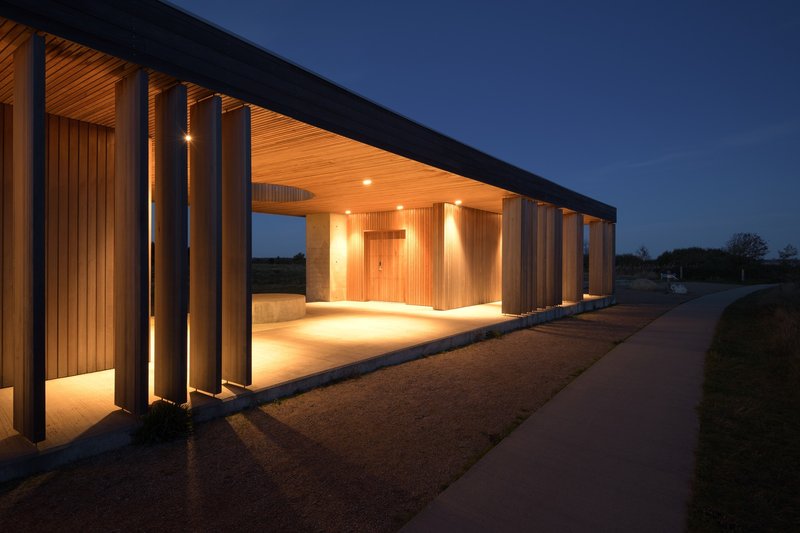
Project Details
- Architects: Schønherr
- Location: Henne, Denmark
- Project Area: 4,960 m²
- Completion Year: 2018
- Photographers: Carsten Ingemann, John Colin Seymour, Schønherr, Martin Schubert
- Manufacturers: iGuzzini, Annebergs Limtræ A/S, KG Beton, Krone Vinduer A/S
- Main Contractor: Otto Christensen A/S




Popular Articles
Popular articles from the community

Gads Hill Early Learning Center by JGMA: Adaptive Reuse Shaping Community-Focused Educational Architecture
Adaptive reuse transforms fragmented structure into vibrant early learning center with playful façade, natural light, and community-focused sustainable design.
Alton Cliff House: A Harmonious Retreat by f2a Architecture in Lake Country, Canada
Alton Cliff House blends corten steel, prefabrication, and sustainable design, creating a luxurious, energy-efficient retreat perched on Canadian cliffs.


The Ken Roberts Memorial Delineation Competition (Krob)
As the most senior architectural drawing competition currently in operation anywhere in the world, it draws hundreds of entries each year, awarding the very best submissions in a series of medium-based categories.



Similar Reads
You might also enjoy these articles
The Ken Roberts Memorial Delineation Competition (Krob)
As the most senior architectural drawing competition currently in operation anywhere in the world, it draws hundreds of entries each year, awarding the very best submissions in a series of medium-based categories.


Waterfront Redevelopment and Urban Revitalization in Mumbai: Forging a New Dawn for Darukhana
A transformative waterfront redevelopment project reimagining Darukhana’s shipbreaking heritage into an inclusive urban future.

OUT-OF-MAP: A Call for Postcards on Feminist Narratives of Public Space
Rhizoma Design and Research Lab invites artists, designers, architects, researchers, and students to reflect on how feminist perspectives can reshape public space. Selected works will be exhibited in Barcelona, October 2026. Submissions open until 15 April 2026.

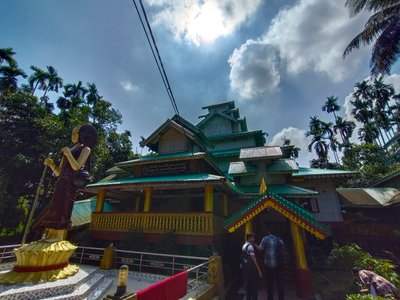
Documentation Work on Buddhist Wooden Temple
Architectural syncretism and cultural hybridity: A comparative study of the Buddhist temples in Chattogram Hill tracks


Explore Architecture Competitions
Discover active competitions in this discipline




The International Standard for Design Portfolios


The Global Benchmark for Architecture Dissertation Awards


The Global Benchmark for Graduation Excellence


Challenge to design an urban locus of culture and heritage
Comments (0)
Please login or sign up to add comments
No comments yet. Be the first to comment!