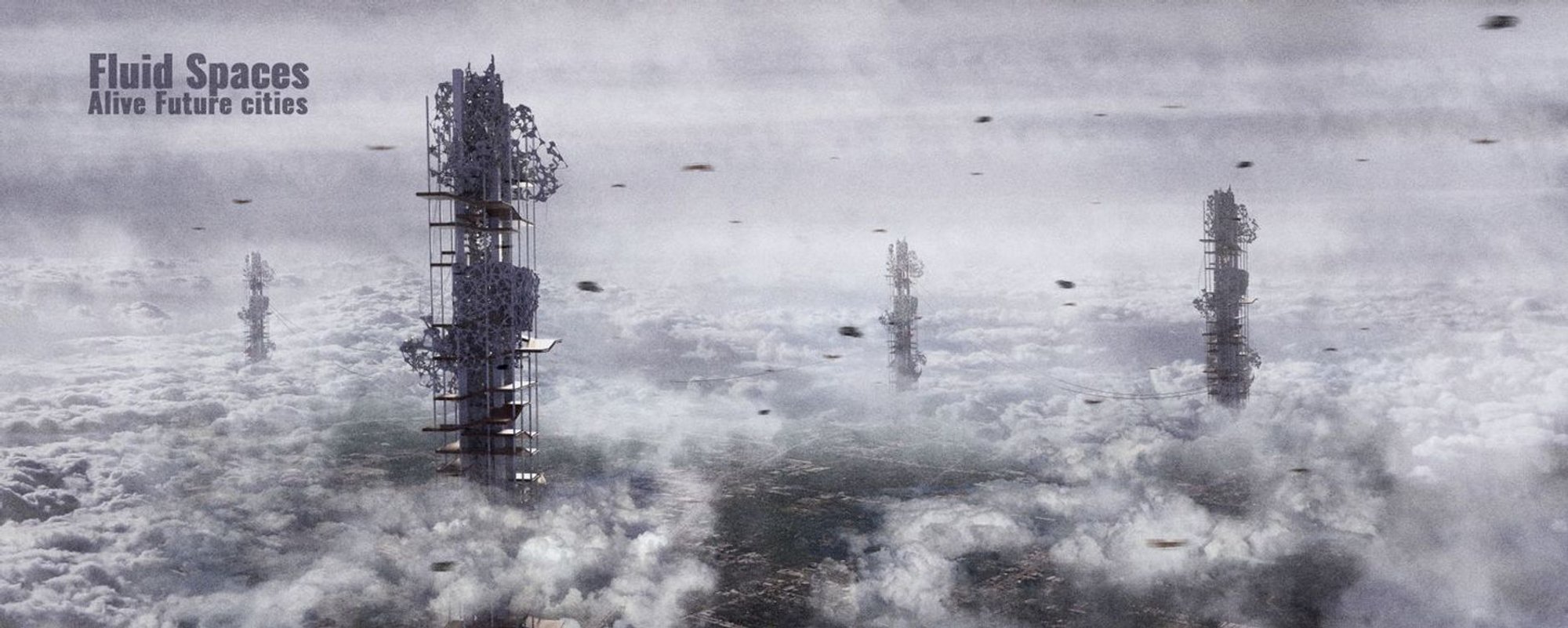
Fluid Spaces: The Architectural Symphony of Responsiveness and Adaptation
Exploring "Fluid Spaces," an architectural innovation that redefines responsive urban habitats, harmonizing human interaction with a transformative magnetic field.


In the realm of urban design, where innovation meets necessity, stands "Fluid Spaces," a project that transcends traditional architectural boundaries. Awarded an honorable mention in the prestigious CityScraper competition, this project is a testament to the power of multi-layered, dynamic spaces in shaping the future of urban living. Conceptualized by Hoda Ghoreyshi, "Fluid Spaces" emerges as a living organism within the cityscape, responsive to the ever-changing tapestry of urban life and tailored to adapt in real-time to its environmental and human stimuli. It’s an architectural vision that promises to inject vitality into the veins of future cities, challenging our perceptions of space and structure.
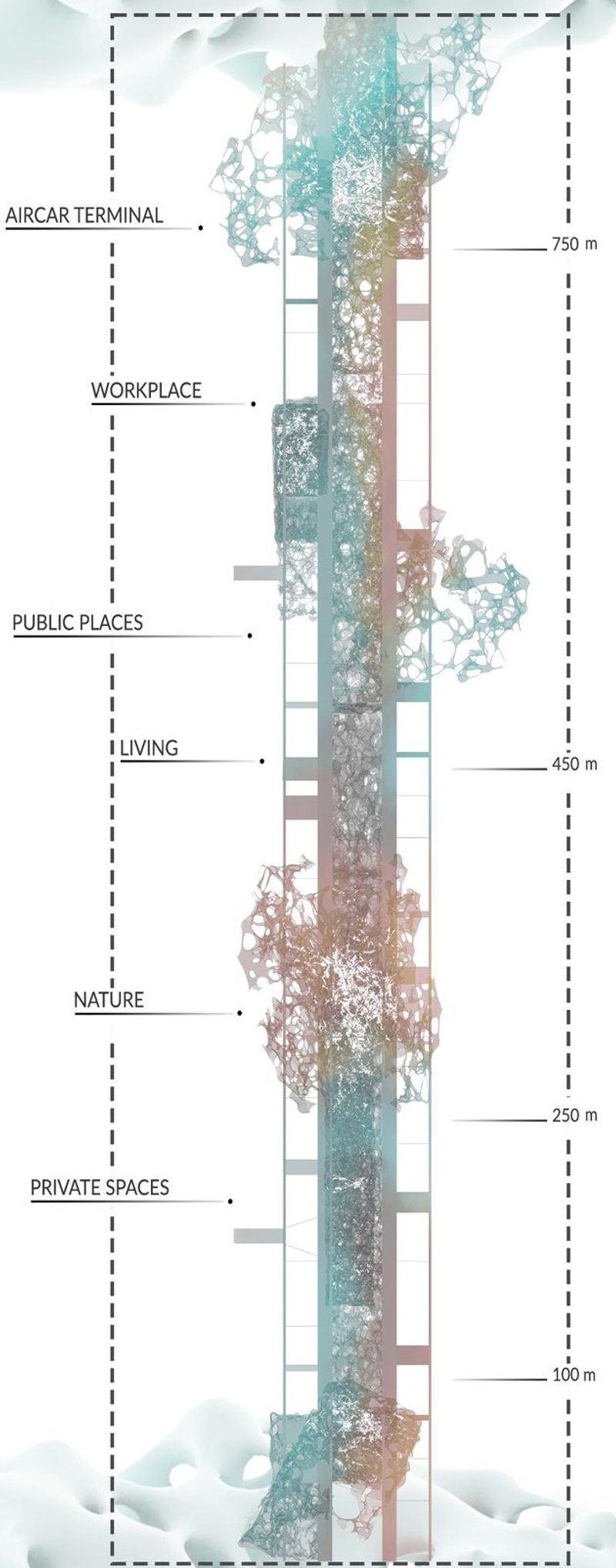
The recognition of "Fluid Spaces" is not just for its aesthetic or theoretical allure but for its profound understanding of urban complexities. It embodies the significance of multi-layered space – an intricate mesh of transportation, working, living, and the subtle yet impactful presence of each individual. In contemporary urban contexts, where space is a canvas of diverse needs and functions, the project serves as a pioneering exploration into the realms of fluidity and flexibility. It is a bold statement in the architectural discourse, suggesting that the cities of tomorrow should not only exist but also live, breathe, and evolve alongside their inhabitants.
Concept and Vision
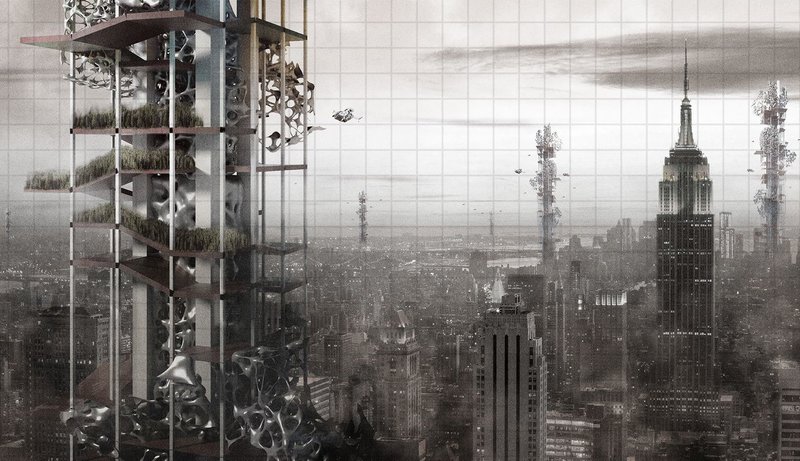
"Fluid Spaces" is not just an architectural concept but a vision of living architecture that redefines the essence of adaptability in the urban landscape. At its heart lies the ability to respond and evolve according to a multitude of factors, from environmental conditions like temperature and light to the diverse and ever-changing needs of its inhabitants. This project conceptualizes space as a fluid entity, expanding and contracting within a magnetic field in three dimensions, guided by the complex behaviors and patterns of city life.
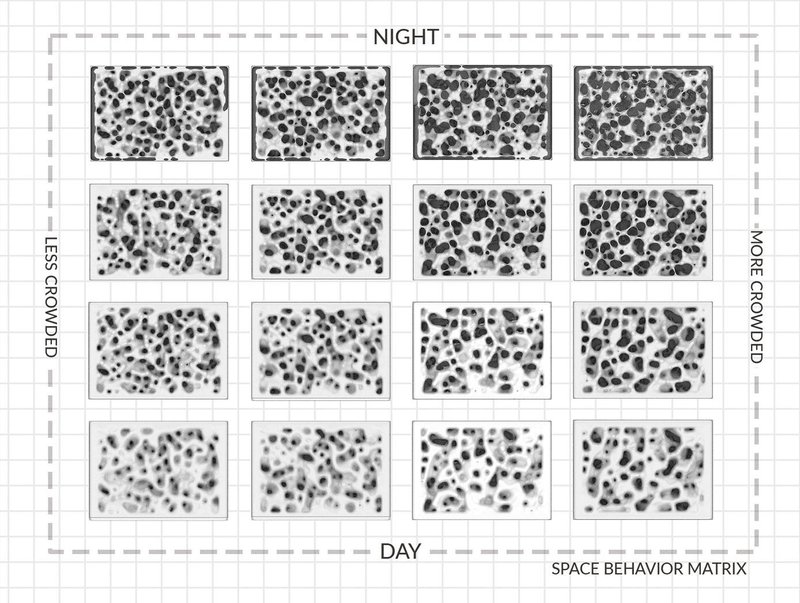
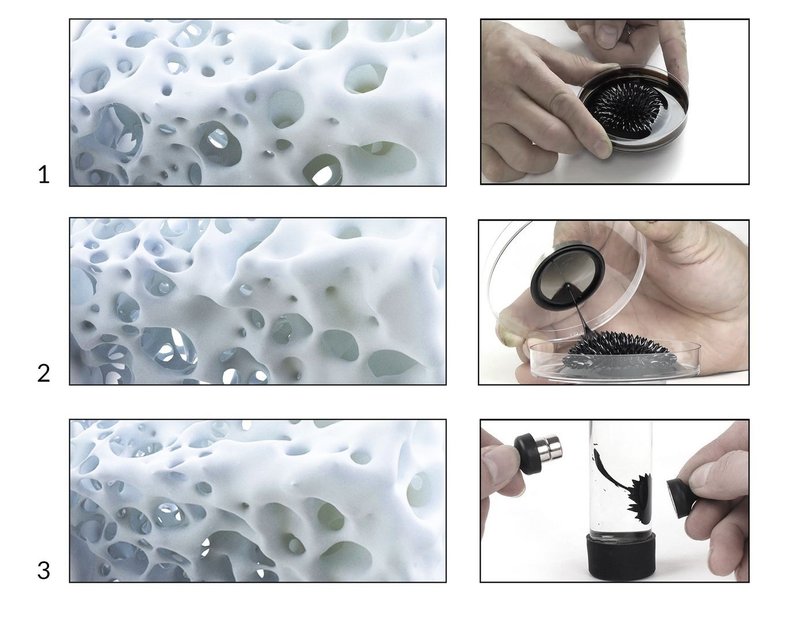
The visionary force behind "Fluid Spaces" is its use of ferrofluids, materials that respond dynamically to magnetic forces, allowing for a malleable and interactive environment. Imagine a space where walls and floors can morph in response to the number of people within a room or reconfigure based on the time of day. This level of interactivity between the structure and its users is groundbreaking, signifying a leap toward a future where buildings are not just passive shells but active participants in urban living.
The project's ambition is to create a living matrix, a space that breathes with the city, a structure that bends to the will and whim of life itself. It's an architectural endeavor that seeks to harmonize the rigidness of urban development with the organic flow of natural systems, creating an urban habitat that is as dynamic and vibrant as the city it dwells in. "Fluid Spaces" invites us to envision a future where our buildings are alive, pulsating with the rhythm of human activity and the heartbeat of the city.
Design Elements
- Responsive Ferrofluids: At the core of "Fluid Spaces" are ferrofluids, substances that reshape and move in response to magnetic fields. This material choice is revolutionary, allowing for spaces that can physically and visually change, adapting to human presence and environmental conditions.
- Magnetic Field Manipulation: The design utilizes controlled magnetic fields to adjust the ferrofluids, thereby altering the space. This dynamic interaction means that the architectural form is never static but is an ever-changing entity responsive to the data it receives.
- Real-Time Adaptation: Each space within the project is designed to react in real-time, ensuring that the architecture is continuously optimized for its current use. This could mean walls that expand to make room for larger gatherings or contract for more intimate settings.
- Technology-Driven Structure: The structural integrity of "Fluid Spaces" is underpinned by a steel framework, within which the magnetic fields are created and manipulated. This skeleton is not only supportive but is integral to the fluid nature of the space.
- Interactive Environments: The magnetic fields and ferrofluids are not solely responsive to environmental factors; they also react to the emotions and movements of people, suggesting a symbiotic relationship between the architecture and its users.
- Sustainability and Efficiency: By incorporating real-time responsiveness, "Fluid Spaces" aims to maximize the efficient use of space, reducing the need for larger, energy-consuming structures and promoting sustainability in urban design.
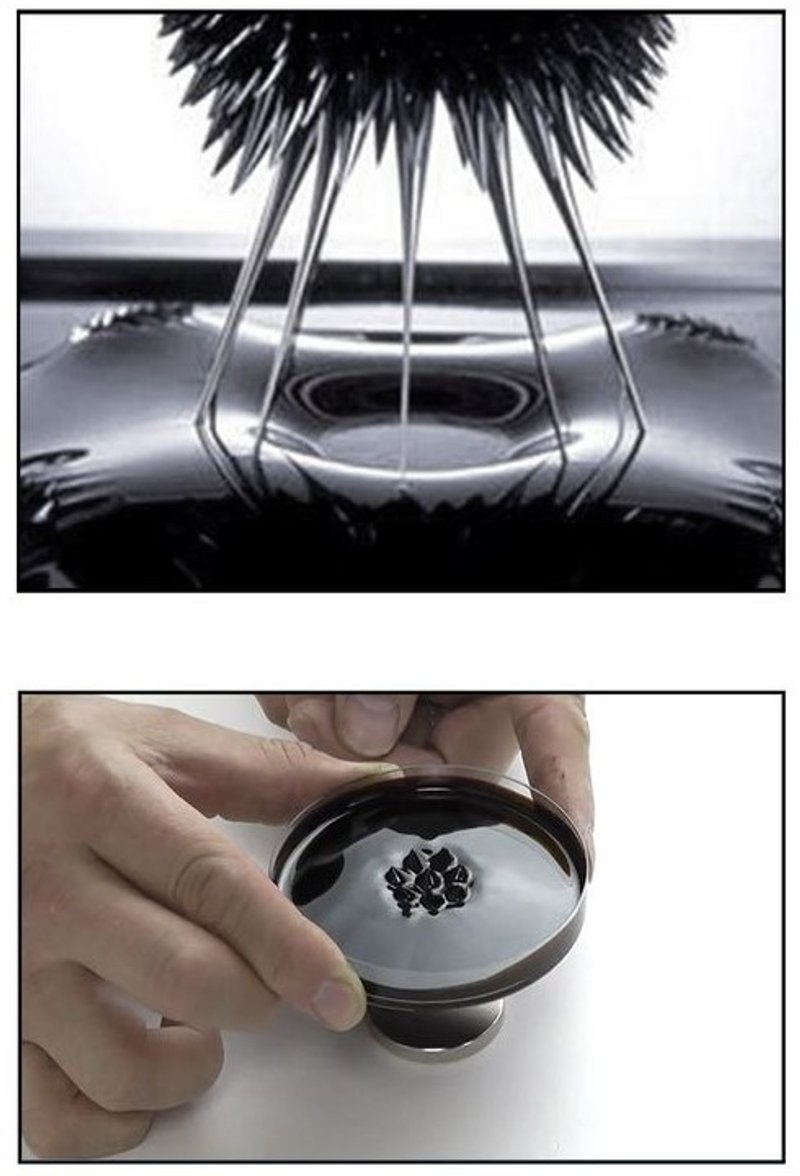
"Fluid Spaces" exemplifies how the fusion of innovative materials and cutting-edge technology can craft spaces that are not only functional but also empathetic to the human experience, mirroring the fluidity and versatility that modern urban life demands.
Technological Integration
- Real-Time Optimization: The architectural fabric of "Fluid Spaces" is woven with the threads of technology, boasting a real-time optimization system. This system is powered by computer algorithms that constantly gather data to tailor spaces to immediate requirements.
- Data-Driven Design: Every aspect of "Fluid Spaces" is informed by a continuous stream of data, from occupancy levels to environmental conditions. This data influences the magnetic fields, which in turn sculpt the space, ensuring that each area is being used to its full potential.
- Sustainable Tech Materials: The use of ferrofluids and the steel structure for magnetic field creation not only provides an adaptive space but also underscores a commitment to sustainability. The materials and technology are chosen for their longevity and minimal environmental impact.
- Integration with Urban Infrastructure: "Fluid Spaces" is envisioned to seamlessly integrate with existing urban infrastructure, complementing and enhancing city systems rather than overhauling them. This project represents a symbiotic addition to the urban landscape, capable of coexisting with and enhancing current structures and systems.
Functionality and Impact
"Fluid Spaces" is designed to be a chameleon of urban architecture, serving multiple functions and adapting to the city's evolving needs. Its transformative nature ensures that it can serve as a bustling workplace by day and transform into a serene residential space by night, exemplifying the project’s multifaceted utility. The spaces within are not designated for a single purpose but are intended to flow and fluctuate, much like the lives of the individuals who navigate them. This dynamic approach to design speaks to a deeper understanding of the urban fabric as a tapestry of changing demands, where each thread adapts to the overall pattern.
The impact of such a structure is multifarious, extending beyond mere aesthetics to influence the social and environmental fabric of the city. "Fluid Spaces" aims to reduce urban sprawl by maximizing the utility of every square inch, effectively lowering the city's carbon footprint. It also promises to foster a stronger sense of community, as shared spaces can be modulated to support communal activities and interaction. Moreover, the responsive design is not only a solution to spatial efficiency but also a catalyst for urban renewal, offering a model for cities seeking sustainable and innovative pathways to growth and development.
Future Outlook
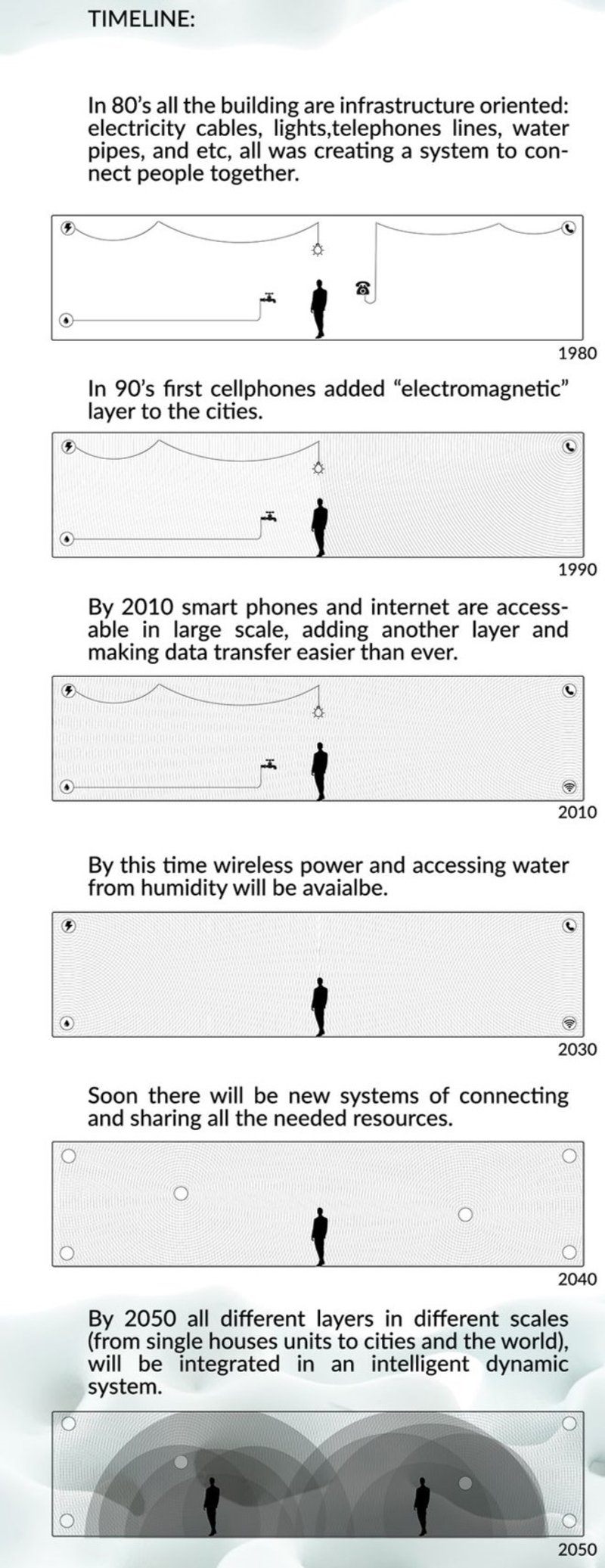
Envisioning a timeline where the static cities of today blossom into the responsive metropolises of tomorrow, "Fluid Spaces" serves as a prototype for the year 2050, reflecting a world where architecture fluidly resonates with its inhabitants. It forecasts a paradigm where buildings and cities, responsive and integrated, form a complex, worldwide system, driven by a self-improving computer program. This framework anticipates the emergence of new systems for sharing resources, the advent of wireless power, and water harvesting from atmospheric humidity, heralding an era of unprecedented connectivity and sustainability. "Fluid Spaces" is not just about the future of architecture but the future of how we live, interact, and sustain ourselves on an urban scale.
"Fluid Spaces" epitomizes a revolutionary leap in urban architecture, merging living spaces with adaptive technology to create a responsive, sustainable urban habitat. It challenges conventional design, envisioning a future where buildings dynamically cater to human and environmental needs. This project marks a significant stride towards a harmonious urban future, redefining the essence of space and its interaction with technology and humanity.
Call to Action
As we stand on the brink of architectural evolution with projects like "Fluid Spaces," we at UNI invite visionaries and innovators to contribute their foresight into what the world might look like in 2050, a time beyond the singularity. Utilize our project uploader to showcase your groundbreaking ideas and futuristic projects. Join us in painting a picture of 2050, where technology, sustainability, and human-centric design converge to create a harmonious urban future. Share your vision, and let's collectively shape the landscape of tomorrow. Upload your project on UNI