
Gambit Office by KWK Promes: A Landmark of Industrial Office Architecture
A sustainable industrial office building that integrates company identity, local context, and employee wellbeing in an innovative architectural form.


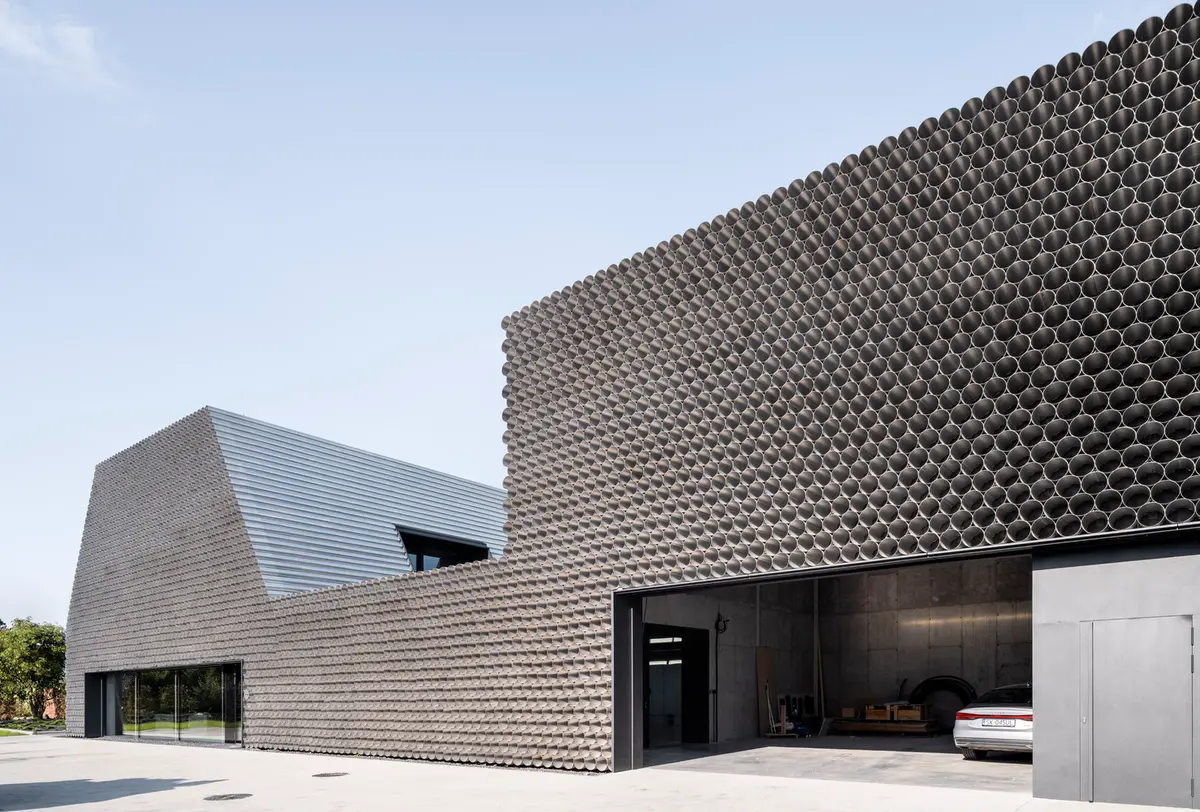
The Gambit Office, designed by Robert Konieczny and KWK Promes, stands as a striking example of industrial office architecture that seamlessly blends functionality, sustainability, and contextual awareness. Located in Poland, this 1,285-square-meter office-warehouse complex showcases how thoughtful design can turn an industrial building into a meaningful architectural statement.
A Vision Rooted in Function
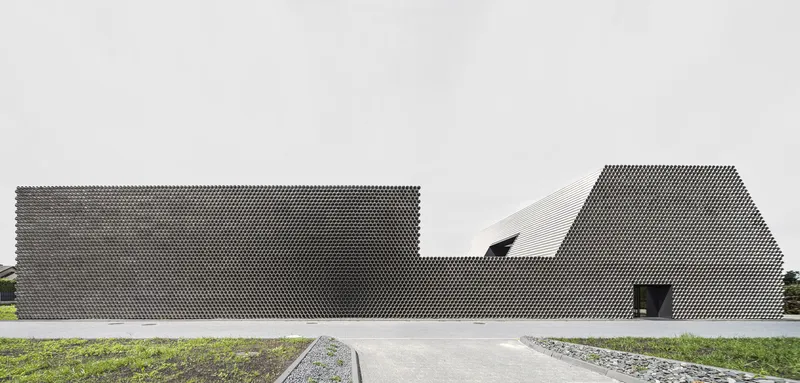
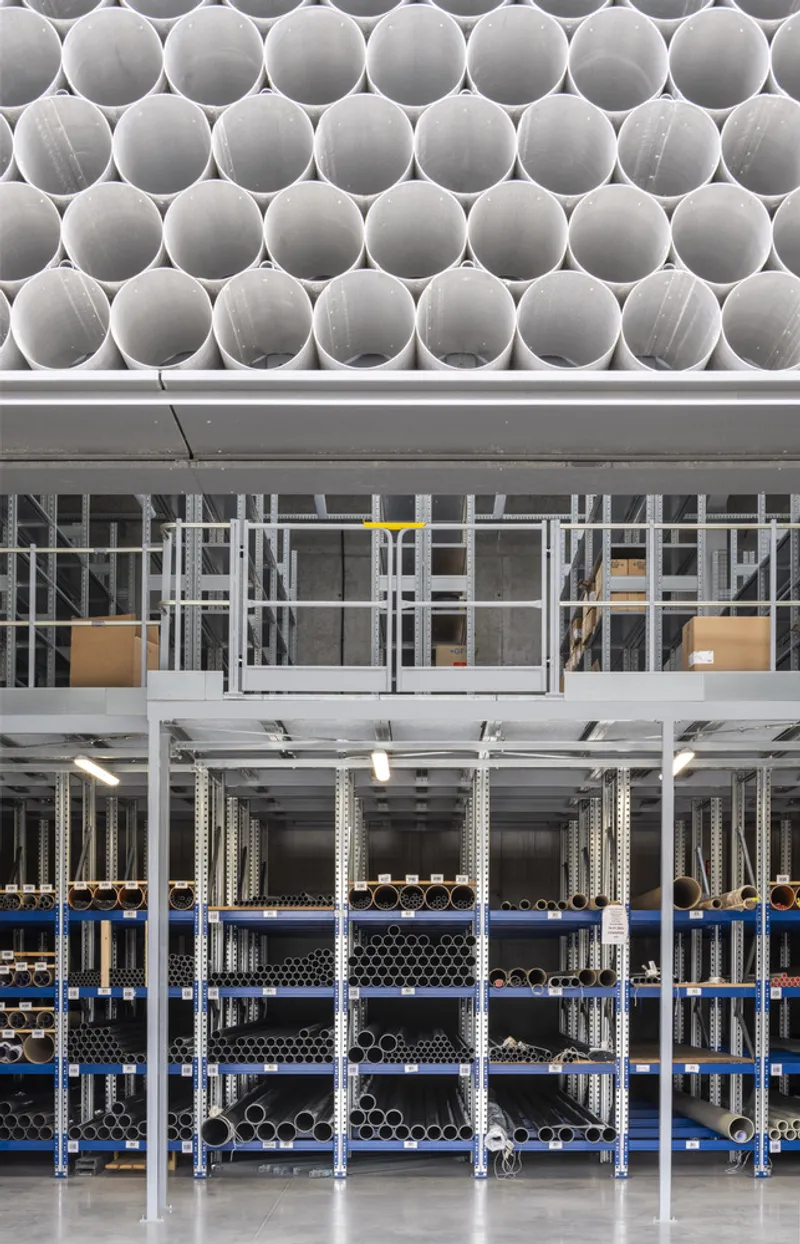
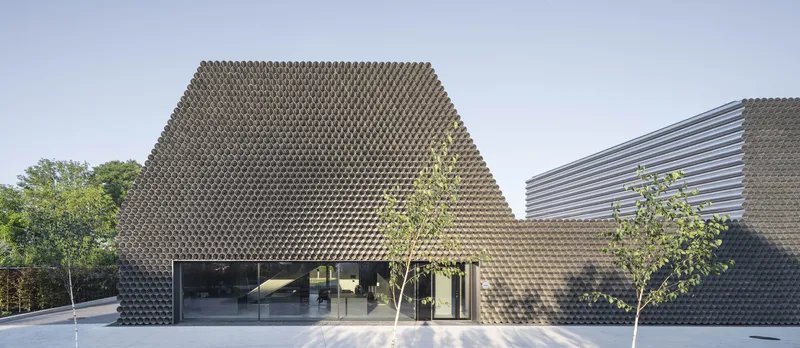
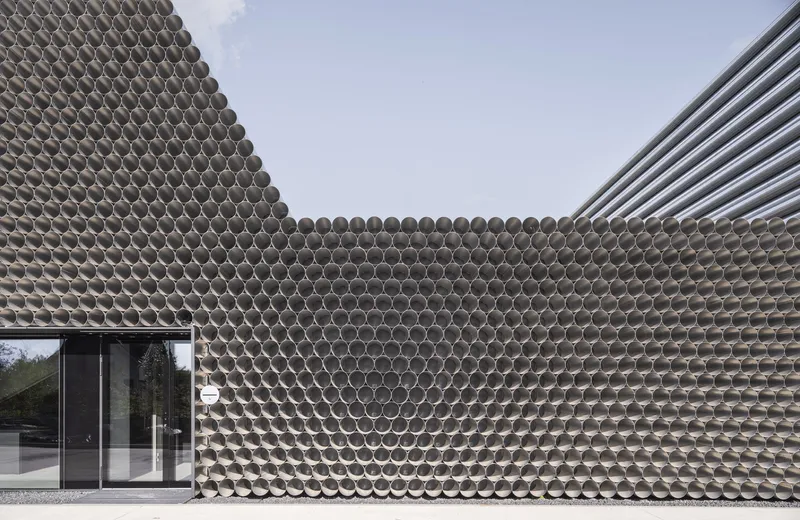
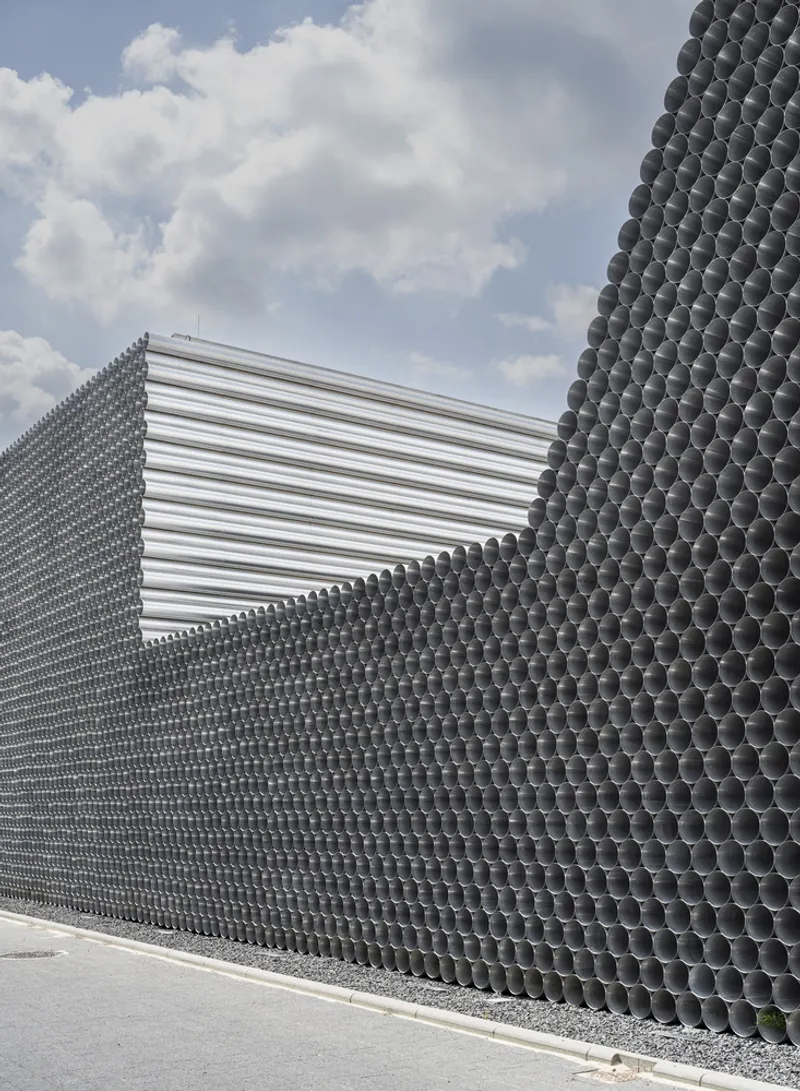
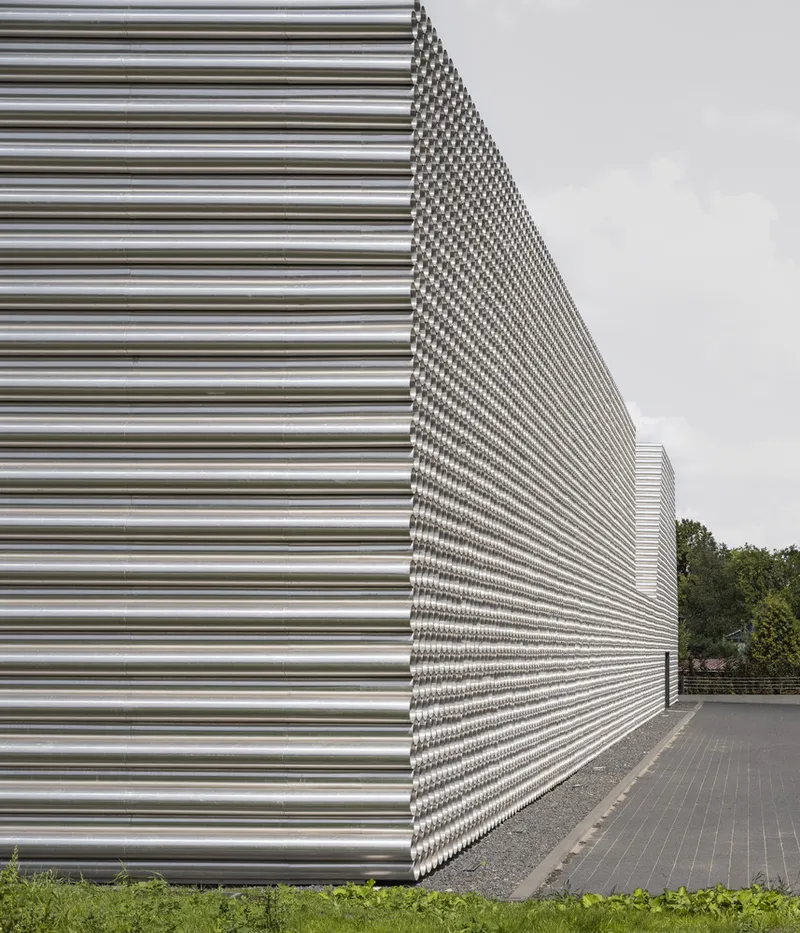
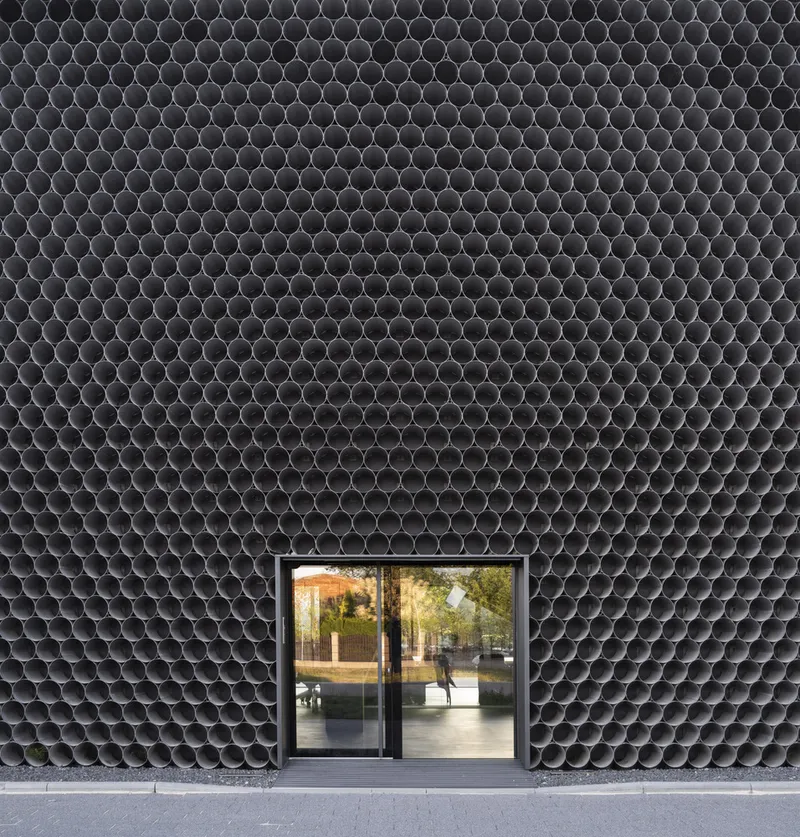
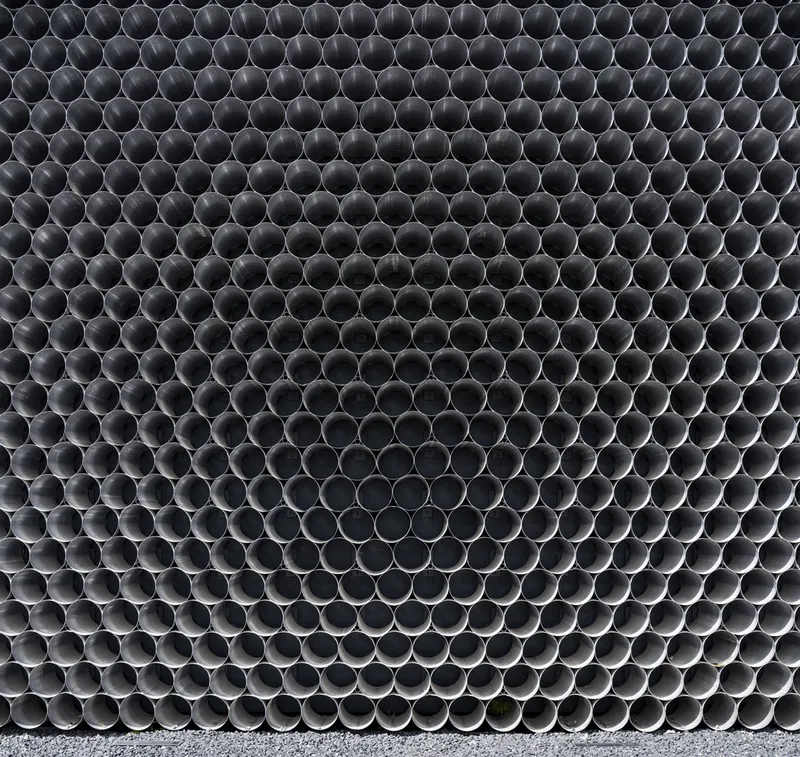
Gambit, a specialist pipe distribution company, commissioned KWK Promes to design an office-warehouse that would serve as its architectural identity. With a limited budget, the architects cleverly proposed using the company’s own trade materials—pipes—as the central design element. This approach not only communicated the company's purpose but also established a strong visual language by transforming the building into a sculptural stack of pipes.
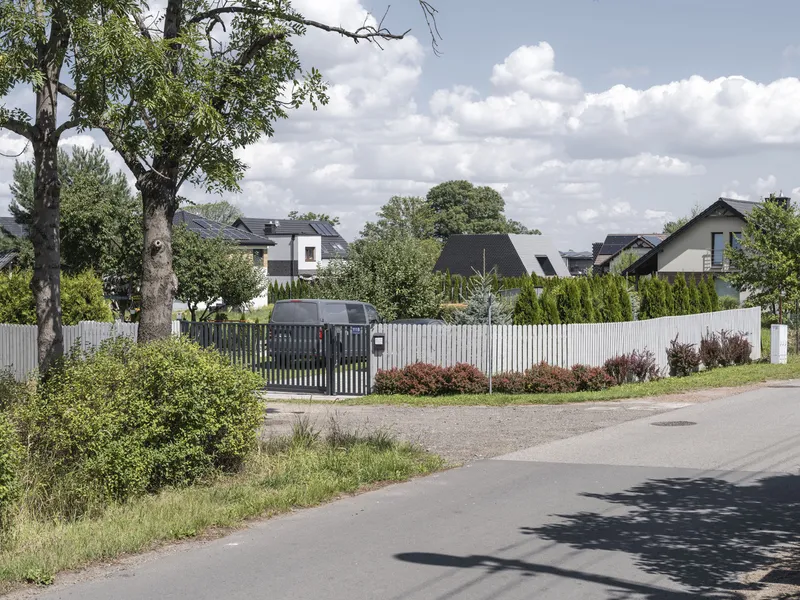
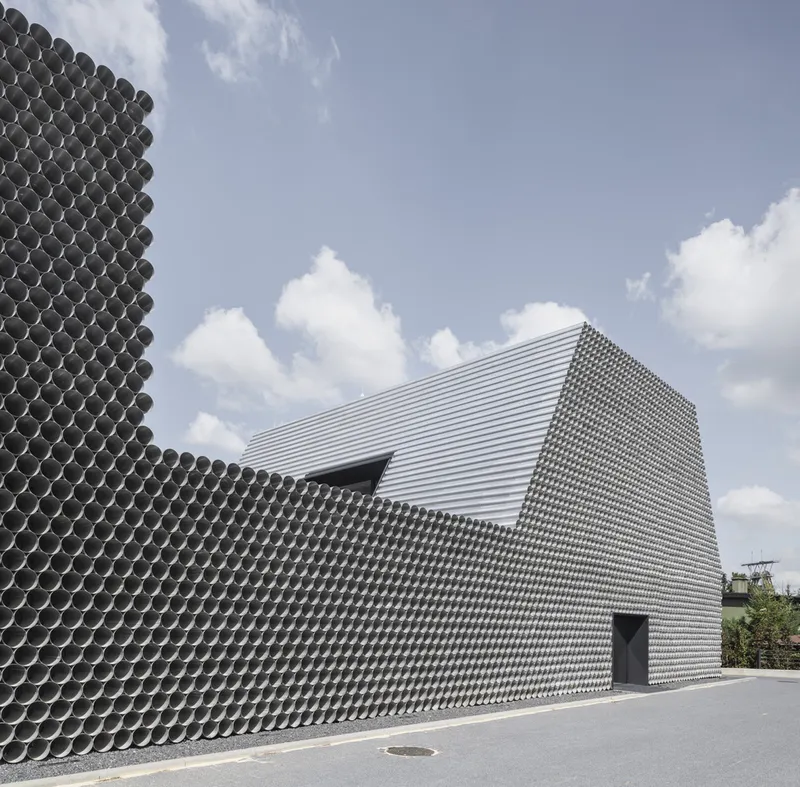
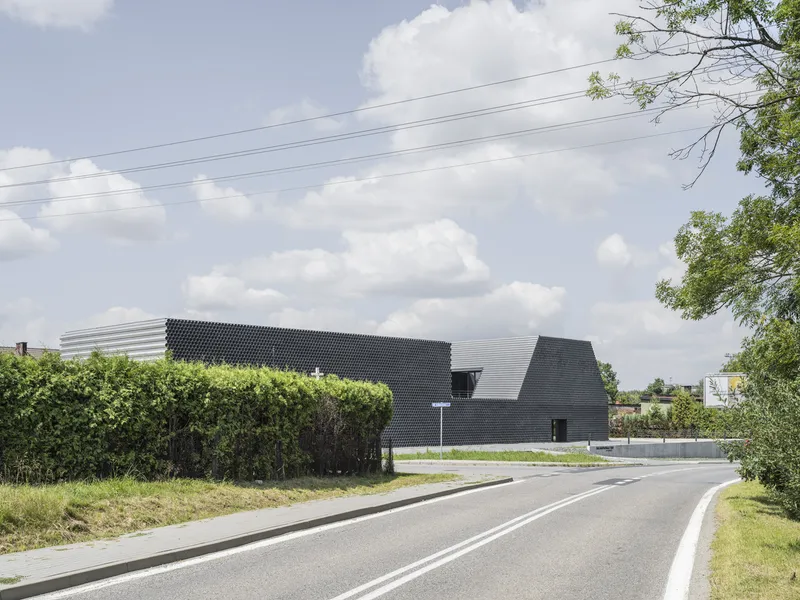
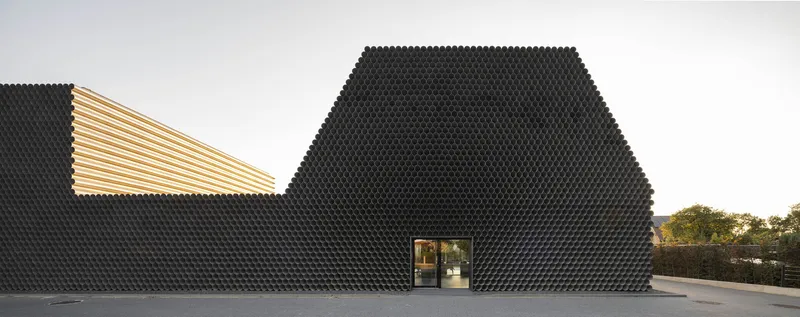
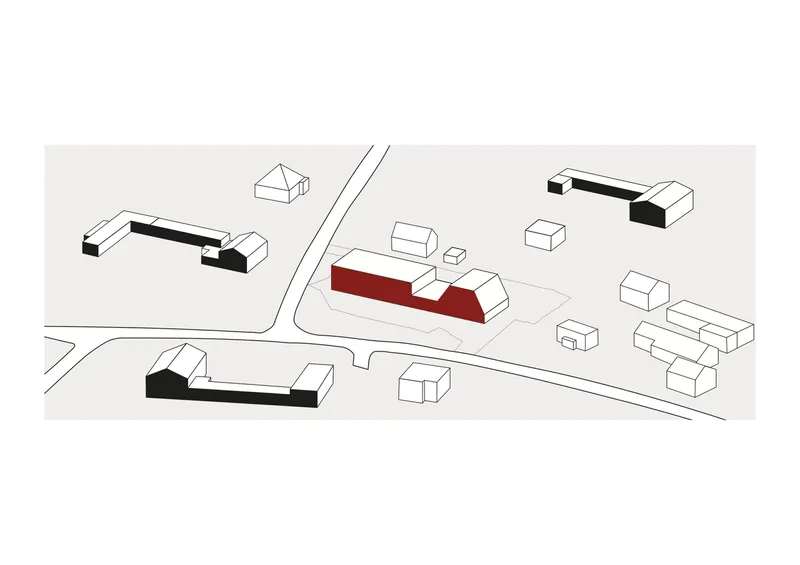
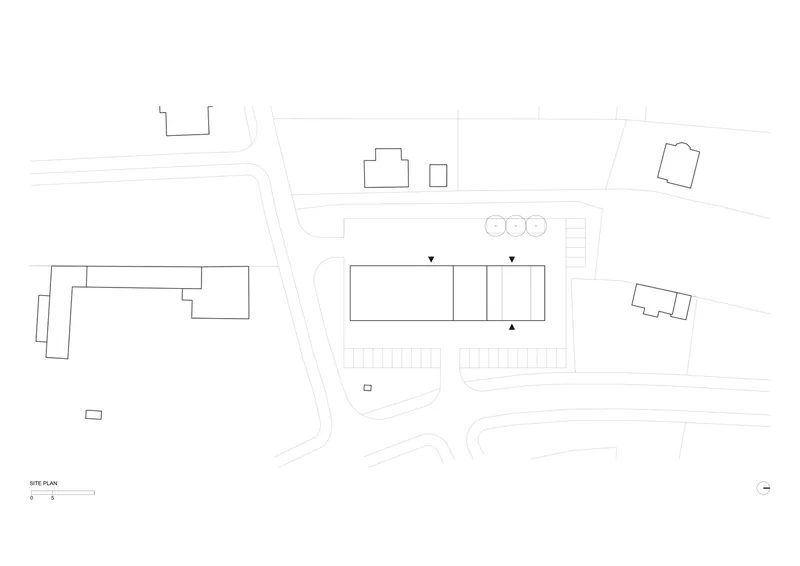
Set on a site formerly occupied by a rectangular production hall, the building’s design draws inspiration from the surrounding residential neighborhood of steep roofs and long outbuildings. This dialogue between the industrial and domestic scales results in a form that is both distinctive and harmonious with its environment.
A Composition of Industrial Volumes
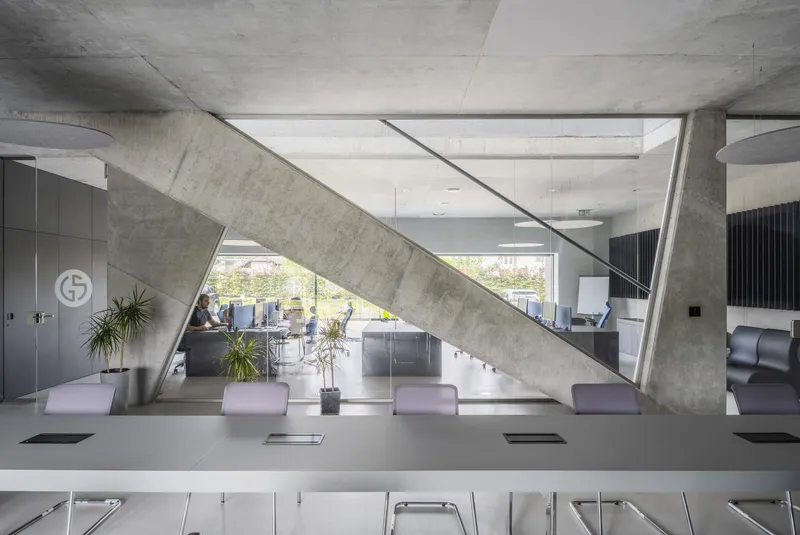
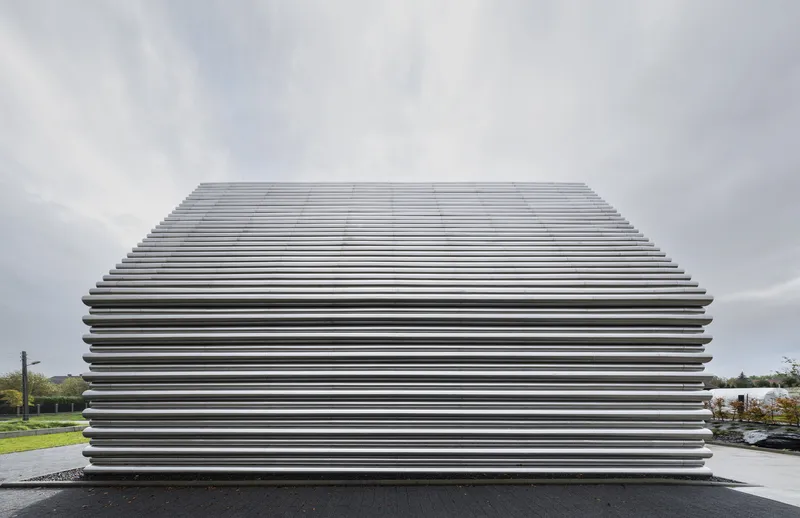
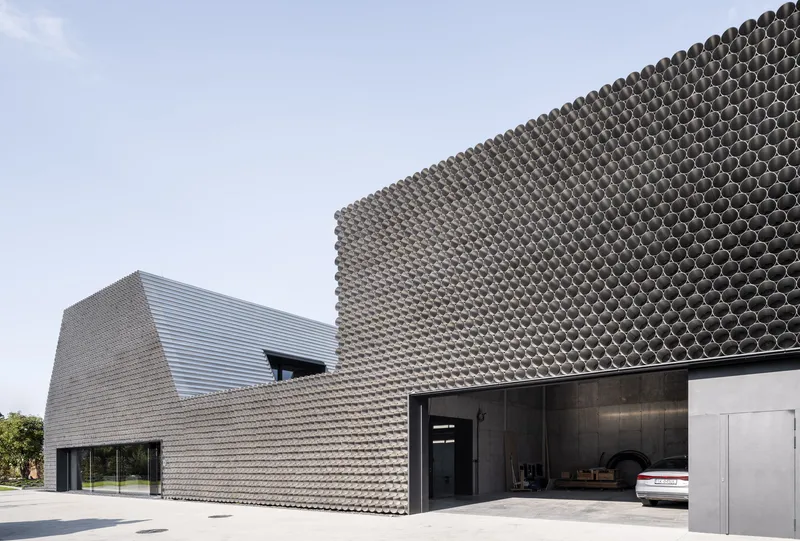
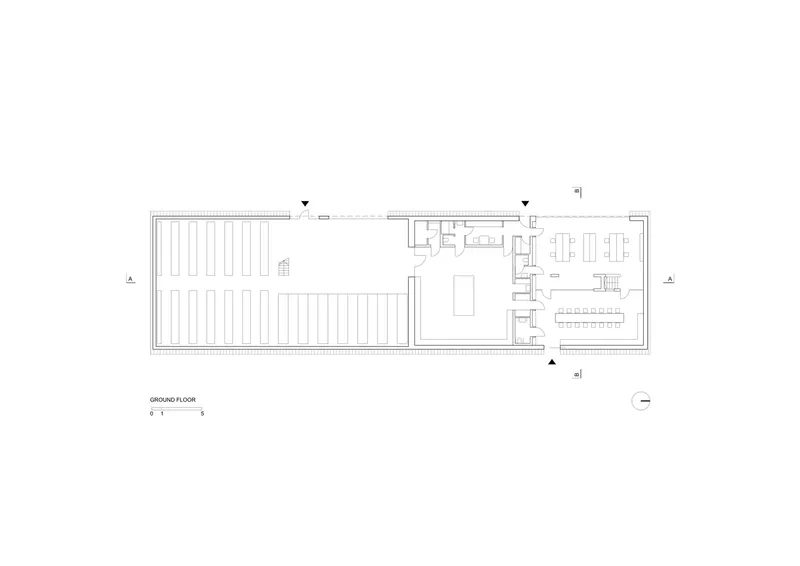
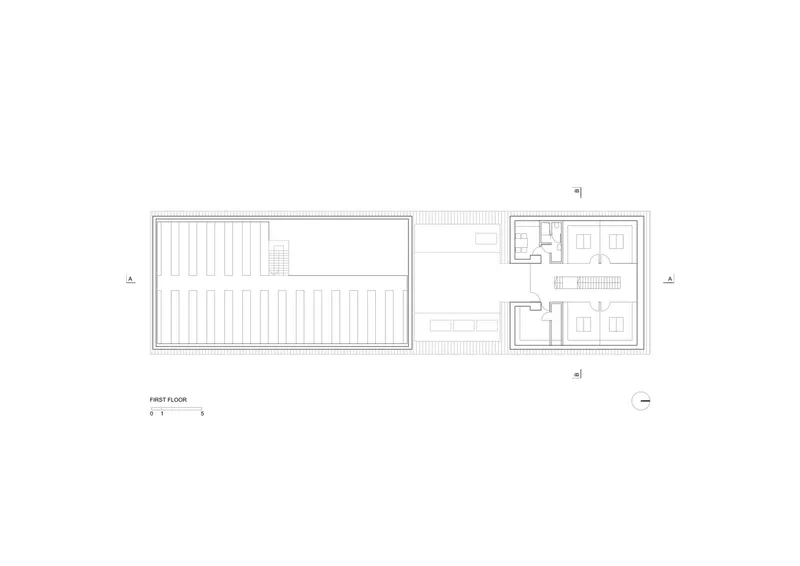
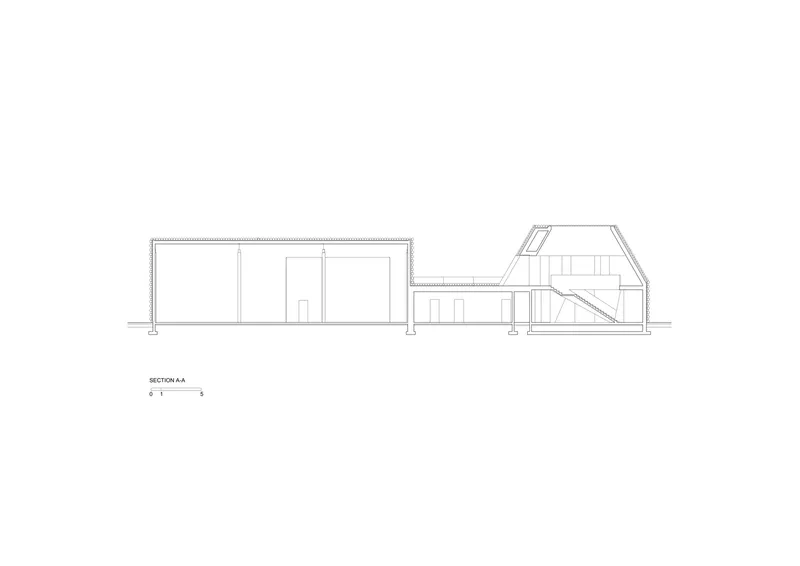
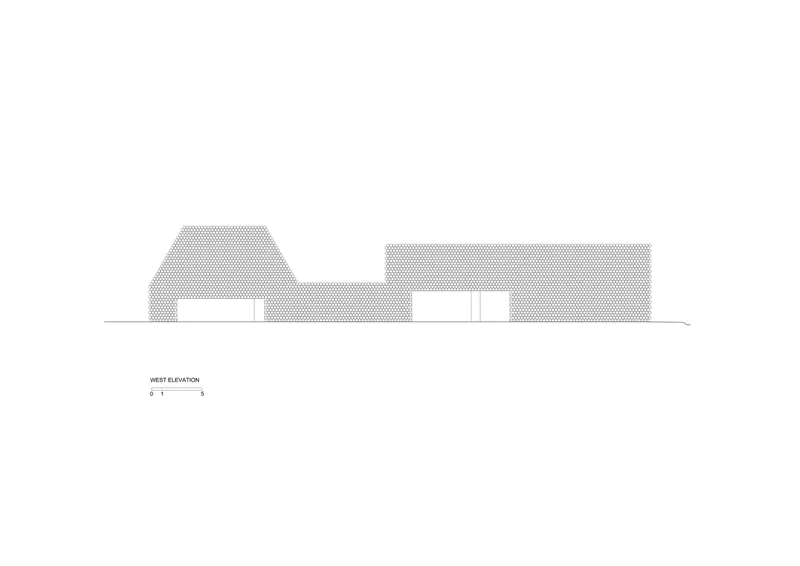
The building is organized into three distinct functions: warehouse, workshop, and office. The office area, housed in a two-story section with sloping walls, adheres to the local zoning height restrictions and avoids unnecessary massing. The workshop sits in a lower volume, while the warehouse rises as a taller cuboid. The pitch of the office roof is dictated by the layout of the pipes, creating a dynamic, angular profile that emphasizes the building’s industrial roots.
Material Strategy and Sustainability
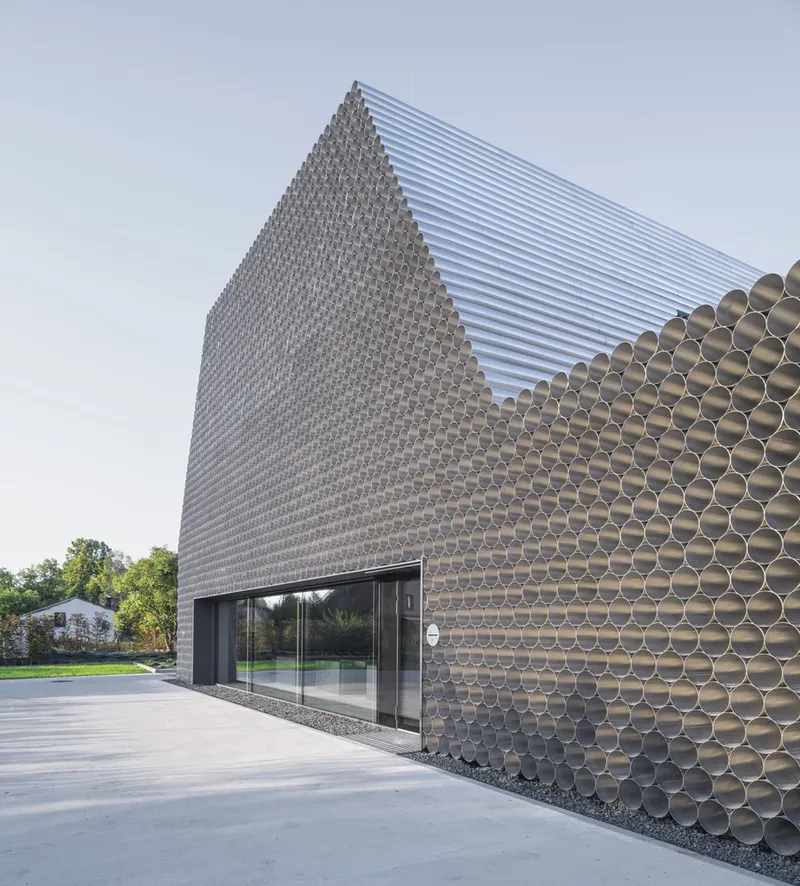
Although the initial plan was to clad the building in Gambit’s own pipes, the design team ultimately chose raw aluminum sheeting after realizing that the pipes were unsuitable for exterior use. This cost-effective and durable material develops a natural patina over time, lending the façade a raw, concrete-like character. This choice aligns with the architects’ commitment to sustainability and low-maintenance solutions, recognizing that building operation accounts for up to 30% of CO₂ emissions.
Blurring Boundaries with Nature
Attention to ecological concerns extended to the treatment of the building edges. While the pipes were capped to avoid wind noise, the team chose not to install bird nets, allowing the building to become a potential habitat for wildlife. This decision reflects an evolving perspective on how industrial office architecture can coexist with nature, transforming utilitarian structures into ecosystems.
Light, Space, and Wellbeing
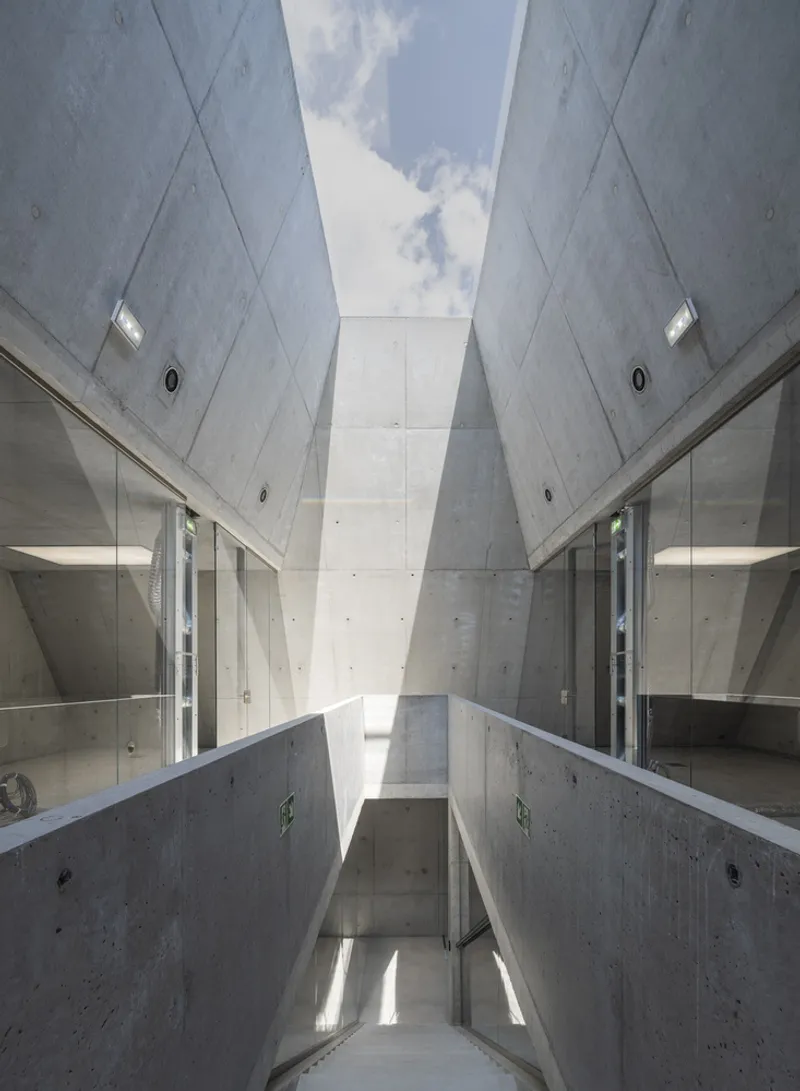
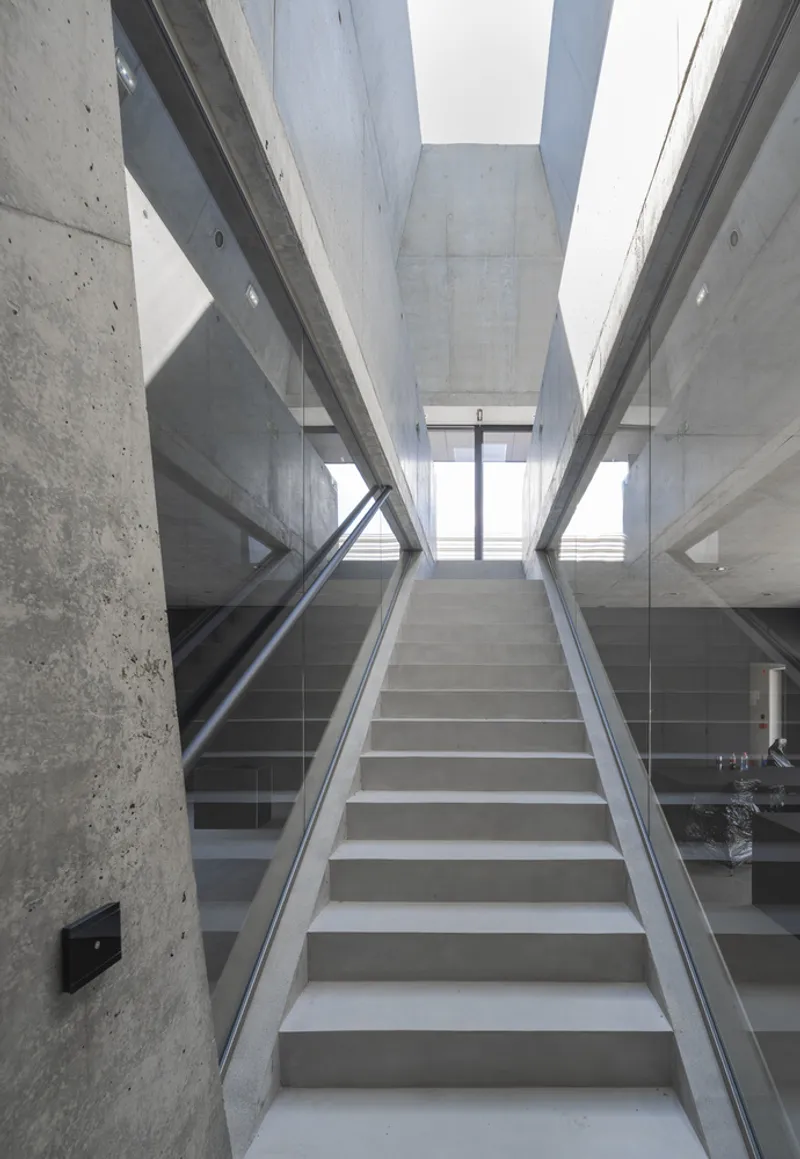
Natural light fills the interior through a thoughtful arrangement of windows and skylights. The ground-floor office spaces feature classic glazing that offers views of a landscaped garden, carved from the parking area, providing workers with a connection to nature. Upper-level storage areas benefit from skylights that ensure bright, flexible workspaces. Recognizing the importance of employee wellbeing, the architects incorporated a rooftop terrace atop the workshop section, offering a dedicated relaxation space amid an otherwise industrial setting.
Industrial Office Architecture as a Cultural Statement
The Gambit Office project exemplifies how industrial office architecture can transcend utilitarianism to become a cultural and environmental statement. By integrating the company’s identity, respecting the local context, employing sustainable materials, and enhancing worker experience, KWK Promes has redefined what an industrial office can achieve.
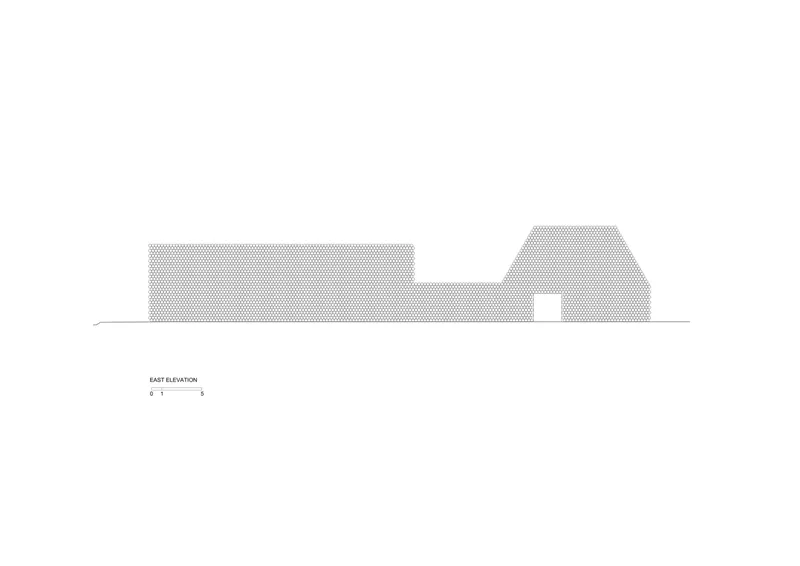
The Gambit Office by Robert Konieczny + KWK Promes is more than a functional building—it’s a dynamic piece of industrial office architecture that reshapes the relationship between industry, community, and environment. Through innovative design strategies and material choices, it sets a new benchmark for sustainable and expressive workplace architecture.
All the photographs are works of Juliusz Sokołowski


Popular Articles
Popular articles from the community


longwave studio Reorganizes a 112 m² Tainan Apartment Around the Daily Routines of a Family and Two Cats
In Tainan, Taiwan, birch plywood, rust-red furniture and a freestanding plaster wall link arrival, storage, work and family life in one apartment.

David Macias Steps a Doorless Stone and Plaster House Down a Tropical Colombian Hillside
In the humid hills of Colombia, Threshold House replaces the front door with an open void and terraces its 850 m² down the slope instead of fighting it.

Jaramillo Van Sluys Arquitectura and Urbanismo Turn a Demolished Registry Lot in Quito into an Orchard Plaza
In Quito's Centro Histórico, a 2,800 m² plaza exposes the San Agustín convent wall and redraws its lost Augustinian orchard in volcanic stone.

GROUP A Strips a 1969 Rotterdam Harbor Headquarters to Its Frame and Wraps It in Timber Louvers
In Rotterdam's M4H harbor district, Ferro Offices reuses a 1969 frame, adds one timber storey and reaches BREEAM-NL Outstanding.

Similar Reads
You might also enjoy these articles


Hodi-Mandai Geram
Project Function: Preservation and revitalization of the Intangible heritage and socio-spatial identity of the Hodi by Housing, Cultural Memory Center, Sacred Grove, landscape, local tourism economy


Olio Towers: A Mid-Rise for Performers That Fuses Housing, Rehearsal, and Stage
Located blocks from Houston's Theater District, this modular tower stacks living units around a central performance atrium.

Oasis: Modular Green Housing Carved into Dhaka's Urban Fabric
A shortlisted Plugin Housing entry reclaims unauthorized settlements in Dhaka with stepped concrete volumes, green roofs, and ventilation-driven design.

Black Hole: A Floating Megastructure for the Post-Physical Era
Emiliano Mazzarotto envisions a spherical, self-scaling arena where e-sports, digital hotels, and holographic stadiums replace traditional public space.

Explore Architecture Competitions
Discover active competitions in this discipline

Challenge to reimagine the Iron Throne

Photograph architecture without architects

Illustrate the lost glory of Angkor Wat - Render Challenge

Competition to design a workstation for architects
Comments (0)
Please login or sign up to add comments
No comments yet. Be the first to comment!