
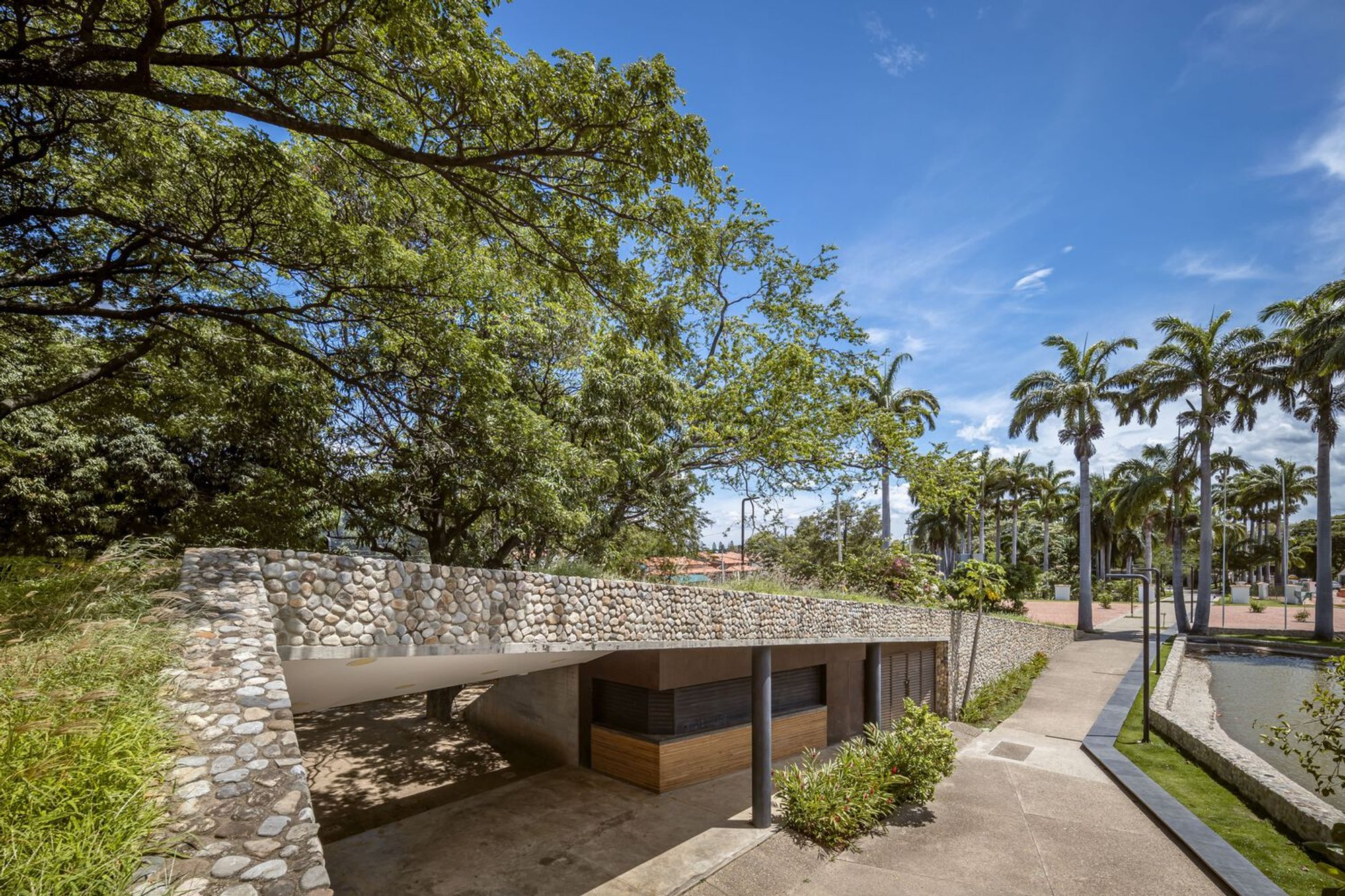
Great Colombian Park: A Landscape of Heritage, Memory, and Urban Reconnection in Villa del Rosario
Historic Colombian park blending heritage conservation, ecological restoration, and community engagement through sustainable design, reconnecting urban fabric with cultural memory.

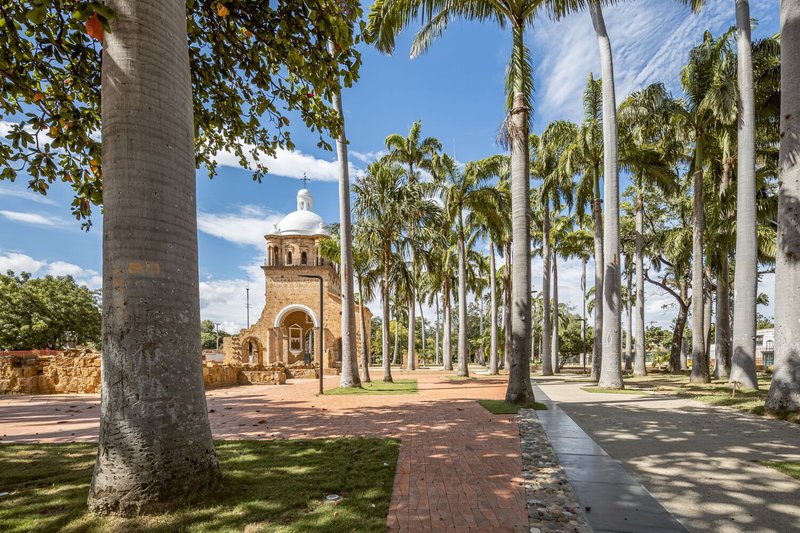
Great Colombian Park, designed by DARP – De Arquitectura y Paisaje, stands as a significant public space project in Villa del Rosario, Colombia. Completed in 2022, this landscape architecture intervention redefines the relationship between cultural heritage, ecological systems, and contemporary urban life. Positioned less than two kilometers from the Colombian–Venezuelan border, the park occupies a geopolitically sensitive territory, transforming it into a space of reconciliation, identity, and collective memory.
Heritage Significance and Cultural Context
The park is recognized as a site of national cultural importance, encompassing four Bienes de Interés Cultural (BIC), the highest level of heritage protection designated by Colombia’s Ministry of Culture. Among these is the historic house of General Francisco de Paula Santander, a key figure in Latin American independence, now functioning as a museum.
The site commemorates the 1821 Constitution of Gran Colombia, a foundational political moment that unified several South American nations. This historical significance positions the park not only as a recreational landscape but also as a symbolic civic space rooted in national identity and shared heritage.
Master Planning and Spatial Organization
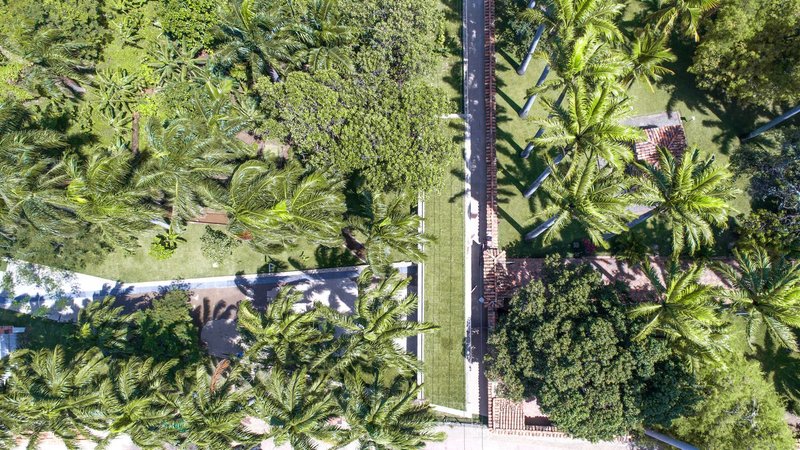
The architectural strategy introduces a clear and legible spatial framework through a longitudinal axis complemented by transversal connections. These structural elements organize circulation, program distribution, and visual continuity across the park.
The longitudinal spine acts as a unifying element, while transversal pathways create permeability, allowing visitors to navigate seamlessly between heritage structures, green areas, and urban edges. This multi-scalar connectivity enhances both accessibility and spatial coherence, reinforcing the park’s role as an integrated urban landscape.
Sustainable Design and Environmental Restoration
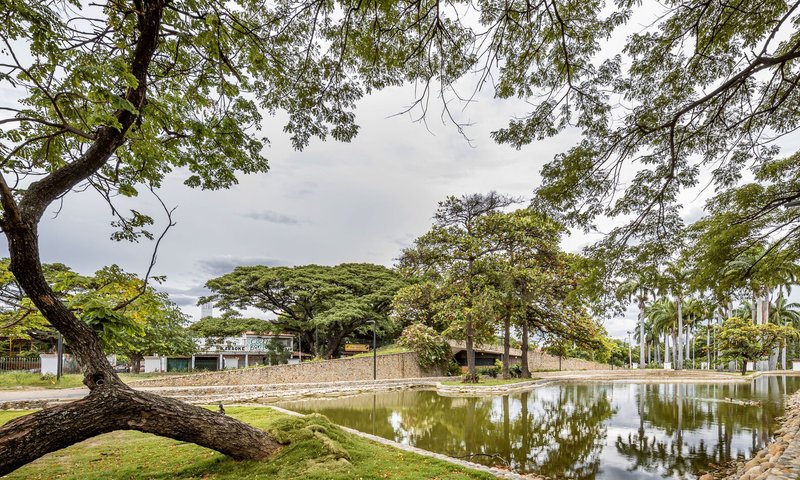
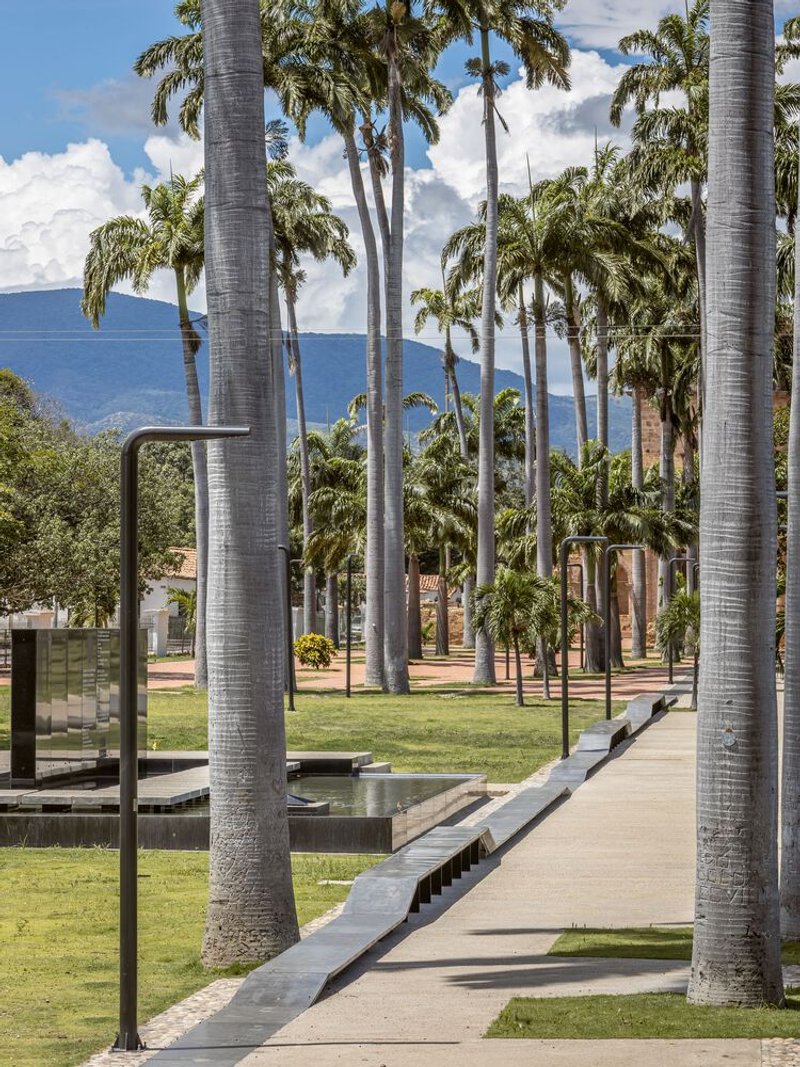
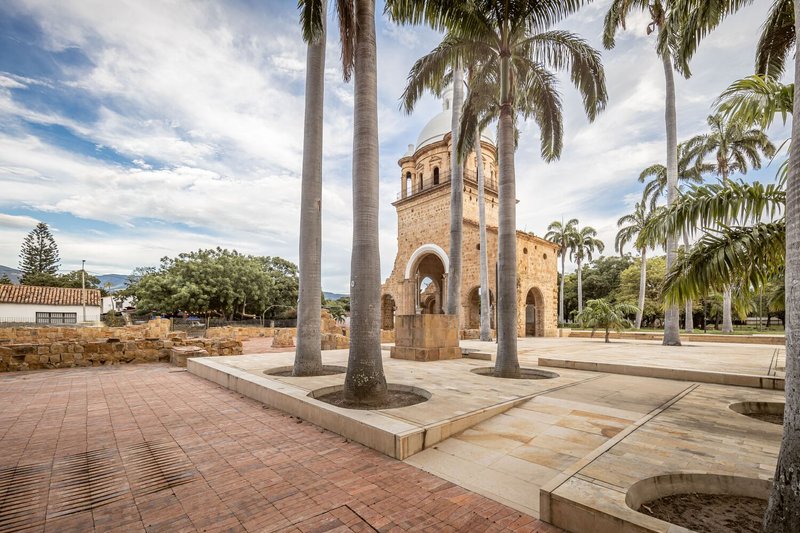
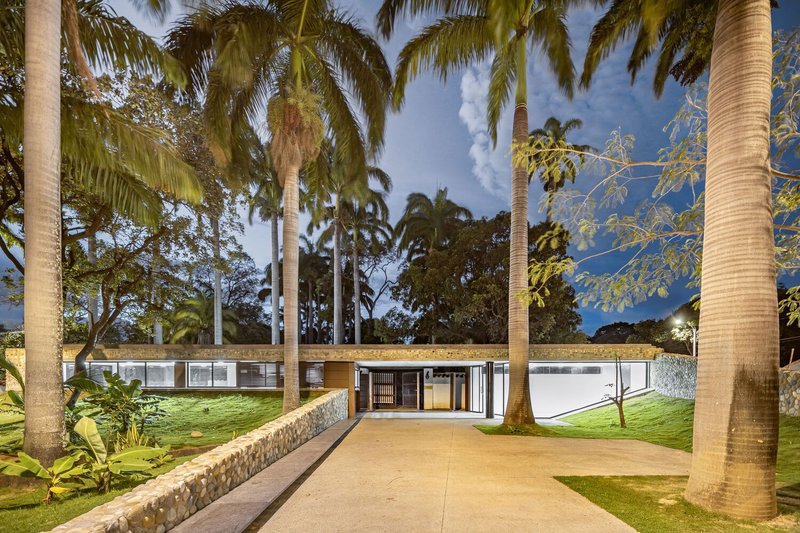
A key aspect of the project lies in its ecological sensitivity and sustainable landscape strategies. The design acknowledges and restores existing environmental features, including a neglected water channel and a dense grove of over 80 centenary royal palms.
By revitalizing these natural systems, the project strengthens biodiversity and reestablishes ecological balance within the urban context. The integration of green infrastructure and low-impact interventions reflects a commitment to sustainable construction practices and long-term environmental resilience.
Accessibility and Social Inclusion
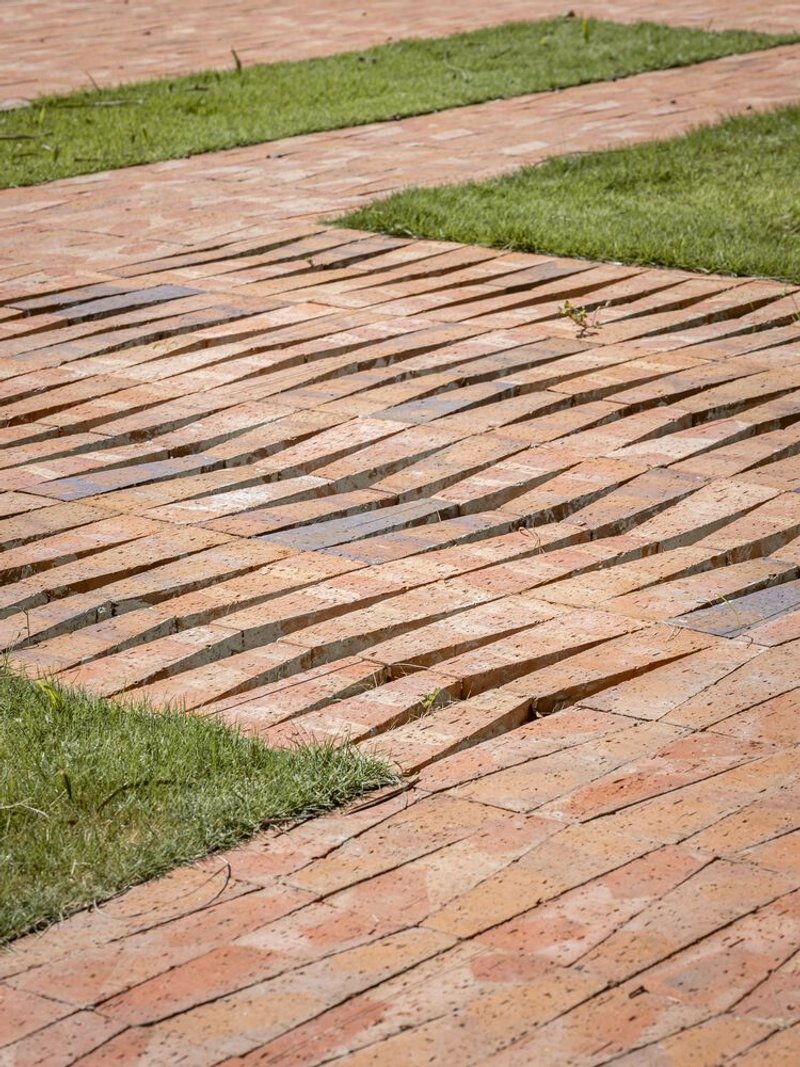
The project prioritizes accessibility through the reconfiguration of pedestrian routes and the introduction of safe, interconnected pathways. These interventions address previous issues of social segregation and insecurity, transforming the park into an inclusive and welcoming environment.
Carefully designed crossings and improved connectivity with surrounding urban areas mitigate pedestrian risks along adjacent high-traffic roads. This approach not only enhances safety but also fosters greater public engagement and daily use.
Community Participation and Adaptive Development
Developed over a decade through multiple phases, the project incorporates continuous dialogue with local communities. Participatory design processes allowed residents to influence key decisions, ensuring that the park responds to their needs and aspirations.
This collaborative approach resulted in modifications to the original proposal, reinforcing a sense of ownership and collective responsibility among users. Educational initiatives and the use of local materials further strengthen community ties and support regional construction traditions.
Architectural Language and Material Strategy
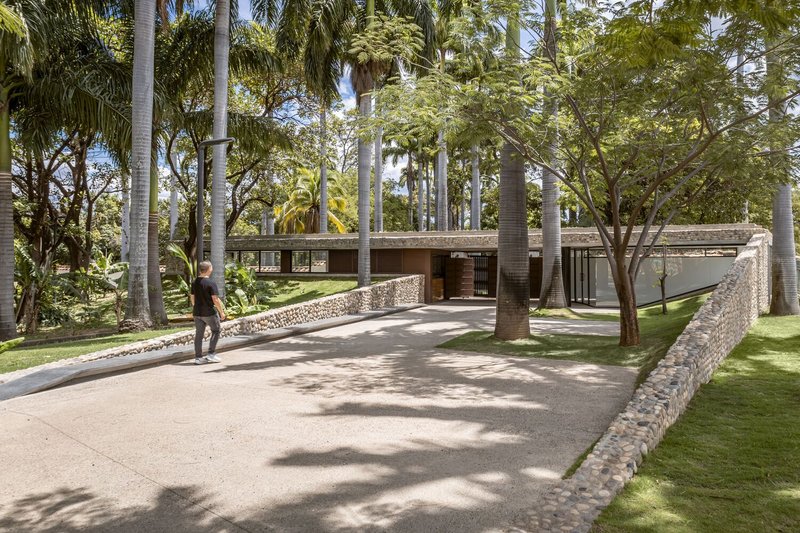
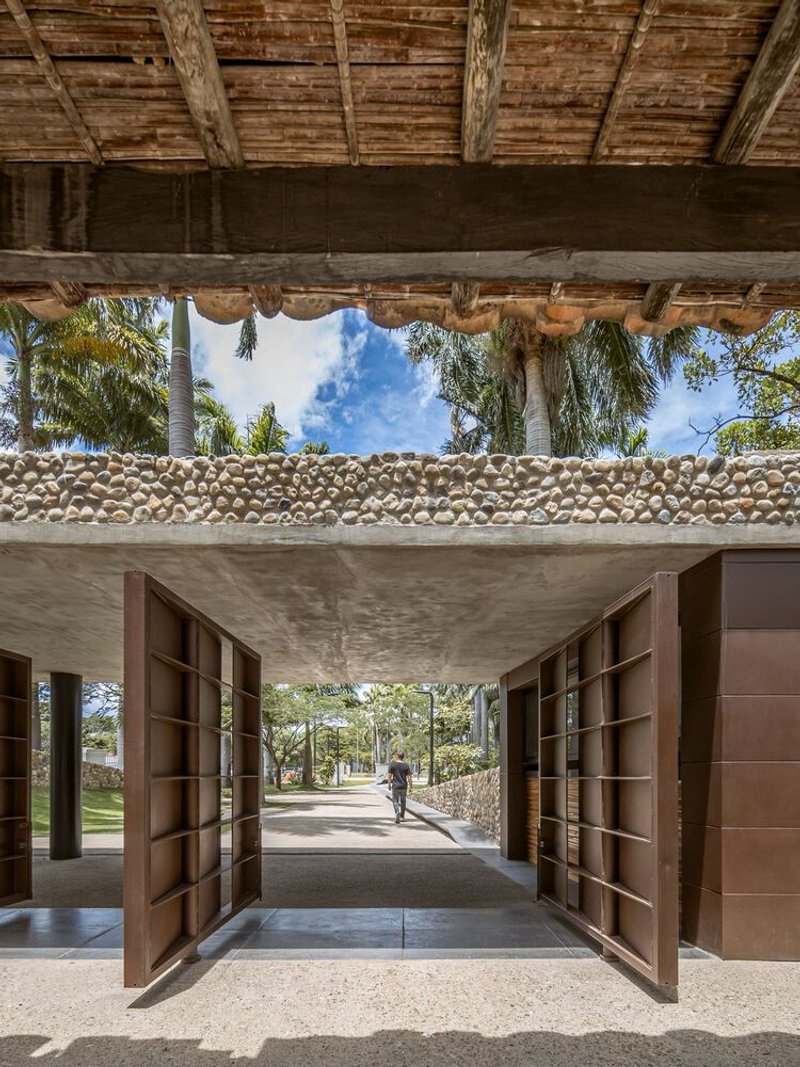
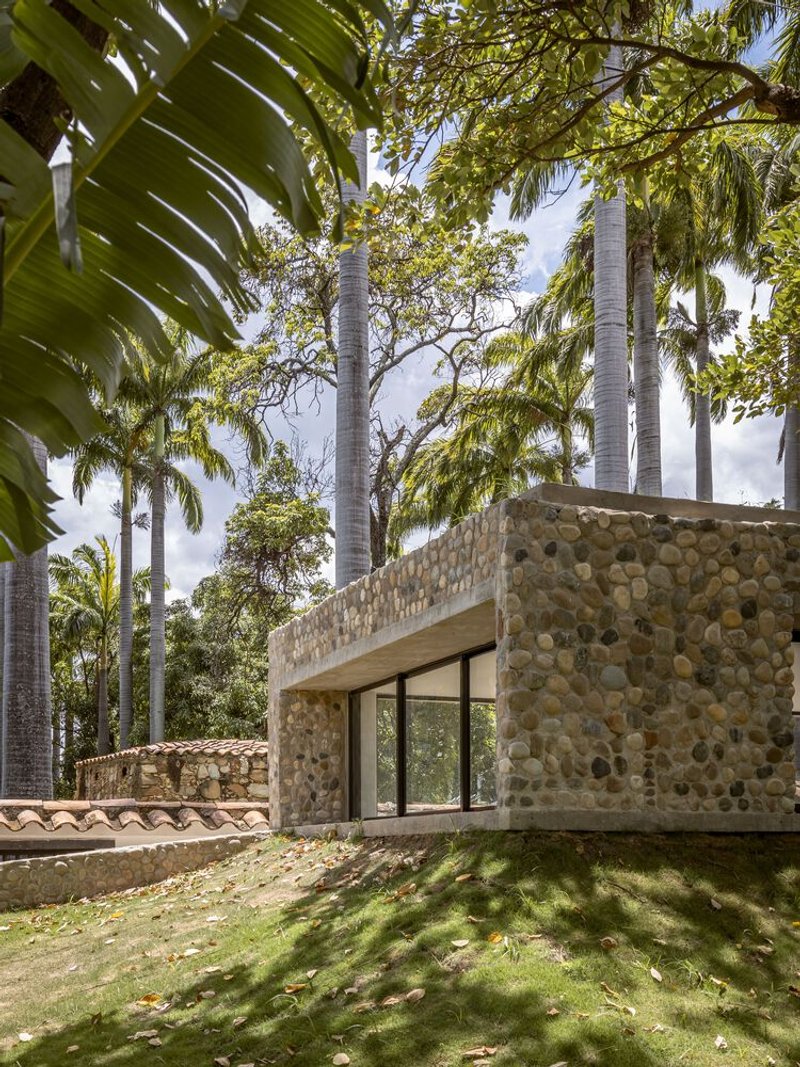
The architectural expression of Great Colombian Park is defined by subtle, low-impact interventions that harmonize with the historical and natural context. Structures adopt a mimetic approach, blending into the landscape while providing functional support for circulation and public use.
Local materials and vernacular construction techniques are employed to maintain authenticity and continuity with the region’s architectural identity. This restrained design language ensures that heritage elements remain the focal point of the experience.
Urban Regeneration and Cultural Impact
Great Colombian Park exemplifies how landscape architecture can act as a catalyst for urban regeneration. By reconnecting fragmented urban and ecological systems, the project revitalizes a previously underutilized and unsafe area into a vibrant public realm.
The park now serves as a platform for cultural exchange, education, and social interaction, redefining its role within the broader urban fabric. It bridges historical narratives with contemporary urban needs, creating a dynamic and meaningful public space.
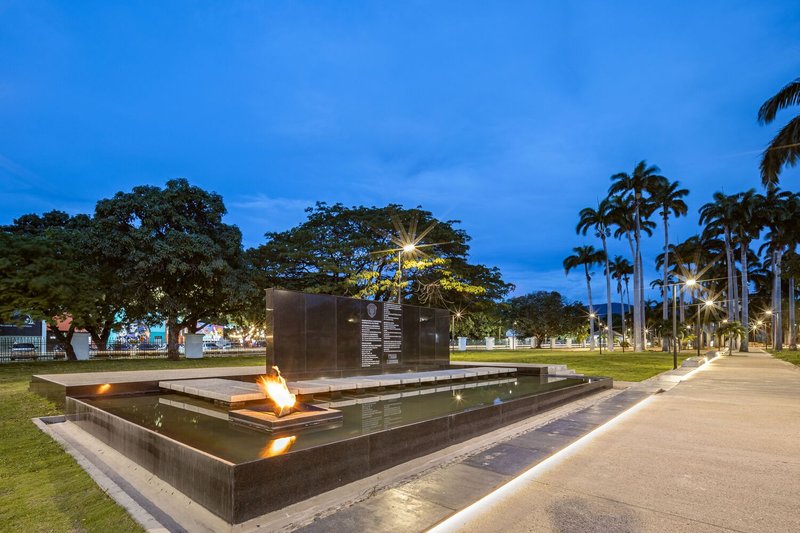
Great Colombian Park is a powerful example of how architecture and landscape design can mediate between past and present, nature and city, and community and heritage. Through thoughtful planning, sustainable strategies, and participatory processes, DARP has transformed a historically significant site into a resilient, inclusive, and culturally rich public environment.
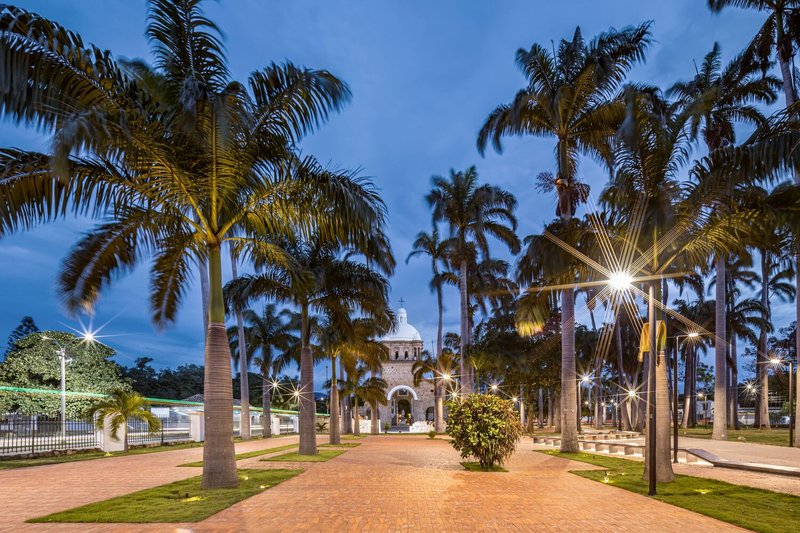
All photographs are works of
Mauricio Carvajal



Popular Articles
Popular articles from the community


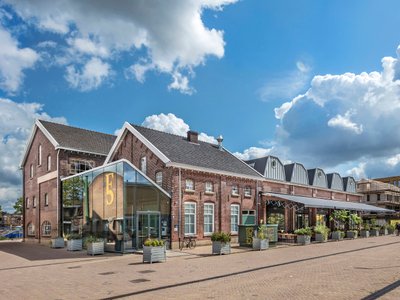
Fifth NRE Jazz Club – De Bever Architecten: Eindhoven’s Revitalized Cultural Hub
Historic gas factory transformed into Fifth NRE Jazz Club blending modern sustainability, jazz culture, dining, and heritage architecture seamlessly.
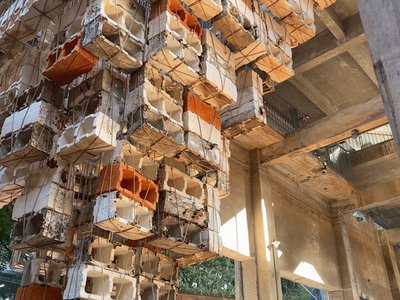
Inverted Architecture Installation by Studio Link-Arc: Exploring the Intersection of Architecture and Living Organisms
Inverted Architecture Installation by Studio Link-Arc blends mycelium, sustainability, inverted design, ecological cycles, and urban adaptive architecture in Shenzhen.


The Ken Roberts Memorial Delineation Competition (Krob)
As the most senior architectural drawing competition currently in operation anywhere in the world, it draws hundreds of entries each year, awarding the very best submissions in a series of medium-based categories.


Similar Reads
You might also enjoy these articles

Free Architecture Competitions You Can Enter Right Now
No entry fees, real prizes. Here are the best free architecture competitions open for submissions in 2026.

Top 15 Architecture Competitions to Enter in 2026
From student-friendly idea competitions to prestigious international awards, here are the best architecture competitions open for entries in 2026. Updated regularly.

DIY & Engineering in Computational Design : Enter the BeeGraphy Design Awards
Showcase Your Creativity with Computational Design and Open Source Projects
Innovative Design Solutions: Award-Winning Projects from Recent Architecture Competitions
Exploring award-winning architectural projects shaping the future of design, sustainability, and community.

Explore Architecture Competitions
Discover active competitions in this discipline




The International Standard for Design Portfolios


The Global Benchmark for Architecture Dissertation Awards


The Global Benchmark for Graduation Excellence


Challenge to reimagine the Iron Throne
Comments (0)
Please login or sign up to add comments
No comments yet. Be the first to comment!