

Hideout Flow by Pablo Luna Studio: A Bamboo Sanctuary Immersed in the Heart of Bali’s Landscape
Hideout Flow by Pablo Luna Studio is a bamboo villa in Bali blending organic architecture, sustainability, and immersive tropical living.


Architectural Harmony with Nature
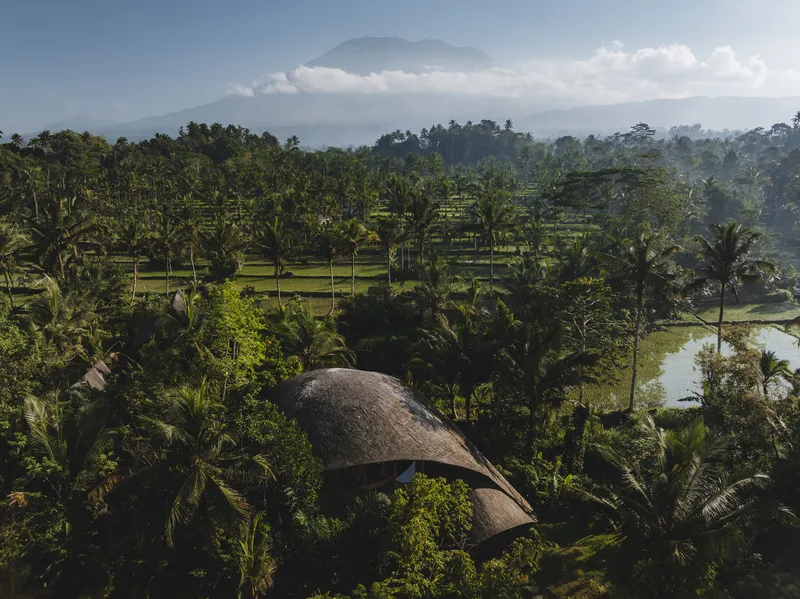
Hidden deep within the lush mountains of East Bali, Hideout Flow by Pablo Luna Studio stands as an architectural retreat where design, craftsmanship, and environment merge seamlessly. The 190-square-meter villa—designed in collaboration with the founders of Hideout Bali—is part of a growing eco-conscious hospitality movement redefining sustainable luxury in Indonesia.
Located beside a gentle river and surrounded by dense tropical vegetation, the villa invites guests into an immersive experience of serenity, where the rhythmic sounds of flowing water, bird songs, and forest breezes replace the noise of modern life.
Organic Architecture and the Spirit of Flow
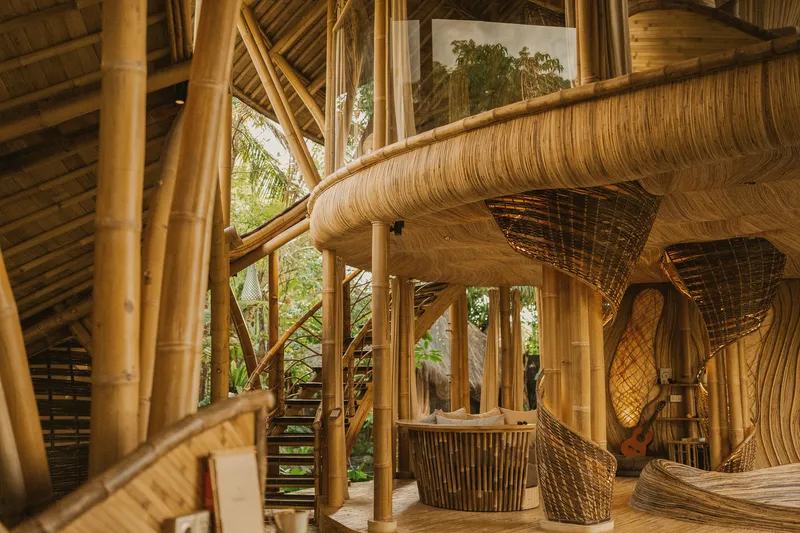
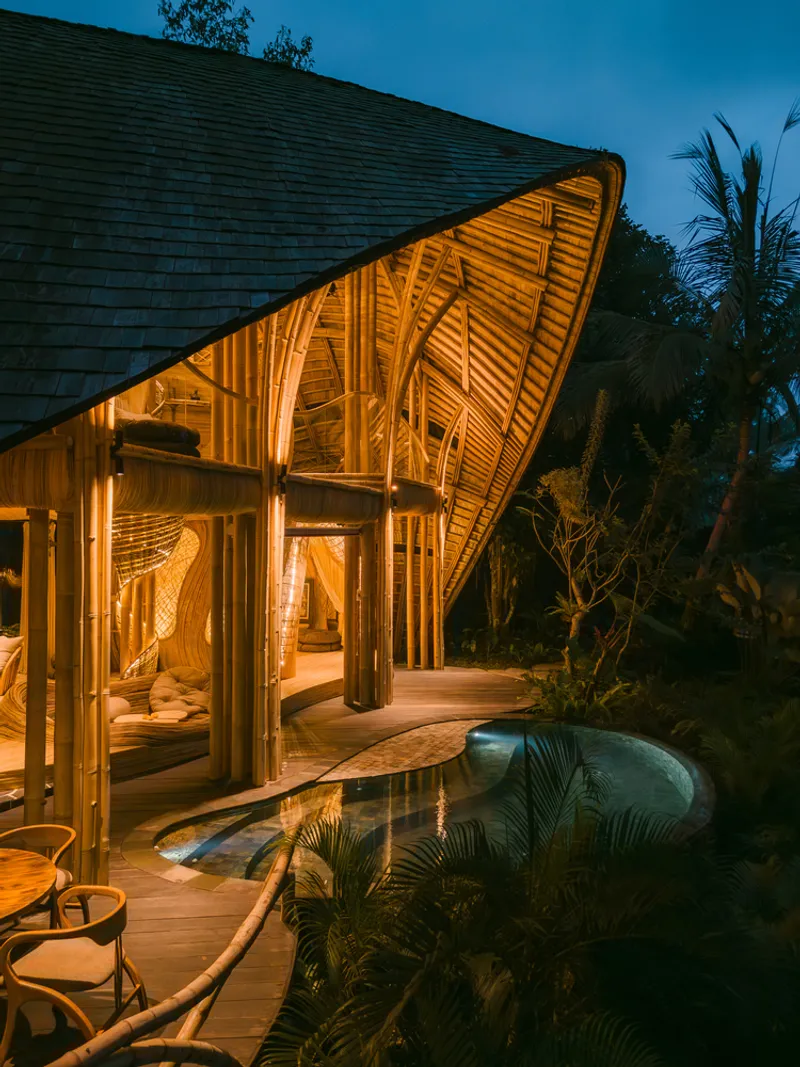
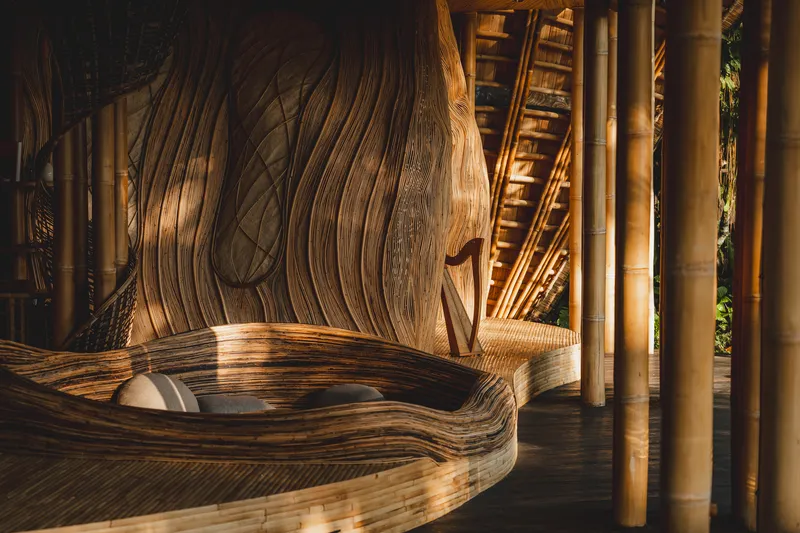
Inspired by the natural movements of water and wind, the villa’s architectural form is sculpted from two intertwining curves that rise to shape the roof. These dynamic curves rest upon clusters of tall bamboo pillars, a structural and symbolic gesture that connects the villa to its natural surroundings.
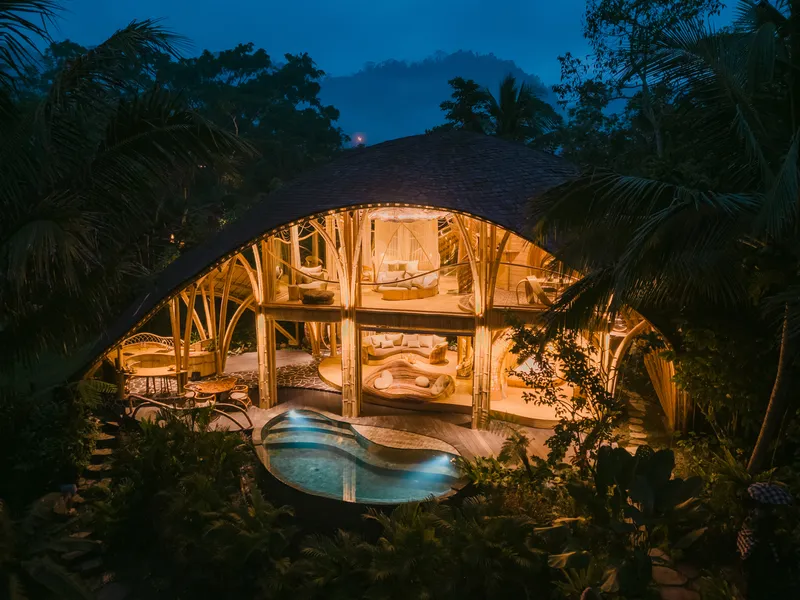
Bamboo—renowned for its strength, flexibility, and renewability—was the key material that made this organic form possible. The use of local bamboo species, handcrafted joints, and natural finishes highlights the studio’s commitment to vernacular construction techniques and environmentally responsive design.
The flowing geometry not only defines the villa’s silhouette but also captures the movement of the surrounding landscape, making the structure appear as if it were growing from the earth itself.
Spatial Design: Between Connection and Retreat
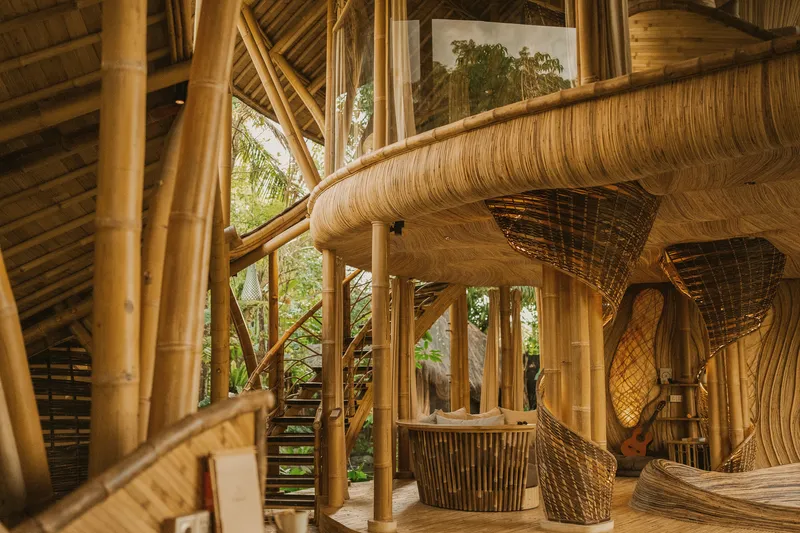
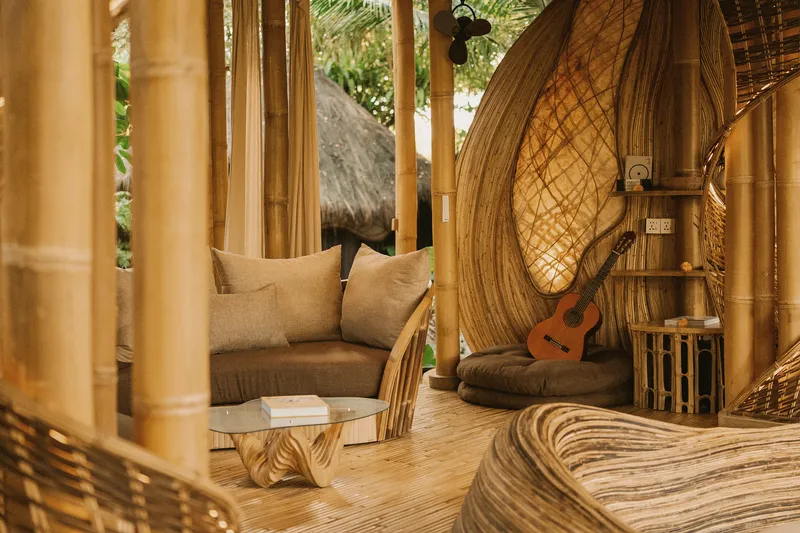
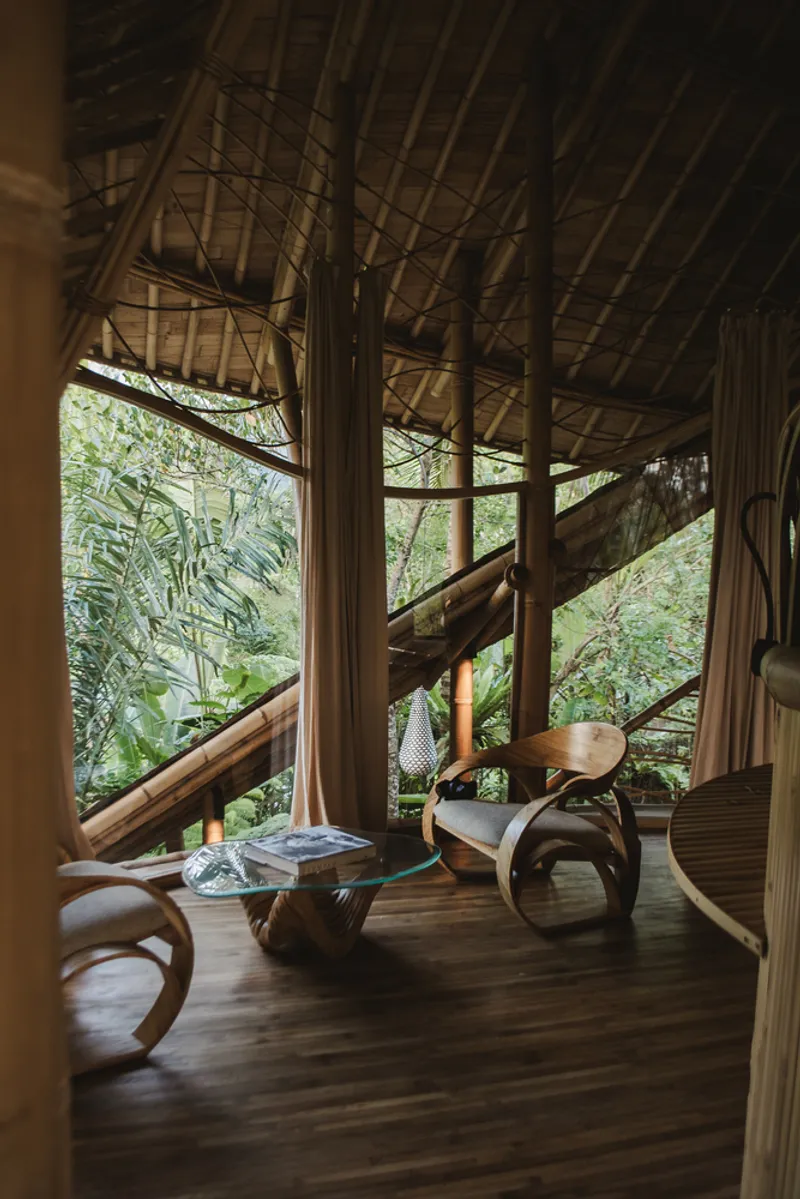
Hideout Flow unfolds across two levels, each with a distinct spatial and emotional quality. On the ground floor, open-plan areas encourage interaction and collective living. The kitchen, sunken living room, and pool terrace flow directly into the landscape, blurring boundaries between indoors and outdoors. Floor-to-ceiling openings allow daylight to flood the interiors, framing uninterrupted views of rice fields and jungle canopies.
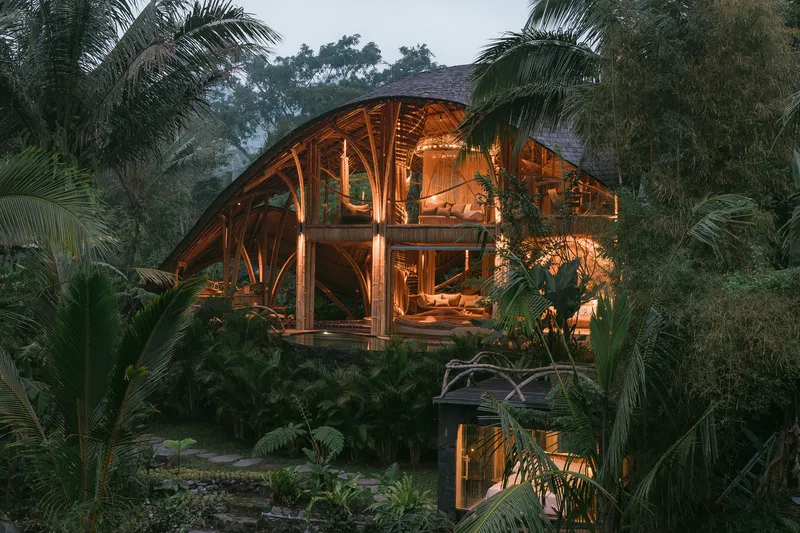
Upstairs, the atmosphere shifts toward calm introspection. The upper level houses a handcrafted bamboo bed, reading lounges, and a workspace overlooking the tropical scenery—spaces designed for reflection, creativity, and retreat.
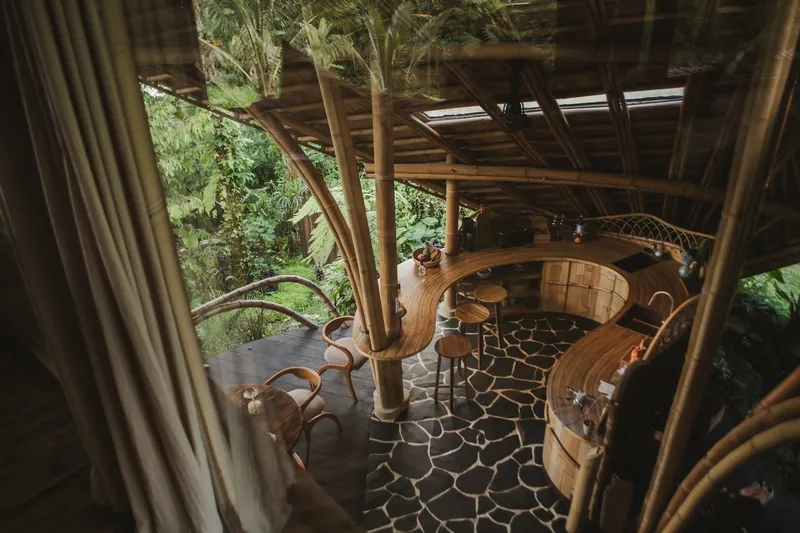
Material Craft and Environmental Sensitivity
Every detail of Hideout Flow reflects a deep respect for Bali’s natural and cultural context. Handwoven bamboo screens, light curtains, and locally sourced wood create a tactile and breathable environment that connects the architecture with its ecosystem.
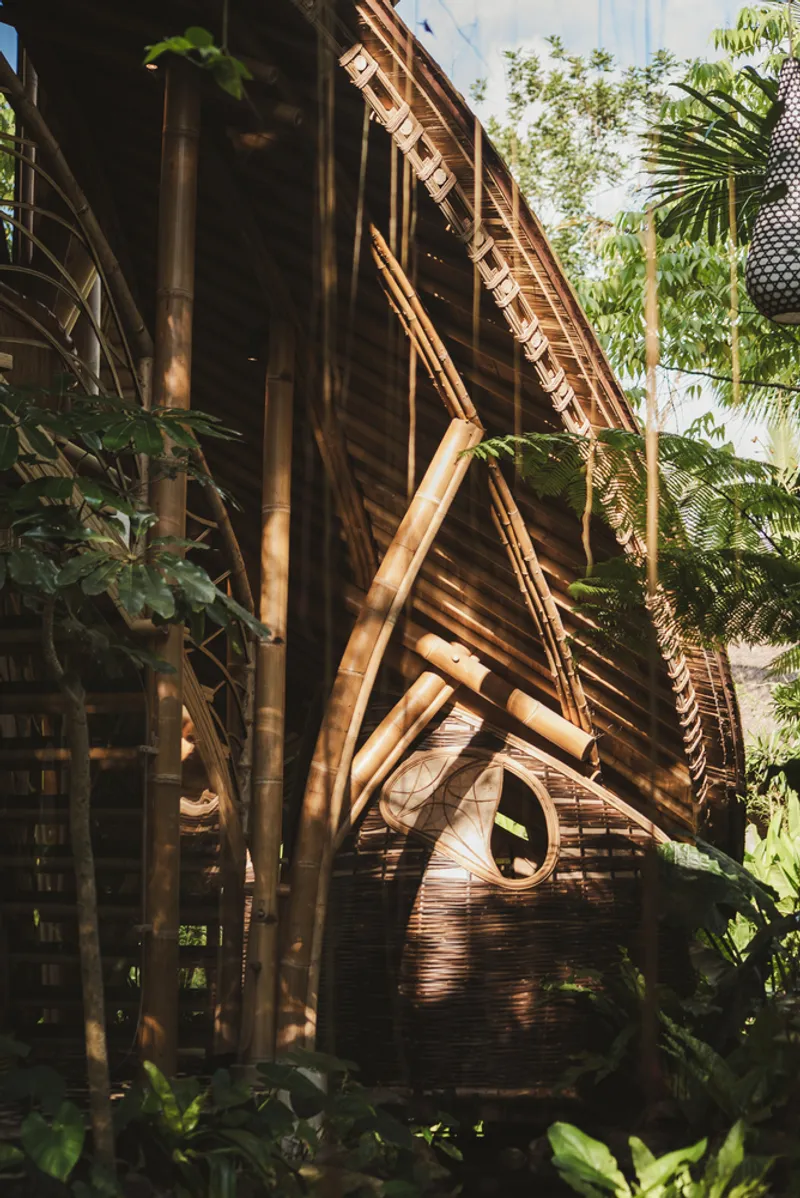
The sleeping areas, envisioned as enclosed nests, offer privacy without isolating guests from nature. Delicate curtains filter the air and light, allowing the forest’s presence—its sounds, scents, and humidity—to become part of the living experience.
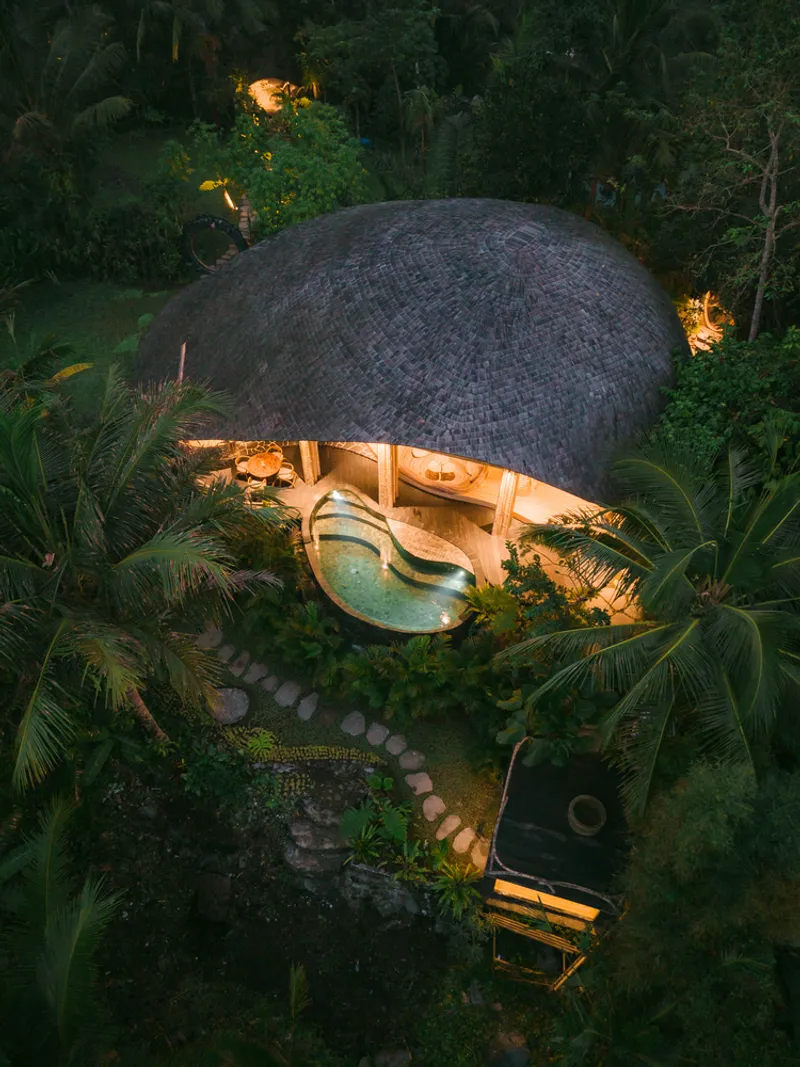
Even functional moments are transformed into sensory experiences: to reach the bathroom, one must cross stepping stones over a reflective pond—a poetic reminder of the villa’s philosophy of balance, mindfulness, and movement through nature.
A Model for Sustainable Tropical Living
Through Hideout Flow, Pablo Luna Studio and Hideout Bali continue to explore new ways of living harmoniously with the environment. The project stands as an emblem of eco-resort design, showcasing how local craftsmanship and organic architecture can coexist with comfort and modern luxury.
More than a place to stay, Hideout Flow is a sanctuary of flow—an architectural meditation on rhythm, materiality, and the enduring relationship between humans and nature.
All photographs are works of Pablo Luna Studio , Putu Sri Ferryan Andika, Kevin Mirc


Popular Articles
Popular articles from the community


Manzana Morphosis: Stretching Barcelona's Grid into a Living Landscape for 2050
A radical reworking of the Eixample manzana turns density into a tool for generous public space, vertical ecology, and environmental performance.
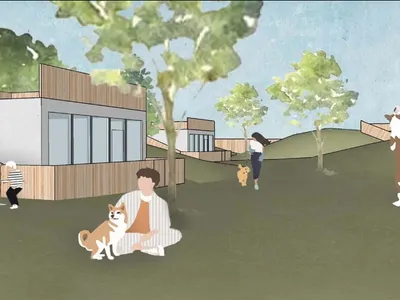
Temporary Home for Dogs: A Reversed Zoo Rethinks Animal Shelter Architecture
In Bucharest, a sinuous corridor and freed landscape flip the logic of containment, designing a shelter that works to make itself unnecessary.

Tsunami Convergenics: Turning Catastrophic Ocean Forces into Underwater Housing Infrastructure
A speculative underwater settlement off the coast of Onagawa, Japan, treats tsunamis and typhoons as energy sources rather than threats.

Singing Woman: An Opera House That Performs Before the Curtain Rises
Ovidiu Cristian Pavel's conceptual opera house translates Estonia's choral identity into a sculpted waterfront landmark facing the Baltic Sea.

Similar Reads
You might also enjoy these articles


Hodi-Mandai Geram
Project Function: Preservation and revitalization of the Intangible heritage and socio-spatial identity of the Hodi by Housing, Cultural Memory Center, Sacred Grove, landscape, local tourism economy


Olio Towers: A Mid-Rise for Performers That Fuses Housing, Rehearsal, and Stage
Located blocks from Houston's Theater District, this modular tower stacks living units around a central performance atrium.

Oasis: Modular Green Housing Carved into Dhaka's Urban Fabric
A shortlisted Plugin Housing entry reclaims unauthorized settlements in Dhaka with stepped concrete volumes, green roofs, and ventilation-driven design.

Black Hole: A Floating Megastructure for the Post-Physical Era
Emiliano Mazzarotto envisions a spherical, self-scaling arena where e-sports, digital hotels, and holographic stadiums replace traditional public space.

Explore Bali Competitions
Discover active competitions in this discipline

Challenge to reimagine the Iron Throne

Photograph architecture without architects

Illustrate the lost glory of Angkor Wat - Render Challenge

Design challenge to reuse E-waste
Comments (0)
Please login or sign up to add comments
No comments yet. Be the first to comment!