

Historic Convent Renovation in Belgium: Revitalizing the Ursuline Convent
This article details the renovation of the Ursuline Convent in Hasselt, Belgium, focusing on historical preservation and modern integration.


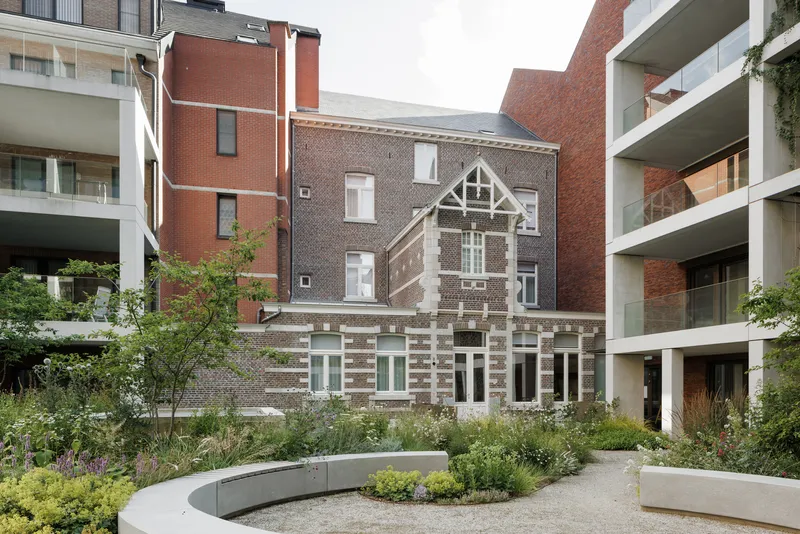
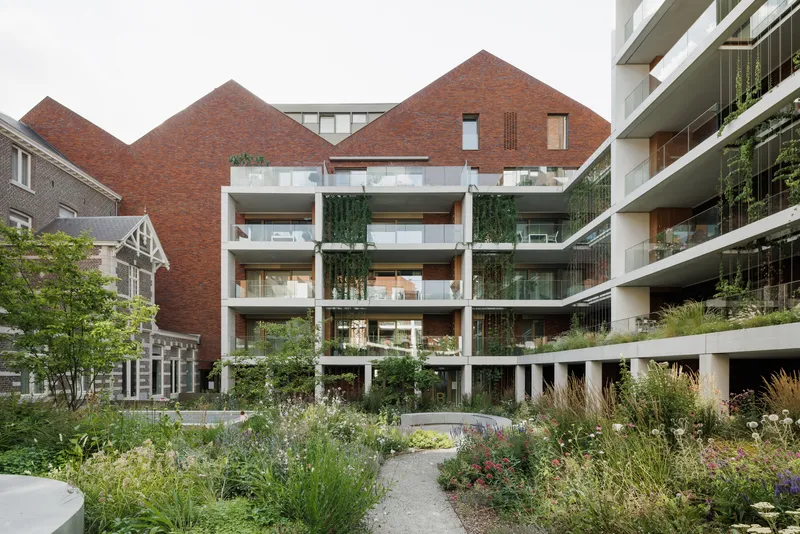
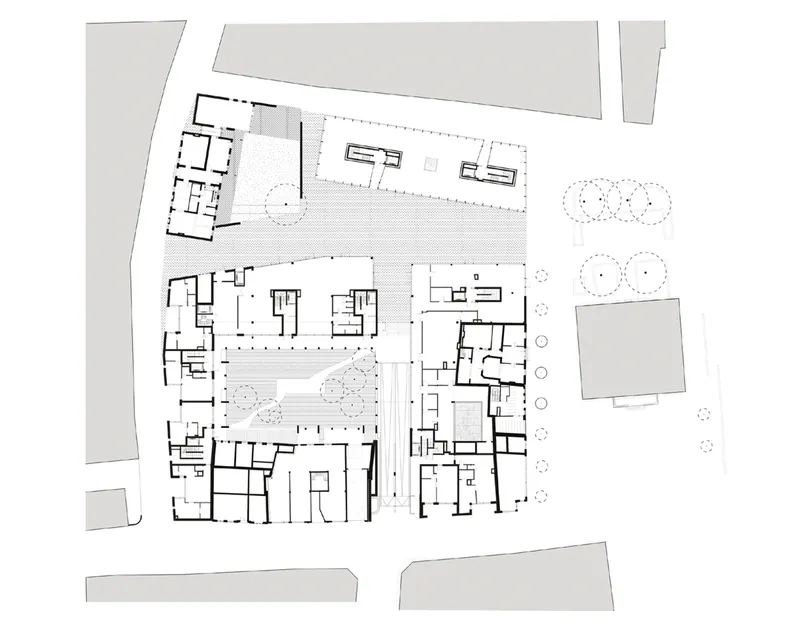
The Ursuline Convent in Hasselt, Belgium, stands as a profound example of how historic architecture can be meticulously preserved and adapted to meet contemporary needs. This project, led by a2o architecten, marks a significant phase in the 'Ursulinhof' urban renewal initiative, blending tradition with innovation.
The Architectural Vision and Execution
Preserving Historical Integrity
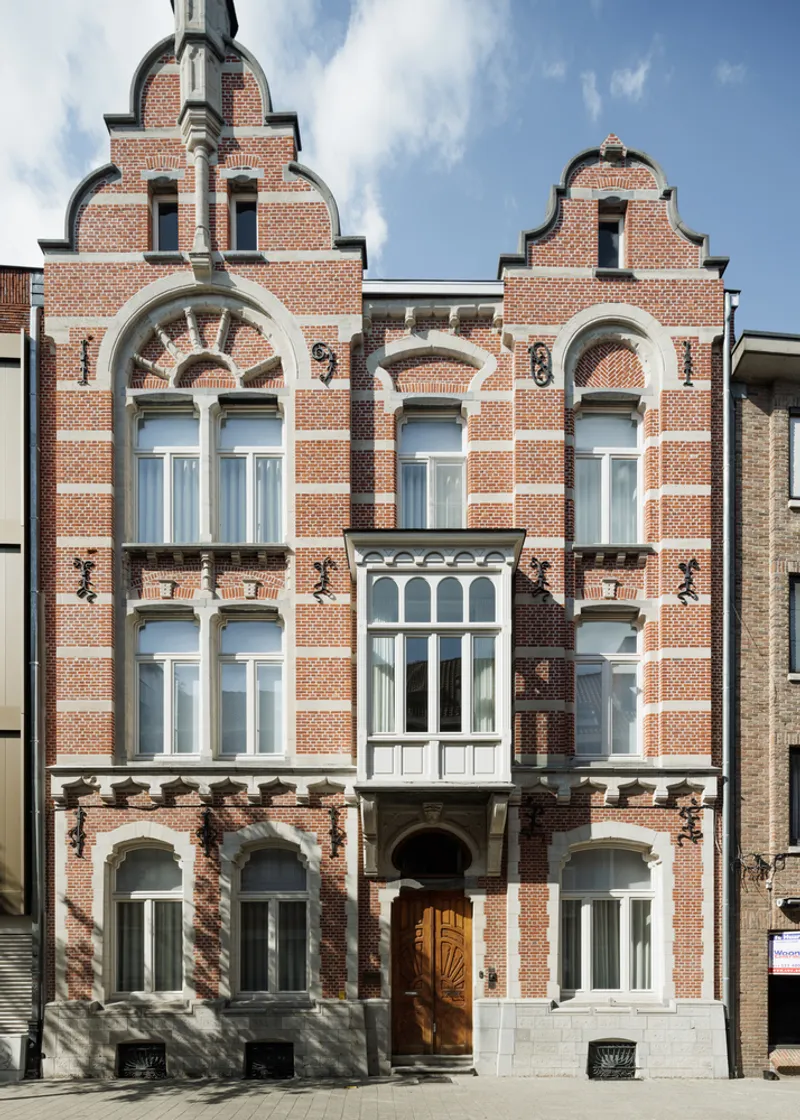
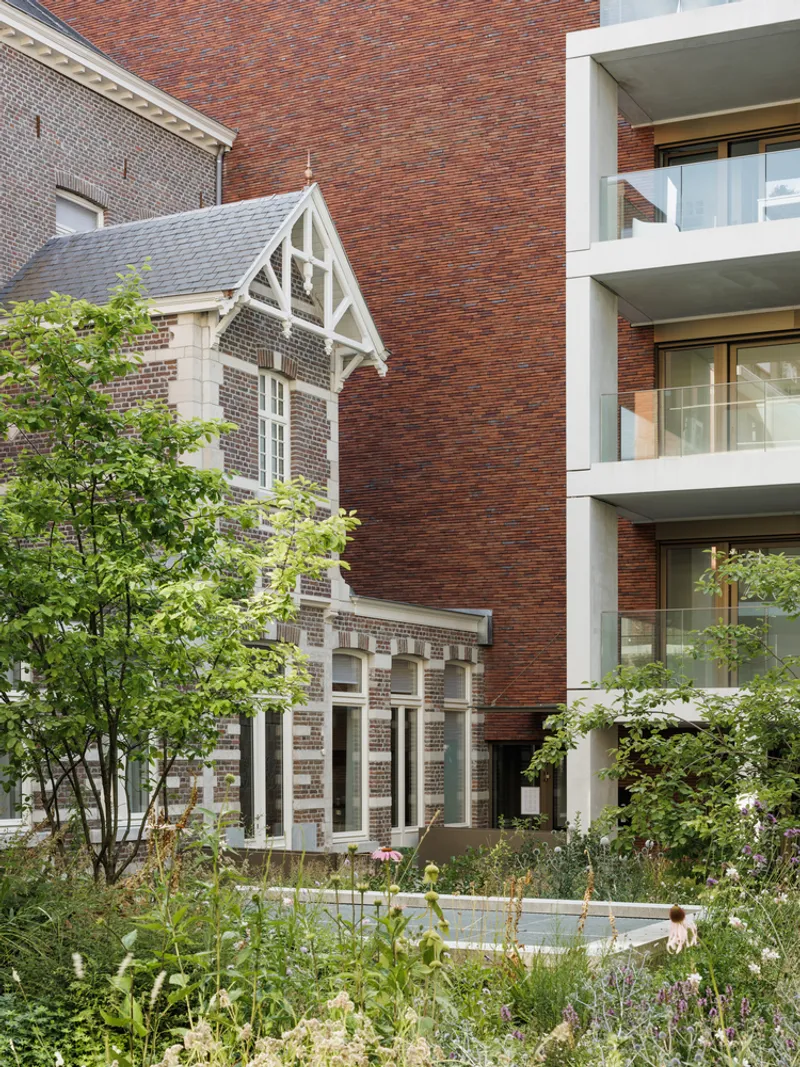
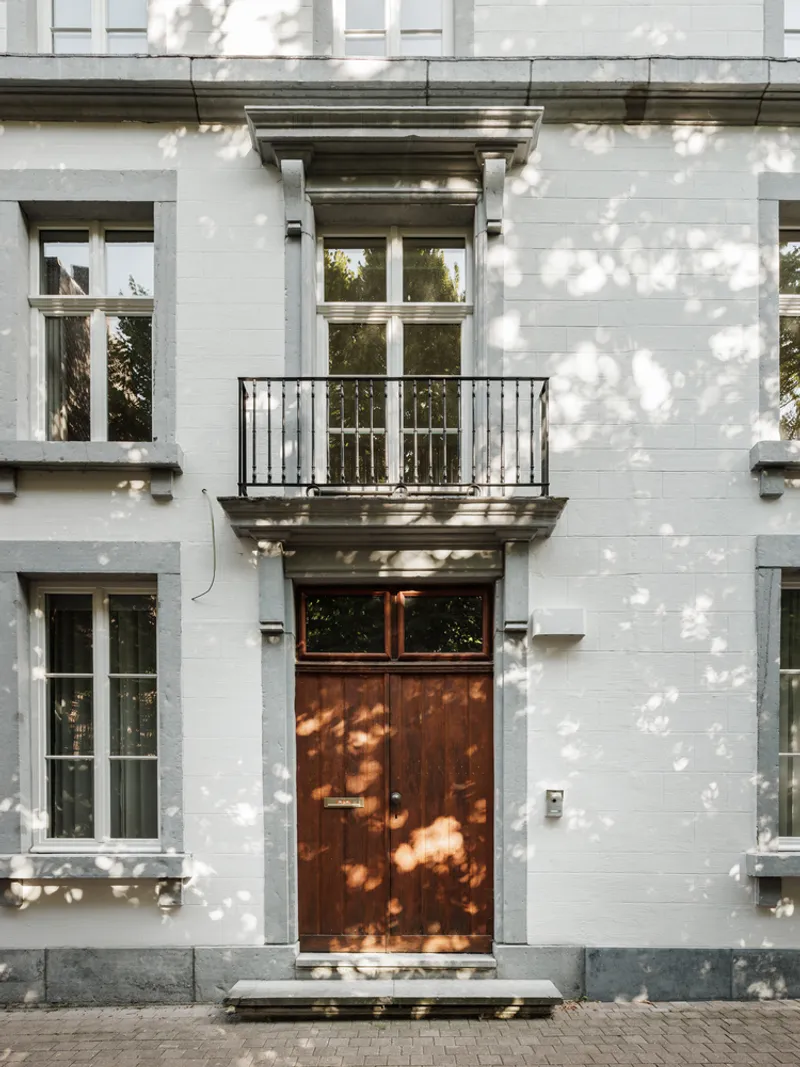
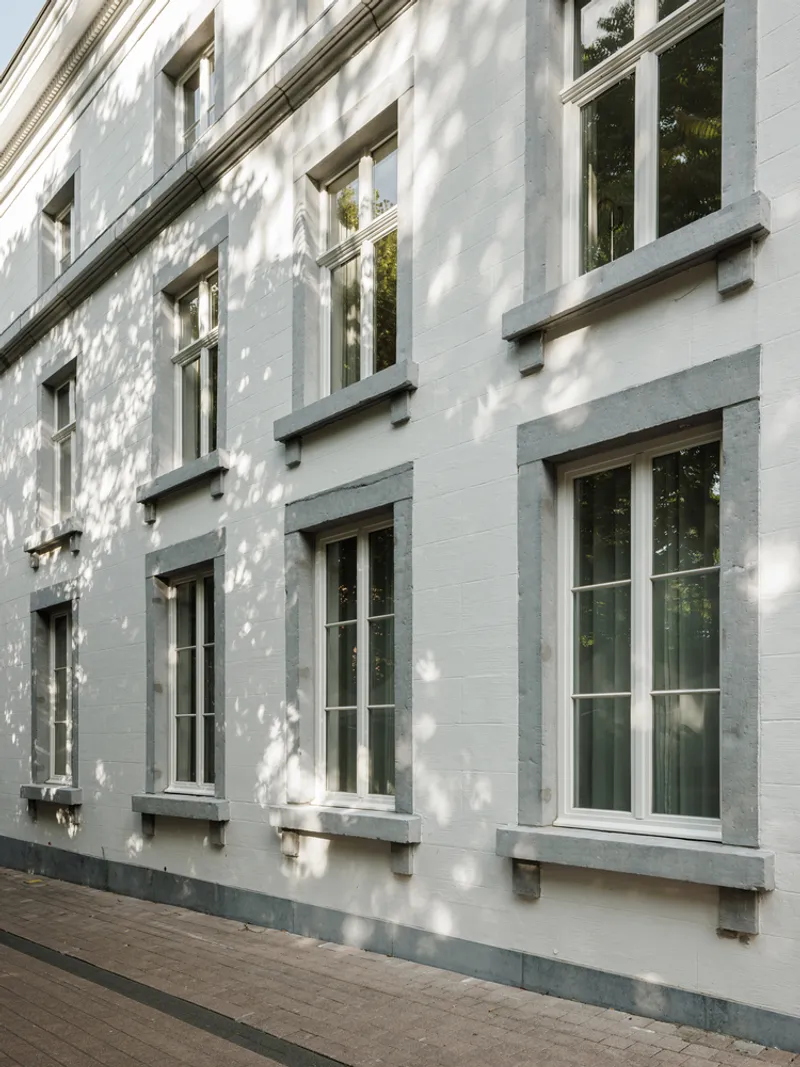
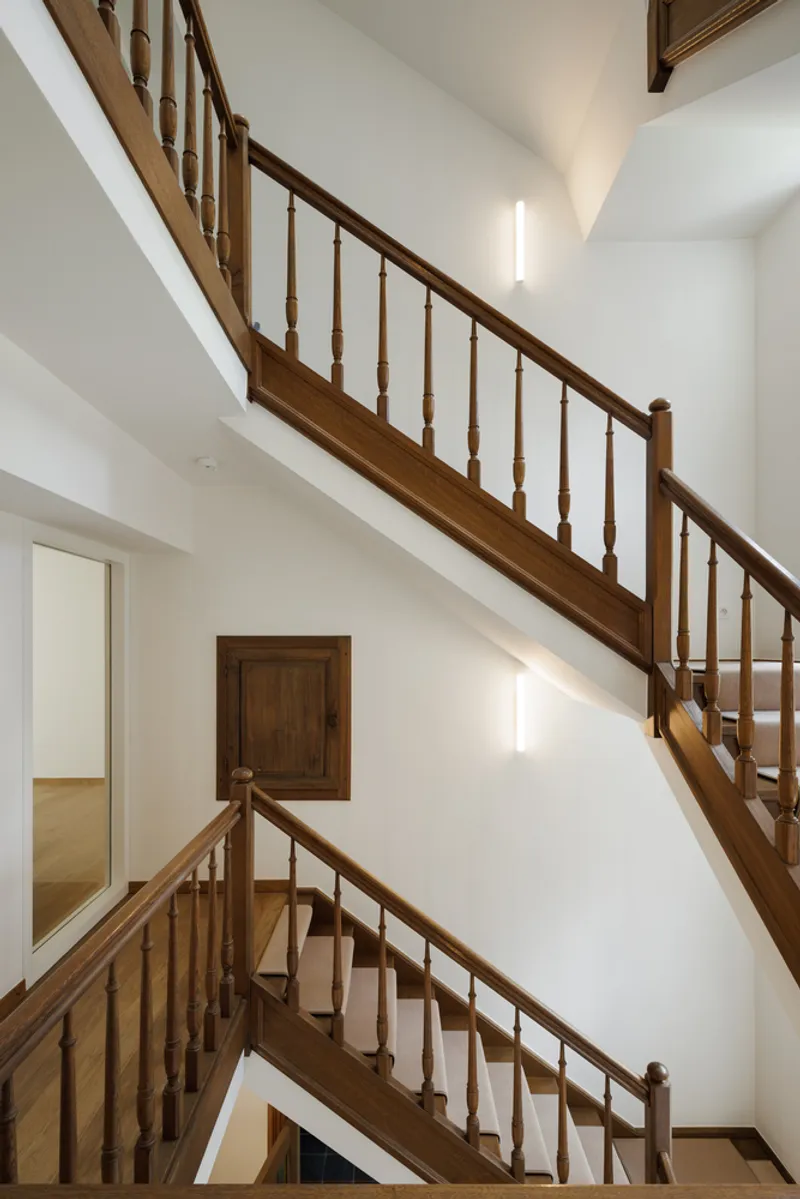
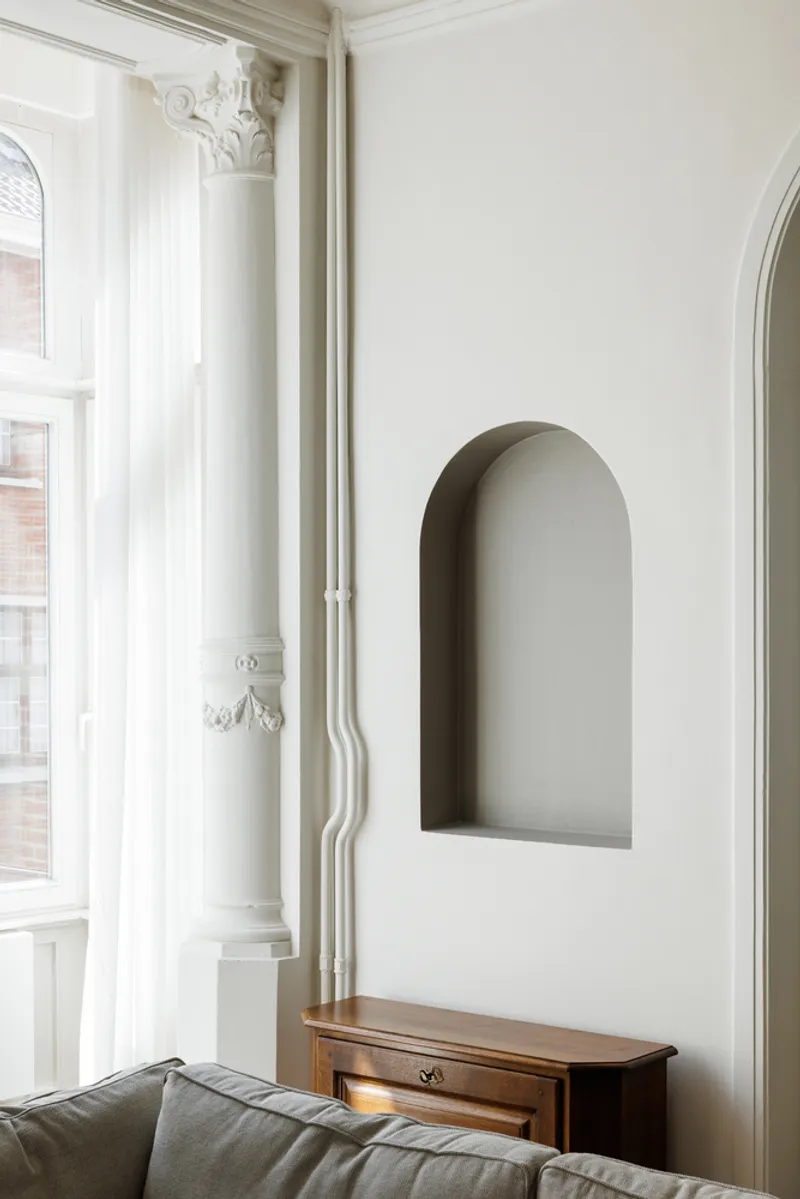
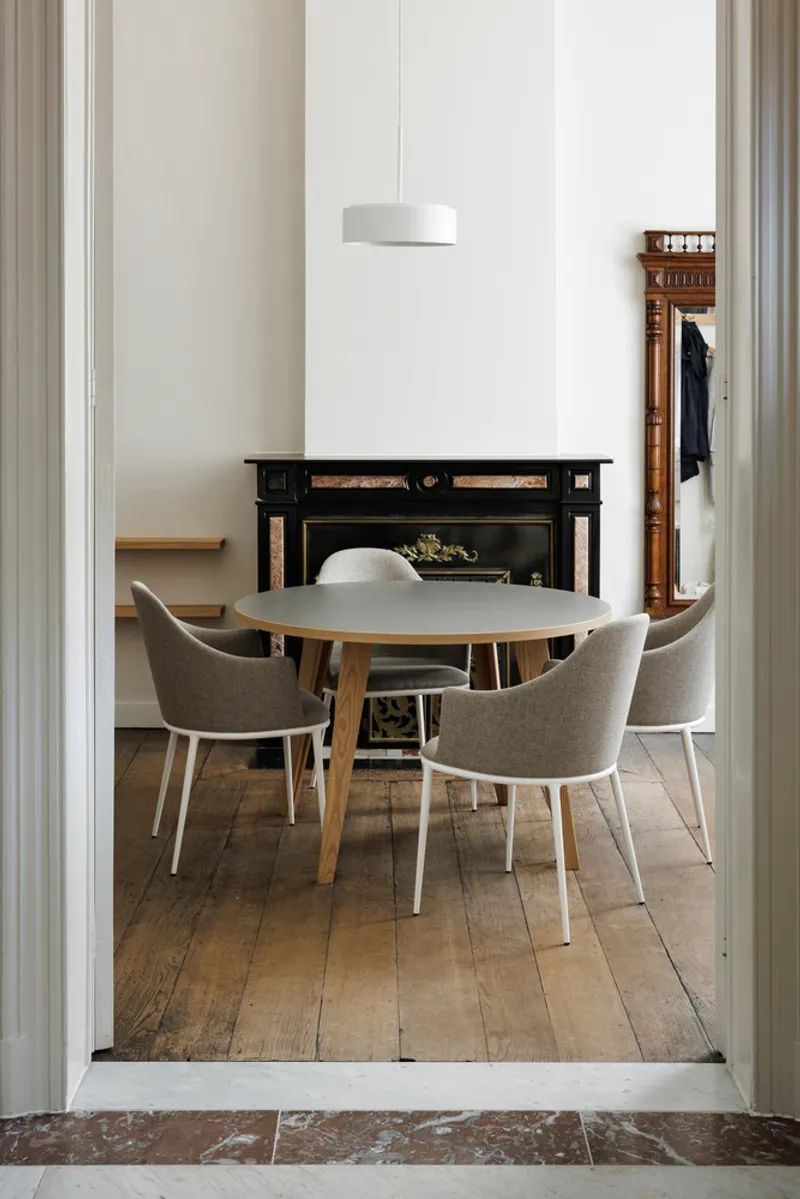
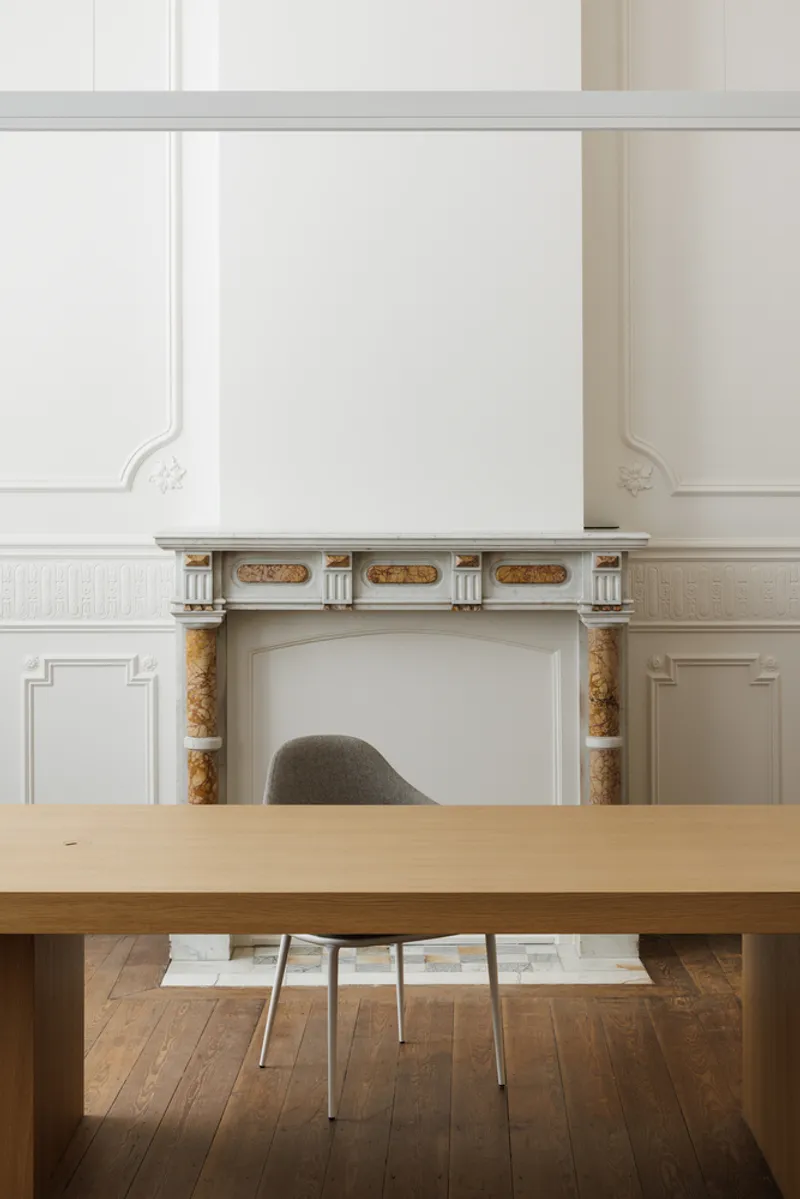
The Ursuline Convent, with its rich history dating back to the 18th century, required a sensitive approach to renovation. The architects focused on restoring the facades and the interior features such as staircases, doors, ornaments, and fireplaces, maintaining the building's historical essence while updating it to today’s functional standards.
Integrating New Structures
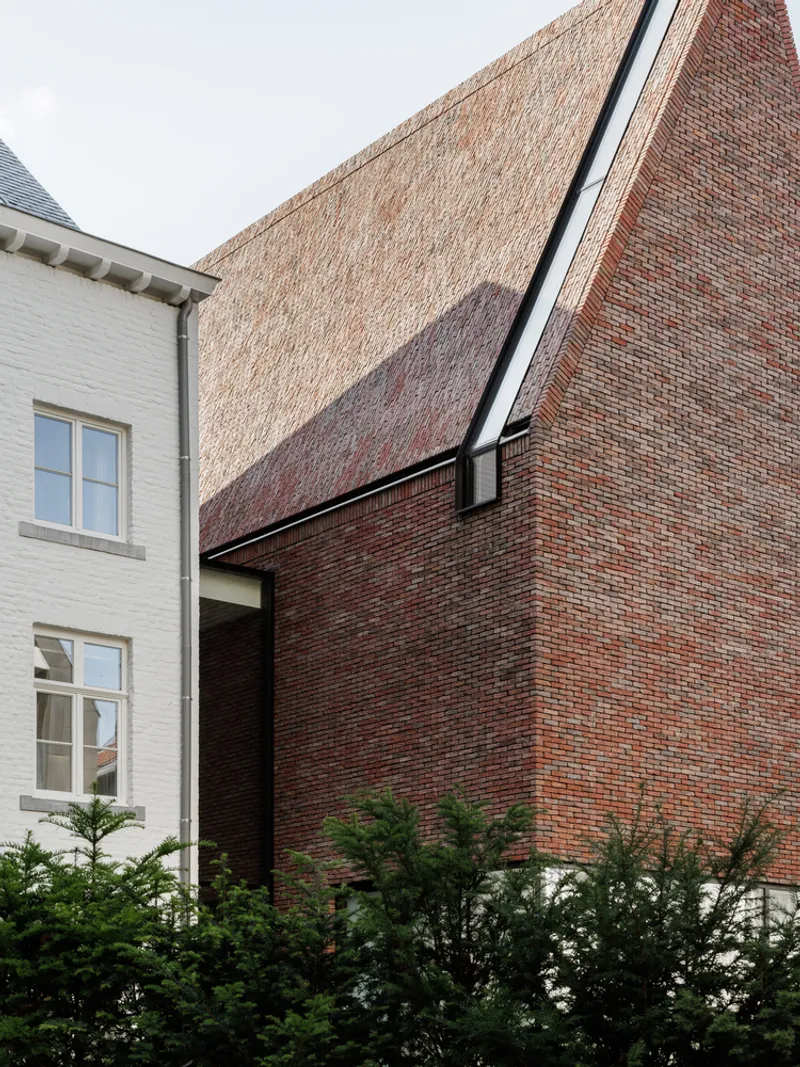
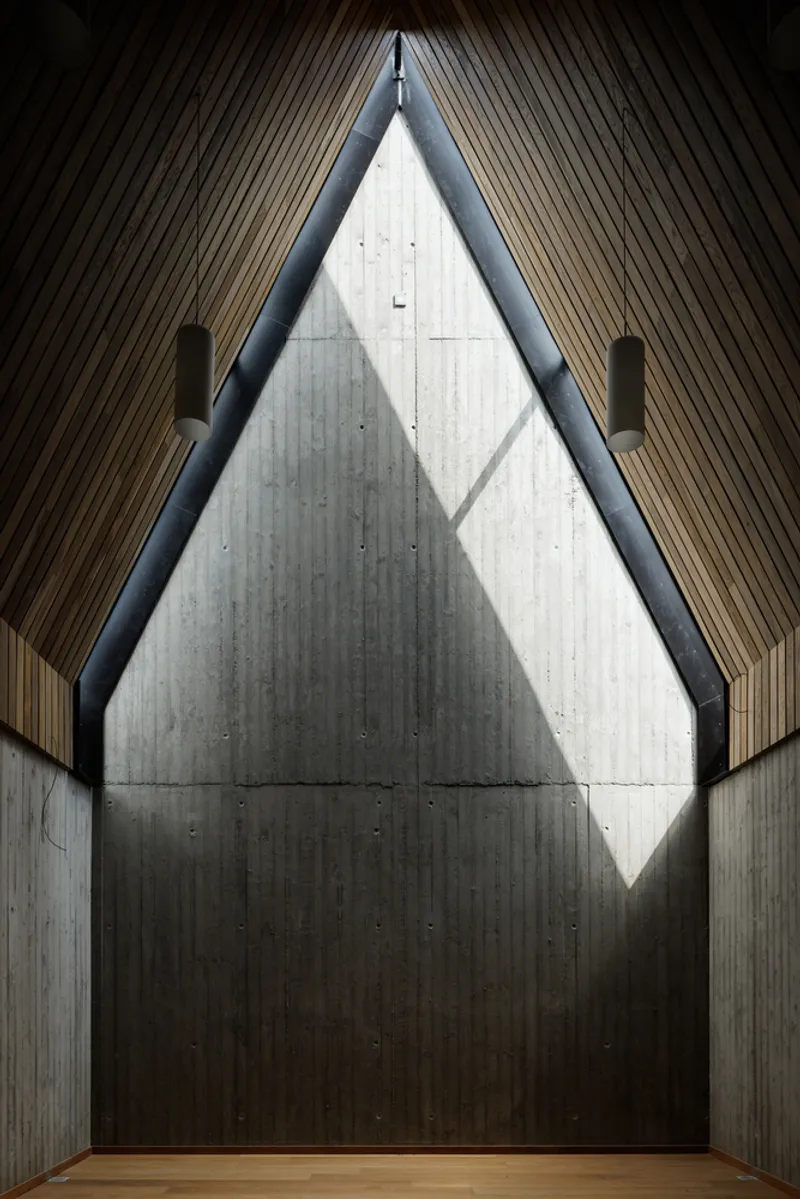
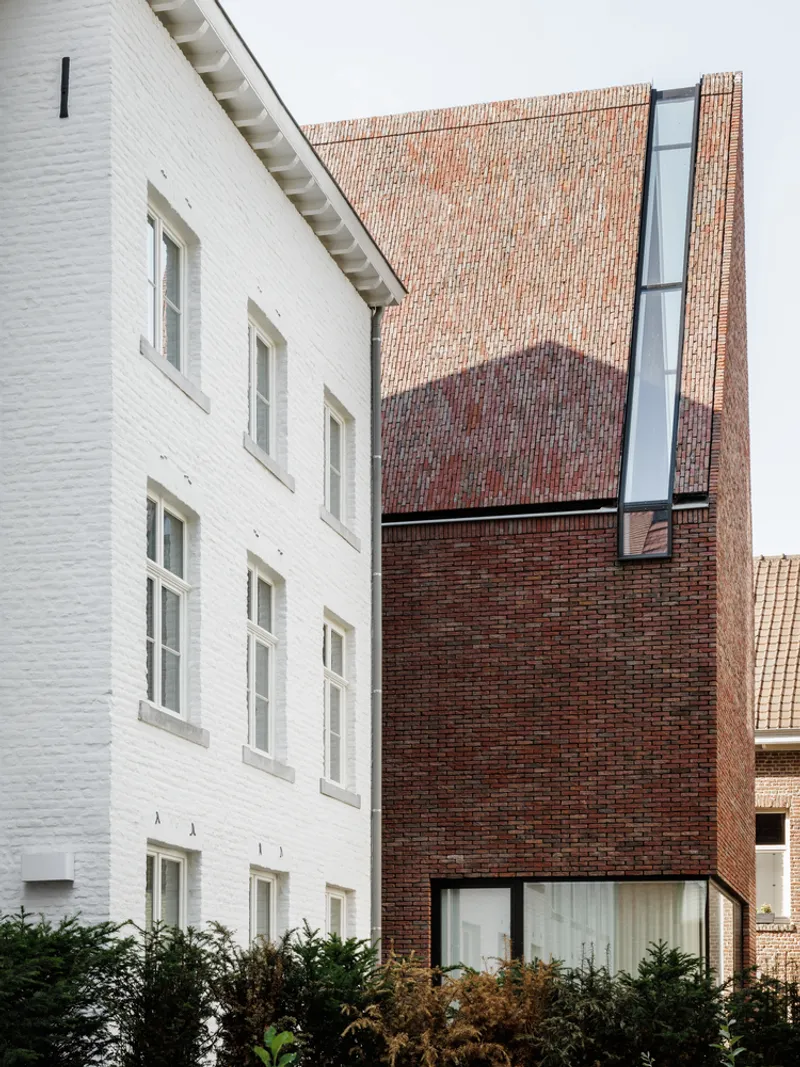
A crucial addition to the convent was the construction of a new chapel. This structure, while modern in its functionality, respects the historic aesthetic of the area with its pointed gable roof and brick cladding, blending seamlessly with the city's traditional architecture.
Interior Design and Furnishings
Balancing Old and New
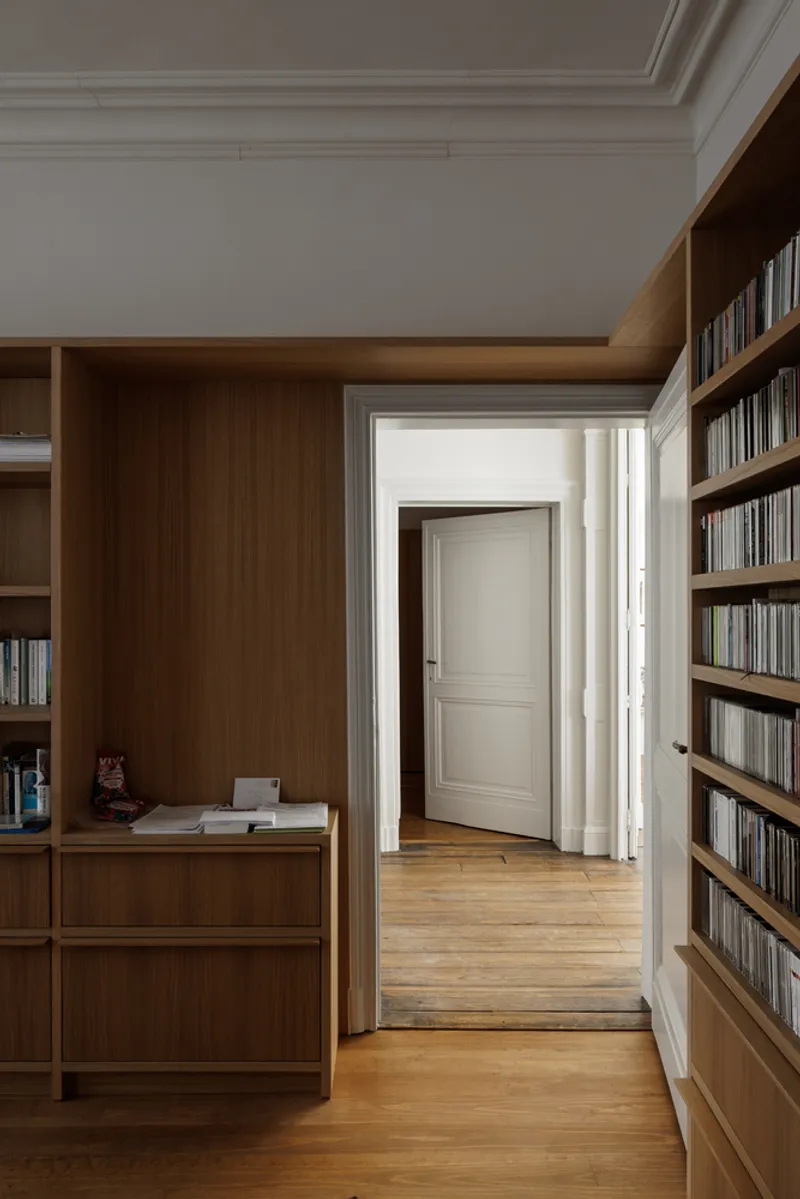
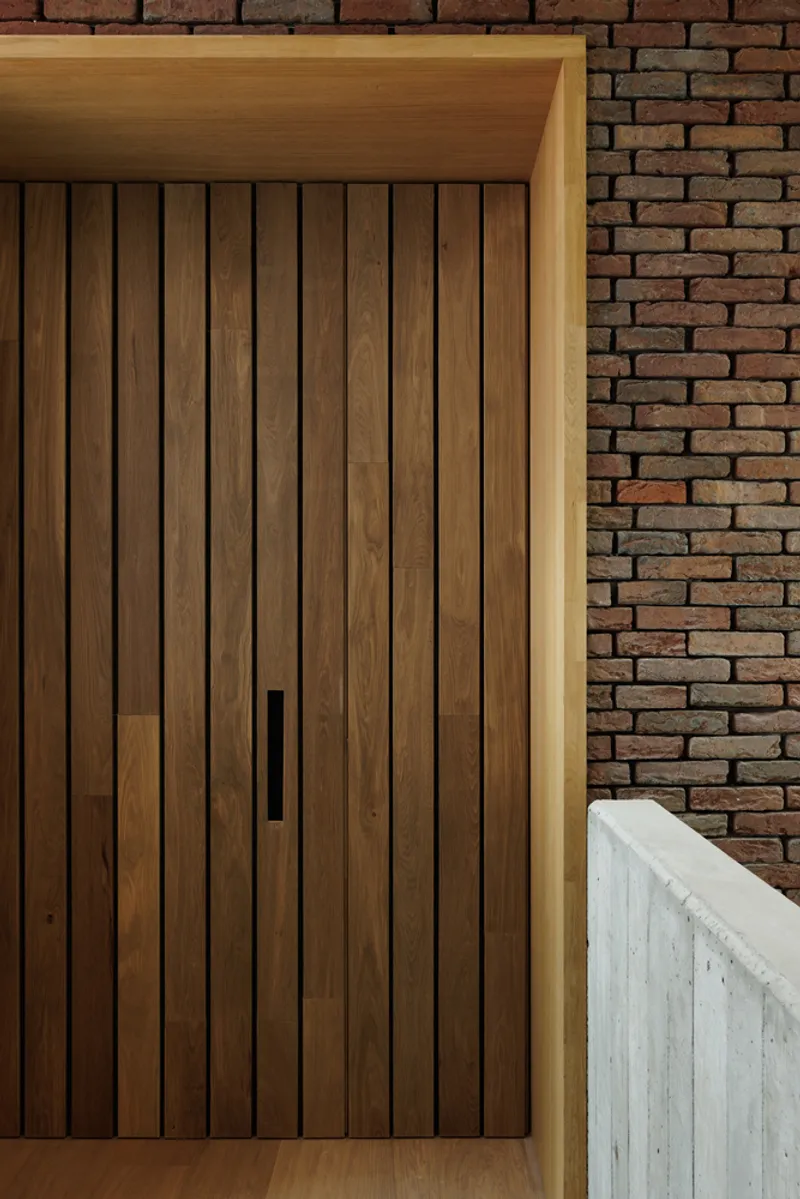
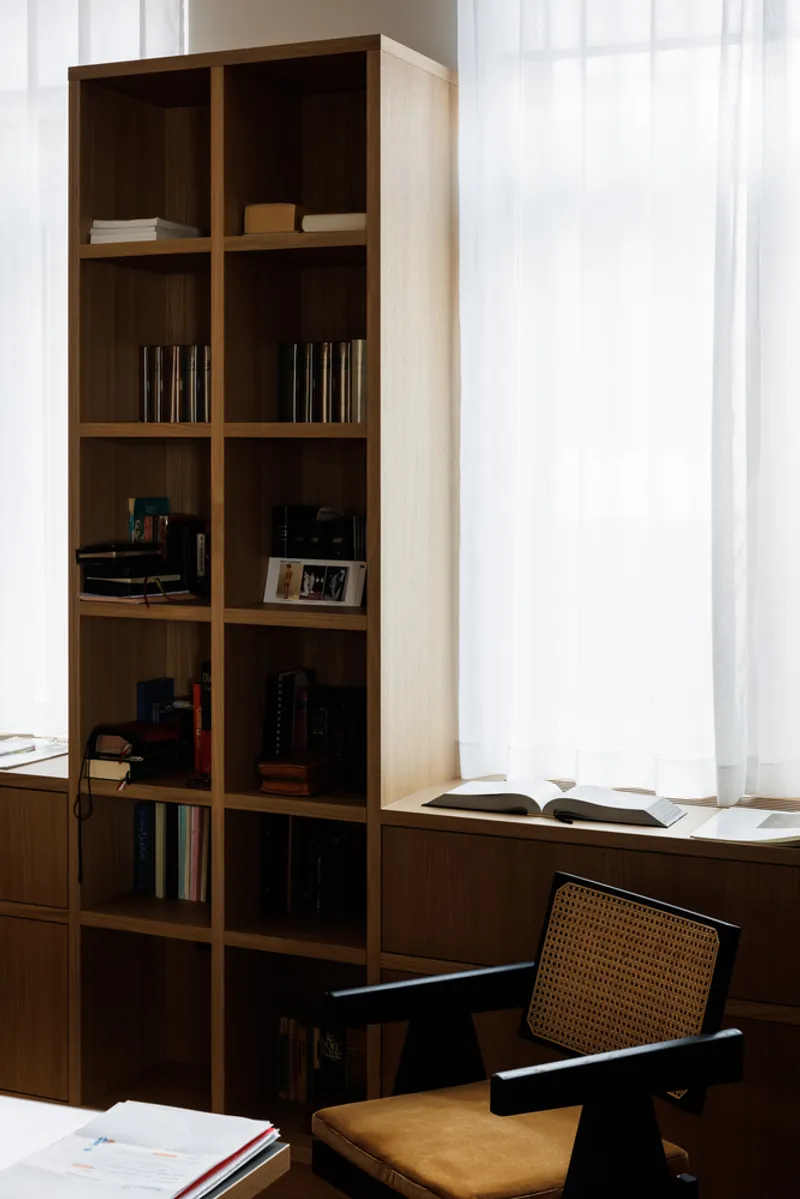
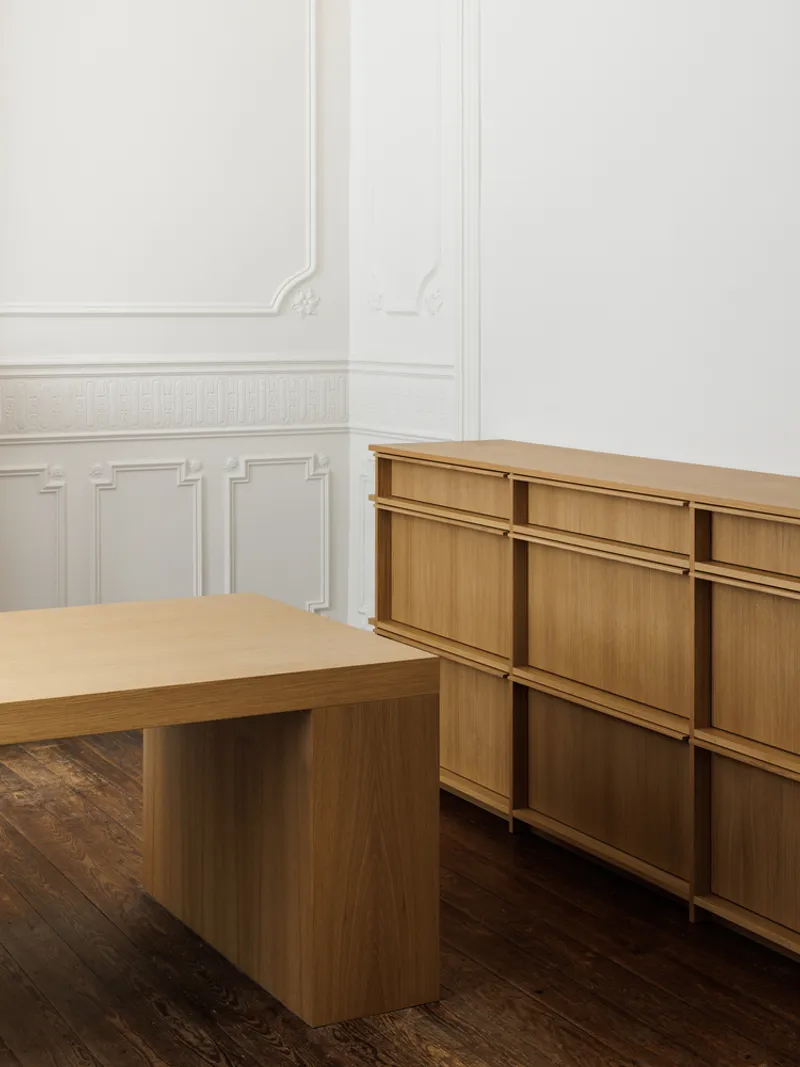
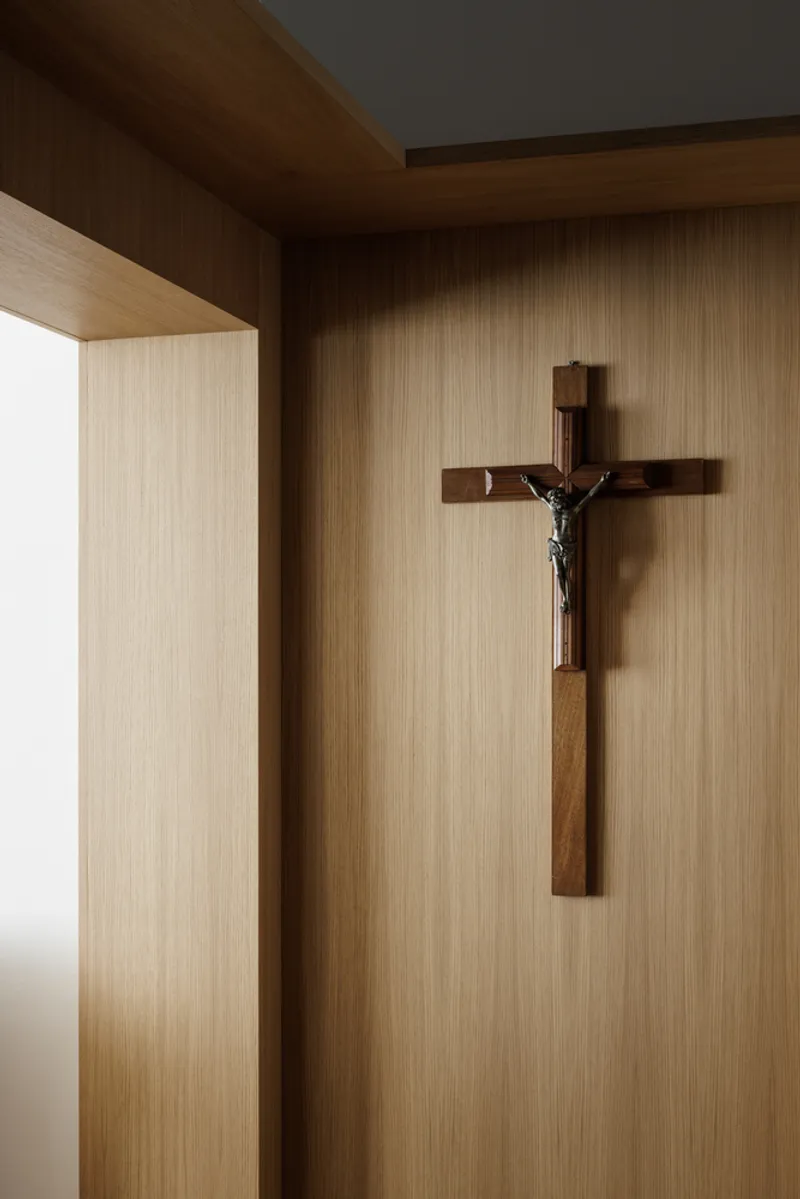
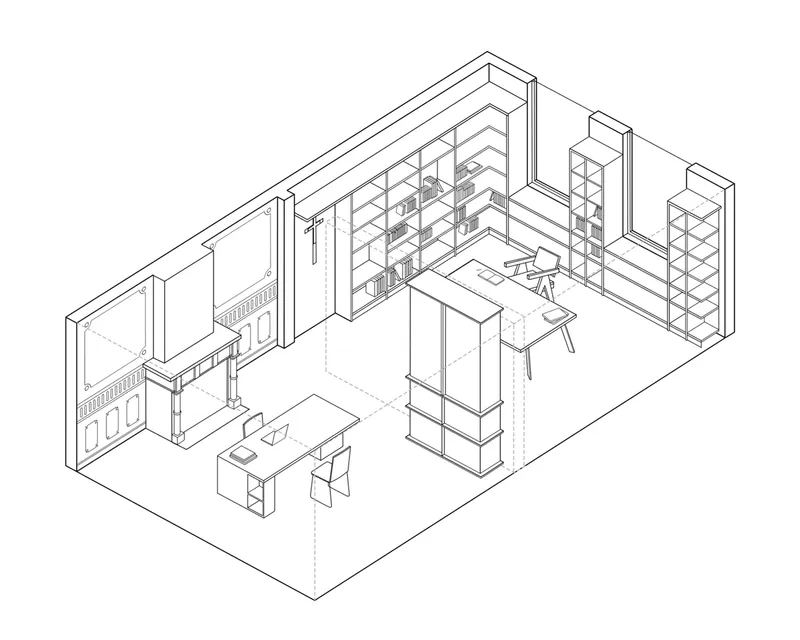
The interior design strategy was to create a harmonious balance between the preserved elements and new additions. Original oak doors were restored to expose their natural wood, and the historical furniture was refurbished and re-integrated into the setting. New office furniture and conference facilities were added, designed with a lighter, more subdued aesthetic to complement the historic interiors.
Enhancing Spatial Dynamics
The new layout not only respects the original architectural elements but also introduces modern amenities and spaces that ensure the building's functionality as a contemporary administrative and spiritual center. This includes the thoughtful placement of new office spaces and meeting rooms, equipped with modern technology yet finished in materials that echo the convent’s historical palette.
Impact and Significance
Cultural and Community Impact
The renovation of the Ursuline Convent has revitalized a significant historical site, allowing it to continue serving the community not just as a heritage landmark but also as a functional space for work and worship. This project exemplifies how architectural interventions can activate urban spaces while respecting and preserving their historical character.
Architectural and Environmental Considerations
The project demonstrates a commitment to sustainable architectural practices, using locally sourced materials and integrating energy-efficient solutions to minimize the environmental impact of the renovation.
A Model for Future Projects
The Ursuline Convent renovation stands as a benchmark for historic convent renovation in Belgium, offering valuable insights into the complexities and rewards of integrating the old with the new in architecture. It showcases the potential of historical sites to adapt to modern needs while preserving their unique heritage, serving as an inspiring model for similar projects worldwide.
All photographs are work of Evenbeeld


Popular Articles
Popular articles from the community


Juan García Correa, John González and Claudia Rueda Sink a Circular Amphitheater into a Manizales Engineering Building
On the La Nubia campus in Manizales, Colombia, the S1 Building folds labs and offices into a hillside of ramped lawns that double as a campus route.

Architekt Andreas Gruber Scatters 23 Dark Timber Chalets Across a South Tyrolean Forest Edge
In Molini di Tures, Amonti Chalets breaks a resort into a hamlet of gabled timber houses, with parking, storage and services pushed into the slope.

David Ortega Stacks a Two-Story Mexico City Penthouse Around a Steel Stair and a Pergola-Shaded Roof Terrace
In Colonia Roma, a 300 m² penthouse uses oak joinery, a planted steel stair and a slatted roof pergola to make a new-build apartment feel like a house.

Cube Design Draws an Ecological Corridor Between Two Shenzhen Hills with the Nankai Building
Beside Shenzhen's container docks, the Nankai Building pairs stacked balconies with a climbing green screen to connect two hillsides across its height.

Similar Reads
You might also enjoy these articles


Hodi-Mandai Geram
Project Function: Preservation and revitalization of the Intangible heritage and socio-spatial identity of the Hodi by Housing, Cultural Memory Center, Sacred Grove, landscape, local tourism economy


Olio Towers: A Mid-Rise for Performers That Fuses Housing, Rehearsal, and Stage
Located blocks from Houston's Theater District, this modular tower stacks living units around a central performance atrium.

Oasis: Modular Green Housing Carved into Dhaka's Urban Fabric
A shortlisted Plugin Housing entry reclaims unauthorized settlements in Dhaka with stepped concrete volumes, green roofs, and ventilation-driven design.

Black Hole: A Floating Megastructure for the Post-Physical Era
Emiliano Mazzarotto envisions a spherical, self-scaling arena where e-sports, digital hotels, and holographic stadiums replace traditional public space.

Explore Architecture Competitions
Discover active competitions in this discipline

Challenge to reimagine the Iron Throne

Photograph architecture without architects

Illustrate the lost glory of Angkor Wat - Render Challenge

Design challenge to reuse E-waste
Comments (0)
Please login or sign up to add comments
No comments yet. Be the first to comment!