
House of Harvest by Frayn Studio: Adaptive Reuse Architecture for Regenerative Food Systems
Frayn Studio transforms a former slaughterhouse into a sustainable food hub through adaptive reuse architecture and regenerative design strategies.


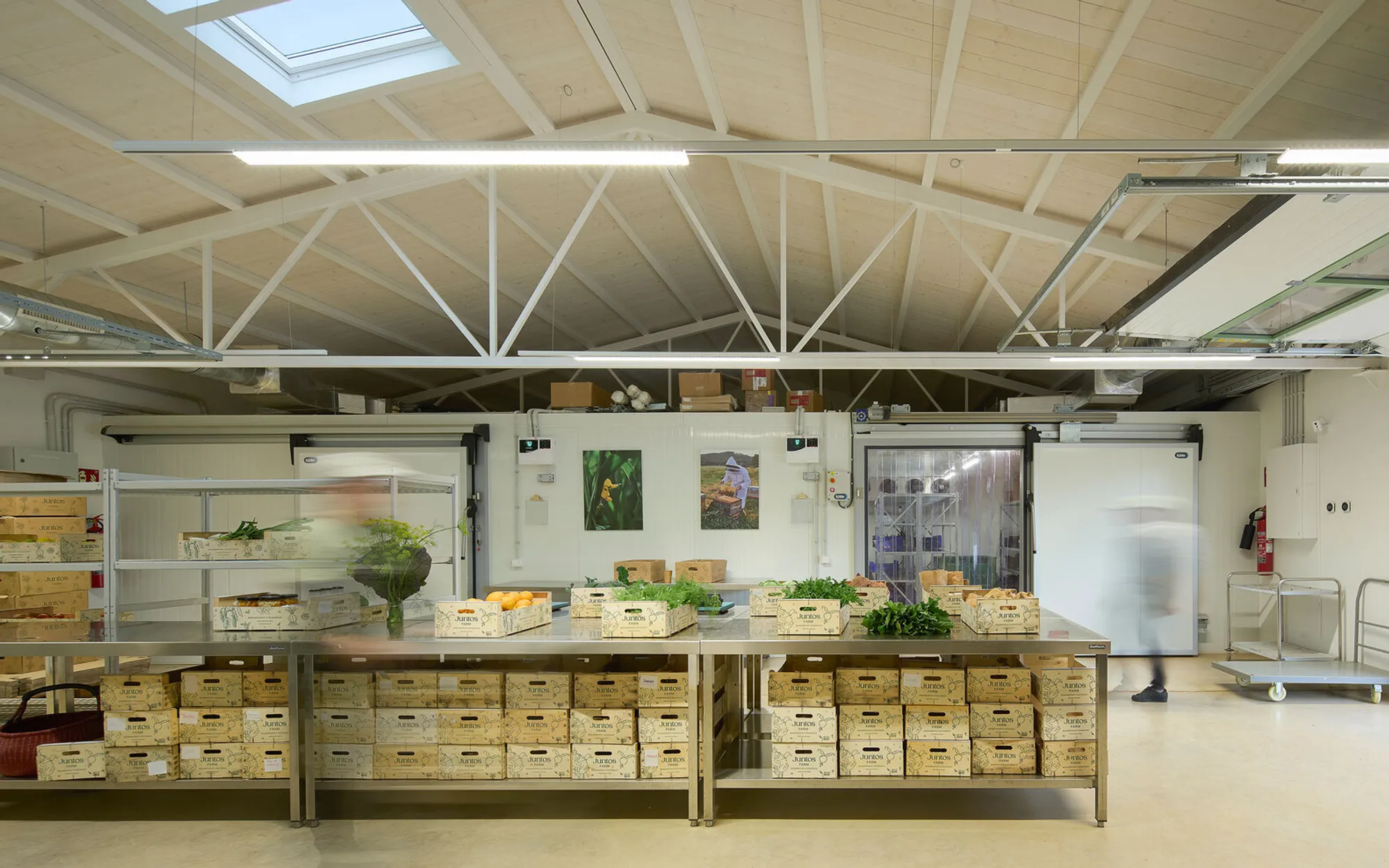
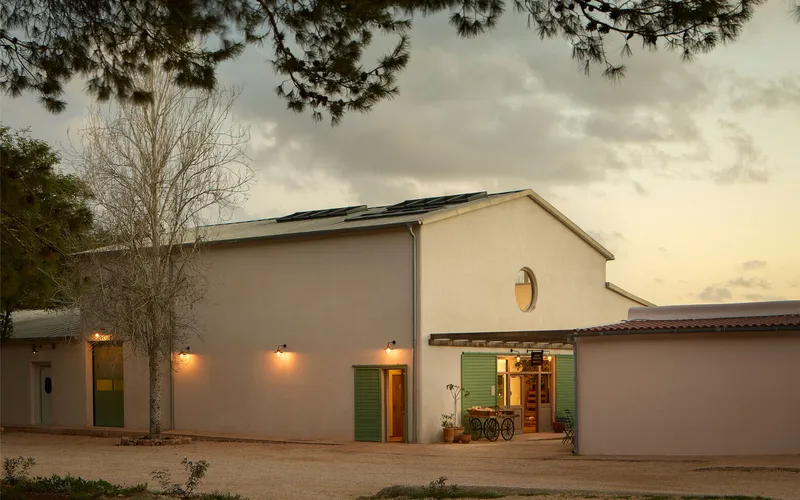
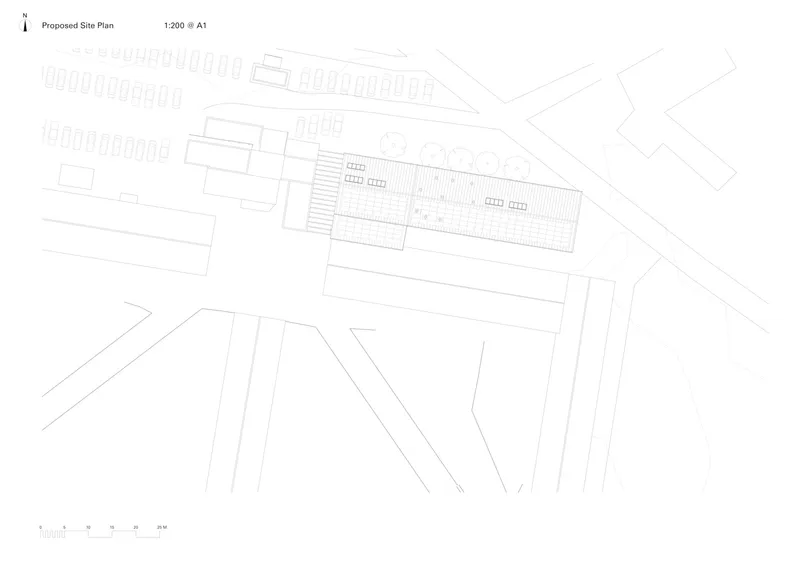
The House of Harvest, designed by Frayn Studio, exemplifies a visionary model of adaptive reuse architecture that reshapes how communities interact with food. Situated in Santa Gertrudis de Fruitera, Spain, the project transforms a former cattle slaughterhouse into a 615 m² hub for sustainable, community-based agriculture. It integrates food cultivation, processing, distribution, and public engagement into one holistic ecosystem that is as regenerative as it is architectural.
Transforming the Past for a Sustainable Future
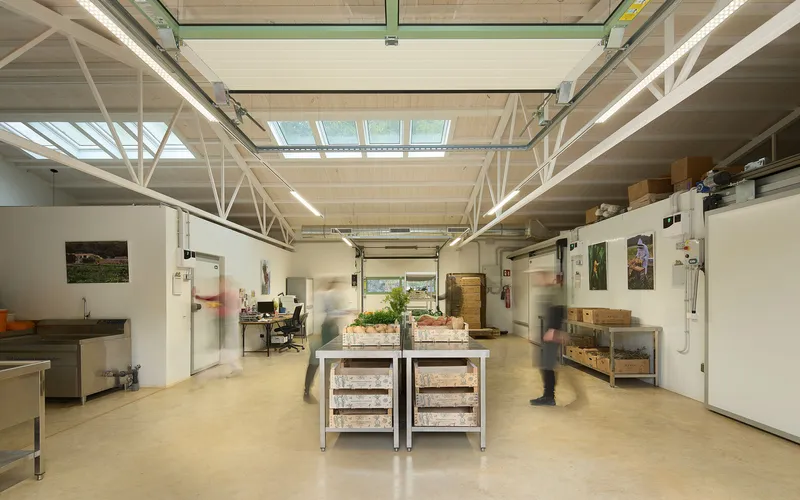
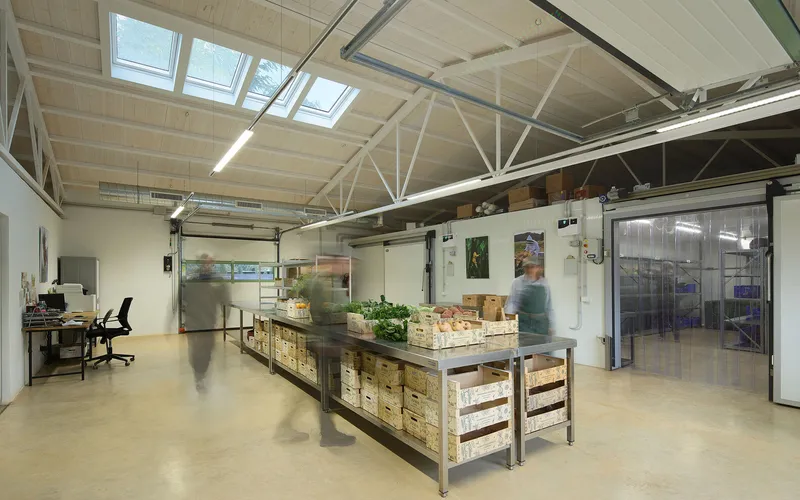
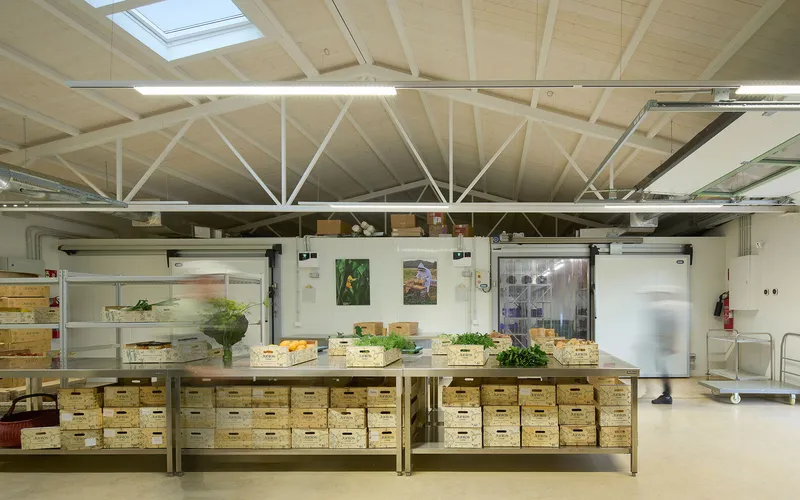
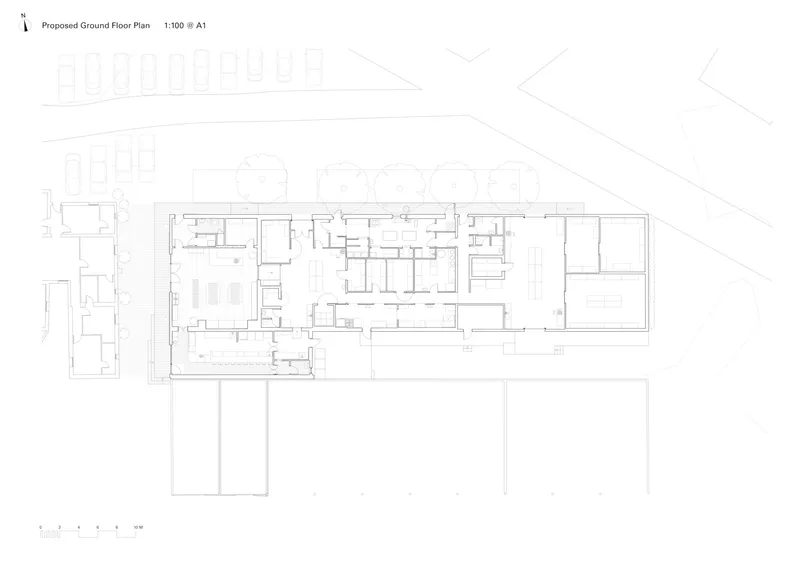
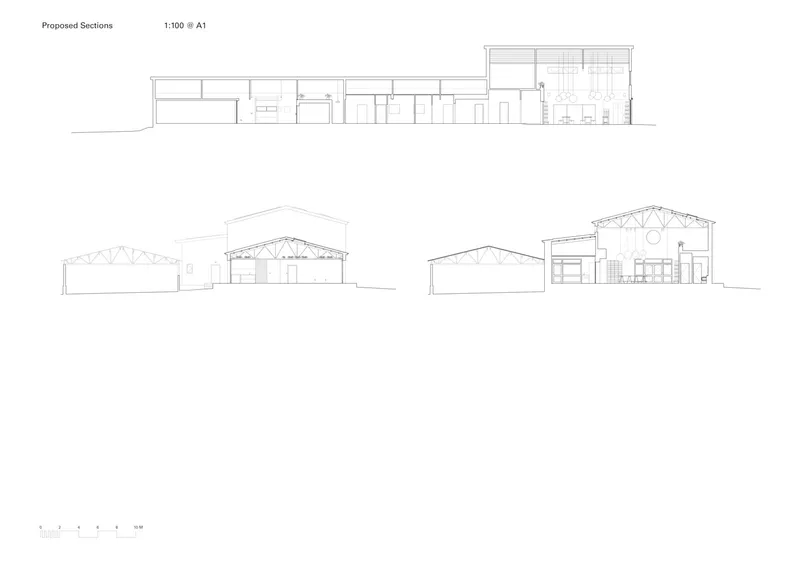
At the heart of the project lies a commitment to reimagining defunct agricultural infrastructure. Rather than demolishing the old slaughterhouse, Frayn Studio retained its original footprint and revived its form through purposeful design. The space has been reconfigured into a functional sequence that mimics a living metabolism—where freshly harvested produce enters, is transformed, and then flows toward distribution or public experience.
This narrative of transformation aligns seamlessly with the building’s new identity: no longer a site of extraction and waste, but one of nourishment and circularity. It supports a localized food system across the Balearic Islands and provides a physical and symbolic space for community interaction around food.
Spatial Organization and Public Engagement
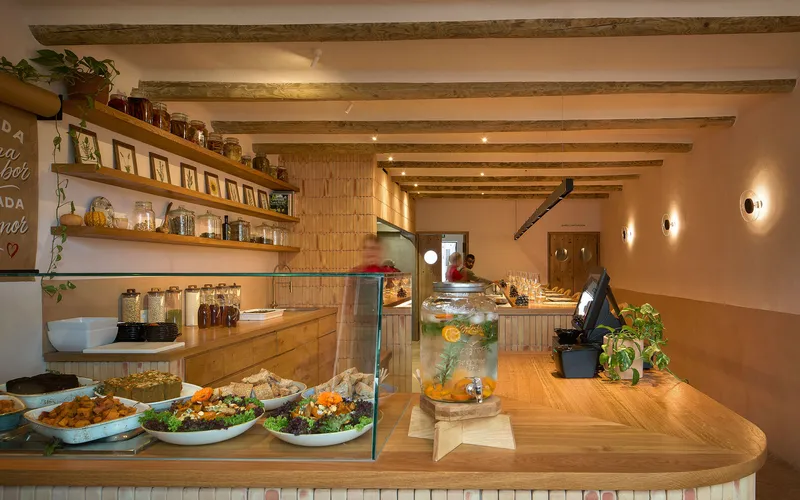
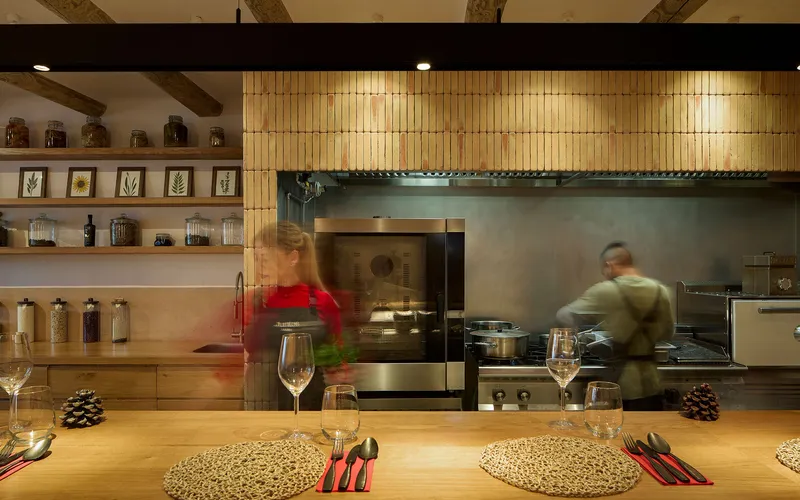
The building’s functions are carefully distributed across interconnected spaces. Private areas such as the Food Distribution and Transformation Kitchens are designated for commercial use, while public zones—including a Farm Shop and Tasting Room—invite visitors to engage with local produce and culinary culture.
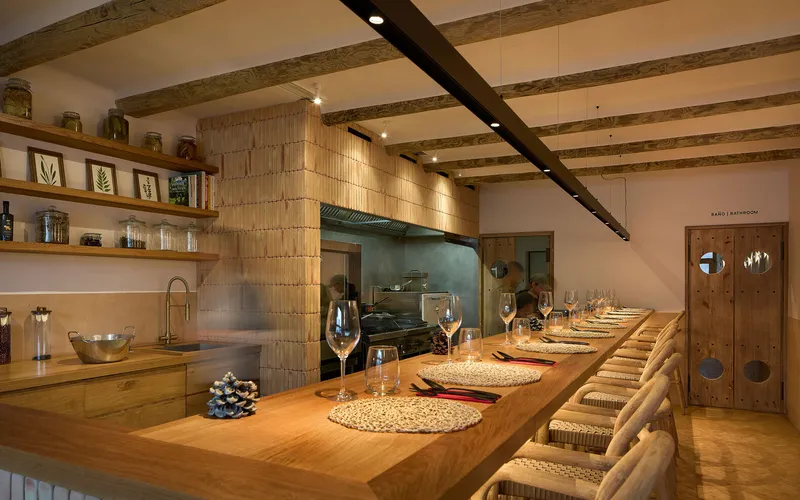
A central courtyard, carved into the site, acts as both a spatial organizer and a social catalyst. Filled with native planting and public seating, it bridges the programmatic elements and allows users to participate in the food cycle as spectators, shoppers, and diners.
Architectural Materiality Rooted in Nature
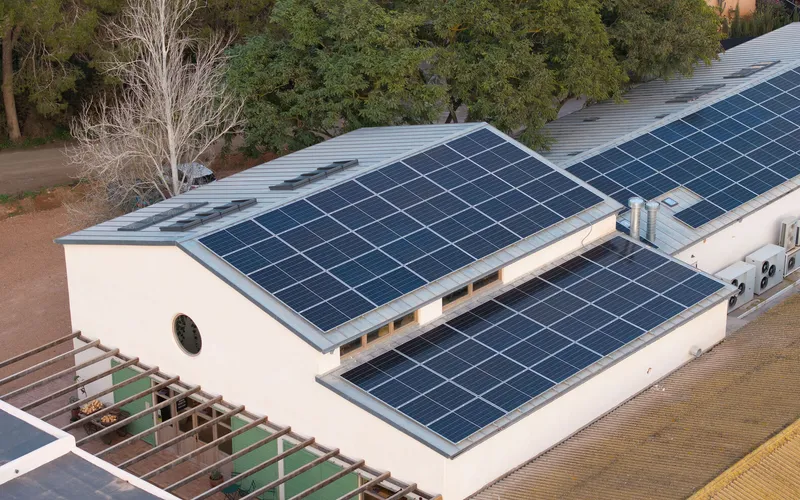
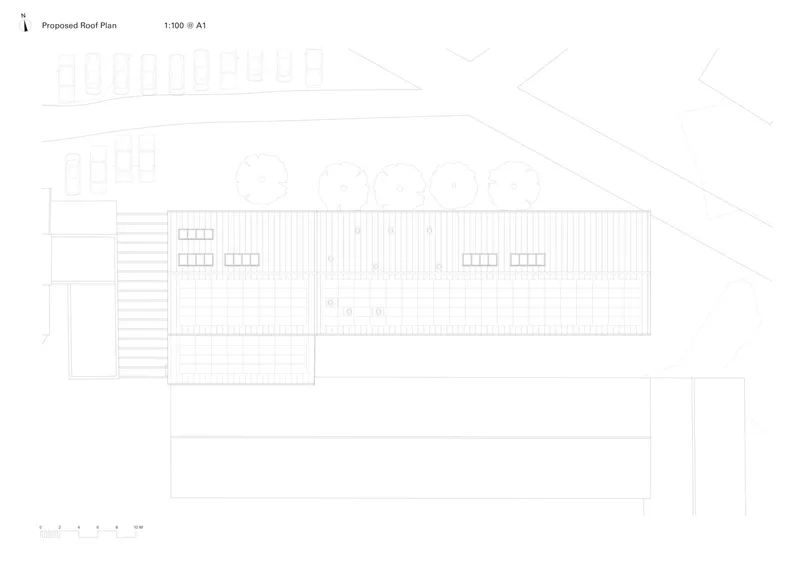
Frayn Studio’s material choices are deeply intertwined with the ethos of regenerative design. The building is enveloped in Diathonite Evolution, a natural insulating composite made of lime, cork, and clay, which enhances thermal performance while remaining breathable and low-impact. The roof structure, made from compressed wood fibre panels and clad in standing-seam zinc, is engineered to last while integrating energy and water harvesting systems.
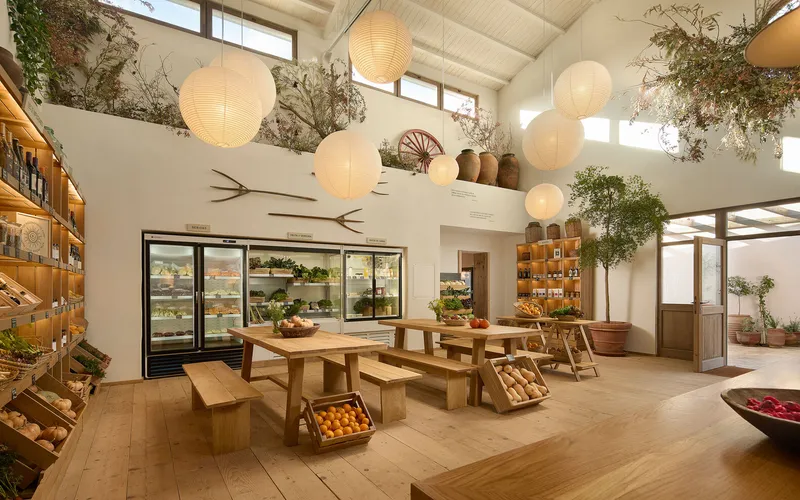
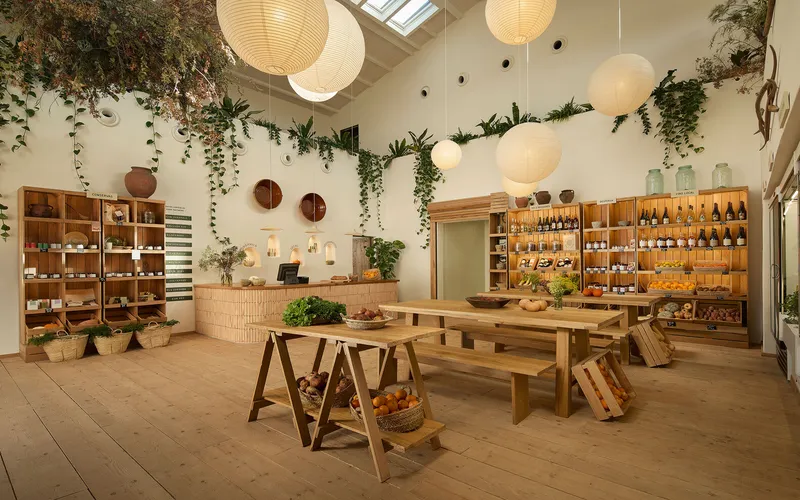
This thoughtful material palette reinforces the building’s agricultural identity and sustainability goals. The natural tones and textures echo the land it serves and ground the architecture in a regional sensibility that is both practical and poetic.
Energy Independence and Water Regeneration
The House of Harvest exemplifies self-sufficiency through its climate-responsive strategies. Over 100 solar panels are mounted on its south-facing roof, generating up to 70 kWh—enough to power the building year-round and feed surplus energy back into the grid. Skylights on the north-facing roof ensure ample natural illumination, reducing daytime reliance on artificial lighting.
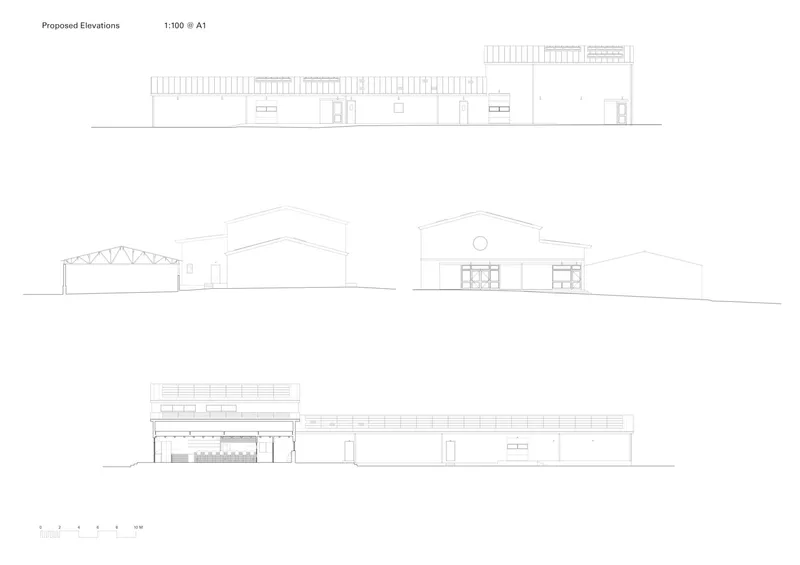
Rainwater is also harvested via the roof and stored underground, then redirected to nourish the adjacent farm. In this way, the building not only sustains itself but also contributes actively to the growth of the crops that fuel its operations—creating a self-reinforcing cycle between architecture and agriculture.
A Blueprint for Agricultural Transformation
More than a functional food facility, the House of Harvest is a prototype for wider change. As part of Juntos Farm, it sets a precedent for how outdated industrial buildings can be repurposed to support local, regenerative food systems. It offers a physical blueprint and an ideological manifesto—a place where community, ecology, and design converge.
By turning a symbol of the past into a vehicle for future resilience, Frayn Studio has shown that adaptive reuse architecture can play a powerful role in the global movement toward sustainability and food sovereignty.




Popular Articles
Popular articles from the community


The Musturak Paradise: Senior Living Architecture for a Connected Future in Temara, Morocco
The Musturak Paradise reimagines senior living architecture in Temara via private homes, social spaces, culture, community, and shared care.

Lunar Spiral: Space Architecture Shaped by the Mathematics of the Universe
Lunar Spiral reimagines space architecture through Fibonacci geometry, lunar regolith, levitating habitats, and self-sustaining Moon living.

The Ocean Hive: Sustainable Architecture for a Self-Sufficient Civilization at Sea
The Ocean Hive imagines sustainable architecture at sea, where modular habitats, algae, wave power and ocean waste sustain a growing colony.

Hill & Cross Opera: Sculptural Opera House Architecture Shaped by Tallinn’s Landscape and Identity
Hill & Cross Opera reimagines opera house architecture in Tallinn through its sculptural hill, civic plaza, glass wave and a luminous cross.


Similar Reads
You might also enjoy these articles


FAMM Arquitectura Organizes Ten Villas Around Courtyards and Jungle in Nosara, Costa Rica
El Molino pairs two elongated volumes with deep overhangs and timber louvers to build a compact coastal community five minutes from the beach.

Oscar Niemeyer's Ibirapuera Park Pavilions Define São Paulo's Cultural Identity in Concrete and Curve
A constellation of modernist volumes set within São Paulo's most important urban park, conceived for the city's 400th anniversary in 1954.
How Henri Picq's 1889 Paris Pavilion Traveled 11,000 Kilometers to Become Santiago's Artequín Museum
A prefabricated iron and glass pavilion built for the Paris Universal Exposition found a second life as a children's art museum in Chile.

Sanjay Puri Architects Wraps a Jaipur Office Tower in Capsule-Shaped Green Buffers
A nine-level climate-responsive workplace near Jaipur Airport uses stacked planter terraces and aluminium screens to fight 40°C heat.


Explore Food Generation Hub Competitions
Discover active competitions in this discipline



Challenge to reimagine the Iron Throne


Photograph architecture without architects


Illustrate the lost glory of Angkor Wat - Render Challenge


Design challenge to reuse E-waste
Comments (0)
Please login or sign up to add comments
No comments yet. Be the first to comment!