

House of Knowledge: A Living Cultural Hub Integrating Learning, Community, and Ecology
Community library and tea house integrating landscape, learning, and ecology, creating a participatory cultural hub that connects people, knowledge, and environment.


Located within Yangshan Park in Xinyang, China, the House of Knowledge by Christoph Hesse Architects is conceived as a dynamic cultural and ecological framework that redefines the role of community architecture in rapidly urbanizing contexts. As part of the broader 20 Bookhouses Initiative, the project aims to enrich public life by creating spaces where education, interaction, and environmental awareness converge.
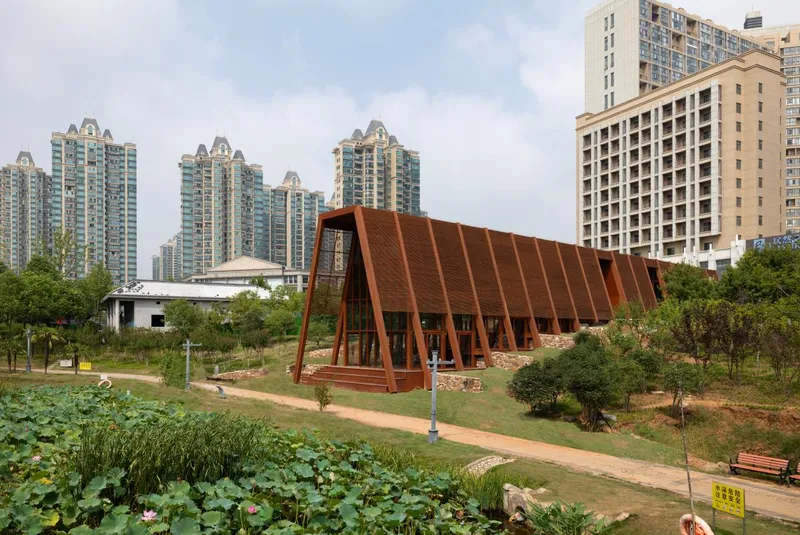
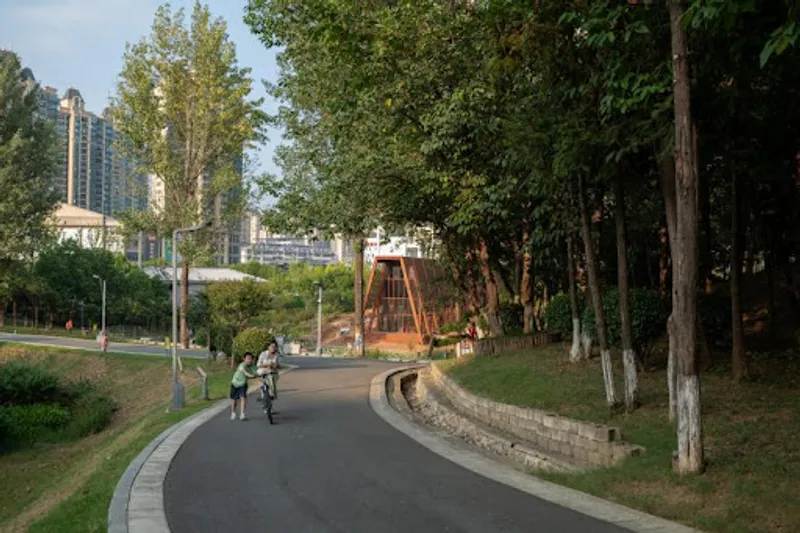
The project consists of two complementary buildings, a community library with an exhibition hall and a tea house, carefully positioned within a biodiverse landscape punctuated by three small lakes. Together, these elements form a cohesive cultural hub that seamlessly integrates architecture with its natural surroundings. Rather than functioning as isolated objects, the buildings are interconnected through visual axes, pathways, and open spaces that encourage movement and exploration.
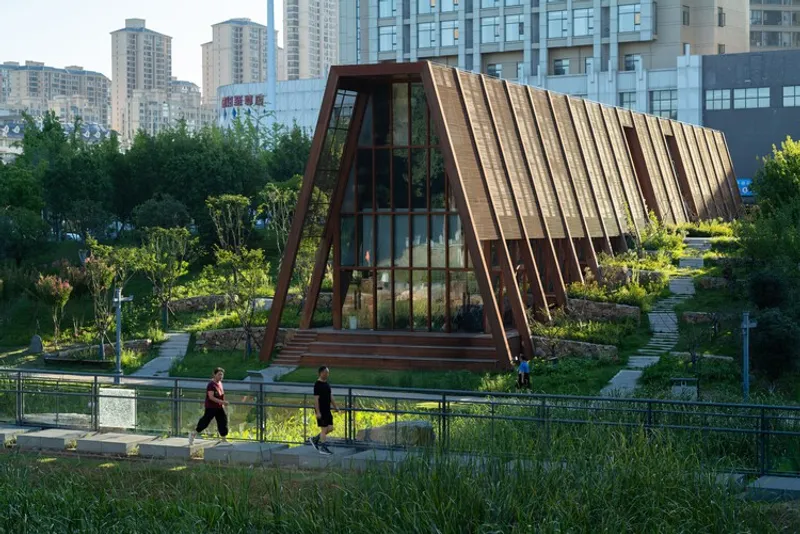
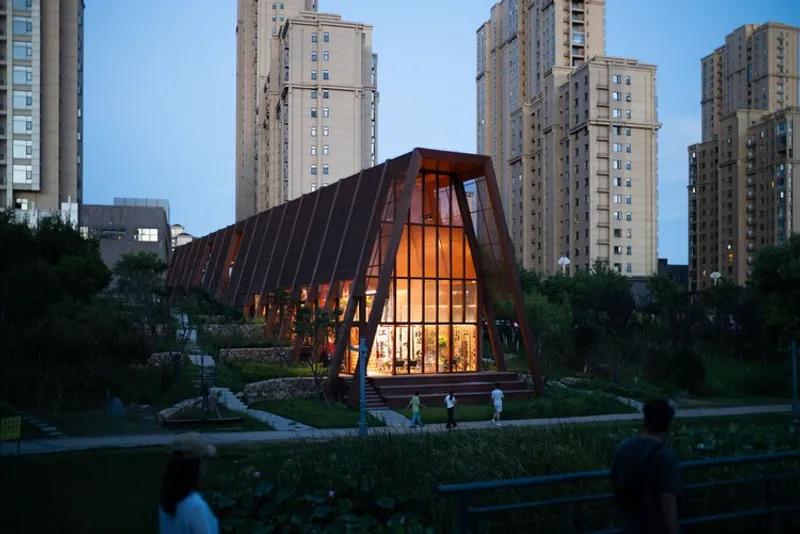
At its core, the House of Knowledge is designed as an open and inclusive platform. The library serves as a space for reading, learning, workshops, and exhibitions, while the tea house provides a more informal setting for social interaction and exchange. This duality supports a wide range of activities, accommodating users of all ages and backgrounds. The architecture promotes participation rather than passive use, inviting visitors to engage actively with both the spaces and the community.
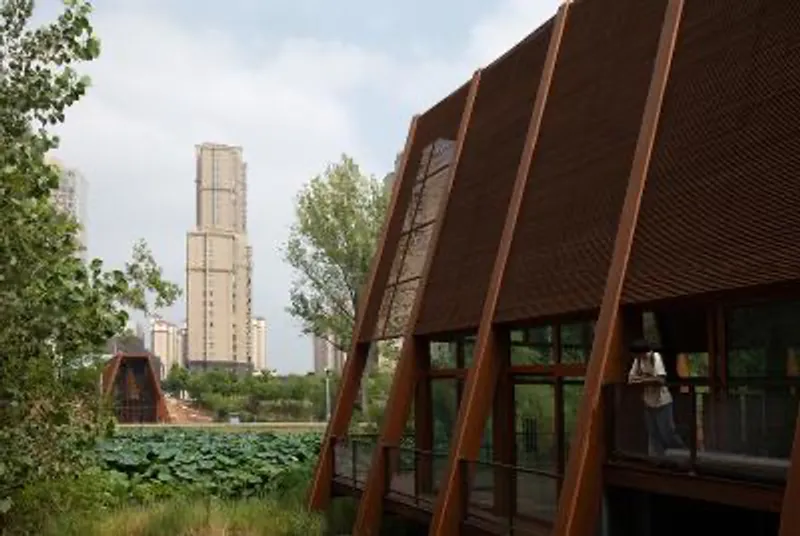
Spatially, the design emphasizes openness and fluidity. Generous openings, high ceilings, and transparent connections dissolve the boundaries between interior and exterior, allowing the park landscape to become an extension of the built environment. Movement between the two buildings is not linear but experiential, shaped by multiple pathways that weave through water, vegetation, and public spaces.
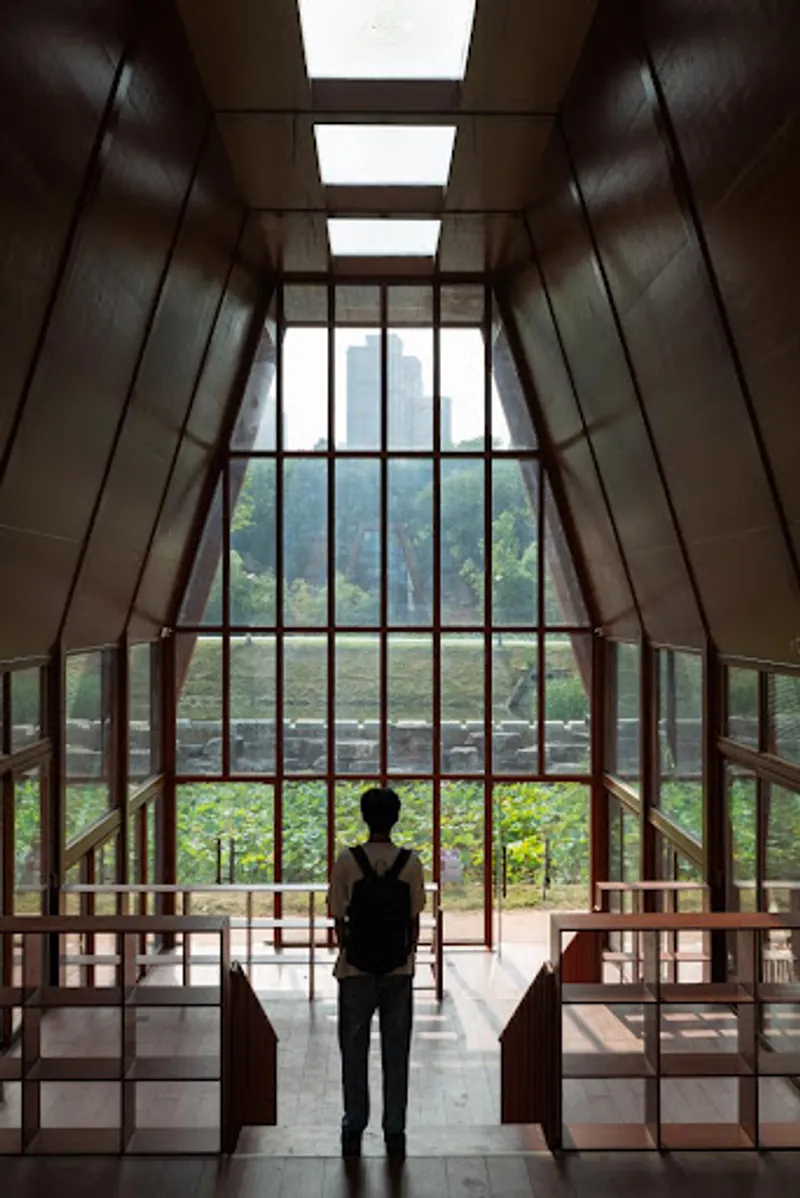
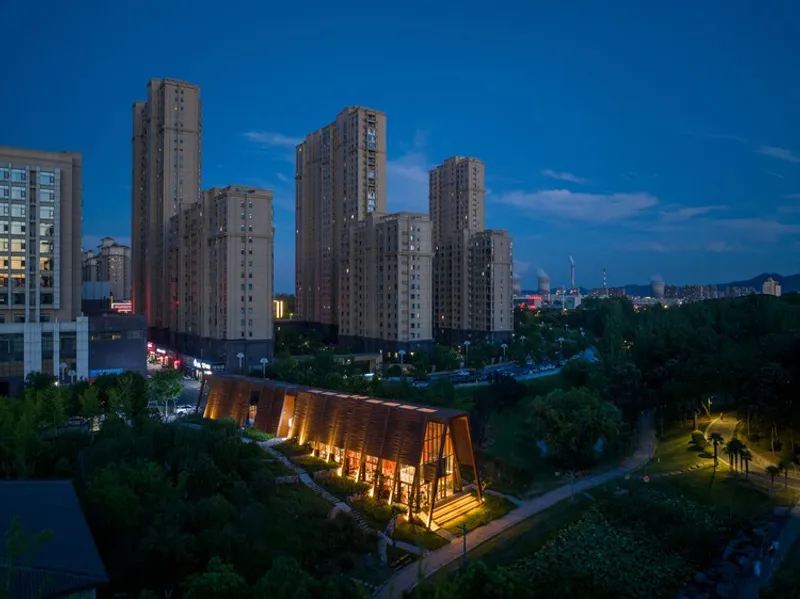
The project is driven by a broader ambition: to realign the social and ecological dimensions of contemporary urban life. In response to growing disconnection between people and their environment, the House of Knowledge proposes a model where architecture becomes a mediator between these two realms. It fosters social interaction while simultaneously promoting environmental awareness and responsibility.
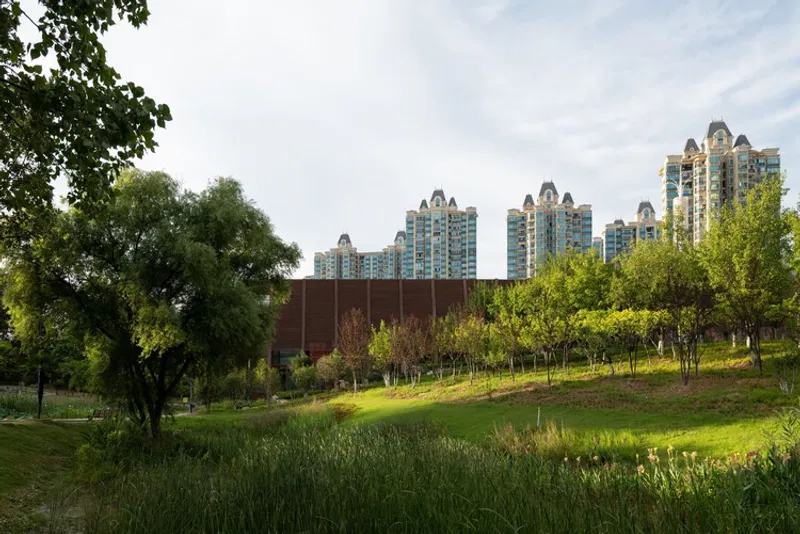
The surrounding landscape plays a central role in this vision. Designed as a “living classroom,” the park incorporates community gardens, ponds, and native plantings organized according to principles of permaculture. These elements are not merely decorative but functional, offering opportunities for residents to engage with ecological processes, learn about biodiversity, and participate in cultivation practices. Over time, the landscape evolves alongside the community, reinforcing a sense of shared ownership and stewardship.
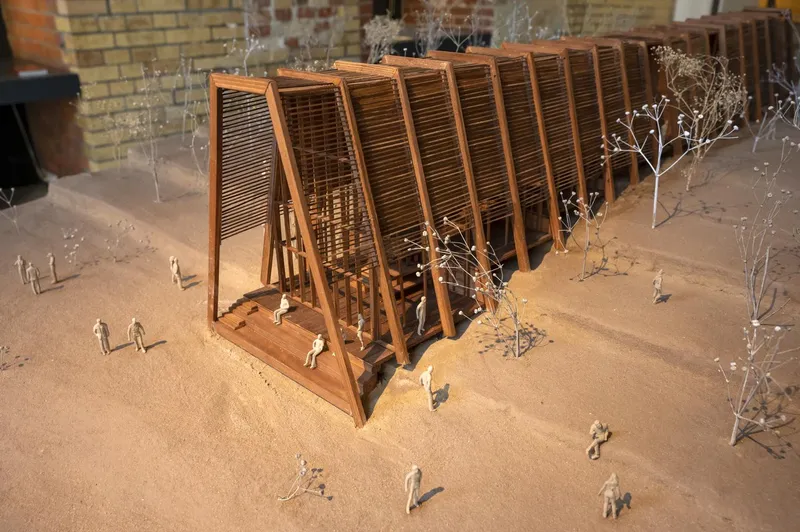
Materiality and construction further support the project’s ecological goals. The buildings are primarily constructed from natural materials such as wood, creating a warm and tactile environment that resonates with the surrounding landscape. Passive design strategies: including cross-ventilation, shading, and climate-responsive orientation, ensure comfort throughout the year while minimizing energy consumption. Additional systems for heating and cooling are powered by renewable energy sources, aligning the project with sustainable building practices.
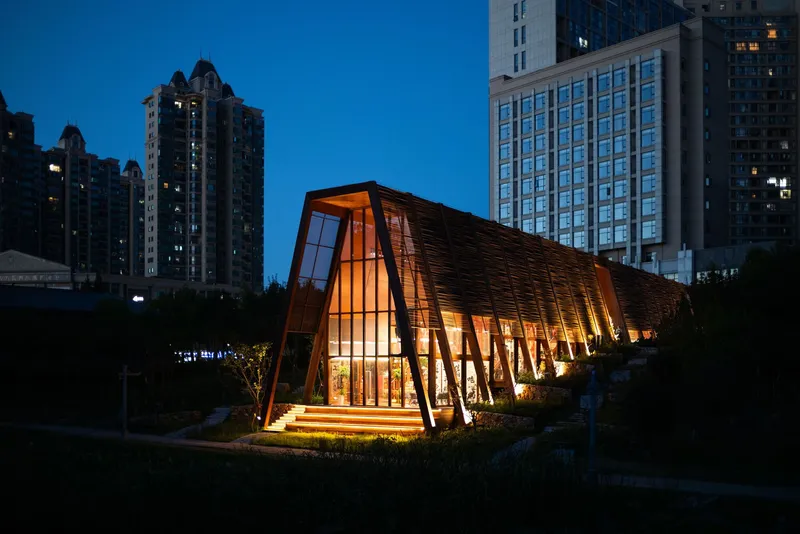
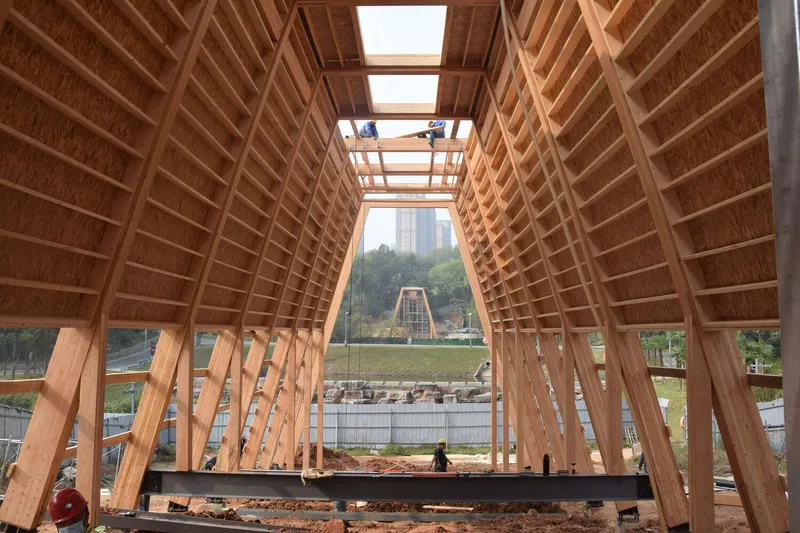
Importantly, the House of Knowledge is conceived as an evolving system rather than a finished product. Its spaces are designed to be activated gradually, allowing programs and activities to develop organically over time. This incremental approach reflects the project’s emphasis on participation, where both locals and visitors contribute to shaping the identity and function of the place.
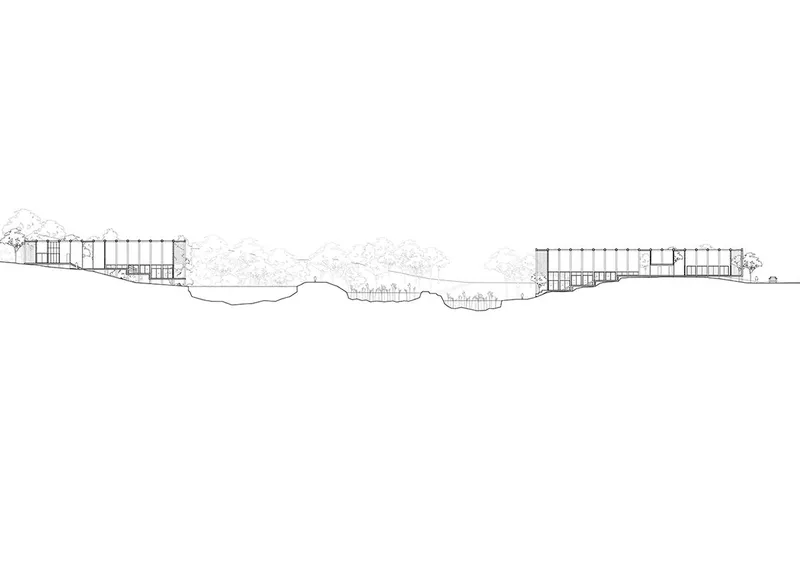
Ultimately, the House of Knowledge represents a new model for cultural infrastructure, one that extends beyond the traditional role of a library or exhibition space. It is a place where knowledge is not only accessed but co-created, where architecture supports both social cohesion and ecological awareness. By integrating learning, landscape, and community into a unified framework, the project offers a forward-looking vision of how cities can foster more resilient and connected ways of living.
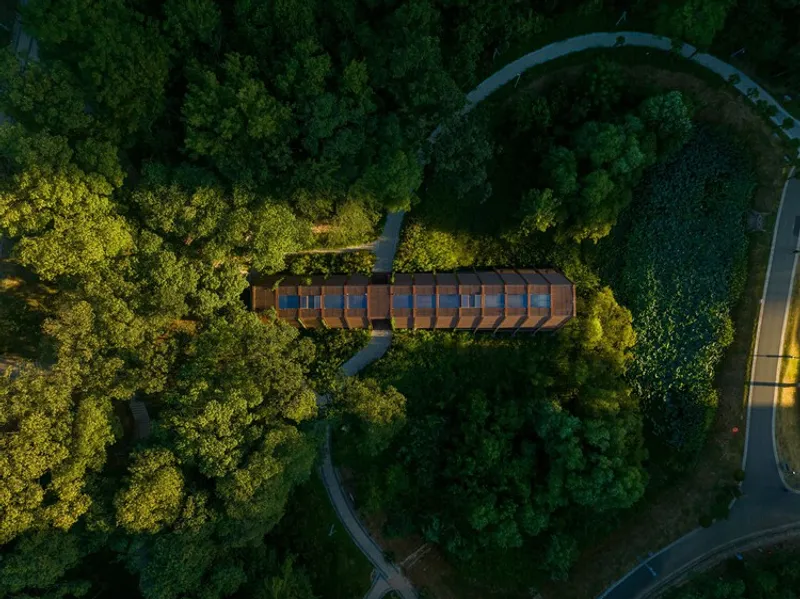
All the Photographs are works of Gabriel Dong, Bu Xiaojun




Popular Articles
Popular articles from the community

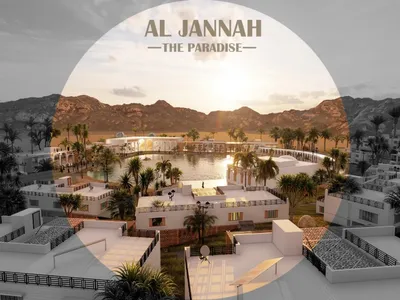
AL-JANNAH: Sustainable Architecture and Permaculture for Afghan Widows
AL-JANNAH uses sustainable architecture and permaculture to create resilient oasis of housing, learning, work and renewal for Afghan widows.

Riyadh For All: Intergenerational Urban Design for Active Aging in Rabat
Riyadh For All reimagines urban design in Rabat with intergenerational co-living, adaptive courtyards, and Moroccan cultural exchange today.

The Ocean Hive: Sustainable Architecture for a Self-Sufficient Civilization at Sea
The Ocean Hive imagines sustainable architecture at sea, where modular habitats, algae, wave power and ocean waste sustain a growing colony.

EW PARK: Sustainable Architecture Reimagines the Future of Urban Parking
EW PARK reimagines city parking as a modular wooden tower combining automation, solar energy, electric mobility, and adaptable urban design.


Similar Reads
You might also enjoy these articles

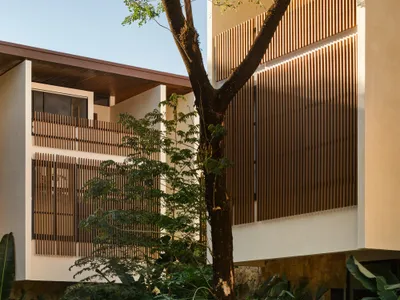
FAMM Arquitectura Organizes Ten Villas Around Courtyards and Jungle in Nosara, Costa Rica
El Molino pairs two elongated volumes with deep overhangs and timber louvers to build a compact coastal community five minutes from the beach.
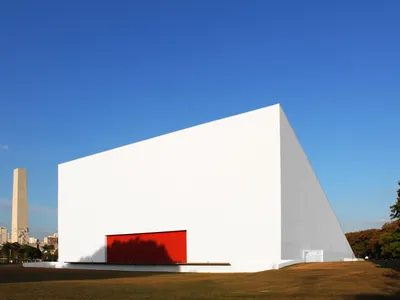
Oscar Niemeyer's Ibirapuera Park Pavilions Define São Paulo's Cultural Identity in Concrete and Curve
A constellation of modernist volumes set within São Paulo's most important urban park, conceived for the city's 400th anniversary in 1954.
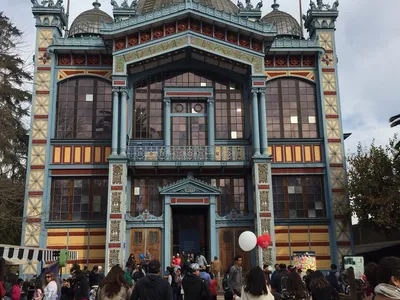
How Henri Picq's 1889 Paris Pavilion Traveled 11,000 Kilometers to Become Santiago's Artequín Museum
A prefabricated iron and glass pavilion built for the Paris Universal Exposition found a second life as a children's art museum in Chile.
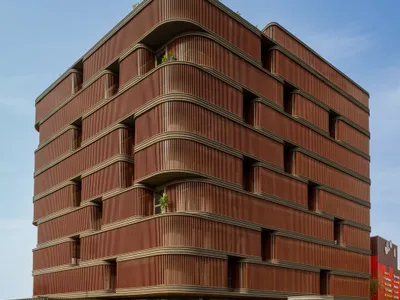
Sanjay Puri Architects Wraps a Jaipur Office Tower in Capsule-Shaped Green Buffers
A nine-level climate-responsive workplace near Jaipur Airport uses stacked planter terraces and aluminium screens to fight 40°C heat.


Explore Architecture Competitions
Discover active competitions in this discipline



Challenge to reimagine the Iron Throne


Photograph architecture without architects


Illustrate the lost glory of Angkor Wat - Render Challenge


Bring back Drive In's
Comments (0)
Please login or sign up to add comments
No comments yet. Be the first to comment!