
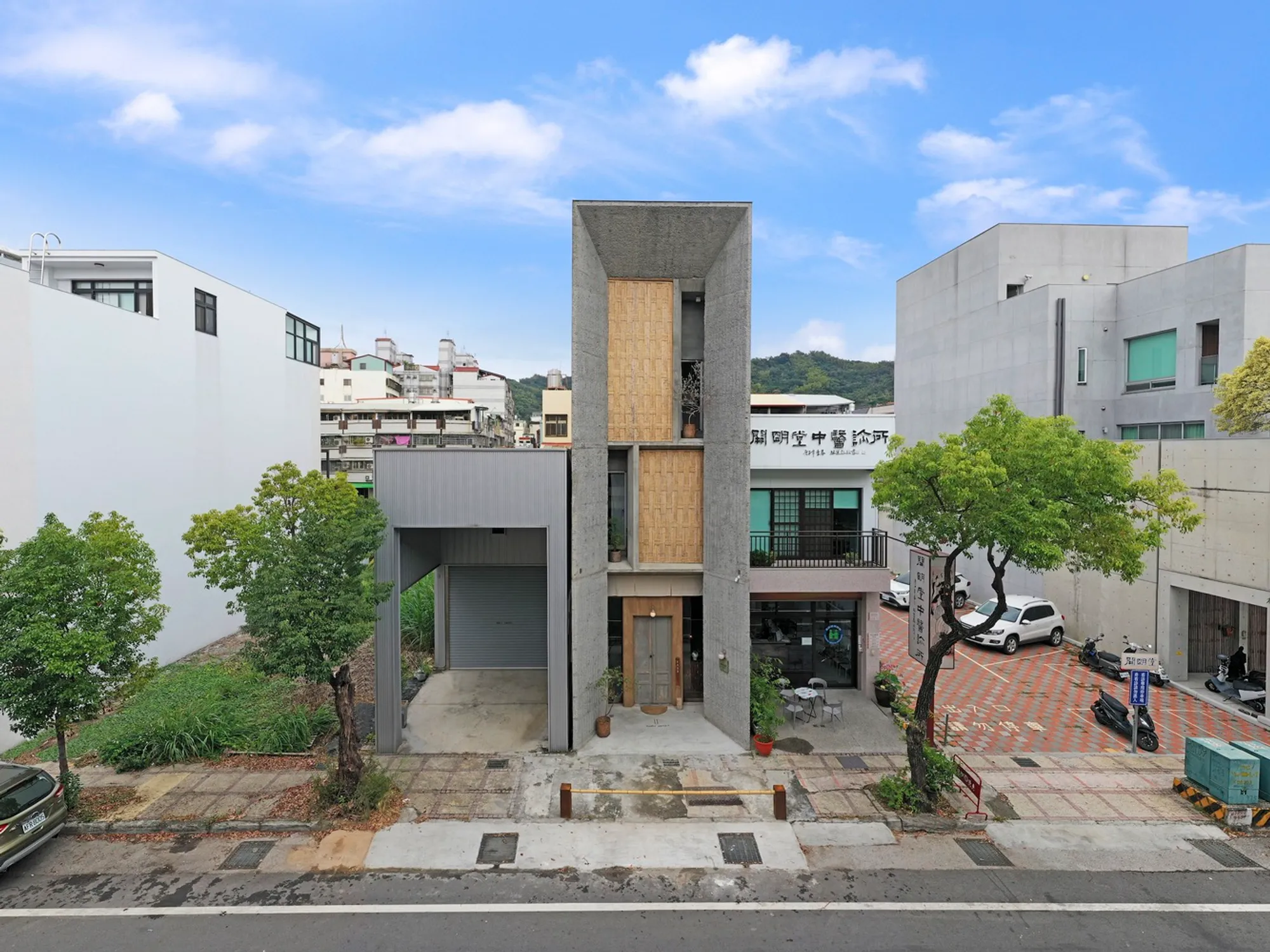
Hyaku Yama Cultural Pavilion in Taiwan: A Handcrafted Fusion of Art, Materiality, and Local Identity
Hyaku Yama blends handcrafted textures, local materials, and cultural symbolism, creating a unique Taiwanese exhibition space rooted in tradition and light.


Located in Caotun Township, Taiwan, Hyaku Yama is a small yet deeply expressive cultural architecture and restoration project designed by L&CS Studio and zhaobo.architectural design studio. Completed in 2018 with a compact footprint of just 60 square meters, this unique structure transforms a modest building into an immersive exhibition space for antiques and fine art, reflecting the vision of its artist owners. The project emphasizes tactile materiality, handcrafted aesthetics, and a strong connection to local culture, making it a compelling example of contemporary adaptive reuse and cultural architecture.
Concept and Meaning Behind Hyaku Yama
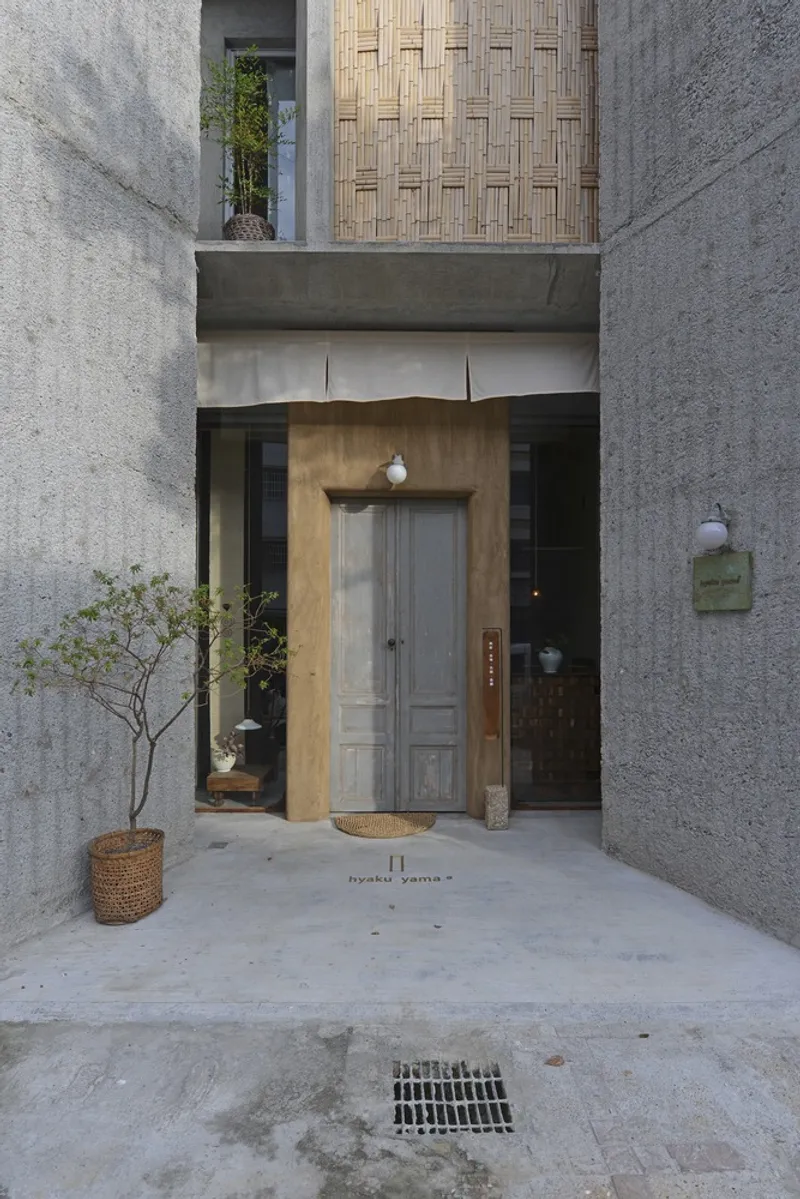
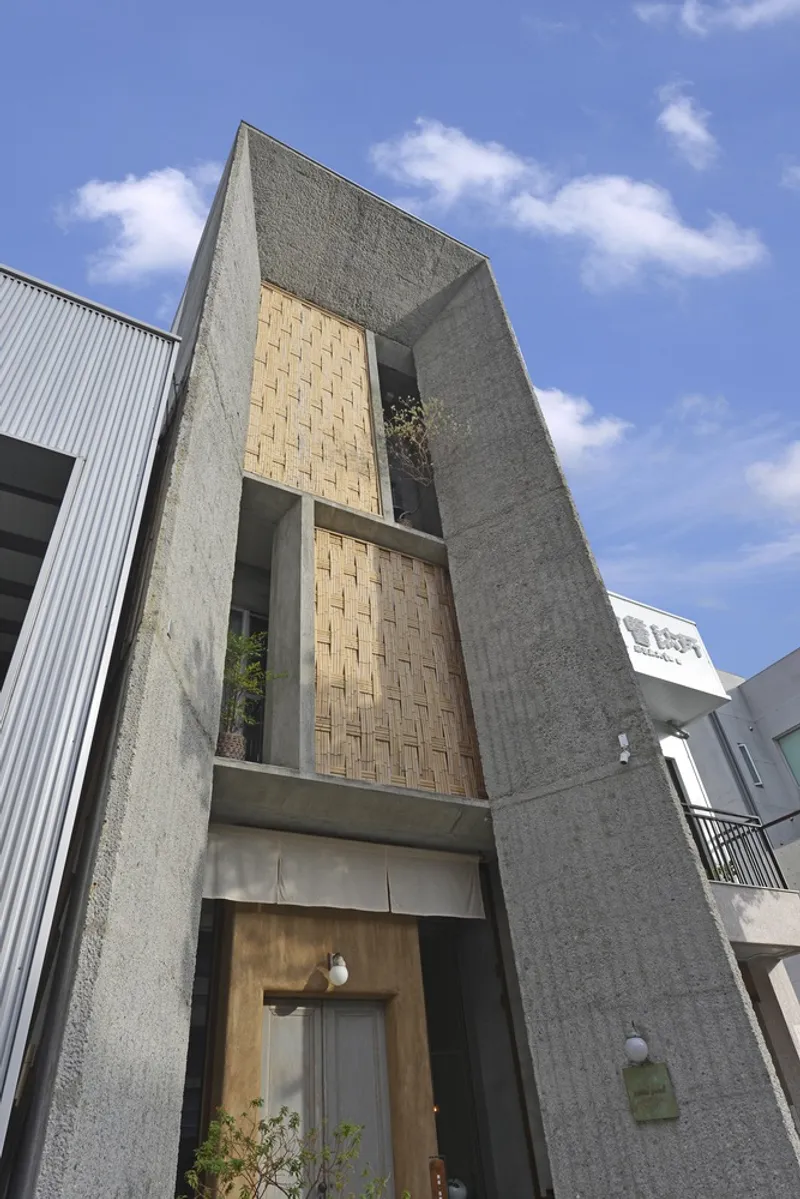
The name “Hyaku Yama,” derived from Japanese, translates to “Hundred Mountains.” This poetic title reflects both the diversity of objects displayed within the gallery and the symbolic reference to natural stone formations rising from the earth. The architectural language echoes this concept through a sculptural façade that resembles rugged mountainous textures. The exterior is defined by a hand-chiseled cement surface arranged in a distinctive “ㄇ”-shaped configuration, reinforcing the visual and conceptual identity tied to the idea of mountains.
Material Strategy and Local Craftsmanship
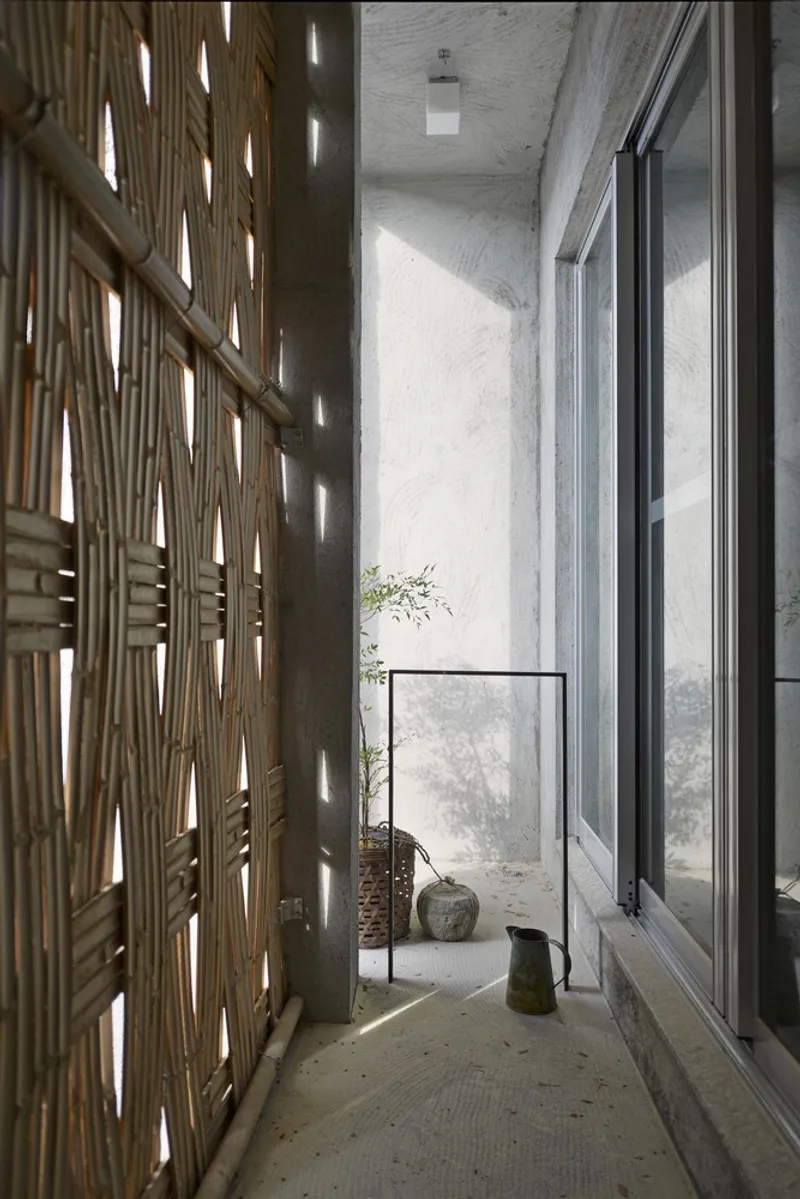
A defining characteristic of Hyaku Yama is its thoughtful use of natural and locally sourced materials. Bamboo, wood, soil, and stone are carefully integrated into the design, creating a harmonious dialogue between architecture and nature. The entrance features a bamboo-woven wall crafted from locally sourced bamboo, celebrating Nantou’s regional identity while contrasting beautifully with the raw cement exterior. This interplay of textures enhances the sensory experience and reinforces the building’s artisanal quality.
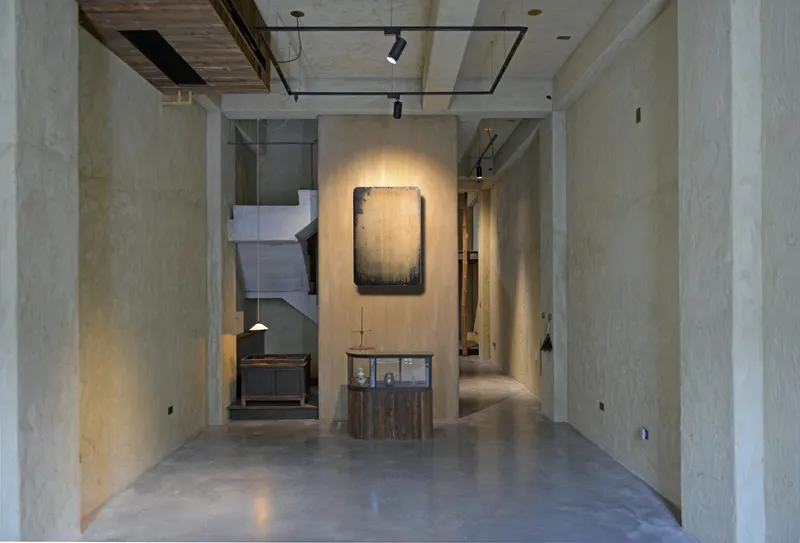
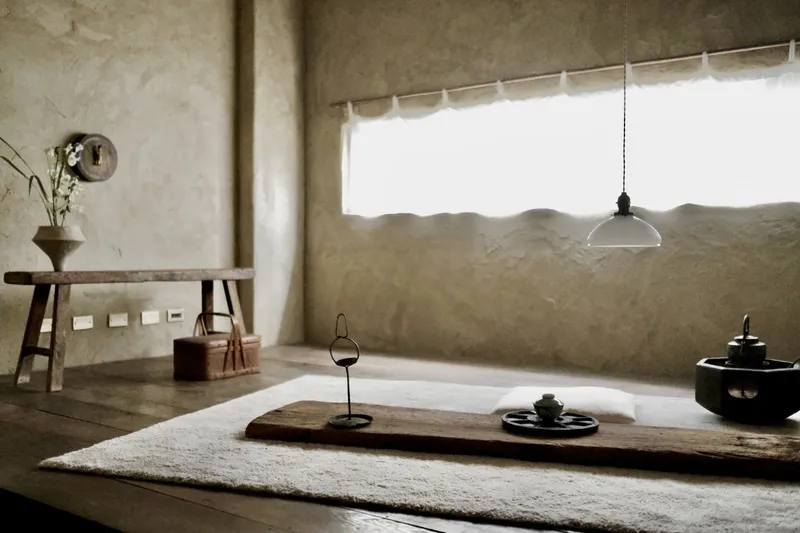
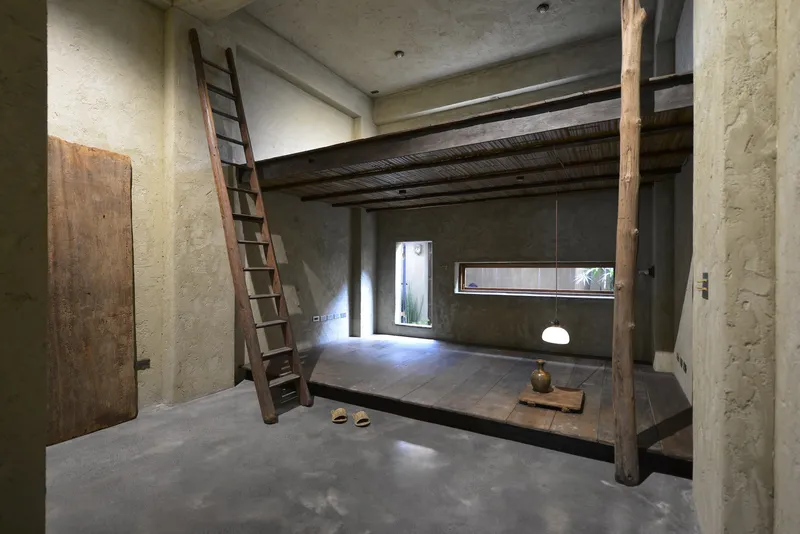
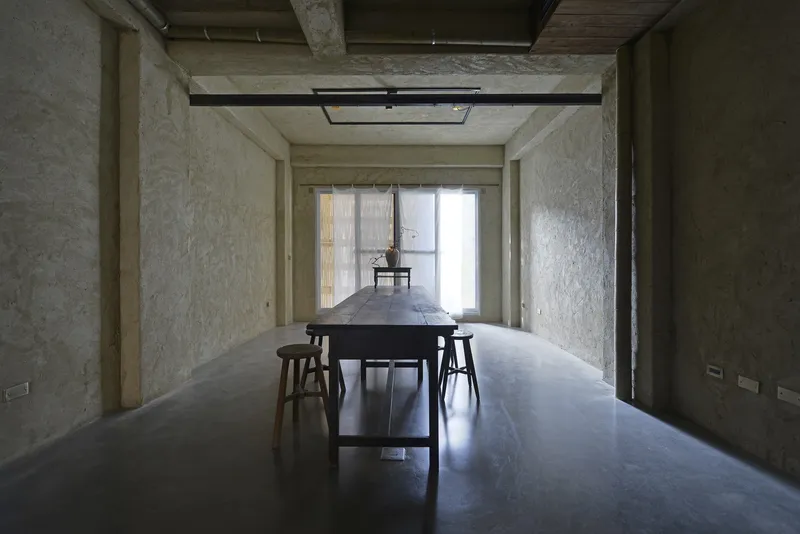
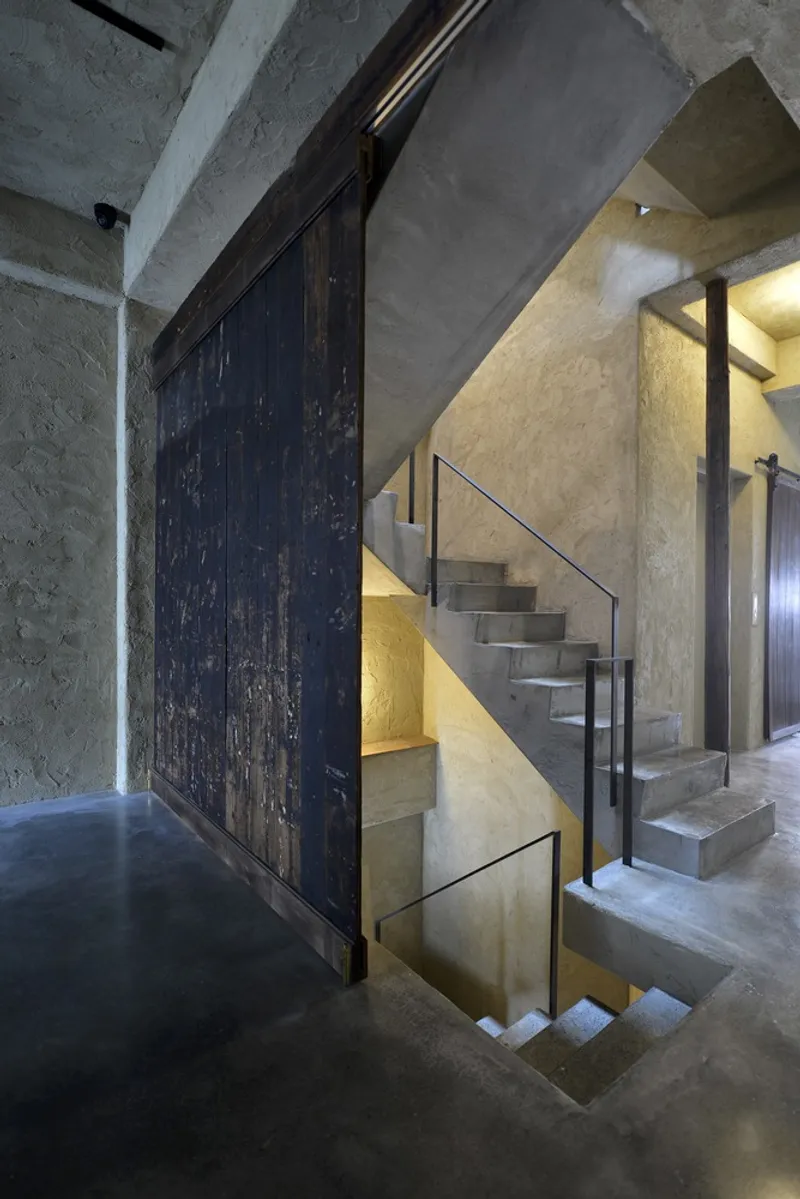
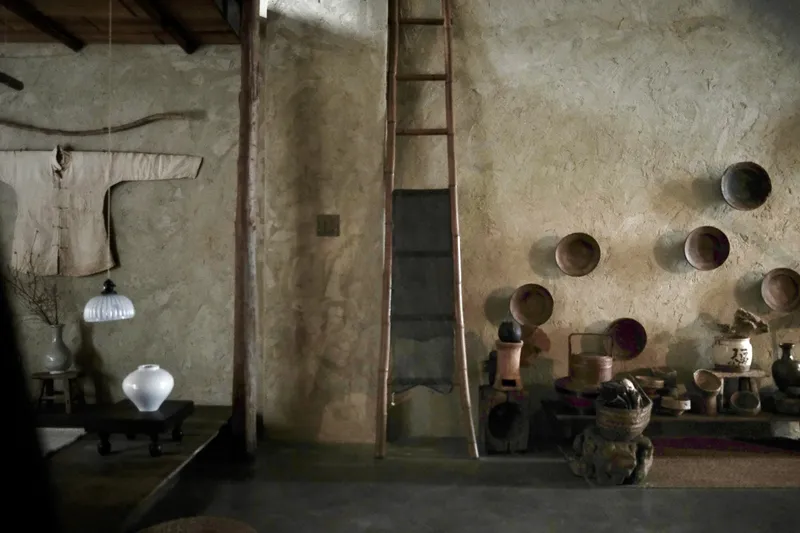
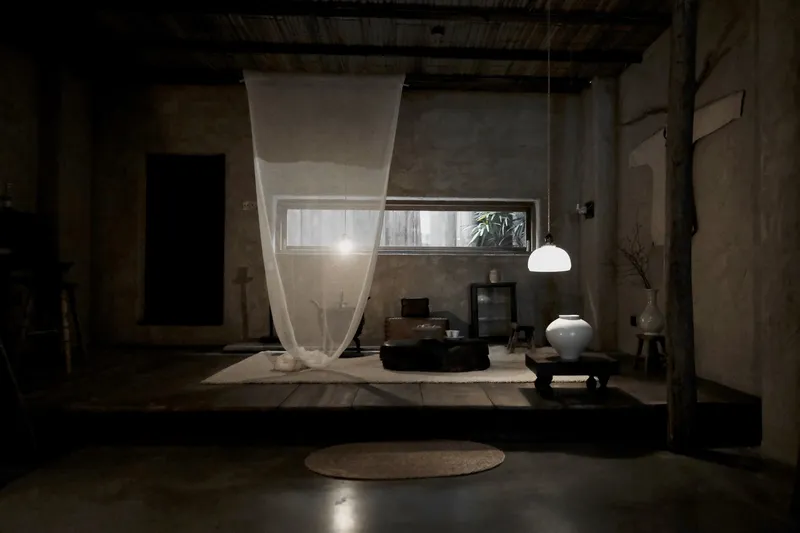
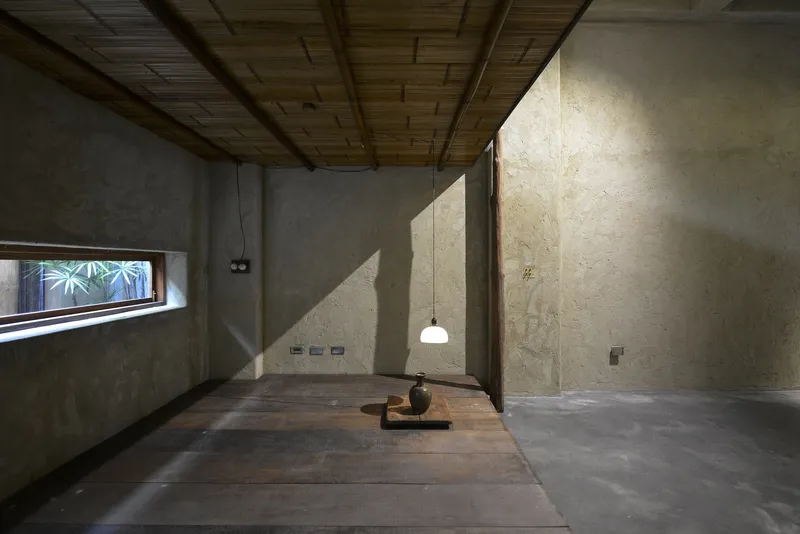
Inside, the walls are finished using a mixture of soil, white cement, and rice stalks, producing a rich, earthy texture that evokes traditional Taiwanese earthen houses. This technique preserves the warmth of handmade construction while adding depth and authenticity to the interior environment. The design intentionally embraces imperfections and natural finishes, allowing the building to age gracefully over time.
Spatial Experience and Interior Design
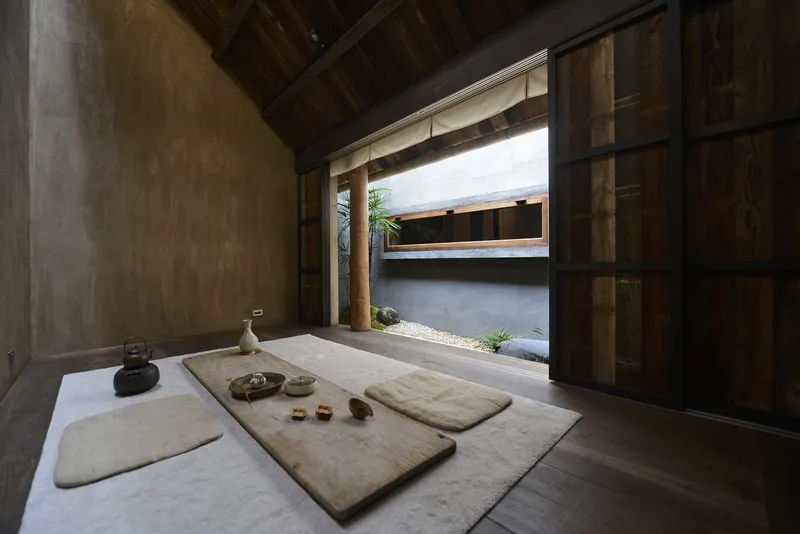
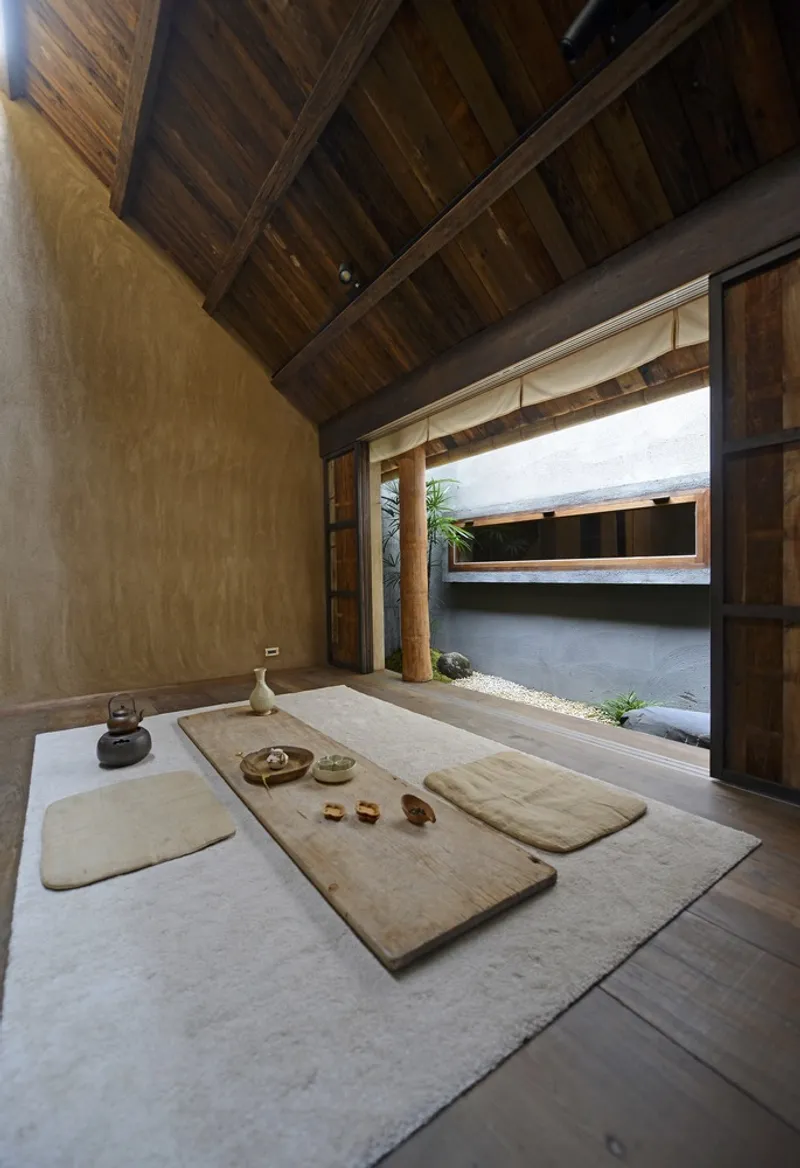
Despite its small size, Hyaku Yama offers a layered spatial experience. The interior incorporates elements inspired by vernacular Taiwanese architecture, creating an intimate and contemplative atmosphere. At the rear of the ground floor, a small tea house is integrated into the layout, constructed from wood and cement. Accessed through a low, narrow doorway, visitors must physically bend to enter, creating a moment of transition and heightened awareness as they move into the space.
The tea house extends vertically into a two-story volume, capped by a 45-degree sloped roof. A շարք of skylights positioned between the eaves and walls allows natural light to filter into the interior, casting dynamic shadows that shift throughout the day. This subtle interplay of light and shadow enhances the gallery’s ambiance and emphasizes the passage of time, aligning with the philosophical underpinnings of the project.
A Contemporary Interpretation of Cultural Architecture
Hyaku Yama stands as a refined example of small-scale cultural architecture that successfully merges contemporary design with traditional craftsmanship. By prioritizing material authenticity, local identity, and sensory experience, the project transcends its modest scale to deliver a powerful architectural narrative. It not only serves as an exhibition space but also as a living environment where art, architecture, and culture intersect.
Through its careful restoration approach and emphasis on handmade textures, Hyaku Yama demonstrates how architecture can preserve cultural memory while embracing modern design strategies. The project highlights the importance of context-sensitive design, making it a valuable reference for architects interested in adaptive reuse, sustainable materials, and culturally rooted spatial design.



Popular Articles
Popular articles from the community

EW PARK: Sustainable Architecture Reimagines the Future of Urban Parking
EW PARK reimagines city parking as a modular wooden tower combining automation, solar energy, electric mobility, and adaptable urban design.

The Ocean Hive: Sustainable Architecture for a Self-Sufficient Civilization at Sea
The Ocean Hive imagines sustainable architecture at sea, where modular habitats, algae, wave power and ocean waste sustain a growing colony.

AL-JANNAH: Sustainable Architecture and Permaculture for Afghan Widows
AL-JANNAH uses sustainable architecture and permaculture to create resilient oasis of housing, learning, work and renewal for Afghan widows.

Riyadh For All: Intergenerational Urban Design for Active Aging in Rabat
Riyadh For All reimagines urban design in Rabat with intergenerational co-living, adaptive courtyards, and Moroccan cultural exchange today.


Similar Reads
You might also enjoy these articles

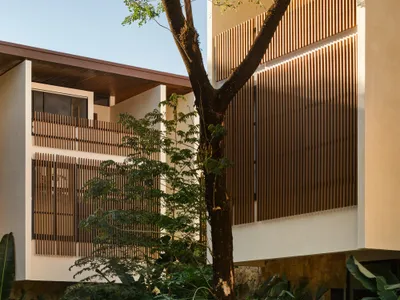
FAMM Arquitectura Organizes Ten Villas Around Courtyards and Jungle in Nosara, Costa Rica
El Molino pairs two elongated volumes with deep overhangs and timber louvers to build a compact coastal community five minutes from the beach.
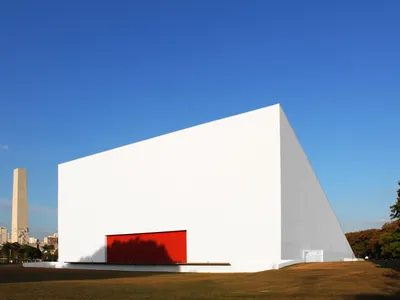
Oscar Niemeyer's Ibirapuera Park Pavilions Define São Paulo's Cultural Identity in Concrete and Curve
A constellation of modernist volumes set within São Paulo's most important urban park, conceived for the city's 400th anniversary in 1954.
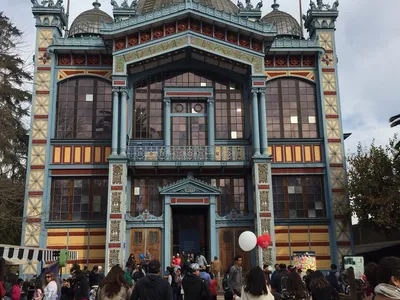
How Henri Picq's 1889 Paris Pavilion Traveled 11,000 Kilometers to Become Santiago's Artequín Museum
A prefabricated iron and glass pavilion built for the Paris Universal Exposition found a second life as a children's art museum in Chile.
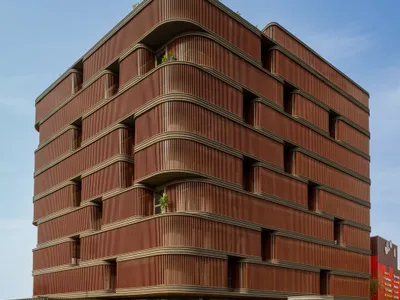
Sanjay Puri Architects Wraps a Jaipur Office Tower in Capsule-Shaped Green Buffers
A nine-level climate-responsive workplace near Jaipur Airport uses stacked planter terraces and aluminium screens to fight 40°C heat.


Explore Architecture Competitions
Discover active competitions in this discipline



Challenge to reimagine the Iron Throne


Photograph architecture without architects


Illustrate the lost glory of Angkor Wat - Render Challenge


Bring back Drive In's
Comments (0)
Please login or sign up to add comments
No comments yet. Be the first to comment!