

ICON Douro Building: A Landmark of Urban Regeneration and Sustainable Design by Luís Pedro Silva Arquitecto Lda
The ICON Douro Building blends sustainable design, urban regeneration, and modern architecture, offering functional office spaces in Porto.


A New Icon for Porto's Skyline
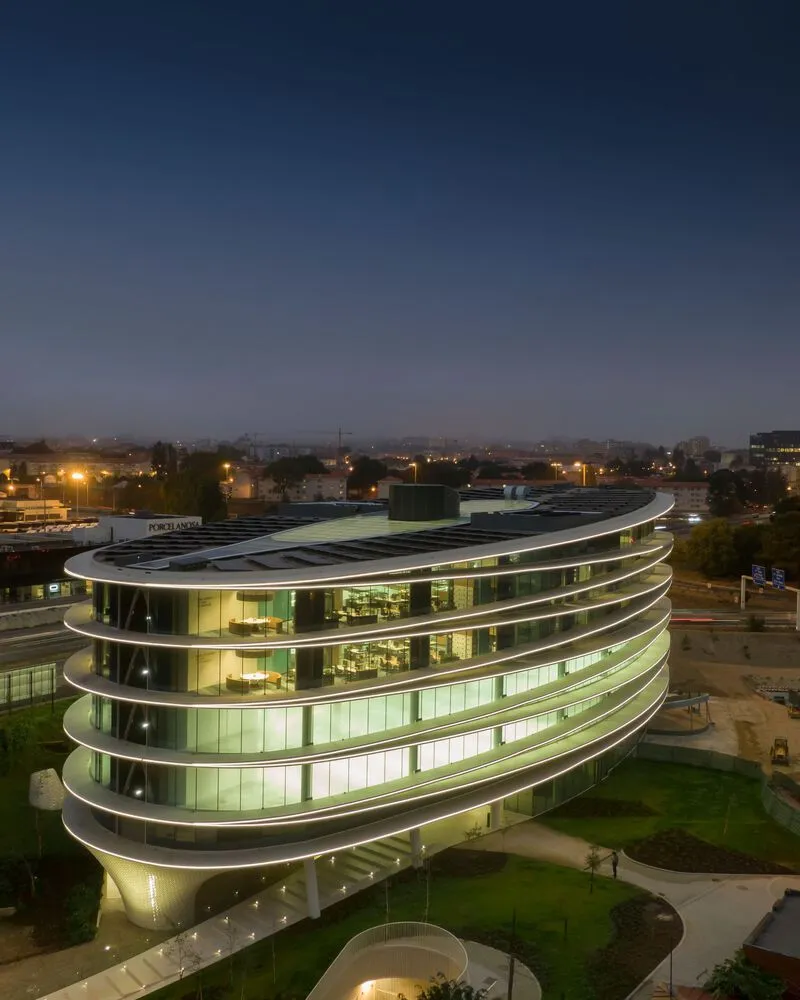
Nestled at a strategic crossroads in Porto, the ICON Douro Building serves as the new headquarters for the Ageas Portugal Group. Positioned in one of the city's most dynamic business districts, this architectural masterpiece offers a blend of innovative design, urban regeneration, and environmental sustainability. Spanning over 13,000 square meters, the building integrates modern office spaces, catering facilities, and additional public-use areas, with a private garden that complements the urban fabric of the area. This urban oasis, strategically located near key port and airport infrastructure, sets a new benchmark for commercial architecture in Porto.
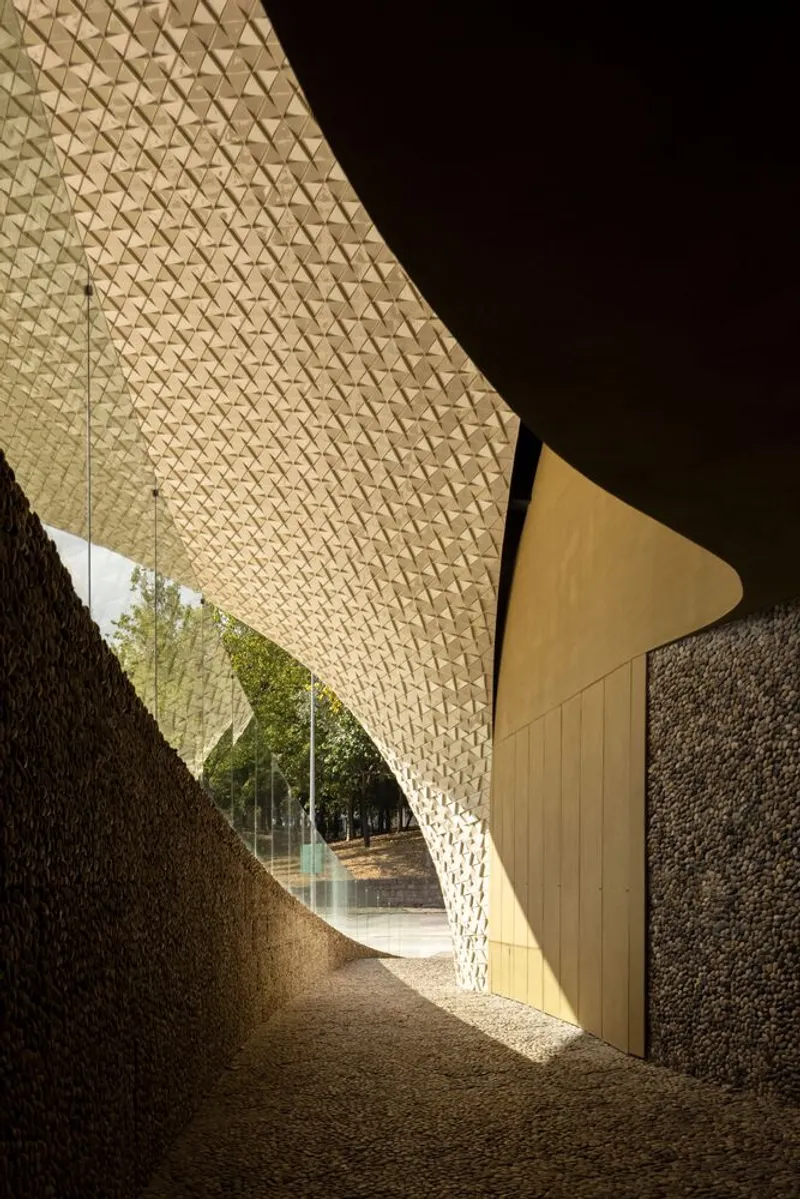
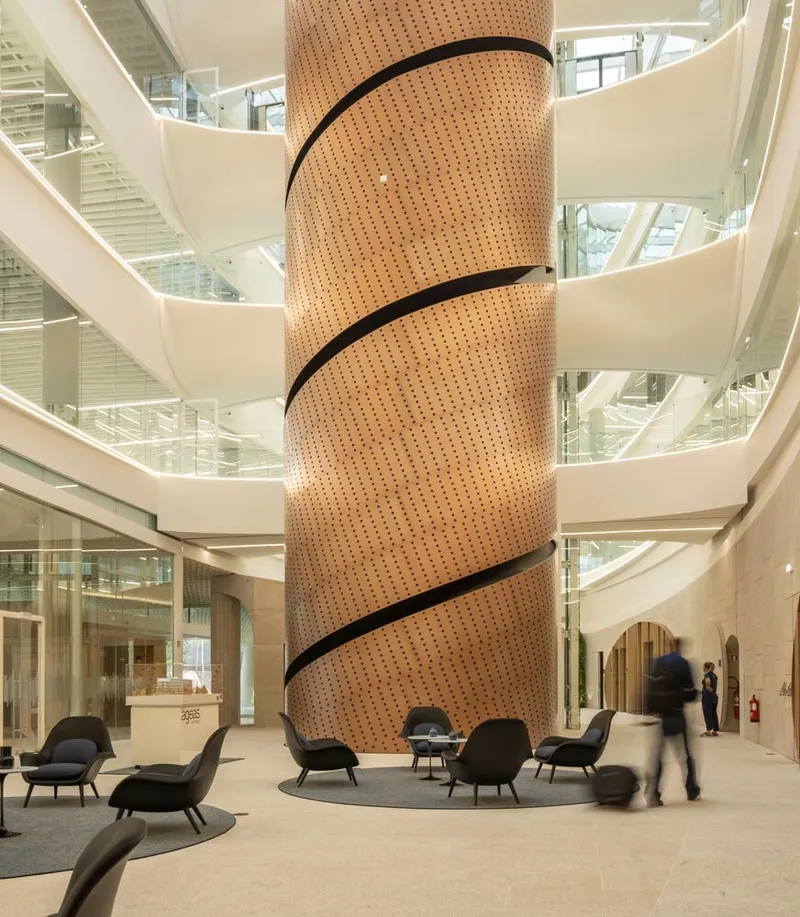
Architectural Vision: Urban Regeneration Meets Contemporary Design
The ICON Douro Building redefines the space through a careful process of urban regeneration, addressing the site's historical industrial roots while adapting it to the needs of a modern city. The architectural design, conceived by Luís Pedro Silva, focuses on three key elements:
- Urban and Environmental Regeneration: The project successfully revitalizes a once-degraded area, returning it to a functional and vibrant city context.
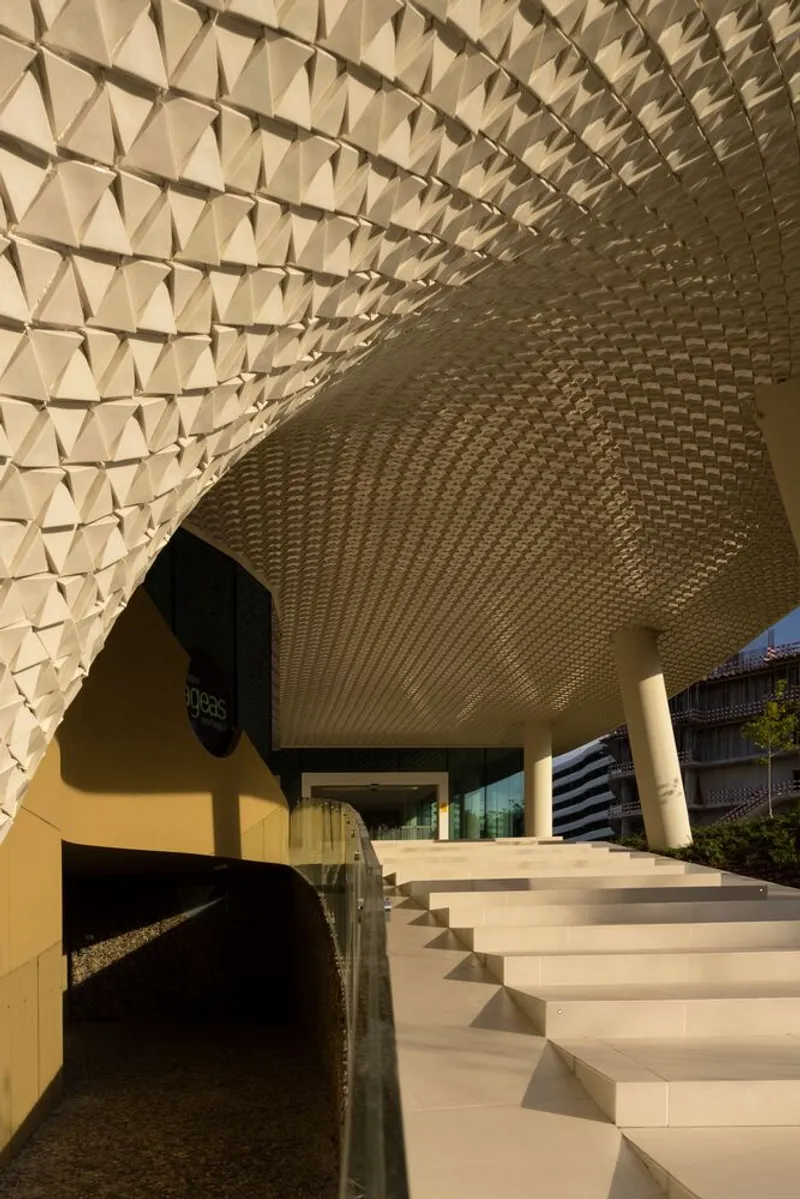
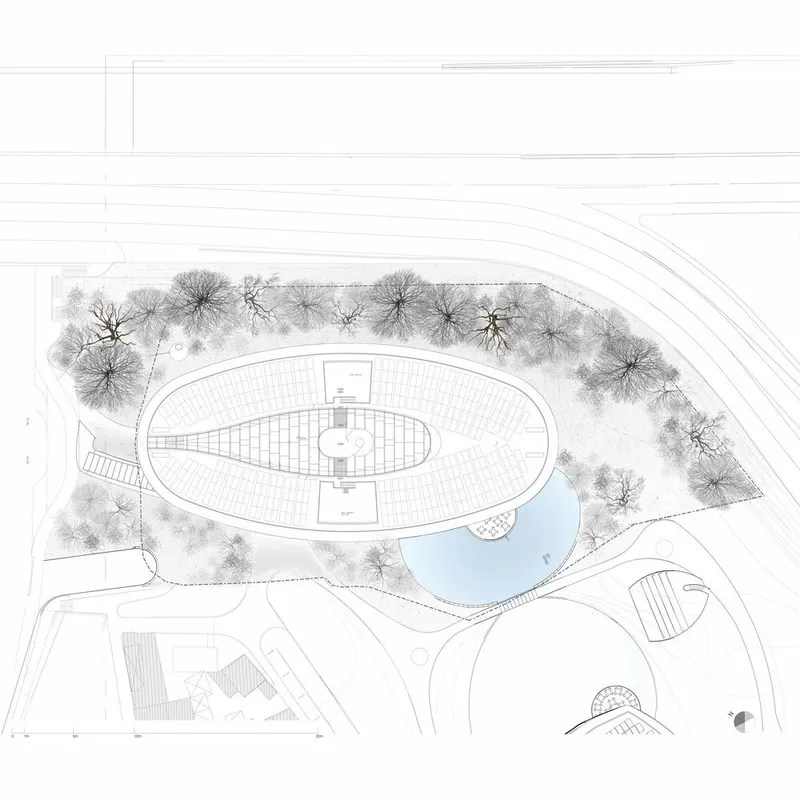
- Building Morphology and Architectural Language: The design introduces a curvilinear form, blending seamlessly with the surrounding road infrastructure. The building’s horizontality is emphasized through shading elements that play with movement and space, culminating in an inclined rooftop that houses a mezzanine level.
- Interior Quality and User Experience: With a focus on comfort and functionality, the building’s interior spaces promote expression and interaction among users, ensuring that the office areas provide a welcoming and productive environment.
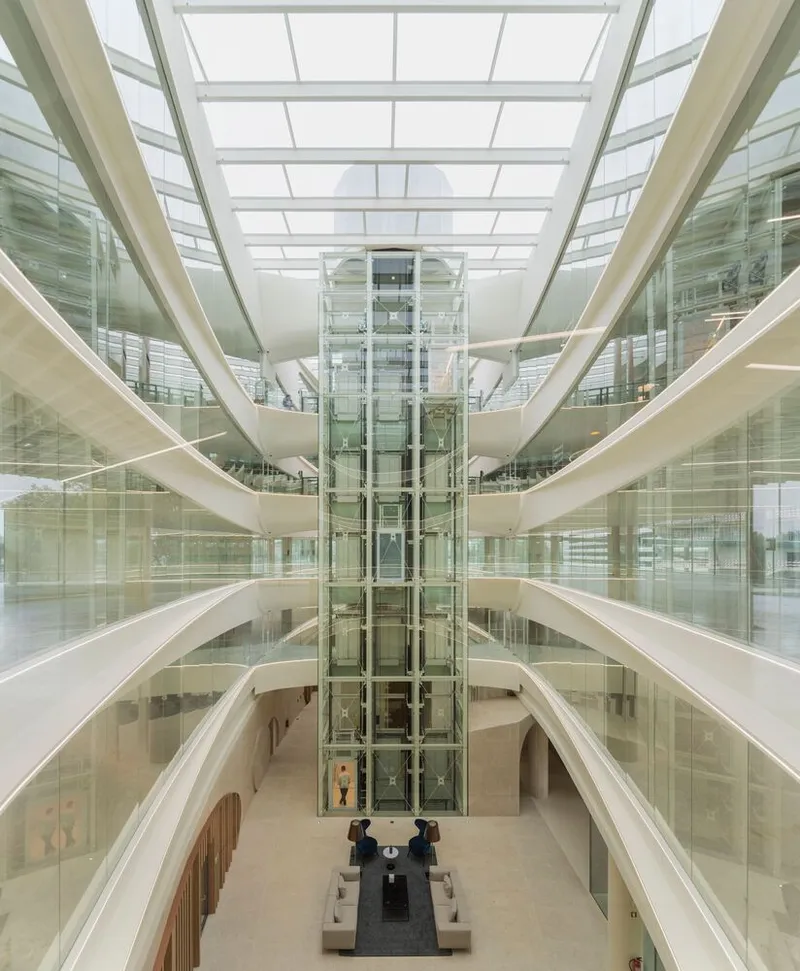
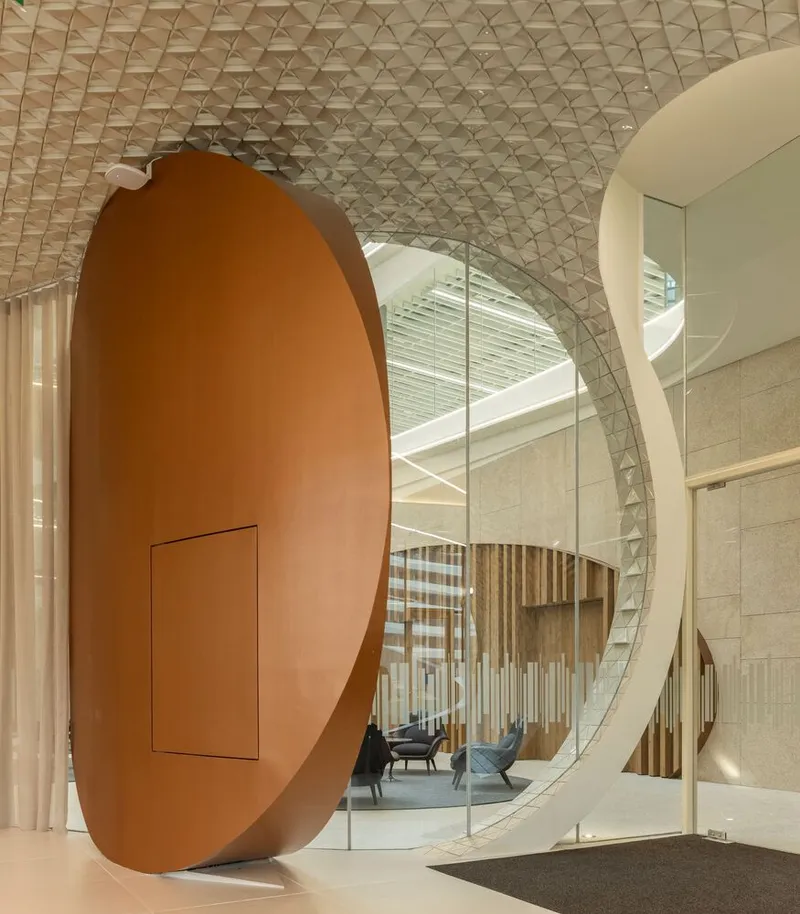
Sustainability at the Core
One of the most striking aspects of the ICON Douro Building is its commitment to sustainability. In line with global goals for decarbonization, the building's design includes a series of energy-efficient and environmentally-conscious solutions. It proudly holds an Excellent rating under the BREEAM certification, thanks to its thoughtful integration of renewable energy systems, natural ventilation, and energy-saving technologies.
A Central Core for Visual Connectivity and Natural Light
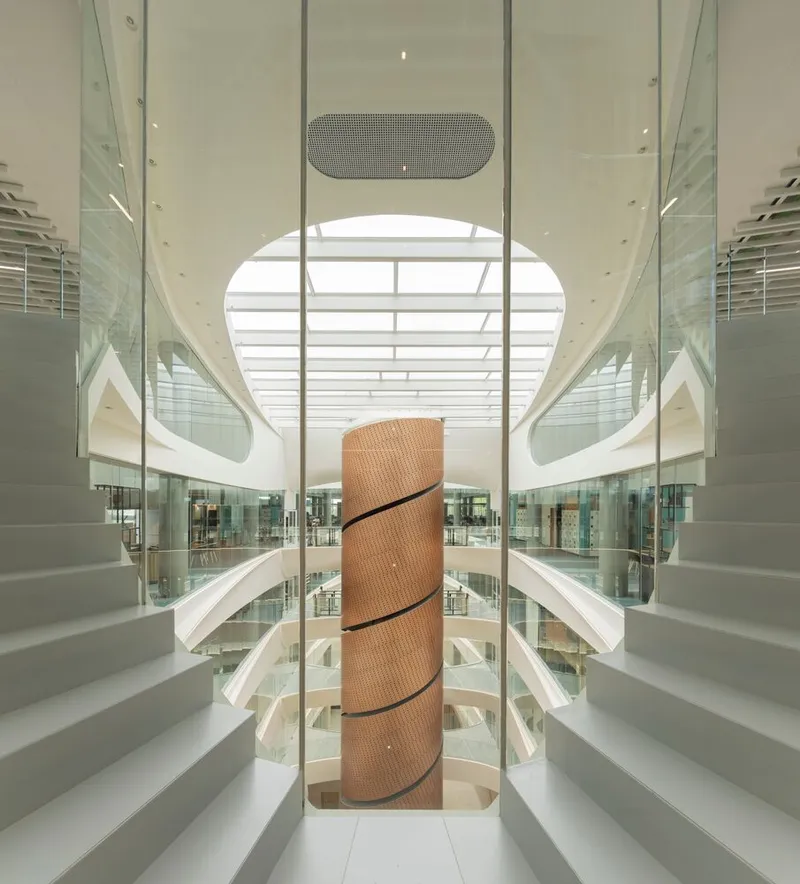
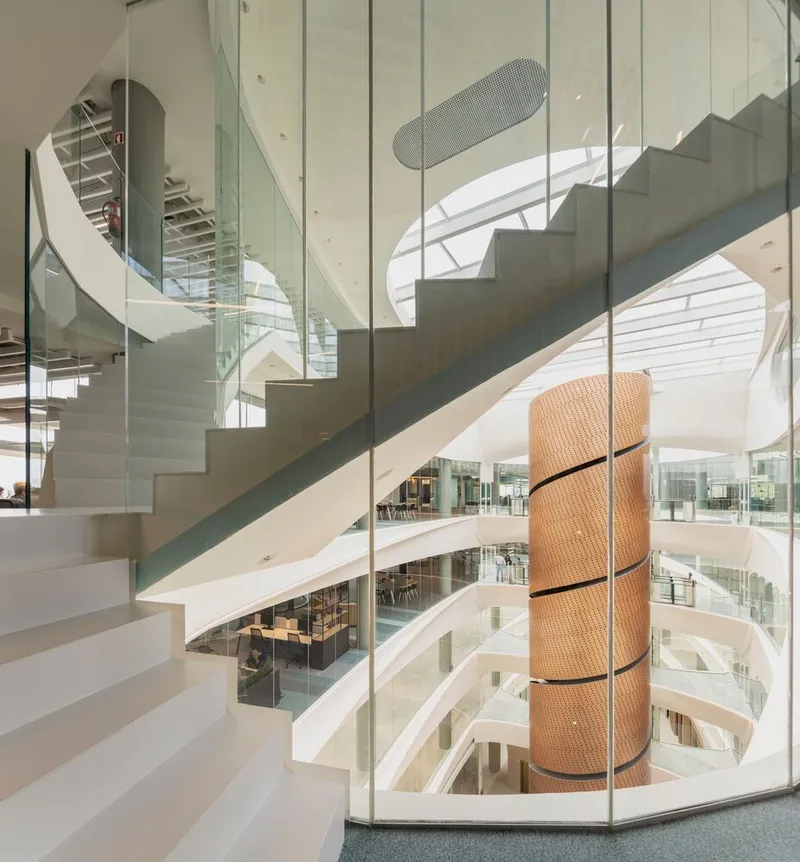
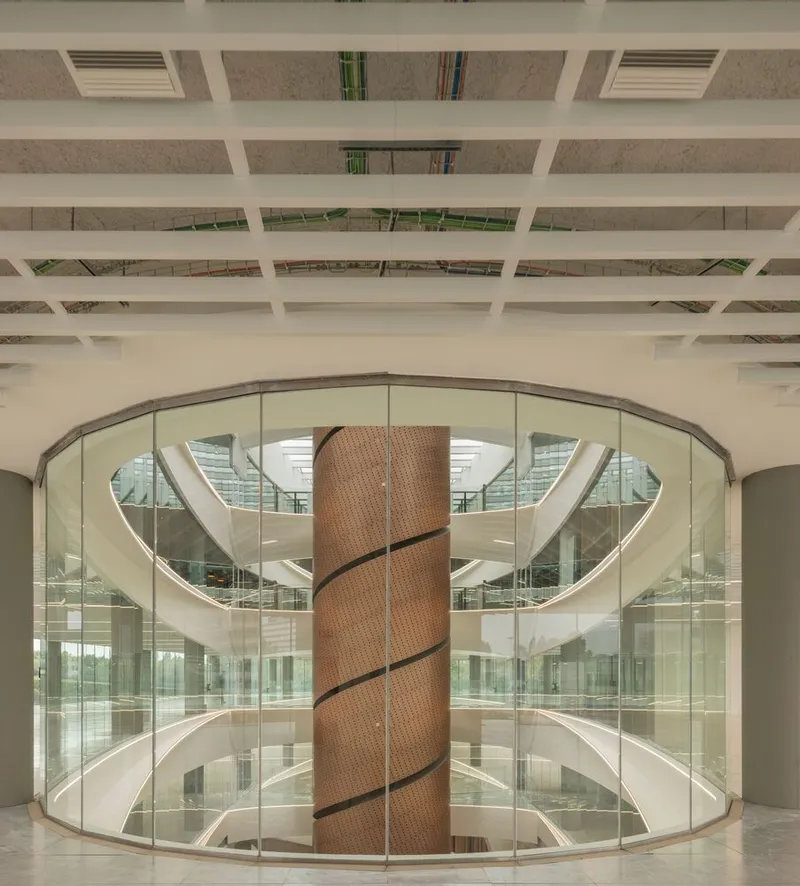
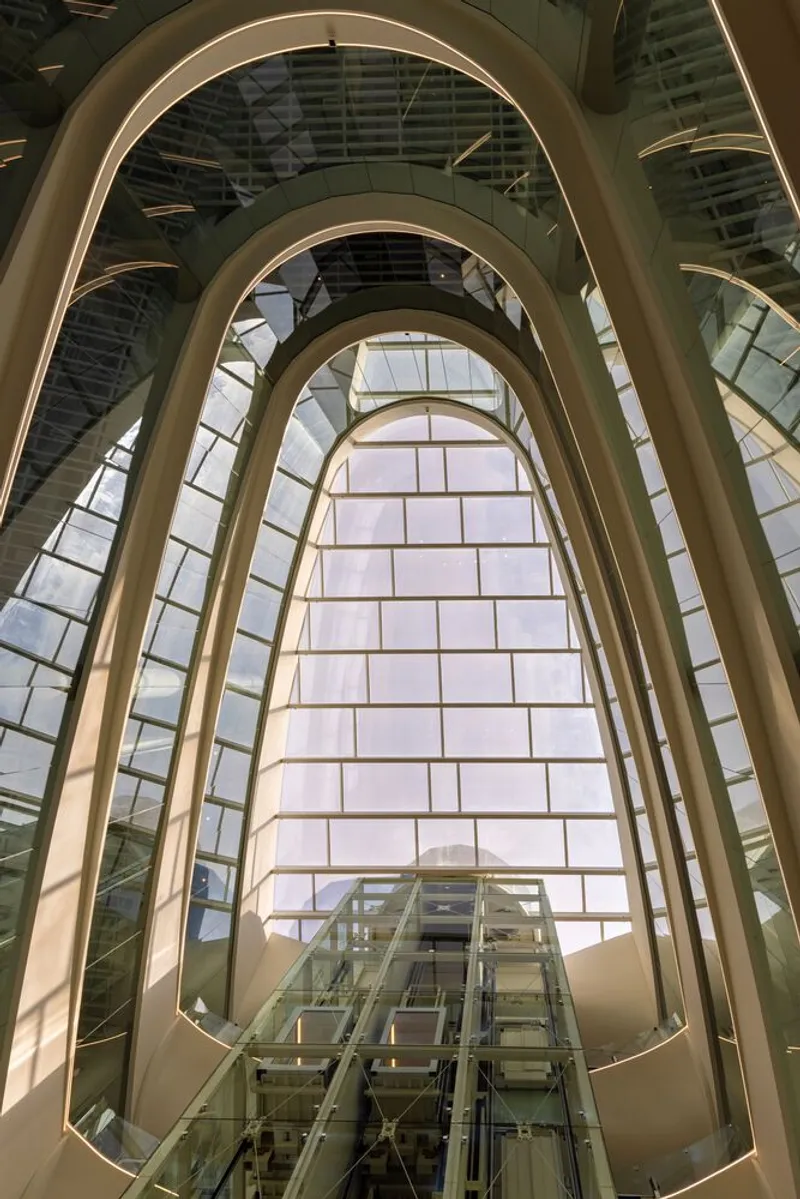
The building features an elongated, open central core, which enhances both visual interaction and natural luminosity across the office floors. This design choice maximizes daylight penetration, reducing the reliance on artificial lighting. The core effectively doubles the number of facades, creating a dynamic environment of light and space that encourages connectivity between the building's occupants. A central skylight further contributes to the overall thermal comfort, making the building both sustainable and comfortable for all users.
Materiality and Craftsmanship
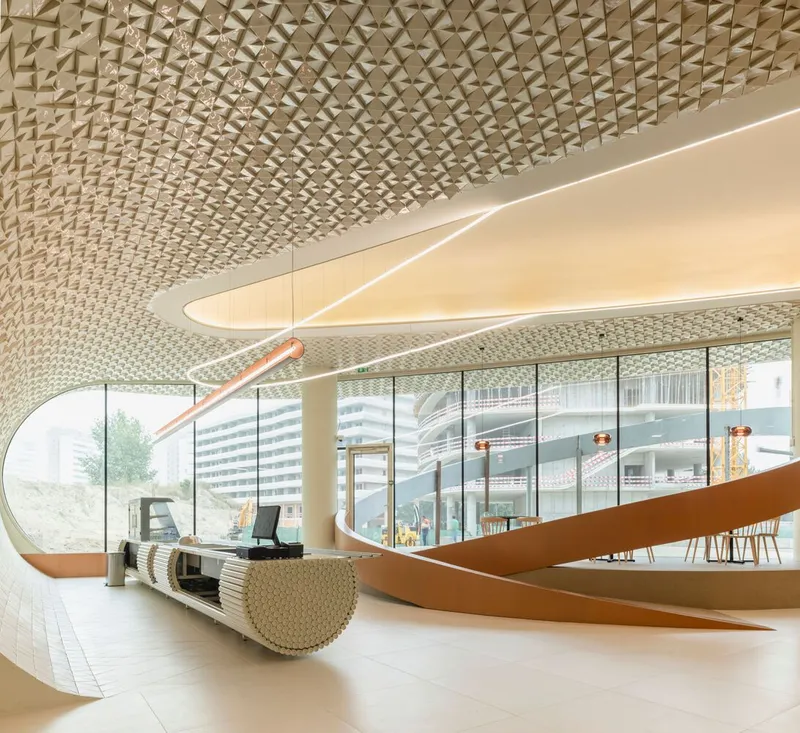
Reflecting the city’s architectural heritage, the ICON Douro Building incorporates traditional ceramic tile modules, showcasing a deep respect for Porto’s building materials while blending them with contemporary construction methods. The use of reinforced concrete walls and glazed facades ensures durability and a modern aesthetic that enhances the building's visual appeal.
Landscape Integration: A Sanctuary Amidst the City
The surrounding garden is not only a green space for relaxation but also a crucial part of the design, providing a buffer between the building and the busy highway. The terrain morphology of the garden is carefully shaped to offer privacy and tranquility, while the adjacent lake further enhances the site’s landscape and environmental significance. This integration of nature and architecture creates a harmonious relationship between the built environment and the natural surroundings, fostering a sense of calm in the bustling city.
Key Features and Highlights:
- Architectural Innovation: A curvilinear design emphasizing horizontality, shading elements, and an inclined rooftop.
- Sustainability: BREEAM Excellent certification, focusing on decarbonization, energy efficiency, and natural light.
- Materials: Incorporation of traditional ceramic tiles and modern reinforced concrete and glazed facades.
- User Experience: A focus on comfort, functional office spaces, and visual connectivity.
- Urban Integration: Successful urban regeneration of a formerly industrial area, blending seamlessly with the city's fabric.
A Sustainable Future for Porto’s Skyline
The ICON Douro Building stands as a true testament to sustainable urban design, merging innovation with a deep respect for the city’s heritage. Its architectural elegance, alongside its commitment to environmental responsibility, sets a new standard for office buildings in Porto and beyond. With a thoughtful design that prioritizes user experience, natural light, and green space, it is a prime example of how contemporary architecture can revitalize urban areas while ensuring a sustainable future.
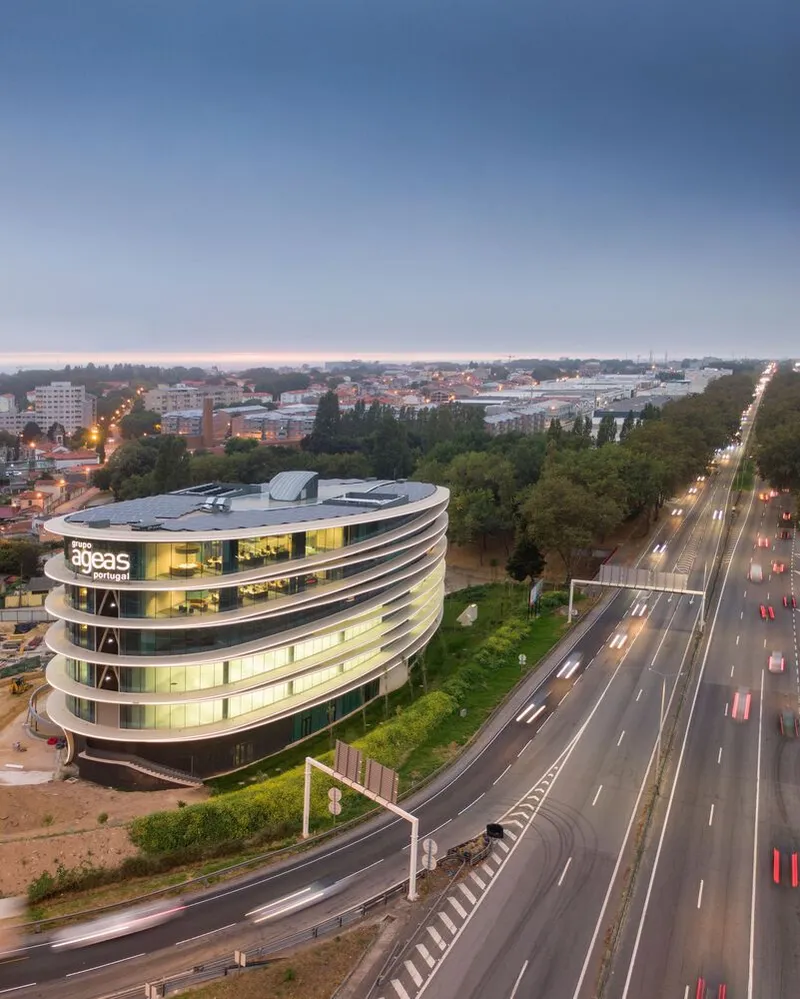
All Photographs are works of Fernando Guerra | FG+SG


Popular Articles
Popular articles from the community

Extended Shell: Retrofitting Kolkata's Balconies as Living Urban Thresholds
A modular retrofit system recovers the social and environmental intelligence of Kolkata's historic verandas for contemporary Park Street residents.
Opera by the Sea Estonia: Three Shells Dissolving Architecture into Tallinn's Coastline
A winning opera house proposal replaces monumental form with interconnected shells that blur the boundary between building, park and Baltic Sea.
Tsunami Convergenics: Turning Catastrophic Ocean Forces into Underwater Housing Infrastructure
A speculative underwater settlement off the coast of Onagawa, Japan, treats tsunamis and typhoons as energy sources rather than threats.
The Amber Palace Opera: A Geological Fiction Surfaces on Tallinn's Baltic Waterfront
Pierre Brillard reimagines a Baltic legend as a public landscape, opera house, and waterfront promenade rooted in Tallinn's coastal identity.

Similar Reads
You might also enjoy these articles


Hodi-Mandai Geram
Project Function: Preservation and revitalization of the Intangible heritage and socio-spatial identity of the Hodi by Housing, Cultural Memory Center, Sacred Grove, landscape, local tourism economy


Olio Towers: A Mid-Rise for Performers That Fuses Housing, Rehearsal, and Stage
Located blocks from Houston's Theater District, this modular tower stacks living units around a central performance atrium.

Oasis: Modular Green Housing Carved into Dhaka's Urban Fabric
A shortlisted Plugin Housing entry reclaims unauthorized settlements in Dhaka with stepped concrete volumes, green roofs, and ventilation-driven design.

Black Hole: A Floating Megastructure for the Post-Physical Era
Emiliano Mazzarotto envisions a spherical, self-scaling arena where e-sports, digital hotels, and holographic stadiums replace traditional public space.

Explore Iconic Building Competitions
Discover active competitions in this discipline

Challenge to reimagine the Iron Throne

Photograph architecture without architects

Illustrate the lost glory of Angkor Wat - Render Challenge

Design challenge to reuse E-waste
Comments (0)
Please login or sign up to add comments
No comments yet. Be the first to comment!