
Innovative School Architecture: Yangming Experimental School by MINAX Architects
The article explores the innovative design and architectural features of Yangming Experimental School by MINAX Architects in China.

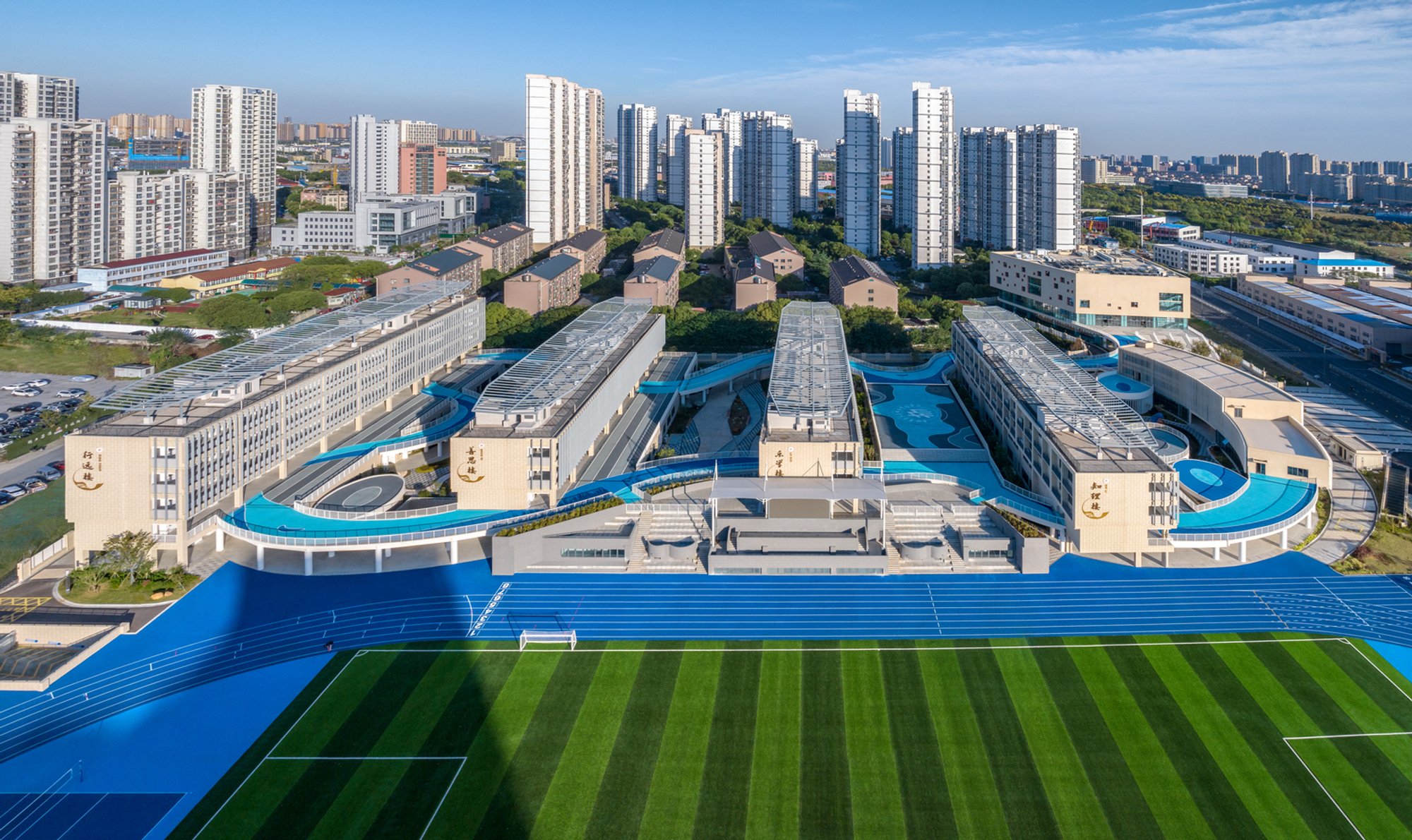
The Yangming Experimental School, designed by MINAX Architects, is a stunning example of innovative school architecture that harmoniously blends functionality, sustainability, and artistic design. Located in Wu Xi Shi, China, the school is a response to the need for improved educational facilities in the region. This 73,000 m² campus, completed in 2023, introduces a fresh approach to school design, prioritizing both efficient use of space and the creation of a welcoming learning environment.
Addressing Educational Needs
As a 9-year school, Yangming Experimental School serves both primary and secondary education levels. It features 36 primary school classrooms and 18 secondary school classrooms. The design team faced several challenges, including working with an irregular site and meeting strict land-use requirements. Yet, despite these constraints, the architects managed to create a campus that not only meets the educational needs of the community but also provides a visually inspiring space.
The government’s vision was to optimize educational resources and provide a truly outstanding school for the local community. This vision guided the design of a school that would be easily accessible to students and teachers while offering ample space for future expansion.
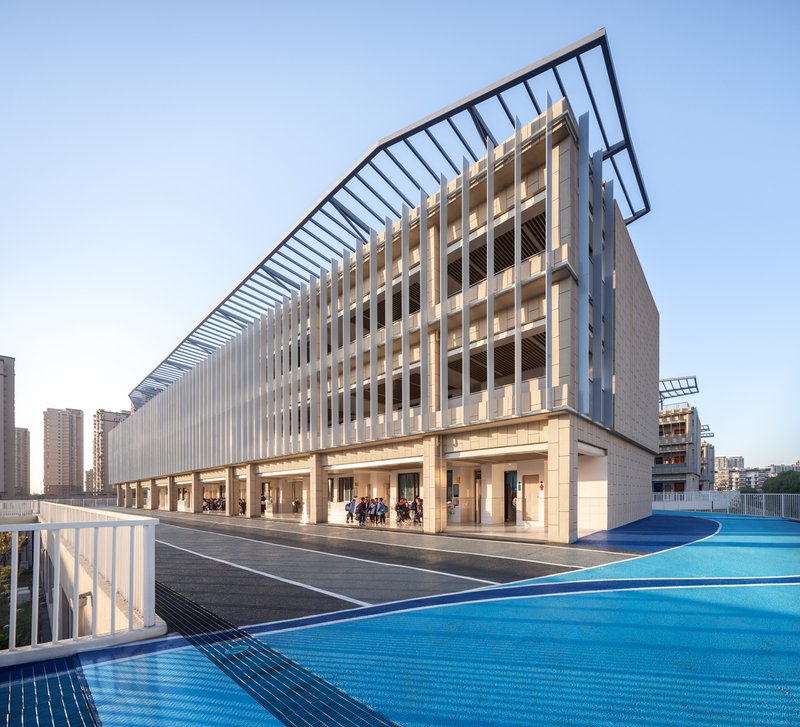
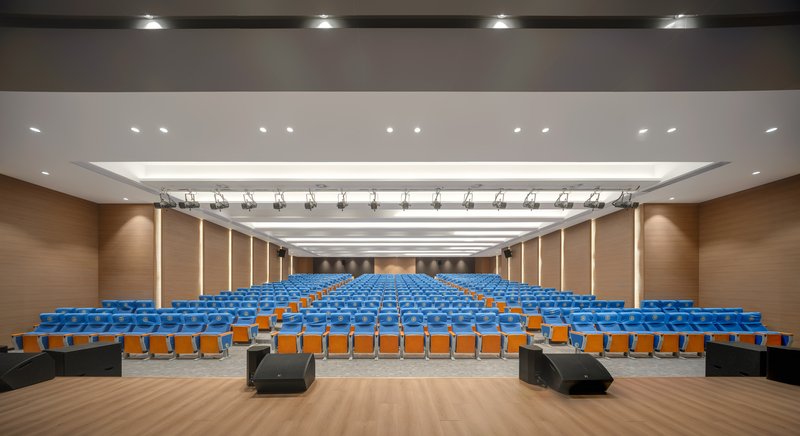
Layout and Design
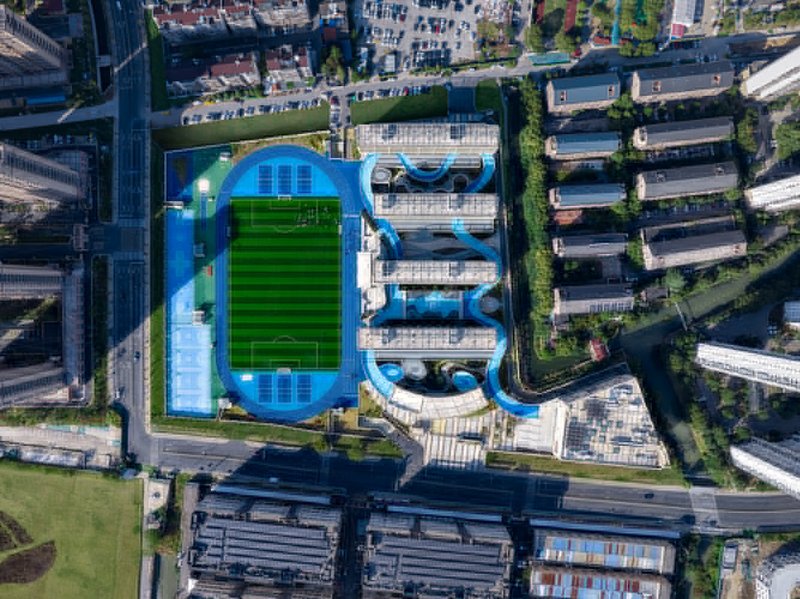
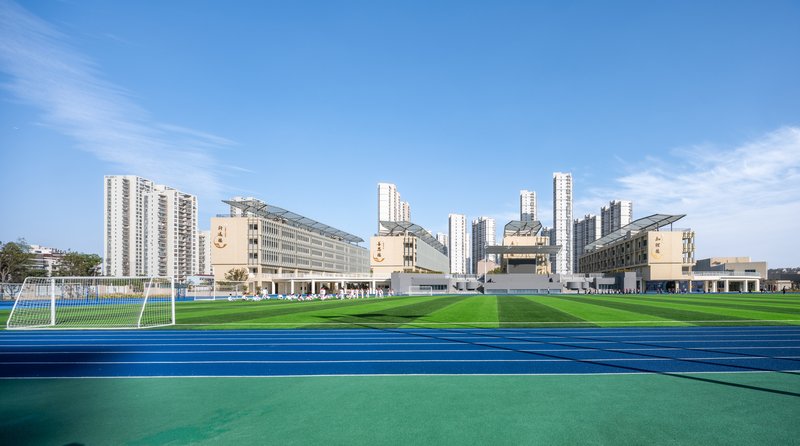
The campus’s layout is a key feature of its innovative school architecture. The architects designed the site to accommodate a 400-meter running track and sports facilities, ensuring that the school could support physical education and extracurricular activities. At the same time, the design had to account for the irregular southwestern plot, which required creative thinking to balance the need for efficiency with functionality.
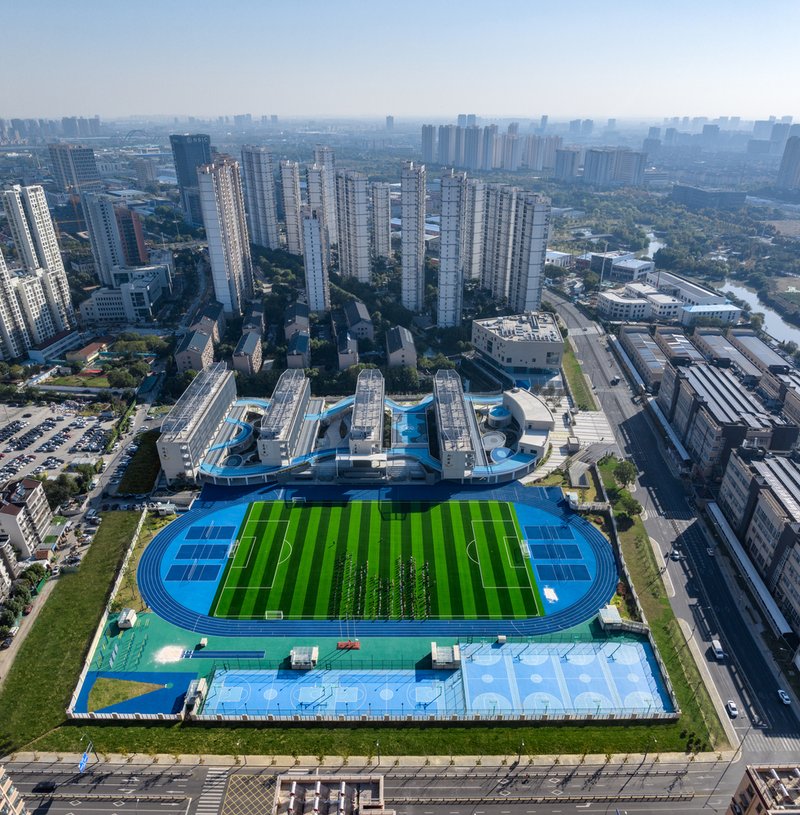
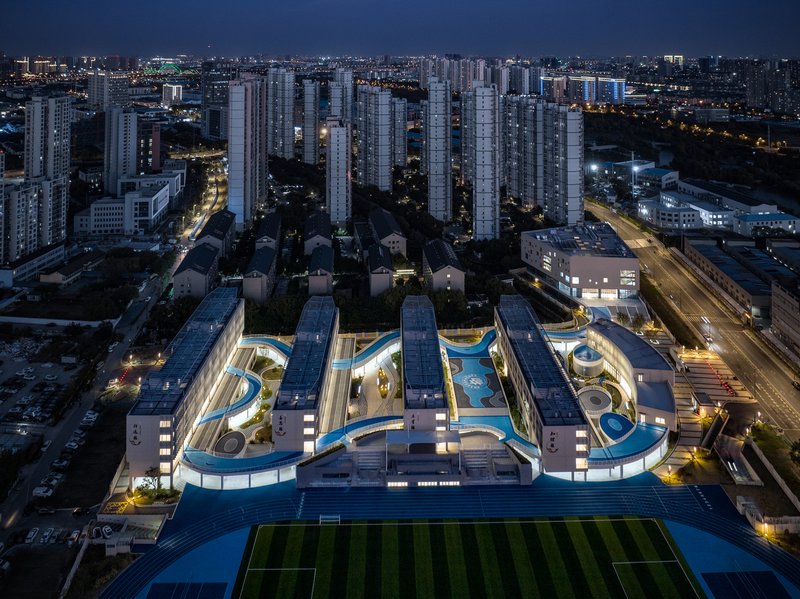
The Curved Corridor: A Symbol of Flow and Connection
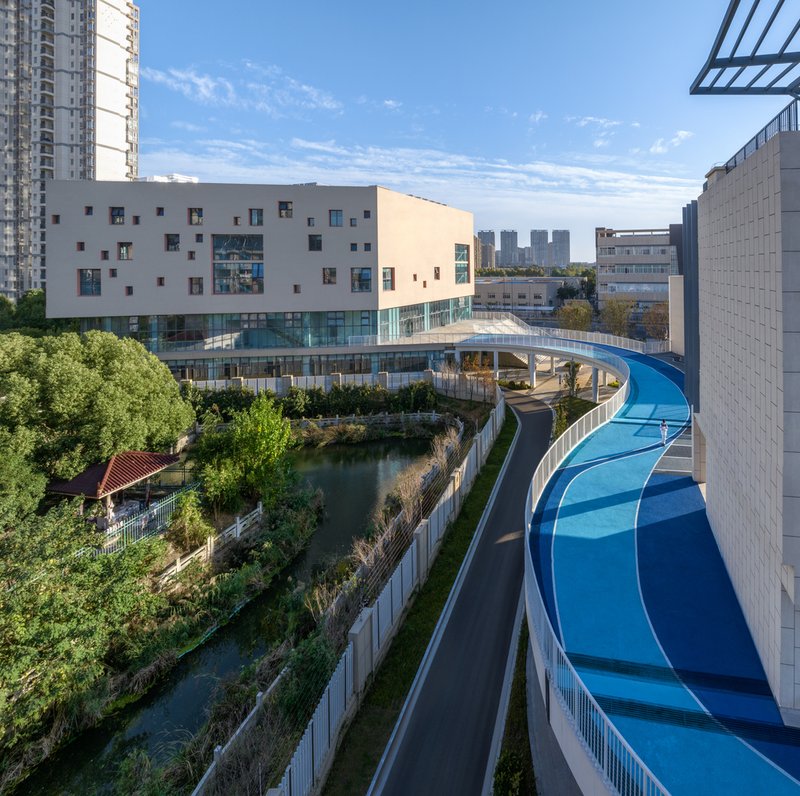
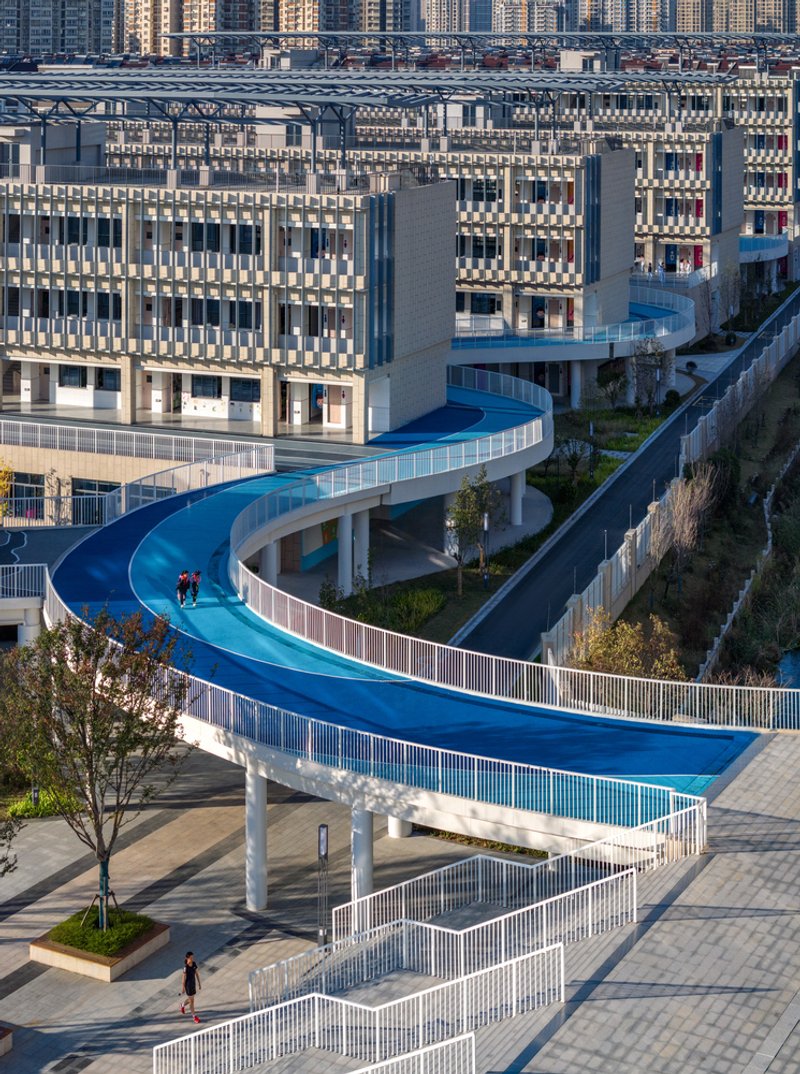
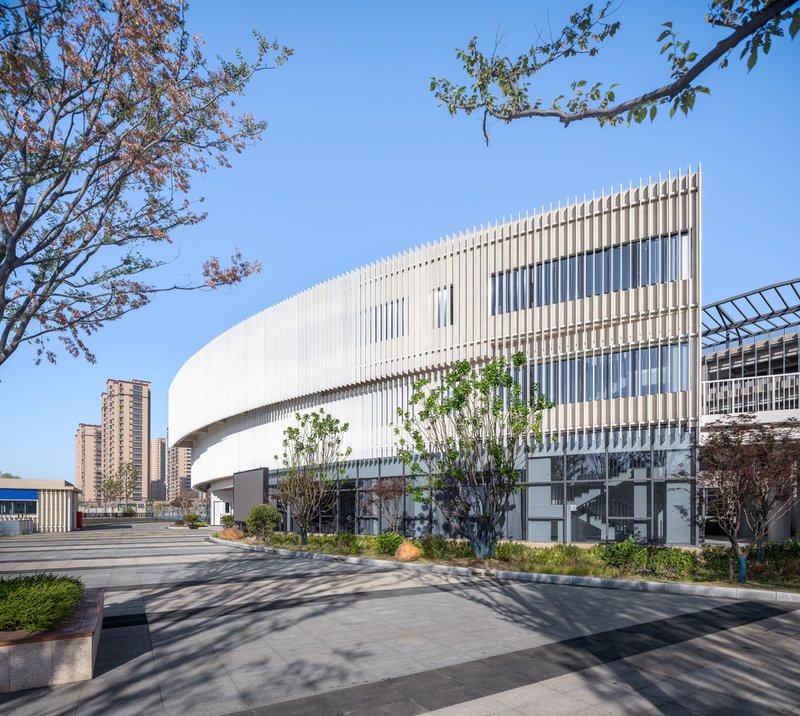
One of the most distinctive features of the school’s design is the winding corridor that flows throughout the campus. This curved corridor serves not only as a passageway but as a defining element of the innovative school architecture. It links the administrative buildings with specialized classrooms and provides vital circulation spaces for both students and staff.
The corridor’s design encourages a sense of relaxation and flow, offering a break from the traditional rigid school environment. It also creates spaces of varying sizes that connect classrooms and other facilities with the surrounding natural environment, enhancing the learning atmosphere.
Integration of Natural Elements
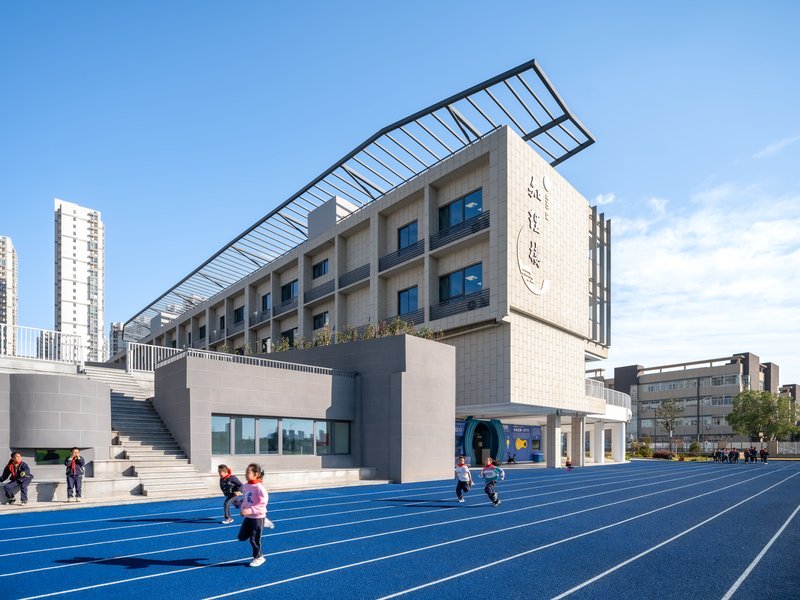
The campus is designed to integrate with its natural surroundings. By positioning classrooms and auxiliary rooms to face the natural landscape, the design creates a dynamic connection between the built environment and nature. This approach promotes biophilic design, which studies show can reduce stress and increase creativity—ideal for a school environment.
Zoning and Functionality
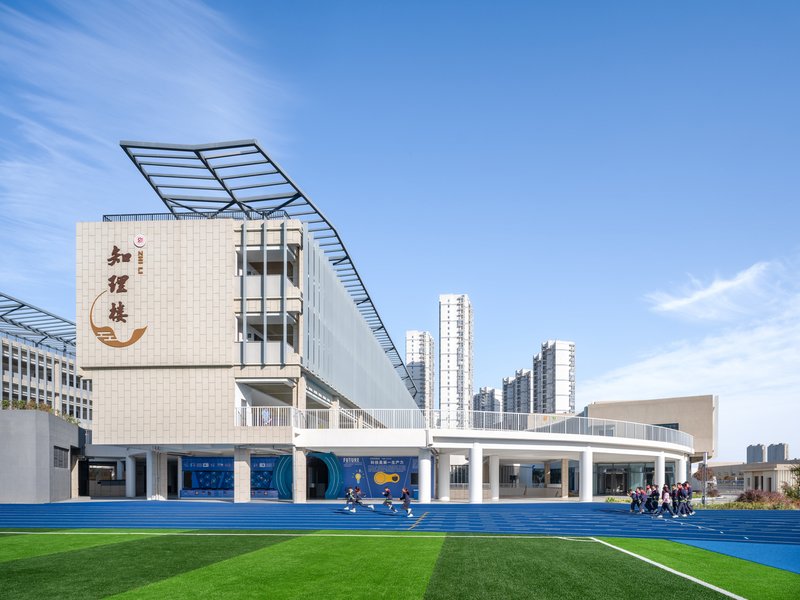
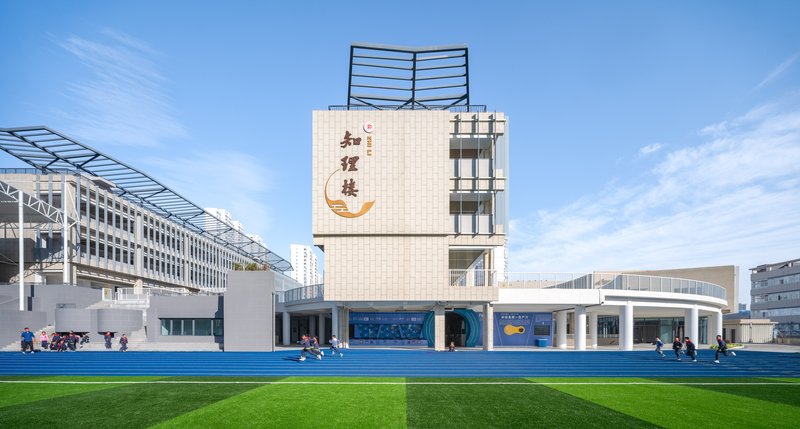
The Yangming Experimental School is designed with clear functional zoning, ensuring that each space is used efficiently and purposefully. Upon entering the campus, visitors are greeted by the administrative building, which extends vertically along the curved corridor.
- The primary school occupies two teaching buildings located to the south, with an entrance and drop-off system tailored to ease access for younger students.
- The secondary school is housed in a five-story building situated at the northernmost part of the campus, offering ample space for older students.
- At the southeast corner of the site, the art and sports building encompasses a canteen, auditorium, and gym, providing students with a well-rounded education experience.
This thoughtful zoning enhances the innovative school architecture of the campus, making it a model for future educational facilities.
Poetic Design Elements
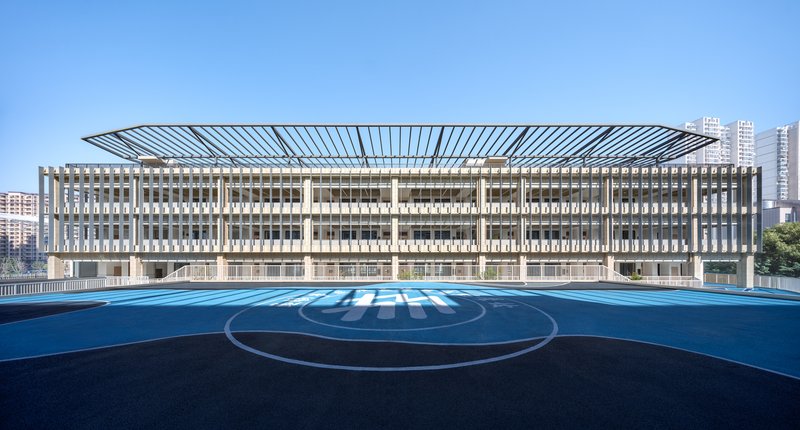
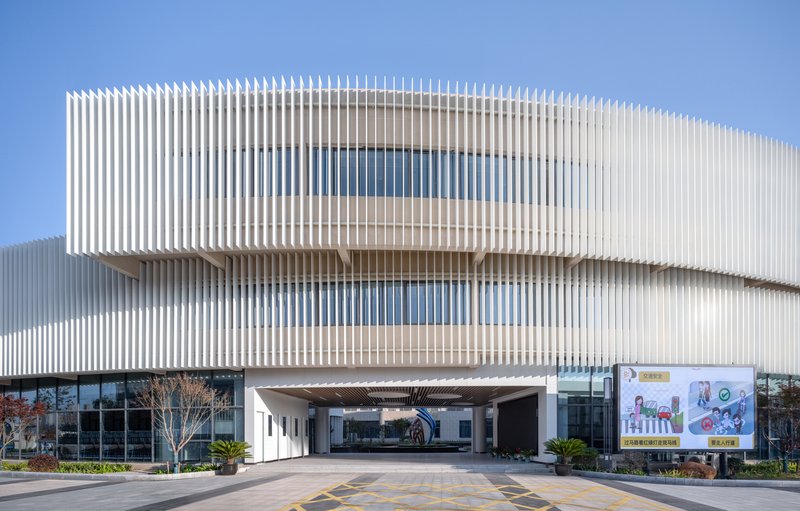
In addition to fulfilling the school’s educational functional requirements, the architects sought to infuse poetic design elements throughout the campus. The building's proportions, use of natural light, and the connection between the indoors and outdoors all contribute to an atmosphere that is both rational and calming. This subtle blend of warmth and calmness creates an inspiring space for students to learn, grow, and develop.
The Yangming Experimental School stands as a testament to innovative school architecture that pushes the boundaries of traditional educational building designs. By balancing functionality with creativity, the architects have created a space that enhances the learning experience while being adaptable for future growth. Through its careful consideration of the site, use of natural elements, and unique architectural features, the school exemplifies how architecture can foster a positive environment for both students and educators.
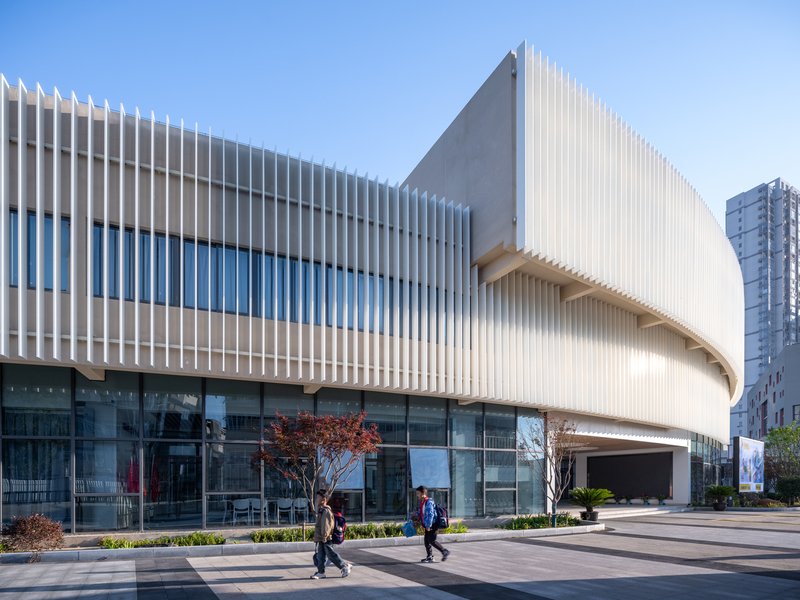
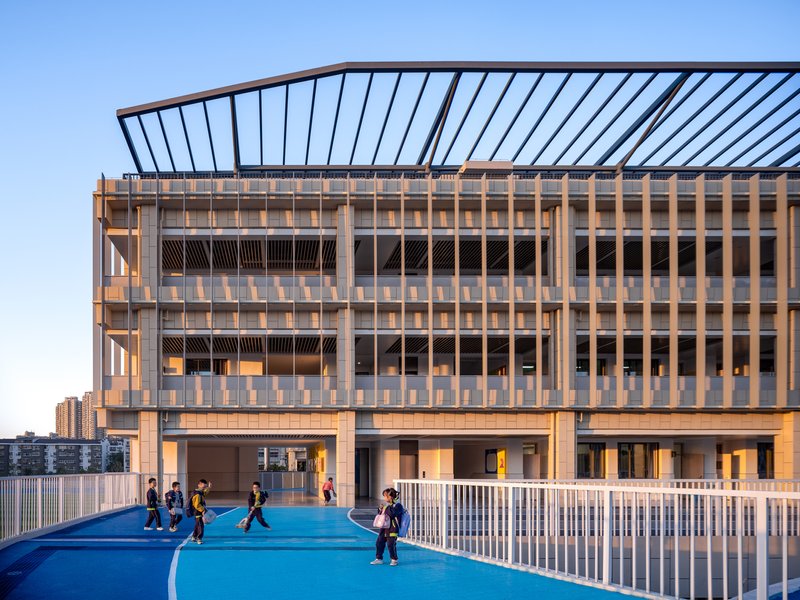
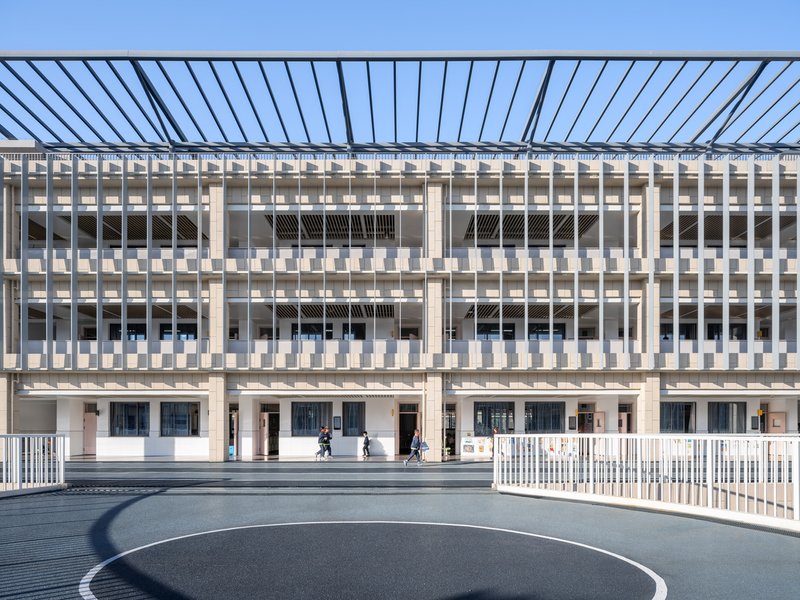
All the photographs are work of Qingshan Wu




Popular Articles
Popular articles from the community

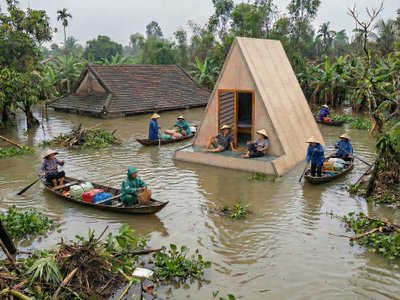
CTA | Creative Architects Designs Triangular Floating Shelters for Vietnam's Flood-Ravaged Communities
A timber-louvered triangular shelter rises on concrete pontoons to keep Vietnamese families safe and together when floodwaters come.
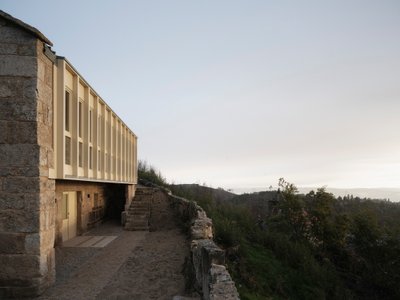
Three Architects Stitch a Social Center into a Crumbling Galician Hamlet
In Muimenta, Spain, timber and plywood volumes graft onto granite ruins to anchor a rural revitalization effort.

De la Riva Sherry Homes By Juan Vega Arquitectos
De la Riva Sherry Homes transform a historic winery into unique residences, blending industrial heritage, modern comfort, and community-focused courtyard living.
Art 1 Office Strips Athens Back to Its Bones
Neiheiser Argyros transforms a 40-year-old Athens office building into a vivid, materially rich workplace anchored by red steel, exposed concrete, and roof


Similar Reads
You might also enjoy these articles

Filtering Space: A Gradual Spatial Experience
From urban intensity to spatial calm.


The Ken Roberts Memorial Delineation Competition (Krob)
As the most senior architectural drawing competition currently in operation anywhere in the world, it draws hundreds of entries each year, awarding the very best submissions in a series of medium-based categories.

Waterfront Redevelopment and Urban Revitalization in Mumbai: Forging a New Dawn for Darukhana
A transformative waterfront redevelopment project reimagining Darukhana’s shipbreaking heritage into an inclusive urban future.

OUT-OF-MAP: A Call for Postcards on Feminist Narratives of Public Space
Rhizoma Design and Research Lab invites artists, designers, architects, researchers, and students to reflect on how feminist perspectives can reshape public space. Selected works will be exhibited in Barcelona, October 2026. Submissions open until 15 April 2026.


Explore Architecture Competitions
Discover active competitions in this discipline




The International Standard for Design Portfolios


The Global Benchmark for Architecture Dissertation Awards


The Global Benchmark for Graduation Excellence


Challenge to design public laboratory
Comments (0)
Please login or sign up to add comments
No comments yet. Be the first to comment!